The federal EV rebate in Canada in 2026 is EVAP, the Electric Vehicle Affordability Program, and it pays up to $5,000 at the point of sale on eligible battery-electric vehicles. It replaced iZEV, launched on February 16, 2026, and it steps down every year starting in 2027. If you're buying an EV this year, you get the peak number. If you wait, you don't.
Tesla once sold 8,600 vehicles in 72 hours before Canada's previous EV rebate program's funds were depleted. EVAP is structured to run through 2031, but the mechanics of "first come, first served" have not gone anywhere, they've just been spread across a longer runway.
Key takeaways
- EVAP replaced iZEV on February 16, 2026, paying $5,000 at point of sale on eligible BEVs.
- The rebate drops to $4,000 in 2027, making 2026 a $1,000 timing advantage over next year.
- Imported EVs face a hard $55,000 MSRP cliff, one dollar over means zero rebate, no proration.
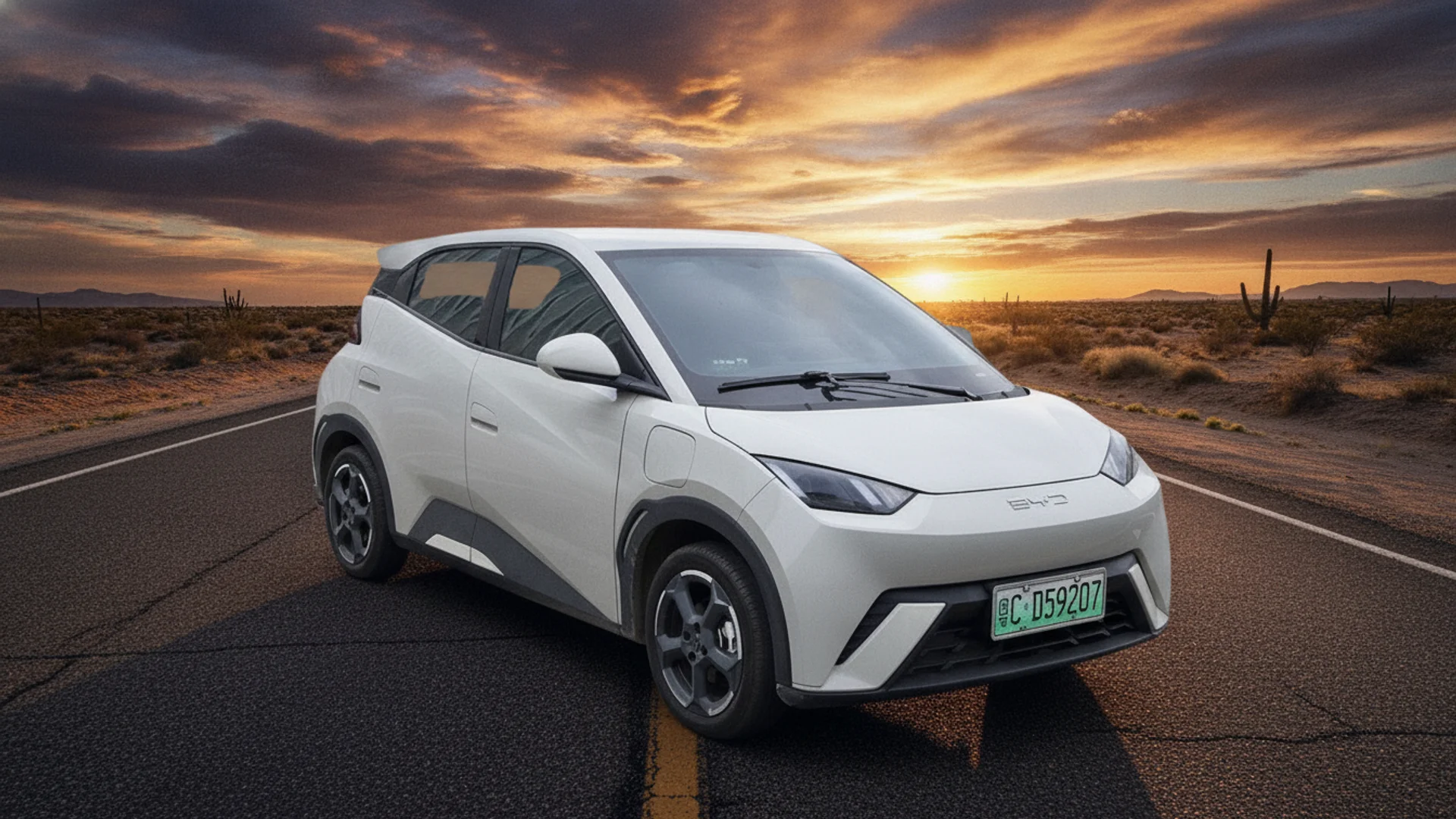
- China-built EVs like BYD are excluded by country of origin, regardless of price.
- Ontario and Alberta buyers get federal EVAP only; BC and Quebec buyers stack up to $9,000 combined.
What EVAP Is and What Changed from iZEV
EVAP is a Transport Canada program. It is federal, not provincial, and it is administered directly through participating dealerships rather than by the buyer after the fact. The Electric Vehicle Affordability Program (EVAP) provides incentives to make electric vehicles more affordable, as well as to help Canadians buy or lease Canadian-made electric vehicles.
The program's political origin matters for how you read its stability. In February 2026, CBC News reported the Carney government's shift: goodbye EV sales mandate, hello purchase rebates. EVAP is the "hello" half of that trade. The sales mandate that would have forced automakers to hit rising ZEV percentages is gone; the consumer-side rebate is what remains.
iZEV, the program EVAP replaced, ran from 2019 through early 2026 and paid out on more than 100,000 vehicles. It was a per-vehicle rebate at the same $5,000 tier for BEVs, but its funding was appropriated in tranches, and it burned through those tranches faster each cycle. The 72-hour Tesla depletion was not an aberration; it was the end state of a program whose demand had outrun its budget.
EVAP's structural change is the Canadian-content lever. Imported EVs face an MSRP ceiling. Canadian-built EVs do not. That is a deliberate industrial-policy signal, Ottawa is willing to pay the same rebate on a $75,000 domestically-assembled vehicle as on a $45,000 imported one. Whether that lever actually moves buyers depends on which Canadian lines qualify at any given moment, which is exactly the kind of thing dealer brochures get wrong.
For the full stacking picture across every federal, provincial, and municipal layer, EV Incentives Canada 2026: Federal and Provincial is the map worth having open.
The Quick Answer: How Much and on What
The 2026 headline number: $5,000 for a battery-electric vehicle, applied at the point of sale. Plug-in hybrids qualify at a lower tier, the exact amount depends on electric range and is published on the Transport Canada eligible-vehicle list.
The price ceilings on imported EVs sit at $55,000 MSRP for standard passenger models and $60,000 for longer-range vehicles and SUVs. A vehicle listed at $55,001 does not qualify. There is no partial credit, no proration, no "close enough", the cap is a cliff.
Electric vehicle purchase or lease transactions made on, or after, February 16, 2026, may qualify for an incentive. Transactions before that date fall under the retired iZEV rules.
The step-down schedule is the part buyers underweight. The rebate drops to $4,000 in 2027 and continues declining through the program's 2031 wind-down. 2026 is the peak year. If you were going to buy a BEV in the next 24 months anyway, buying it in 2026 rather than 2027 is a $1,000 timing decision. Buying it in 2026 rather than 2030 is a much bigger one.
China-built EVs do not qualify. This is a country-of-origin exclusion, not a price one, a $30,000 BYD, if one landed in Canada tomorrow, would receive $0 from EVAP.
Gear worth having
As an Amazon Associate, ThinkEV earns a small commission from qualifying purchases — at no extra cost to you.

Lectron Level 2 J1772 Charger (40A, WiFi)
Smart WiFi charger with real-time energy monitoring. 40A / 9.6 kW, J1772 with a NEMA 14-50 plug, schedule charging right from your phone.
As an Amazon Associate, ThinkEV earns from qualifying purchases — at no extra cost to you.
Point-of-Sale Mechanics: No Paperwork, No Waiting
This is the part iZEV got right and EVAP kept. The rebate is applied at the dealership as a line-item reduction to the purchase price. The buyer does not file a claim, does not wait for a cheque, does not submit receipts to a federal portal. The dealer runs the paperwork; the buyer signs a contract with the $5,000 already subtracted.
The catch is that the dealership must be a participating dealership. Not every showroom is registered with Transport Canada for EVAP processing, and a dealer who is registered for one brand's EVAP claims may not be registered for another. Ask before you shop, not after you negotiate.
Private sales do not qualify. If you are buying a used EV from an owner off Facebook Marketplace or Kijiji, EVAP does not apply, not at a lower tier, not at a used-vehicle tier, not at all. EVAP is a new-vehicle program administered through franchise dealerships. Used-EV buyers are on their own for federal incentives, though some provincial used-EV programs exist (see the provincial section).
Leases qualify. The $5,000 is applied to the capitalised cost of the lease rather than as a cash rebate, which for most lessees translates into a lower monthly payment rather than a lump sum. The math works out to roughly the same total benefit over a standard 36- or 48-month term.
The risk to plan around: annual budget caps per fiscal year are not publicly confirmed line-items. Ottawa has committed to the program's five-year runway, but whether Year 2 funds behave like Year 1 funds under sustained demand is the question no press release has cleanly answered. The prudent read is that fund availability tightens in Q4 as fiscal-year budgets draw down. Buying in Q2 or Q3 is lower-risk than buying in late March.
Stacking Federal and Provincial Rebates by Province
EVAP is federal. Provincial rebates, where they exist, stack on top of it. This is where the price-band commitment gets interesting: a buyer in British Columbia can get numerically different math from a buyer in Toronto on the same vehicle on the same day.
Gear worth having
As an Amazon Associate, ThinkEV earns a small commission from qualifying purchases — at no extra cost to you.

WeatherTech FloorLiner for Tesla Model 3
Deep-channel liners that trap every drop of slush and salt. The difference between a ruined interior and a showroom-fresh cabin after a Canadian winter.
As an Amazon Associate, ThinkEV earns from qualifying purchases — at no extra cost to you.
British Columbia operates the CleanBC Go Electric rebate, which stacks with EVAP for a combined federal-plus-provincial number that varies by income tier. High earners get less from CleanBC; middle-income buyers get more. The stacked total on a mid-price BEV lands in the $7,000–$9,000 band before dealer negotiation.
Quebec runs the Roulez Vert program, which stacks with EVAP for a combined benefit that pushes the total incentive package into similar territory to BC. Quebec's provincial amounts have been scheduled to step down over the same window, so the same "buy earlier rather than later" logic applies twice over.
Ontario and Alberta offer no provincial EV purchase rebate in 2026. Buyers in these two provinces receive federal EVAP only. That is a $5,000 rebate, meaningful, but roughly half of what a BC or Quebec buyer nets on the same car.
Manitoba ran a $4,000 provincial rebate scheduled to end March 31, 2026. PEI pays $4,000 (down from $5,000 in mid-2025). Newfoundland and Labrador's $2,500 program had a March 15, 2026 deadline. Verify current status with the provincial program before signing anything, the atlantic-provinces programs have been on a steady down-cycle.
The stacked-rebate math changes which vehicles land under psychological price thresholds. A $58,000 imported BEV in Quebec, with EVAP plus Roulez Vert, can land at an effective cost in the low $50,000s. The same vehicle in Alberta lands at $53,000. Same car, same day, $5,000 delta driven entirely by postal code.
For the province-by-province breakdown, EV Rebates by Province Canada 2026: Every Program tracks the current numbers.
Gear worth having
As an Amazon Associate, ThinkEV earns a small commission from qualifying purchases — at no extra cost to you.

Grizzl-E Classic Level 2 EV Charger (40A)
Canadian-made and rated for minus 40C winters. 40A / 9.6 kW, NEMA 14-50, indoor/outdoor, 24-ft cable. The charger built for Canadian weather.
As an Amazon Associate, ThinkEV earns from qualifying purchases — at no extra cost to you.
Which Models Actually Qualify Right Now
The authoritative eligible-vehicle list is published by Transport Canada and updated as manufacturers submit new model-year data. The dealer brochure is not authoritative. Dealers get this wrong routinely, sometimes because a trim was reclassified between the brochure's print date and the buyer's purchase date, sometimes because the salesperson is working from a training deck that predates the current list.
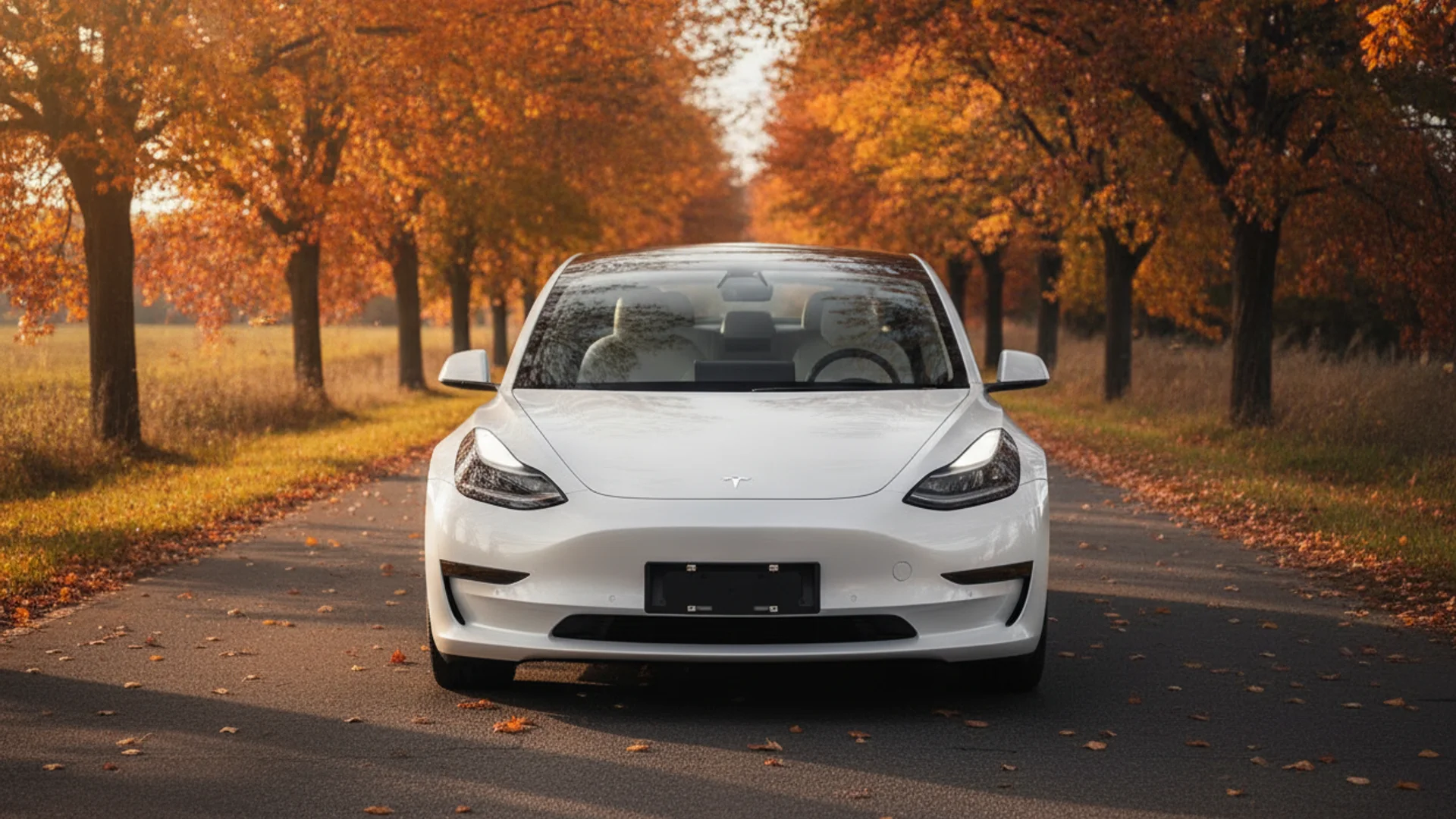
Notable 2026 qualifiers span most of the mainstream lineup: Toyota's bZ series, Kia's EV lineup, the Volkswagen ID.Buzz LWB, the Chrysler Pacifica PHEV, and Hyundai's Ioniq family. Tesla remains eligible on trims that sit under the $55,000 cap; the higher-trim Model Y and Model S sit above. Ford's Mustang Mach-E straddles the cap depending on trim and options. General Motors' Bolt (2027 model year, $39,999 starting) qualifies comfortably.
The Canadian-content advantage is the structural interesting bit. A domestically-assembled EV, the qualifying lines from the Stellantis Windsor plant, GM's CAMI facility retooling for BrightDrop, and the Honda-LG production planned to come online, face no price ceiling under EVAP. That is a real subsidy on high-trim domestic units that would otherwise price out. Whether the timing of production ramps lines up with the 2026-peak rebate window is the question every buyer of a domestic model should be asking their dealer.
If you're shortlisting on the cap-eligible side, the most affordable EVs under $55,000 in Canada covers the models that don't sweat the ceiling.
The limitation: I have not driven most of these models. The eligibility question is a paperwork question, not a driving one, the Transport Canada list either has the VIN's build spec on it or does not, and the rebate flows accordingly.
Gear worth having
As an Amazon Associate, ThinkEV earns a small commission from qualifying purchases — at no extra cost to you.
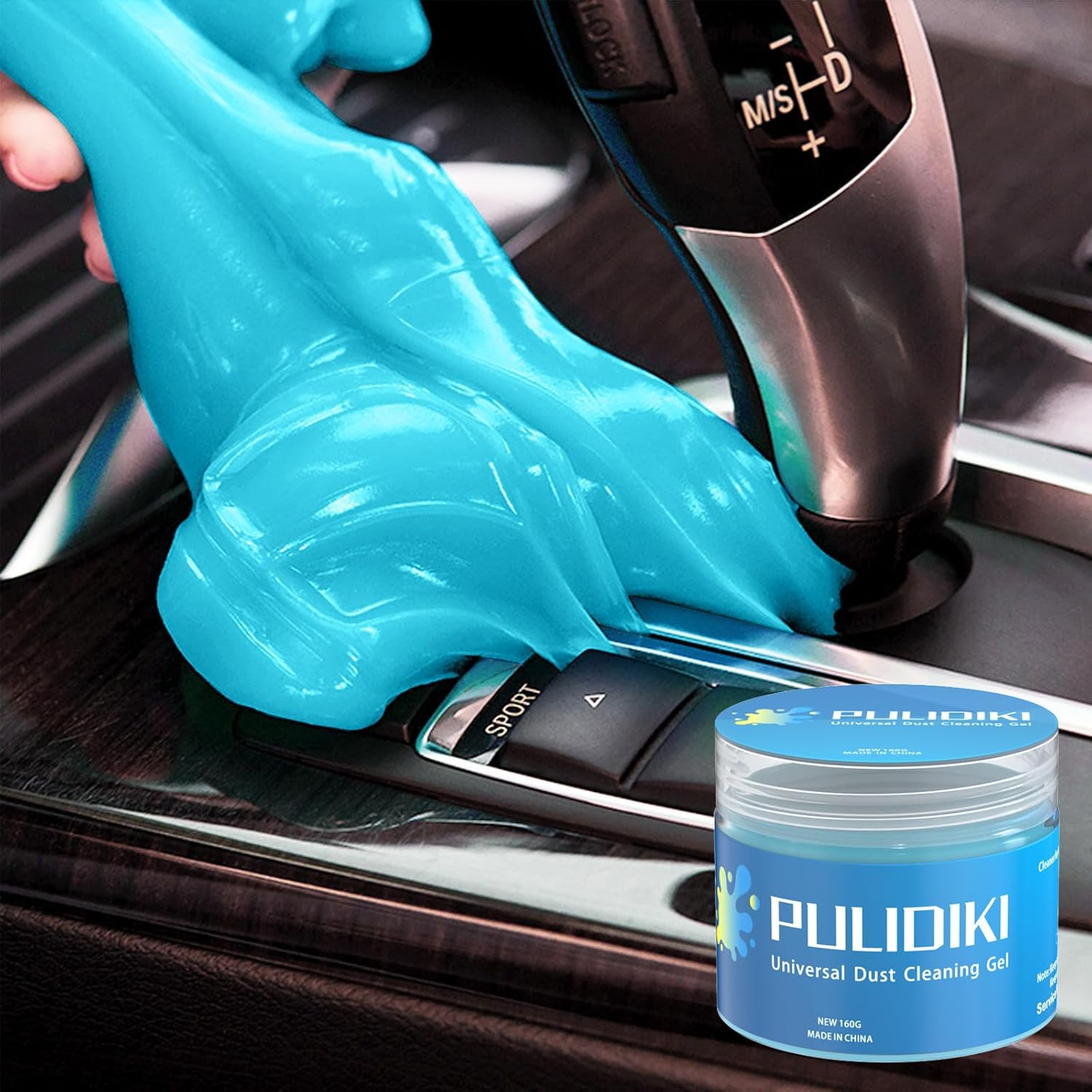
PULIDIKI Car Cleaning Gel (Detailing Putty)
Press it into vents, buttons, and seams and it lifts out dust you did not know was there. Weirdly satisfying, genuinely useful.
As an Amazon Associate, ThinkEV earns from qualifying purchases — at no extra cost to you.
The Rebate in Your Decision: How to Use the Number
Treat $5,000 as certain in 2026. Treat $4,000 as the working 2027 number unless Ottawa announces otherwise, which, given the political trade that produced EVAP in the first place, is a low-probability event. The step-down is baked into the program's structure, not a policy variable subject to negotiation.
The gap in the public record is annual fund availability. EVAP's total program envelope has been reported; the year-by-year appropriation dynamics have not been cleanly disclosed. First-come dynamics likely apply within any given fiscal year, which means a Q4 purchase carries more program-risk than a Q2 one. If you are buying in Q4 2026, expect nothing from the desk beyond "we'll process the claim and see." That is a real answer, not an evasive one.
For the full total-cost-of-ownership frame, where the rebate sits alongside fuel savings, maintenance deltas, and insurance shifts, switching gas to EV cost comparison for Canada 2026 does the arithmetic.
The number to watch through 2027 is not the rebate amount, that one is on a published schedule. It is whether the Carney government reopens the EV sales mandate conversation when the rebate-only approach starts producing sales numbers Ottawa dislikes. If the mandate comes back on top of EVAP, the whole structure of the program changes. Until then, the $5,000 is there, the desk applies it, and the buyer who acts in 2026 gets a number the 2027 buyer will not.
Gear worth having
As an Amazon Associate, ThinkEV earns a small commission from qualifying purchases — at no extra cost to you.

WixGear Magnetic Air Vent Phone Mount (2-Pack)
A magnet strong enough that your phone never flinches over potholes or rail crossings. Two in the box, one for each car.
As an Amazon Associate, ThinkEV earns from qualifying purchases — at no extra cost to you.

Founder & Chief Editor
Vlad Pereira is the founder and chief editor of ThinkEV.ca, the Canadian electric-vehicle publication he writes and edits from Courtenay, British Columbia. He covers EV pricing, federal and provincial rebates, charging costs, and the Chinese manufacturers now entering Canada, from the buyer's side rather than the press-fleet side. ThinkEV is a venture of Vlad Pereira Online; his writing on health, income and the long game lives at vladpereira.com.
Frequently asked questions
Does EVAP apply if I buy from a private seller?
Can I stack EVAP with my province's rebate?
Do Chinese-built EVs like BYD qualify for EVAP?
What happens to the rebate amount after 2026?
Which dealerships are actually set up to process EVAP?
More EV & road-trip finds
Affordable upgrades worth a look — tap any to check the price on Amazon.

TP-Link Kasa Smart Plug with Energy Monitoring
View on Amazon ★ 61
★ 61Toddler Car Seat Snack and Cup Tray
View on Amazon ★ 268
★ 268Anti-Slip Leather Steering Wheel Cover
View on Amazon ★ 9,349
Auto Detailing Brush Set (10-Piece)
View on Amazon ★ 537
★ 537USB Star Projector Roof Light
View on Amazon ★ 401
★ 401Crochet Daisy Rear-View Mirror Charm
View on Amazon ★ 4,424
Sun Visor Card and Document Organizer
View on Amazon ★ 12,834
P3 Kill A Watt Electricity Usage Monitor
View on AmazonRead, Plan, Then Stay Current
Explore our expert articles to understand incentives and ownership costs, use the map to pressure-test charging reality, then subscribe so new EV coverage comes straight to you.
Continue Reading
How to Test-Drive an EV: What Gas-Car Buyers Miss
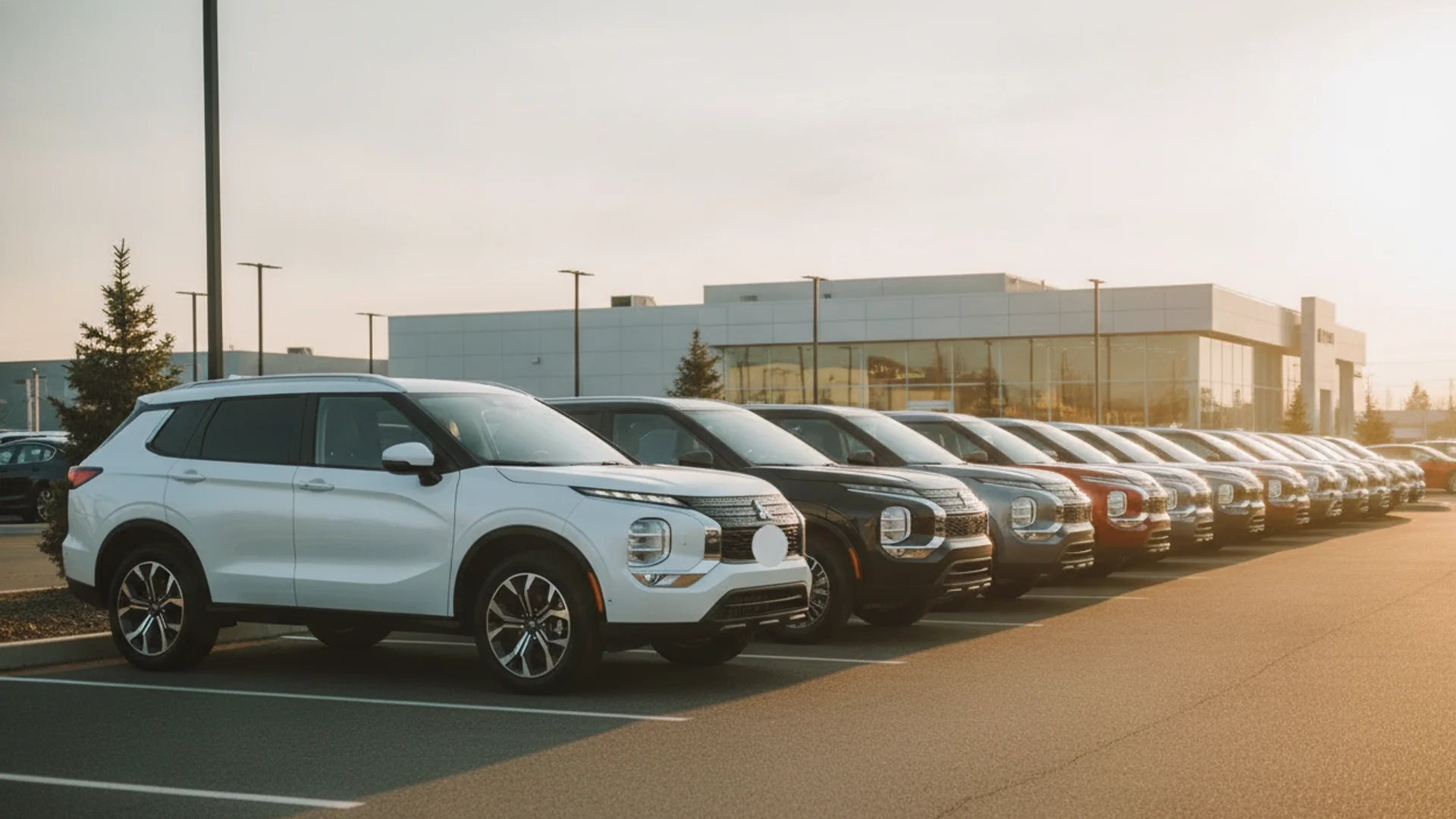
EV Rebates in Canada: How EVAP and Provincial Stacking Work
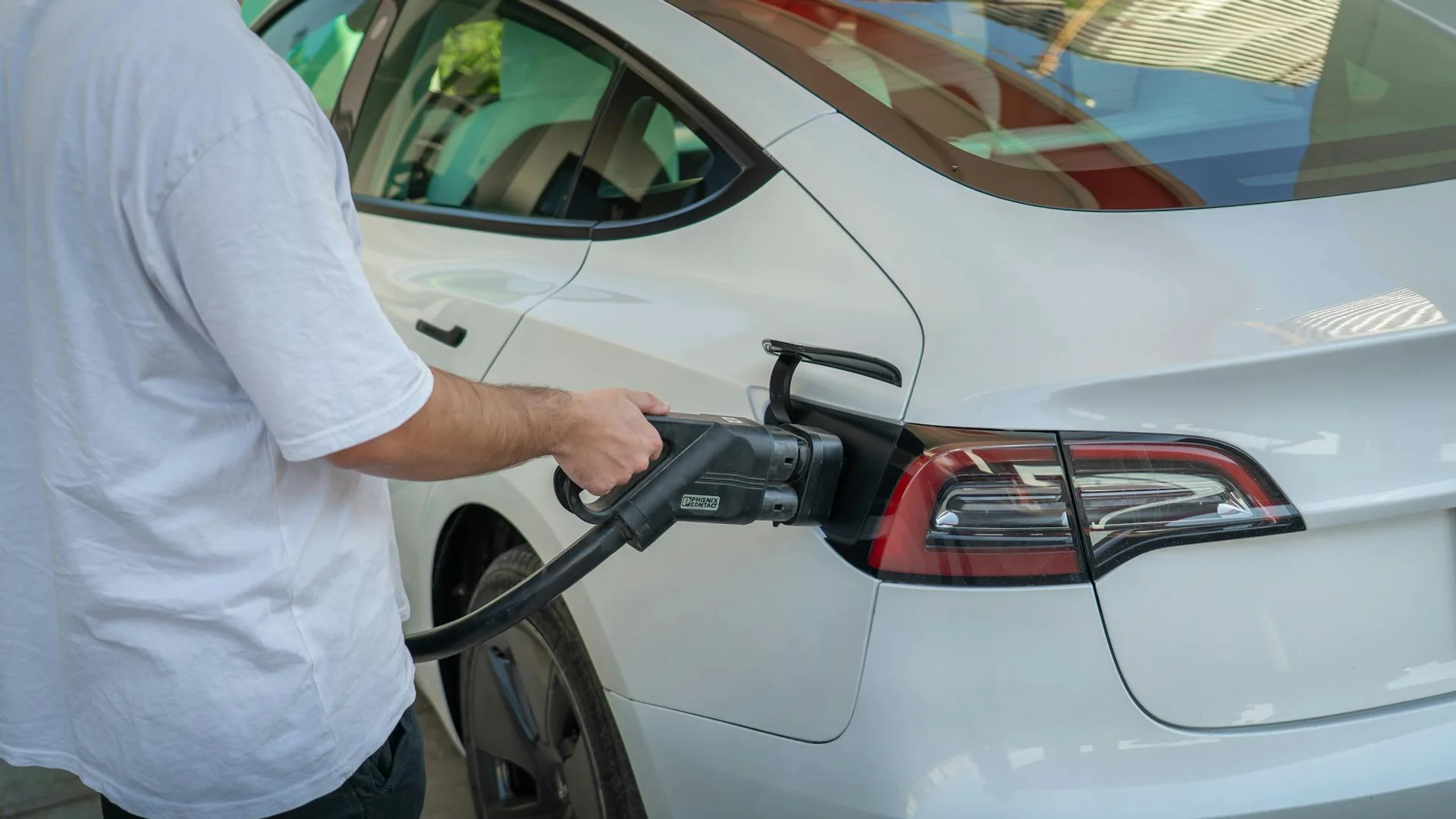
EV Incentives Canada 2026: Federal and Provincial
Why Most EV Efficiency Coverage Gets It Backwards
First-Time EV Buyer Mistakes Worth Avoiding in Canada