The sticker says $52,000. After the federal rebate plus BC's CleanBC program, you sign for $43,000. The gap between those two numbers is what this primer is about, because most of the confusion around Canadian EV incentives comes from buyers treating the rebate as one number instead of a stack of them, each with its own rules, ceilings, and disqualifiers.
Canada's rebate architecture in 2026 has two live layers: the federal Electric Vehicle Affordability Program (EVAP), and whatever your province happens to offer on top. Both matter. Neither is optional to understand before you sign.
Key takeaways
- EVAP replaced iZEV on February 16, 2026, with $2.275 billion in funding running to March 31, 2031.
- EVAP caps eligibility on the final transaction price, not MSRP, so dealer add-ons can disqualify an otherwise eligible model.
- Quebec's Roulez Vert stacks past $12,000 combined with EVAP, but the provincial amount shrinks every quarter you wait.
- Ontario has Canada's highest EV sales and zero provincial rebate, EVAP's $5,000 is your entire stack.
- Yukon is one of the only Canadian jurisdictions where a used EV carries any rebate at all.
Buy, Wait, or Skip: The 30-Second Verdict
Before the mechanics, the call. Three buyer profiles, three answers:
- BC or Quebec resident, eligible model under the cap: BUY. The stack clears $9,000 in BC and past $12,000 in Quebec. This is the strongest rebate math Canada has ever offered on a mainstream EV, and the Quebec program is winding down year by year, waiting costs you money.
- Ontario, Alberta, Saskatchewan, or Manitoba resident: BUY if the model fits, but negotiate harder. EVAP is your entire rebate. $5,000 is real money, but it's half of what a Quebec neighbour gets on the identical car. Compensate at the pre-incentive negotiation, not by waiting for a provincial program that isn't coming.
- Shopping loaded trims or a used EV: WAIT and rethink. Loaded trims blow the price cap and forfeit the entire rebate. Used EVs are federally excluded outside Yukon. If either describes you, the rebate math you think you're getting isn't the rebate math you'll sign for.
Quick Answer: What You Actually Get and Where
The federal layer is EVAP. It pays $5,000 on a qualifying new battery electric vehicle and $2,500 on a qualifying plug-in hybrid with at least 15 kWh of usable battery. The dealer applies it at the point of sale, you sign a declaration, they file the paperwork, no post-purchase claim, no waiting on a cheque.
Provincial rebates stack on top in a handful of jurisdictions. BC's CleanBC Go Electric adds up to $4,000. Quebec's Roulez Vert adds up to $7,000, income-tested. PEI adds $5,000, no income test. Yukon adds $5,000 and, unusually, covers used vehicles. Combined ceilings in the strongest-stacking provinces clear $9,000 on the low end and reach past $12,000 in Quebec on the right model.
Ontario, Alberta, and Saskatchewan currently offer no provincial EV rebate. If you buy in those provinces, EVAP is your entire rebate. That is not a small caveat, it is the difference between a $5,000 discount and a $12,000 one on the same car depending on postal code.
Used EVs are the other cliff. Federal EVAP applies to new vehicles only. A short list of provincial programs (Yukon, a limited Ontario pilot, a few municipal top-ups) cover the used market. Everywhere else, a used EV is a private transaction with no incentive layer at all.
Gear worth having
As an Amazon Associate, ThinkEV earns a small commission from qualifying purchases — at no extra cost to you.

Lectron Level 2 J1772 Charger (40A, WiFi)
Smart WiFi charger with real-time energy monitoring. 40A / 9.6 kW, J1772 with a NEMA 14-50 plug, schedule charging right from your phone.
As an Amazon Associate, ThinkEV earns from qualifying purchases — at no extra cost to you.
How EVAP Replaced iZEV, and Why the Differences Matter
The old federal program, iZEV, ran from 2019 until it suddenly ran out of money in March 2025. For most of that year, Canada had no federal EV rebate. EVAP relaunched the federal incentive on February 16, 2026, running until March 31, 2031 or earlier if funding is used up, with $2.275 billion in funding over five years.
The headline dollar figure looks similar to iZEV, $5,000 on a BEV, but the structural change underneath is the one that matters at the dealership. EVAP caps eligibility on the final transaction price rather than the MSRP. Taxes, freight, and PDI are excluded from the calculation, but dealer add-ons and trim upgrades are not. A model that fit inside the iZEV MSRP cap can miss the EVAP cap once options are loaded on. That's the single most important sentence in this piece, read it twice.
The transaction-price ceilings themselves: $55,000 for most passenger cars, $60,000 for longer-range models and SUVs, and $50,000 for PHEVs. This is not the sticker on the window, it is the number on the bill of sale before tax. Trim discipline decides eligibility. A base trim that clears the cap by $2,000 becomes ineligible the moment you add a $3,000 option package, and the dealer's incentive to warn you about that is roughly zero.
EVAP also carries a Canadian-assembly tier. Vehicles built domestically qualify for an additional incentive layer beyond the base rebate, the mechanism the federal government is using to nudge buyers toward the plants operating on Canadian soil. The eligible-vehicle list on Transport Canada's site flags which models qualify for the assembly bonus; the list updates as manufacturers apply, so a model that isn't on it today may appear next quarter.
Province by Province: Where the Stacking Actually Works
The stacking map is the part most buyers get wrong, because the assumption that "there must be a provincial rebate somewhere" isn't true in half the country. Here's what the map actually looks like on August 24, 2026:
- British Columbia, CleanBC Go Electric: up to $4,000 on qualifying new BEVs, income-tested for the top-up tier. Stacks cleanly with EVAP. A qualifying model priced right can pull $9,000 in combined federal-plus-provincial rebate before you talk trade-in.
- Quebec, Roulez Vert: up to $7,000 on new BEVs, income-tested and steadily declining year over year as the province winds the program down. Combined with EVAP, the strongest stack in the country, over $12,000 off an eligible model for a qualifying household. If you're in Quebec and eligible, the delay tax is real: every quarter you wait, the provincial number shrinks.
- Prince Edward Island: $5,000 provincial rebate on new EVs, no income test, full EVAP stack on top. A small province running one of the cleanest programs in Canada, the way PEI structures its rebate and the way Ontario doesn't is a study in how much the postal code decides. PEI also layers in a free Level 2 home charger, which most buyers forget to claim.
- Yukon, Good Energy Program: $5,000 on new or used BEVs and PHEVs. The "or used" is the differentiator, Yukon is one of the few Canadian jurisdictions where a used EV carries any rebate at all.
- Nova Scotia, New Brunswick, Newfoundland: smaller provincial rebates in the $2,000–$3,000 range, several of which have either sunset or been reduced in 2026. Check the current program page before you count on the dollar figure.
- Ontario, Alberta, Saskatchewan, Manitoba: no active provincial EV rebate. Federal EVAP is your entire rebate layer. Municipal programs in Edmonton, Calgary, and a handful of Ontario cities offer small charger rebates or free parking perks, but nothing that moves the sticker.
The pattern to hold onto: provincial rebate maps do not correlate with EV adoption maps. Ontario has the highest EV sales in the country and the smallest rebate stack. BC and Quebec pair the strongest incentives with the strongest infrastructure, which is why "the rebate" answers a different question in Vancouver than it does in Mississauga. If you're weighing a move-timing decision, the full provincial breakdown for Ontario buyers is the closest analog to what most Canadian shoppers actually face, and Yukon's used-EV coverage is the exception that proves the rule everywhere else.
Gear worth having
As an Amazon Associate, ThinkEV earns a small commission from qualifying purchases — at no extra cost to you.

WeatherTech FloorLiner for Tesla Model 3
Deep-channel liners that trap every drop of slush and salt. The difference between a ruined interior and a showroom-fresh cabin after a Canadian winter.
As an Amazon Associate, ThinkEV earns from qualifying purchases — at no extra cost to you.
The Eligible-Vehicle List: What Gets Cut and Why
The federal government publishes the eligible-vehicle list on Canada.ca as part of its EV incentives resources. Transport Canada maintains the operational list; the site updates as manufacturers apply and as trims are added, removed, or reclassified. The list is the single source of truth. Not the dealership's website. Not the manufacturer's Canadian consumer page. The Transport Canada list.
Three disqualifiers show up most often at the closing table:
Price-cap creep on loaded trims. A base BEV listed at $48,000 sails through the $55,000 ceiling. The same model in a fully-optioned trim with the tow package, the premium sound, and the all-weather group can push final transaction value past $56,000 and lose the rebate entirely. There is no partial rebate, you're in or you're out. This is the single most common way buyers lose $5,000 they thought they were getting. If you can't get an eligibility answer in ninety seconds at the desk, walk. That's my bet: I'd rather lose the deposit on a hold than lose $5,000 at signing.
PHEV battery threshold. EVAP requires a minimum 15 kWh usable battery for a PHEV to qualify for the $2,500. That rules out mild hybrids (which were never eligible), and it also rules out a surprising number of shorter-range PHEVs that manufacturers still market as plug-in. If the electric-only range is under about 50 km, check the battery spec before assuming the rebate applies.
Lease structure. EVAP requires a lease term of at least 12 months. Balloon leases and single-payment leases are excluded. This mostly affects buyers trying to structure a short-term lease as a hedge against depreciation, a legitimate strategy, but one that costs you the rebate.
The list changes. A model eligible in March may be delisted by August if the manufacturer restructures pricing above the cap, and vice versa. Confirm before signing, not after.
Gear worth having
As an Amazon Associate, ThinkEV earns a small commission from qualifying purchases — at no extra cost to you.

Grizzl-E Classic Level 2 EV Charger (40A)
Canadian-made and rated for minus 40C winters. 40A / 9.6 kW, NEMA 14-50, indoor/outdoor, 24-ft cable. The charger built for Canadian weather.
As an Amazon Associate, ThinkEV earns from qualifying purchases — at no extra cost to you.
Gear worth having
As an Amazon Associate, ThinkEV earns a small commission from qualifying purchases — at no extra cost to you.
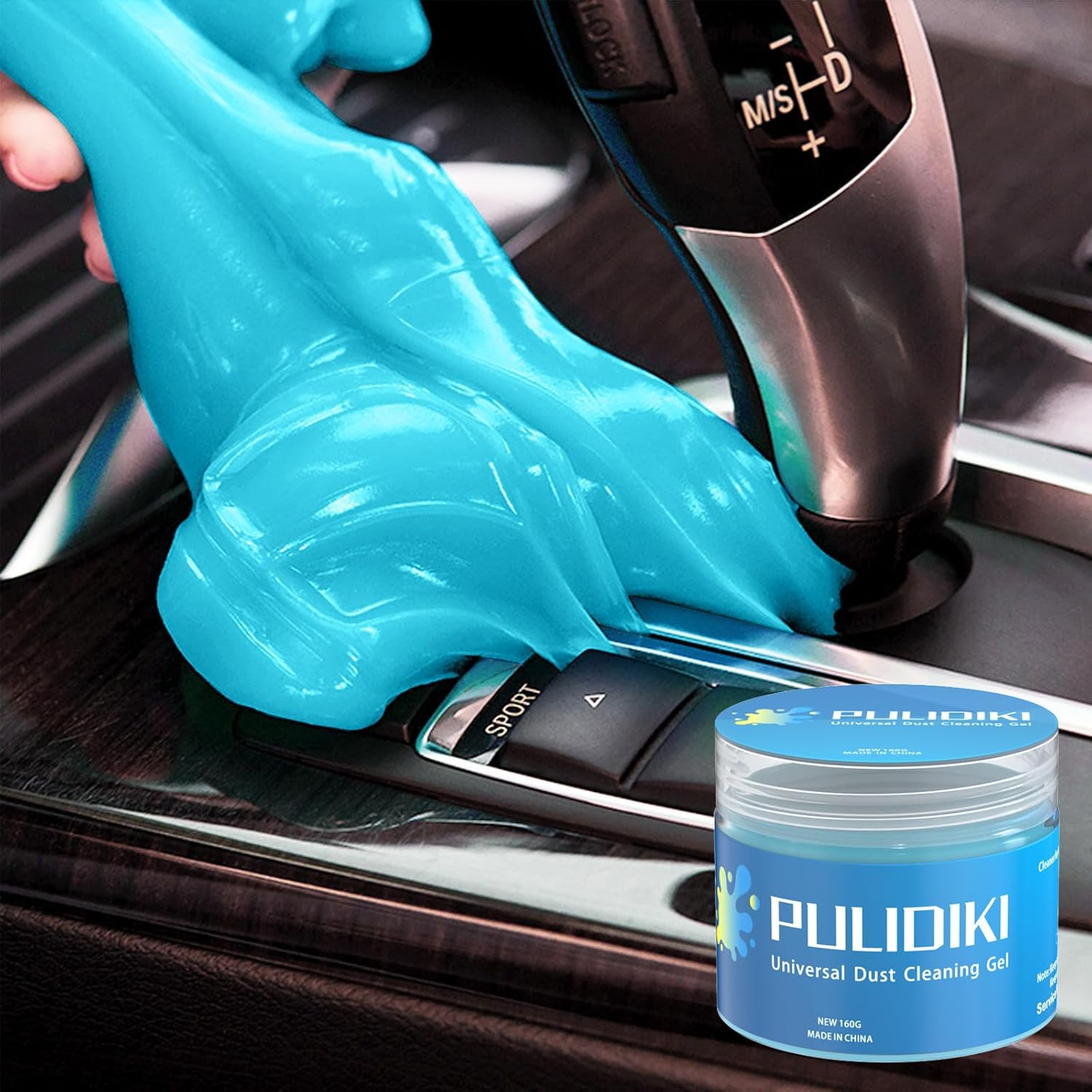
PULIDIKI Car Cleaning Gel (Detailing Putty)
Press it into vents, buttons, and seams and it lifts out dust you did not know was there. Weirdly satisfying, genuinely useful.
As an Amazon Associate, ThinkEV earns from qualifying purchases — at no extra cost to you.
How to Claim It, and the Two Mistakes That Cost People Money
Mechanically, EVAP is the easiest rebate Canada has ever run. The dealer deducts $5,000 (or $2,500 for a PHEV) directly from the transaction. You sign a declaration confirming you're the end buyer and that the vehicle will be registered in your name. The dealer files the paperwork with Transport Canada and collects the reimbursement. You drive away with the discount already applied, no receipt to keep, no tax-time filing, no post-purchase form to lose in a drawer.
That simplicity produces two consistent, expensive mistakes.
Mistake one: negotiating price after the rebate is applied. The rebate is not a bargaining chip. It comes off the top for everyone. The number you negotiate is the pre-incentive transaction price, and every dollar you shave off that number is a dollar of margin you take from the dealer, not from Ottawa. Buyers who see "$47,000 after rebate" on the worksheet and start negotiating from there have already lost the negotiation. Ask for the pre-incentive number and negotiate that. Then apply the rebate.
Mistake two: trusting that the car on the lot qualifies. Dealers stock what sells. They also stock loaded trims because loaded trims carry more margin. A sales rep who tells you "yes, this qualifies for the $5,000" is not lying, but they may be quoting the model's eligibility, not the specific trim on the lot. Pull up the Transport Canada eligible-vehicle list on your phone at the desk. Confirm the trim. Confirm the final transaction value including options is under the cap. This takes ninety seconds and it is the only ninety seconds standing between you and a five-thousand-dollar surprise.
The new program has a budget of $2.275-billion, which is meant to last five years. iZEV was budgeted to last longer than it did and ran dry in under six. If EV adoption accelerates through 2027 the way current sales momentum suggests, EVAP could exhaust its funding meaningfully before March 2031. This is not a prediction, I'd put the probability of an early exhaust at somewhere between 30 and 50 percent, high enough that "wait indefinitely" is the wrong posture. The number to watch is the running-balance disclosure Transport Canada publishes periodically; when it drops below the annual burn rate, the program's real end date will be visible months before the official announcement.
For buyers weighing whether a used EV makes more sense than chasing the new-vehicle rebate, the narrow set of programs that reach the used market is the picture, federally, there is nothing. For buyers in provinces with no provincial layer, the plain-English switch-from-gas math for 2026 is where the rest of the ownership arithmetic lives, the rebate is only the first line of the spreadsheet.
The rebate architecture in 2026 rewards buyers who read the fine print and punishes buyers who assume. Read the list. Negotiate the pre-incentive price. Confirm the trim. The gap between $52,000 and $43,000 is real, but only for the buyer who insists on it.
Gear worth having
As an Amazon Associate, ThinkEV earns a small commission from qualifying purchases — at no extra cost to you.

WixGear Magnetic Air Vent Phone Mount (2-Pack)
A magnet strong enough that your phone never flinches over potholes or rail crossings. Two in the box, one for each car.
As an Amazon Associate, ThinkEV earns from qualifying purchases — at no extra cost to you.

Founder & Chief Editor
Vlad Pereira is the founder and chief editor of ThinkEV.ca, the Canadian electric-vehicle publication he writes and edits from Courtenay, British Columbia. He covers EV pricing, federal and provincial rebates, charging costs, and the Chinese manufacturers now entering Canada, from the buyer's side rather than the press-fleet side. ThinkEV is a venture of Vlad Pereira Online; his writing on health, income and the long game lives at vladpereira.com.
Frequently asked questions
Does the federal rebate apply if I buy a used EV?
What exactly counts as the transaction price under EVAP?
Can I claim both the federal rebate and a provincial one?
Is Quebec's rebate going to increase, or should I move fast?
Where do I find the official list of eligible vehicles?
More EV & road-trip finds
Affordable upgrades worth a look — tap any to check the price on Amazon.
 ★ 121
★ 121Foldable Windshield Sun Umbrella
View on Amazon ★ 392
★ 392Large Cup Holder Adapter (32-40oz)
View on Amazon ★ 2,941
Microfiber Cleaning Cloths (Multi-Pack)
View on Amazon ★ 419
★ 419RGB Car Interior LED Strip Light
View on Amazon ★ 1,349
Cool Swinging Duck Dashboard Ornament
View on Amazon ★ 979
★ 979Leather Headrest Purse Hook
View on Amazon ★ 1,866
70mai A810 4K Dual Dash Cam
View on Amazon ★ 119
★ 119Foldable Waterproof Trunk Organizer
View on AmazonRead, Plan, Then Stay Current
Explore our expert articles to understand incentives and ownership costs, use the map to pressure-test charging reality, then subscribe so new EV coverage comes straight to you.
Continue Reading
EV Incentives Canada 2026: Federal and Provincial
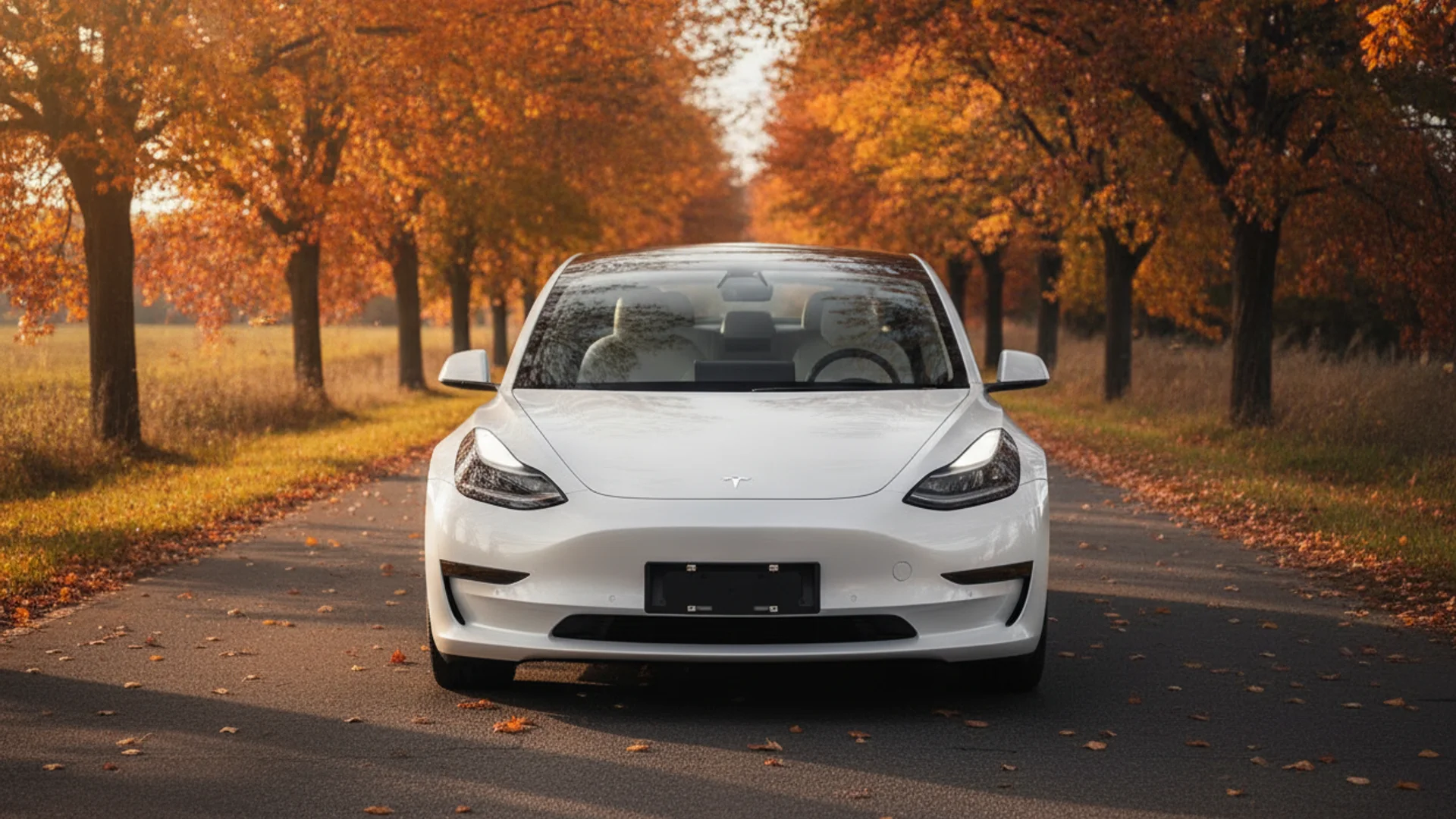
Federal EV Rebate Canada 2026: EVAP Pays $5,000

Used Electric Cars in Canada: Best Buys for 2026
How to Test-Drive an EV: What Gas-Car Buyers Miss
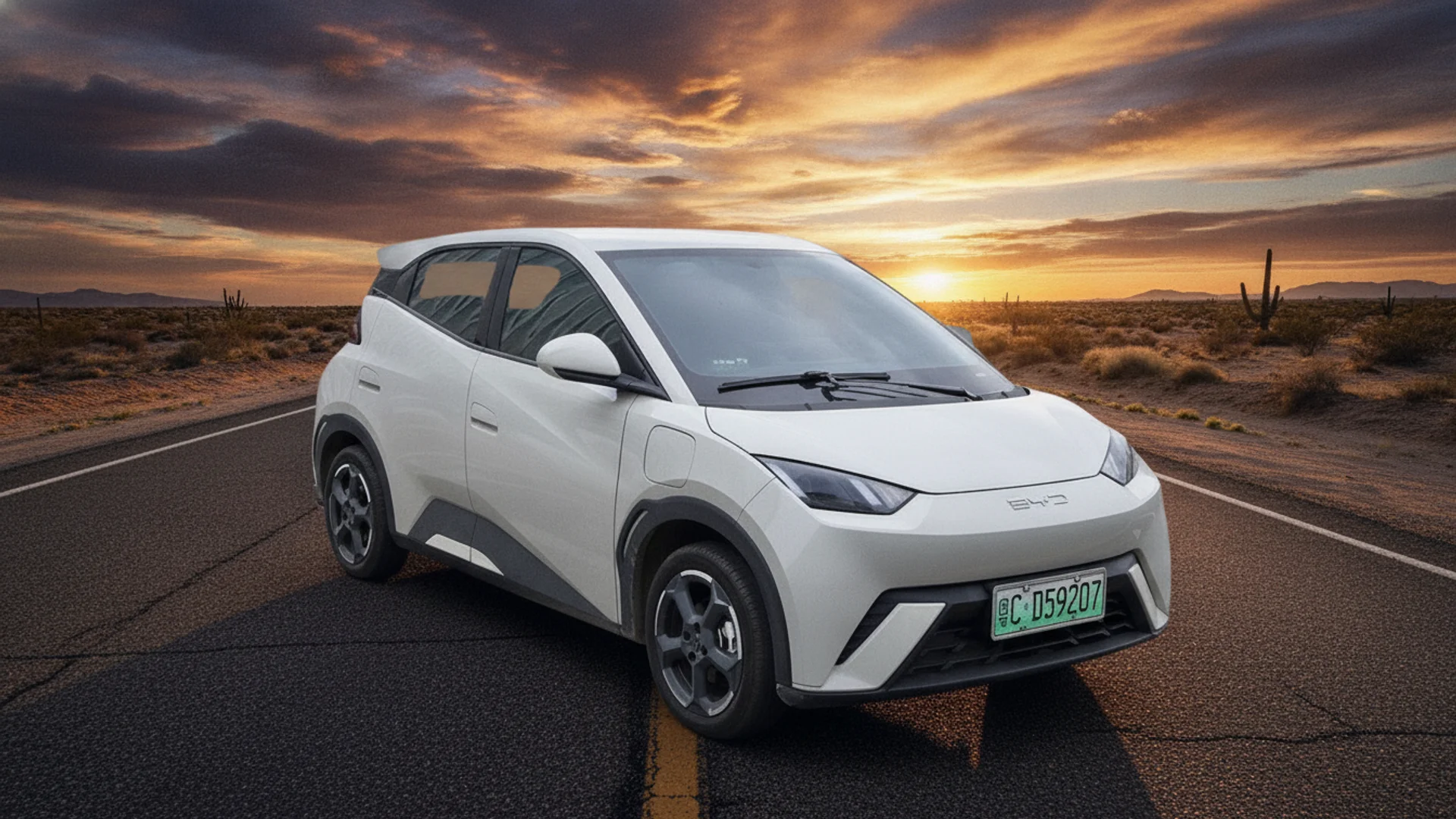
BYD Seagull Canada: Real Price, Real Specs, Real Wait