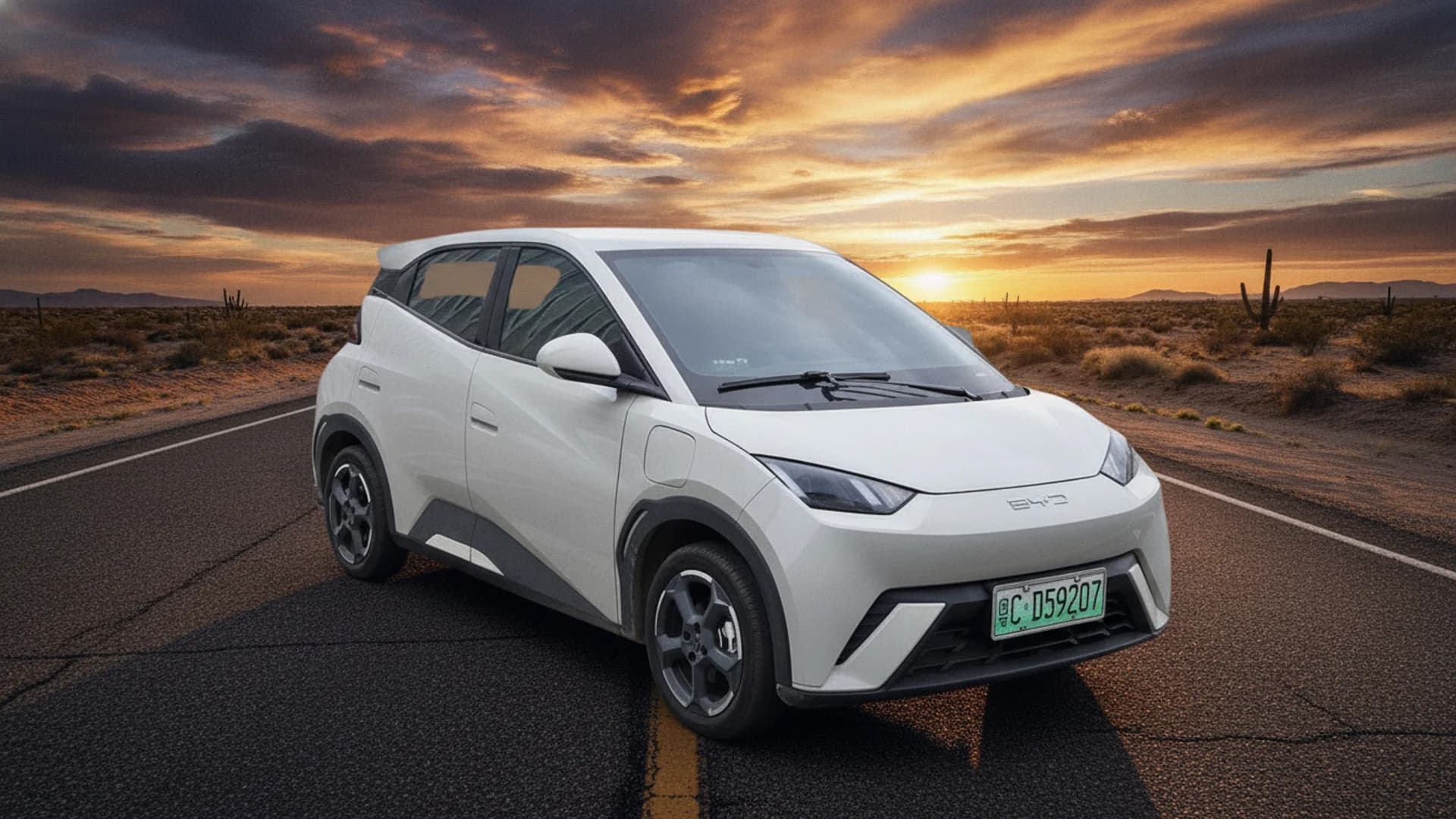
Canada's cheapest new EV is currently around $40,000. The Seagull costs roughly $22,000 landed, and you still cannot buy one here. The price is real, the tariff math works, the car exists in volume in China, and the Canadian retail infrastructure to sell it does not yet exist. Everything below is the detail behind those two sentences, the price band, the specs that translate poorly to Canadian conditions, the rebate exclusions, and what a buyer should actually watch for over the next two quarters.
Key takeaways
- Canada's 6.1% tariff (down from 100% since January 2026) puts a landed Seagull at roughly $21,000–$26,000 CAD.
- The federal EVAP rebate is blocked by China's non-FTA status, price is irrelevant, country of origin is the gate.
- CLTC range of 305 km discounts to 160–190 km on a cold January morning, making this a city car, not a highway car.
- A 30 kW DC charging ceiling means 45 minutes for a 10–80% top-up on the same Electrify Canada stalls built for 150–250 kW cars.
- No confirmed Canadian dealer network exists as of September 2026, BYD targets roughly 20 locations, none locked in yet.
Quick Answer: What the Seagull Costs in Canada Right Now
The realistic Canadian landed price for a base BYD Seagull is ~$22,000 CAD, with a defensible band of $21,000 to $26,000 depending on trim and dealer margin. No official Canadian MSRP has been published because BYD Auto, the automotive subsidiary of the Shenzhen-based conglomerate BYD Company, has not opened a Canadian dealer network. The company is reportedly targeting roughly 20 locations nationally based on comments from BYD's own PR staff; as of September 2026, none are confirmed.
The federal EVAP rebate, the current $5,000 program that replaced iZEV in February 2026, almost certainly does not apply. EVAP restricts the $5,000 credit to vehicles built in Canada or in FTA-signatory countries, and China is not on that list. Country-of-origin is the gate, not price, so no trim of the Seagull qualifies regardless of MSRP. The distinction matters because most buyers I hear from assume the sub-$50,000 MSRP cap is the binding constraint. It is not, a $19,000 Seagull is as ineligible as a $45,000 one, for the same reason.
Provincial rebates are the one open question. Quebec's roulez vert programme and BC's CleanBC incentive, both around $4,000, historically used their own eligibility lists rather than mirroring federal country-of-origin rules. Whether either province maintains that independence once Chinese EVs arrive at volume is the variable to watch. The counter-case here is straightforward: Ottawa applies quiet pressure, the provinces align to avoid a diplomatic headache, and the $4,000 evaporates before the first Seagull is delivered. I would not bet against that outcome. Do not assume; verify at launch.
Gear worth having
As an Amazon Associate, ThinkEV earns a small commission from qualifying purchases — at no extra cost to you.

ChargePoint Home Flex Level 2 Charger (50A)
Premium 50A / 12 kW charger with the best app ecosystem. Hardwired or NEMA 14-50, with real-time energy tracking and smart scheduling.
As an Amazon Associate, ThinkEV earns from qualifying purchases — at no extra cost to you.
How the $22,000 Number Is Built
The math is layered, and each layer carries uncertainty worth naming.
Layer one, the China price. The Seagull starts at approximately 69,800 yuan in its home market, which converts to roughly $13,000 to $14,000 CAD at current rates, with the higher-spec larger-battery trim topping out near 99,800 yuan or about $18,500 to $19,500 CAD. These are the manufacturer's Chinese retail numbers, not export prices, the distinction matters because Chinese domestic pricing is set against a subsidy-and-competition environment that does not travel across the Pacific.
Layer two, the tariff. Canada cut its Chinese-EV tariff from 100% to 6.1% on January 16, 2026, inside a 49,000-unit annual quota. Above the quota the rate reverts to 100%, which matters if BYD lands more Seagulls than the quota allows across all Chinese-brand EVs combined. At 6.1% on a ~$14,000 base, the tariff adds roughly $850 to $1,200. Call it $1,300–$1,700 once you include the compounding effect on landed cost with freight already included. The quota is the underappreciated risk: if Geely, XPeng, and Nio all arrive in the same window, Seagull volume gets rationed against Zeekr and Polestar volume, and BYD's Canadian retail plan has to decide whether to protect the halo cars or the entry model. History says the halo cars win.
Layer three, importer margin, compliance, and dealer markup. Transport Canada certification, federal safety compliance, dealer prep, and the retailer's own margin historically add $3,000 to $6,000 on grey-market and semi-official Chinese vehicle imports. This is the range the industry has actually observed on comparable early imports, not a projection.
Stack those layers and the base trim lands at $21,000–$23,000, the top trim at $24,000–$26,000. I am labelling this a band, not a number, because the compliance-and-margin layer is the least predictable, and rounding it to a single figure would misrepresent what is actually knowable in September 2026. A rumoured $25,000 figure attributed to BYD executive Stella Li has been circulating in Canadian EV forums, and it does not survive scrutiny against BYD's official communications, the number is directionally plausible, the sourcing is not.
Specs That Actually Matter for Canadian Buyers
The spec sheet reads better in Guangzhou than in Winnipeg. Three numbers do most of the work of translation.
Range: 305 km CLTC. CLTC is China's domestic test cycle, and it is the most optimistic standard in active use anywhere on Earth. A realistic Canadian discount is roughly 20–25% in moderate conditions before winter, which puts real-world summer range at 240–260 km. Winter, with cabin heat and cold-soaked LFP chemistry, takes another 25–35% off that, you are looking at 160–190 km on a bad January morning. This is not a highway car. For a Toronto or Vancouver commuter charging at home, it is fine. For anyone regularly running the 401 or the Coquihalla, it is not.
Charging: 30 kW DC ceiling. This is the number that most complicates the Seagull's Canadian case. The BYD Flash Charging network the company has deployed in China is an electric vehicle fast charging network supporting megawatt-class speeds on other BYD models; the Seagull does not participate in that. A 30 kW ceiling means a 10–80% top-up takes roughly 45 minutes on a fast charger, slower than the 150–250 kW cars that dominate Canadian corridor DC infrastructure. On an Ivy or Electrify Canada stall, you are paying for capacity you cannot use. The obvious defence of the low ceiling is that the Seagull is not a road-trip car, so the number does not matter. That defence works in Shanghai, where the median trip is short and DC top-ups are opportunistic. It works less well in a country where the useful definition of "affordable EV" includes a Christmas drive from Toronto to Ottawa.
Gear worth having
As an Amazon Associate, ThinkEV earns a small commission from qualifying purchases — at no extra cost to you.

WeatherTech FloorLiner for Tesla Model 3
Deep-channel liners that trap every drop of slush and salt. The difference between a ruined interior and a showroom-fresh cabin after a Canadian winter.
As an Amazon Associate, ThinkEV earns from qualifying purchases — at no extra cost to you.
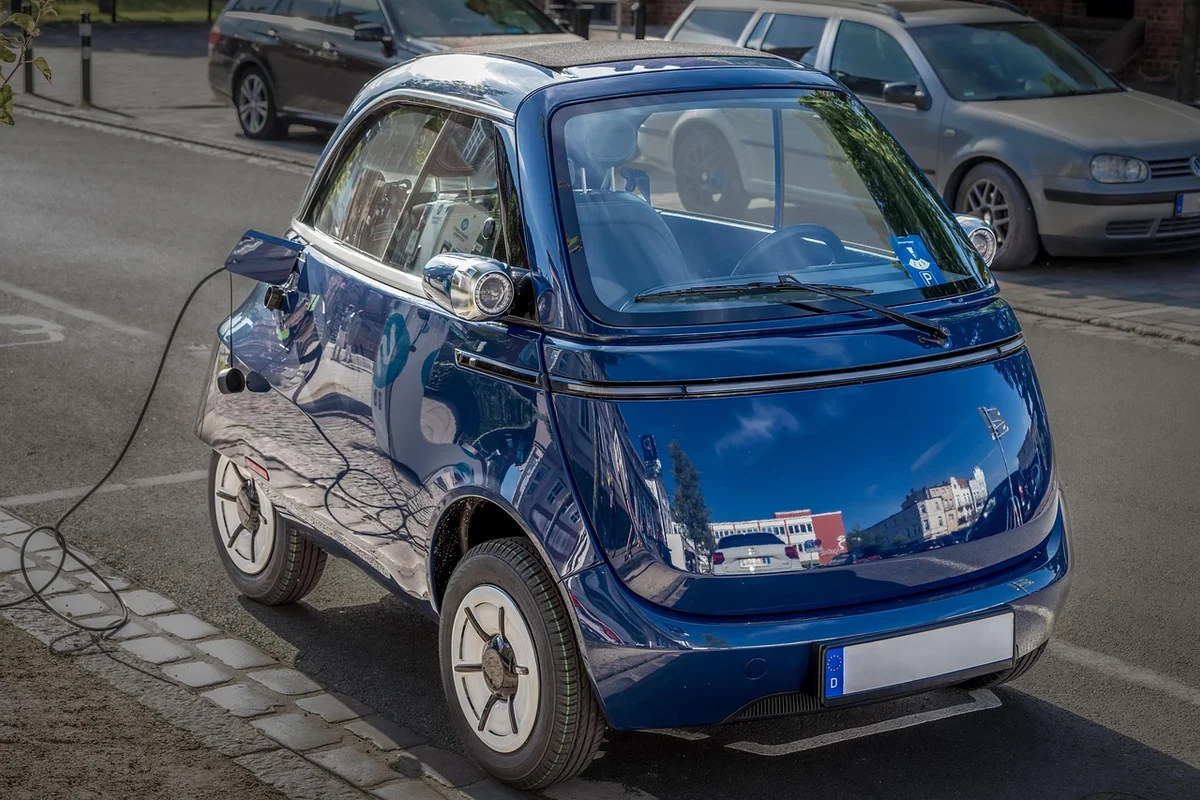
Size: 4.0 metres long. That is shorter than a Chevrolet Trax and about the same footprint as a Mitsubishi Mirage. Urban parking is easy; four adults and a weekend of luggage is not. No heat pump has been confirmed on Canada-spec units, which matters because resistive cabin heating is the single largest winter-range penalty on small EVs. It is, to be fair, a $22,000 car, the omission is expected. Naming it lets the buyer plan around it.
Gear worth having
As an Amazon Associate, ThinkEV earns a small commission from qualifying purchases — at no extra cost to you.

Grizzl-E Classic Level 2 EV Charger (40A)
Canadian-made and rated for minus 40C winters. 40A / 9.6 kW, NEMA 14-50, indoor/outdoor, 24-ft cable. The charger built for Canadian weather.
As an Amazon Associate, ThinkEV earns from qualifying purchases — at no extra cost to you.
What You Can Actually Buy Today at This Price
The Seagull's Canadian argument only works when measured against what a $22,000 budget currently gets a new-car buyer. The comparison is not flattering to the incumbents.
The Mitsubishi Mirage sits at around $18,000, gasoline, with 78 horsepower and interior technology that felt dated in 2019. It is the cheapest new car of any kind in Canada, and it sets the floor the Seagull attacks. A $4,000 premium over the Mirage buys an EV drivetrain, roughly triple the torque, and, even at CLTC-adjusted range, a car that will cost less to fuel and maintain within two years.
The outgoing Chevrolet Bolt EV, before its 2027 return at $39,999, sits at around $38,000 new. The Seagull undercuts it by roughly $16,000 for a smaller car with worse fast-charging but comparable urban usability. That is not a fair fight on price. It is, however, a fair fight on service network, GM has 400-plus Canadian dealers, BYD has zero, and a first-time EV buyer paying cash rather than leasing tends to weight that gap heavily. The Bolt keeps a real customer segment on price-plus-peace-of-mind that the Seagull cannot touch until year two or three of a Canadian presence.
The only realistic current competition is a used 2019–2021 Nissan Leaf at $15,000–$20,000, a real car with a real Canadian dealer network, real warranty coverage, and a real (if degraded) battery. For a full picture of that trade-off, the Seagull-versus-Leaf comparison for Canada's cheapest EV shopping bracket walks the specs and residuals side by side. If you need to buy something this month for under $22,000 and you want it electric, the Leaf is the answer. If you can wait, the Seagull may be.
Gear worth having
As an Amazon Associate, ThinkEV earns a small commission from qualifying purchases — at no extra cost to you.

PULIDIKI Car Cleaning Gel (Detailing Putty)
Press it into vents, buttons, and seams and it lifts out dust you did not know was there. Weirdly satisfying, genuinely useful.
As an Amazon Associate, ThinkEV earns from qualifying purchases — at no extra cost to you.
When to Expect It and What to Do Until Then
There is no confirmed Canadian launch date. BYD's Canadian PR communications confirm interest, the company has said it is evaluating the market, but interest is not a timeline. The quote from BYD executive Stella Li that has circulated in Canadian EV forums, referring to a late-2026 launch and a $25,000 Seagull, is unverified in official company channels. Treat it as rumour until it appears in a filed Transport Canada RIAS entry or a dealer-network press release.
The signals that actually indicate a launch is imminent are two, and neither is a social-media quote. The first is Transport Canada Regulatory Impact Analysis Statement filings, which precede any new vehicle model becoming legally sellable in Canada by roughly six to nine months. The second is provincial dealer licensing filings, which are public records and typically appear two to four months before a first storefront opens. Both are boring to monitor, which is why they are the reliable signals, nobody hypes a RIAS entry.
Grey-market private imports are technically possible but carry three real costs. They void federal rebate eligibility (moot for the Seagull, but relevant for other models). They complicate warranty claims because BYD has no Canadian service infrastructure to honour them. And they require the importer to personally handle Transport Canada compliance, which for a vehicle not yet certified in Canada means a bespoke engineering review at the owner's expense. The math rarely works for a $22,000 car, the compliance review alone can run $4,000 to $8,000, which is a third of the vehicle's landed cost.
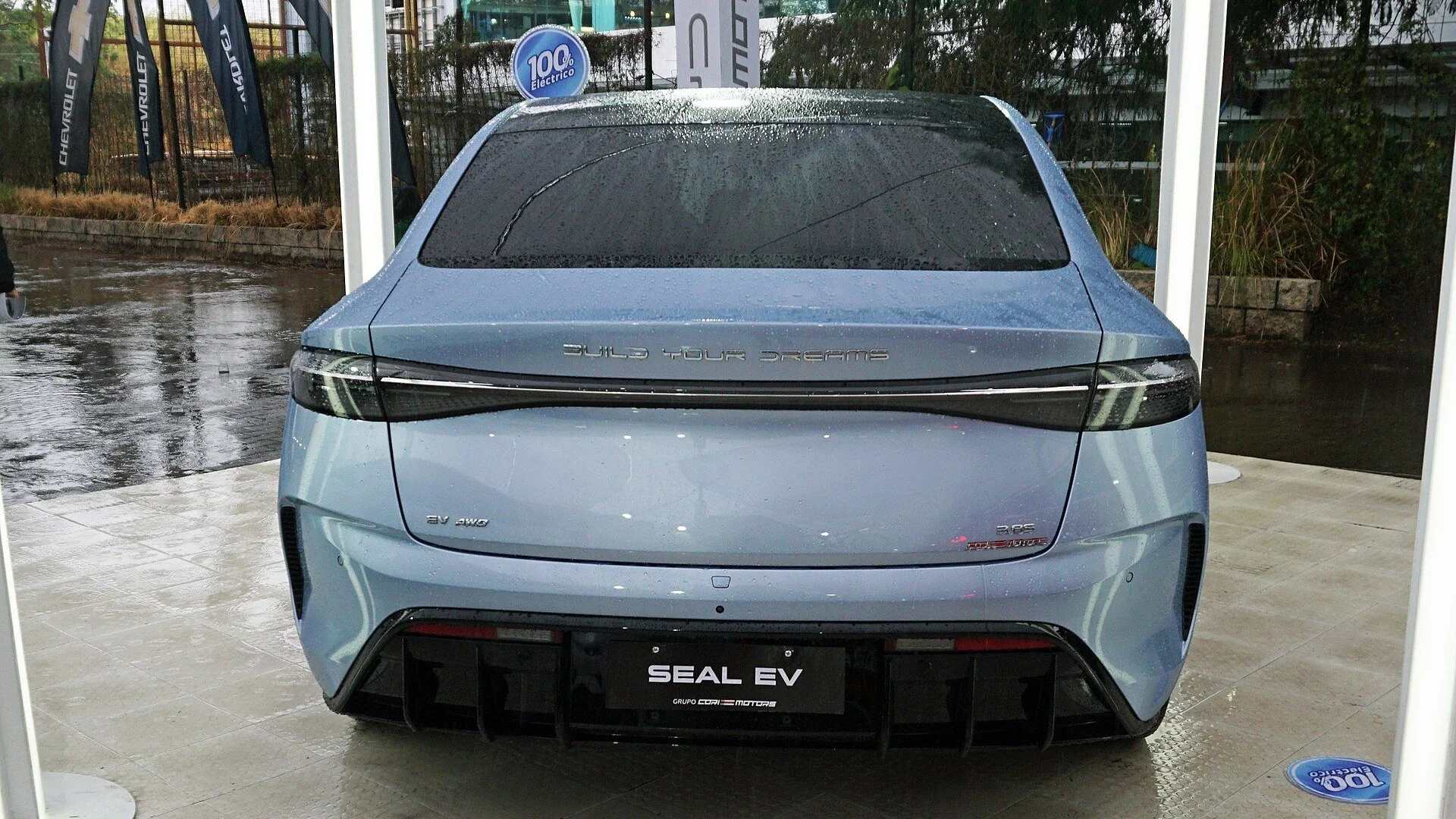
The four models most likely to lead a Canadian BYD launch, the Seal, Dolphin, Atto 3, and Seagull, each carry different tariff-and-rebate mathematics; the model-by-model breakdown of BYD's likely Canadian lineup covers where each one lands. The broader Canadian pricing question, including how the $22,000 Seagull floor interacts with the $25,000–$45,000 band the Dolphin and Seal are likely to occupy, is worked through in the layered analysis of the BYD Canada price floor and what it means for the rest of the market.
Two checkpoints are worth marking on a calendar. Watch for a Transport Canada RIAS filing under BYD's name by March 31, 2027, if it has not appeared by then, a late-2026 launch was never real and a 2028 timeline is the read. Watch for a provincial dealer licensing filing in Ontario or BC by June 30, 2027; that is the two-to-four-month tell before a physical storefront opens. Until at least one of those two clocks starts ticking, the Seagull is a car you can price, spec, and reason about, but not one you can buy.
Gear worth having
As an Amazon Associate, ThinkEV earns a small commission from qualifying purchases — at no extra cost to you.

WixGear Magnetic Air Vent Phone Mount (2-Pack)
A magnet strong enough that your phone never flinches over potholes or rail crossings. Two in the box, one for each car.
As an Amazon Associate, ThinkEV earns from qualifying purchases — at no extra cost to you.

Founder & Chief Editor
Vlad Pereira is the founder and chief editor of ThinkEV.ca, the Canadian electric-vehicle publication he writes and edits from Courtenay, British Columbia. He covers EV pricing, federal and provincial rebates, charging costs, and the Chinese manufacturers now entering Canada, from the buyer's side rather than the press-fleet side. ThinkEV is a venture of Vlad Pereira Online; his writing on health, income and the long game lives at vladpereira.com.
Frequently asked questions
Does the 6.1% tariff rate apply to every Seagull imported?
Will a provincial rebate offset the missing federal EVAP credit?
How bad is the winter range hit on a small LFP battery?
When does BYD actually open Canadian dealerships?
Is the rumoured $25,000 price from BYD executive Stella Li reliable?
More EV & road-trip finds
Affordable upgrades worth a look — tap any to check the price on Amazon.
 ★ 87
★ 87Car Window Sun Shades for Kids (4-Pack)
View on Amazon ★ 268
★ 268Anti-Slip Leather Steering Wheel Cover
View on Amazon ★ 8,681
Chemical Guys Complete Car Wash Kit
View on Amazon ★ 314
★ 314Mini USB LED Ambient Lamps (4-Pack)
View on Amazon ★ 4,626
HoogaLife Hanging Car Diffuser (2-Pack)
View on Amazon ★ 979
★ 979Leather Headrest Purse Hook
View on Amazon ★ 1,944
VIOFO A229 Pro 4K Dash Cam
View on Amazon ★ 121
★ 121Foldable Windshield Sun Umbrella
View on AmazonRead, Plan, Then Stay Current
Explore our expert articles to understand incentives and ownership costs, use the map to pressure-test charging reality, then subscribe so new EV coverage comes straight to you.
Continue Reading
BYD Auto Explained: World's Biggest EV Maker, Blocked From Canada
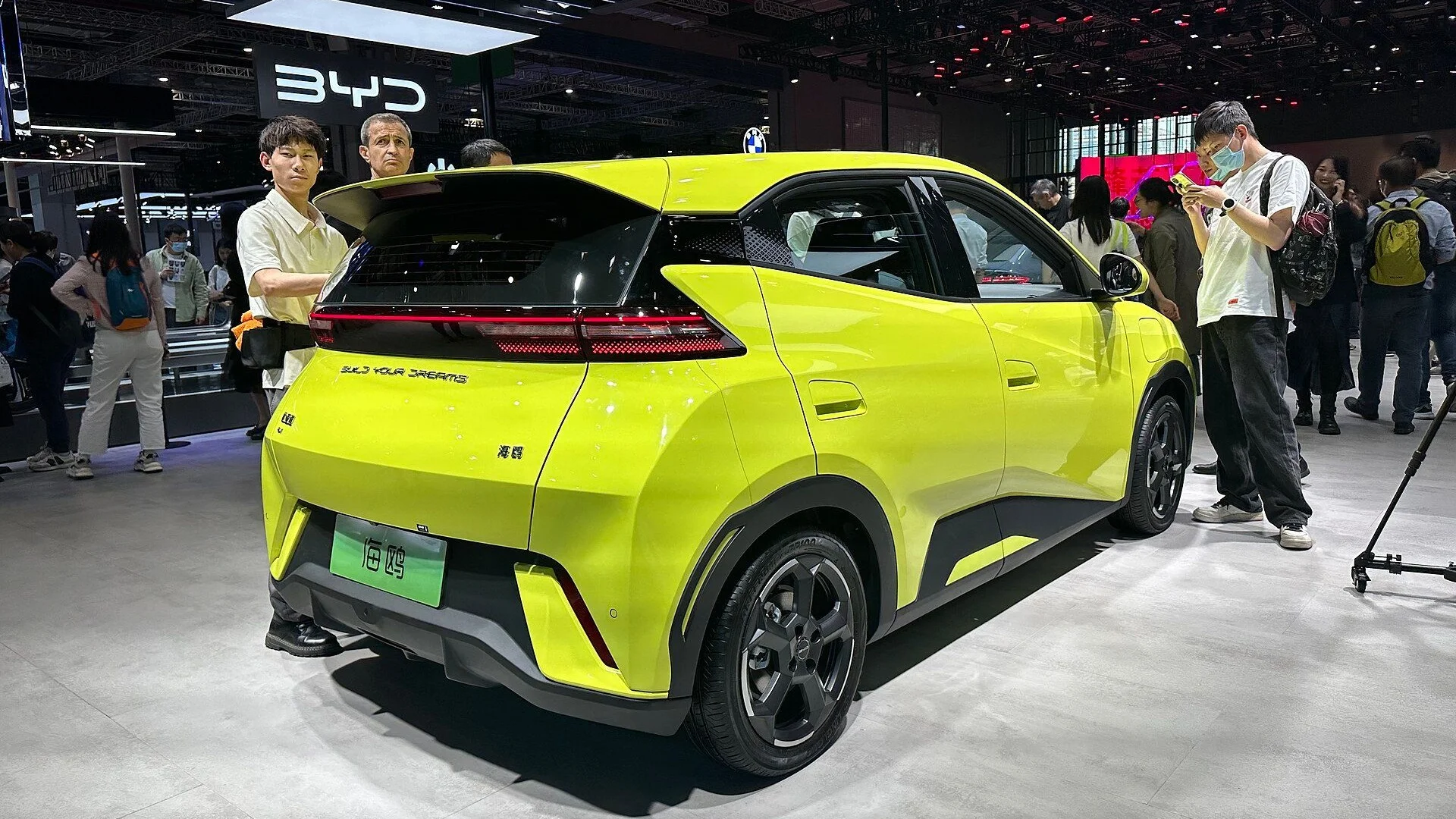
BYD Seagull With LiDAR at $13K: A Sub-$15K First
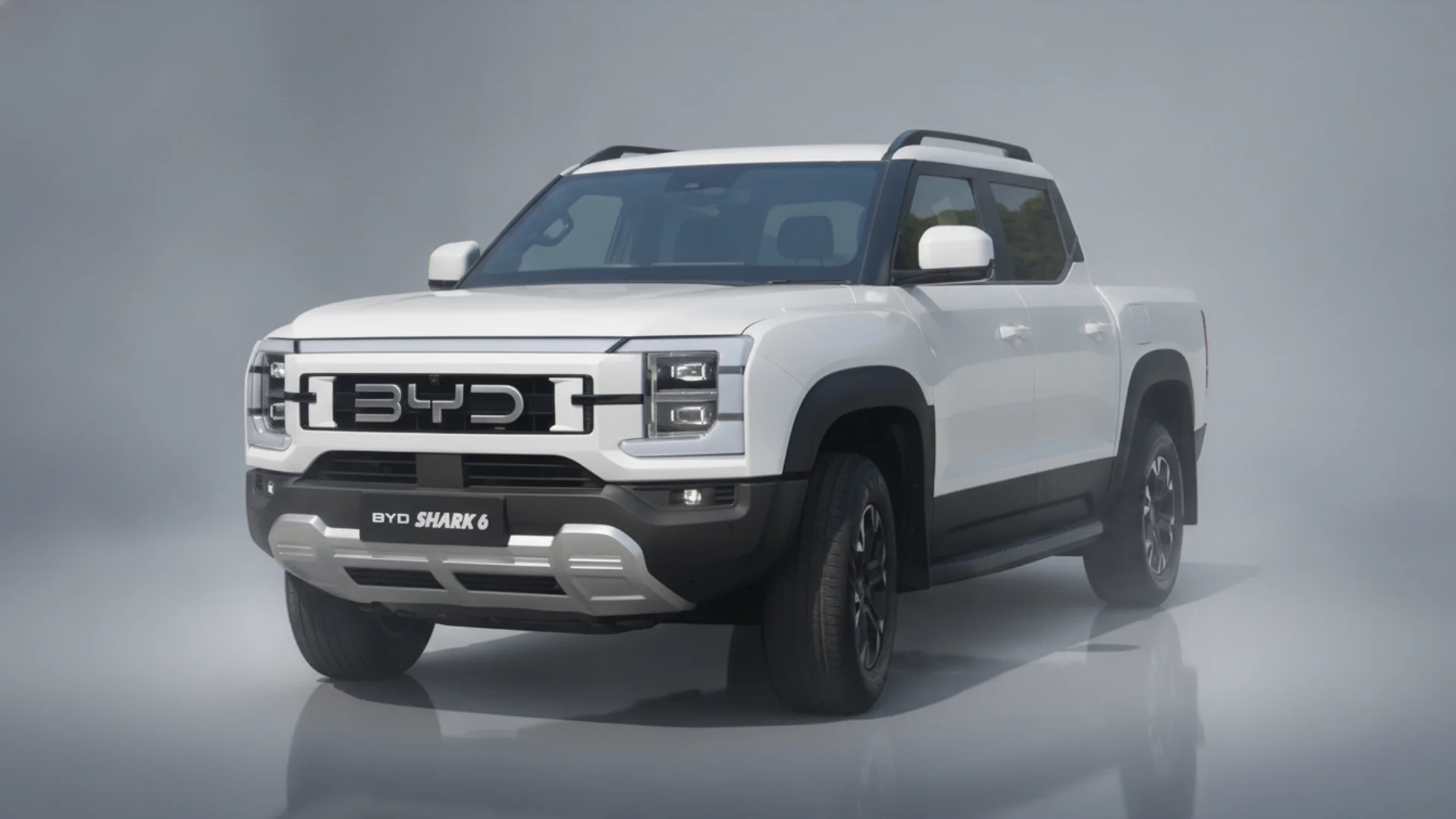
BYD Shark 6 Canada 2026: Price Band, Specs, Incentive Reality

Are Canada's Repair Shops Ready for Chinese EVs?
How to Test-Drive an EV: What Gas-Car Buyers Miss