Buying a toaster requires no knowledge of copper sourcing or labour conditions at the refinery. Buying an EV does. The supply chain demands scrutiny on geology, human rights, and climate ethics simultaneously. The EV transition swapped tailpipe emissions for supply chain sins, and the industry is still working out what to do about that.
Key takeaways
- China controls 80% of lithium refining, 75% of cobalt processing, and 95% of graphite production, a chokehold on the EV battery supply chain.
- Over 70% of the world's cobalt comes from the Democratic Republic of Congo, where rights groups have documented children working 12-hour shifts for under $2 a day.
- A 2024 University of Technology Sydney study found building one EV battery generates 74% more emissions than a gasoline engine, a carbon debt the average driver repays in about five years.
- Tesla's shift to cobalt-free LFP cells for standard-range Model 3 and Model Y cut cobalt demand by 20,000 tonnes a year, the entire annual output of the DRC's artisanal mines.
- CATL's sodium-ion battery, already in mass production, runs about $70 per kWh, roughly 30% cheaper than LFP, and uses no lithium at all, while Canada still recycles under 2% of its EV batteries.
The lithium in a Tesla Model 3 battery pack is roughly 60 kg of earth extracted from the Atacama Desert, processed with toxic chemicals, and transported 14,000 km to a Gigafactory in Nevada. The cobalt in a Ford Mustang Mach-E: one-third of it likely came from artisanal mines in the Democratic Republic of Congo, where children as young as ten dig by hand. EVs reduce emissions. They do not resolve the extraction problem. The question is whether the industry can improve its supply chain fast enough to match the transition pace governments are mandating.
The Dirty Secret in Every EV Battery
If you've ever charged your phone and thought about lithium, you're ahead of 90% of EV buyers. But your car battery contains roughly 8,000 times more lithium than your iPhone. A typical 82 kWh EV battery holds about 10 kg of lithium, which is roughly enough to power a smartphone for 32 years of continuous use. That's not a typo. Ten kilograms. And that's just one metal. Add 70 kg of nickel, 20 kg of manganese. And 15 kg of cobalt, and you've got a mobile mining site on four wheels. And that cobalt? Let's talk about it.
Over 70% of the world's cobalt comes from the Democratic Republic of Congo (DRC), where human rights groups have documented children working 12-hour shifts in unregulated pits, breathing toxic dust. And earning less than $2 a day. Some mines are controlled by armed militias. Others are leased to Chinese state-owned firms under deals that critics call neocolonial. In 2023, Amnesty International traced cobalt from DRC mines directly to batteries in Tesla, BMW, and Apple products. Tesla says it sources responsibly. BMW says it audits suppliers. But the supply chain is so fragmented. So layered with subcontractors and shell companies, that even the biggest automakers can't guarantee their batteries are clean.
I keep coming back to a 2022 investigation by the Washington Post that followed a single cobalt shipment from a mine near Kolwezi, DRC. It changed hands seven times before ending up in a battery factory in Guangdong, China. By the final transfer, the cobalt was indistinguishable from ethically sourced material. That's the problem. The market doesn't reward transparency. It rewards low cost. And cobalt from the DRC is cheap, around $15 per kg, compared to $25+ for responsibly mined alternatives. Cobalt from the DRC delivers a 15% reduction in battery cost, along with plausible deniability about where it came from. But cobalt isn't the only issue. Lithium mining in Chile's Atacama Desert uses so much groundwater that local communities face water shortages.
The evaporation ponds, giant turquoise rectangles visible from space, leach chemicals into the soil and reduce water tables by 36%. That's equivalent to draining 28,000 Olympic swimming pools annually just to supply lithium for 500,000 EVs. In Argentina, farmers have blocked access to lithium sites, accusing companies of violating indigenous land rights. In Australia, the world's largest lithium producer, open-pit mines are expanding at a rate of 12 square kilometres per year, about the size of 1,700 football fields. And most of that lithium ends up in China, where 60% of global battery refining happens. China controls 80% of lithium refining, 75% of cobalt processing, and 95% of graphite production. That is not merely a strategic advantage: it is a chokehold on the global supply chain. If China decides to restrict exports, like it did with rare earths in 2010, the global EV industry grinds to a halt. The U.S. has less than 5% of lithium refining capacity. Europe has 7%. Canada? We've got a pilot plant in Quebec and a lot of ambition. But ambition doesn't refine lithium. Infrastructure does. And the environmental cost isn't just overseas. A 2024 study from the University of Technology Sydney found that producing a single EV battery generates 74% more emissions than building a gasoline engine, mostly due to mining and refining.
According to the University of Technology Sydney study, that carbon debt is repaid within approximately 5 years for the average driver. But if your electricity comes from coal, like in Alberta or Saskatchewan, that break-even point stretches to 32,000 km, from Vancouver to St. John's and back again.
Gear worth having
As an Amazon Associate, ThinkEV earns a small commission from qualifying purchases — at no extra cost to you.

Grizzl-E Classic Level 2 EV Charger (40A)
Canadian-made and rated for minus 40C winters. 40A / 9.6 kW, NEMA 14-50, indoor/outdoor, 24-ft cable. The charger built for Canadian weather.
As an Amazon Associate, ThinkEV earns from qualifying purchases — at no extra cost to you.
I'm not making the case against EVs. I'm making the case for honesty. We've spent a decade selling EVs as "zero-emission" vehicles, but that label only covers the tailpipe. It doesn''t account for the 15 tonnes of CO2 emitted during battery production, nor the 200,000 litres of water used to extract one tonne of lithium. It doesn't mention that recycling rates for lithium-ion batteries are still below 5% globally. Or that most EV batteries end up in landfills because it's cheaper than processing them. The industry knows this. That's why Tesla, GM, and Ford are pouring money into lithium iron phosphate (LFP) batteries, which use no cobalt and less nickel.
LFP batteries are heavier and have lower energy density, so they're not ideal for long-range EVs. But they're cheaper, safer, and more ethical. Tesla's standard-range Model 3 and Y now use LFP cells from CATL, a Chinese battery giant. That shift alone cut cobalt demand by 20,000 tonnes annually, equivalent to eliminating the entire annual output of the DRC's artisanal mines. But even LFP isn't a full solution. It still needs lithium. And lithium mining is scaling up fast. Global demand is expected to hit 2 million tonnes per year by 2030, up from 800,000 in 2025. That's like adding 15 new Atacama-scale operations in five years. And most of that growth is locked into regions with weak environmental regulations.
In Nevada, where Tesla's Gigafactory draws lithium from underground brine, local tribes have sued over water rights, saying the project could deplete aquifers that support sacred springs. In Serbia, Rio Tinto's Jadar lithium project was suspended in 2022 after mass protests over fears of pollution. The company says it's using closed-loop systems. Locals say they've seen this movie before, with lead, with copper, with uranium. we're repeating the same mistakes we made with oil. We're creating new dependencies, new extraction zones, and new environmental sacrifice areas, all in the name of saving the planet. And we're doing it without a coherent plan for accountability. The EU is proposing a battery passport system that would track materials from mine to car.
California's just passed a law requiring full supply chain disclosure for EVs sold in the state. But Canada? Our federal government hasn't even defined what "ethical sourcing" means in its EV strategy. That's a significant policy gap that needs more attention.
Why Recycling Won't Save Us (Yet)
Everyone wants to believe recycling will close the loop. That one day, your old EV battery will be reborn as a new one, and we'll stop mining altogether. I wish that were true. But right now, recycling is more hope than reality. Globally, only 5% of lithium-ion batteries are recycled. The other 95% end up in landfills, incinerators, or stockpiled in warehouses waiting for someone to figure out what to do with them. That's like throwing away 95% of your car's engine every time you junk it. And we wonder why resource scarcity is a problem. The tech exists to recycle lithium, cobalt, and nickel.
Companies like Li-Cycle in Ontario and Redwood Materials in Nevada can recover up to 95% of critical minerals from spent batteries. That's impressive, until you look at scale. Li-Cycle's entire North American capacity is 35,000 tonnes per year, against projected demand of 2 million tonnes by 2030. Even if every recycling plant on the continent ran at full capacity, they'd handle less than 3% of the coming wave. And most of those batteries won't be ready for recycling until 2030 or later. EVs have 15-year lifespans. The first wave of mass-market Teslas (Model S, 2012) are just now reaching end-of-life. We're at the base of the curve. And here's the kicker: recycling isn't always better for the environment.
Pyrometallurgy, the most common method, uses high-temperature furnaces that emit CO2 and can release toxic fumes if not properly filtered. Hydrometallurgy, which uses chemical leaching, produces wastewater that must be treated. Both processes require energy. A 2023 study from the University of Birmingham found that recycling a lithium-ion battery generates 30% of the emissions of mining and refining new materials. That's better, but not zero. And if the recycling plant runs on coal power, like many in China or India do, the net benefit shrinks further. Recycling is a partial fix, not a solution. But the biggest barrier isn't tech or emissions. It's economics. Virgin lithium costs about $18,000 per tonne. Recycled lithium? Around $22,000.
That's because collection, sorting, and transportation add costs that mining doesn't have. And automakers are under pressure to cut battery prices, not increase them. So even if recycled materials are available, most manufacturers won't use them unless forced. Tesla, for example, has signed long-term contracts with lithium miners at fixed rates, some as low as $12,000 per tonne. Why pay more for recycled? The U.S. is trying to change that. The Inflation Reduction Act offers a $45/kWh tax credit for batteries made with recycled content. That could make recycled nickel and cobalt competitive by 2026. But Canada hasn't introduced similar incentives. Ontario's EV strategy focuses on attracting battery plants, not building recycling infrastructure.
Quebec's investing $200 million in lithium exploration, but nothing for end-of-life systems. That's backwards. We're building the front end of the supply chain while ignoring the back. And even if recycling scales up, it can't meet demand. The IEA estimates that recycled materials will supply only 10% of battery minerals by 2040. The other 90% still needs to be mined. That's because the number of EVs on the road is growing faster than the number of dead batteries. We're adding 20 million new EVs per year globally. By 2030, there will be 300 million EVs. Even with aggressive recycling, we'll need new mines. The math is unavoidable. But recycling could still play a role, if we redesign the system.
Right now, EV batteries are treated like hazardous waste. Transporting them across borders requires special permits. In Canada, moving a used battery from BC to Ontario can trigger a 14-form regulatory process. That's a disincentive to centralize recycling. Meanwhile, battery designs vary so much between manufacturers that automated disassembly is nearly impossible.
A Tesla pack looks nothing like a Hyundai Ioniq 5's. That means recycling plants have to handle each model manually, driving up costs. The EU is tackling this with new regulations requiring modular, standardized battery designs by 2030. California's considering similar rules. But in North America, automakers still design for performance and cost, not recyclability. Tesla's structural battery pack, for example, bonds cells directly into the chassis.
That improves range and rigidity. But it also makes recycling harder and more expensive. You can't just pop out the battery. You have to cut the car apart. Some companies are trying to get ahead of the curve. Volvo says it aims for 25% recycled content in its batteries by 2025. BMW's piloting a closed-loop system where old batteries are processed and the materials go straight back into new ones. But these are pilot programs, not mass adoption. And none of them address the biggest issue: what happens to batteries that aren't fully recycled? Right now, the leftover slag, often containing fluorine, plastics, and trace heavy metals, gets landfilled.
A single 82 kWh battery leaves behind 15 kg of non-recyclable waste. Scaled across millions of packs, that becomes millions of tonnes of toxic residue annually. The pattern repeats: recycling isn't a silver bullet. It's a band-aid on a system that's still extractive . We need better recycling. We need policy mandates. We need automakers to design for disassembly. But we also need to accept that mining isn't going away. The question isn't whether we'll mine more, it's how and where. And if we don't get it right, we'll trade one environmental crisis for another.
The Geopolitics of Battery Metals
Trade wars over lithium, cobalt, and nickel will define the next decade more than any tariff on steel. China controls 60% of lithium production outside its borders, through investments in Australia, Chile, and Africa. It refines 80% of the world's lithium, 75% of cobalt, and 90% of graphite. That is not just market dominance, it means that even if you buy a Ford F-150 Lightning built in Michigan, its battery likely contains materials processed in China.
Take the example of the Democratic Republic of Congo. It produces 75% of the world's cobalt. Most of it is extracted by Chinese-owned firms like Zijin Mining and CMOC. The ore is shipped to China, refined, and turned into battery chemicals. Then it's sold to battery makers like CATL or LG Energy Solution. Even if LG is Korean, their cobalt still came from China. There's no way to bypass this supply chain. The U.S. imported zero tonnes of unrefined cobalt. Every gram came pre-processed from China, Japan, or South Korea. The U.S. and Canada are trying to catch up. The Inflation Reduction Act gives tax credits to automakers that source minerals from North America or free-trade partners.
Gear worth having
As an Amazon Associate, ThinkEV earns a small commission from qualifying purchases — at no extra cost to you.
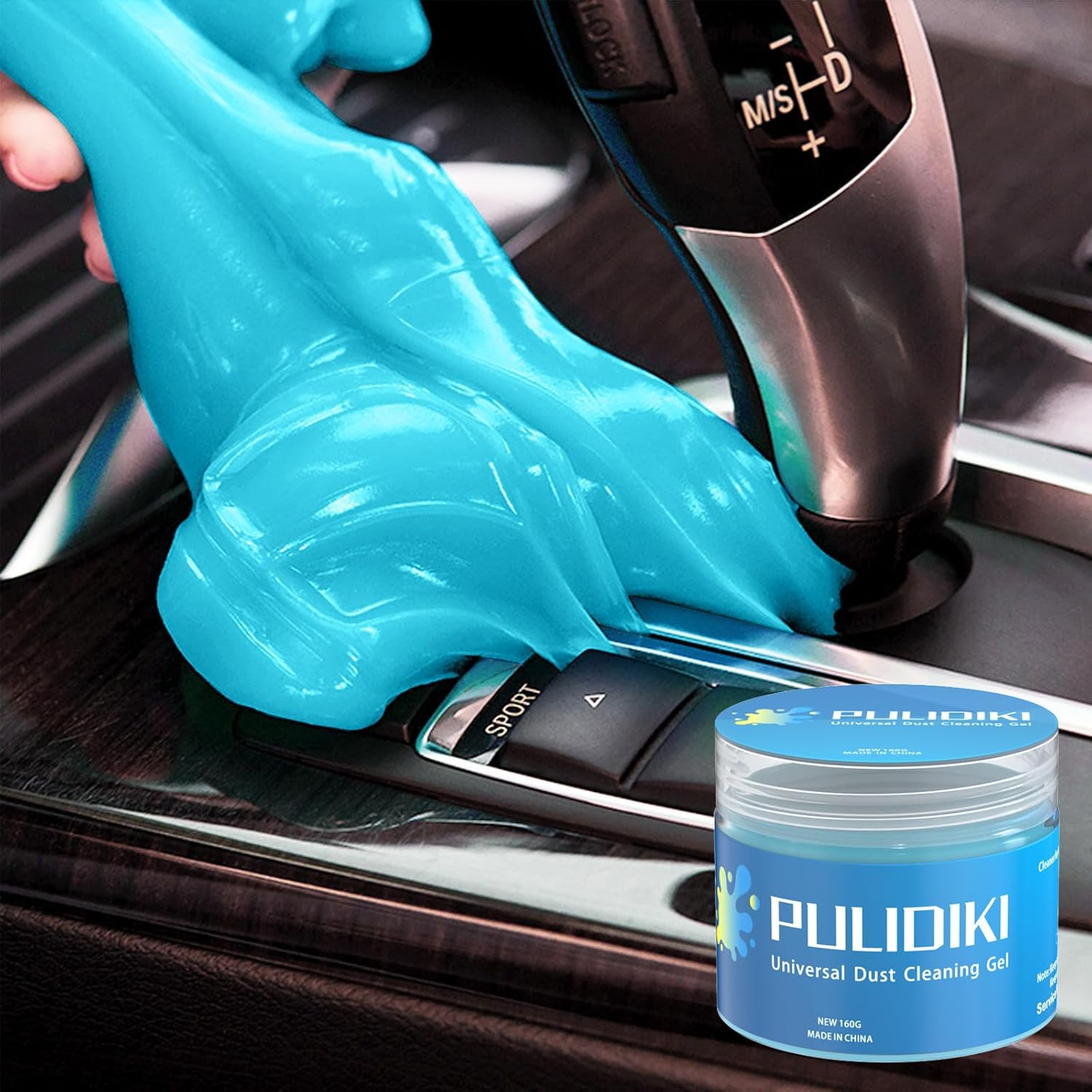
PULIDIKI Car Cleaning Gel (Detailing Putty)
Press it into vents, buttons, and seams and it lifts out dust you did not know was there. Weirdly satisfying, genuinely useful.
As an Amazon Associate, ThinkEV earns from qualifying purchases — at no extra cost to you.
But "free-trade partners" includes countries like Australia, Indonesia, and Chile, places where China also has major mining stakes. So a Tesla battery made in Texas with lithium from Chile might still rely on Chinese-owned mines or refineries. The rules don't block that. And Canada? We don't have a domestic refining industry. We export raw spodumene (lithium ore) to China, where it's turned into battery-grade lithium hydroxide, then import it back at a markup. That's not energy independence. That's outsourcing the dirty work. And the problem isn't just China. It's also concentration. Three countries, Chile, Australia, and Argentina, control 85% of lithium reserves. Indonesia has 30% of the world's nickel. The DRC has 70% of cobalt.
That kind of concentration creates vulnerability. If Chile decides to nationalize its lithium industry, like Bolivia did in 2019, prices spike. If Indonesia bans nickel ore exports, like it did in 2020, global supply tightens. And if conflict erupts in the DRC, cobalt markets panic. That's not theoretical. In 2022, a rebel offensive in eastern DRC disrupted cobalt shipments, pushing prices up 40% in three weeks. That's equivalent to adding $600 to the cost of every EV battery using NMC (nickel-manganese-cobalt) chemistry. Automakers absorbed the cost, or passed it to consumers. Tesla raised Model X prices by $2,000 that quarter. And that was just a three-week disruption.
Now imagine a prolonged conflict, a trade war, or a natural disaster hitting a key mining region. We don't have redundancy. We don't have stockpiles. The U.S. Strategic National Stockpile doesn't include lithium or cobalt. Canada's Critical Minerals List does, but we've done little to secure domestic supply. Quebec's developing a lithium mine at James Bay, but it won't be operational until 2027. Ontario's Ring of Fire has chromite and nickel, but permitting delays have dragged on for 15 years. Meanwhile, China's building refineries in Indonesia, Guinea, and Mexico, closer to raw materials and outside Western regulatory reach. That's the real threat: not that we'll run out of minerals. But that we'll be forced to buy them on someone else's terms.
And it's not just about supply. It's about innovation. CATL, the world's largest battery maker, just announced a sodium-ion battery that eliminates lithium entirely. It's less energy-dense, so it won't power long-range EVs yet. But it's perfect for city cars, e-bikes, and grid storage. And it's already in production. BYD now offers 5 million km lifespan guarantees. That's enough to drive from Tuktoyaktuk to Tierra del Fuego and back twice. Compare that to North America. Our biggest battery innovation? Tesla's 4680 cell, which is still struggling with yield rates and cost. Ford and SK On's BlueOval plants are behind schedule.
GM's Ultium platform has had quality issues, 2022 Rivian problems and 2024 Tesla Cybertruck problems aside, most North American EV makers are playing catch-up. And let's talk about the Amazon Rivian van problems. Those vehicles were supposed to be the future of delivery, zero-emission, high-tech, scalable.
But early models had battery degradation issues in extreme heat, software glitches, and charging incompatibilities. Some fleets reported 30% less range in summer. That's not just a reliability problem. It's a supply chain one. Those batteries rely on nickel-rich chemistries that are harder to stabilize. And the nickel? Much of it comes from Indonesia, where environmental groups have documented rainforest destruction and water pollution from mining operations. We want EVs to be clean.
But if the materials come from ecological or human rights disasters, the vehicle itself becomes a contradiction. Canada could play a bigger role. We've got lithium in Quebec, nickel in Ontario, cobalt in the Northwest Territories. We have strong environmental laws and Indigenous consultation frameworks. But we're moving too slowly. The Ring of Fire project has been stuck in regulatory review since 2007. Indigenous communities want equity, not just consultation. They want ownership stakes, jobs, and environmental safeguards. Fair enough. But without compromise, the project stalls, and China fills the gap. That's the irony. We demand ethical mining, but we won't build the infrastructure to do it ourselves. So we outsource it to countries with weaker standards.
Then we complain about the consequences.
Can New Tech Break the Chain?
We keep waiting for the miracle battery, the one that's cheap, energy-dense, long-lasting, and made without cobalt, lithium, or mining. It doesn't exist. Not yet. But there are contenders. Sodium-ion batteries, for example, use abundant salt instead of lithium. They're heavier and store less energy, so they won't power a Tesla Model S. But they could work for city EVs, e-scooters, or stationary storage. CATL has already started mass-producing them for Chinese EVs like the Chery QQ. At $70 per kWh, they're 30% cheaper than LFP batteries, cheap enough to put a small EV under $20,000 CAD, roughly the cost of a used Honda Civic.
Sodium is everywhere. Table salt, seawater, even the soil in Saskatchewan. You can't weaponize it. You can't embargo it. And it doesn't need deep mining. That's a geopolitical advantage for nations that currently have no leverage in the battery supply chain. If sodium-ion scales, China loses its lithium stranglehold. The DRC's cobalt becomes less critical. And Canada? We could be a leader. Our potash mines in Saskatchewan produce millions of tonnes of sodium byproducts annually. Right now, most of it's wasted. But it could be refined into battery-grade material. Solid-state batteries are another hope. They replace liquid electrolytes with solid ceramics or polymers, making them safer and more energy-dense. Toyota's been promising a solid-state EV by 2027.
If it delivers, the battery could offer 1,200 km of range and charge in 10 minutes. That's like refilling a gas tank, except without the emissions. But after a decade of hype, solid-state is still stuck in labs. The biggest problem? Dendrites. Tiny metal spikes that grow inside the battery and cause shorts. No one's solved it at scale. And the materials, like sulfides and rare earth dopants, are expensive and hard to source. Still, progress is happening. In 2025, a German startup called QuantumScape began pilot production of solid-state cells with 500 cycles and 80% capacity retention. That's not enough for a car yet, but it's a start.
And Toyota's latest prototype uses a lithium-metal anode with a ceramic separator that resists dendrites. If it works, it could cut lithium use by 50%. That's equivalent to sparing 100,000 tonnes of mining per year by 2035. But even breakthrough tech has limits. Sodium-ion won't replace lithium for long-range EVs. Solid-state will be expensive for years. And neither solves the problem of existing demand. There are 3 billion gasoline vehicles on the road. Replacing them, even gradually, requires massive mineral input. We can't innovate our way out of the next decade. We have to mine our way through it. That's why some companies are trying to minimise damage, not eliminate it.
Tesla's new 4680 cells use a dry electrode process that cuts water use by 95% and energy by 70%. That's equivalent to saving 10 Olympic pools per Gigafactory per year. Ford's partnering with Redwood Materials to create a closed-loop battery supply chain in Kentucky. The plant will recycle old batteries and produce new anode and cathode materials on-site. That reduces transport emissions and reliance on foreign refining. But these are exceptions. Most automakers still rely on traditional wet-coating methods, which use toxic solvents and vast amounts of water. And most batteries still follow a linear path: mine, make, use, discard. Until that changes, we're just cleaning up the edges.
The real innovation might not be in chemistry, but in business models. Battery leasing, for example, could improve recycling rates. If the automaker owns the battery, they have an incentive to reclaim it. Renault's already doing this in Europe with its Zoe model. Customers lease the battery for $80/month. At end-of-life, Renault takes it back, refurbishes it, and reuses it in a new car or as grid storage. That keeps materials in the system. Second-life applications are another frontier. EV batteries degrade to about 70% capacity after 15 years. That's not enough for a car, but it's perfect for home storage or microgrids. A used 82 kWh battery can power an average Canadian home for three days during a blackout.
That's resilience. And it delays the need for recycling. Nissan's partnering with Eaton to deploy second-life batteries in backup systems. BMW's using them to stabilize renewable grids in Germany. But again, scale is the enemy. There aren't enough second-life projects to absorb the coming wave. And without regulation, automakers have no obligation to support them. In Canada, there's no federal program for EV battery reuse. Quebec's piloting one, but it's small. Ontario? Nothing. The bottom line: technology alone won't solve the mining problem. We need better batteries. We need smarter recycling. But we also need policy, transparency, and accountability. Without them, even the cleanest tech gets dirty in the wrong system.
Gear worth having
As an Amazon Associate, ThinkEV earns a small commission from qualifying purchases — at no extra cost to you.

WixGear Magnetic Air Vent Phone Mount (2-Pack)
A magnet strong enough that your phone never flinches over potholes or rail crossings. Two in the box, one for each car.
As an Amazon Associate, ThinkEV earns from qualifying purchases — at no extra cost to you.
What Canada Could Do Differently
We're not powerless. Canada has the resources, the expertise, and the legal frameworks to lead in ethical mineral production. But we keep acting like a bystander. We celebrate when a battery plant opens in Ontario. But ignore the fact that the lithium comes from Australia and the cobalt from the DRC. That's not building a supply chain. That's importing someone else's environmental and human rights problems. What if we did it differently? Start with regulation. Canada should mandate supply chain transparency for all EVs sold here. The U.S. can require battery passports, so can we. Every automaker should disclose the origin of their lithium, cobalt, and nickel, down to the mine. No more "responsibly sourced" vagueness. Real data.
Publicly available. Tie that to incentives: no federal rebate without full disclosure. That is the accountability lever Canada currently lacks. Next, invest in refining. We export raw lithium and import refined lithium hydroxide at a 300% markup. That's insane. Quebec's NouvelAir project aims to change that, but it needs federal support. A $500 million loan guarantee could get it online by 2026. That's less than what we spend on a single highway interchange. But it would create a North American alternative to Chinese refining. And let's fix the Ring of Fire. The project has been stalled for 15 years over Indigenous rights and environmental concerns. Fair. But the solution isn't delay, it's partnership.
Offer First Nations equity stakes, revenue sharing, and co-management. Finland did it with its battery park in Vaasa. So did Botswana with De Beers. Why can't we? A modern treaty could unlock the world's largest undeveloped chromite and nickel deposit, enough to supply 500,000 EV batteries per year. We should also fund recycling infrastructure. Right now, Canada recycles less than 2% of its EV batteries. That's unacceptable. A national network of 10 regional recycling hubs, funded through the Canada Infrastructure Bank, could boost that to 50% by 2030. Pair that with extended producer responsibility laws, and automakers would have to pay for the end-of-life management of their batteries. That's how Europe does it. It works.
And let's stop pretending that Chinese EV quality problems justify ignoring their supply chain dominance. Yes, some budget EVs have fit-and-finish issues. But BYD, NIO, and XPeng are building high-quality vehicles with vertically integrated, ethical supply chains. They're not perfect. But they're moving faster than we are.
If Canada wants to be a player, we need to act like one. That means building refining capacity, enforcing transparency, and partnering with Indigenous communities. It means supporting second-life battery programs and investing in sodium-ion R&D. It means passing laws that make unethical sourcing more expensive than sustainable alternatives. Because the alternative is clear: more mining in vulnerable regions, more environmental damage, and more dependency on authoritarian regimes.
We can't electrify transportation without minerals. But we can choose how we get them. And that choice defines whether the EV revolution is truly clean, or just another extractive chapter in the same old story.
Gear worth having
As an Amazon Associate, ThinkEV earns a small commission from qualifying purchases — at no extra cost to you.
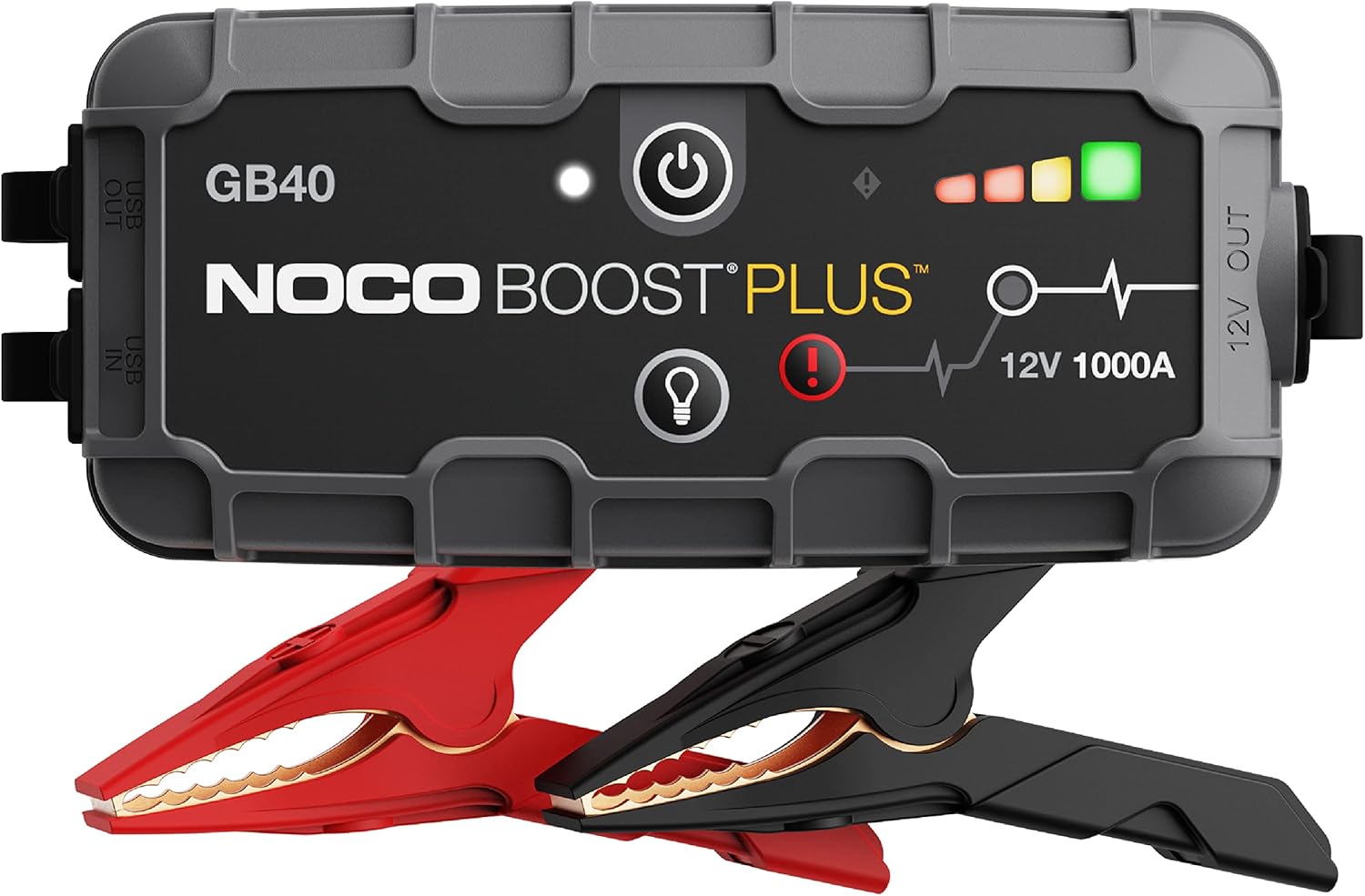
NOCO Boost Plus GB40 Jump Starter
A 1000A lithium jump starter that fits in your glovebox and works on any 12V battery. Your insurance against a dead 12V in a parking lot.
As an Amazon Associate, ThinkEV earns from qualifying purchases — at no extra cost to you.

Founder & Chief Editor
Vlad Pereira is the founder and chief editor of ThinkEV.ca, the Canadian electric-vehicle publication he writes and edits from Courtenay, British Columbia. He covers EV pricing, federal and provincial rebates, charging costs, and the Chinese manufacturers now entering Canada, from the buyer's side rather than the press-fleet side. ThinkEV is a venture of Vlad Pereira Online; his writing on health, income and the long game lives at vladpereira.com.
Frequently asked questions
Does EV maintenance involve any mining impact?
How much cobalt is in a typical EV battery?
Is lithium mining worse than oil drilling?
Can we make EVs without mining at all?
What's the lifespan of an EV battery?
More EV & road-trip finds
Affordable upgrades worth a look — tap any to check the price on Amazon.
 ★ 1,340
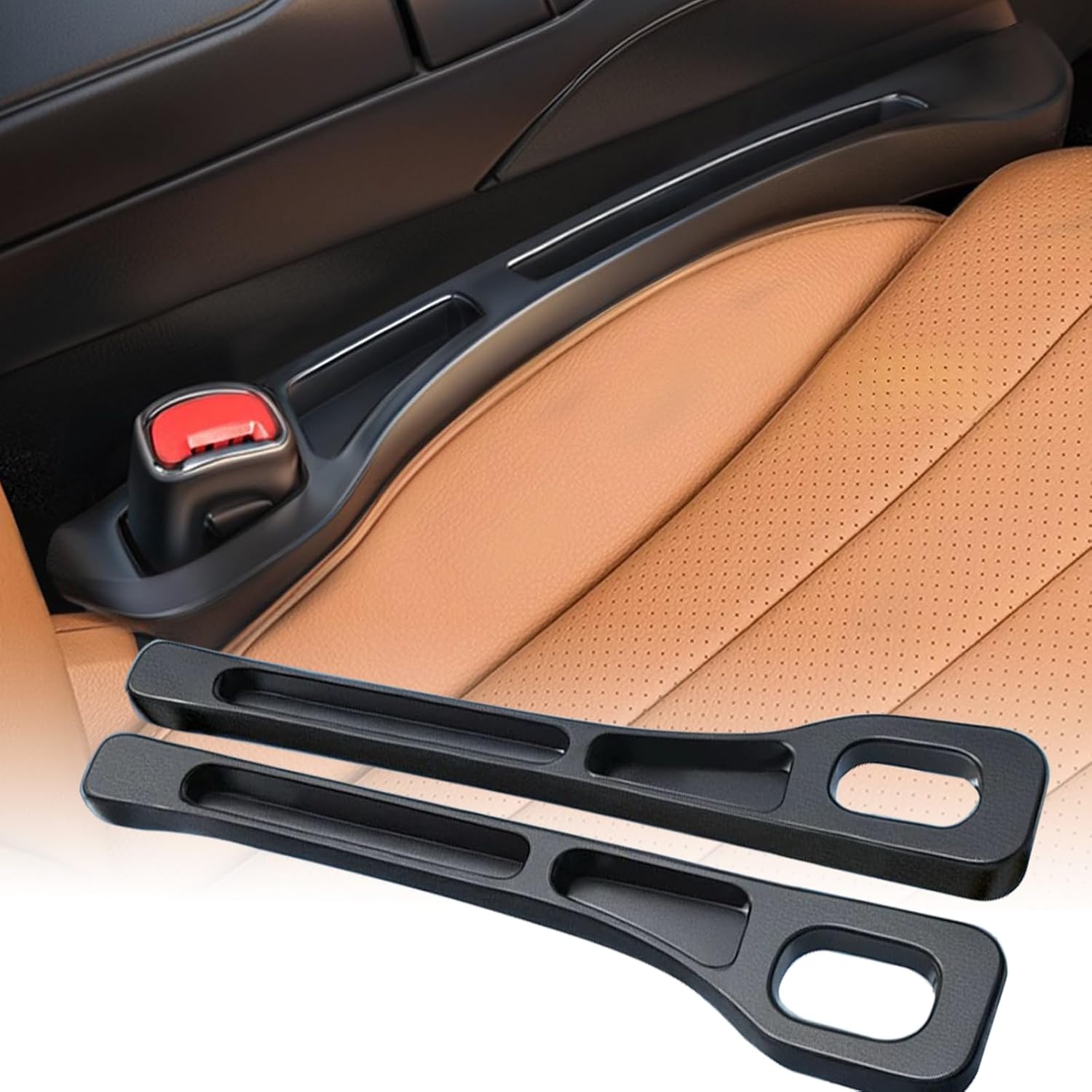
Car Seat Gap Filler (Universal)
View on Amazon ★ 308
★ 308Coiled Lightning Car Cable for iPhone (2-Pack)
View on Amazon ★ 119
★ 119Foldable Waterproof Trunk Organizer
View on Amazon ★ 392
★ 392Large Cup Holder Adapter (32-40oz)
View on Amazon ★ 4,050
Touchscreen Mist Screen Cleaner Kit
View on Amazon ★ 537
★ 537USB Star Projector Roof Light
View on Amazon ★ 546
★ 546Funny Headrest Face Covers (2-Pack)
View on Amazon ★ 4,424
Sun Visor Card and Document Organizer
View on AmazonRead, Plan, Then Stay Current
Explore our expert articles to understand incentives and ownership costs, use the map to pressure-test charging reality, then subscribe so new EV coverage comes straight to you.
Continue Reading

New or Used EV: Which Is the Smarter Buy in 2026?
EV Highway vs City Range: Why They Flip
Buy or Lease an EV in Canada? The 2026 Answer
Single-Motor vs Dual-Motor EVs: What AWD Actually Adds
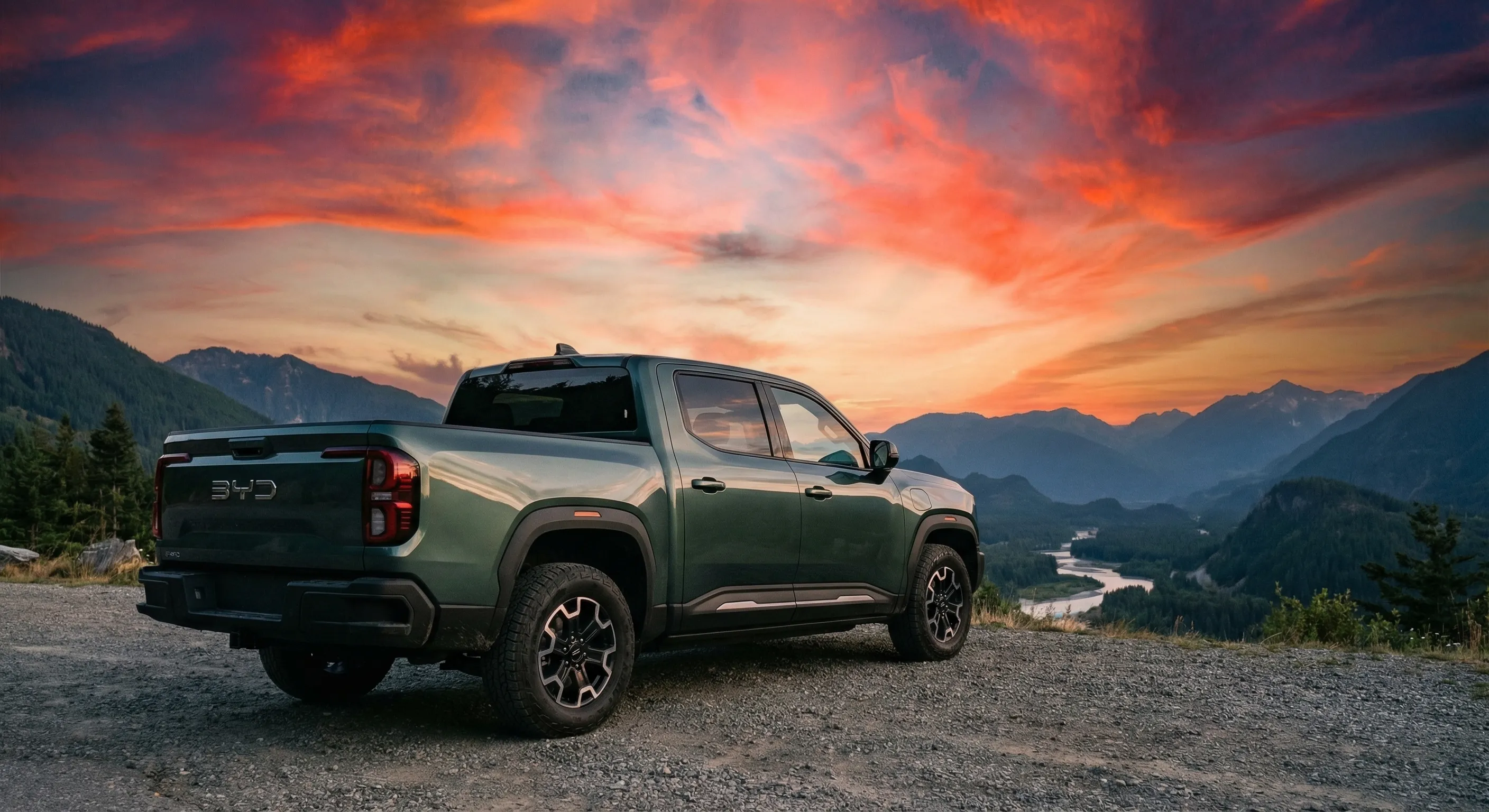
BYD Shark 6 Price in Canada: $55K–$62K Estimate, Explained