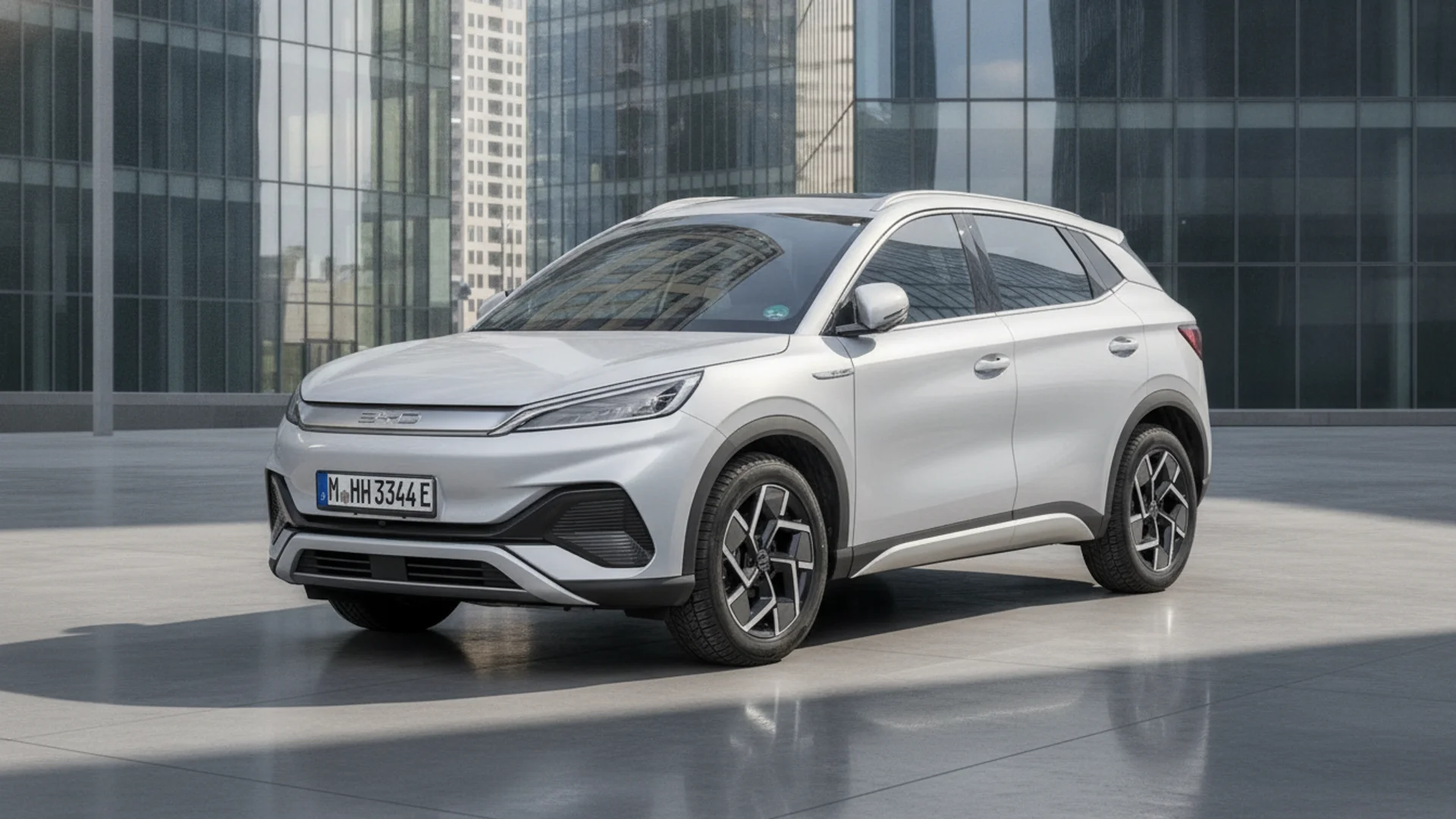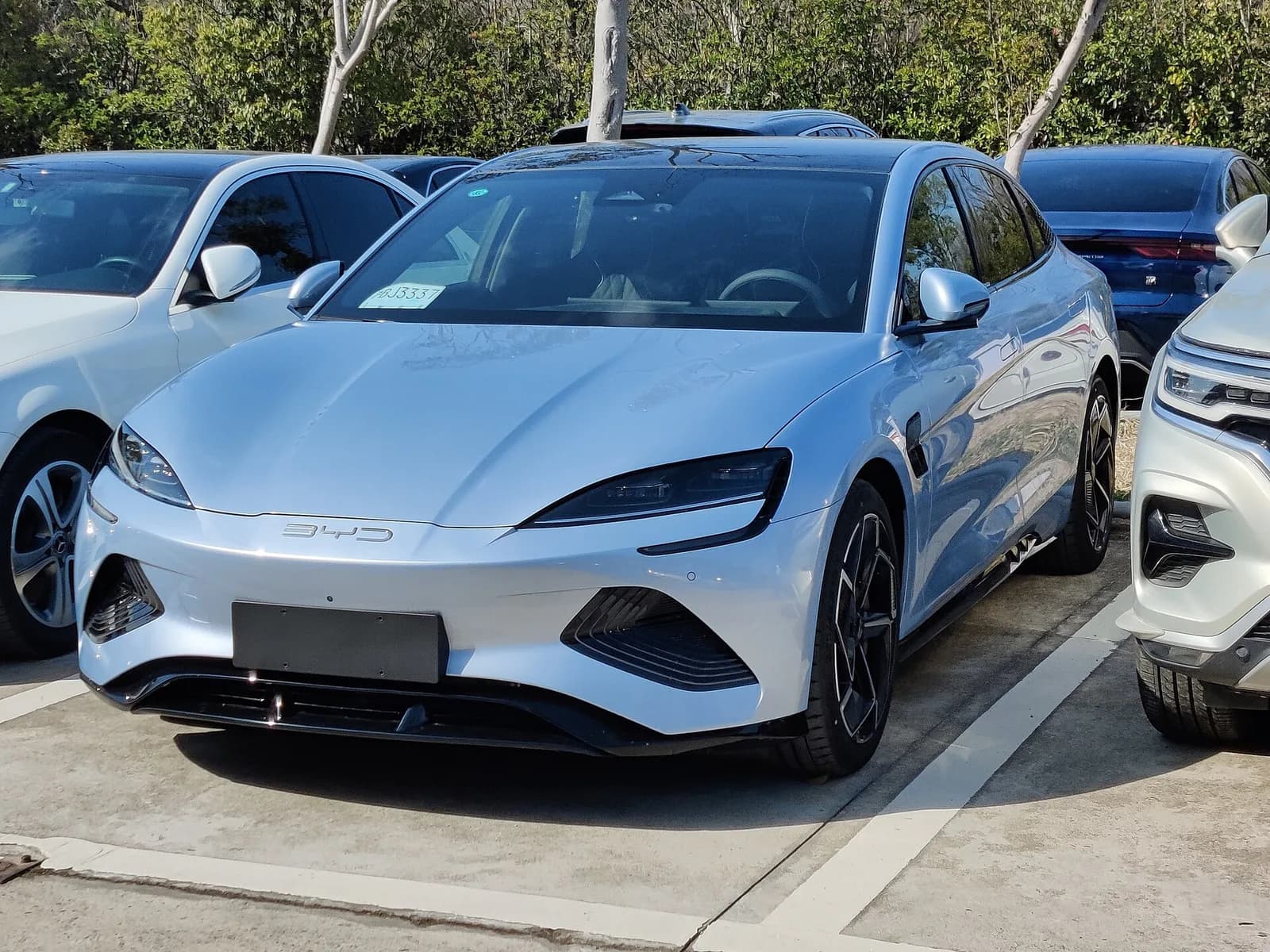
BYD has not officially launched the Seal in Canada yet, but it is coming: import permits opened March 1, 2026 and first retail deliveries are expected later in the year. I'll put a band on the Seal's expected Canada price ($42,000 to $65,000 CAD depending on trim) and then explain why the same badge sells for under $25,000 USD on its home market. The delta is not an engineering story. It's a trade-policy story wearing a price tag.
Key takeaways
- The BYD Seal 06 EV launched in China at just over $15,000 USD, less than a third of what an equivalent Seal would cost a Canadian after tariffs and margin.
- Canada's tariff on Chinese EVs was 100% as recently as October 2024 and dropped to 6.1% in January 2026 under a 49,000-unit annual quota.
- The Seal is excluded from Canada's federal iZEV and EVAP incentives because Chinese-origin EVs don't qualify; restoring eligibility would cut roughly $5,000 off the price.
- The 49,000-unit quota requires at least half of imported vehicles to be priced under $35,000, and no current Seal trim qualifies, leaving fewer than 24,500 units a year for buyers who want one.
- For comparison, the Tesla Model 3 Long Range starts around $57,990 and the Hyundai Ioniq 6 SE around $54,999, which makes the Seal's price gap a policy artifact, not an engineering one.
That distinction matters for anyone weighing a Seal in 2026. The sticker BYD will bring to a Canadian showroom reflects a tariff regime that was 100% as recently as October 2024, collapsed to 6.1% under a 49,000-unit quota in January 2026, and could move again before the end of this federal mandate. The car didn't change. The politics around the car did. Buyers should price that volatility in.
What the BYD Seal Will Cost in Canada
The expected Canadian price band lands roughly $42,000 to $65,000 CAD across trims, with the RWD entry car at the floor and the AWD Excellence performance trim at the ceiling. I'm deliberately quoting a band rather than a single MSRP because BYD's Canadian dealer network is only now forming, regional importer markups will vary, and the lineup ladder is still settling. Anyone quoting one number to the dollar is rounding away real variance.
The performance spec is the part that matters for the comparison set. The BYD Seal is a battery electric mid-size sedan produced by BYD Auto, and it is the second car of BYD's "Ocean Series", a platform that puts it directly against the Tesla Model 3 and the Hyundai Ioniq 6 on segment, not against the budget compact bracket. The AWD trim's 0–100 km/h time of 3.8 seconds places it among the quickest electric sedans in its price class. That's a number that would have cost $90,000 in this segment five years ago.
What the Seal does NOT have is federal iZEV eligibility, Chinese-origin EVs are excluded from EVAP under the current framework. Provincial rebates vary; Quebec's Roulez vert program and BC's CleanBC EV rebate operate on their own eligibility lists. The Tesla Model 3 Long Range starts around $57,990 CAD before any provincial incentive. On entry trim, the Seal undercuts that meaningfully. On the AWD performance trim, it's competing on spec rather than price, and the value math turns on whether the buyer wants the brand or the seconds.
The Seal also overlaps awkwardly with the Sealion 7 mid-size crossover lineup, which BYD positions as the SUV sibling and which carries some of the same powertrain hardware. Anyone cross-shopping the two should know that the price ladders are converging, not parallel.
The China Price Makes the Canada Price Look Like a Policy Artifact
The Canadian sticker is hard to defend on engineering grounds alone. BYD launched the Seal 06 EV in China at just over $15,000, as the price war there appears to be getting out of hand, a domestic-market trim that sits at less than a third of the Canadian entry price for the broader Seal lineup. Even allowing that the Seal 06 is a different configuration than the Seal Premium and Performance trims sold abroad, the magnitude of the gap is the point.
The hybrid variant tells the same story from a different angle. In 2023, BYD introduced the Song Plus EV as the BYD Seal U in Europe, and the plug-in hybrid Seal U DM-i was introduced later in 2024. The Seal U DM-i launched in China at roughly $18,040 USD, cheaper than the post-rebate effective price of most Canadian EV options once incentives are applied. That's not a manufacturing cost story. BYD is not losing money on those cars. It's a story about which markets get the domestic price and which markets absorb the trade-policy stack on top.
Canada's stack until recently was the harshest in the developed world. The 100% surtax imposed in October 2024 effectively ended Chinese EV importation as a commercial proposition. The January 2026 collapse to 6.1% under the 49,000-unit annual quota was a meaningful concession, but the quota itself is the binding constraint, and the surtax floor of 6.1% still adds roughly $2,500 to a $40,000 landed car before any dealer margin or compliance cost is layered on. The Seal's Canada price is what happens when you take a car engineered for a 1.4-billion-person domestic market and run it through three layers of policy filter.
I keep flagging the engineering point because the discourse around Chinese EVs in Canada often confuses cost-to-build with cost-to-buy. They are not the same number. The Seal is not expensive to manufacture. It is expensive to import. That's a distinction policy can change. Engineering cannot.
Why the 49,000-Vehicle Quota Changes the Calculus, But Not Enough
The quota arithmetic is where the editorial position gets sharper. Canada negotiated 49,000 BYD units at the 6.1% rate before the 100% rate kicks back in for any unit above the cap. That sounds like a lot of cars. It is not. Canadian EV registrations ran north of 180,000 units in 2024, and BYD's brand demand in Canada, once dealers exist, is likely to absorb the entire quota in the first sales window of the year.
There's a structural condition inside the quota that's getting under-discussed: at least 50% of imported units under the quota must be priced below $35,000 CAD. The Seal sedan, in any current trim, does not fit that bracket. Which means the quota volume that actually reaches Canadian Seal buyers is somewhere south of 24,500 units annually, and probably much less, because BYD will allocate the under-$35,000 half to the Dolphin, Atto 3, and cheaper Sealion variants that satisfy the price floor and serve the broader market.
Gear worth having
As an Amazon Associate, ThinkEV earns a small commission from qualifying purchases — at no extra cost to you.
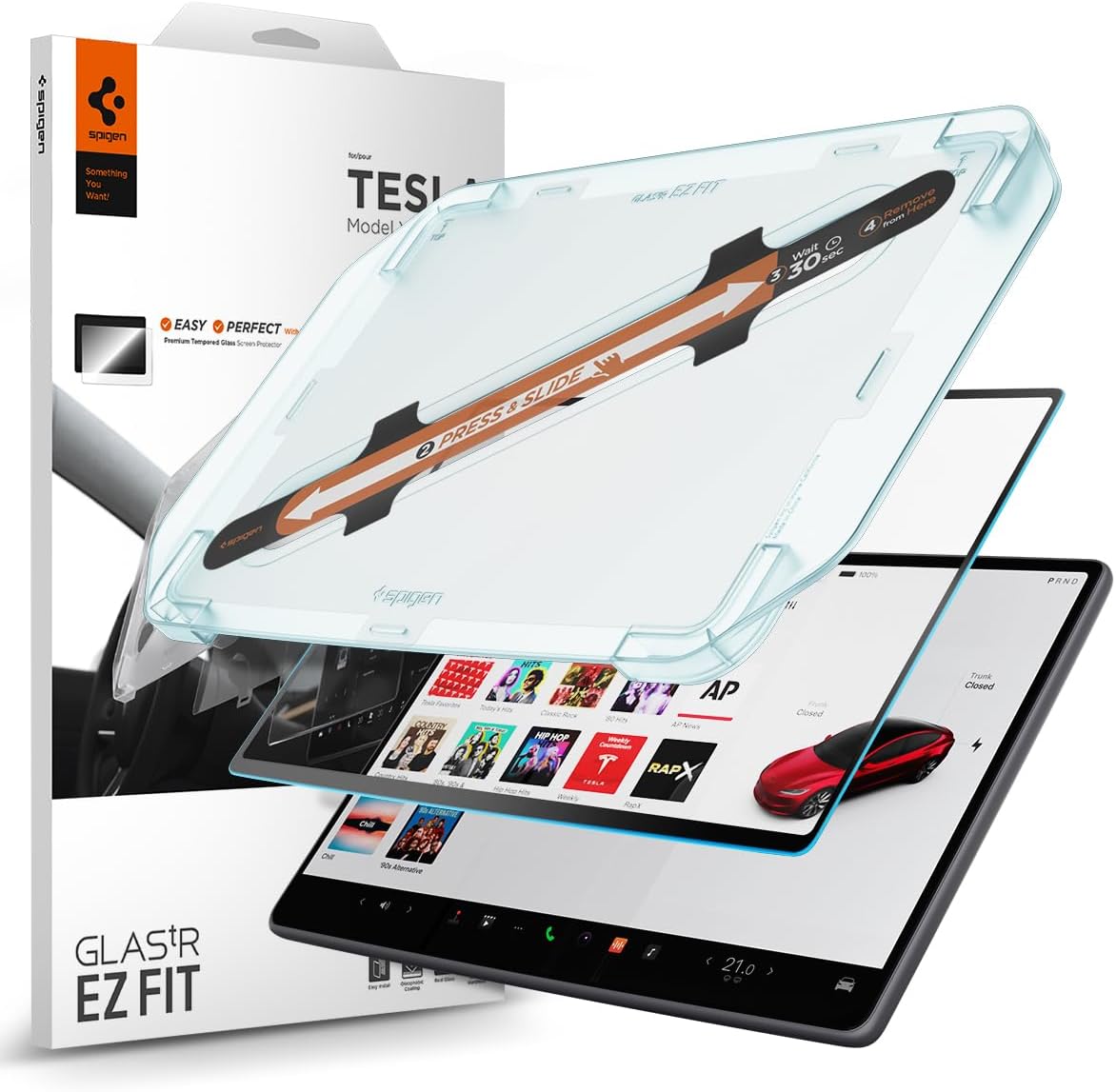
Spigen Tempered Glass for Tesla Model 3/Y
Tempered-glass protection for the touchscreen that kills fingerprints and scratches. Two minutes to install, lasts the life of the car.
As an Amazon Associate, ThinkEV earns from qualifying purchases — at no extra cost to you.
The net effect is that Canadian Seal price relief from the tariff cut is real but compressed. The quota loosens the supply enough to make BYD dealers viable. It does not loosen it enough to drive a price war. A buyer waiting for the Seal to drop to the rumoured China-adjacent price points in Canada is going to keep waiting, because the policy framework is engineered to prevent exactly that outcome.
This is the part of the trade deal that doesn't make it into the press release. The federal government got the optics of opening the market. The Canadian auto sector got a binding cap that keeps the lowest-cost Chinese EVs from displacing the domestic-content lineup on price. Both sides claim a win. The buyer pays for the compromise.
Where the Seal Sits Against Its Actual Canadian Competitors
Against the segment it's actually competing in, the Seal's value proposition is genuine. The Hyundai Ioniq 6 SE starts around $54,999 CAD and the Polestar 2 Standard Range sits near $57,900. The Seal AWD at 3.8 seconds 0–100 km/h is faster than either, with a comparable cabin spec, at a sticker that lands inside or just below those numbers. The Chevy Bolt EUV at $38,998 is the true budget floor of the Canadian EV market. The Seal is not competing there and isn't trying to.
The Seal's real market is buyers who want Tesla Model 3 Performance pace and feature density and who are not ideologically opposed to the BYD badge. That's a smaller buyer pool than the press wants to admit, but it's not zero. The relevant comparison isn't Seal versus Model 3 on price alone, it's Seal versus Model 3 on the question of which manufacturer's compromises a buyer is willing to live with. Tesla's compromises are well-documented. BYD's are newer to the Canadian market and not yet stress-tested at scale.
The crossover-aware buyer should also be looking at the Sealion 7 mid-size electric crossover, because the segment migration from sedan to crossover that's already played out in ICE is repeating itself in EV. A Seal buyer in 2026 might be a Sealion 7 buyer in 2027, and the dealer network, when it exists, will be selling both.
Why the Current Price Has a Short Half-Life
I'd put the band at $42,000 to $65,000 CAD for the Seal once it reaches Canada in 2026, and I'd tell any buyer eyeing that band that the number has a shorter half-life than the lease they're about to sign. The 6.1% tariff rate is not a permanent floor. It's a negotiated political number that will get re-litigated at the next federal trade review, and it could move in either direction. A reversion toward the 100% surtax would spike Seal prices mid-model-year and strand existing buyers on residual-value math that no Canadian leasing company has priced correctly.
The forward signal I'd watch is the quota utilization rate. If the 49,000-unit cap exhausts within the first four months of the calendar year, Ottawa's leverage to extract further concessions evaporates and the domestic auto lobby gets the floor it wanted. If utilization stays below 70%, possible if dealer rollout is slower than expected, the trade pressure to expand the quota will build, and 2027 pricing could meaningfully improve.
BYD's global pricing power tells you which direction the gravity actually pulls. The company can afford to sell into Canada at numbers much closer to the Australian or European trim-equivalent prices the moment trade friction eases. The Canadian premium is not absorbing engineering cost. It is absorbing political cost.
For a buyer in 2026, that means the Seal is a defensible purchase on its own merits (fast, well-equipped, undercutting the German and Korean comparables on AWD spec), but not the deal it would be in a free-trade scenario. Anyone framing the current price as a steal is mispricing the policy risk built into the sticker.
Gear worth having
As an Amazon Associate, ThinkEV earns a small commission from qualifying purchases — at no extra cost to you.

WeatherTech FloorLiner for Tesla Model 3
Deep-channel liners that trap every drop of slush and salt. The difference between a ruined interior and a showroom-fresh cabin after a Canadian winter.
As an Amazon Associate, ThinkEV earns from qualifying purchases — at no extra cost to you.
Variables That Would Move the Band
A few signals would shift the editorial position. Federal iZEV eligibility restored for Chinese-origin EVs would move the effective price roughly $5,000: material at the entry trim, less at the top. The current EVAP exclusion is a policy choice, not a technical impossibility. It could be revisited.
A BYD Canada dealer network expansion beyond the current handful of urban-corridor locations would change real availability rather than just the MSRP printed in a press release. Right now the Seal is theoretically available across Canada and practically available in three or four metros. That gap matters for residual values and warranty service, and it gets undercounted in price comparisons.
If quota sell-through data becomes public (it currently isn't), the demand signal would either validate or kill the speculation that the quota allocation moves in hours. I'd bet it moves in weeks, not minutes, but the data would settle it.
The category-changing move would be a sub-$35,000 Seal trim engineered specifically to fit the quota's under-$35,000 bracket. BYD has the platform flexibility to do it. The question is whether the Canadian importer thinks the margin works at that price. If they say yes, the entire Canadian EV price ladder reprices in a single product cycle.
Bottom line: the Seal in Canada is a good car at a price that reflects a moment in trade policy. Buy it for what it is, not for what it could be at a different tariff line. And don't sign a 60-month lease on the assumption that today's 6.1% holds for the full term.
Hero image: BYD Seal by JustAnotherCarDesigner, licensed under CC BY-SA 4.0 via Wikimedia Commons; resized and converted to WebP.

Gear worth having
As an Amazon Associate, ThinkEV earns a small commission from qualifying purchases — at no extra cost to you.
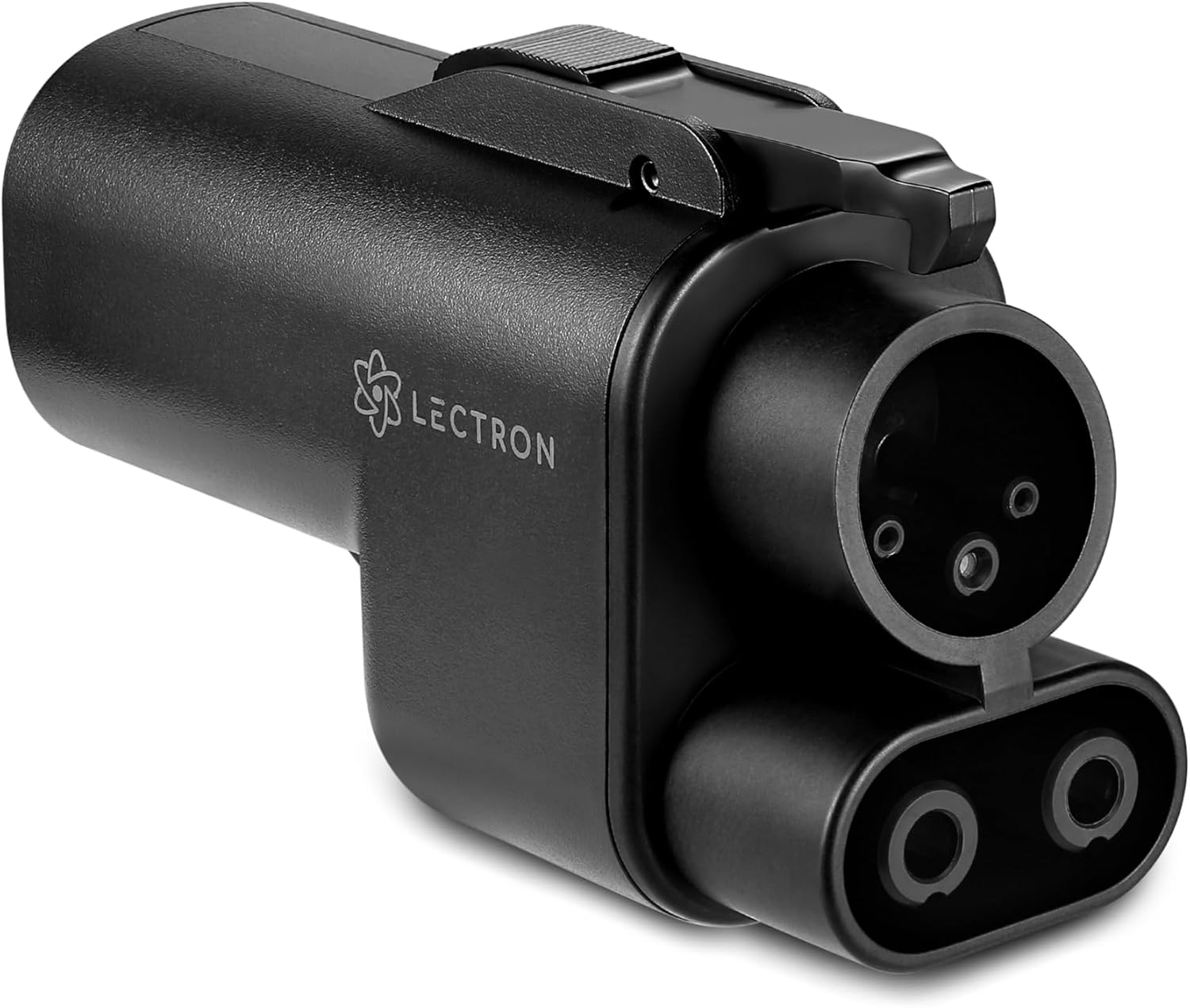
Lectron NACS to CCS Fast-Charge Adapter
Unlock every CCS fast charger for your Tesla, up to 500A DC. Never get stranded at a non-Tesla DC station again.
As an Amazon Associate, ThinkEV earns from qualifying purchases — at no extra cost to you.

Founder & Chief Editor
Vlad Pereira is the founder and chief editor of ThinkEV.ca, the Canadian electric-vehicle publication he writes and edits from Courtenay, British Columbia. He covers EV pricing, federal and provincial rebates, charging costs, and the Chinese manufacturers now entering Canada, from the buyer's side rather than the press-fleet side. ThinkEV is a venture of Vlad Pereira Online; his writing on health, income and the long game lives at vladpereira.com.
Frequently asked questions
Is the BYD Seal eligible for the federal iZEV or EVAP rebate?
How much of the 49,000-unit quota actually reaches Seal buyers?
Can you actually buy a Seal across Canada, or only in some cities?
What is the risk of signing a long lease on a Seal right now?
More EV & road-trip finds
Affordable upgrades worth a look — tap any to check the price on Amazon.
 ★ 55
★ 55LED Car Door Logo Projector Light
View on Amazon ★ 4,626
HoogaLife Hanging Car Diffuser (2-Pack)
View on Amazon ★ 21,304
Car Headrest Hooks (4-Pack)
View on Amazon ★ 848
★ 848Coiled USB-C to USB-C Car Cable (2-Pack)
View on Amazon ★ 87
★ 87Car Window Sun Shades for Kids (4-Pack)
View on Amazon ★ 17,839
Qifutan Vent Phone Mount (Military-Grade Clip)
View on Amazon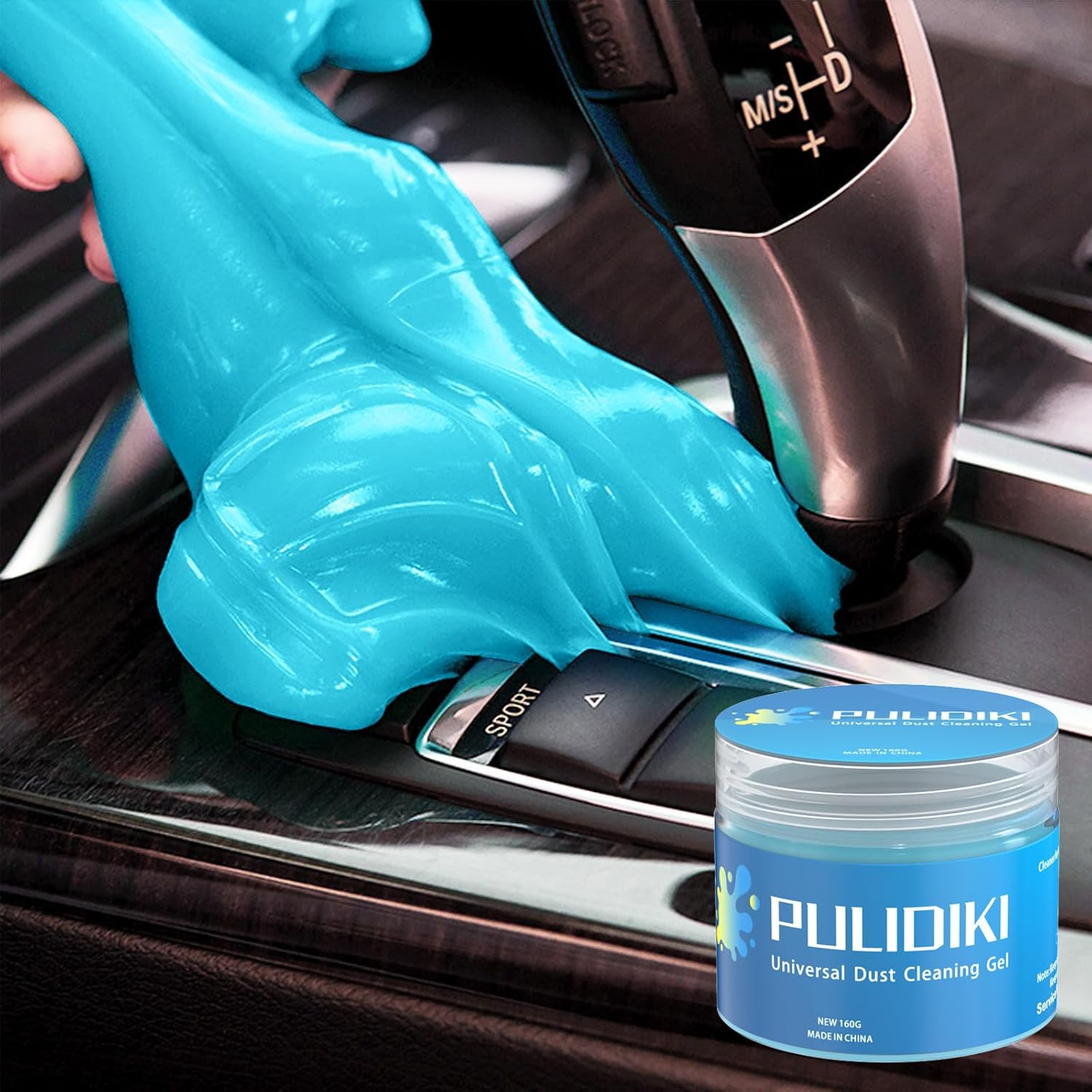 ★ 96,686
PULIDIKI Car Cleaning Gel (Detailing Putty)
View on Amazon ★ 164
★ 164Solar-Powered LED Ambient Light
View on AmazonRead, Plan, Then Stay Current
Explore our expert articles to understand incentives and ownership costs, use the map to pressure-test charging reality, then subscribe so new EV coverage comes straight to you.
Continue Reading
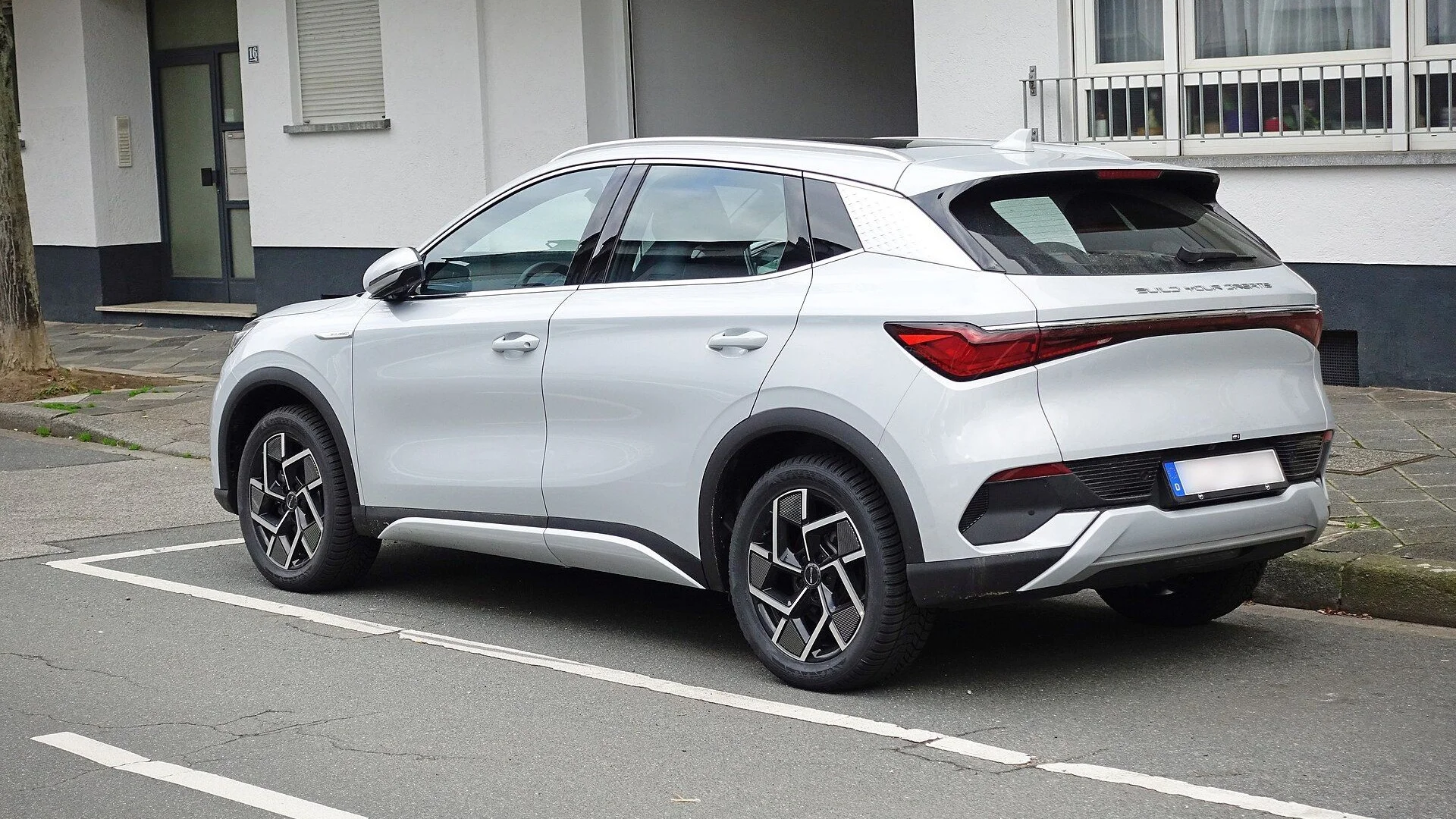
BYD Atto 3 Price Canada 2026, The Real Number, Banded
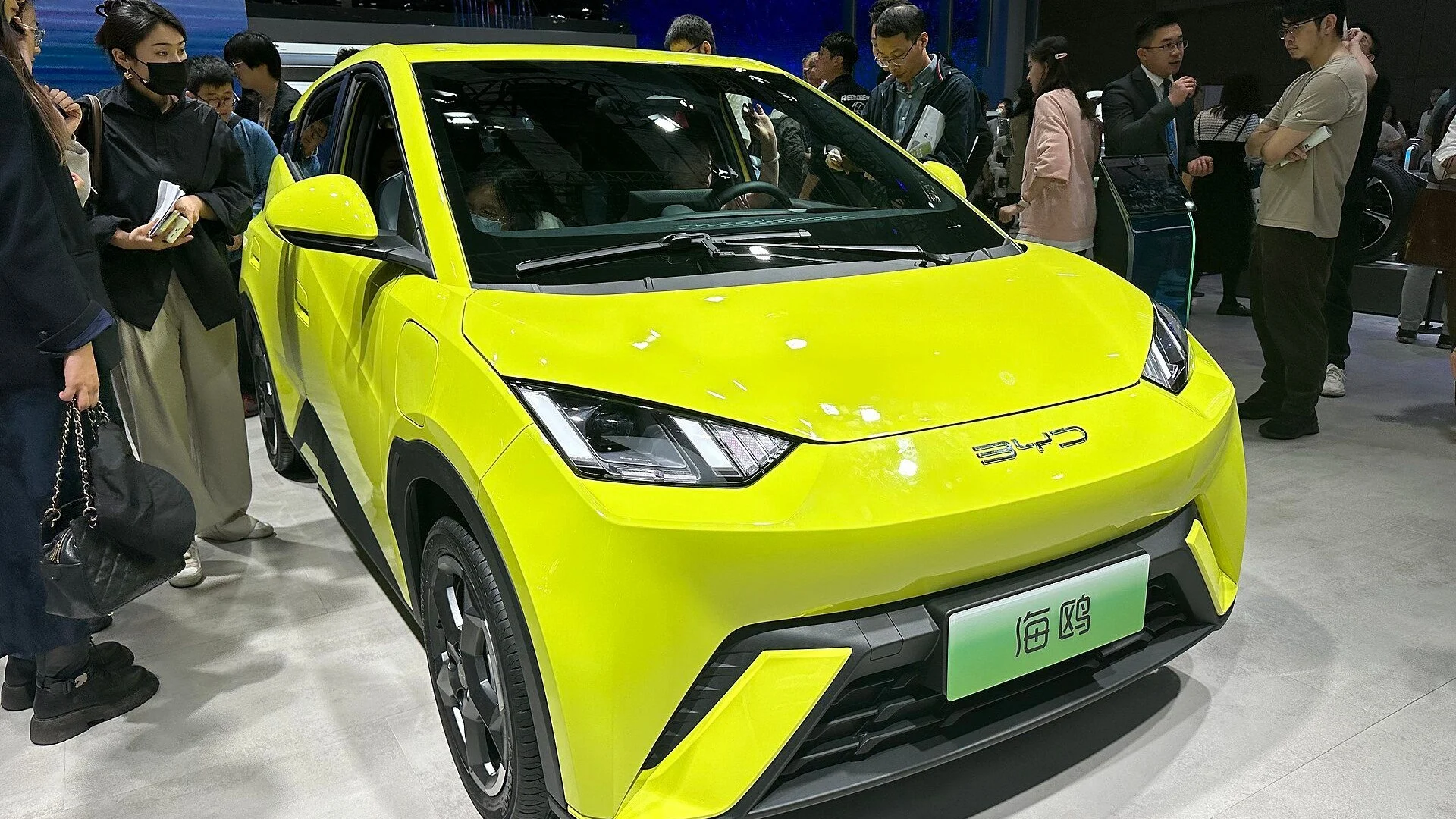
BYD Seagull Price Canada 2026, The Real Number, Banded
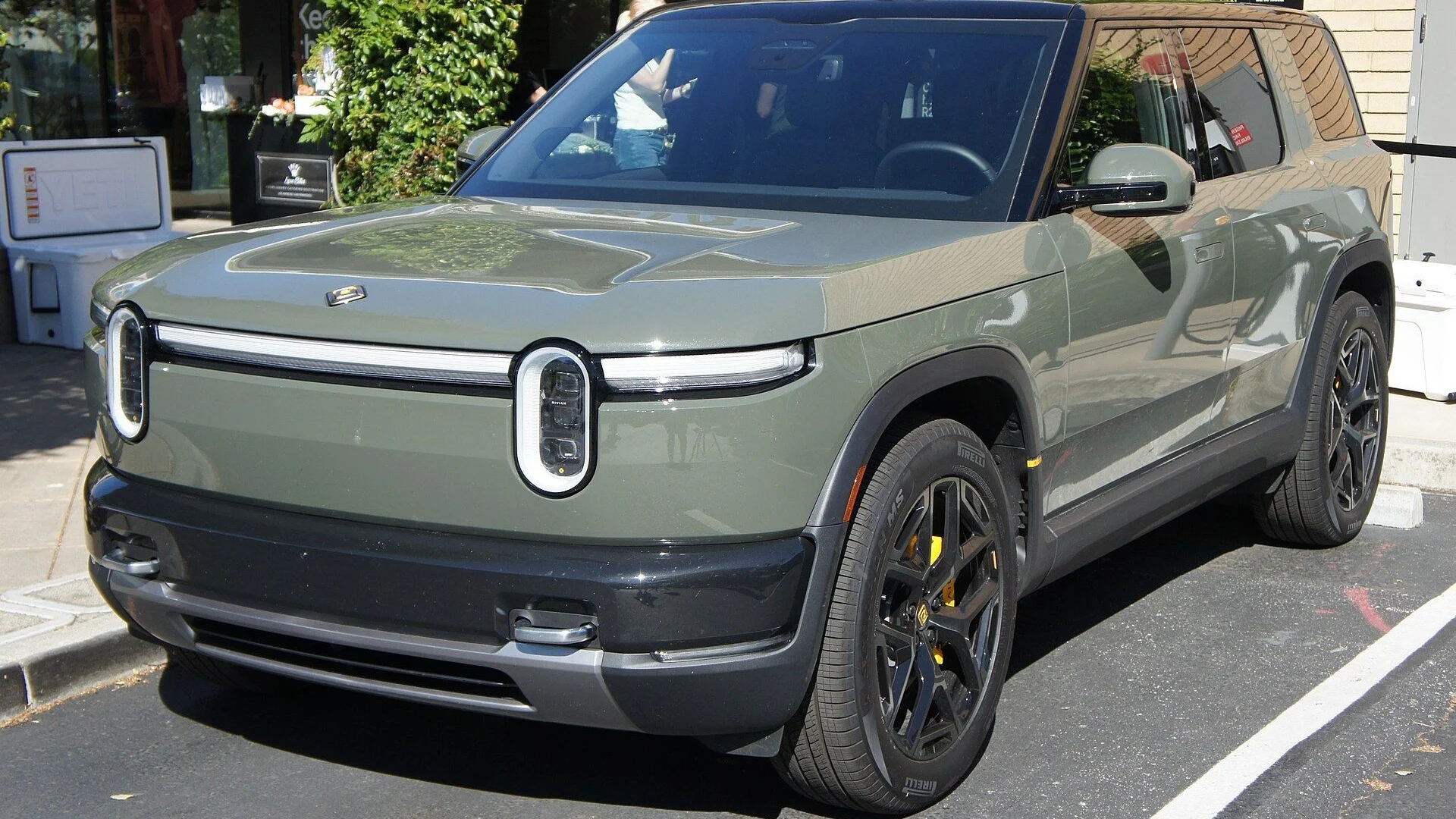
Rivian R2 Canada Price: $66,500 Base Misses the Rebate
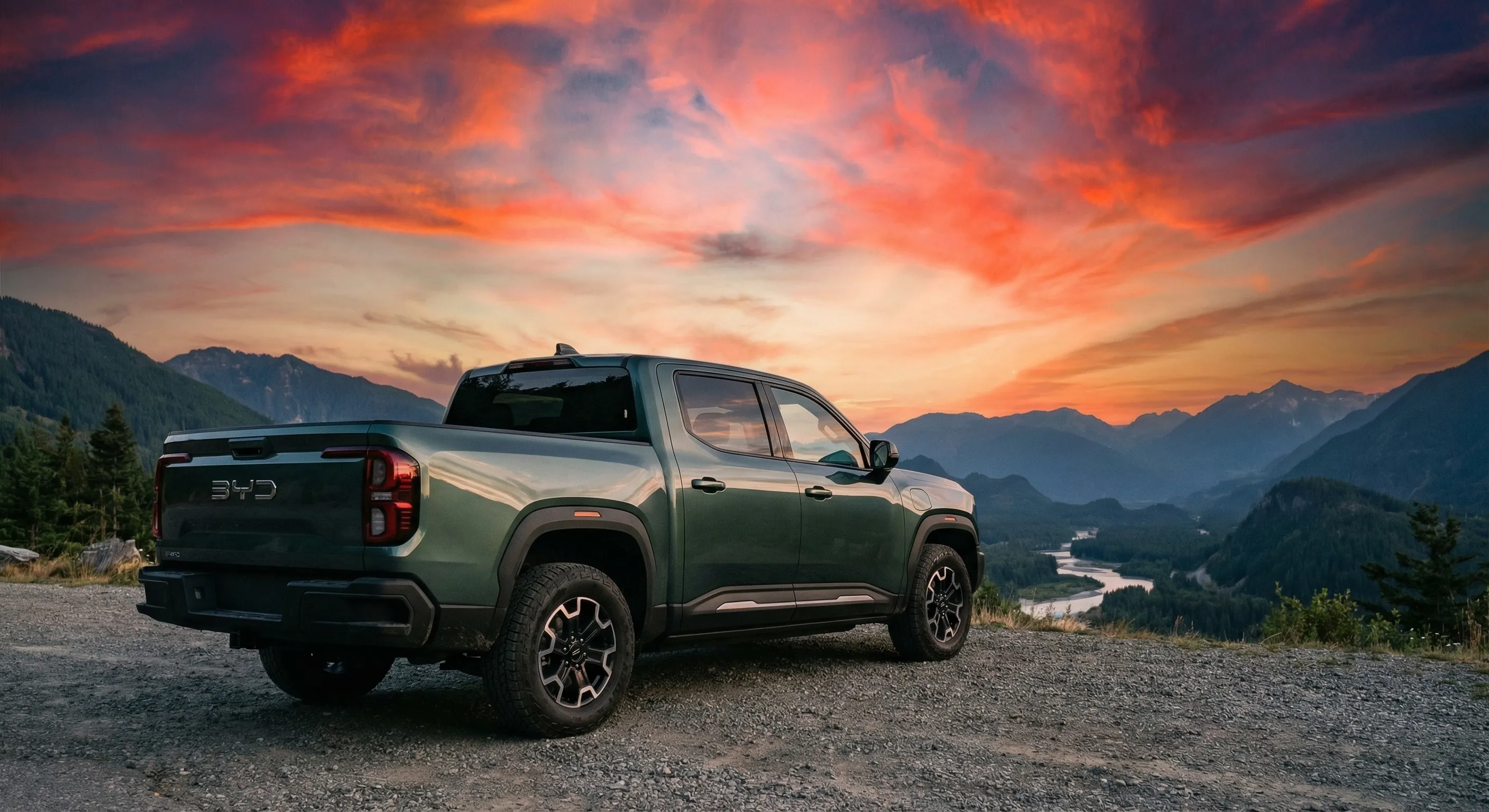
BYD Shark 6 Price in Canada: $55K–$62K Estimate, Explained
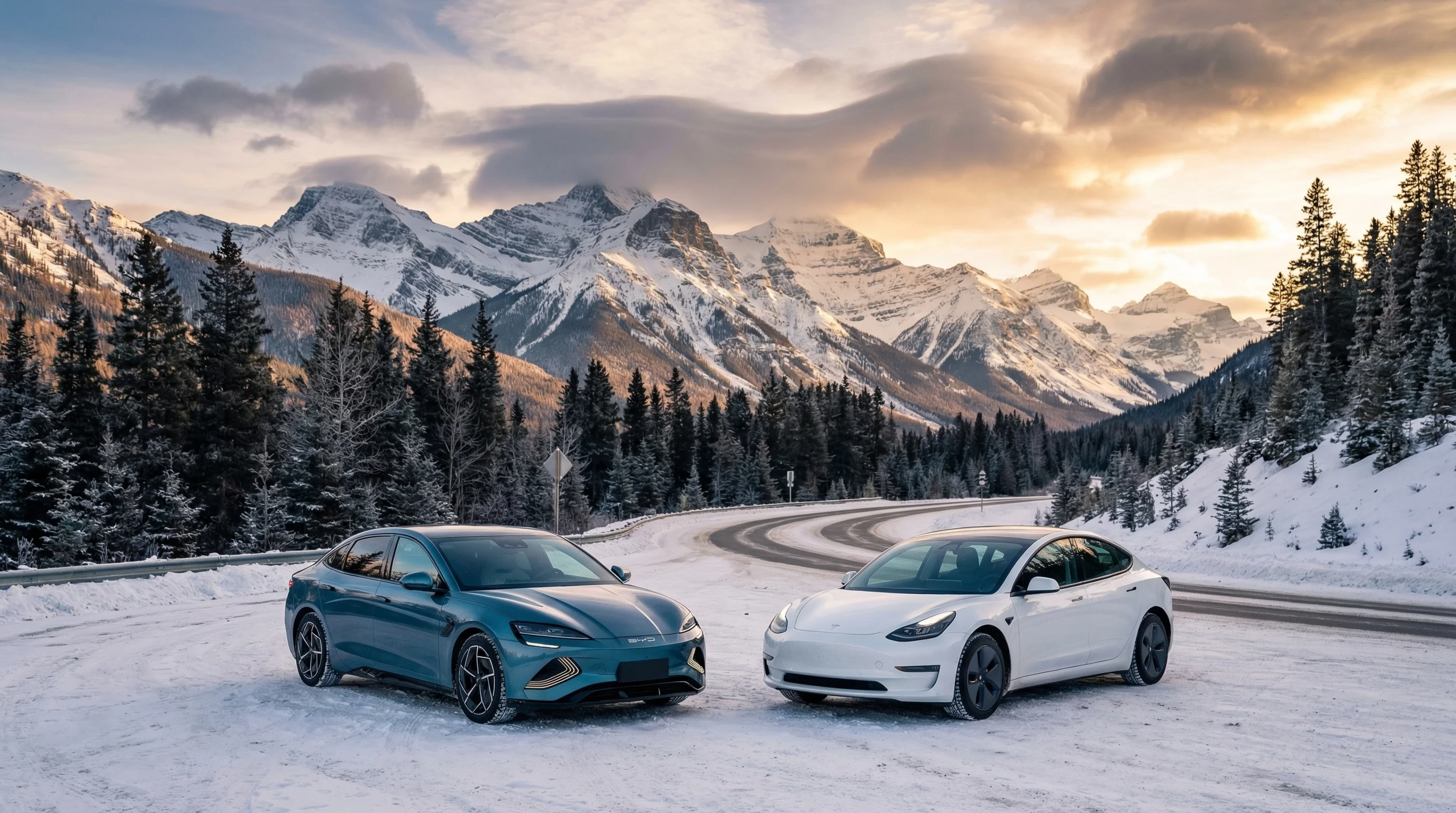
BYD Seal vs Tesla Model 3 Canada: The $10K Gap