The warranty card says eight years. Geotab's dataset of 22,700 vehicles suggests the real number is closer to eighteen, the lithium-ion type used in most modern EVs can last at least a decade before replacement, and the fleet data pushes the ceiling well past that. It is the single most misunderstood number in EV ownership, and it is the one that decides whether the used-EV market makes sense for you.
For any EV built in 2022 or later, sold new in Canada, and operated under typical Canadian conditions: 12 to 18 years of meaningful capacity. That is a wide band because the variance is real, and a false single number is worse than an honest range.
Key takeaways
- Geotab's 22,700-vehicle dataset shows average battery retention of 81.6% at eight years, only 0.3% of post-2022 EVs needed replacement.
- A Nature Energy analysis of UK consumer vehicles estimated 18.4 years average service life, converging with fleet telematics data.
- Sustained heat, not cold, is the primary degradation driver; a Yellowknife battery outlasts an identical Phoenix one.
- Geotab's 2026 data on 22,700 EVs: cars kept mostly above 80% or below 20% charge lost about 2.0% of capacity a year, against 1.4 to 1.5% for normal use.
- Highest replacement rates concentrate in pre-2017 EVs that lacked automatic charge-limit and thermal management systems, model year is the key used-EV variable.
Quick Answer: What to Actually Expect
Modern EV batteries retain 80 to 90 percent of their original capacity after eight years of normal use. That is what Geotab's telematics data says, 22,700 vehicles, the largest independent fleet dataset published to date.
Geotab, analysing 22,700 electric vehicles across its telematics fleet, found average retention of 81.6 percent at the eight-year mark, and only 0.3 percent of batteries in vehicles built after 2022 have required replacement. A separate Nature Energy analysis using Great Britain vehicle testing data estimated that the lithium-ion type used in most modern EVs can last at least a decade before replacement, with the vehicles in that dataset averaging roughly 18.4 years of service life overall.
The industry warranty floor across virtually every brand sold in Canada is eight years or 160,000 kilometres, whichever comes first. It is, to be fair, a number, and it is calibrated to be the number the manufacturer is confident it will never have to pay out. The actual engineering target sits well beyond that.
The skeptical read is that fleet telematics data skews toward newer vehicles operated by professional drivers with routine maintenance, and that consumer ownership will look worse. That objection has merit at the margins, but the Nature Energy dataset draws from consumer vehicles in the UK MOT testing regime, not fleets, and it lands in the same neighbourhood, the convergence between two very different data-collection methods is what should move you.
For a deeper picture of how degradation plays out year by year, the year-by-year breakdown of Canadian battery degradation walks through the 5, 10, and 15-year checkpoints with real data.
Gear worth having
As an Amazon Associate, ThinkEV earns a small commission from qualifying purchases — at no extra cost to you.

Lectron Level 2 J1772 Charger (40A, WiFi)
Smart WiFi charger with real-time energy monitoring. 40A / 9.6 kW, J1772 with a NEMA 14-50 plug, schedule charging right from your phone.
As an Amazon Associate, ThinkEV earns from qualifying purchases — at no extra cost to you.
What Actually Kills a Battery (and What Doesn't)
Three vectors do the damage: heat, charge cycles, and calendar age. The hierarchy matters, because most owners worry about the wrong one.
Heat is the dominant vector. Sustained high temperatures, pack temperature, not ambient, accelerate the chemical reactions that permanently reduce capacity. This is why Arizona fleets show measurably worse degradation than Ontario ones, and why the "battery in a hot parking lot at 100 percent" scenario is the single most damaging thing an owner routinely does without realising it. The engineers who designed modern EVs knew this from the start: they built active thermal management and continuous battery-health monitoring into the pack precisely because they could not trust owners to avoid the hot-parking-lot problem on their own.
Charge cycles matter less than most people think, and chemistry matters more. Li-NMC batteries using lithium nickel manganese cobalt oxides are the most common in EV, and the lithium iron phosphate battery (LFP) is on the rise, the two chemistries age very differently. LFP tolerates 3,000 to 5,000 full cycles before meaningful capacity loss; NMC typically fewer, but with higher energy density as the trade-off.
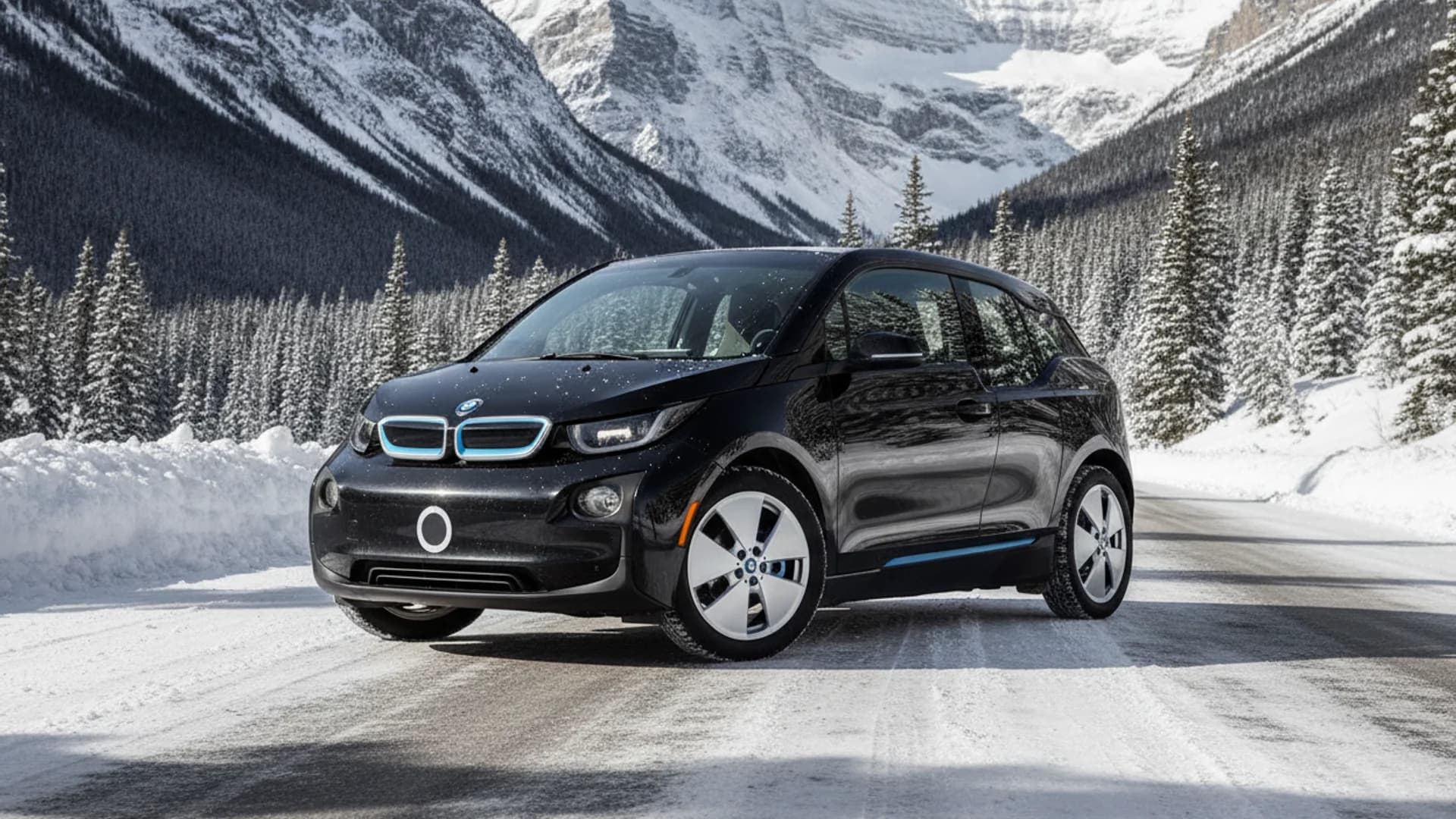
Cold is the temperature story owners get wrong. Cold weather temporarily reduces range, sometimes dramatically, 20 to 40 percent in a Canadian February, but it does not accelerate permanent degradation the way sustained heat does. A battery that spends its winters at minus twenty and its summers at plus twenty-five will out-live one that spends its whole year at plus thirty-five. Geotab was explicit about a gap in its own data here: the dataset lacked sufficient cold-only samples to isolate the impact of extreme cold climates, which is a limitation worth naming rather than papering over.
Calendar age is the quiet third factor. Even a battery that is barely cycled loses capacity slowly to time itself, roughly one to two percent per year at moderate temperatures. This is the number that puts the ceiling on lifespan regardless of how gently you drive. It also explains why low-mileage used EVs from 2017 sometimes benchmark worse than higher-mileage 2020s, the clock runs on a parked car too.
The Charging Habits That Move the Needle
For a nickel-based pack, the most useful charging habit is to keep the state of charge in the middle of the window for daily use: a ceiling around 80 percent, and no regular runs down near empty. Jeff Dahn's battery lab at Dalhousie University has shown that cells kept at a lower average charge lose capacity more slowly. Geotab's 2026 study of 22,700 EVs puts a real-world size on it. Cars that spent more than 80 percent of their time above 80 percent or below 20 percent charge lost about 2.0 percent of capacity a year, against 1.4 to 1.5 percent for normal use. Over eight years, that is roughly the difference between keeping 84 percent of the pack and keeping 88.
Daily DC fast charging accelerates degradation measurably. Occasional DC fast charging does not. The distinction matters because the internet has spent a decade conflating "fast charging is bad" with "fast charging on a road trip once a month is bad", the second claim is not supported by the data. The fast-charging degradation data breakdown covers the actual numbers.
Gear worth having
As an Amazon Associate, ThinkEV earns a small commission from qualifying purchases — at no extra cost to you.
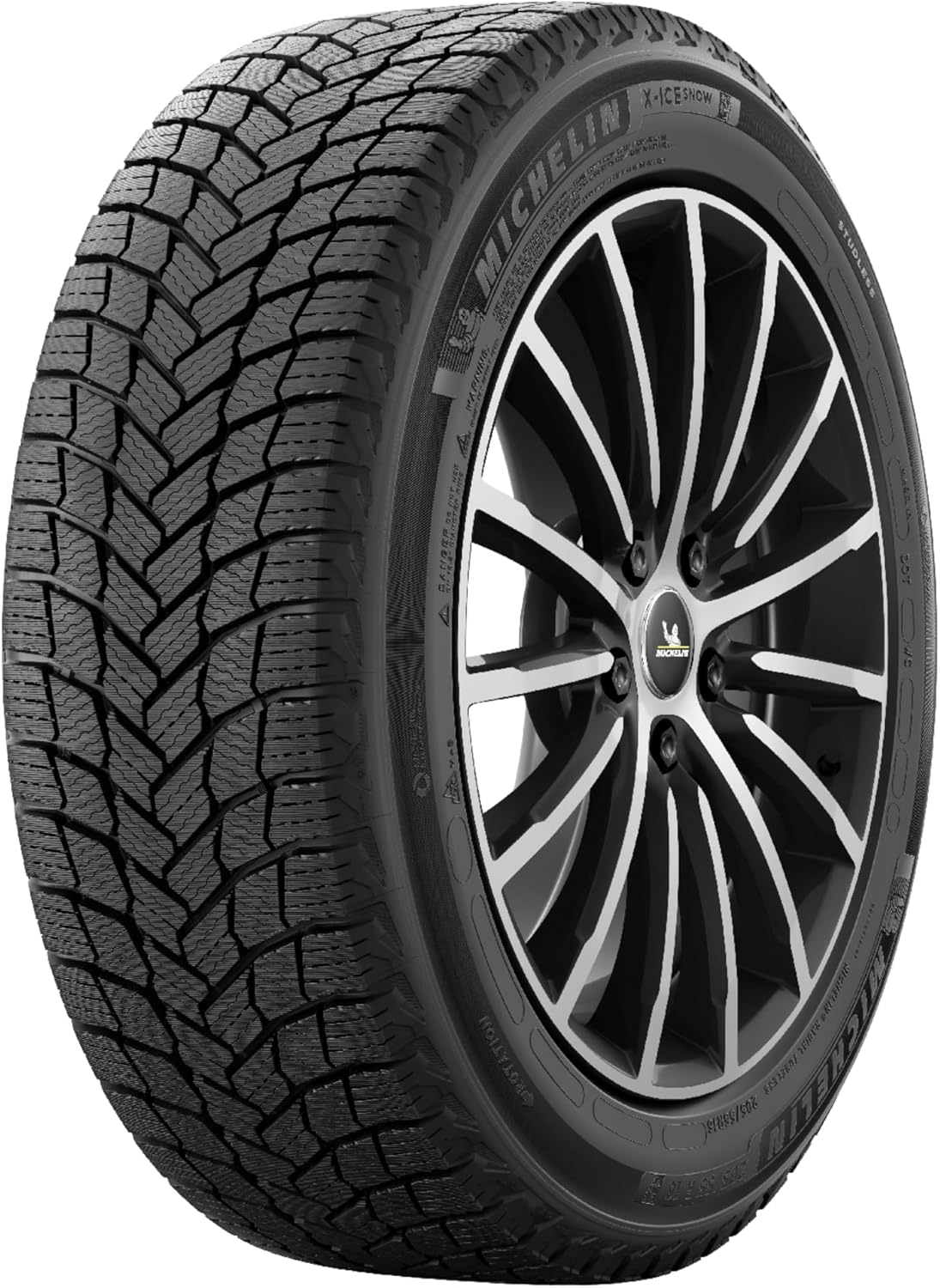
Michelin X-Ice Snow Tires (EV-rated)
EV-specific winter tires with low rolling resistance that recover up to 15 percent of cold-weather range. Mandatory in Quebec, smart everywhere else.
As an Amazon Associate, ThinkEV earns from qualifying purchases — at no extra cost to you.
Sequence matters more than people expect. Parking a hot battery at 100 percent in a hot climate is worse than fast-charging in mild weather. If you must charge to full, do it right before you leave, not the night before. If you fast-charge in summer, drive for at least twenty minutes afterwards to let the pack shed heat before parking.
Most battery management systems built after 2019 enforce charge limits automatically and moderate fast-charge speeds when the pack is hot. Gen-1 EVs, meaning most vehicles from 2016 or earlier, lacked this protection, which is why Recurrent's dataset shows the highest replacement rates concentrated in that cohort, with a notable secondary uptick in 2019 and 2021 Teslas. If you are buying used, the model year is the single most important variable.
Gear worth having
As an Amazon Associate, ThinkEV earns a small commission from qualifying purchases — at no extra cost to you.

PULIDIKI Car Cleaning Gel (Detailing Putty)
Press it into vents, buttons, and seams and it lifts out dust you did not know was there. Weirdly satisfying, genuinely useful.
As an Amazon Associate, ThinkEV earns from qualifying purchases — at no extra cost to you.
How Canadian Conditions Change the Calculus
Canadian winters get more airtime than they deserve when it comes to permanent battery health. Cold reduces range temporarily, yes, meaningfully, sometimes brutally, but it does not accelerate the permanent capacity loss that sustained heat causes. A pack in Yellowknife will out-live an identical pack in Phoenix.
Preconditioning is where Canadian owners either protect their battery or waste it. The habits that matter come down to a short list:
- Precondition while plugged into a Level 2 charger, the pack warms on grid power and your usable range stays intact.
- Precondition on battery power in a driveway at minus fifteen and you will spend 5 to 8 percent of usable charge to warm a pack for a commute that will spend more.
- Cap daily charging at 70 to 80 percent unless you need the extra range for a specific trip, or your EV uses an LFP battery, in which case 100% is the manufacturer-recommended daily routine.
- Never leave the car parked at 100 percent in summer heat, the worst-case scenario for calendar-age degradation.
The federal warranty floor sits at eight years or 160,000 kilometres, and every vehicle that qualified under iZEV, the retired predecessor to today's EVAP rebate, carried at least that. Some brands do measurably worse: the Canadian Hyundai EV battery warranty is eight years or 160,000 kilometres, compared with ten years or 100,000 miles in the United States. Same car, different paperwork. The complete Canadian EV warranty comparison has the brand-by-brand breakdown.
For used buyers, the model-year cutoff is the number to internalise. Recurrent's data shows gen-1 EVs, 2016 and earlier, carrying the highest rate of battery replacements due to deterioration or age. Post-2022 vehicles show a 0.3 percent replacement rate. The gap between those two cohorts is enormous, and it is not linear across the years in between. If you are shopping used, 2020 is a reasonable functional floor, and 2022 is a safer one.
Gear worth having
As an Amazon Associate, ThinkEV earns a small commission from qualifying purchases — at no extra cost to you.

WixGear Magnetic Air Vent Phone Mount (2-Pack)
A magnet strong enough that your phone never flinches over potholes or rail crossings. Two in the box, one for each car.
As an Amazon Associate, ThinkEV earns from qualifying purchases — at no extra cost to you.
When Replacement Makes Sense, and What It Costs
The functional replacement threshold for most drivers is around 70 percent of original capacity. Below that, the range hit and the charging inconvenience start to compound. The warranty trigger is typically 70 percent, sometimes 70, sometimes 66, always in the paperwork, which is the point at which the manufacturer replaces the pack for free.
Replacement costs have fallen and continue to fall, but the range is still wide: $5,000 to $20,000 Canadian depending on pack size, chemistry, and model. LFP packs sit at the lower end; large NMC packs in performance vehicles at the higher end. Chinese-market replacement pricing is meaningfully lower than North American pricing, and that gap is one of several arguments for why the Chinese-EV entry into Canada matters beyond the sticker price. NIO's battery-swap model sidesteps replacement entirely by treating the pack as a serviceable component that gets swapped in three minutes at a dedicated station rather than a fixed one, you are not buying a battery, you are subscribing to one.
Second-life applications extend the economic value of a battery well past the point at which it stops being useful in a vehicle. A pack at 70 percent capacity is still an excellent grid-storage or home-backup asset, and the resale market for retired EV packs has grown into a real industry rather than a rounding error. The battery is not a consumable that gets thrown away at end-of-vehicle-life. It is an asset that continues to produce value in a different job.
For most buyers financing a 2022-or-newer EV over five to seven years, battery replacement before loan payoff is a statistical outlier, well under one percent of vehicles, on current data. The nightmare scenario that dominates comment sections is a real risk for gen-1 used buyers and a vanishing one for anyone shopping new.
Mark the calendar for Geotab's 2028 update on the post-2022 cohort. If the 0.3 percent rate holds through 2028, the battery-range anxiety that shaped the first decade of EV marketing will be a 2010s problem. The Canadian used-EV market on the other side of that data point is the more interesting trade. If the number climbs past two percent, the used-market math needs redoing and this whole calculation shifts with it.
Gear worth having
As an Amazon Associate, ThinkEV earns a small commission from qualifying purchases — at no extra cost to you.
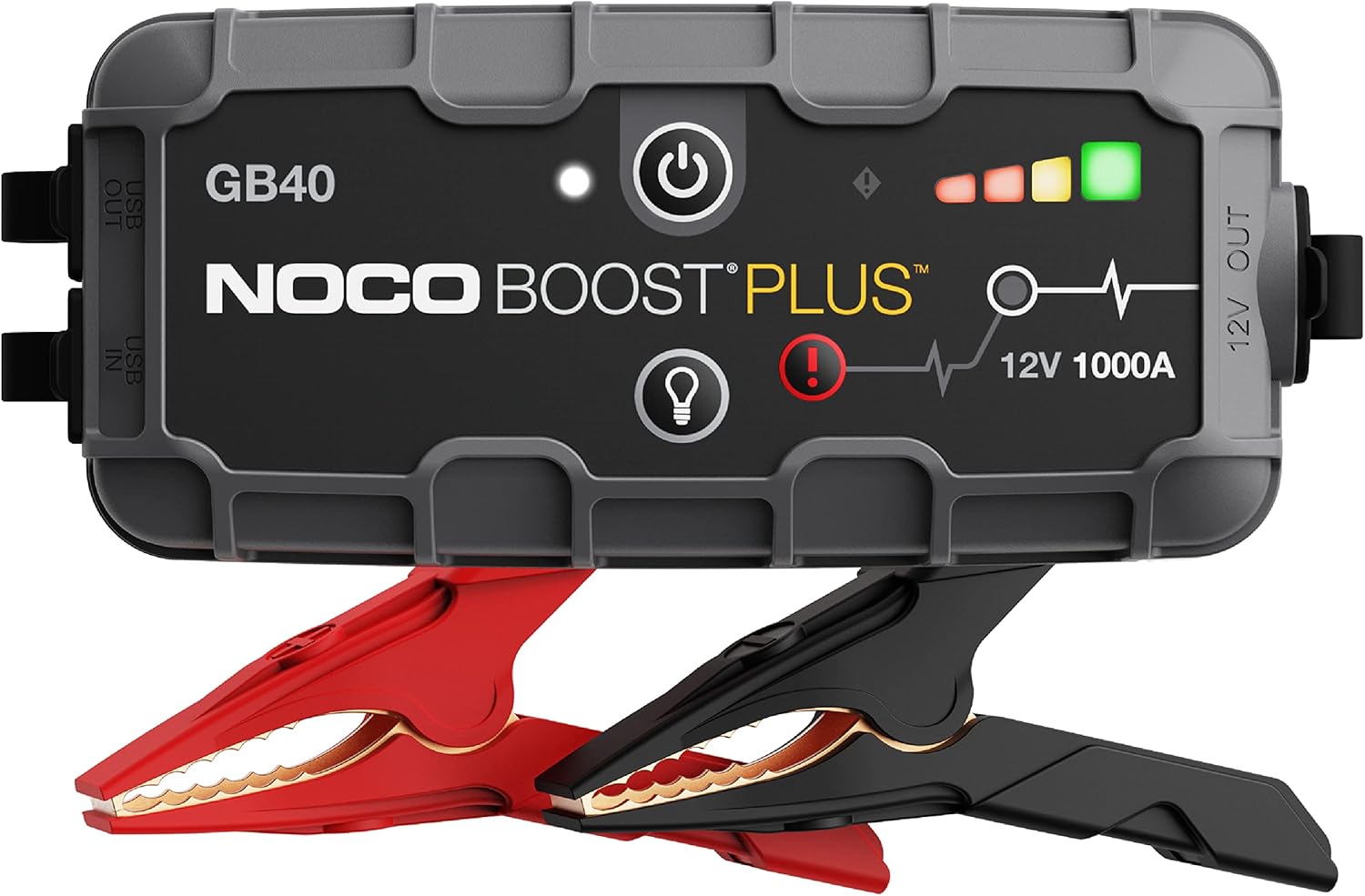
NOCO Boost Plus GB40 Jump Starter
A 1000A lithium jump starter that fits in your glovebox and works on any 12V battery. Your insurance against a dead 12V in a parking lot.
As an Amazon Associate, ThinkEV earns from qualifying purchases — at no extra cost to you.

Founder & Chief Editor
Vlad Pereira is the founder and chief editor of ThinkEV.ca, the Canadian electric-vehicle publication he writes and edits from Courtenay, British Columbia. He covers EV pricing, federal and provincial rebates, charging costs, and the Chinese manufacturers now entering Canada, from the buyer's side rather than the press-fleet side. ThinkEV is a venture of Vlad Pereira Online; his writing on health, income and the long game lives at vladpereira.com.
Frequently asked questions
Does cold weather permanently damage my EV battery?
Is buying a used 2017 EV a bad idea now?
How much does keeping the charge in the middle range actually matter?
Does road-trip fast charging wreck the battery?
Which chemistry ages better, LFP or NMC?
More EV & road-trip finds
Affordable upgrades worth a look — tap any to check the price on Amazon.
 ★ 2,941
Microfiber Cleaning Cloths (Multi-Pack)
View on Amazon ★ 314
★ 314Mini USB LED Ambient Lamps (4-Pack)
View on Amazon ★ 1,349
Cool Swinging Duck Dashboard Ornament
View on Amazon ★ 27,769
Car Cup Holder Coasters (4-Pack)
View on Amazon ★ 1,866
70mai A810 4K Dual Dash Cam
View on Amazon ★ 121
★ 121Foldable Windshield Sun Umbrella
View on Amazon ★ 268
★ 268Anti-Slip Leather Steering Wheel Cover
View on Amazon ★ 47,507
HOMEXCEL Microfiber Cloths (12-Pack)
View on AmazonRead, Plan, Then Stay Current
Explore our expert articles to understand incentives and ownership costs, use the map to pressure-test charging reality, then subscribe so new EV coverage comes straight to you.
Continue Reading
EV Battery Degradation: What's Normal and How to Slow It
Which EVs Should Be Charged to 100%? The LFP Exception
How to Maximize Your EV Battery's Lifespan in Canada
EV Depreciation Explained: Why It Differs From Gas Cars
EV Charge Limits: NMC vs LFP and What Owners Miss