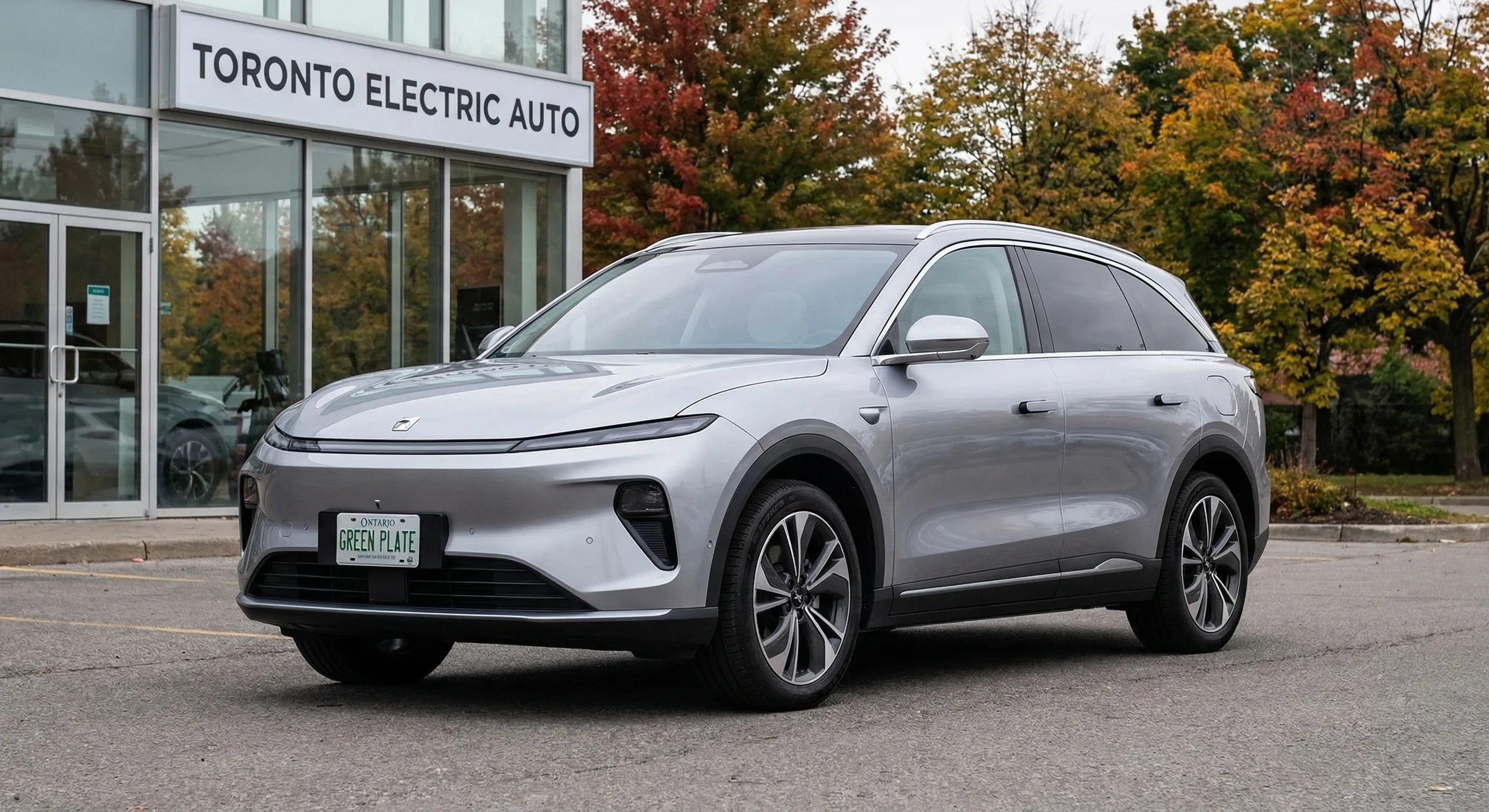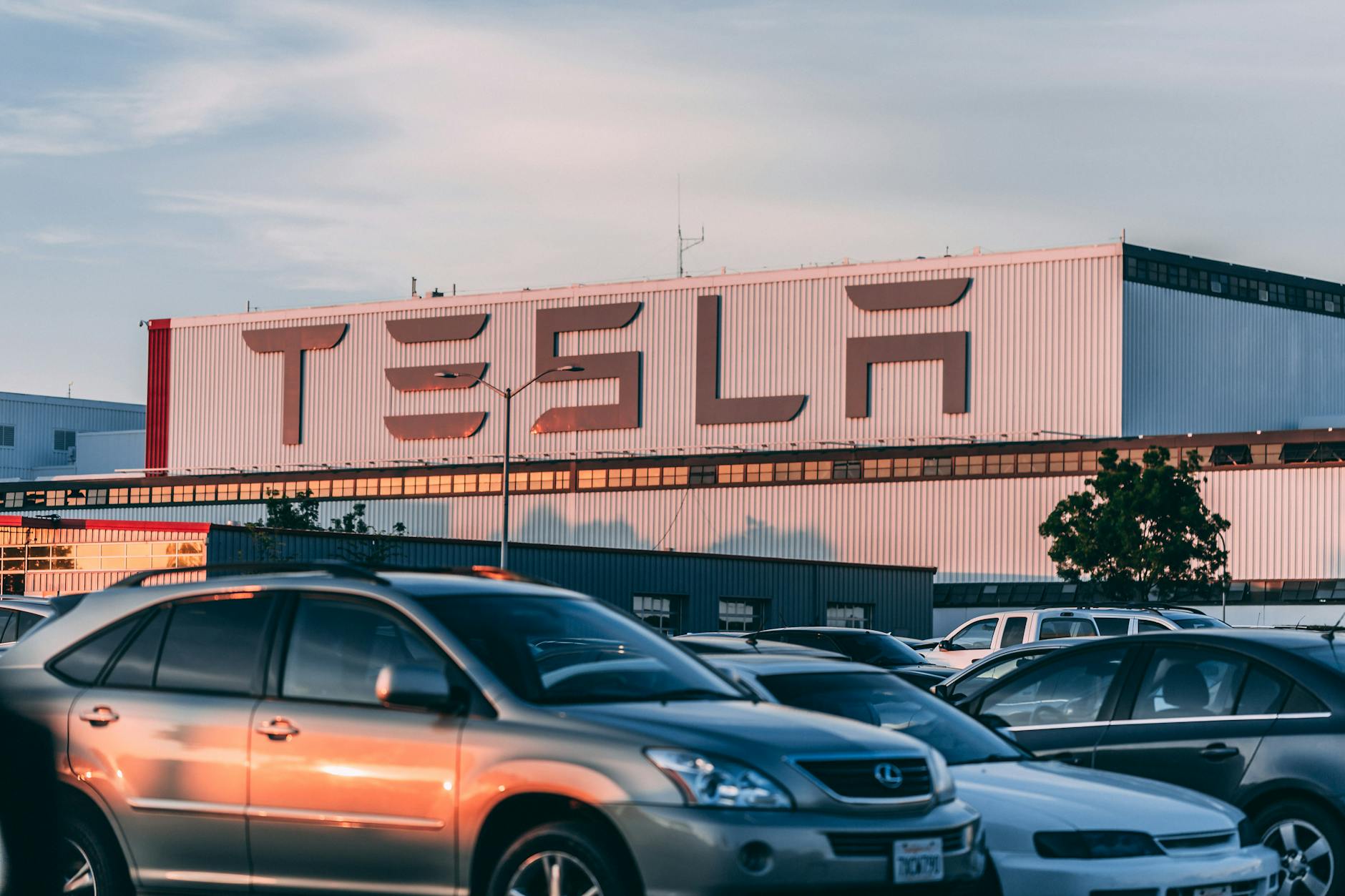
The numbers do not lie, even when the narrative around them gets complicated.
The Tesla Model Y is, by every credible measure, the bestselling car on earth. Not the bestselling EV. Not the bestselling crossover. The bestselling car, full stop, for the third consecutive year running. In 2023, in 2024, and now confirmed for 2025, the Model Y outsold everything else with four wheels on a global basis.
That is an extraordinary achievement. It is the kind of product dominance that car manufacturers spend decades and billions of dollars trying to manufacture, and most never get close.
So here is the question that should be making Tesla executives deeply uncomfortable: why did Canadian sales collapse 60 percent last year?
We are not talking about a gentle decline.
We are not talking about a market correction or a soft quarter. We are talking about Tesla going from a dominant position in the Canadian EV market to approximately 18,000 units sold in 2025, down from what was a far more commanding number the year prior. For context, the overall Canadian EV market contracted about 25 percent in 2025. Tesla did not contract with the market.
Tesla fell off a cliff while the market stumbled.
That gap between global dominance and Canadian collapse tells you where the EV industry is heading, what brand damage looks like in real sales figures, and why 2026 might be the most consequential year in Canadian EV history.
Key takeaways
- The Model Y is the world's bestselling car for the third straight year, a genuinely remarkable engineering and commercial achievement that deserves acknowledgment regardless of what else is happening at Tesla.
- Tesla's Canadian sales dropped roughly 60 percent in 2025, landing near 18,000 units, a collapse that far outpaced the broader market's 25 percent contraction.
- Elon Musk's political activities have created measurable brand damage in Canada, a market where progressive values and EV adoption overlap significantly.
- Tesla's pricing knocked it out of EVAP eligibility for several trims, handing a substantial cost advantage to competitors like the Hyundai Ioniq 5, Kia EV6, and Chevy Equinox EV.
- The Supercharger network remains Tesla's most durable competitive advantage in Canada, but even that moat is narrowing as third-party fast charging infrastructure builds out.
- BYD has overtaken Tesla as the world's largest EV maker by volume, a geopolitical and commercial reality that reshapes the entire global EV narrative going into 2026.
The Paradox: Number One Globally, Crashing in Canada
The contradiction is genuinely strange and worth understanding properly.
How does a car become the world's bestselling vehicle for three consecutive years while simultaneously losing more than half its market share in a country like Canada? The answer is not simple, and anyone who tells you it is with a single sentence is either selling you something or not paying attention.
The global picture is driven primarily by volume in Asia, Europe, and the United States.
In China, despite fierce competition from BYD and a dozen homegrown EV manufacturers, Tesla still moves enormous numbers. In Europe, the Model Y has become something close to a default choice for fleet buyers and upwardly mobile professionals. In the US, Tesla's political complications mirror Canada's but operate in a market so large that even a significant percentage decline still represents hundreds of thousands of units.
When you add it all up globally, the Model Y's production scale, brand recognition, and charging infrastructure create a self-reinforcing advantage that competitors are still years away from matching on a worldwide basis.
Canada is a different story. Canada is a market of approximately 40 million people, a progressively-minded consumer base that cares significantly about values alignment with the brands it buys, a federal incentive program with strict pricing caps, and a geography that makes charging infrastructure genuinely consequential to purchase decisions.
Canada is also a market where Tesla had, until recently, one of the highest rates of EV market penetration in the world relative to its size. Tesla built a loyal customer base here. That base has been eroding, and not primarily because a better car arrived.
The global number-one status is real. The Canadian collapse is real. Both things are true simultaneously, and understanding why requires looking at factors that have nothing to do with the car itself and everything to do with the company, its pricing strategy, its owner's public behaviour, and a competitive picture that looks nothing like it did in 2022.
There is also a timing element here that matters.
The Juniper refresh, the updated Model Y that arrived in Canada in early 2026, may well reverse some of this decline. But the damage was done in 2025, and the question of whether a better headliner and a revised interior can overcome what Musk's media presence has done to the Tesla brand in this country is genuinely open.
Tesla is not finished. The story is far more complicated than either Tesla's loyalists or its critics want to acknowledge, and the Canadian market in 2026 will be a test case for whether brand damage is structural or whether product quality eventually wins back buyers.
What Actually Happened to Tesla in Canada
The single largest driver of Tesla's Canadian sales collapse is not product. It is not price, though price is a contributing factor. It is not competition, though competition is real and growing. The largest single driver is Elon Musk and his political activities, and the numbers bear this out.
Canadian EV buyers are not a politically homogeneous group, but they skew progressive. That is not an opinion, it is a statistical reality backed by every consumer survey on EV adoption in this country. Early adopters of electric vehicles in Canada tend to be urban, educated, higher-income, and hold values that place environmental responsibility, institutional trust, and social equity fairly high on the priority list. These are also, broadly speaking, the people most likely to have visceral reactions to the spectacle of Musk's activities over the past eighteen months.
What we saw in 2025 was something that marketing researchers will study for years: a brand experiencing real-time reputational collapse in a target demographic. Tesla's product did not change dramatically in 2025. The Supercharger network continued to operate reliably. Software updates continued to arrive. The cars themselves did not become worse. And yet sales dropped 60 percent in Canada while competitors with objectively less capable products gained share.
The mechanism here is relatively straightforward. Buying a Tesla in Canada has become, for a meaningful segment of the population, a statement they do not want to make. The once-coveted Tesla logo has, for a portion of the market, transformed from a symbol of forward-thinking environmentalism into something politically fraught. You do not need a majority of buyers to feel this way to create a 60 percent sales decline, you need enough of them, combined with newly viable alternatives, to shift purchase decisions at the margin. And that is exactly what happened.
Musk built something genuinely extraordinary with Tesla. The company commercialized long-range battery electric vehicles at scale when most of the automotive industry insisted it could not be done profitably. The Supercharger network is the best charging infrastructure on earth, built without government mandate, through private capital and sheer operational discipline. The software that runs Tesla vehicles is years ahead of most competitors. These are real achievements that deserve acknowledgment.
But Musk's public persona in 2024 and 2025 created a specific kind of brand crisis that Tesla's marketing team, to the extent one effectively exists, was structurally unable to counter. When the CEO of a consumer brand becomes a polarizing political figure, the brand absorbs that polarization. In a market like Canada, where the EV buyer demographic overlaps significantly with people who find that political polarization deeply off-putting, the commercial consequences were predictable and severe.
This is the part that makes the global-number-one headline simultaneously impressive and somewhat misleading. Tesla is still winning in markets where brand values alignment matters less in the purchase decision, or where the competitive picture has not yet offered credible alternatives. Canada is a market where both of those conditions now apply, and the sales figures show it.
The Model Y Juniper: Is It Actually Enough?
The Juniper refresh arrived in Canada in early 2026, and I will give credit where it is due: it is a meaningful update. Not a ground-up redesign, Tesla has never operated that way, and there is an argument that the core architecture of the Model Y does not need fundamental reinvention, but a substantive improvement in the areas where the previous model was most criticized.
The interior, which had long been a soft spot for the Model Y in comparison tests against Korean and European competitors, received genuine attention.
Materials quality improved. The ambient lighting system is a real addition rather than a token gesture. The revised steering wheel and the updated infotainment hardware address complaints that had been accumulating for years. If you sat in a 2024 Model Y and then sit in a 2026 Juniper, the difference is noticeable.
Range improved as well, which matters enormously in Canadian conditions.
Anyone who has driven a long-range EV through a Canadian winter knows that rated range and real-world range diverge significantly once temperatures drop below minus ten. The Juniper's efficiency improvements translate to genuine additional real-world range in cold weather, which is not a trivial thing if you live in Saskatchewan or northern Ontario and are contemplating a highway trip in February.
Performance numbers remain class-competitive, and the Long Range variant's combination of range and acceleration continues to represent a strong value proposition on pure specification terms.
So yes, the Juniper is better.
The question I keep coming back to is: better than what, and better enough for whom?
For someone who has been considering a Model Y and was primarily waiting for the refresh, the Juniper is likely sufficient to push them over the line. The improvements are real and address genuine shortcomings. For someone who moved away from Tesla consideration in 2025 because of brand concerns or pricing, the Juniper does not address either of those issues.
The price has not dropped, the Long Range still starts at approximately $55,000 CAD, and the Performance trim at roughly $62,000. The brand issues are not resolved by a new steering wheel design.
There is also the EVAP complication, which I will address in full in a later section, but the short version is that the Juniper's pricing keeps it in eligibility trouble for Canadian federal incentives on its higher trims, which is a material disadvantage in a market where buyers are extremely incentive-conscious.
The Juniper is the right car getting a better version of itself.
Whether that is sufficient to reverse a 60 percent sales decline in Canada depends heavily on factors that engineering and design cannot solve.
For current Model Y owners thinking about accessories and winter preparation, proper floor protection matters more in Canada than almost anywhere else.
Gear worth having
As an Amazon Associate, ThinkEV earns a small commission from qualifying purchases — at no extra cost to you.

WeatherTech FloorLiner for Tesla Model 3
Deep-channel liners that trap every drop of slush and salt. The difference between a ruined interior and a showroom-fresh cabin after a Canadian winter.
As an Amazon Associate, ThinkEV earns from qualifying purchases — at no extra cost to you.
The Canadian mud, salt, and slush season is brutal, and the Juniper's interior improvements deserve protection from day one.
The Competition That Did Not Exist Three Years Ago
Here is what I want you to understand about the Canadian EV picture in 2022 versus 2026: it is not the same market. Not even close.
In 2022, if you wanted a competent, long-range electric crossover at a reasonable price point in Canada, your options were genuinely limited. The Model Y was not just the best choice, it was often the obvious choice. Range anxiety was real, Supercharger coverage was dominant, and the Korean and domestic alternatives were either just arriving, poorly specced for Canadian winters, or simply not yet proven over multiple ownership years.
That world is gone.
The Hyundai Ioniq 5 starts at approximately $47,000 CAD and has established a track record of Canadian winter reliability. Its 800-volt architecture means faster charging speeds than the Model Y at compatible stations, though compatible stations remain less common than Superchargers in many parts of the country. The interior is genuinely excellent, perhaps the best in class for material quality at its price point, and Hyundai's dealer network provides a traditional service experience that some buyers strongly prefer over the Tesla service model.
The Kia EV6 shared the E-GMP platform with the Ioniq 5 and built a strong following in Canada, but Kia has discontinued it after the 2025 model year. Remaining stock is being cleared at significant discounts. Its replacement in the Kia lineup is the EV5, arriving spring 2026 as a Canada-exclusive in North America, priced from $43,495 to $61,495 across nine trims. The EV5 slots in closer to the Equinox EV's price point and directly targets the volume segment Tesla is losing. Kia's warranty and service infrastructure in Canada remains mature and well-distributed.
The Chevy Equinox EV is perhaps the most significant competitive development of the past two years from a Canadian market perspective. Starting at approximately $44,000 CAD, it is the first genuinely mass-market American-branded EV to offer competitive range, a familiar brand identity, and a price point that sits comfortably within EVAP eligibility. GM's dealer network in Canada is one of the most extensive in the country, covering small towns and rural areas where Tesla's sales and service presence is essentially nonexistent. For buyers outside major urban centres, and there are many of them in Canada, the Equinox EV's accessibility is a concrete advantage that no specification sheet can fully capture.
The Ford Mustang Mach-E, at around $53,000 CAD, competes more directly with the Model Y on price and positions itself as the option for buyers who want a familiar North American brand with credible EV credentials. It has had its reliability issues, and I am not going to paper over those, but a revised and improved 2025-2026 lineup addresses some of the early complaints.
Collectively, these alternatives represent something that did not meaningfully exist in 2022: a credible set of choices for Canadian EV buyers who, for whatever reason, do not want a Tesla. The existence of those choices is itself sufficient to explain a significant portion of Tesla's market share loss, independent of any brand damage questions. Markets with good alternatives behave like markets with good alternatives. Tesla was the only serious option for a long time. It is no longer the only serious option, and its sales figures reflect that reality.
For detailed comparisons, see our Chevy Equinox EV vs Model Y and Ford Mach-E vs Model Y analysis pieces.
The Supercharger Advantage That Is Eroding
If there is one thing I will defend about Tesla without qualification, it is the Supercharger network. In Canada, where charging infrastructure outside major cities can be genuinely sparse, the Supercharger network has been and remains the most reliable fast-charging option in the country. Coverage, uptime, charging speed, and the smoothly integrated billing experience all put the Supercharger network in a category ahead of most third-party alternatives.
This is not a small thing. Range anxiety is the single biggest barrier to EV adoption for the segment of Canadian buyers still sitting on the fence. When someone considering an EV looks at a map and sees Supercharger coverage blanketing the Trans-Canada corridor, the highways of Ontario and Quebec, and the major routes through the Maritimes and British Columbia, it reduces a real psychological and practical concern. Tesla built that network over years of capital investment and operational discipline, and it shows.
But the moat is narrowing.
Electrify Canada, the charging network funded partly through Volkswagen's settlement obligations, has been expanding its station count and improving its reliability. Several years ago, a non-Tesla fast charging experience in Canada was often genuinely unpleasant, broken connectors, unreliable payment systems, slow customer service. That reputation, while still occasionally warranted, is becoming less universally applicable. The network operators know that unreliable charging infrastructure is an existential threat to EV adoption, and the worst offenders are improving under commercial and regulatory pressure.
More significantly, Tesla's decision to open the Supercharger network to non-Tesla vehicles changes the competitive equation in ways that have not fully played out yet. In theory, this was supposed to generate revenue and enhance goodwill. In practice, it has partially dissolved one of the clearest reasons a Canadian buyer might choose a Tesla over an alternative: exclusive access to the best charging network. If you can charge your Ioniq 5 at a Supercharger almost as easily as a Model Y owner can, the charging argument for choosing Tesla weakens meaningfully.
Tesla's built-in navigation integration with Superchargers remains genuinely superior to the third-party experience of most competitors, the smooth trip planning, the automatic preconditioning of the battery before fast charging, the in-car payment without apps or RFID cards. These are real advantages. But they are software and integration advantages, and software advantages erode faster than physical infrastructure advantages. Competitors are building these capabilities, and some are getting quite close.
I am not saying the Supercharger advantage is gone. I am saying it is no longer the decisive, category-defining moat it was in 2021.
The EVAP Problem: Tesla Priced Itself Out of the Room
Let us talk about money, because in Canada, money is the conversation.
The federal EVAP program provides a rebate of up to $5,000 on eligible zero-emission vehicles. The eligibility cap is $55,000 for the base MSRP of the vehicle. This is a deliberate policy choice designed to ensure that federal incentive dollars support accessible EVs rather than luxury products, and it has teeth.
Tesla's pricing structure creates a direct collision with this cap.
Gear worth having
As an Amazon Associate, ThinkEV earns a small commission from qualifying purchases — at no extra cost to you.

VIOFO A229 Pro 4K Dash Cam
4K front plus 2K rear with parking mode and GPS. Your silent witness for insurance claims, with always-on sentry recording while parked.
As an Amazon Associate, ThinkEV earns from qualifying purchases — at no extra cost to you.
The Model Y Long Range starts at approximately $55,000 CAD. That places it right at the eligibility boundary, meaning the base configuration qualifies but any added options that push the price above the threshold eliminate eligibility. The Performance variant at approximately $62,000 sits well above the cap and receives no federal incentive at all.
Compare this to the competitive picture.
The Chevy Equinox EV at $44,000 qualifies cleanly. The Ioniq 5 base trim qualifies. The EV6 qualifies on its lower trims. What you end up with in practice is a $5,000 to $10,000 effective price differential between a base Model Y and credible alternatives, once you factor in provincial programs that often mirror federal eligibility criteria.
In a country where $5,000 is a significant sum to most buyers, and it is, regardless of income level, because people are rational about found money, this matters enormously.
The Model Y was already priced at a premium relative to Korean competitors on sticker price. Once you factor in incentive eligibility, the real-world cost gap becomes substantial.
There is an argument that Tesla could address this by adjusting Canadian pricing to ensure core trims maintain eligibility, and that is true. So far, they have not made that choice, and the Canadian sales figures suggest they should reconsider.
Provincial programs in Quebec and BC, which have historically provided additional rebate stacking, further compound the issue when Tesla trims land above provincial caps as well.
The EVAP problem is ultimately a strategy problem masquerading as a pricing problem. Tesla has historically operated on the premise that its product is premium enough to command a premium price regardless of incentive structures.
In markets where Tesla is the obvious best choice, that logic holds. In Canada in 2025 and 2026, where credible alternatives exist and incentive money is real and consequential, that logic is costing them market share at a measurable rate.
You can calculate your specific incentive eligibility for any vehicle you're considering through our incentives calculator, it's the first thing any Canadian EV buyer should do before setting foot in a showroom.
Who Is Eating Tesla's Lunch in Canada
The brands gaining market share in Canada are not doing so by accident, and the stories behind their growth are worth understanding because they reveal something important about what Canadian buyers actually want from an EV in 2026.
Hyundai and Kia are the clear winners. The E-GMP platform that underpins the Ioniq 5 and EV6 is genuinely excellent, not excellent for a Korean car, not excellent for the price, just excellent. The 800-volt architecture, which enables significantly faster DC fast charging than the Model Y's 400-volt system at compatible chargers, was a bold and expensive engineering bet that has paid off commercially. Hyundai and Kia also benefit from an extensive dealer network across Canada, factory warranty support through existing service infrastructure, and decades of consumer trust accumulated in the non-EV market. When a buyer in Moncton or Kelowna wants to service their EV and there is no Tesla service centre within two hours of their home, the Hyundai or Kia dealer forty minutes away looks very attractive.
It is also worth acknowledging that Hyundai and Kia have been extremely smart about marketing in Canada. Their campaigns have emphasised practicality, winter capability, and family use cases, the exact anxiety points of the mainstream buyer who is not a tech enthusiast and is not particularly interested in a minimalist interior with a giant touchscreen. They have let the product speak for itself on performance while wrapping it in messaging that feels accessible rather than aspirational in a way that some buyers find alienating.
The Chevy Equinox EV represents a different story. GM's EV strategy has been messy, delayed, and plagued by false starts. The Bolt EV discontinuation and re-introduction saga was genuinely bewildering from a consumer communications standpoint. But the Equinox EV, built on the Ultium platform and priced aggressively, has found an audience. The audience is largely buyers who wanted an EV but for whom Tesla was never particularly emotionally resonant, buyers who value brand familiarity, dealer proximity, and the psychological comfort of buying from a company that has been making cars their family has owned for generations. That is a large market segment in Canada, and the Equinox EV is capturing it.
The broader context here is BYD. The Chinese manufacturer has now surpassed Tesla as the world's largest EV manufacturer by volume, and while Canadian import tariffs currently limit BYD's direct market presence in Canada, the competitive pressure that BYD creates globally is relevant to the Canadian story. BYD's manufacturing economics have pushed down EV pricing globally, which creates pressure on all manufacturers to improve value propositions. The Canadian brands benefiting most from that pressure right now are Hyundai, Kia, and GM, the manufacturers who moved fastest to offer credible products at accessible price points.
For perspective on how this global competitive shift is playing out, our piece on Chinese EVs entering Canada covers the policy and market dynamics in detail.
Tesla's security camera system is genuinely best-in-class, Sentry Mode and the built-in cameras provide a level of passive security monitoring that no aftermarket system fully replicates. But for buyers who move to a non-Tesla EV, the question of dashcam and security camera replacement becomes relevant.
A quality front-and-rear dashcam setup is sound Canadian winter driving preparation regardless of what EV you drive.
Should You Still Buy a Model Y in 2026?
This is the question I get asked constantly, and I am going to give you an answer rather than the answer that is safest to publish.
Yes, with significant caveats, you should still consider the Model Y, if you understand clearly what you are buying and what you are not.
What you are buying is still one of the best pure driving machines in the EV crossover segment. The Model Y's handling dynamics, particularly in the Performance trim, remain class-competitive or better. The software experience, navigation, energy management, over-the-air updates, and the overall integrated feel of the vehicle, is still ahead of most competitors in meaningful ways. The Supercharger network, for all the erosion of its moat, is still the most reliable fast-charging option in Canada, and if you travel the Trans-Canada regularly, that matters. The Juniper refresh addressed the interior criticisms that had been persistent and legitimate. It is a better car than its predecessor.
You should buy a Model Y if:
- You travel long distances in Canada regularly and Supercharger network coverage is a practical priority for your use case
- You genuinely do not care about the brand associations that have developed around Tesla, or you have thought through them and they do not change your calculus
- You can configure a trim that maintains EVAP eligibility and your province's rebate eligibility, making the real-world price competitive
- You value software-forward features, over-the-air updates, and a technology-first experience above traditional automotive metrics like interior material quality or dealer proximity
- You prioritize long-term resale value, the Model Y's resale history in Canada, while complicated by 2025, is supported by a large existing ownership base and widespread brand recognition
You should think carefully before buying a Model Y if:
- You live more than 90 minutes from a Tesla service centre and have had negative experiences with remote service scheduling in the past
- The $5,000-plus incentive gap versus EVAP-eligible competitors represents a meaningful portion of your budget
- You have strong feelings about the brand associations that have developed and would experience ongoing discomfort with the purchase
- Your primary use case is urban commuting under 60 kilometres daily, where the charging network advantage is essentially irrelevant and competitors close the gap almost entirely
The Model Y went from being the easy obvious choice to being the right choice for a specific kind of buyer. That is not a small change. Tesla's decline in Canada is in part the story of a product that was once universally optimal becoming selectively optimal. For buyers who fit the profile above, it is still excellent. For buyers who do not, the alternatives have never been better.
Canadian winter driving also means everyone should have emergency battery booster capability in their vehicle regardless of powertrain, ICE or EV.
Gear worth having
As an Amazon Associate, ThinkEV earns a small commission from qualifying purchases — at no extra cost to you.
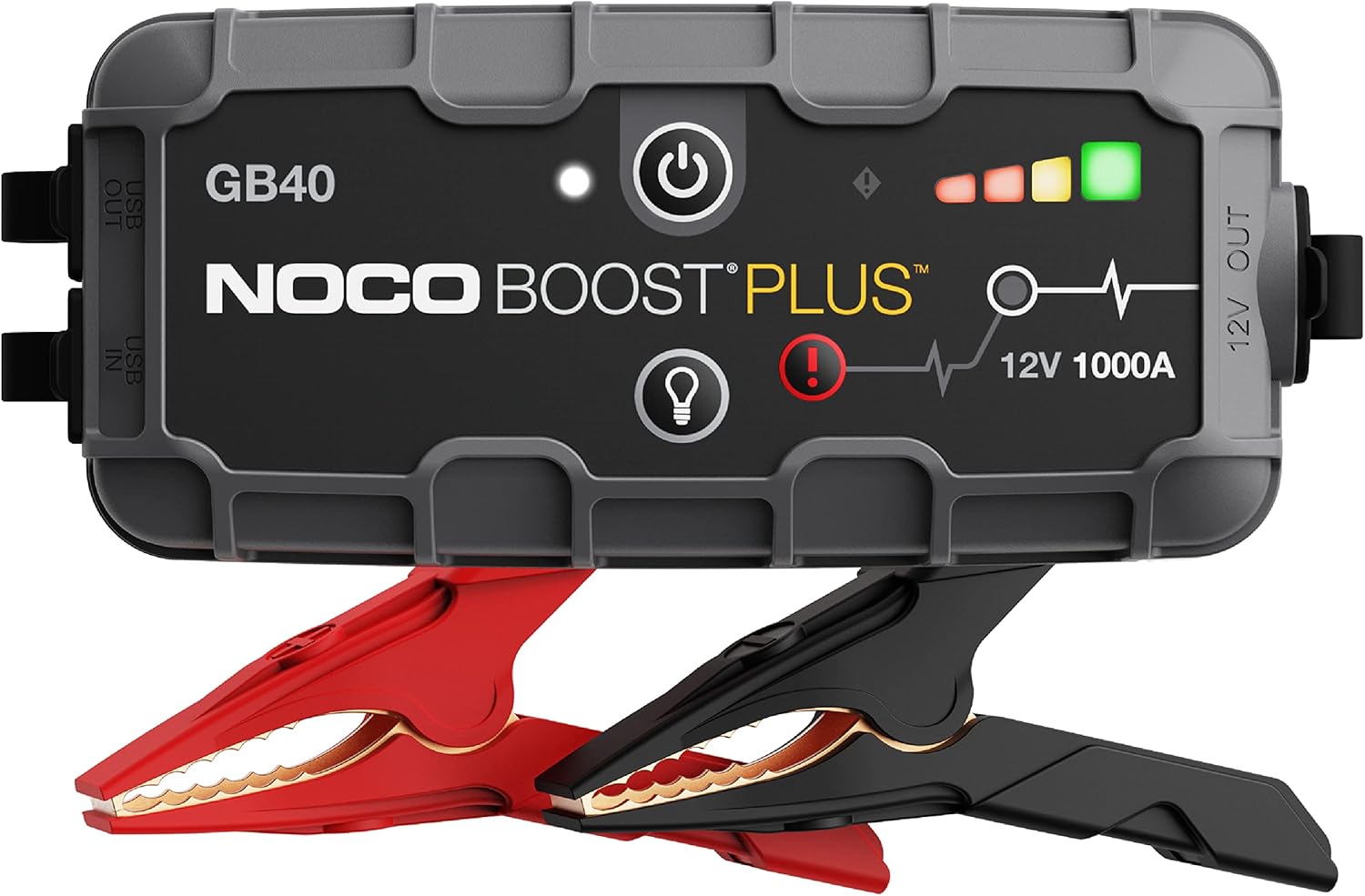
NOCO Boost Plus GB40 Jump Starter
A 1000A lithium jump starter that fits in your glovebox and works on any 12V battery. Your insurance against a dead 12V in a parking lot.
As an Amazon Associate, ThinkEV earns from qualifying purchases — at no extra cost to you.
It is not a reflection on EV reliability; it is sound Canadian winter preparedness, and a compact lithium jump starter takes up essentially no trunk space.
What This Means for the Canadian EV Market
The Tesla story in Canada is not just about Tesla. It is a signal about the maturation of the Canadian EV market, and the signals point in several interesting directions.
First, the Canadian EV buyer in 2026 is not the same person as the Canadian EV buyer in 2020. Early adopters are tech-forward, high-income, brand-tolerant consumers who will put up with software glitches, limited dealer networks, and charging inconveniences because they believe in the technology. The mainstream buyer who has been entering the EV market over the past two to three years is different. They want the technology but they also want the ownership experience to feel like a normal car purchase. Dealer networks, service proximity, familiar brand names, and, increasingly, values alignment with the manufacturer matter to this buyer in ways they did not to the early adopter cohort.
Second, government incentive design has outsized consequences in a market like Canada. The EVAP pricing caps were set at levels that reflected the EV picture of two to three years ago, when most EVs were expensive and the caps were generous relative to available options. As more affordable EVs have entered the market and as premium EV manufacturers have maintained pricing above the caps, the incentive structure now actively shapes market share in ways that may or may not reflect policy intent. The fact that a $44,000 Equinox EV qualifies while a $62,000 Model Y Performance does not is not an accident, it is policy working as designed. Tesla's market share loss is partially a policy story.
Third, the geographic concentration of Canadian EV adoption is a structural problem that the market is only beginning to address. The majority of Canadian EV sales are concentrated in British Columbia, Ontario, and Quebec, the provinces with the most strong incentive programs and the most developed charging infrastructure. Rural Canada, the Prairies, Atlantic Canada, and the North remain dramatically under-represented in EV adoption, and the reasons are partly practical and partly psychological. The brands gaining most rapidly in Canada are those addressing the practical barriers, dealer network reach, service accessibility, cold weather performance documentation, with more urgency than Tesla currently is.
Fourth, the BYD factor deserves a paragraph of its own. BYD is the largest EV manufacturer in the world. Canadian tariffs on Chinese-manufactured vehicles currently limit direct import, but those tariffs are a policy choice, not a law of physics, and they are subject to renegotiation as trade dynamics evolve. If BYD achieves meaningful Canadian market access over the next two to three years, not a certainty but not an impossibility, the competitive dynamics will shift again, sharply. Canadian buyers who have experienced BYD vehicles in markets where they are available consistently report being surprised by the quality for the price. The Canadian industry should not be complacent about the long-term tariff picture.
Fifth, the Supercharger network's evolution into a multi-brand infrastructure asset changes the Tesla calculus for the entire market. For years, Tesla ownership and Supercharger access were synonymous. That relationship is now decoupled, which removes one of the clearest competitive differentiation points Tesla had. The network is still better than competitors in Canada, but its exclusivity is gone, and its advantage is slowly being competed away.
The Canadian EV market in 2026 is more competitive, more policy-shaped, more geographically complex, and more brand-sensitive than it has ever been. Tesla's decline is both a cause and a symptom of that maturation. The market is growing up, and growing up means the dominant player from the early days is no longer guaranteed dominance by default.
The Verdict: What This Paradox Tells Us About the EV Transition
Beyond the competitive horse race and the market share statistics, here is what actually matters.
The Model Y is the world's bestselling car for the third consecutive year. That fact is a monument to what Tesla built between 2019 and 2023, a product good enough, infrastructure comprehensive enough, and a brand compelling enough to outsell every internal combustion engine vehicle on the planet for three years running.
That is historic. Whatever happens to Tesla going forward, whatever you think of Musk, whatever the Canadian sales figures show, nothing erases what was accomplished in getting to that result.
And simultaneously, Tesla's Canadian collapse tells you that historic achievement does not guarantee future dominance. In a market where buyers have options, where incentive structures reward accessibility, where brand values alignment is purchase-relevant, and where competing products have genuinely closed the quality gap, the company that pioneered the mass-market EV is losing ground.
Not everywhere, and not catastrophically in global terms, but measurably and significantly in Canada, and the pattern is visible in several other Western markets as well.
The lesson is not that Tesla is failing. The lesson is that the EV transition is succeeding, succeeding enough that it no longer needs a single dominant player to carry it. Five years ago, Tesla's success was the EV market.
Today, the EV market is larger than any single manufacturer, and that is exactly what a successful technology transition looks like. The innovator cedes some ground to the followers it created the market for. The best outcome for EV adoption in Canada is not Tesla's dominance restored, it is a healthy, competitive market where multiple manufacturers compete on merit, prices drop, infrastructure improves, and buyers have genuinely good choices at multiple price points.
That market is arriving.
Tesla's 2025 Canadian numbers are a data point in that arrival, not an obituary.
For buyers navigating the current picture: the Model Y is still worth evaluating seriously, especially with the Juniper refresh making it a materially better car than its predecessor. But so is the Ioniq 5, the EV6, the Equinox EV, and the Mach-E. Canada's EV buyer has never had more legitimate options, and that is the story worth celebrating, regardless of which manufacturer's logo ends up on your driveway.
See our full Tesla Model Y Juniper Review for the detailed spec-by-spec breakdown, and use our EV comparison tool to stack it against the Ioniq 5 and Equinox EV side by side.
Gear worth having
As an Amazon Associate, ThinkEV earns a small commission from qualifying purchases — at no extra cost to you.
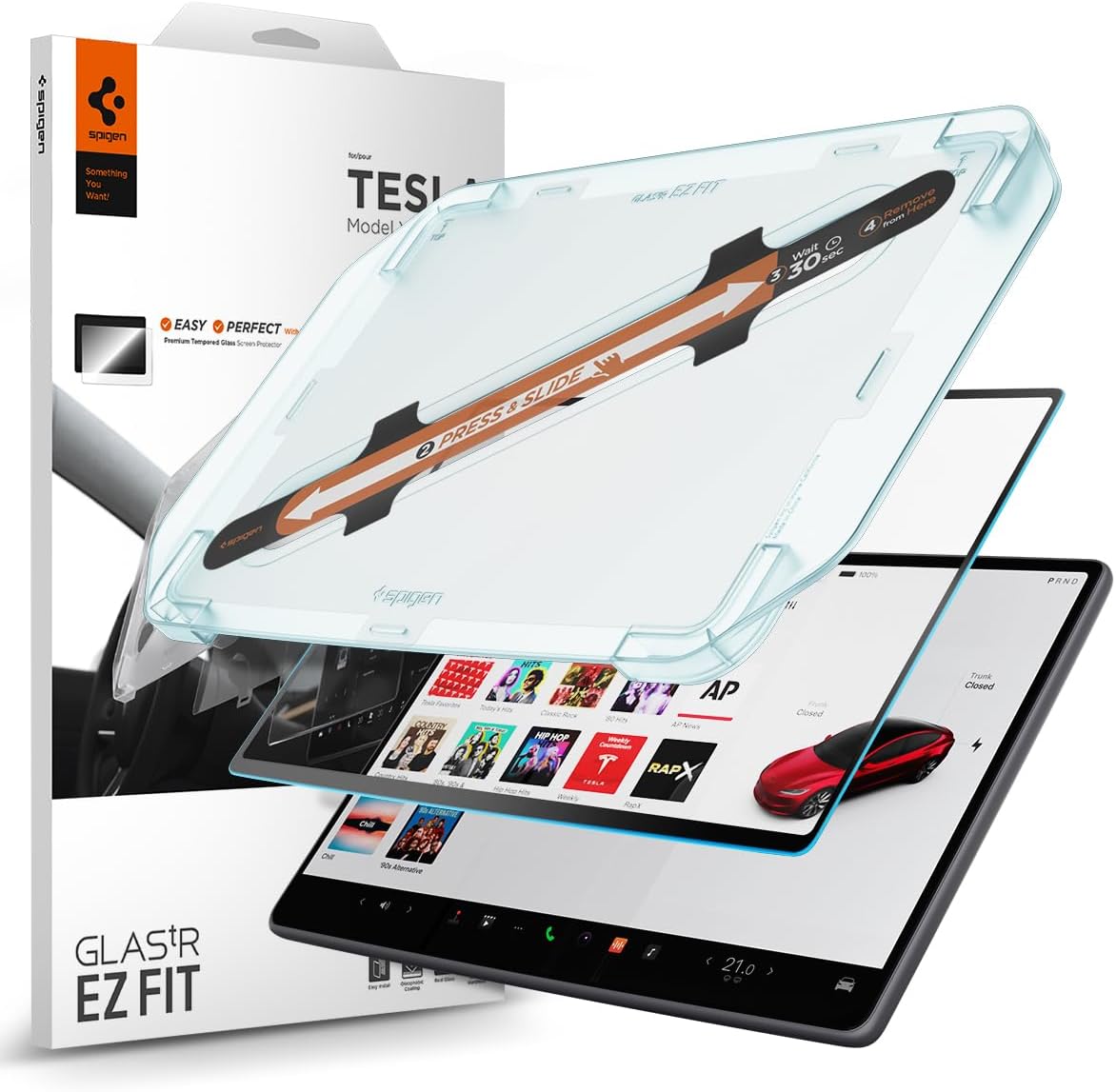
Spigen Tempered Glass for Tesla Model 3/Y
Tempered-glass protection for the touchscreen that kills fingerprints and scratches. Two minutes to install, lasts the life of the car.
As an Amazon Associate, ThinkEV earns from qualifying purchases — at no extra cost to you.
Related Reading
- Tesla Model Y Juniper Canada Review 2026, Full spec breakdown and real-world assessment of the refreshed Model Y
- Chevy Equinox EV vs Tesla Model Y Canada 2026, Head-to-head comparison of the two most talked-about EVs in Canada right now
- Ford Mach-E vs Tesla Model Y Canada 2026, Does Ford's flagship EV make a credible case against the world's bestseller?
- Chinese EVs Entering Canada 2026, BYD, XPeng, and the tariff picture that is shaping the next chapter of Canadian EV competition
- Calculate Your EV Incentives, Federal, provincial, and municipal incentive stacking for every eligible vehicle in Canada
Gear worth having
As an Amazon Associate, ThinkEV earns a small commission from qualifying purchases — at no extra cost to you.
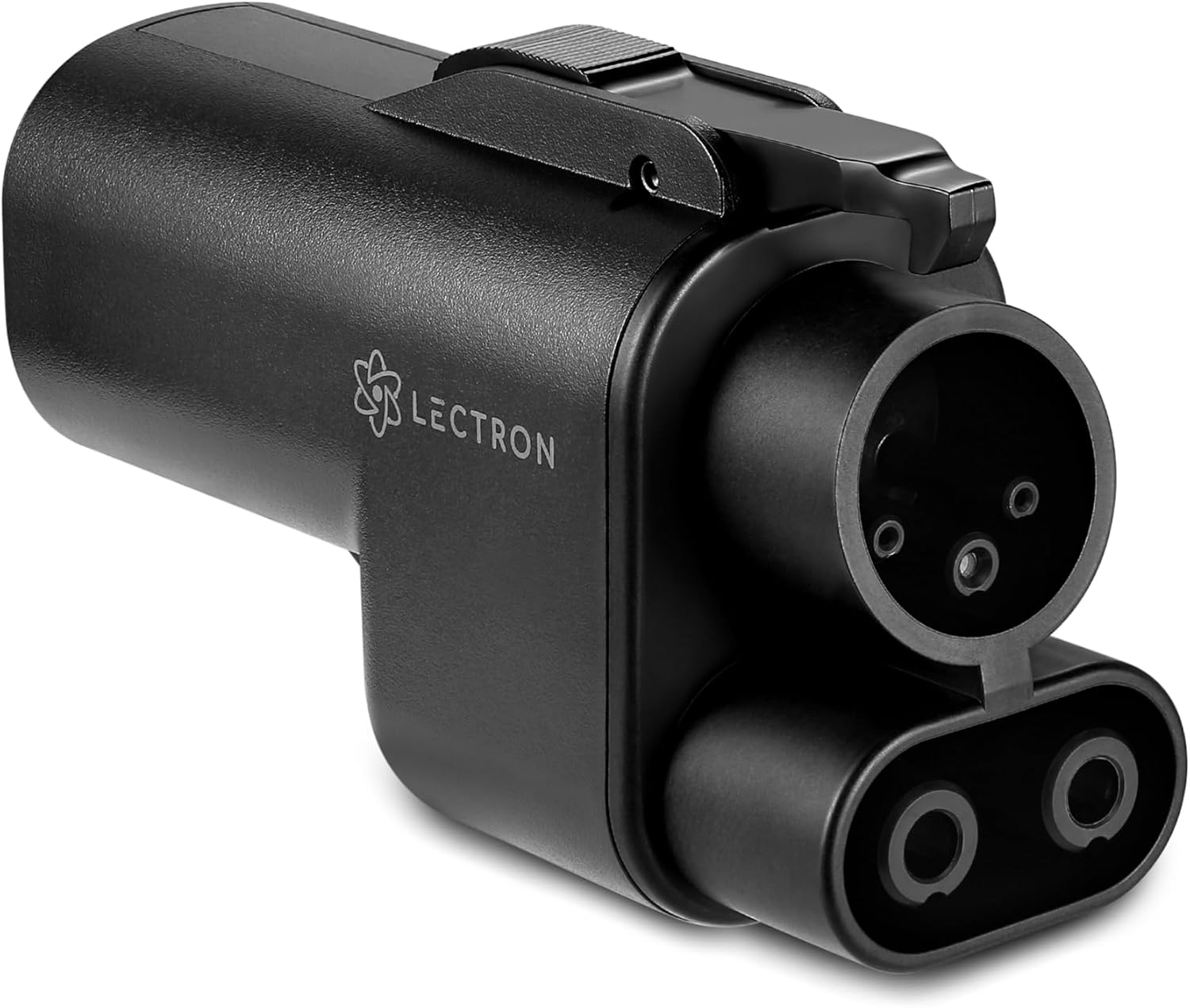
Lectron NACS to CCS Fast-Charge Adapter
Unlock every CCS fast charger for your Tesla, up to 500A DC. Never get stranded at a non-Tesla DC station again.
As an Amazon Associate, ThinkEV earns from qualifying purchases — at no extra cost to you.

Founder & Chief Editor
Vlad Pereira is the founder and chief editor of ThinkEV.ca, the Canadian electric-vehicle publication he writes and edits from Courtenay, British Columbia. He covers EV pricing, federal and provincial rebates, charging costs, and the Chinese manufacturers now entering Canada, from the buyer's side rather than the press-fleet side. ThinkEV is a venture of Vlad Pereira Online; his writing on health, income and the long game lives at vladpereira.com.
Frequently asked questions
Is the Tesla Model Y still worth buying in Canada in 2026?
If you travel long distances on Canadian highways and value Supercharger network access, the Model Y Juniper is still one of the best choices available. If you live in a smaller city or rural area without Tesla service access, if the EVAP incentive gap matters to your budget, or if brand associations are a concern, competitors like the Hyundai Ioniq 5 and Chevy Equinox EV now offer genuinely competitive alternatives that were not available three years ago.
Do the math on real-world total cost after incentives before making a decision.
Why did Tesla's Canadian sales drop so much in 2025?
Tesla's pricing pushed several trims above EVAP eligibility thresholds, creating a meaningful cost disadvantage relative to incentive-eligible competitors. The Canadian EV market contracted about 25 percent overall in 2025, and Tesla's drop, approximately 60 percent, suggests that brand-specific factors beyond market conditions were at work. The arrival of credible alternatives from Hyundai, Kia, and Chevy also gave buyers who were considering a move away from Tesla somewhere to go.
Does the Tesla Model Y qualify for the Canadian federal EV rebate in 2026?
The base configuration may qualify, but options that push the price above the cap eliminate eligibility. The Performance trim at approximately $62,000 does not qualify for the federal rebate. Provincial rebates vary, check your specific province's program, as BC and Quebec have their own criteria that may differ from federal thresholds. Use the incentives calculator to determine your specific situation.
How does the Model Y Juniper compare to the Hyundai Ioniq 5 in Canada?
The Ioniq 5's 800-volt architecture enables faster DC charging at compatible stations. The Model Y has the advantage of the Supercharger network for long-distance travel, better over-the-air software update infrastructure, and slightly more cargo flexibility in the crossover form factor. The Juniper's interior improvements have narrowed the material quality gap, but the Ioniq 5 remains ahead on interior fit and finish at its price point.
Is BYD going to enter the Canadian market and disrupt things further?
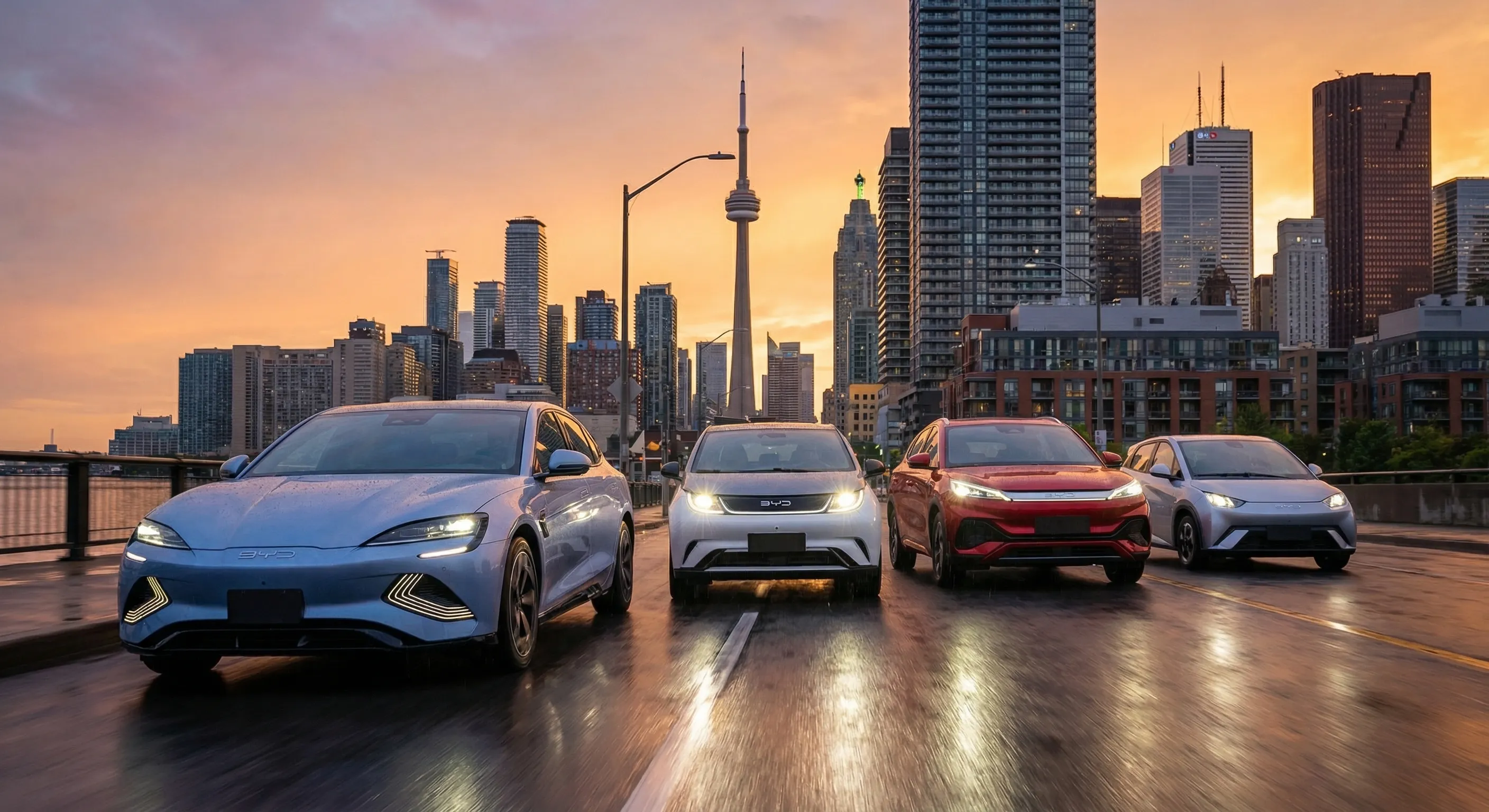
Canadian federal tariffs on Chinese-manufactured vehicles have been reduced to 6.1% as of March 2026, and BYD has announced plans for 20 Canadian dealerships starting in Toronto. In the short to medium term, BYD's entry will create significant competitive pressure, particularly in the sub-$35,000 segment where no established brand currently competes strongly.
See our piece on Chinese EVs entering Canada and BYD's Canadian dealership plans for the full analysis.
What is the best EV under $50,000 in Canada right now?
The right choice between them depends on your specific priorities around driving dynamics, charging network access, dealer proximity, and interior preferences. Our EV comparison tool lets you stack them directly.
More EV & road-trip finds
Affordable upgrades worth a look — tap any to check the price on Amazon.
 ★ 392
★ 392Large Cup Holder Adapter (32-40oz)
View on Amazon ★ 8,681
Chemical Guys Complete Car Wash Kit
View on Amazon ★ 314
★ 314Mini USB LED Ambient Lamps (4-Pack)
View on Amazon ★ 546
★ 546Funny Headrest Face Covers (2-Pack)
View on Amazon ★ 865
★ 865Collapsible Trunk Organizer
View on Amazon ★ 297
★ 297360-Degree One-Hand Dashboard Phone Mount
View on Amazon ★ 119
★ 119Foldable Waterproof Trunk Organizer
View on Amazon ★ 17,839
Qifutan Vent Phone Mount (Military-Grade Clip)
View on AmazonRead, Plan, Then Stay Current
Explore our expert articles to understand incentives and ownership costs, use the map to pressure-test charging reality, then subscribe so new EV coverage comes straight to you.
Continue Reading
GM Dethroned Tesla as Canada's #1 EV Brand, Here's How
Why Legacy Automakers Keep Losing to Chinese EV Brands

Import a Chinese EV Canada to US: Why It Fails
EV Market Under $50K in Canada: Why This Price Band Matters
BYD Canada Lineup: The Four Models Coming First