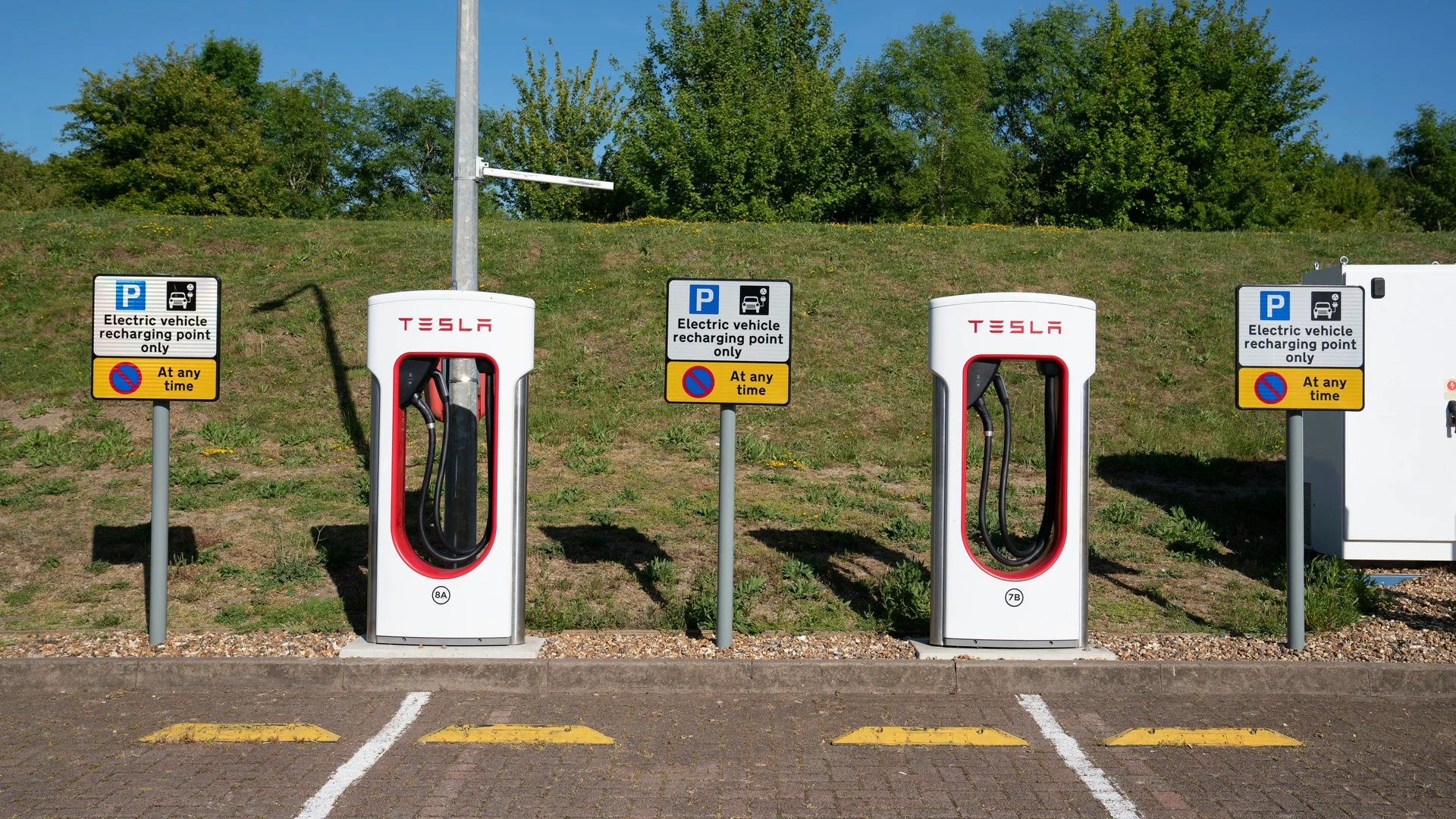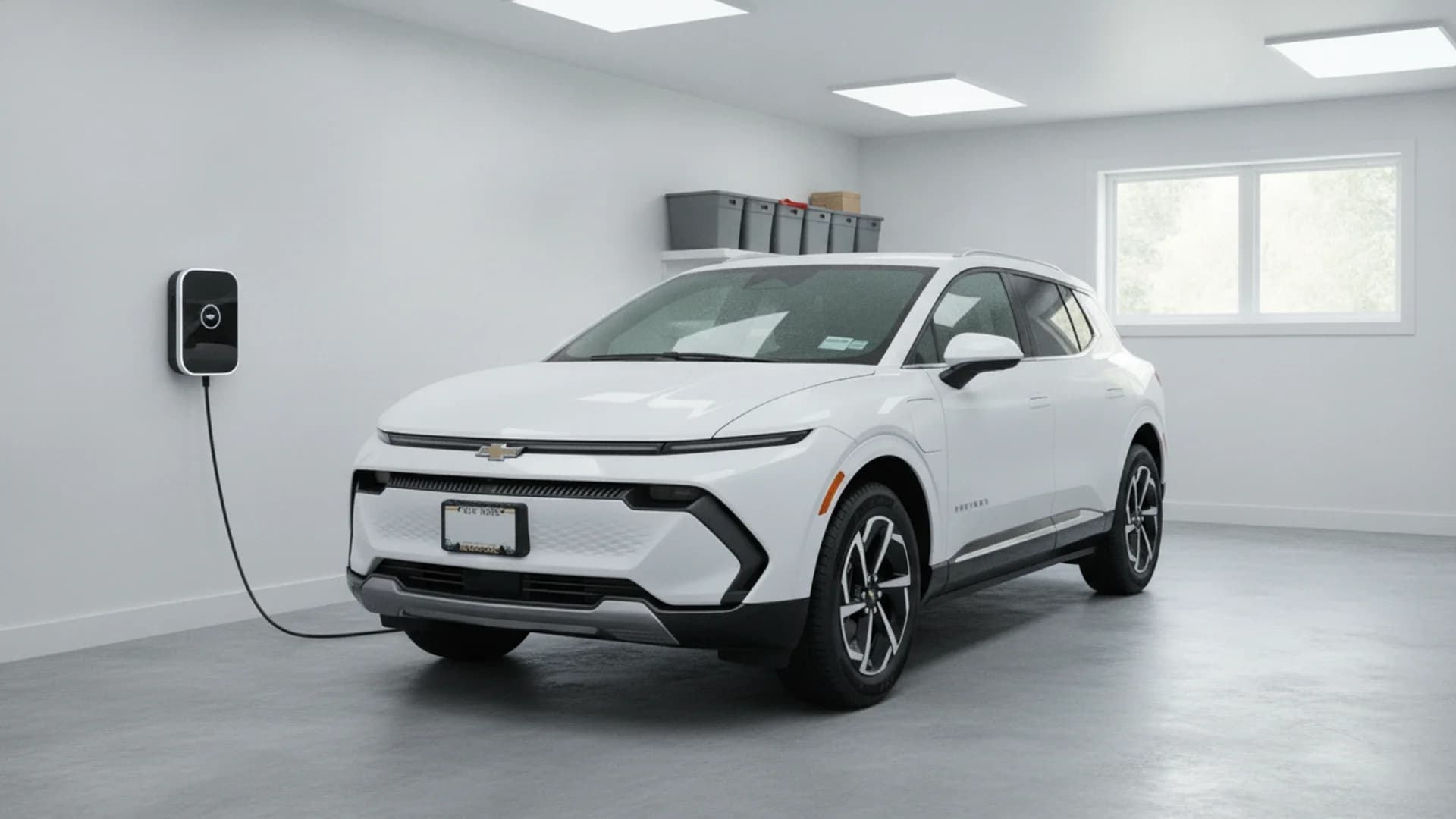
The car arrives Tuesday. The garage outlet is a standard 120V. There is a sequence that gets you from that outlet to a full battery every morning, and it is shorter than most new owners expect, one licensed electrician, one CSA-certified charger, one permit, and one decision about amperage.
Home charging is the quiet reason EV ownership works at all. Plugging in takes less than a minute; the fill happens while you sleep. That logic breaks the moment the setup is wrong, and most setup mistakes are avoidable.
Key takeaways
- A 40A Level 2 charger on a 50A breaker costs $1,400–$3,250 installed and covers 95% of Canadian owners.
- Pre-1990 homes often need a $2,000–$5,000 panel upgrade that adds four to twelve weeks before installation.
- Quebec's Roulez vert rebate covers up to $600, but only for CSA-certified chargers installed by a licensed electrician.
- Unpermitted electrical work voids home insurance for any fire claim traced to a 9.6 kW overnight circuit.
- The 48A upgrade over 40A only earns its $250–$550 premium for batteries above 100 kWh or two-EV households.
40A Level 2, One Electrician, One Permit
Level 2 at 240V, 40 amps. One licensed electrician. One CSA-certified wall-mounted charger. One permit. Budget $1,400 to $3,250 all-in for the install in Canada, with panel age as the main variable. That is the pick for roughly 95% of new owners, and the reasoning fits in a paragraph: Level 1 adds too little range per hour to support a daily commute above about 30 kWh of usage, and anything faster than 48A at home costs more than it saves.
Two things to get right before the electrician visits. First, the federal EVAP program, Canada's current EV purchase rebate, does not cover charging hardware. The purchase rebate is for the car. Second, provincial programs are where the charger money is: Quebec's Roulez vert covers up to $600 toward a CSA-certified Level 2 installed by a licensed electrician at a residence, and other provinces have their own stacks. Check before you buy, not after.
Pick a 40A charger, confirm the panel can carry it, book the install, keep the paperwork. That sequence covers 95% of new owners. If you want the pure dollars-and-cents side, the real cost of Level 2 installation in Canada breaks the invoice line by line.
Level 1 vs Level 2: What the Numbers Mean for a Real Commute
Level 1 is a 120V household outlet, roughly 5 to 8 km of range per hour. For a plug-in hybrid with a 15 kWh pack, that works. For a 70 kWh BEV at 15%, it adds about 6 km per hour. The car is at 80% sometime Thursday.
Level 2 is a different machine. A 240V circuit, the same spec your dryer or oven runs on, feeds a dedicated wall-mounted charger and delivers roughly 16 to 96 km of range per hour depending on amperage. At the common Canadian spec, 40A, 9.6 kW, you are looking at roughly 40 to 50 km of range per hour. A 70 kWh battery from 15% to 90% takes about seven hours. The car charges while you sleep.
The 40A versus 48A question is where most buyers overthink the decision. A 48A circuit at 11.5 kW adds roughly 15% to the charging speed and costs $250 to $550 more installed, mostly in heavier wire and a bigger breaker. For a 70 kWh pack, that is the difference between a seven-hour fill and a six-hour fill. Both finish before you wake up. The case for 48A is narrow but real:
- A battery above 100 kWh, Lightning extended-range, EV9, Rivian R1S, where the extra 15% speed closes a meaningful gap on a tight overnight window
- A two-driver household sharing one charger, where two cars need to top up back-to-back before 7 a.m.
- A rooftop solar system where daytime charging windows are the whole point and faster throughput means less exported-to-grid loss
- A planned battery upgrade or second EV within the ownership horizon, where the heavier wiring is cheap insurance
Everyone else is paying for a number, not a benefit.
DC fast charging at home exists as a product category. It also costs upward of $10,000 before the panel upgrade it will require. There is no residential case for it yet, and probably will not be one until bidirectional charging becomes a utility revenue stream rather than a spec-sheet bullet.
Level 2 is the pick. The remaining questions are the panel, the charger, the permit, and the schedule. In that order.
Gear worth having
As an Amazon Associate, ThinkEV earns a small commission from qualifying purchases — at no extra cost to you.

Lectron Level 2 J1772 Charger (40A, WiFi)
Smart WiFi charger with real-time energy monitoring. 40A / 9.6 kW, J1772 with a NEMA 14-50 plug, schedule charging right from your phone.
As an Amazon Associate, ThinkEV earns from qualifying purchases — at no extra cost to you.
Panel Check First: The Step That Derails Timelines
A 40A charger wants a 50A breaker on a 200A main panel with spare capacity for everything else the house already does. Modern Canadian builds, anything post-2000, usually have the room. Pre-1990 homes very often do not. Many of them run on 100A panels that were sized for a dryer, a stove, and a baseboard-heat era that did not anticipate 9.6 kW of parked car.
A panel upgrade adds $2,000 to $5,000 and four to eight weeks of permit lead time in most provinces. The variability is real: urban utilities with inspection backlogs can stretch to twelve weeks, and the upgrade itself usually requires the utility to pull the meter for a few hours. If you are in an older house, the panel check is not a formality, it is the step that decides whether the car arrives before the charger does.
There is a cleaner path if the panel is tight: smart load management, sometimes called load sharing. Two EVs can share a single 40A circuit, with the charger throttling one car when the other draws, and the whole system monitoring the panel in real time so the main breaker never trips. Chargers from Wallbox, Emporia, and a few others support it natively. Specify it upfront, retrofitting after the install is more expensive than ordering the right unit.
Ask the electrician for a formal load calculation before you buy the hardware. A wrong assumption here is what turns a one-day install into a two-month project with a $3,000 panel bill attached.
Choosing the Charger: Connector, Amperage, and Smart Features
The connector question got easier in the last two years. Most non-Tesla EVs delivered in Canada after 2023 either ship with a NACS adapter or carry a native NACS port, and nearly every CSA-certified Level 2 charger sold here uses J1772, the adapter handles the rest. Your owner's manual confirms the port; a 2024 Ioniq 5 and a 2026 Ioniq 5 may differ.
Gear worth having
As an Amazon Associate, ThinkEV earns a small commission from qualifying purchases — at no extra cost to you.

Heavy-Duty Outdoor Timer (Preconditioning)
Schedule your Level 1 charger or block-heater outlet, rated for the outdoors. Warm the battery on grid power before you leave, not on your range.
As an Amazon Associate, ThinkEV earns from qualifying purchases — at no extra cost to you.
Hardwired versus plug-in (NEMA 14-50) is the next fork. Hardwired is cleaner, slightly cheaper long-term because it skips the industrial receptacle, and permits a continuous 48A draw where the plug-in version is limited to 40A on code. Plug-in has one real advantage: you can take it with you when you move. For a long-term owner, hardwire it. For a renter or someone two years from a move, use the receptacle.
Smart features are where the money either earns itself back or doesn't. The three to pay for:
- Scheduling that shifts charging to off-peak rate windows automatically. This is the single highest-ROI feature in Ontario, BC, and Alberta, the dollar impact lands in the next section.
- Consumption logging so you can see what the car actually drew, useful for provincial rebate paperwork and for the tax side if you ever claim business use.
- App-based amperage adjustment so you can throttle the charger down when another big load (an air-source heat pump, say) kicks in.
CSA certification is non-negotiable. Not every charger sold in Canada carries it, and the ones that don't will fail the permit inspection, void the provincial rebate, and leave the install uninsurable. Check the sticker before you check anything else. For a model-specific take on one popular budget option, the EVIQO review covers what Canadian owners found after a winter.
Gear worth having
As an Amazon Associate, ThinkEV earns a small commission from qualifying purchases — at no extra cost to you.

Grizzl-E Classic Level 2 EV Charger (40A)
Canadian-made and rated for minus 40C winters. 40A / 9.6 kW, NEMA 14-50, indoor/outdoor, 24-ft cable. The charger built for Canadian weather.
As an Amazon Associate, ThinkEV earns from qualifying purchases — at no extra cost to you.
Installation Day and the Permit You Should Not Skip
A licensed electrician plus a permit is required in every Canadian province for an EV charger install. Not recommended. Required. The reason is not bureaucratic, it is that unpermitted electrical work voids home insurance coverage for any fire claim traced to the circuit. For a 9.6 kW continuous load running overnight in a garage attached to a wood-frame house, that is not a theoretical risk. It is the specific risk the permit exists to manage.
The standard install specs look the same across most provinces: outdoor-rated conduit if the run goes outside, a weatherproof enclosure for driveway or carport mounts, GFCI protection on the circuit, and a dedicated breaker in the panel. A straightforward garage install, panel within 10 metres, no finished-wall obstructions, takes one electrician one day. Longer runs, finished basements, or exterior conduit stretch it to two.
Inspection usually lands one to three weeks after the install. Some utilities tie their rebates to the inspection record: BC Hydro and Hydro-Québec both ask for permit closure documents before releasing residential charger incentives. Keep the paperwork. Specifically, keep two things, the as-built diagram showing the circuit route and the permit closure document from the municipal inspector. You will want both if you sell the house, make an insurance claim, or apply for a provincial rebate you missed the first time.
The permit runs under $200 in most municipalities. A denied insurance claim on a garage fire does not.
Gear worth having
As an Amazon Associate, ThinkEV earns a small commission from qualifying purchases — at no extra cost to you.

ChargePoint Home Flex Level 2 Charger (50A)
Premium 50A / 12 kW charger with the best app ecosystem. Hardwired or NEMA 14-50, with real-time energy tracking and smart scheduling.
As an Amazon Associate, ThinkEV earns from qualifying purchases — at no extra cost to you.
Off-Peak Rates Are Where the Smart Charger Pays Itself Back
Time-of-use scheduling is where the Wi-Fi and the app earn their keep. In Ontario, overnight rates run roughly 7 to 11¢/kWh against peak rates of 18 to 22¢. Alberta and BC have narrower spreads but similar shapes. A full 70 kWh fill at Ontario off-peak costs about $5.50; the same fill at peak costs about $12.60. For a daily driver topping up four or five times a week, the annual gap clears $500. Over a five-year ownership window, that is a charger paid for twice, which is the whole argument for setting the start time to after midnight and letting the schedule do the work.
BC Hydro's flat residential rate makes the scheduling less urgent, the savings are structural, not time-shifted, so the feature is worth less there. The OEB's time-of-use structure in Ontario makes it the single highest-value smart-charger feature for anyone east of the Rockies. For a province-by-province breakdown of what the kilowatt-hour actually costs you, the full EV charging cost comparison runs the math everywhere.
V2H and V2G, vehicle-to-home and vehicle-to-grid, are real technologies with thin Canadian infrastructure behind them. The Ford F-150 Lightning supports V2H with the right Sunrun hardware; a handful of utilities are piloting V2G compensation. The reason most buyers should ignore it in 2026 is three-sided: discharging the pack hard enough to feed a house can void battery warranties on vehicles not explicitly rated for bidirectional operation, no Canadian utility has published a residential V2G export tariff, and the bidirectional hardware itself still runs $5,000 to $8,000 before install. Check bidirectional support when you buy. Do not pay for it until a utility pays you back.
The utility to watch is BC Hydro, the likeliest first mover on residential V2G export billing in Canada, with a tariff review window opening in 2027. Until a Canadian utility publishes a residential export rate at or near wholesale, the right buy is a 40A smart charger with scheduling, installed under permit, by a licensed electrician, on a panel that was checked first.
Gear worth having
As an Amazon Associate, ThinkEV earns a small commission from qualifying purchases — at no extra cost to you.

Magnetic EV Charger Plug Cover
A magnetic cap that keeps rain, road salt, and grit out of your home charger handle between sessions.
As an Amazon Associate, ThinkEV earns from qualifying purchases — at no extra cost to you.

Founder & Chief Editor
Vlad Pereira is the founder and chief editor of ThinkEV.ca, the Canadian electric-vehicle publication he writes and edits from Courtenay, British Columbia. He covers EV pricing, federal and provincial rebates, charging costs, and the Chinese manufacturers now entering Canada, from the buyer's side rather than the press-fleet side. ThinkEV is a venture of Vlad Pereira Online; his writing on health, income and the long game lives at vladpereira.com.
Frequently asked questions
Does my permit cover both the charger and the electrical work?
Which provincial rebates actually apply to charging hardware right now?
Can an older 100A panel handle a 40A EV charger?
Is a plug-in NEMA 14-50 charger or hardwired better for most owners?
Do I need a new charger if I upgrade to a bigger-battery EV later?
More EV & road-trip finds
Affordable upgrades worth a look — tap any to check the price on Amazon.
 ★ 268
Anti-Slip Leather Steering Wheel Cover
View on Amazon ★ 8,681
Chemical Guys Complete Car Wash Kit
View on Amazon ★ 419
RGB Car Interior LED Strip Light
View on Amazon ★ 1,349
Cool Swinging Duck Dashboard Ornament
View on Amazon ★ 865
Collapsible Trunk Organizer
View on Amazon ★ 721
45W USB-C Fast Car Charger
View on Amazon ★ 121
Foldable Windshield Sun Umbrella
View on Amazon ★ 392
Large Cup Holder Adapter (32-40oz)
View on AmazonRead, Plan, Then Stay Current
Explore our expert articles to understand incentives and ownership costs, use the map to pressure-test charging reality, then subscribe so new EV coverage comes straight to you.
Continue Reading
EV Charger Installation in BC: Cost and Permits
EVIQO Level 2 Home Charger: A Canadian Review

EV Battery Replacement: What a Failed Pack Actually Costs
How Long to Charge an EV: The Three Numbers That Matter
How to Find a Trusted EV Charger Installer Near You in Canada