Volkswagen recalled nearly 73,000 EVs for faulty batteries in October 2026, and the vast majority of owners will never set foot in a service bay to resolve it. The modern EV recall sounds serious on paper, lands as a software patch in practice, and leaves a narrow tier where "do not charge this vehicle" is the literal instruction. Reading the difference is now a buyer skill.
The headlines don't help. A recall count is a denominator problem, more cars on the road produce more campaigns, and regulators now treat EVs with sharper thresholds than they did five years ago. The number to watch is not how many recalls a brand files. It is how fast the fix lands, and whether it lands over the air.
Key takeaways
- Volkswagen's 73,000-unit ID.4 recall is a charge-cap inconvenience; Nissan's 65-car Leaf recall is a stop-charging emergency.
- Battery recalls increasingly originate from supplier data patterns, not dramatic incidents, one SK plant can seed campaigns across multiple brands.
- Toyota's June 2026 recall hit 21,000 vehicles across bZ, Solterra, and RZ because all three share the same e-TNGA platform.
- OTA resolution rate matters more than raw recall count, watch NHTSA's year-end split between over-the-air fixes and dealer visits.
- Regulators now track whether fixes actually land; Ford's re-recall of 387,000 vehicles happened because dealers botched the original software patches.
Quick Answer: What Most EV Recalls Actually Mean
Most EV recalls in 2026 are software-addressable. The automaker ships an over-the-air update, the car installs it overnight, and the campaign closes without a dealer visit. A recall on your shortlist is not an automatic disqualifier, it's a question about resolution rate.
The serious tier is narrower than the news cycle suggests. A problem inside the high-voltage battery that could short-circuit, overheat the pack, and start a fire even when the car is parked and turned off is the genuine emergency case. That is a different animal from a non-compliant battery module that trims range by a few percent until a software table gets rewritten.
Three categories cover almost every campaign you will see:
- Fire-risk recalls, rare, usually paired with a stop-charging order and a park-away-from-structures warning.
- Range-reduction recalls, common in 2026, usually paired with an interim charge cap (typically 80%) until a fix is ready.
- Sensor, display, or software-logic flags, routine, almost always resolved over the air without owner action.
A fair objection: even a software-fixable recall still means a defect shipped. True. But the alternative framing, that any recall is a mark against a model, collapses the actual safety gradient and leaves a buyer unable to distinguish 65 Leafs told not to charge from 73,000 ID.4s told to stop at 80%. One is an emergency. The other is an inconvenience with a workaround. A buyer who flattens the two will either panic about nothing or ignore the thing that matters.
Gear worth having
As an Amazon Associate, ThinkEV earns a small commission from qualifying purchases — at no extra cost to you.
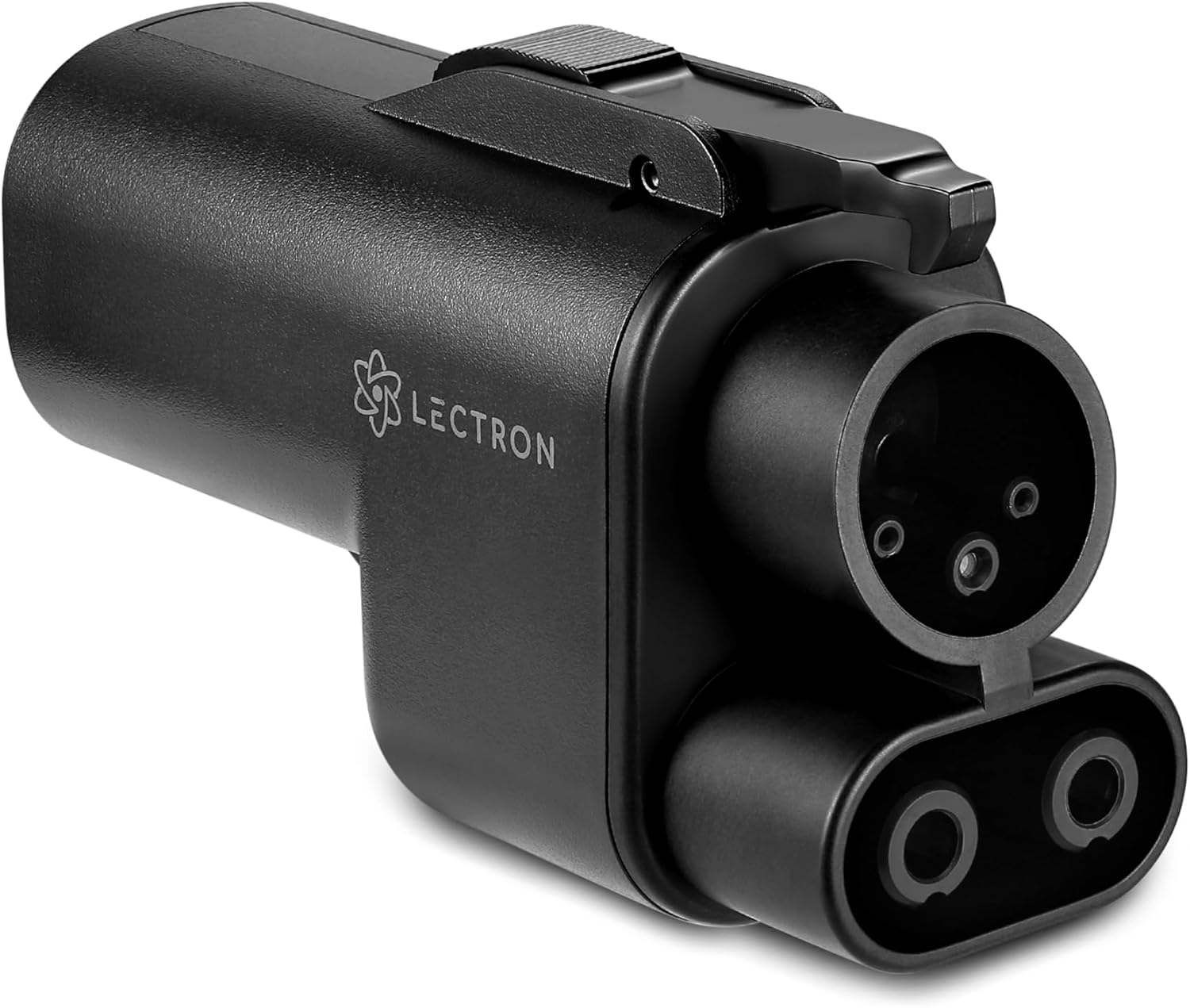
Lectron NACS to CCS Fast-Charge Adapter
Unlock every CCS fast charger for your Tesla, up to 500A DC. Never get stranded at a non-Tesla DC station again.
As an Amazon Associate, ThinkEV earns from qualifying purchases — at no extra cost to you.
Why EV Recall Numbers Keep Climbing
The fleet grew. Canadian and American EV counts roughly tripled between 2022 and 2026, so the base against which recall ratios are calculated changed. More cars, more campaigns. The ratio of recalls to vehicles-in-service is a more honest measure, and on that measure the industry is not getting worse, it's getting louder.
Battery chemistry is the second driver. Cells behave differently at scale than they do on the bench. A manufacturing drift at a single supplier plant surfaces as a cluster of faults months later, and the regulator sees the cluster before the automaker does. Volkswagen's October 2026 ID.4 campaign followed another field study as part of an ongoing review of Volkswagen vehicles not included in previous battery recall campaigns, with the Product Safety Committee requesting additional clarifications from battery cell supplier SK Battery America about production and a potential clean date. That is how modern battery recalls actually originate, not from a dramatic incident, but from a data pattern.
The supplier-origin story matters because it travels. One SK plant line serving multiple automakers can seed campaigns across brands that otherwise share nothing. Expect the next twelve months of battery recalls to cluster by supplier, not by badge. If you are cross-shopping two models and the cells trace to the same facility, you are not actually diversifying your risk. Ask the salesperson which cell plant ships the pack and walk away when they can't answer, a question most dealers have never been asked and few will deflect credibly.
Regulators also sharpened their teeth. NHTSA, Transport Canada, and Germany's Kraftfahrt-Bundesamt (KBA) all tightened EV-specific reporting post-2022, which means issues that would once have moved quietly through a technical service bulletin now surface as a public campaign. Ford's re-recall of 387,000 vehicles after dealers failed to install software patches during the original repairs is a case study in the new regulatory posture: the agency now tracks the fix, not just the filing.
And then there is OTA itself. An automaker that can patch a car in its owner's driveway will file a recall for things an ICE manufacturer would have swallowed as a service bulletin, because the cost of the campaign is near-zero. That is a feature of the modern fleet, not a bug. It inflates the headline count and deflates the headline consequence. A forward checkpoint: watch the share of 2026 EV recalls resolved by OTA versus dealer visit when NHTSA publishes its year-end summary. If OTA closes above 60% of EV campaigns, the "recalls are soaring" narrative is a composition artefact. If it dips below 40%, the industry has a hardware problem it isn't admitting.
Battery Recalls: Fire Risk vs. Range Reduction, Know the Difference
The fire-risk tier is small and specific. Nissan's October 2026 campaign covered 65 new Leaf EVs in Canada, specifically the 2026 model year, asking owners not to charge the battery and to park it away from structures and other cars because of a potential short-circuit that poses a fire risk. Sixty-five cars. One model year. A stop-charging order. This is the tier where "recall" means what the word implies: do not use the vehicle as intended until a fix is in hand.
The range-reduction tier is where most of the 2026 volume lives. Volkswagen urged ID.4 owners to limit vehicle charging to 80% until a fix is available, a workable interim measure that keeps the car on the road while the software or hardware patch is prepared. The KBA published two recall notices affecting VW EVs for non-compliant modules in the high-voltage battery that can lead to a reduction in range and the illumination of a yellow warning light, with a potential risk of fire. That "potential risk of fire" language is standard regulator phrasing, present in nearly every battery recall notice, and should be read as a disclosure requirement, not a prediction.
The platform-level recall deserves close attention. Toyota's June 2026 campaign affected nearly 21,000 electric vehicles, including Lexus and Subaru models, the Toyota bZ, Subaru Solterra, and Lexus RZ, all three built on the same e-TNGA platform. When a platform recall lands, three nameplates move at once. That inflates the raw recall count without implying three separate engineering failures. One root cause, three badges.
Gear worth having
As an Amazon Associate, ThinkEV earns a small commission from qualifying purchases — at no extra cost to you.

Digital Tire Pressure Gauge
Low tires quietly cost 5 to 10 percent of your range. A 10-second check with an accurate digital gauge keeps every kWh on the road.
As an Amazon Associate, ThinkEV earns from qualifying purchases — at no extra cost to you.
An honest reader might push back: isn't platform sharing supposed to spread risk the other way, where a single supplier flaw contaminates three brands at once rather than being contained in one? It does, but the containment runs on the fix side, not the fault side. One root cause means one engineering team, one validated remedy, and one certified software build pushed to all three nameplates in parallel. The alternative, three automakers each solving a shared defect in isolation, is slower and worse for owners. Platform sharing concentrates the fault and the fix. The fix is the half that matters.
Compare the two shapes. Nissan's 65-car Leaf campaign is a narrow, severe filing on a brand-new model with almost no fleet data, the kind of recall that looks terrifying in a headline and reassuring in context, because the automaker caught it inside a tiny delivery window. VW's near-100,000-unit KBA filing is the opposite: a wide, mild filing on a mature model with years of road data, where the regulator and the automaker are grinding through a known supplier issue in slow motion. Severity and scale run in opposite directions. The headline count will not tell you which you are looking at.
What to do: before you buy, run the VIN through NHTSA's lookup tool and Transport Canada's recall database. After you buy, do the same every six months. Both are free. Both are VIN-specific. Both will tell you whether a recall is open, in-progress, or closed, information no dealer is obligated to volunteer at sale.
Gear worth having
As an Amazon Associate, ThinkEV earns a small commission from qualifying purchases — at no extra cost to you.

NOCO Boost Plus GB40 Jump Starter
A 1000A lithium jump starter that fits in your glovebox and works on any 12V battery. Your insurance against a dead 12V in a parking lot.
As an Amazon Associate, ThinkEV earns from qualifying purchases — at no extra cost to you.
Which Models Have the Cleanest Record Right Now
The low-risk band on independent 2026 scoring converges on a short list: BYD Atto 3, Hyundai Ioniq 5, Kia EV6, Tesla Model Y, Tesla Model 3. These models combine a long enough field record to generate meaningful data with recall campaigns that resolved cleanly, mostly over the air. Hyundai's launch of the 2027 Ioniq 5 in Korea alongside a US buyer-sentiment award for the 2026 model tracks that pattern, the car wins owner surveys because the campaigns that hit it got fixed without disrupting the owner's week.
The Toyota bZ platform is a different story, one worth watching. After considerable improvements for the 2026 model year, including a longer driving range and a built-in NACS charge port, the bZ was the third-most popular EV in the US in the first quarter, behind only the Tesla Model Y and Model 3. That rise coincided with the 21,000-unit platform recall. The resolution timeline on that campaign is the forward checkpoint: if Toyota closes the three-badge platform recall by Q1 2027 with a majority OTA remedy, the bZ belongs on the low-risk shortlist by next model year. If parts-waiting dealer visits stretch past spring, the bZ stays a cautious pick regardless of its sales rank.
A counter-case: the "cleanest record" list is a trailing indicator, and buyers who treat it as a crystal ball risk missing the next VW. The Atto 3, Ioniq 5, EV6 and Tesla duo earned their low-risk banding by surviving five model years of field data, a privilege the 2026 Leaf, the bZ platform and the forthcoming Polo and Tiguan EVs don't yet have. A clean record on a two-year-old model means the campaigns haven't filed yet. Age the data before you anchor to it.
Recall frequency alone misleads. A brand that files quickly on a soft issue and ships an OTA patch within weeks rates better, on any serious reliability framework, than a brand that sits on a known defect until the regulator forces its hand. Compare resolution speed, not campaign count. Ford's 86,543-unit Mustang Mach-E recall for under-cured window-trim primer is a case where the filing was fast, the fault was mundane, and the fix is a dealer visit measured in minutes. That is a well-run recall.
Canadian buyers get a second data stream: Transport Canada tracks recalls on all vehicles sold in Canada, including rebate-eligible models under EVAP (the current federal EV purchase rebate that replaced iZEV in February 2026). An NHTSA campaign on a US-market model does not automatically propagate north. Always check both databases.
Gear worth having
As an Amazon Associate, ThinkEV earns a small commission from qualifying purchases — at no extra cost to you.

Amazon Basics Seat Belt Cutter and Window Hammer
The 10-dollar tool you hope to never use: cuts a jammed belt and shatters a window in an emergency. Mount it within reach.
As an Amazon Associate, ThinkEV earns from qualifying purchases — at no extra cost to you.
How to Check Any EV Before You Buy or After You Own
The tools are free and the process takes four minutes. NHTSA's VIN lookup at nhtsa.gov returns every open and closed campaign tied to that specific vehicle. Transport Canada's recall database does the same for the Canadian market. Both will show open recalls, closed recalls, and the campaign number, the only three facts you actually need.
A note on investigations. NHTSA opens an investigation when complaint patterns suggest a potential defect; an investigation is not a recall. It is a question the agency is asking the manufacturer, which may or may not produce a campaign. Transport Canada's 2026 recall covering 2016–2017 Silverado and Sierra trucks for roof rail airbag inflators that can deploy without a crash started life as exactly this kind of pattern-recognition inquiry. If you see "open investigation" on a shortlist model, read the complaint summary. Most investigations close without a recall.
OTA-resolved recalls carry no dealer visit and no resale impact. The car installs the update, the manufacturer closes the campaign file, and the vehicle's recall history reads as "remedy complete". A parts-waiting recall is the one that costs you time, budget half a day for the dealer visit when the fix lands, and don't let the campaign sit open for months.
Set a Google alert on the exact string "[model year] [model name] NHTSA" for any car on your shortlist. The alert fires the day the campaign files. You hear about it before the dealer calls.
Volume is up in 2026. Severity, in aggregate, is not. The automakers filing fastest and fixing fastest are the ones whose owners never notice the campaigns at all.
Gear worth having
As an Amazon Associate, ThinkEV earns a small commission from qualifying purchases — at no extra cost to you.

Roadside Emergency Safety Kit
Jumper cables, a portable air compressor, tow strap, first aid, and more for when something goes wrong between chargers. Canadian winters do not forgive the unprepared.
As an Amazon Associate, ThinkEV earns from qualifying purchases — at no extra cost to you.

Founder & Chief Editor
Vlad Pereira is the founder and chief editor of ThinkEV.ca, the Canadian electric-vehicle publication he writes and edits from Courtenay, British Columbia. He covers EV pricing, federal and provincial rebates, charging costs, and the Chinese manufacturers now entering Canada, from the buyer's side rather than the press-fleet side. ThinkEV is a venture of Vlad Pereira Online; his writing on health, income and the long game lives at vladpereira.com.
Frequently asked questions
Should I avoid buying a recalled EV model entirely?
How do I find out if my specific VIN is affected?
Does platform sharing make recalls more likely across brands?
What does a stop-charging order actually require me to do?
Are EV recall numbers rising because EVs are less reliable?
More EV & road-trip finds
Affordable upgrades worth a look — tap any to check the price on Amazon.
 ★ 314
Mini USB LED Ambient Lamps (4-Pack)
View on Amazon ★ 1,349
Cool Swinging Duck Dashboard Ornament
View on Amazon ★ 21,304
Car Headrest Hooks (4-Pack)
View on Amazon ★ 308
Coiled Lightning Car Cable for iPhone (2-Pack)
View on Amazon ★ 121
Foldable Windshield Sun Umbrella
View on Amazon ★ 268
Anti-Slip Leather Steering Wheel Cover
View on Amazon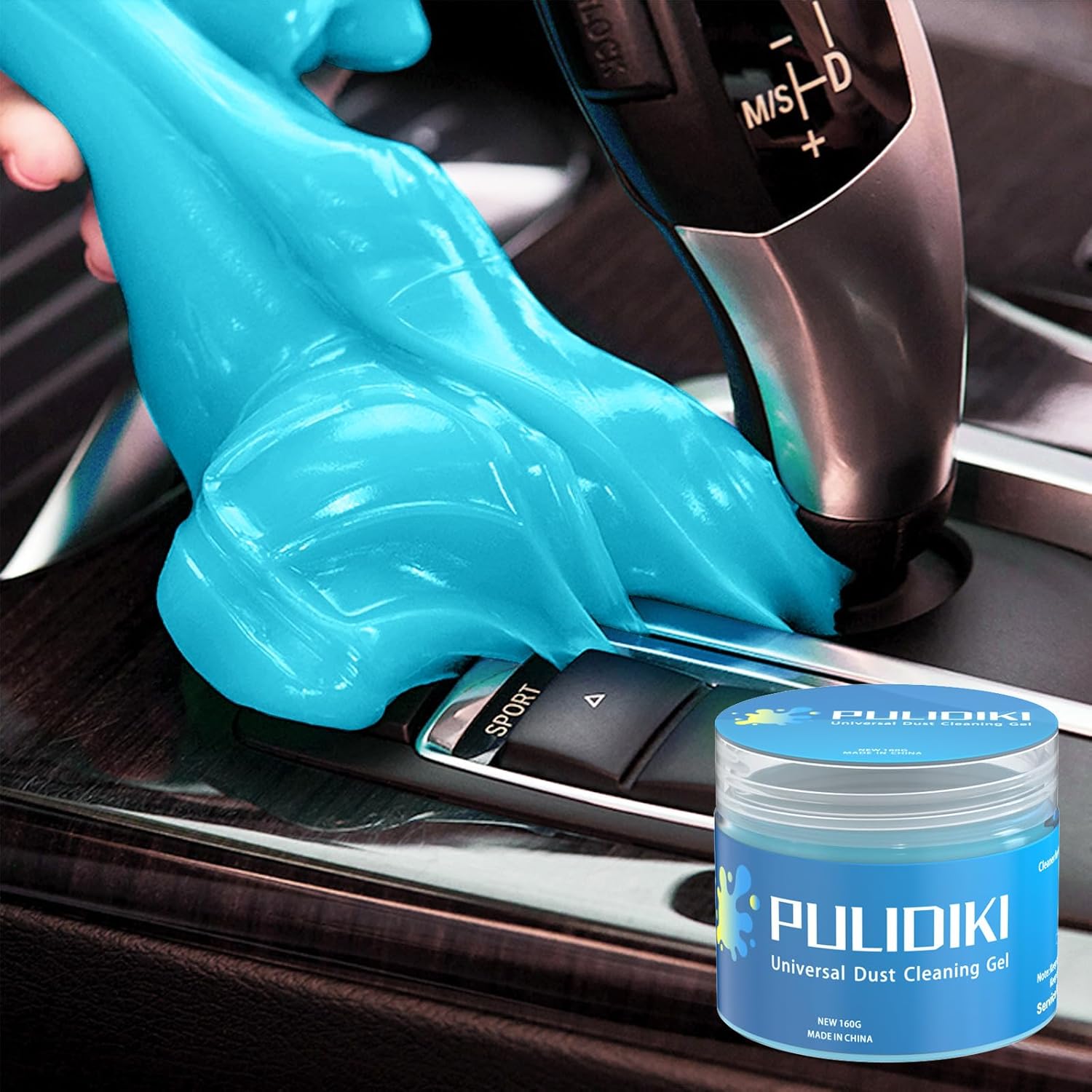 ★ 96,686
PULIDIKI Car Cleaning Gel (Detailing Putty)
View on Amazon ★ 55
LED Car Door Logo Projector Light
View on AmazonRead, Plan, Then Stay Current
Explore our expert articles to understand incentives and ownership costs, use the map to pressure-test charging reality, then subscribe so new EV coverage comes straight to you.
Continue Reading
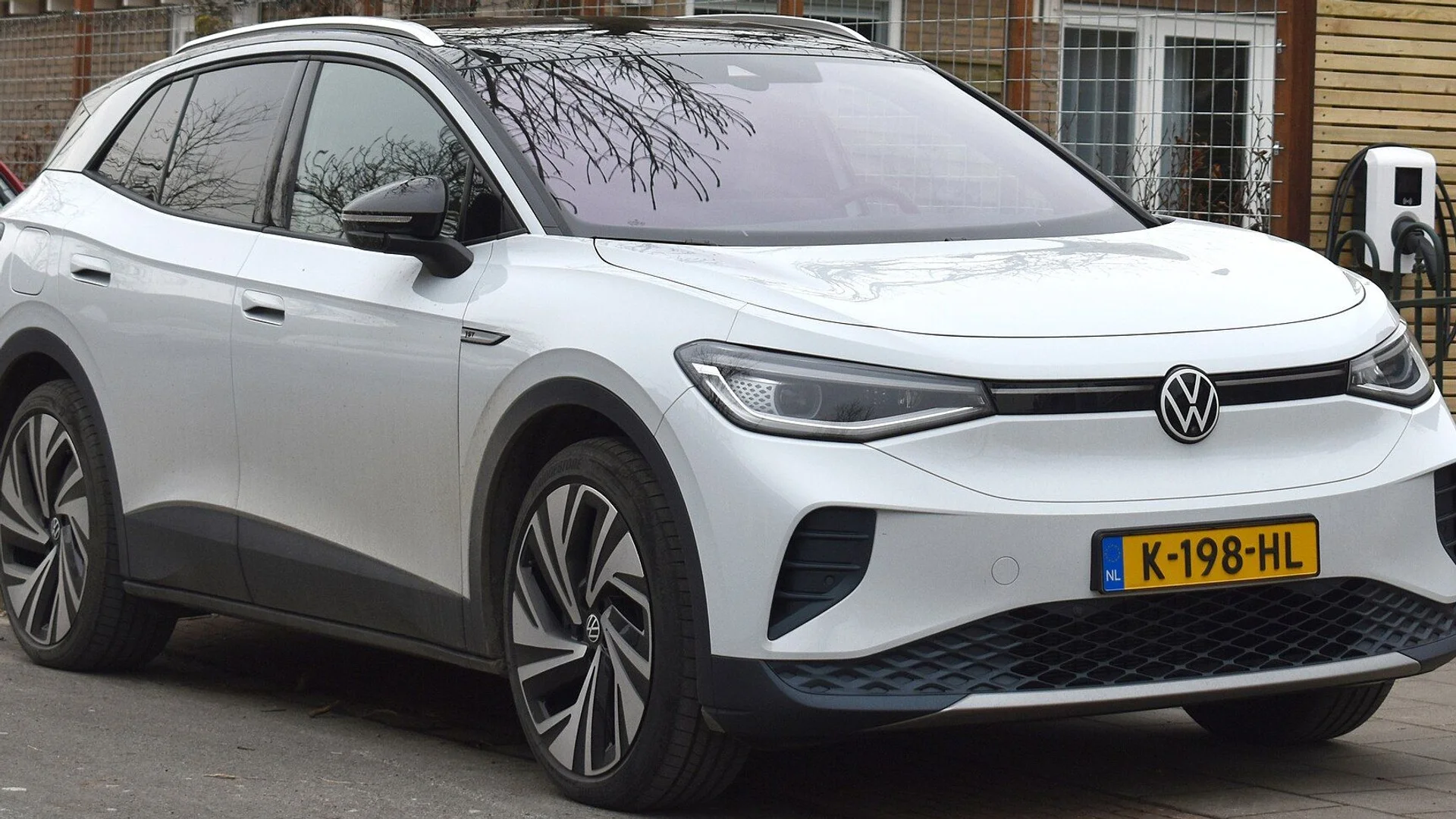
VW ID.4 80% Charge Cap Rolls Out This Week, With Opt-Out
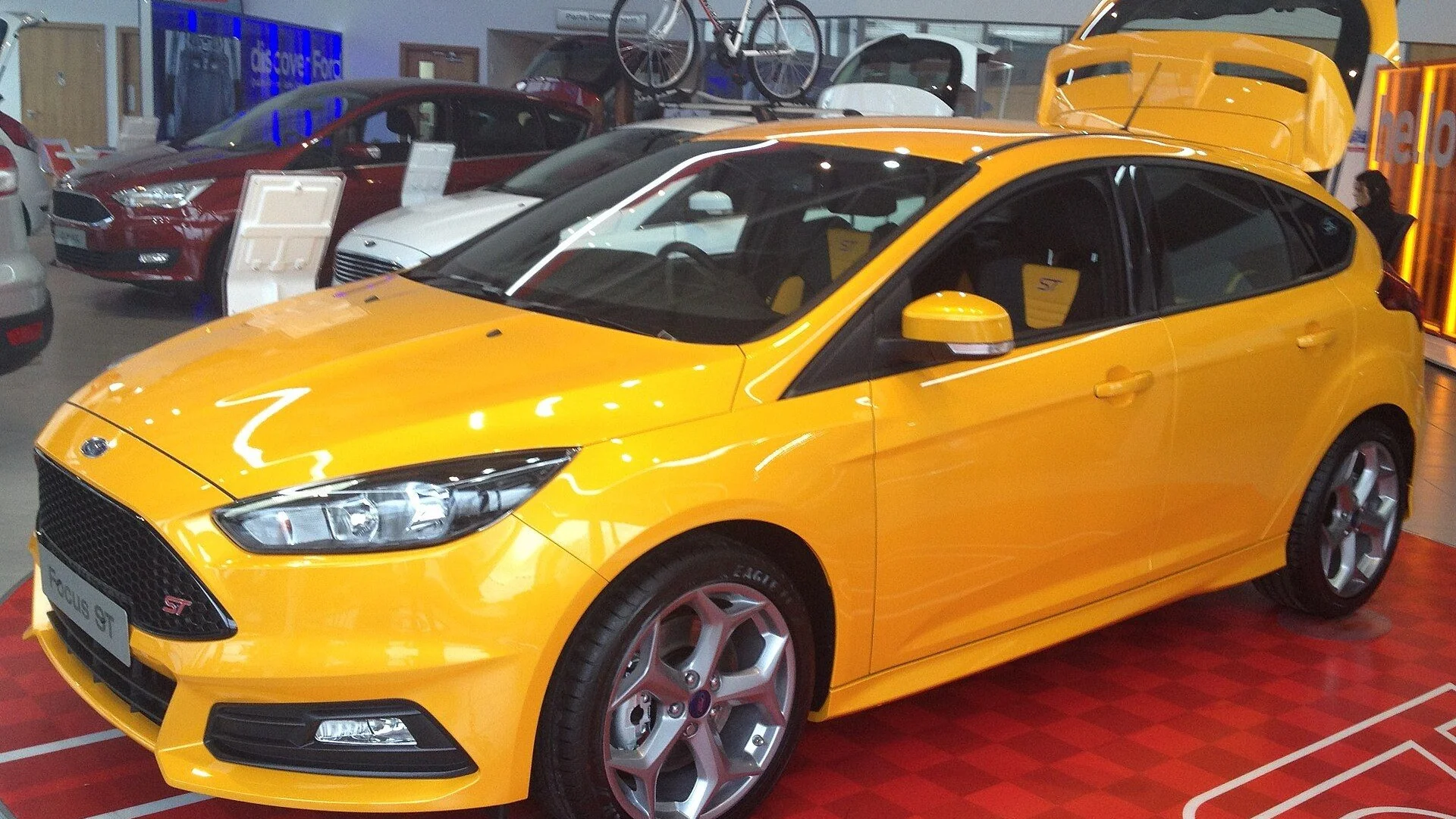
Ford Re-Recalls 387,000 Vehicles Over Bad Repairs
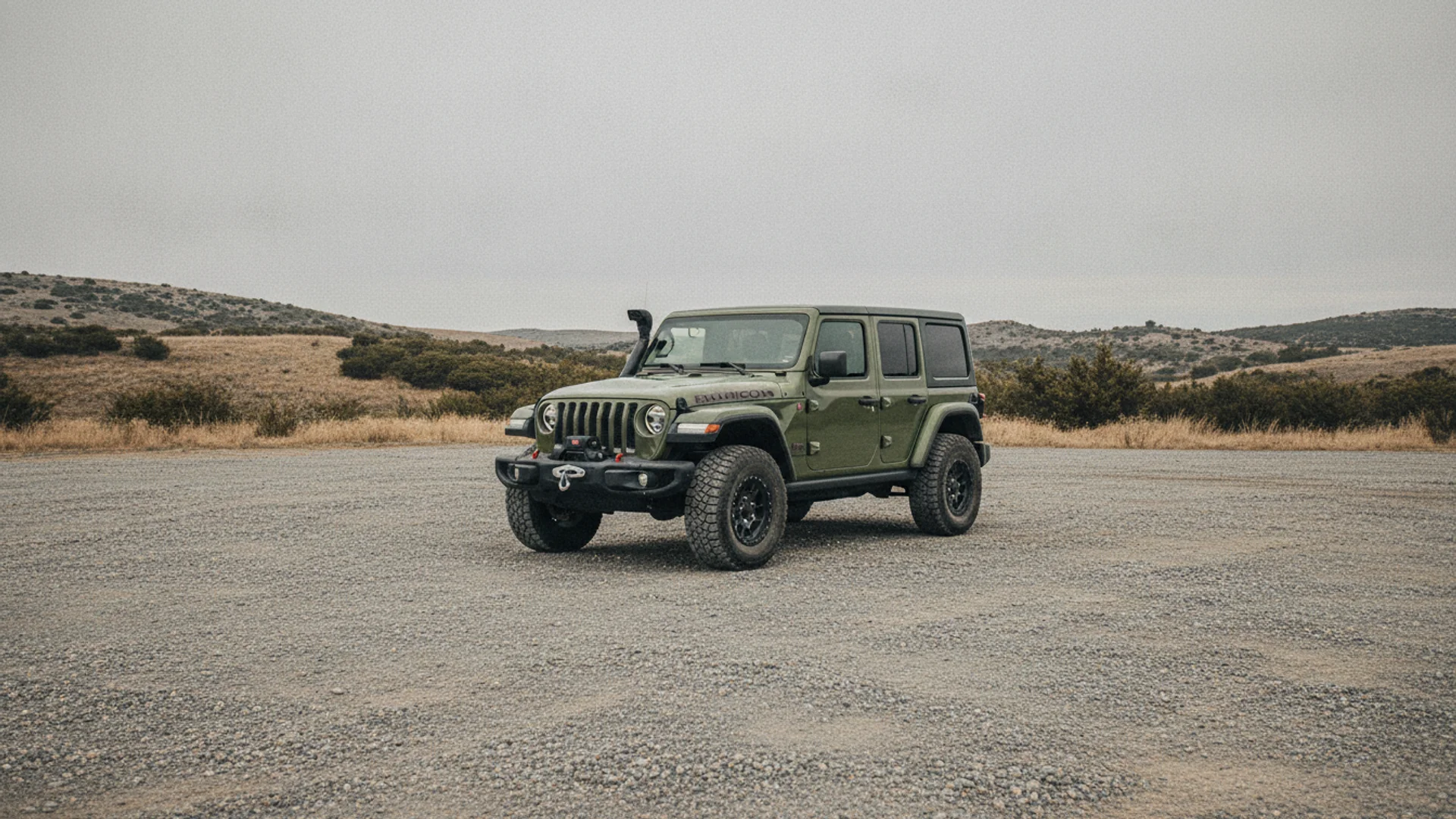
Jeep's 1.3-Million Fire Recall and NHTSA's Clock
Federal EV Rebate Canada 2026: EVAP Pays $5,000
Are EV Batteries Safe in Floods and Deep Water?