Ford closed a recall. Then opened it again. Seven separate times, across more than 387,000 vehicles, the original fix didn't take, because the software patches were never installed correctly at the dealerships that did the first round of work.
Key takeaways
- Ford has re-recalled 389,316 vehicles across seven campaigns after dealers failed to install software patches during the original repairs.
- The biggest group is 255,404 Ford Focus cars from 2012–2018 that can stall from a faulty canister purge valve, an issue first recalled back in 2018 and now being fixed a second time.
- The Mustang Mach-E is in the re-recall for a powertrain control module that can reset while driving; Ford's interim advice is to set the parking brake every time you park.
- Canadian owners can check open recalls by VIN at ford.ca/support/recalls or via Ford Canada at (800) 565-3673, and a "closed recall" on a history report no longer guarantees the fix was actually installed.
Seven recalls, one recurring failure mode
Ford says 389,316 previously repaired cars, trucks and SUVs need another fix, and the largest group is 255,404 Ford Focus vehicles from the 2012 through 2018 model years, which can stall if a canister purge valve malfunctions. The Focus campaign alone accounts for roughly two-thirds of the action. Ford's number for this recall is 26S40, NHTSA's number is 26V369, and the original NHTSA recall number for this issue is 18V735, VINs become searchable on NHTSA.gov on July 6.
The through-line across all seven campaigns is the same: seven recalls have been re-issued for vehicles with software that wasn't installed properly during the first fix. The engineering remedy existed. The execution failed. More than 125,000 Ford vehicles previously recalled for various issues are being recalled again due to repairs that were done incorrectly, according to NHTSA, and that 125,000 figure sits inside the broader 389,316 because the Focus stall campaign is being counted separately.
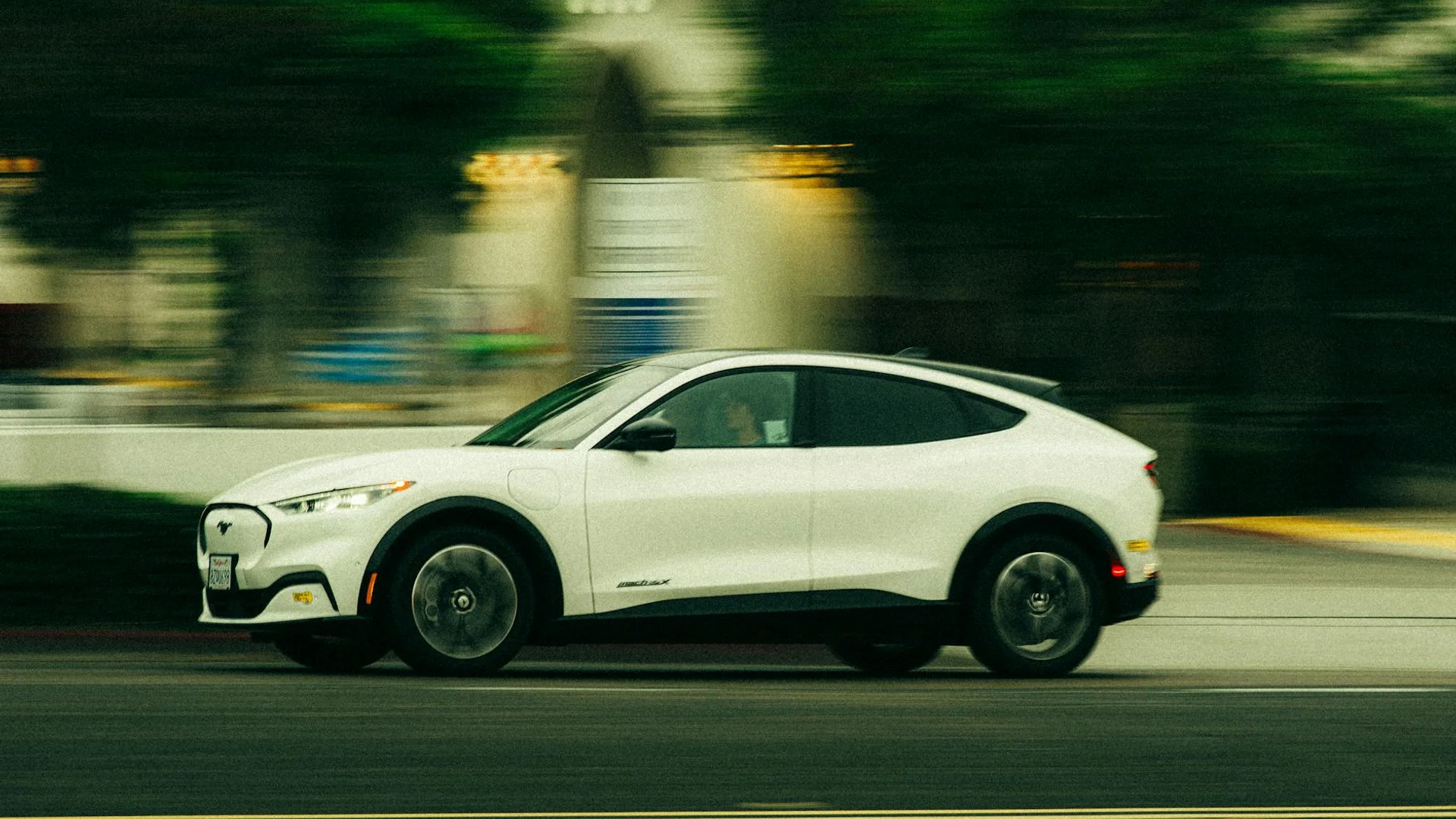
The Mustang Mach-E is among the affected models. The failure mode is a powertrain control module reset while the vehicle is moving, which can damage the parking system. Until the corrected fix is applied, Ford is telling owners to engage the parking brake every time they park. That is a workaround, not a remedy. It is also, for a 2024 EV with a $60,000 sticker, a notable instruction.
This is not a new engineering problem. The Focus stall issue traces back to a 2018 campaign. Eight years on, the same VINs are being called in to fix the fix.
Gear worth having
As an Amazon Associate, ThinkEV earns a small commission from qualifying purchases — at no extra cost to you.

WeatherTech FloorLiner for Tesla Model 3
Deep-channel liners that trap every drop of slush and salt. The difference between a ruined interior and a showroom-fresh cabin after a Canadian winter.
As an Amazon Associate, ThinkEV earns from qualifying purchases — at no extra cost to you.
Gear worth having
As an Amazon Associate, ThinkEV earns a small commission from qualifying purchases — at no extra cost to you.
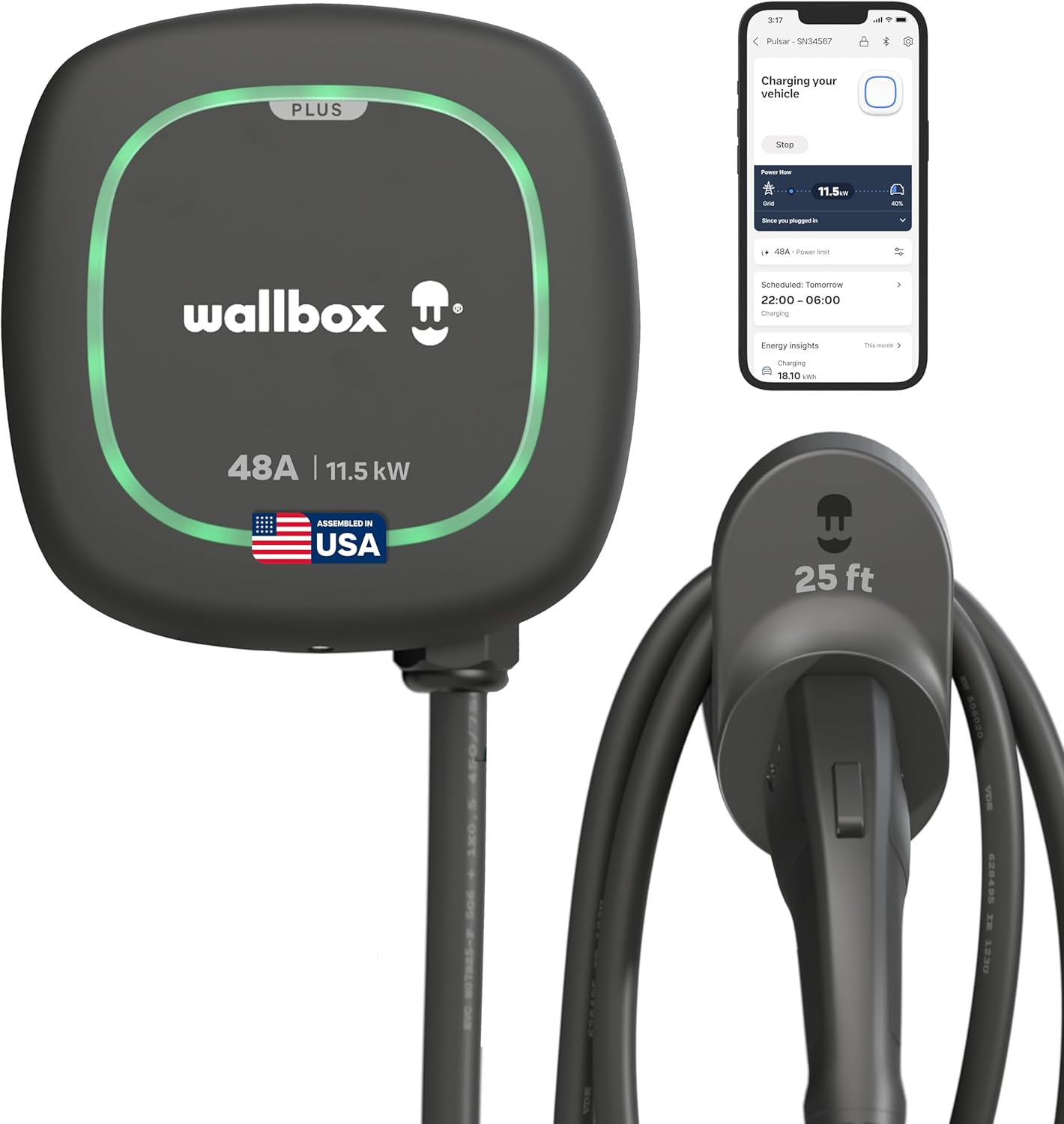
Wallbox Pulsar Plus 48A Level 2 Charger
Compact, sleek charger with app control and power sharing for two EVs. 48A / 11.5 kW, NEMA 14-50. Looks as good as your EV.
As an Amazon Associate, ThinkEV earns from qualifying purchases — at no extra cost to you.
What this means for owners and the used-market calculus
Canadian owners are not outside this. Ford Canada's recall lookup runs by VIN at ford.ca/support/recalls, or owners can call the Customer Relationship Center at (800) 565-3673. Transport Canada's recall authority covers all vehicles sold here regardless of country of origin, and the practical move is the same on both sides of the border: run the VIN, check whether the open recall flag now shows again, and book the corrected fix.
The used-market implication is the more interesting one. A closed-recall status on a Carfax history has historically read as a clean signal, the issue was identified and remedied. The NHTSA paper trail now says otherwise on at least 389,316 vehicles. The more informative status is the open one, because it tells you the dealership network is admitting the first attempt didn't work.
For buyers in Quebec, the provincial lemon-law framework under Bill 29 is the relevant lever. The buyback trigger activates after three unsuccessful repair attempts for the same defect, twelve total repair attempts, or thirty-plus cumulative days at the dealer. A vehicle re-presented for the same canister purge software it was already "fixed" for is one repair visit closer to that threshold. Ontario's framework is weaker but not absent. Buyers of affordable EVs in the under-$50K Canadian market should treat re-recall history as a price input, not a footnote. And the Mach-E vs Model Y comparison now carries a quality-execution data point it didn't carry last year.
Gear worth having
As an Amazon Associate, ThinkEV earns a small commission from qualifying purchases — at no extra cost to you.
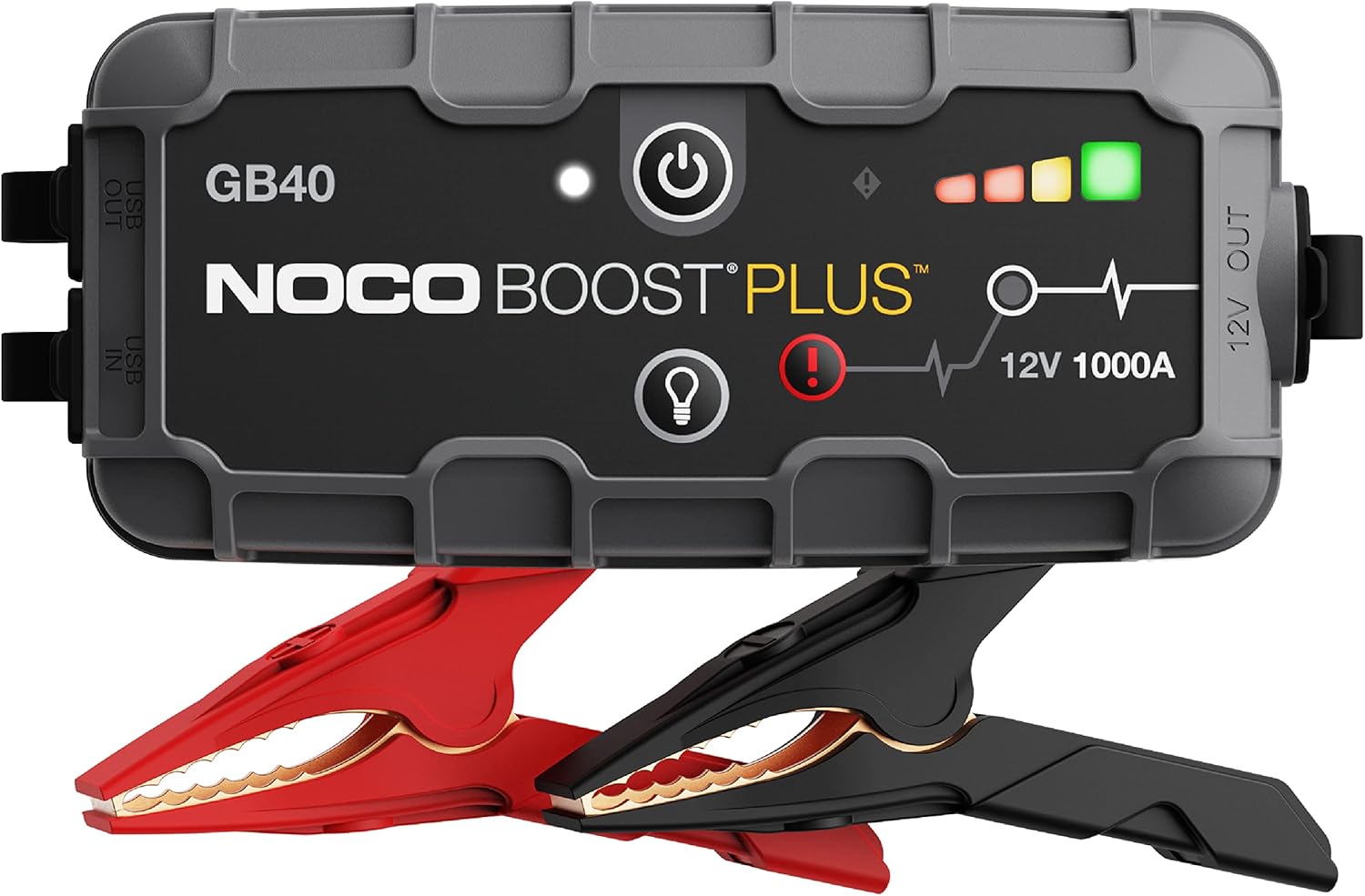
NOCO Boost Plus GB40 Jump Starter
A 1000A lithium jump starter that fits in your glovebox and works on any 12V battery. Your insurance against a dead 12V in a parking lot.
As an Amazon Associate, ThinkEV earns from qualifying purchases — at no extra cost to you.
Gear worth having
As an Amazon Associate, ThinkEV earns a small commission from qualifying purchases — at no extra cost to you.

Amazon Basics Seat Belt Cutter and Window Hammer
The 10-dollar tool you hope to never use: cuts a jammed belt and shatters a window in an emergency. Mount it within reach.
As an Amazon Associate, ThinkEV earns from qualifying purchases — at no extra cost to you.
A Recall Closed Is Not A Recall Fixed
A recall closed is not a recall fixed. The NHTSA filing trail now proves this at scale across one automaker's dealer network, and the failure mode, software that was supposed to be flashed and wasn't, is not unique to Ford. The harder problem here sits at the execution layer, not the engineering one. A software patch can be re-issued in a week. Retraining 3,000 dealer service bays takes longer.
The position: within two years, re-recall rates will become a material used-car valuation input across the industry, not just at Ford. VIN history reports need a second row, the first recall, and whether the fix actually held. The buyers who learn to read that row first will pay less for the same car.
Gear worth having
As an Amazon Associate, ThinkEV earns a small commission from qualifying purchases — at no extra cost to you.

Roadside Emergency Safety Kit
Jumper cables, a portable air compressor, tow strap, first aid, and more for when something goes wrong between chargers. Canadian winters do not forgive the unprepared.
As an Amazon Associate, ThinkEV earns from qualifying purchases — at no extra cost to you.
Founder & Chief Editor
Vlad Pereira is the founder and chief editor of ThinkEV.ca, the Canadian electric-vehicle publication he writes and edits from Courtenay, British Columbia. He covers EV pricing, federal and provincial rebates, charging costs, and the Chinese manufacturers now entering Canada, from the buyer's side rather than the press-fleet side. ThinkEV is a venture of Vlad Pereira Online; his writing on health, income and the long game lives at vladpereira.com.
Frequently asked questions
Which Ford models and years are caught in these re-recalls?
How can a Canadian owner check whether their Ford has an open recall?
What should Mustang Mach-E owners do in the meantime?
Why does a closed recall on a vehicle history report no longer mean a clean repair?
More EV & road-trip finds
Affordable upgrades worth a look — tap any to check the price on Amazon.
 ★ 121
★ 121Foldable Windshield Sun Umbrella
View on Amazon ★ 392
★ 392Large Cup Holder Adapter (32-40oz)
View on Amazon ★ 12,051
Windex Electronics Screen Wipes
View on Amazon ★ 314
★ 314Mini USB LED Ambient Lamps (4-Pack)
View on Amazon ★ 568
★ 568Personalized Photo and Text Keychain
View on Amazon ★ 979
★ 979Leather Headrest Purse Hook
View on Amazon
TP-Link Kasa Smart Plug with Energy Monitoring
View on Amazon ★ 119
★ 119Foldable Waterproof Trunk Organizer
View on AmazonRead, Plan, Then Stay Current
Explore our expert articles to understand incentives and ownership costs, use the map to pressure-test charging reality, then subscribe so new EV coverage comes straight to you.
Continue Reading
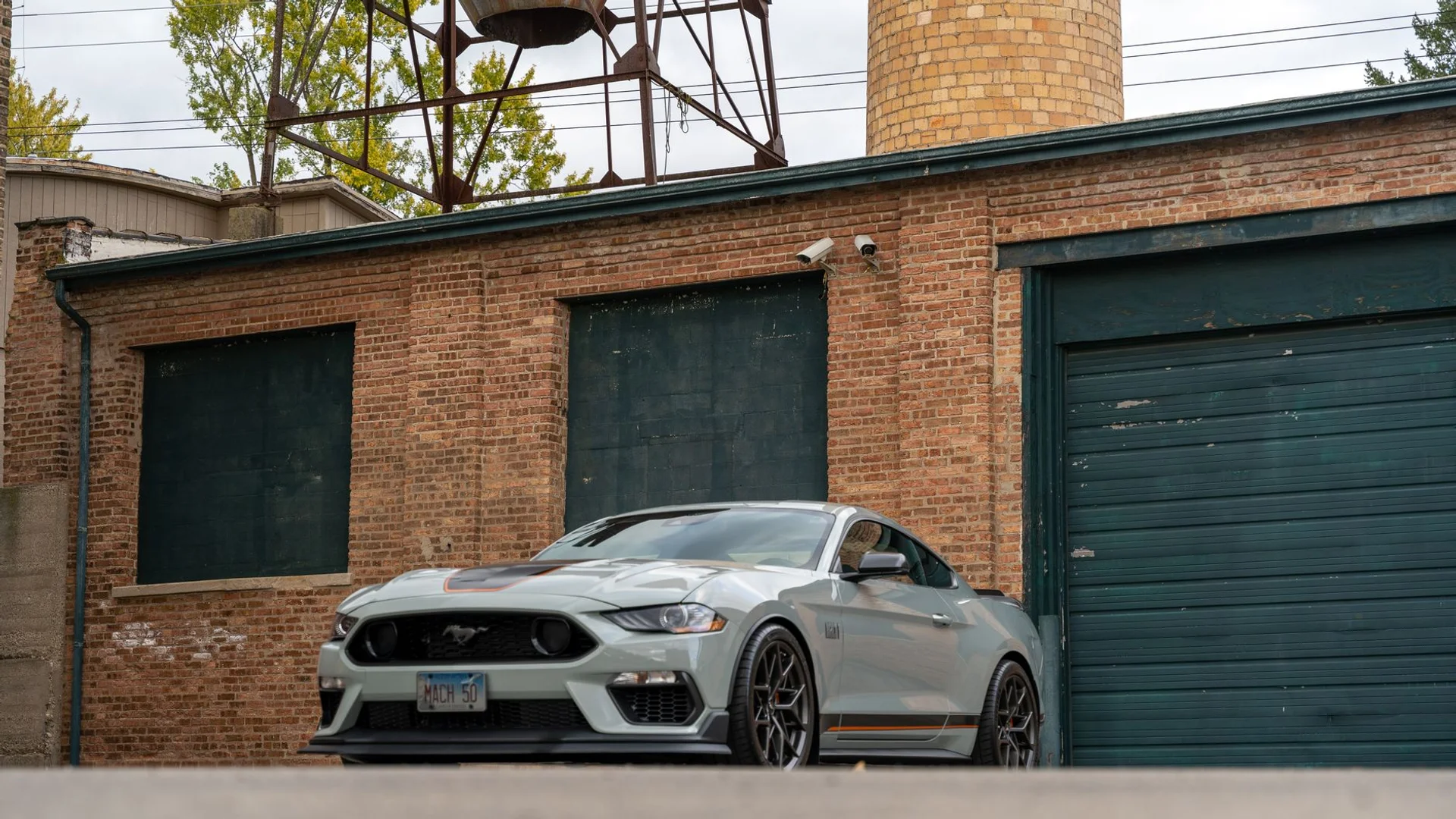
Ford Recalls 86,543 Mach-E EVs Over Window Trim
Jeep's 1.3-Million Fire Recall and NHTSA's Clock
Tesla Cybercab Launch Draws NHTSA Probe, Stock Slide
Over 500,000 Subarus Recalled Over a Wrong Sticker

GAC Is Now Building A $248,000 Flying Taxi