Elon Musk told investors in mid-2025 that 1,000 Robotaxis would cruise Austin within a month of launch. One year later, Tesla's Robotaxi service in Texas has fewer than 50 self-driving cabs, and every one of them still has a human in the front seat. If you're a Canadian shopper sizing up a Tesla on the promise of future autonomy revenue, this is the number that matters more than any earnings-call slide.
Key takeaways
- Tesla's Texas robotaxi fleet has fewer than 50 vehicles registered with the state, about 5% of the 1,000 Musk promised within a month of launch, and a reverse-engineered app showed no more than about 5 running at once in Austin.
- Every Tesla robotaxi operating in Austin still carries a paid human safety monitor inside, as Texas requires.
- Waymo already runs fully driverless paid service, with no safety monitor, in San Francisco, Phoenix, and Austin, at six-figure weekly trip volumes.
- No Canadian city has a commercial robotaxi from any provider, and Transport Canada hasn't certified any consumer vehicle for unsupervised driving, so FSD (Supervised) leaves the Canadian driver legally responsible at all times.
The short answer: don't price autonomy into a Tesla purchase today. Buy the car for what it does the day you drive it off the lot, range, build, software you can actually use, not the robotaxi network Musk has been promising since 2019. The dealer math doesn't care about Austin geofences, and neither should you.
How Many Tesla Robotaxis Are Actually Operating in Texas?
The official count came out of Texas DMV registration filings, and it was the first hard number anyone outside Tesla had seen. Fewer than 50 self-driving cabs are registered to the service in a state Musk has been describing as the proving ground for a million-vehicle fleet.
Independent measurement landed even lower. Late in 2025, an engineering student managed to reverse-engineer Tesla's Robotaxi app and collect data that shows the autonomous but supervised ride-hailing system in Austin consists of no more than a few vehicles (~5) operating at the same time. Five cars on the road simultaneously is not a fleet, it's a pilot, dressed up with launch coverage.
Musk has since walked the goalposts back twice. Last month Musk promised there would be "500 or more" of the supervised Robotaxis in Texas by the end of the year. Today he told an X user the fleet should "roughly double next month." Doubling from the current count puts the realistic near-term number somewhere under 100, not the 500 he committed to last month and certainly not the 1,000 he committed to a year ago.
And every one of those vehicles is supervised. Tesla's robotaxi service did arrive in Austin during that timeline, but they weren't "with no one in them." The level of autonomy that Tesla's performs at requires a human safety monitor to ride inside the vehicle, according to Texas regulations. That's not a footnote, it's the whole product. Supervised ride-hailing with a human babysitter is a feature Lyft and Uber drivers have been delivering since 2012.
The Promise Timeline: What Musk Said and When He Said It
The pattern of overshoot is six years old now, and it's worth laying out cleanly. Back in October 2019, Tesla chief executive Elon Musk told investors the company would have more than a million robotaxis on the road within a year. That was the original promise, a million vehicles, deployed by late 2020.
The 2024 Q4 earnings call sharpened it for the Austin launch. "Teslas will be in the wild with no one in them, in June in Austin," Musk said last year in a 2024 Q4 earnings call. "This is not some far-off mythical situation, it's five, six months away." Six months from January 2025 lands in summer 2025. The service did launch on that timeline, but not in the form he described.
Then came the scaling claim. In 2025, Tesla CEO Elon Musk claimed the service would start slowly, but that it would have 1,000 cars within a month. That's the number the Yahoo Autos headline measures against. Twelve months on, the fleet is roughly 5% of what was promised within 30 days of launch.
The trajectory has reversed direction, not just slowed. Six years on, Tesla has not only missed that deadline by an embarrassing margin, the US fleet it actually runs is getting smaller. A shrinking fleet is the opposite shape of a company scaling toward a million vehicles. For a sense of how this pattern shows up elsewhere in Tesla's promise stack, the BYD-versus-Tesla framing we use elsewhere on the site traces the same gap between announcement and delivery.
Three constraints keep biting, and none of them resolve on Musk's preferred timeline.
Regulatory approvals move at the speed of state DMVs and federal safety regulators, not the speed of an X post. Texas is the most permissive jurisdiction Tesla operates in for this, and Texas still requires a safety monitor inside the vehicle. Adding cities means restarting the approval clock with a new state regulator. There's no shortcut.
The safety-driver requirement also caps the math. Every vehicle on the road needs a paid human inside it, which means the operating cost per ride lands somewhere north of a traditional rideshare, not below it. The long-promised robotaxi service finally launched in Texas last year, starting in a fenced-off corner of Austin with safety drivers riding shotgun. A fenced-off corner with paid drivers isn't a margin story, it's a demo.
The geofence itself is the third constraint. Austin coverage is small and constrained, which limits trip variety, training data, and route diversity. Every incident or anomaly triggers internal review, which pauses expansion. The cycle is self-limiting until either the regulator loosens the safety-monitor rule or Tesla solves a problem Waymo took eight years to solve with lidar.
Musk's pitch was always that Tesla's camera-only stack would skip the lidar step and scale faster. The fleet count is the scoreboard for that pitch. The score is not good.
Gear worth having
As an Amazon Associate, ThinkEV earns a small commission from qualifying purchases — at no extra cost to you.
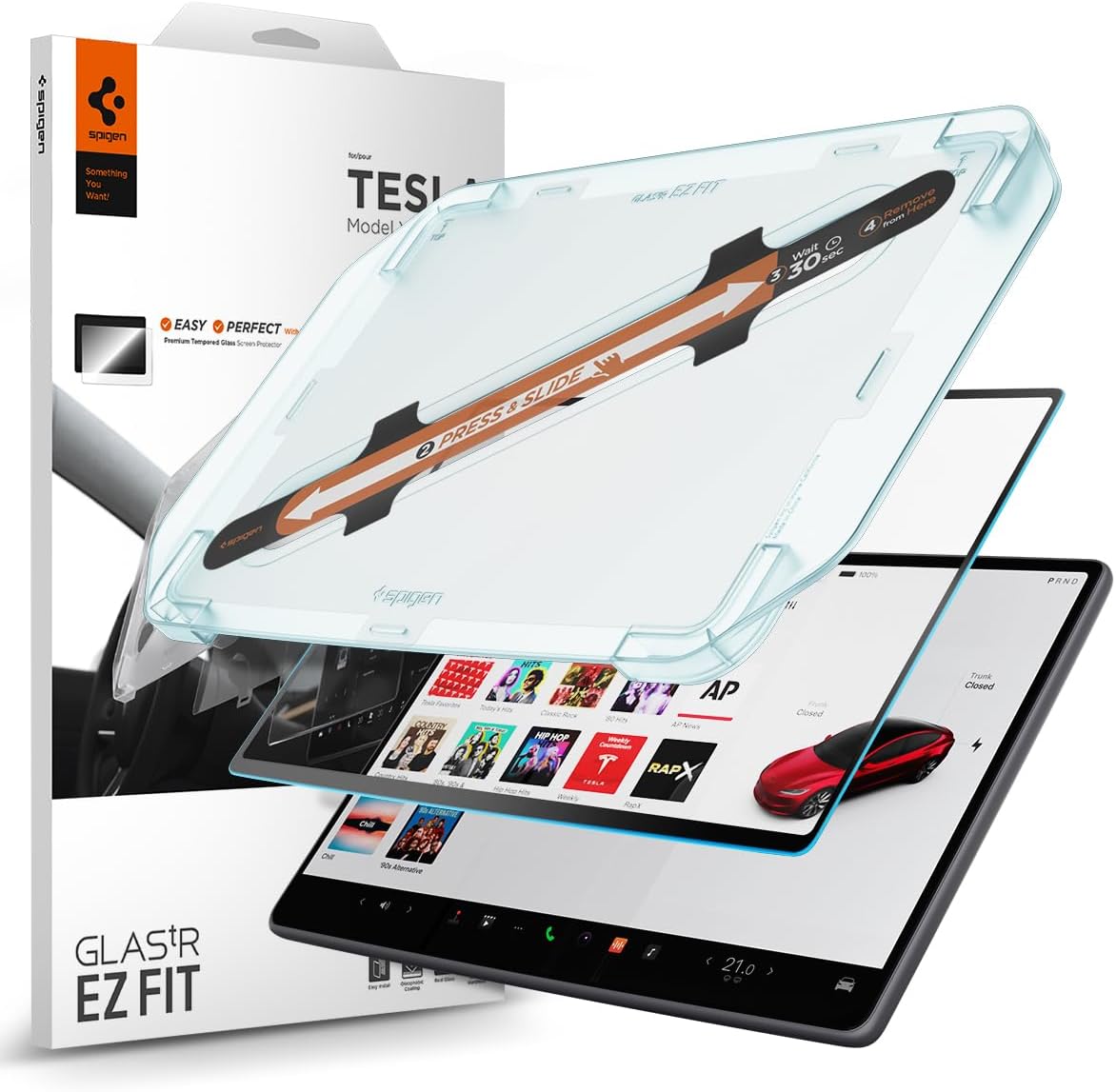
Spigen Tempered Glass for Tesla Model 3/Y
Tempered-glass protection for the touchscreen that kills fingerprints and scratches. Two minutes to install, lasts the life of the car.
As an Amazon Associate, ThinkEV earns from qualifying purchases — at no extra cost to you.
What This Means If You're Waiting on Tesla FSD or Autonomy Features
This is where Canadian buyers need to be honest with themselves. FSD (Supervised), the consumer version of the software underneath the Robotaxi service, is still a hands-on system. Tesla owners in Canada can subscribe or buy it, but the legal framing is the same as basic Autopilot: you're driving, the car is assisting, and you're liable for everything that happens.
There's no Canadian regulatory pathway to unsupervised autonomy on the table from Transport Canada or any provincial transportation ministry. Robotaxi as a commercial service exists in one fenced-off neighbourhood of one US city, and Canadian owners can't book a ride in it. The "buy a Tesla, earn passive income running it as a robotaxi while you sleep" pitch, first floated by Musk in 2019, has no live Canadian implementation and no published date.
That changes the buyer math. If you're treating autonomy as part of the value, you're paying today for a feature with a six-year track record of missed deadlines. Elon Musk's bold claim that Tesla would have one million robotaxis on public roads by 2026 is rapidly becoming one of the most scrutinized promises in the tech and auto industries. Despite Musk's confidence in the company's self-driving capabilities and rhetoric about transforming transportation, the reality on the ground looks very different.
The cleaner frame: price the Tesla against what it actually does today. Range, charging access, build quality, the software stack you have access to now. If a 2026 Model Y delivers value at the sticker price without the autonomy premium baked in, it's a buy. If the case rests on the robotaxi revenue line, it isn't.
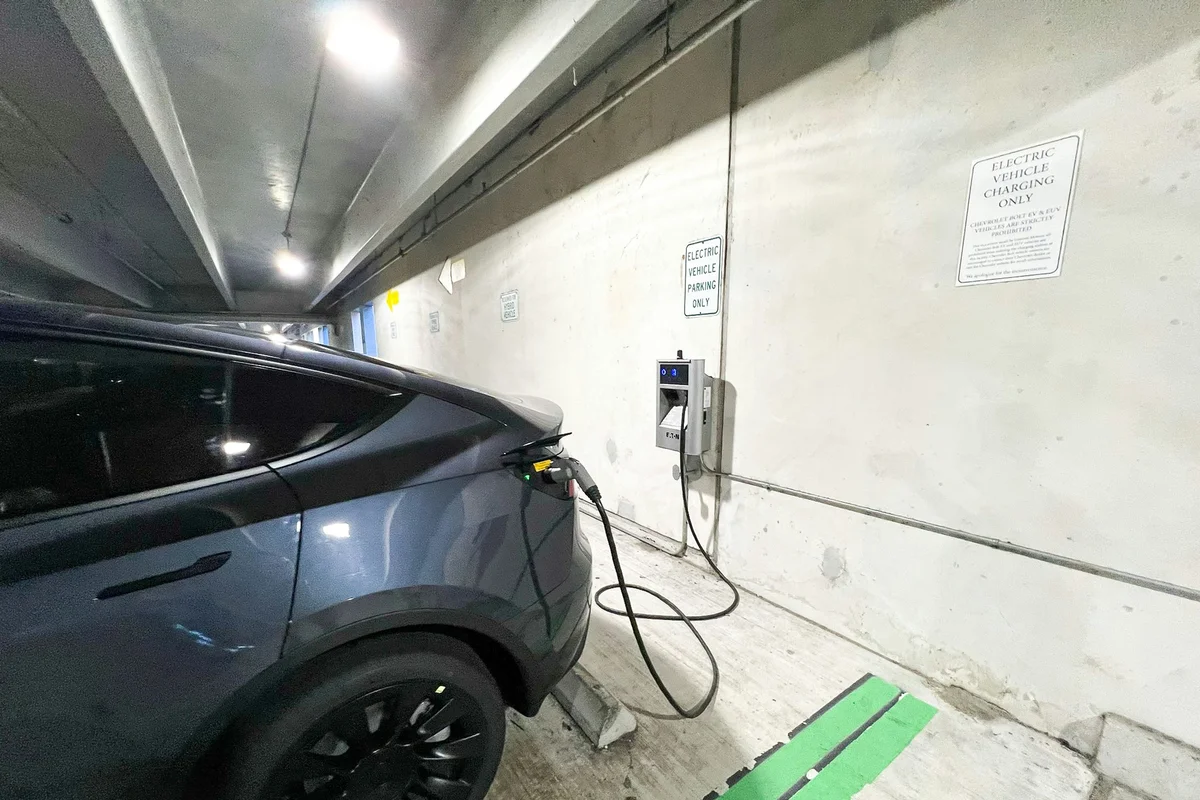
Waymo is the comparison Tesla doesn't make in its own materials, and there's a reason. Waymo operates fully driverless commercial service, no safety monitor in the front seat, across San Francisco, Phoenix, and (notably) Austin itself. Their fleet runs in the hundreds, their weekly paid-trip volume is in the six figures, and they've been doing it without a human in the vehicle for years.
Tesla's competitive pitch was always that Waymo's lidar-and-mapping approach wouldn't scale, while Tesla's camera-only stack would generalize anywhere. The Austin fleet count is the head-to-head answer. In the same city, with the same regulators, Waymo runs driverless and Tesla runs supervised. The "Tesla scales faster" thesis isn't holding up at the level of registered vehicles.
No Canadian city has a commercial robotaxi service from any provider as of mid-2026. Not Waymo, not Cruise (paused indefinitely), not Tesla, not Zoox. Toronto, Montreal, and Vancouver have done autonomous vehicle pilots, none have moved to fare-collecting commercial service. If you're asking "when can I take a robotaxi to the airport in Canada," the answer is "not on a timeline anyone has committed to."
Should Canadian Tesla Buyers Care About Robotaxi When Shopping Now?
The simplest version of this answer: no, and that's actually good news for the buying decision.
Tesla Model Y base RWD lists at $49,990 CAD, which keeps it inside the EVAP eligibility window for the federal incentive. Long Range AWD at $59,990 and Performance at $69,990 are both above the cap and don't qualify. The rebate math is settled, robotaxi has nothing to do with it.
For owners considering the longer-term cost picture, the warranty side is also settled. Battery and powertrain coverage on a Tesla runs the standard 8 years or 160,000 km, which is the regulatory minimum and what nearly every brand offers. That's not changing because of an autonomy roadmap. If you're cross-shopping warranty terms, and you should be, Chery's 7-year unlimited-kilometre offer on its Canada lineup is a more aggressive coverage commitment than anything Tesla advertises.
For switchers, the five-year math on going from a Toyota Corolla to an EV is what should actually drive the decision: fuel savings, maintenance, depreciation, charging access. Autonomy doesn't show up in any line item on that sheet.
Gear worth having
As an Amazon Associate, ThinkEV earns a small commission from qualifying purchases — at no extra cost to you.
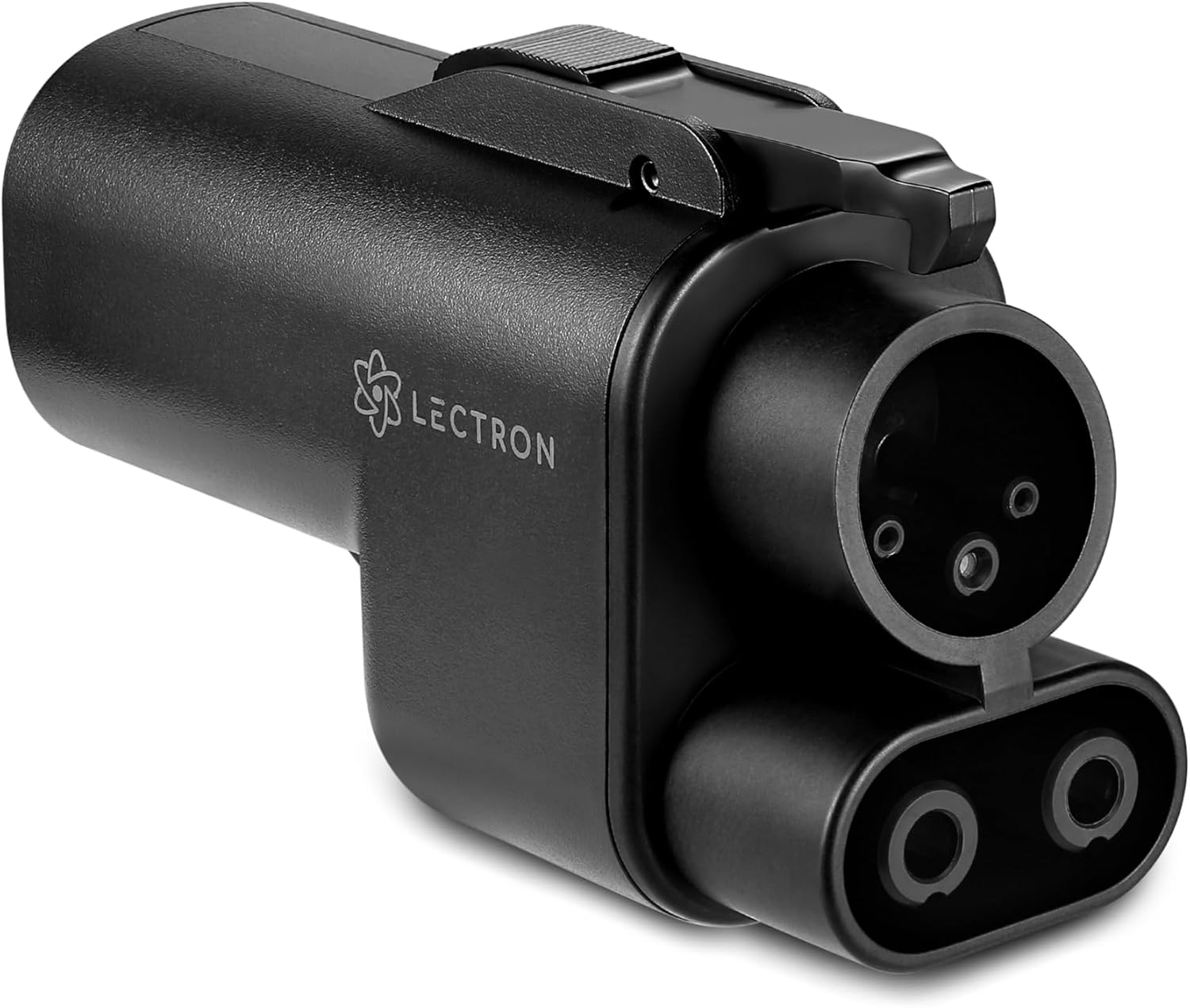
Lectron NACS to CCS Fast-Charge Adapter
Unlock every CCS fast charger for your Tesla, up to 500A DC. Never get stranded at a non-Tesla DC station again.
As an Amazon Associate, ThinkEV earns from qualifying purchases — at no extra cost to you.
Buy The Tesla For Today, Not The Autonomy Promise
Buy a Tesla for what it does the day you take delivery: a strong battery, a mature charging network, a software experience most Canadian competitors haven't matched. Skip the autonomy premium in your head, the Texas fleet count is what the autonomy promise actually delivers in 2026, and it doesn't justify paying more.
What I'd watch next: whether Tesla files for an unsupervised permit in Texas, whether the fleet count actually doubles month-over-month as Musk just promised, and whether any Canadian province opens a regulatory pathway for commercial driverless service. Any one of those would change the calculus. None of them have happened yet.
If you're shopping a Model Y this summer, the dealer math is the same as it was last year. The Robotaxi headlines don't move it.
Gear worth having
As an Amazon Associate, ThinkEV earns a small commission from qualifying purchases — at no extra cost to you.

Tesla Key Card Holder with AirTag Slot
Stop fishing the keycard out of your wallet, and slot an AirTag in case the car wanders off in a lot.
As an Amazon Associate, ThinkEV earns from qualifying purchases — at no extra cost to you.
Founder & Chief Editor
Vlad Pereira is the founder and chief editor of ThinkEV.ca, the Canadian electric-vehicle publication he writes and edits from Courtenay, British Columbia. He covers EV pricing, federal and provincial rebates, charging costs, and the Chinese manufacturers now entering Canada, from the buyer's side rather than the press-fleet side. ThinkEV is a venture of Vlad Pereira Online; his writing on health, income and the long game lives at vladpereira.com.
Frequently asked questions
Can I use Tesla's robotaxi service in Canada right now?
No. The service operates exclusively within a small geofenced area of Austin, Texas, with a paid safety monitor in every vehicle. There is no Canadian rollout, no announced Canadian city, and no published date.
Does Tesla's FSD count as fully self-driving in Canada?
No. FSD (Supervised) is a driver-assistance system. The Canadian driver remains legally responsible for the vehicle at all times, and the software requires constant attention and hands on or near the wheel. Transport Canada has not certified any consumer vehicle for unsupervised autonomous operation.
Will Tesla robotaxi ever launch in Canadian cities?
Possibly, but not on any committed timeline. The Texas fleet has under 50 vehicles after a year, and there is no Canadian regulatory framework for unsupervised commercial robotaxi service. Any Canadian launch would require provincial approval, federal safety certification, and a substantially larger fleet than currently exists anywhere.
Does buying a Tesla today give me access to future robotaxi earnings?
The "earn passive income from your Tesla" pitch has been part of Musk's messaging since 2019, but no consumer-facing revenue-sharing program exists in any market. Buying a Tesla today gives you a car, not equity in a future ride-hailing network.
More EV & road-trip finds
Affordable upgrades worth a look — tap any to check the price on Amazon.
 ★ 2,941
Microfiber Cleaning Cloths (Multi-Pack)
View on Amazon ★ 164
★ 164Solar-Powered LED Ambient Light
View on Amazon ★ 4,626
HoogaLife Hanging Car Diffuser (2-Pack)
View on Amazon ★ 27,769
Car Cup Holder Coasters (4-Pack)
View on Amazon ★ 21,310
Magnetic Car Phone Mount
View on Amazon ★ 87
★ 87Car Window Sun Shades for Kids (4-Pack)
View on Amazon ★ 68
★ 68WeatherTech FloorLiner for Tesla Model 3
View on Amazon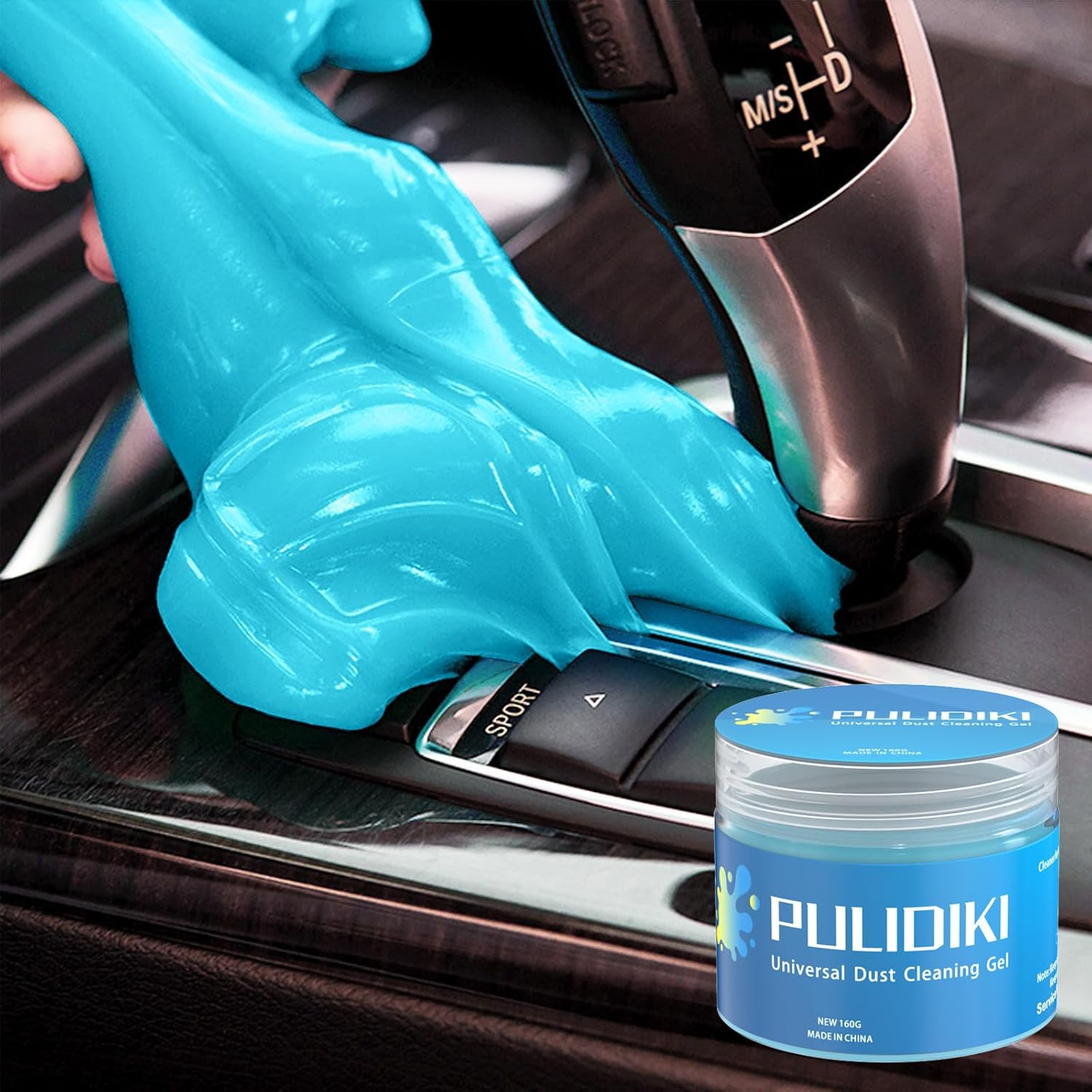 ★ 96,686
PULIDIKI Car Cleaning Gel (Detailing Putty)
View on AmazonRead, Plan, Then Stay Current
Explore our expert articles to understand incentives and ownership costs, use the map to pressure-test charging reality, then subscribe so new EV coverage comes straight to you.
Continue Reading
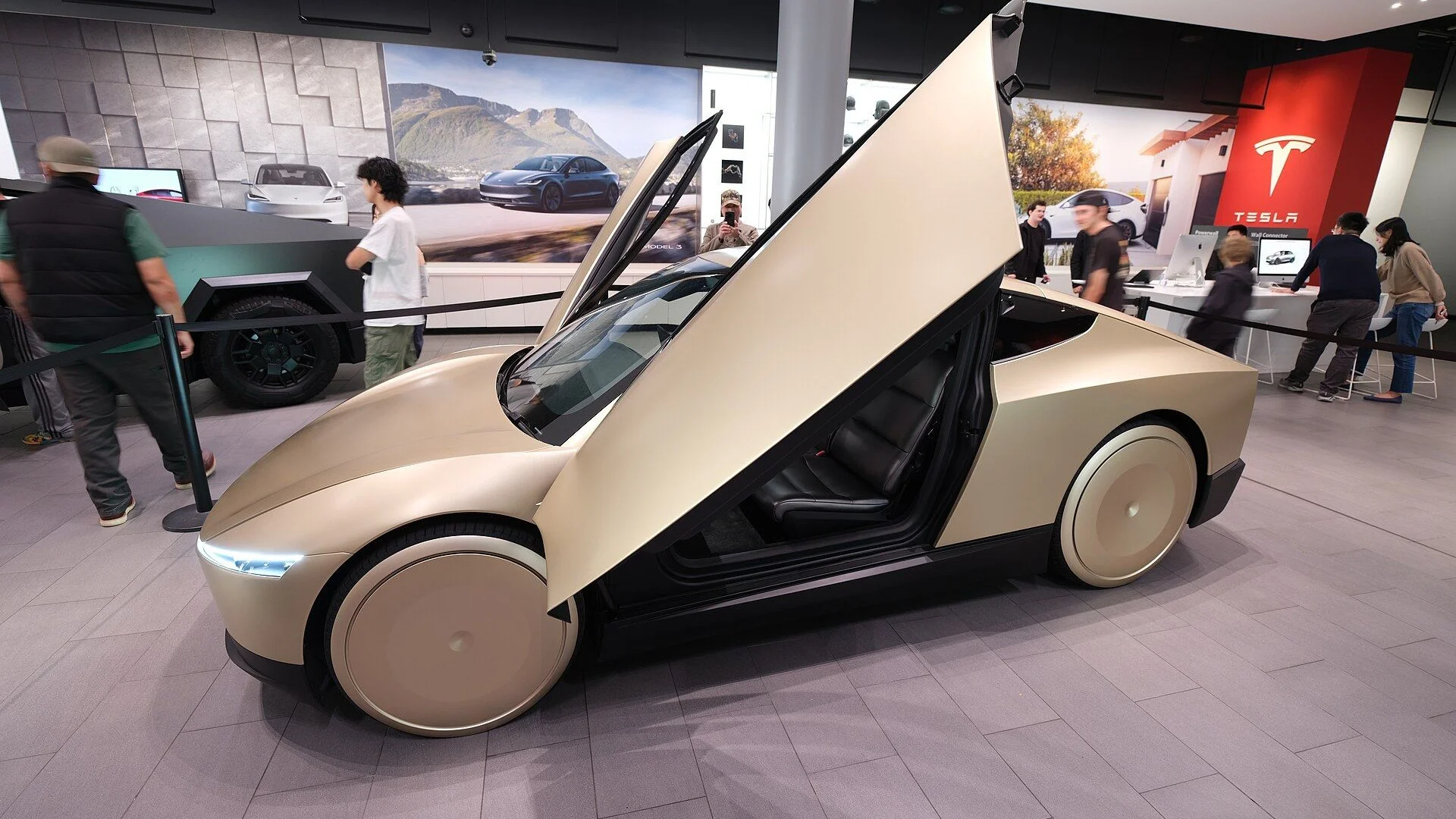
Tesla Cybercab Launch Draws NHTSA Probe, Stock Slide
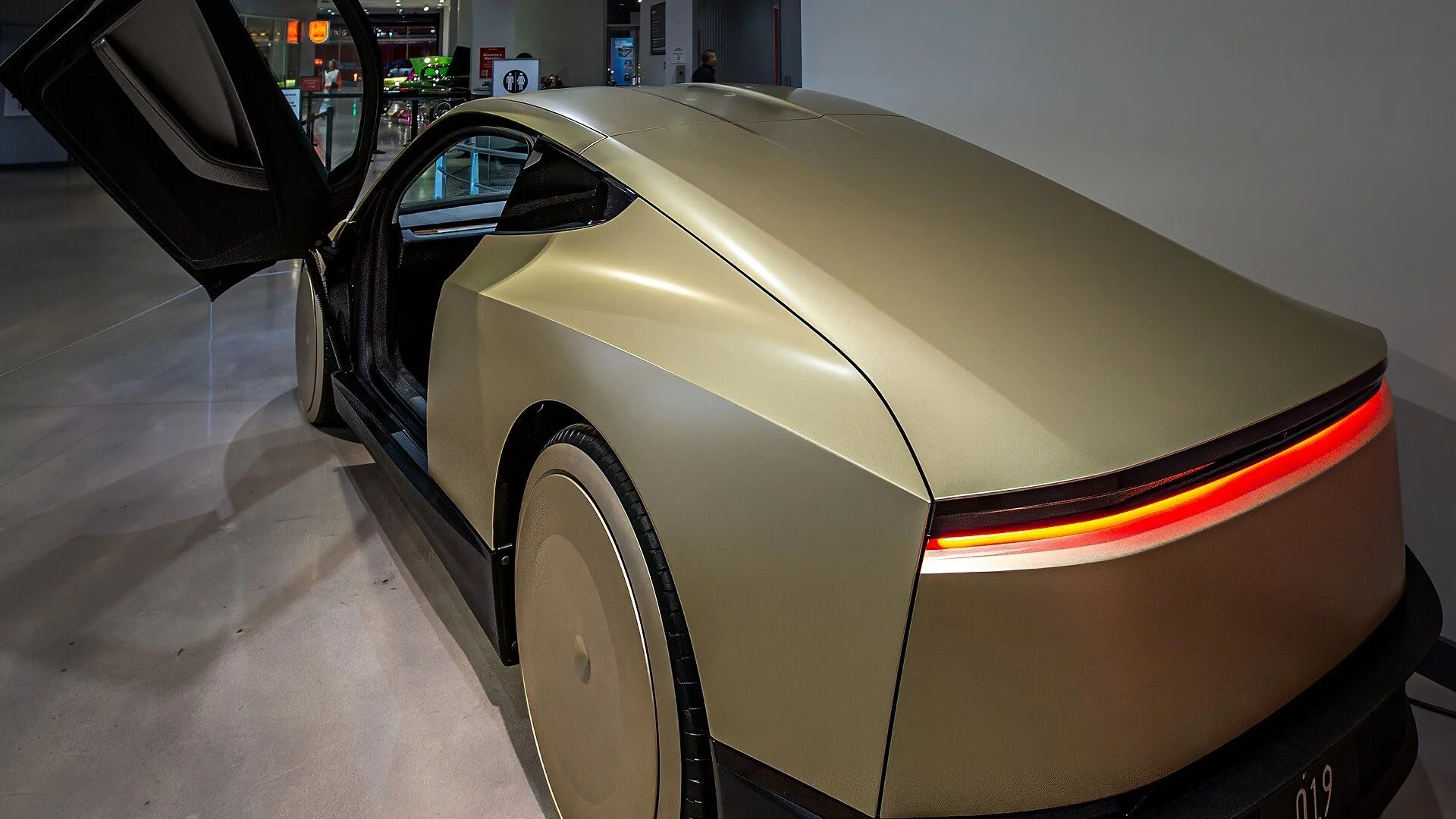
Tesla Cybercab Employee Rides: A Parking-Lot Shuttle
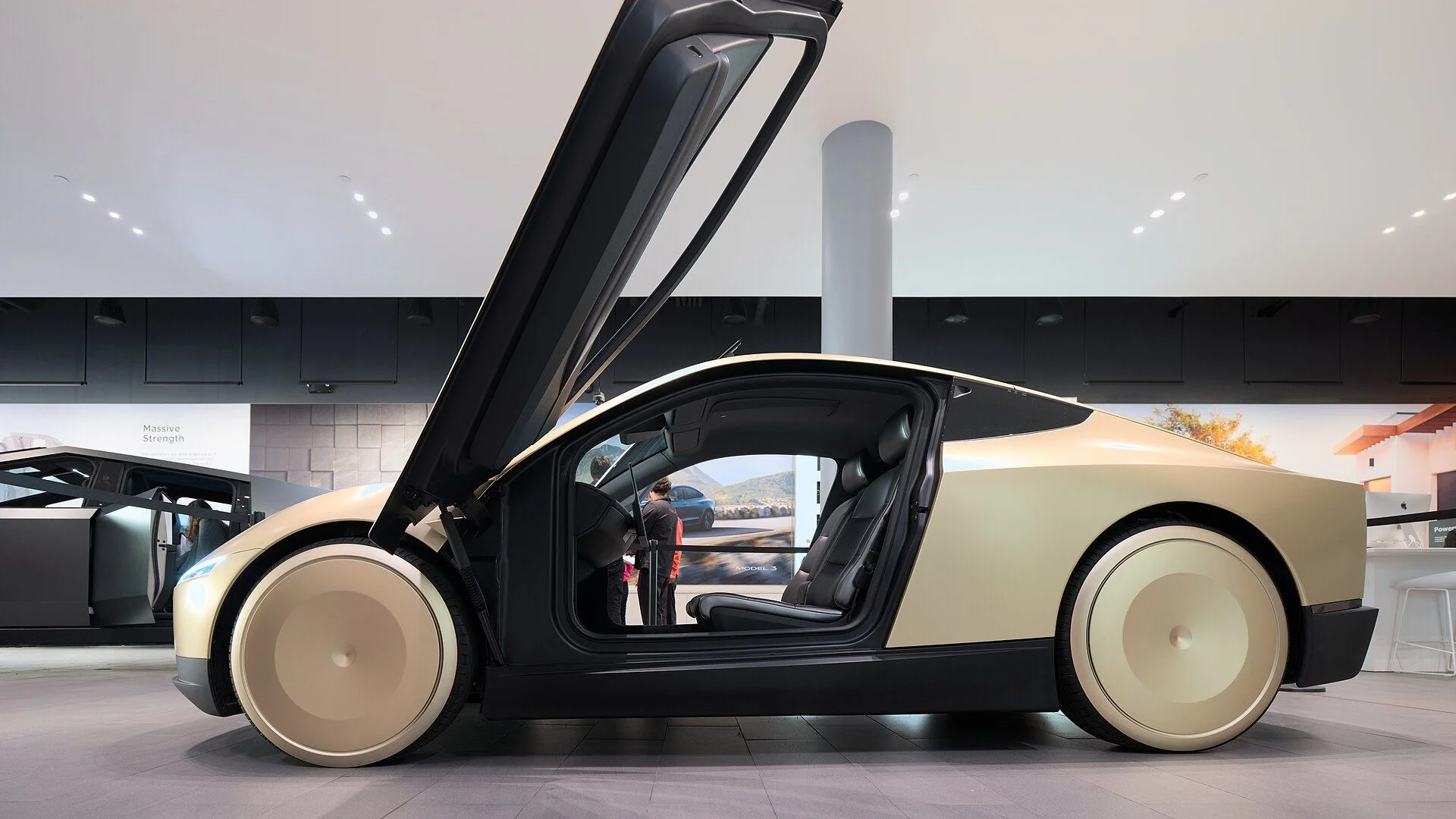
Tesla Cybercab Specs Confirmed by EPA, Autonomy Still Missing
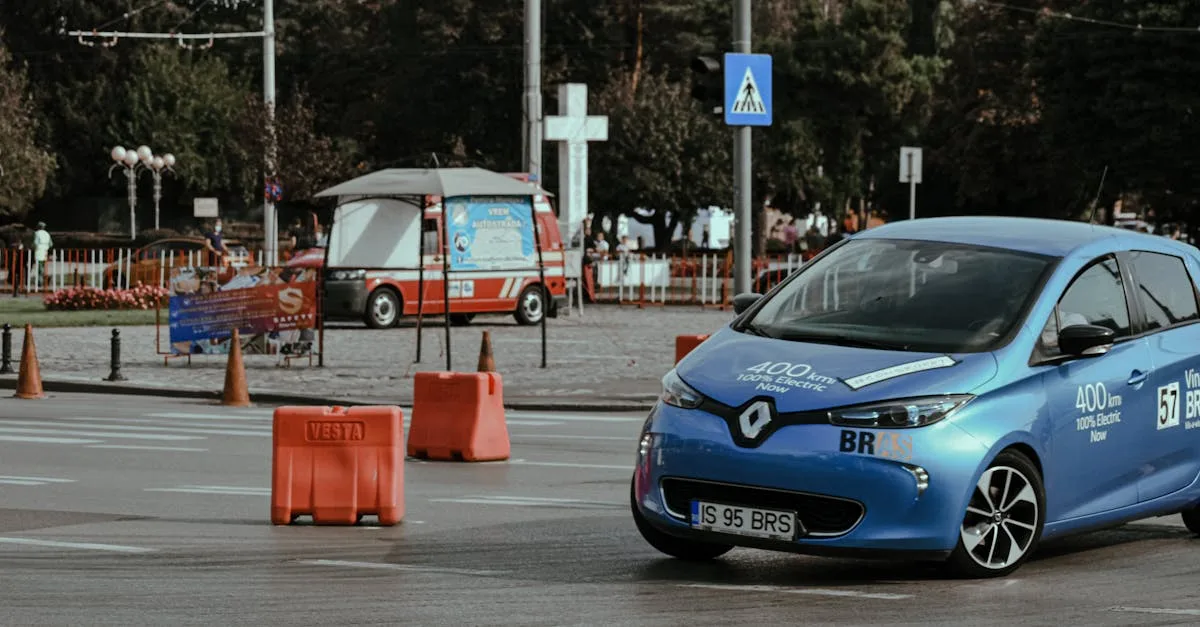
Robotaxis Are Already Here. Just Not Where You Live.
Tesla Q3 2026 Earnings: Flat Revenue, Falling Profits