A 15-page EPA filing, a 293-mile range rating, and zero NHTSA autonomy approval. The Cybercab is now a certified production vehicle without a legal occupant category, neither driver nor passenger, because the regulator hasn't written the rule yet.
Key takeaways
- The Tesla Cybercab's EPA filing confirms a 48 kWh usable battery, a 163 kW (219 hp) front motor, and a 293-mile range rating in a 3,113-lb vehicle.
- That 293-mile range on just 48 kWh comes from drag and mass discipline rather than a big battery.
- The Cybercab has its EPA certificate but no NHTSA autonomy approval, the actual prerequisite for running without a driver.
- Transport Canada has no robotaxi rulebook and Ontario, BC, and Quebec insurers have published nothing on driverless commercial service, leaving any Canadian Cybercab date undefined.
The hardware questions are settled. The car question isn't.
What the EPA Filing Actually Confirms
The filing puts the Cybercab on a 326-volt system with 146 Ah of cell capacity, roughly 50 kWh of nameplate energy, which other readings of the same document land closer to 48 kWh usable, paired with a 219 hp front-mounted motor and a 3,113 lb curb weight. The propulsion side is a single AC permanent magnet unit at 163 kW, front-driven, a configuration that explains the weight number more than the power number does.
The EPA range comes in at 293 miles. That figure deserves a moment: 48 kWh delivering 293 miles is a real efficiency result, the kind that comes from drag coefficient and mass discipline rather than battery brute force. For a two-seat urban duty cycle, the math is defensible. It is, to be fair, a good number.
Production is already happening. Tesla is running supervised robotaxi pilots in a small number of cities, but the nationwide rollout Musk has promised for years has not arrived, and whether the Cybercab itself lands before 2027 is an open question. The certificate of conformity was issued in late May; the vehicle is, technically, introduced into commerce.
What the filing does not resolve is the seating geometry's legal meaning. Whether the person belted into the left seat of the two-person cabin is a driver or a passenger remains to be seen, and that ambiguity is not a Tesla problem. It is a regulator problem with a Tesla deadline attached.
Gear worth having
As an Amazon Associate, ThinkEV earns a small commission from qualifying purchases — at no extra cost to you.

Heavy-Duty Outdoor Timer (Preconditioning)
Schedule your Level 1 charger or block-heater outlet, rated for the outdoors. Warm the battery on grid power before you leave, not on your range.
As an Amazon Associate, ThinkEV earns from qualifying purchases — at no extra cost to you.
The Gap Between Certified and Deployable
EPA certification covers emissions, efficiency, and basic safety conformity. It does not authorize a vehicle to operate without a human driver. That approval lives with NHTSA at the federal level and with state DMVs city by city, and it operates on its own timetable, one that has, historically, moved at the speed of regulatory caution rather than the speed of Tesla earnings calls.
Gear worth having
As an Amazon Associate, ThinkEV earns a small commission from qualifying purchases — at no extra cost to you.

Lectron Level 2 J1772 Charger (40A, WiFi)
Smart WiFi charger with real-time energy monitoring. 40A / 9.6 kW, J1772 with a NEMA 14-50 plug, schedule charging right from your phone.
As an Amazon Associate, ThinkEV earns from qualifying purchases — at no extra cost to you.
The real question remains unchanged: none of these specs matter until Tesla solves unsupervised autonomous driving. The Cybercab is certified, in production, and technically introduced into commerce, but without autonomy approval, it's still a vehicle without a purpose. The Cybercab is the first production EV I can think of whose binding constraint is a regulatory framework that does not yet exist.
In Canada, the layer is thicker. Transport Canada has no robotaxi rulebook. iZEV eligibility for a vehicle with no steering wheel is an unanswered question. Provincial insurance regulators, who decide what gets plated in Ontario, BC, and Quebec, have published nothing on driverless commercial passenger service. A Canadian Cybercab deployment date is not late. It is undefined. Tesla's vision-only autonomy bet now has a real Chinese production-line competitor in Xpeng's GX robotaxi, and Xpeng is solving a similar regulatory puzzle in a market that approves AV pilots faster than North America does.
Gear worth having
As an Amazon Associate, ThinkEV earns a small commission from qualifying purchases — at no extra cost to you.
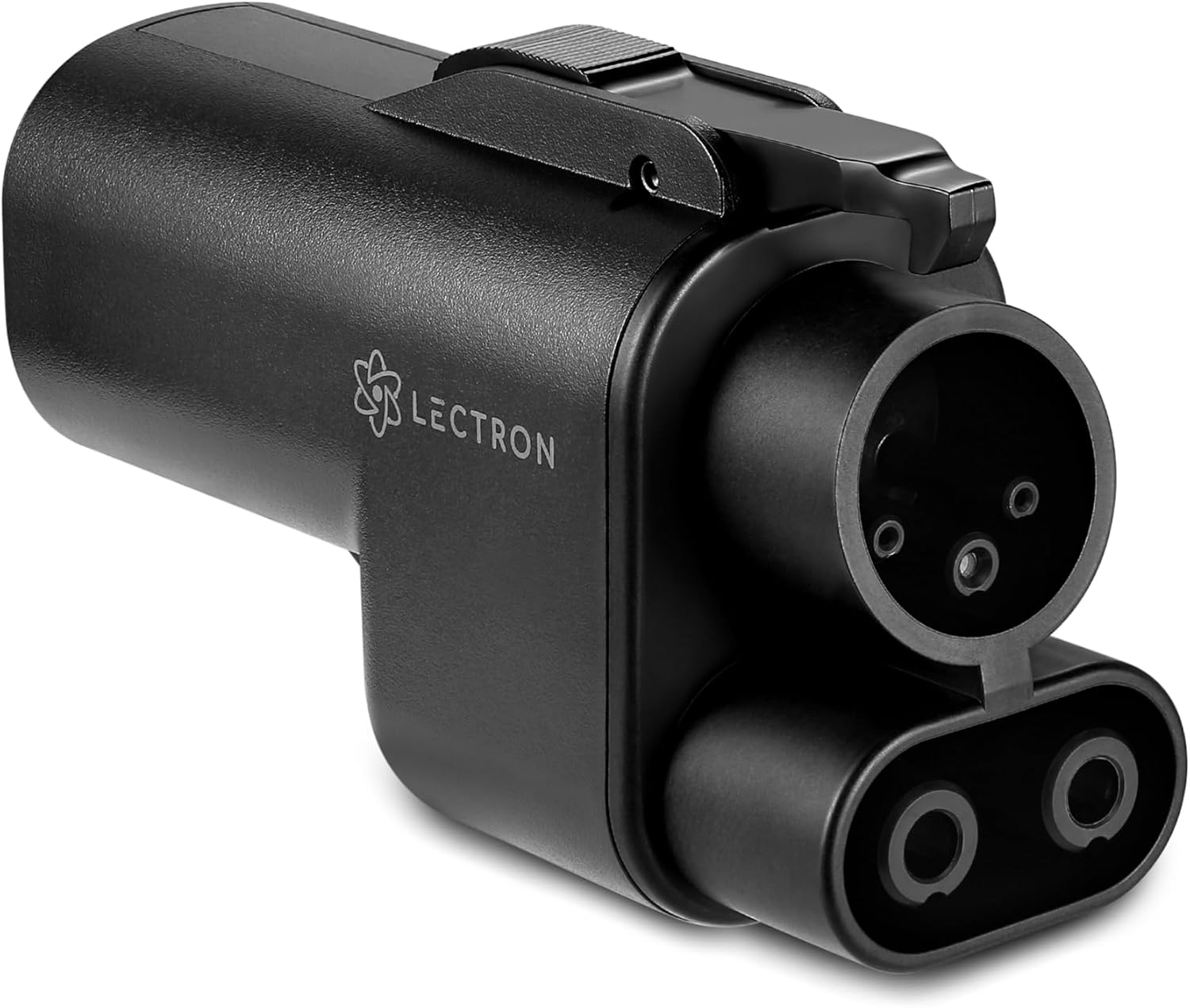
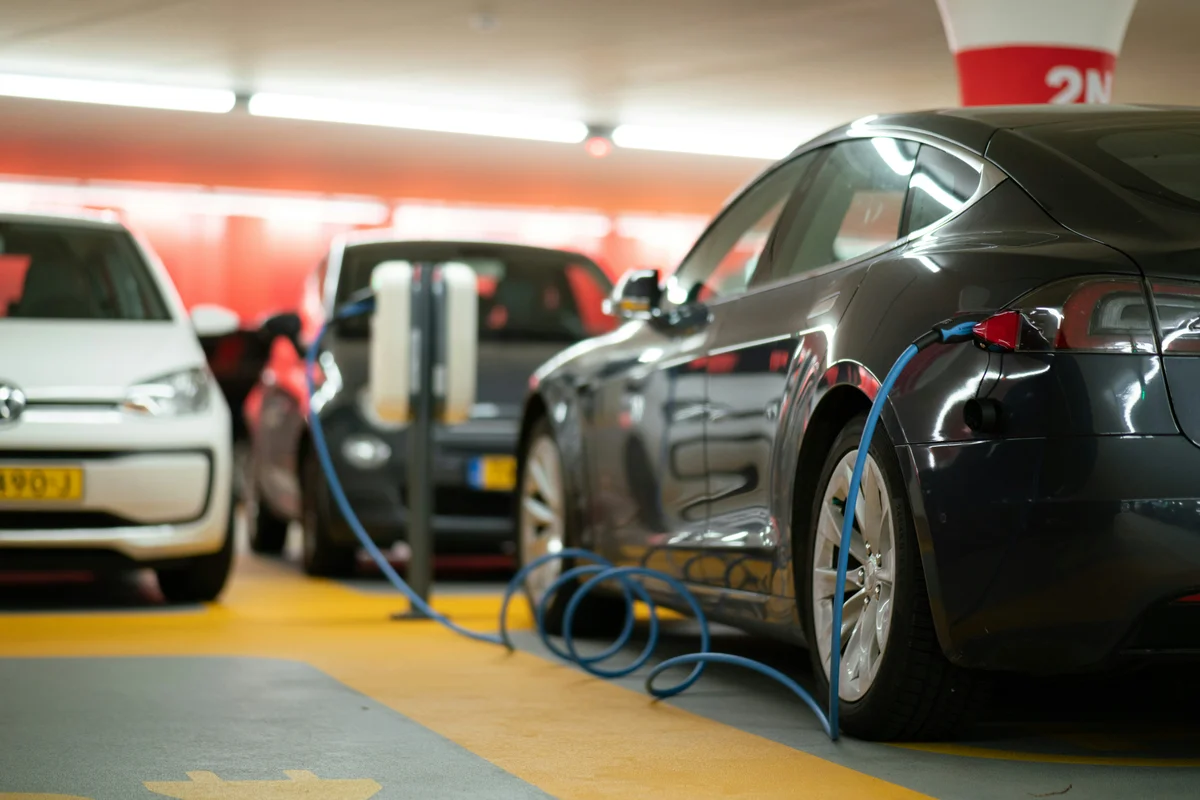
Lectron NACS to CCS Fast-Charge Adapter
Unlock every CCS fast charger for your Tesla, up to 500A DC. Never get stranded at a non-Tesla DC station again.
As an Amazon Associate, ThinkEV earns from qualifying purchases — at no extra cost to you.
Gear worth having
As an Amazon Associate, ThinkEV earns a small commission from qualifying purchases — at no extra cost to you.

Tesla Key Card Holder with AirTag Slot
Stop fishing the keycard out of your wallet, and slot an AirTag in case the car wanders off in a lot.
As an Amazon Associate, ThinkEV earns from qualifying purchases — at no extra cost to you.
The Binding Variable Is NHTSA, Not The Spec Sheet
I'd put the band on meaningful North American Cybercab deployment at 2028 to 2030, and I'm labelling that as an estimate, not a forecast, because the binding variable is NHTSA approval timing and NHTSA has never moved quickly on an AV question. The hardware story is resolved: 48 kWh, 293 miles, 3,113 lb is a coherent engineering answer to "what does a dedicated urban robotaxi look like." The regulatory story is not resolved, and the spec sheet cannot resolve it.
The leading indicator to watch is not Tesla's next earnings call. It is the geographic expansion rate of supervised FSD pilots through Q3 2026. If that map grows city by city on a published cadence, the unsupervised case strengthens. If it stalls, the Cybercab stays a certified product on a factory floor, efficient, in production, and waiting for a permission slip. Tesla used both "Robotaxi" and "Cybercab" interchangeably at the reveal event, alongside a humanoid robot and a 20-passenger Robovan concept, and the production car kept the butterfly doors and the missing handles. The names are settled. The category the car operates in is not.
Gear worth having
As an Amazon Associate, ThinkEV earns a small commission from qualifying purchases — at no extra cost to you.
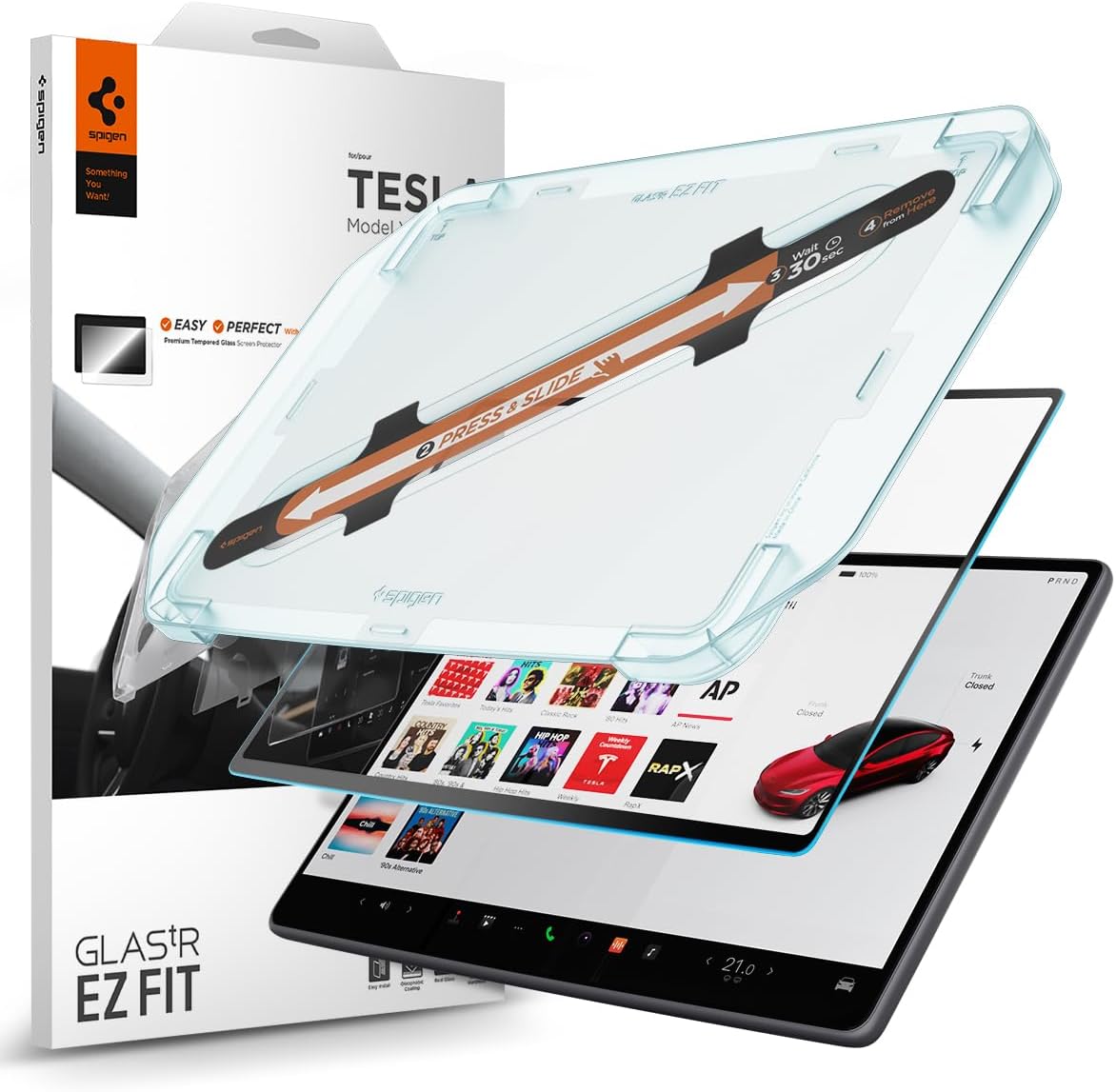
Spigen Tempered Glass for Tesla Model 3/Y
Tempered-glass protection for the touchscreen that kills fingerprints and scratches. Two minutes to install, lasts the life of the car.
As an Amazon Associate, ThinkEV earns from qualifying purchases — at no extra cost to you.

Founder & Chief Editor
Vlad Pereira is the founder and chief editor of ThinkEV.ca, the Canadian electric-vehicle publication he writes and edits from Courtenay, British Columbia. He covers EV pricing, federal and provincial rebates, charging costs, and the Chinese manufacturers now entering Canada, from the buyer's side rather than the press-fleet side. ThinkEV is a venture of Vlad Pereira Online; his writing on health, income and the long game lives at vladpereira.com.
Frequently asked questions
Is the Cybercab eligible for Canada's iZEV rebate?
When could Canadians realistically use a Cybercab?
How does 48 kWh deliver an EPA-rated 293 miles?
What should you watch to gauge whether the autonomy is real?
More EV & road-trip finds
Affordable upgrades worth a look — tap any to check the price on Amazon.
 ★ 87
★ 87Car Window Sun Shades for Kids (4-Pack)
View on Amazon ★ 68
★ 68WeatherTech FloorLiner for Tesla Model 3
View on Amazon ★ 12,051
Windex Electronics Screen Wipes
View on Amazon ★ 419
★ 419RGB Car Interior LED Strip Light
View on Amazon ★ 4,626
HoogaLife Hanging Car Diffuser (2-Pack)
View on Amazon ★ 979
★ 979Leather Headrest Purse Hook
View on Amazon ★ 848
★ 848Coiled USB-C to USB-C Car Cable (2-Pack)
View on Amazon ★ 121
★ 121Foldable Windshield Sun Umbrella
View on AmazonRead, Plan, Then Stay Current
Explore our expert articles to understand incentives and ownership costs, use the map to pressure-test charging reality, then subscribe so new EV coverage comes straight to you.
Continue Reading
Tesla Cybercab Launch Draws NHTSA Probe, Stock Slide
Tesla Cybercab Employee Rides: A Parking-Lot Shuttle
Tesla, Caterpillar and the EV Tech Training Gap
Tesla's 1,000 Texas Robotaxis: Where the Count Sits
Tesla Tests Its Vision-Only Robotaxi as Xpeng Builds