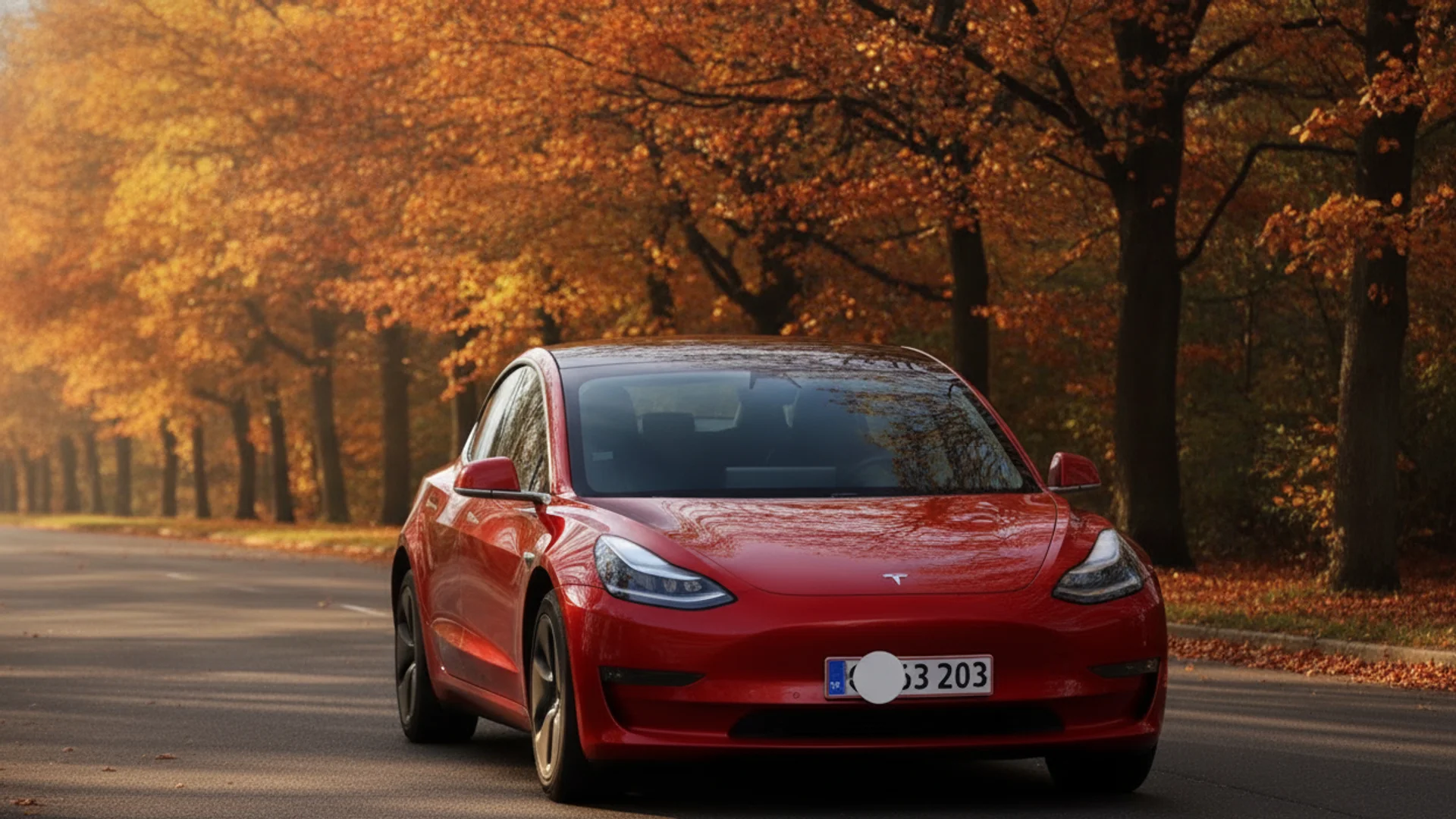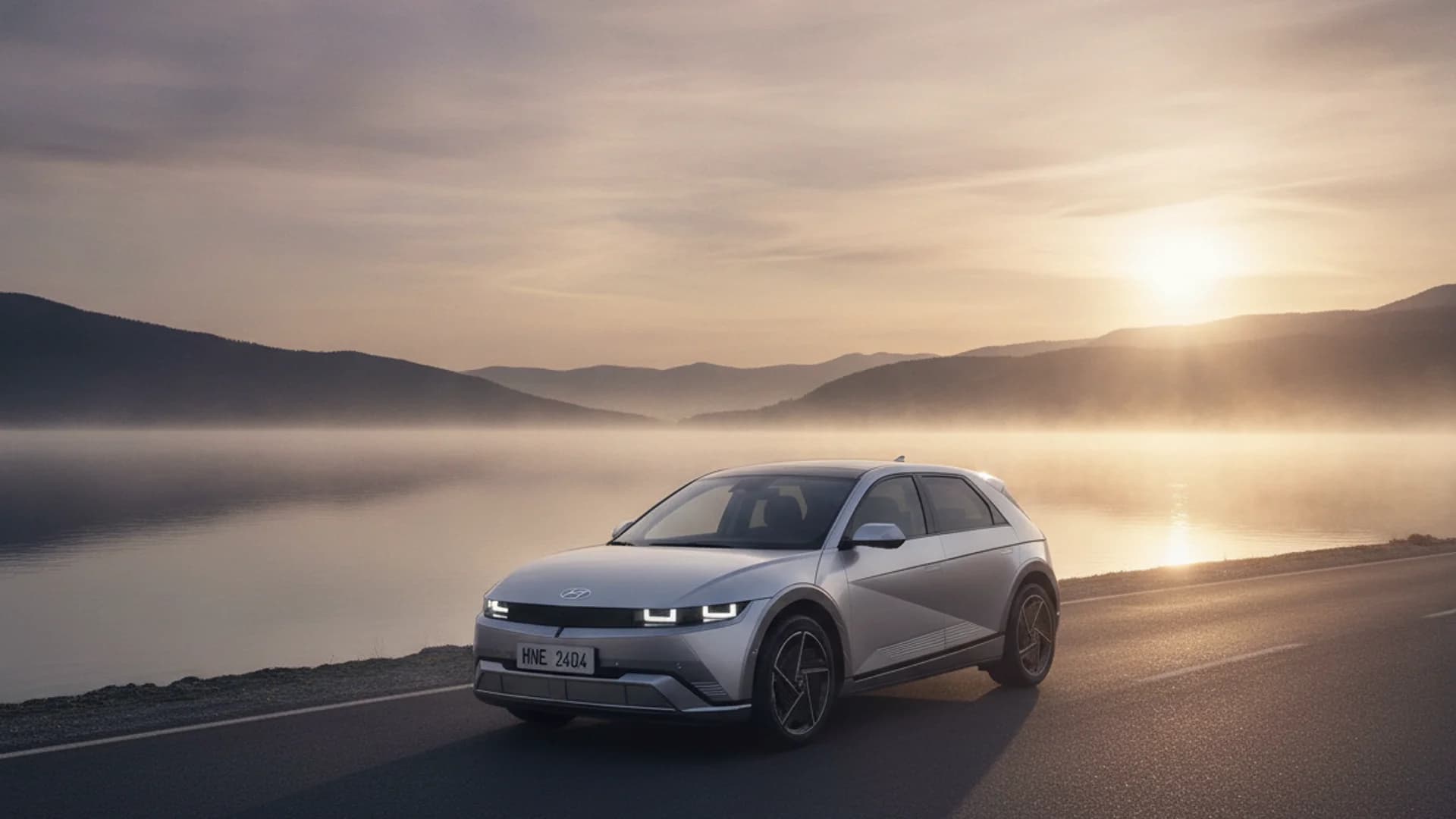
The Trend model marks the start from 24,995 euros. For that money the entry ID. Polo delivers 334 km WLTP on a 37-kWh LFP pack and a 10–80% DC fast charge in roughly 23 minutes, as standard, not as an upgrade. Volkswagen has finally drawn a line under what "affordable European EV" means in 2026. Canada is not on the map.
Key takeaways
- The ID. Polo Trend starts at €24,995 with a 37-kWh LFP pack, 334 km WLTP range, and 23-minute DC fast-charge as standard.
- LFP chemistry tolerates daily 100% charging and degrades slower than NMC, making it a decade-long daily driver.
- Canada currently has zero new BEVs on sale under $35,000, the ID. Polo undercuts that gap by a wide margin.
- VW has not announced a Canadian launch date; a hypothetical landed price would likely run CAD $34,000–$39,000 before the $5,000 EVAP rebate.
- Montreal hit 18% BEV market share in early 2026, a market that would absorb a €24,995 hatchback immediately if VW wanted the volume.
What the 37-kWh Variant Actually Delivers
The 85 kW and 99 kW versions are equipped as standard with a 37 kWh (net) LFP (lithium iron phosphate) version of the new high-voltage battery. Both are front-wheel drive, a quiet break from the rear-drive layout that has defined the ID. family until now, and both open pre-sales immediately. Volkswagen's launch spec sheet puts the 10–80% DC fast-charge window at roughly 23 minutes as standard, not as an option tucked behind a trim jump.
The chemistry choice matters more than the power figures. LFP degrades slowly, tolerates repeated 100% charges, and holds up better than NMC in the calendar-life numbers automakers rarely publish. Choosing it for the entry trim is a signal that VW expects these cars to be daily-driven hard for a decade, not babied. The objection is real, LFP gives up energy density and cold-weather range, and a 37-kWh pack in a Canadian February is not a 334-km pack. That trade is the price of admission at €24,995, and it is the same trade every serious sub-$30,000 EV in the world is now making.
204 miles from 37 kWh is not a headline number. It is the number the physics allows, and the number the price signals, enough for the commute, the school run, and the occasional intercity hop. That is the North American conversion Car and Driver ran on the same spec sheet: a lithium-iron-phosphate battery with a usable capacity of 37 kWh, charging at up to 90 kilowatts on a DC fast-charger, providing 204 miles of range. The LFP entry variant will not sell magazine covers. It will cover the trips a second car actually makes.
The top trim and the promised GTI live above this conversation. The Polo will be available with a new efficient front-wheel drive and in three output levels with 85 kW (116 PS), 99 kW (135 PS) and 155 kW (211 PS).A sporty GTI variant is promised for next year, previewed by the ID.GTI concept from 2023, packing 223 horsepower. For the mass-market question, can a real European automaker ship a real EV at a real entry price, the 37-kWh Trend is the only variant that counts.
Gear worth having
As an Amazon Associate, ThinkEV earns a small commission from qualifying purchases — at no extra cost to you.

Lectron Level 2 J1772 Charger (40A, WiFi)
Smart WiFi charger with real-time energy monitoring. 40A / 9.6 kW, J1772 with a NEMA 14-50 plug, schedule charging right from your phone.
As an Amazon Associate, ThinkEV earns from qualifying purchases — at no extra cost to you.
What Volkswagen's €24,995 Bet Means for the Segment
A sub-$30,000 EV from a legacy European brand with dealer coverage and a warranty book, Car and Driver landed on that framing, and it is the right one. UK pre-order chatter puts the number below £22,000. Either figure resets the reference price for a compliant, warrantied, dealer-serviced EV from a nameplate a first-time EV buyer will actually walk into a showroom to see. CleanTechnica's read on the launch is that the car enables entry into electric mobility at great value for money and is optimally tailored to the requirements of everyday urban life, the exact positioning the segment has been missing.
The comparison that matters for Canadian readers is arithmetic:
Gear worth having
As an Amazon Associate, ThinkEV earns a small commission from qualifying purchases — at no extra cost to you.

Magnetic Car Phone Mount
Snaps your phone to the dash or vent so navigation and charging apps stay in view. The cheapest upgrade that makes every EV drive easier.
As an Amazon Associate, ThinkEV earns from qualifying purchases — at no extra cost to you.
- Sub-$35,000 new BEV in Canada: none currently on sale.
- Closest domestic entry: the Kia EV4 Light, a 58.3-kWh front-drive hatch with a claimed 391 km of range, larger battery, higher trim band, and a price that lands well above the ID. Polo's European entry.
- ID. Polo Trend: €24,995, 37 kWh, 334 km WLTP, 23-minute 10–80% DC.
A skeptic will point out that the Kia gets 17% more range from 58% more battery, and that stripping a car down to a 37-kWh pack shifts the compromise onto the driver. The counter is that most Canadian second cars never see a day above 150 km, the ID. Polo is built for the 80% of trips, not the road-trip edge case, and the price reflects that honesty. The engineering to build a 37-kWh, 334-km, DC-fast-charging entry EV clearly exists. The question is which markets get to buy it, and at what landed price.
The BYD Seagull is the other data point on the same axis, a compact LFP city car built for a $15,000–$20,000 landed band, contingent on the January 2026 tariff cut and the 49,000-unit quota actually delivering vehicles at price. Two very different companies converging on the same conclusion: sub-$30,000 electric transport is now a solved engineering problem. Metro Montreal hit roughly 18% BEV share of new registrations in early 2026, a market that would absorb a €24,995 hatchback overnight if VW Canada wanted the volume.
Gear worth having
As an Amazon Associate, ThinkEV earns a small commission from qualifying purchases — at no extra cost to you.

Grizzl-E Classic Level 2 EV Charger (40A)
Canadian-made and rated for minus 40C winters. 40A / 9.6 kW, NEMA 14-50, indoor/outdoor, 24-ft cable. The charger built for Canadian weather.
As an Amazon Associate, ThinkEV earns from qualifying purchases — at no extra cost to you.
_(14577889490).jpg)
Gear worth having
As an Amazon Associate, ThinkEV earns a small commission from qualifying purchases — at no extra cost to you.

PULIDIKI Car Cleaning Gel (Detailing Putty)
Press it into vents, buttons, and seams and it lifts out dust you did not know was there. Weirdly satisfying, genuinely useful.
As an Amazon Associate, ThinkEV earns from qualifying purchases — at no extra cost to you.
The Number That Would Change This Story
VW has not announced a Canadian launch date for the ID. Polo, in any trim. On the current federal EVAP rebate of up to $5,000 on qualifying BEVs, the €24,995 European price converts well under the $50,000 final-transaction cap, and a Wolfsburg-built car is not excluded on country-of-origin grounds. The rebate math is the easy part.
The trade math is not. Any legacy European EV entering Canada at an entry price band collides with the same US counter-tariff exposure and cross-border logistics overhead that has kept the segment empty. I would put a band on a hypothetical Canadian ID. Polo landed price at CAD $34,000–$39,000 before EVAP, plausible, not confirmed, and dependent on VW's willingness to eat margin on a car engineered for European volume.
Two checkpoints will settle this. First: a Volkswagen Canada on-sale announcement for any ID. Polo trim before the 2027 GTI launch. If the GTI ships in Europe and North America still has no entry Polo, the trade math has beaten the product math. Second: a landed price. If VW Canada quotes above CAD $42,000 for the 37-kWh Trend, the €24,995 headline never crosses the Atlantic in any meaningful form, it becomes a European-only proof point that a segment we cannot buy already exists.
Gear worth having
As an Amazon Associate, ThinkEV earns a small commission from qualifying purchases — at no extra cost to you.

WixGear Magnetic Air Vent Phone Mount (2-Pack)
A magnet strong enough that your phone never flinches over potholes or rail crossings. Two in the box, one for each car.
As an Amazon Associate, ThinkEV earns from qualifying purchases — at no extra cost to you.

Founder & Chief Editor
Vlad Pereira is the founder and chief editor of ThinkEV.ca, the Canadian electric-vehicle publication he writes and edits from Courtenay, British Columbia. He covers EV pricing, federal and provincial rebates, charging costs, and the Chinese manufacturers now entering Canada, from the buyer's side rather than the press-fleet side. ThinkEV is a venture of Vlad Pereira Online; his writing on health, income and the long game lives at vladpereira.com.
Frequently asked questions
Would the ID. Polo qualify for Canada's $5,000 federal EV rebate?
How bad does LFP range get in a Canadian winter?
What's the closest thing Canadians can actually buy right now?
What price would the ID. Polo actually land at in Canada?
Is the GTI version coming to North America before the base model?
More EV & road-trip finds
Affordable upgrades worth a look — tap any to check the price on Amazon.
 ★ 1,349
Cool Swinging Duck Dashboard Ornament
View on Amazon ★ 12,396
K KNODEL Car Trash Can with Lid
View on Amazon ★ 15,014
Spigen Tempered Glass for Tesla Model 3/Y
View on Amazon ★ 121
★ 121Foldable Windshield Sun Umbrella
View on Amazon ★ 268
★ 268Anti-Slip Leather Steering Wheel Cover
View on Amazon ★ 9,349
Auto Detailing Brush Set (10-Piece)
View on Amazon ★ 419
★ 419RGB Car Interior LED Strip Light
View on Amazon ★ 1,083
Crystal Push-Start Button Ring (2-Pack)
View on AmazonRead, Plan, Then Stay Current
Explore our expert articles to understand incentives and ownership costs, use the map to pressure-test charging reality, then subscribe so new EV coverage comes straight to you.
Continue Reading
BYD Seagull Canada Price: The $15K-$20K EV in 2026

Citroën 2CV Returns: €15,000 EV, Egg Compartment Intact

10–97% in 9 Min: Sunwoda Joins the Flash Charging Race
MG Motors Philippines Launches S5 EV at ₱1.4M
Audi A2 e-tron: 401-Mile Range, ~$45,000 Entry Point