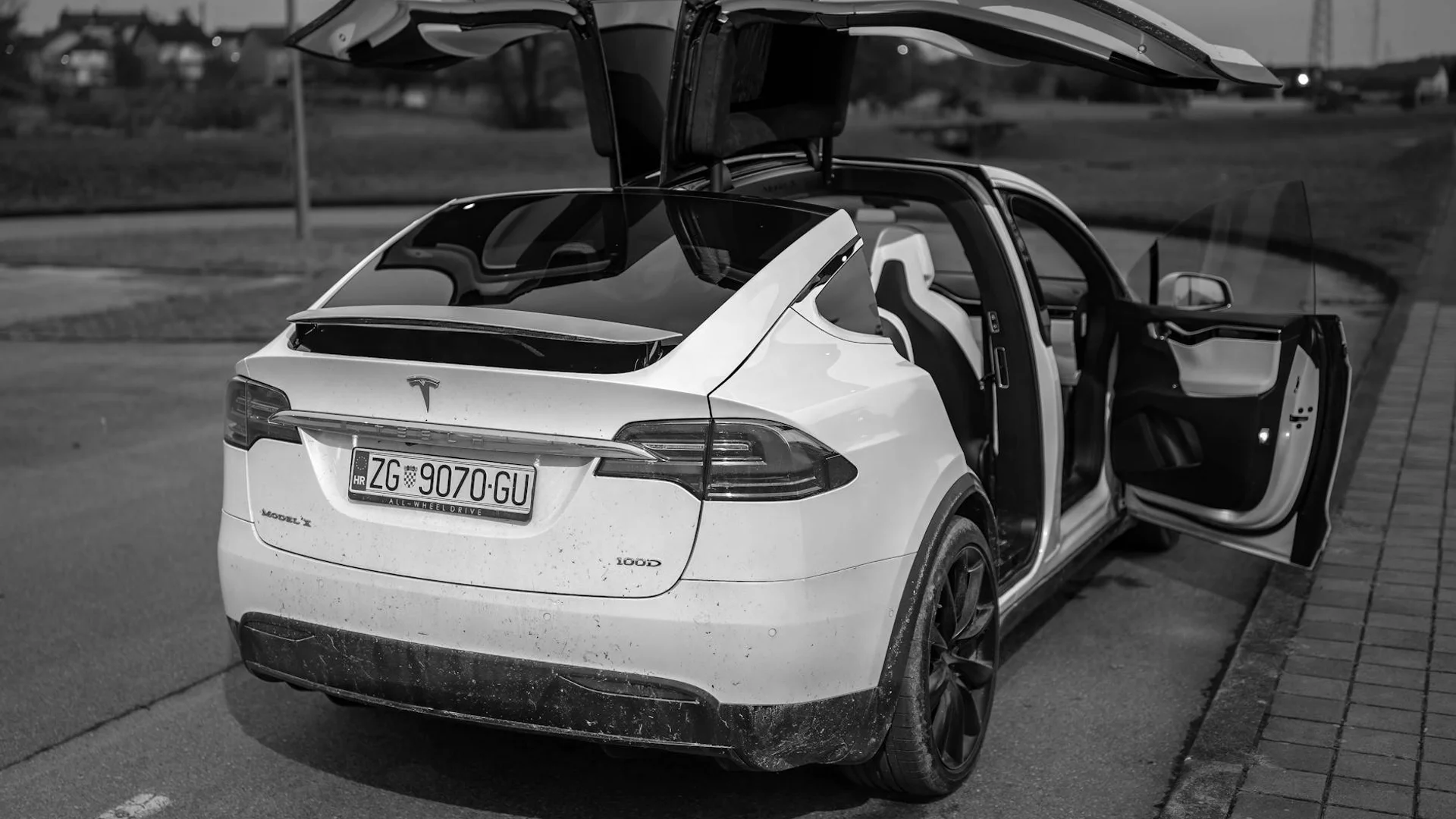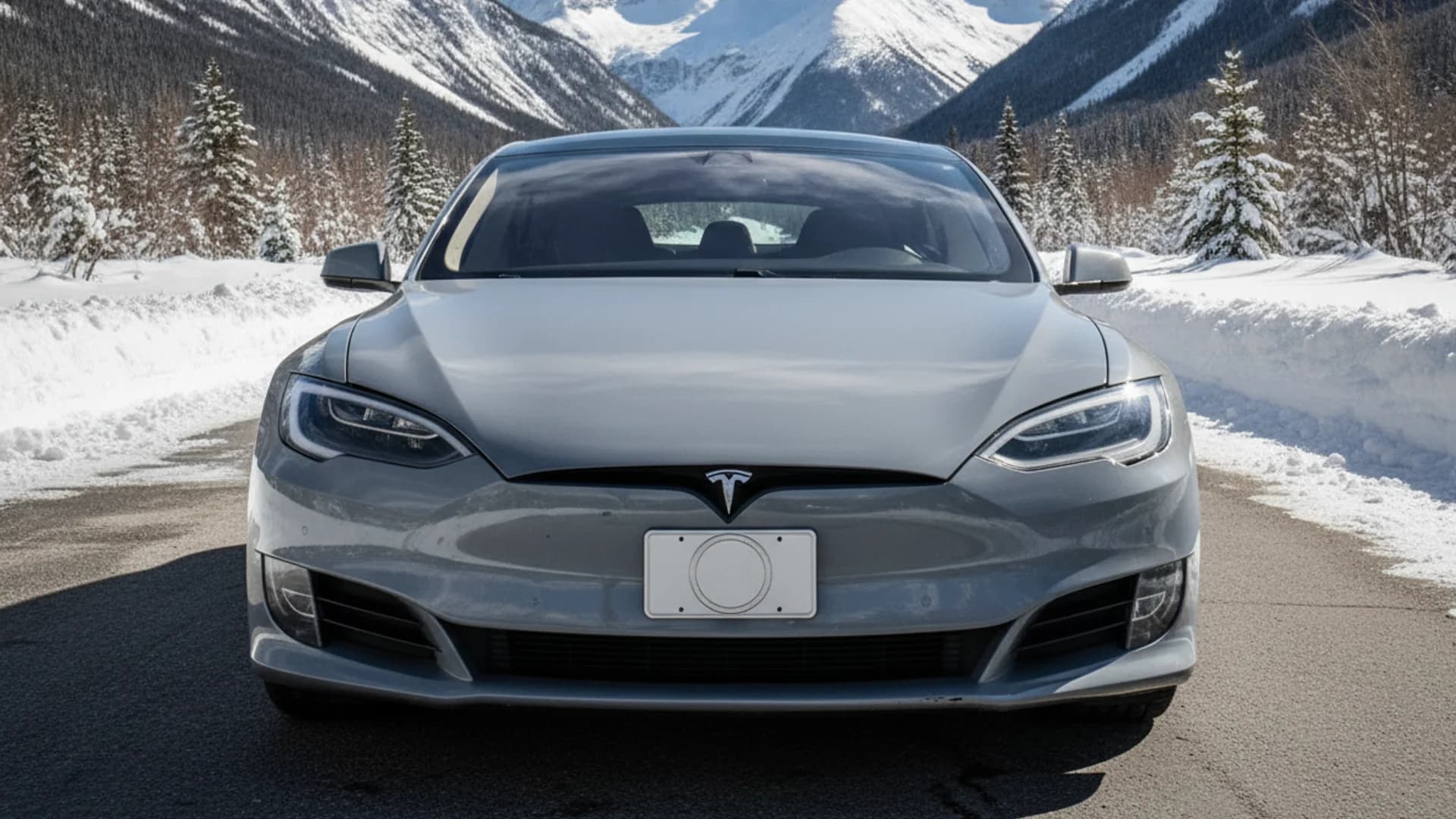
More than 150 Cybercabs are staged at Gigafactory Texas. Tesla's announcement this week: they might drive employees around the parking lot. Two Tesla accounts pushed the "employee rides starting soon" line to roughly 2.9 million combined views, with no route, no schedule, and no supervision model attached. That is the story, the absence of every operational detail that would turn a photo op into a milestone.
Key takeaways
- Over 150 Cybercabs sit staged at Giga Texas, but 'employee rides' means a closed campus loop, not Austin streets.
- Engineering tests that began June 30 still had a human safety monitor aboard, no driverless customer rides yet.
- Waymo already charges passengers in Austin; Tesla's vision-only stack is still charging employee badges inside the fence.
- The real milestone isn't the ride, it's a Texas permit naming Tesla for unsupervised public-road operation.
- Xpeng's GX robotaxi is already rolling off a Guangzhou production line, putting competitive pressure on Tesla's timeline.
What Tesla Actually Announced, and What It Left Out
The announcement's ambiguity is load-bearing. "Cybercab employee rides at Giga Texas" is compatible with a closed-campus shuttle loop, a lot-to-lot ferry, or something a step short of either. It is not compatible, on its face, with the thing the phrasing is engineered to imply, a Tesla-branded robotaxi service moving real passengers through Austin traffic.
The recent history matters. Engineering tests in Austin began June 30, with a human "safety monitor" aboard the vehicle during the runs, not driverless customer rides. Steering-wheel-less units only started appearing on public roads in the past couple of weeks; before that, every Cybercab spotted on Texas streets carried manual controls and a Tesla employee behind the wheel.
The production math is real, and it is the strongest part of the story. Drone footage puts 100-plus finished units on the outbound lot at Giga Texas, with the broader Texas count above 150. Volume is not the question. Deployment readiness is. A staged fleet with door decals is a supply-side milestone; it says nothing about the regulatory, software, or liability categories that separate a factory yard from a public street. For a fuller read on where the hardware actually is, the Cybercab EPA filing confirms the battery and range specs, the autonomy approval, the part that makes it a robotaxi, is not confirmed anywhere.
Gear worth having
As an Amazon Associate, ThinkEV earns a small commission from qualifying purchases — at no extra cost to you.

Lectron Level 2 J1772 Charger (40A, WiFi)
Smart WiFi charger with real-time energy monitoring. 40A / 9.6 kW, J1772 with a NEMA 14-50 plug, schedule charging right from your phone.
As an Amazon Associate, ThinkEV earns from qualifying purchases — at no extra cost to you.
A Parking Lot Is Not Austin, and Austin Is Not the Launch
Waymo already runs a commercial robotaxi service in Austin. That is the implicit benchmark, and a controlled campus loop sits several regulatory and operational categories below it. Waymo, Tesla FSD, and Cruise took three very different roads to the same problem; the scoreboard in Austin right now favours the lidar stack that is charging passengers, not the vision-only stack that is charging employee badges.
The Cybercab uses a more powerful FSD hardware variant than the current fleet, and the vehicle itself is a two-passenger battery-electric self-driving car under development, under development being the operative phrase. Unsupervised public operation requires a regulatory green light Tesla has not disclosed receiving. The sub-$30,000 price target and the $0.20-per-mile cost claim remain floating: no anchored delivery date, no committed production volume, no named permit.
The number to watch is not the view count on the announcement tweet. It is the day Tesla runs a Cybercab outside the factory fence, with no safety monitor, under a named Texas permit. Until then, "employee rides at Giga Texas" is a parking-lot shuttle in the same sense that a treadmill is a marathon. Meanwhile, Xpeng's GX robotaxi rolled off a real production line in Guangzhou, the vision-only race now has a competitor putting the same bet on a public road.
Gear worth having
As an Amazon Associate, ThinkEV earns a small commission from qualifying purchases — at no extra cost to you.

VIOFO A229 Pro 4K Dash Cam
4K front plus 2K rear with parking mode and GPS. Your silent witness for insurance claims, with always-on sentry recording while parked.
As an Amazon Associate, ThinkEV earns from qualifying purchases — at no extra cost to you.
Gear worth having
As an Amazon Associate, ThinkEV earns a small commission from qualifying purchases — at no extra cost to you.
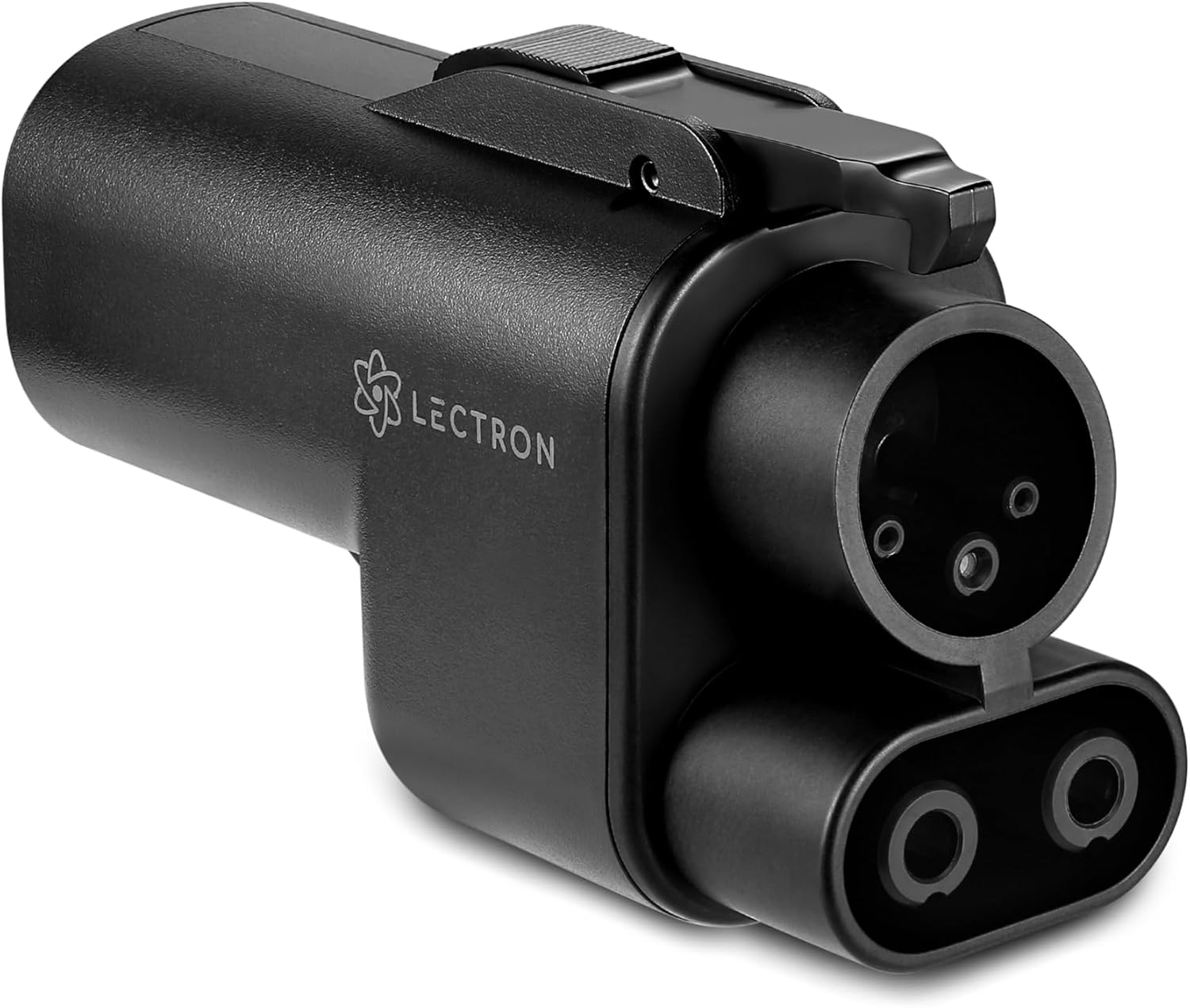
Lectron NACS to CCS Fast-Charge Adapter
Unlock every CCS fast charger for your Tesla, up to 500A DC. Never get stranded at a non-Tesla DC station again.
As an Amazon Associate, ThinkEV earns from qualifying purchases — at no extra cost to you.
Gear worth having
As an Amazon Associate, ThinkEV earns a small commission from qualifying purchases — at no extra cost to you.

Tesla Key Card Holder with AirTag Slot
Stop fishing the keycard out of your wallet, and slot an AirTag in case the car wanders off in a lot.
As an Amazon Associate, ThinkEV earns from qualifying purchases — at no extra cost to you.
The Milestone That Would Actually Count
The milestone is not the ride. It is the permit. When a Texas regulator names Tesla in the same sentence as "unsupervised" and a public street address, the announcement is worth 2.9 million views. A closed loop through a factory lot, with a Tesla employee in the passenger seat and the safety monitor's job description quietly unchanged, is a shakedown test with better marketing. The Cybercab yard is full. The regulatory filing cabinet, as far as anyone outside Tesla can see, is not.
Gear worth having
As an Amazon Associate, ThinkEV earns a small commission from qualifying purchases — at no extra cost to you.

70mai A810 4K Dual Dash Cam
4K front and 2K rear with STARVIS 2 HDR night vision and 24/7 parking surveillance, recording while parked without draining the 12V. A budget alternative to Tesla Sentry.
As an Amazon Associate, ThinkEV earns from qualifying purchases — at no extra cost to you.

Founder & Chief Editor
Vlad Pereira is the founder and chief editor of ThinkEV.ca, the Canadian electric-vehicle publication he writes and edits from Courtenay, British Columbia. He covers EV pricing, federal and provincial rebates, charging costs, and the Chinese manufacturers now entering Canada, from the buyer's side rather than the press-fleet side. ThinkEV is a venture of Vlad Pereira Online; his writing on health, income and the long game lives at vladpereira.com.
Frequently asked questions
Does Tesla have a Texas permit for unsupervised public Cybercab operation?
How does the Cybercab's hardware differ from Tesla's current FSD fleet?
What would it actually cost to ride one if Tesla hits its targets?
How far ahead is Waymo in Austin right now?
Is any other company building a vision-only robotaxi that competes with the Cybercab?
More EV & road-trip finds
Affordable upgrades worth a look — tap any to check the price on Amazon.
 ★ 12,834
P3 Kill A Watt Electricity Usage Monitor
View on Amazon ★ 61
★ 61Toddler Car Seat Snack and Cup Tray
View on Amazon ★ 17,839
Qifutan Vent Phone Mount (Military-Grade Clip)
View on Amazon ★ 4,050
Touchscreen Mist Screen Cleaner Kit
View on Amazon ★ 537
★ 537USB Star Projector Roof Light
View on Amazon ★ 401
★ 401Crochet Daisy Rear-View Mirror Charm
View on Amazon ★ 4,424
Sun Visor Card and Document Organizer
View on Amazon ★ 21,310
Magnetic Car Phone Mount
View on AmazonRead, Plan, Then Stay Current
Explore our expert articles to understand incentives and ownership costs, use the map to pressure-test charging reality, then subscribe so new EV coverage comes straight to you.
Continue Reading
Tesla Cybercab Launch Draws NHTSA Probe, Stock Slide
Tesla Cybercab Specs Confirmed by EPA, Autonomy Still Missing
How Tesla Pressured EU Regulators to Approve FSD in 2026
Tesla, Caterpillar and the EV Tech Training Gap
Tesla's 1,000 Texas Robotaxis: Where the Count Sits