Chery is offering a 7-year unlimited-kilometre warranty on its EVs entering Canada. As of April 2026, the company has zero authorized EV service centres in the country. If a battery module fails in Fort St. John, the nearest technician may be 500 kilometres away, and replacement parts ship by sea from Ningbo, a journey of roughly six weeks. The warranty covers the car. The infrastructure to honour it does not exist yet.
Key takeaways
- As of April 2026, Chery has zero authorized EV service centres in Canada, so its 7-year unlimited-kilometre warranty has no local enforcement mechanism.
- The warranty covers only LFP-battery vehicles, excludes towing and commercial use, and voids if you miss the required annual inspection at an authorized centre.
- A 2025 J.D. Power study found 68% of EV battery replacements happen between 6 and 10 years of ownership, the window that opens right as Chery's 7-year coverage expires.
- BYD offers a comparable 7-year unlimited-km warranty but adds protection against battery capacity falling below 70%, a guarantee Chery's does not include.
- Chery's entire Canadian operation in April 2026 is three employees in a leased Mississauga office, with parts shipped by sea from Ningbo, a six-week journey that alone could stretch a warranty repair past five weeks.
We're not talking about bumper-to-bumper coverage on a gasoline hatchback here. We're talking about full powertrain and battery protection on electric vehicles that are expected to last 20 years and 500,000 km. That's a radical shift from the old model where a car was lucky to see 250,000 km before the transmission slipped. EVs last longer mechanically, but their high-voltage systems, particularly the battery, are expensive, complex. And still relatively unproven in cold climates like Canada's. And Chery isn't just promising coverage, they're promising it on vehicles that haven't even arrived in dealerships yet. The tradeoff is always transparency. When a brand is new to a market, its warranty can feel like a promise without an enforcement mechanism.
What happens when a Chery owner in Fort St. John, BC, needs a battery replacement? Will there be a certified technician within 500 km? Will parts be in stock? Or will that "unlimited" warranty turn into a six-month wait and a $3,000 rental car bill? Canadian buyers should know that unlimited kilometres only matter if the service network can actually act on the promise. And right now, Chery's footprint in Canada is paper-thin, more PowerPoint than pavement. 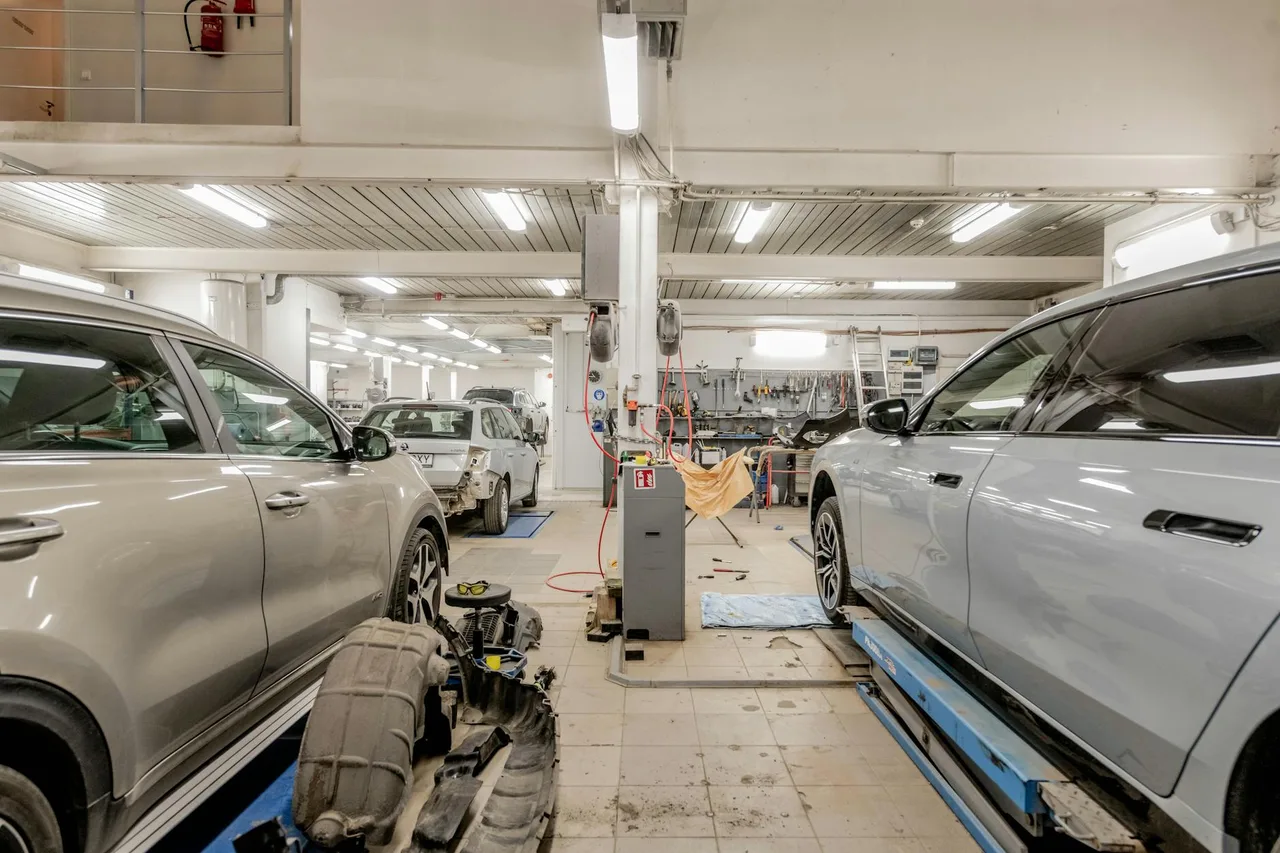
The Fine Print Behind "Unlimited", What Chery's Warranty Actually Covers
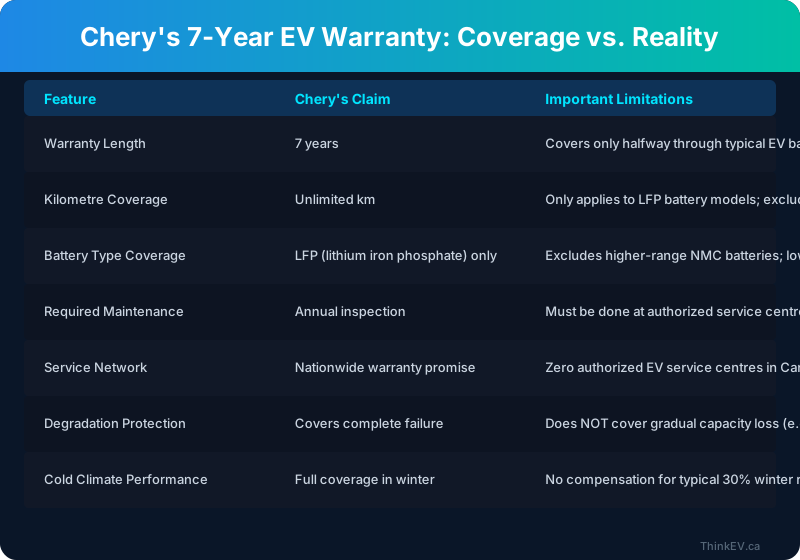
Chery's warranty announcement made headlines: "7 years, unlimited kilometres, full powertrain and battery coverage." That's the headline. But buried in the footnote, literally, on the bottom of their global press release, is a different story. The warranty applies only to vehicles equipped with LFP (lithium iron phosphate) batteries, excludes damage from commercial use or towing. And requires annual inspections at authorized service centres. And here's the catch: as of April 2026, Chery has zero authorized EV service centres in Canada. The fine print tells a different story about what "unlimited" really means. A 7-year warranty sounds long, and it is, compared to the 3-year terms Ford once offered on early Focus Electrics.
But in EV terms, 7 years is barely halfway through a battery's expected life. Most automakers now design EV batteries to retain at least 70% capacity after 10 years or 320,000 km, whichever comes first. That means Chery's warranty expires just as the real long-term degradation questions begin. It's like offering a 10-year roof warranty that ends at year 7, technically true, but incomplete. And while the unlimited kilometre clause sounds generous, it's not unique. BYD, another Chinese automaker, offers a similar 7-year unlimited km warranty on its LFP-equipped models like the Dolphin and Seal. But BYD has spent years building out service centres in Europe and Southeast Asia. Chery hasn't.
In Canada, where service density is already a challenge for mainstream brands, the lack of infrastructure raises serious doubts. For example, if you drive 40,000 km a year, not uncommon for rural or fleet drivers, you'll hit 280,000 km in 7 years. That's more than a typical taxi in Toronto logs in a decade. But can Chery support that kind of usage in a country where their brand is still unknown? The battery chemistry matters, too. Chery's warranty only covers LFP batteries, not NMC (nickel manganese cobalt). That's a telling choice. LFP batteries are cheaper, safer. And more durable over time, they can handle more charge cycles and are less prone to thermal runaway.
But they also have lower energy density, which means heavier packs and shorter range for the same size. The tradeoff is clear: Chery is using LFP to reduce warranty risk, not to give drivers more range. That's smart from a business perspective, but it's not the same as engineering superiority. LFP batteries can last 3,000 to 5,000 full charge cycles before dropping below 80% capacity. In real terms, that's enough to drive from Vancouver to Halifax and back, twice, on a single battery. But the warranty doesn't guarantee capacity retention. It only covers outright failure. So if your Chery SUV loses 30% of its range after 6 years due to normal degradation, that's on you. The warranty won't help.
And in Canadian winters, where EV range can drop by 30% in cold weather alone, that could mean a vehicle rated at 400 km ends up with 200 km of usable winter range, barely enough for a round trip from Ottawa to Montreal. that "unlimited" doesn't mean "no limits." It means the kilometre counter won't void your claim. But other factors will. The warranty excludes damage from off-roading, towing, or "aggressive charging", a vague term that could include routinely using 150 kW+ fast chargers.
And given that Chery's upcoming models are built on the same platform as the Jetour brand, which has reported thermal management issues in desert testing, there's reason to question how well these batteries will handle extreme cold. Quebec and Alberta already see EV battery degradation rates 10–15% higher than in milder climates, thanks to repeated deep discharges in sub-zero temperatures. Chery's warranty also requires annual inspections. Miss one, and the warranty could be voided. That's standard practice, Tesla does the same, but it's a trap for forgetful owners. And with no local dealerships, how do you schedule an inspection? Do you drive to Vancouver from Prince George just to get a software check? That's 700 km round trip.
Over 7 years, that's 4,900 km of warranty-maintenance driving, almost 2% of the average Canadian's total vehicle use. The tradeoff is autonomy. You get unlimited kilometres, but only if you follow the rules to the letter. And what about parts? If a battery fails, Chery claims it can replace modules individually. That's better than a full pack swap, which can cost $15,000 to $20,000. But module-level repair requires diagnostic tools, trained technicians, and inventory, none of which exist in Canada yet. Even Kia, which has been here for 30 years, struggled to get parts for its early Niro EVs. Owners report 8-week wait times for battery replacements in 2023. Chery won't have the advantage of an established supply chain.
Their parts will likely come from China, shipped by sea, a 6-week journey from Ningbo to Vancouver. The warranty might cover the repair, but it won't cover your rental car. Warranties are only as good as the company behind them. Chery's parent company, Chery Automobile Co. Ltd., reported $22 billion USD in revenue in 2025, a 31% jump from 2024. That sounds strong, but only 8% of that came from outside China. Their North American ambitions are still in early stages. They're not like Geely, which owns Volvo and Polestar and has deep roots in Europe. Chery is betting big on international growth, but their EV division, iCar, is less than four years old.
They're not Lucid Motors, where are they made? (in Casa Grande, Arizona, with U.S. battery supply). They're not Rivian, which has a dedicated service fleet and mobile repair units. They're a brand trying to break in, and warranties are their entry ticket. The data shows that new EV brands with aggressive warranties often struggle to deliver. Fisker, for example, offered a 4-year/50,000 km warranty, far shorter than Chery's, and still went bankrupt before honouring most claims. Their Karma SUVs now have no support network in Canada. And Tesla sales decline owner backlash has been growing, not because of the cars. But because service delays and cancellations have eroded trust.
A warranty is only valuable if the company survives long enough to pay it. So when Chery says "unlimited," what they really mean is: "We'll cover mechanical and electrical failure due to manufacturing defects, as long as you drive normally, charge gently, live near a service centre. And we're still in business." That's not nothing. But it's not the ironclad guarantee it sounds like.
Gear worth having
As an Amazon Associate, ThinkEV earns a small commission from qualifying purchases — at no extra cost to you.

Grizzl-E Classic Level 2 EV Charger (40A)
Canadian-made and rated for minus 40C winters. 40A / 9.6 kW, NEMA 14-50, indoor/outdoor, 24-ft cable. The charger built for Canadian weather.
As an Amazon Associate, ThinkEV earns from qualifying purchases — at no extra cost to you.
How Chery's Warranty Compares to the Global EV Field
Let's rank the competition, not by marketing buzz, but by what drivers actually get. The best overall warranty in the EV market today isn't from Tesla or BMW. It's from BYD. Their 7-year unlimited km coverage on LFP models includes battery degradation below 70%, a rare promise that actually protects against capacity loss. That's different from Chery, which only covers total failure. BYD's warranty has been tested in Norway, where EVs dominate and winters are harsh. Over 120,000 BYD vehicles are on Scandinavian roads, and their warranty claim rate is under 1.2%, a sign of real durability. Chery's warranty is best for high-mileage drivers who want peace of mind without commercial use. But it's not best overall.
Hyundai and Kia offer 10-year/160,000 km battery warranties, shorter in kilometres but longer in time. That matters because EVs often outlast their kilometre limits. A 2017 Kia Soul EV owner in Waterloo just hit 380,000 km and still has 78% battery health. That car would be out of warranty under Chery's plan, but still covered under Kia's 10-year clock. The tradeoff is range. Kia's newer Niro EV uses NMC batteries, which degrade faster in cold weather than LFP. So while the warranty is longer, the battery may not last as long in Canadian conditions. Tesla's warranty is simpler: 8 years or 192,000 km, whichever comes first, with minimum 70% capacity retention guaranteed.
That's strong, and Tesla backs it with a massive service network. But Tesla sales decline Sweden Musk backlash has shown that even strong warranties can't survive brand erosion. In Sweden, Tesla deliveries dropped 41% in early 2026 after Musk's controversial statements alienated environmentally conscious buyers. The warranty didn't change, but trust did. A warranty is only as strong as the brand's reputation. Nio takes a different approach. Instead of long warranties, they offer battery swap stations and ownership models where you lease the battery separately. That way, degradation isn't your problem, it's theirs. Nio's "Battery as a Service" (BaaS) plan means you pay a monthly fee, and they guarantee 70% health for 150,000 km.
If it drops below, they swap it. No claims, no waiting. The tradeoff is cost. BaaS adds about $120/month to your payment, roughly what a lot of people pay for an extra insurance rider. But it eliminates range anxiety. Nio's battery swap network covers 90% of China's expressways. They're planning to bring chery nio battery swap models to Canada by 2027, but details are scarce. Then there's Geely's Zeekr brand, which offers an 8-year/unlimited km warranty on its 1,000 km range models. But only if you use their recommended charging network. Step outside it, and the warranty is void. That's a big restriction, like buying a phone that only works on one carrier.
The numbers tell a different story about freedom. Unlimited kilometres mean nothing if your charging options are limited. Chery's warranty looks strong on paper, but it doesn't include capacity retention guarantees, mobile service, or battery leasing options. It's a traditional warranty in a market moving beyond them. And unlike Lucid Motors, where are they made? (in Arizona, with U.S. battery cells), Chery's supply chain is still heavily China-dependent. That could be a risk if trade tensions rise or shipping costs spike. The best for cold climate protection? That's still Porsche.
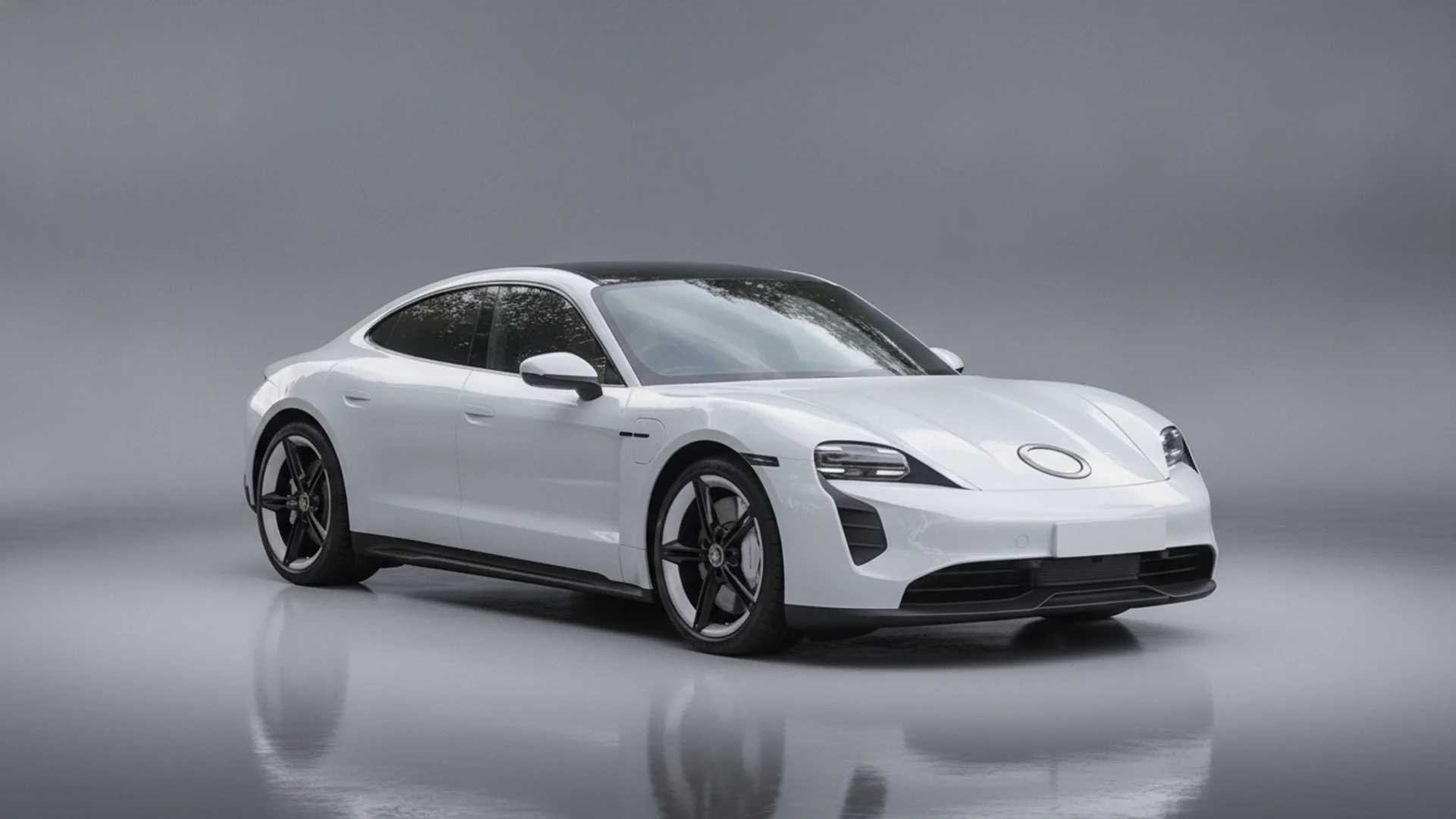
Their Taycan comes with an 8-year/160,000 km battery warranty and a cold-weather durability addendum: if your battery drops below 65% in the first 4 years due to winter use, they'll replace it. That's specific, enforceable, and rare. Porsche tested the Taycan in Yellowknife at -40°C for three winters. They know what they're covering. And what about sodium ion battery backup systems? They're emerging as a low-cost, cold-tolerant alternative. CATL, the world's largest EV battery maker, is rolling out sodium ion packs that work reliably at -20°C. They're less energy-dense than lithium, but perfect for fleet vehicles or secondary batteries. Chery hasn't announced plans to use them, but BYD has started testing sodium ion in its E-Vali delivery vans.
A sodium ion battery for home backup could cost 30% less than lithium, making it attractive for rural EV owners who need off-grid charging. But it's still early days. Solid state battery backup is another frontier. Toyota and Nissan are racing to launch solid state EVs by 2028. These batteries charge in 10 minutes, last 1,000 km, and are much safer. But they're expensive, early estimates suggest a $10,000 premium per vehicle. Solid state battery what are they made of? Sulfide-based electrolytes and lithium metal anodes, not flammable liquids. That means fewer fires, longer life. But mass production is still years away. Chery isn't in that race yet.
Their focus is on scaling LFP, not moonshot tech. , most EV warranties are designed to minimise claims, not maximise driver protection. They're priced based on expected failure rates. Chery's bet is that LFP batteries in moderate climates will fail so rarely that a 7-year unlimited km warranty won't cost them much. And they're probably right, for the first few years. But Canada isn't a moderate climate. A study by Natural Resources Canada found that EVs in Manitoba and Saskatchewan see 12–18% faster battery degradation than in British Columbia, due to extreme cold and long heating cycles. And EV towing range loss history and background shows another risk. Towing a 1,500 kg trailer can cut EV range by 40–60%.
Gear worth having
As an Amazon Associate, ThinkEV earns a small commission from qualifying purchases — at no extra cost to you.

AstroAI Portable Tire Inflator
One tap, it inflates to your exact PSI then stops automatically. Low tires cost 5 to 10 percent of your range, so this pays for itself in a week.
As an Amazon Associate, ThinkEV earns from qualifying purchases — at no extra cost to you.
The Ford F-150 Lightning loses about 50% of its range when towing. That puts extra strain on the battery and motor. Chery's warranty explicitly excludes towing damage. So if you haul a boat from Lake of the Woods to Thunder Bay every summer, you're on your own. that warranty comparisons aren't just about years and kilometres. They're about real-world conditions, support networks, and fine print. Chery's offer is aggressive, but it's not the most comprehensive. It's a calculated risk, one that makes sense for low-usage drivers in cities, but less so for rural or high-mileage users. And while Tesla Cybertruck faces challenges with plunging sales and production cutbacks, its warranty hasn't changed.
But with fewer service centres opening and longer wait times, even a good warranty is harder to claim. The trend is clear: the best warranties now come with service guarantees, like mobile repairs, loaner vehicles, or guaranteed turnaround times. Chery offers none of that. The tradeoff is always scope. You can have long coverage, or broad coverage, but rarely both. Chery chose long and narrow. Whether that's enough depends on how you drive, and where.
The Hidden Cost of Warranty Promises, What Happens When Brands Fail?
Warranties aren't free. They're priced into the vehicle, yes, but they're also backed by financial reserves, service networks, and long-term brand strategy.
When a company offers a generous warranty, it's not just making a customer promise. It's making a bet on its own survival. Chery is betting that its EVs will be reliable enough. And its market position strong enough, that warranty claims will stay low and profits will cover the rest. But history shows that even smart bets can fail. Take Fisker. Their Ocean SUV came with a 4-year/50,000 km warranty, modest by today's standards. But when the company ran out of cash in 2024, the warranty became worthless overnight. No service centres, no parts, no support. Canadian owners who bought early models are now stuck with cars that can't be repaired.
One owner in Calgary reported being quoted $7,800 for a software update after a failed OTA patch. The dealership said it was "out of warranty", even though the clock hadn't run out. The tradeoff was clear: low price, high risk. And Tesla sales decline owner backlash isn't just about Musk's tweets. It's about broken promises. In 2023, Tesla quietly shortened the warranty on used Model 3s sold through their CPO program from 8 years to 5 years. No announcement. No opt-out. Owners found out when their service request was denied. That's not how trust is built. A warranty only matters if it's enforceable ' and if the company doesn't change the rules mid-game. Chery isn't bankrupt. Far from it.
But they're entering a brutal market. The global EV price war has driven margins to zero for many Chinese brands. Geely, BYD, and SAIC are all cutting prices to gain share. Chery's EVs will need to sell at or below $45,000 CAD to compete. That leaves little room for warranty reserves. And if sales fall short, as Tesla sales decline Sweden Musk backlash suggests can happen, the financial buffer evaporates. Here's the math: a full EV battery replacement costs $18,000 on average. If 2% of Chery's Canadian fleet needs a battery within 7 years, a conservative estimate. And they sell 5,000 units annually, that's 700 claims over 7 years. Total cost: $12.6 million.
Add labour, diagnostics, and logistics, and it's closer to $15 million. That's 6% of their projected $250 million CAD revenue in Canada over that Possible? Yes. Sustainable? Only if everything else goes perfectly. But what if cold weather degradation accelerates? What if their thermal management system can't handle -30°C for weeks at a time? What if a software flaw causes widespread battery drain? One bad recall can wipe out a warranty program. Look at Rivian problems how do they work, they've spent over $1 billion on warranty repairs and buybacks in the U.S. alone. Their adventure vehicles are complex, and early models had issues with suspension, software, and charging. Canadian winters would only amplify those problems.
The data shows that EV warranties are more likely to be claimed in Year 5 and beyond, right when Chery's 7-year limit ends. A 2025 study by J.D. Power found that 68% of EV battery replacements happen between 6 and 10 years of ownership. That's the danger zone. Chery's warranty cuts off just as the risk peaks. And unlike sodium ion battery home backup systems, which are modular and easy to replace, EV batteries are integrated, heavy. And require specialized handling. A single module swap can take 8 hours. A full pack replacement? Two days. During that time, the owner needs a loaner, which Chery hasn't promised. The tradeoff is downtime. You might have coverage, but no car.
that warranty enforcement often falls to third parties. If Chery exits the market, their warranties could be honoured by a distributor, or not. There's no law requiring it. When Saturn disappeared from Canada, former owners had to pay out of pocket for repairs. The same happened with Daewoo. A brand's exit doesn't void existing warranties, but it makes claiming them nearly impossible. And what about insurance? Some Canadian insurers are starting to exclude coverage for EVs from brands with no local service network. If Chery can't prove they have parts and technicians, insurers may raise rates or deny claims. That's already happening with small EV importers in Atlantic Canada.
The numbers tell a different story about longevity. The average Canadian keeps a vehicle for 12.3 years. Chery's warranty covers less than 60% of that ownership After Year 7, every repair is out of pocket. And with EVs lasting longer, that's a growing risk. But there's another model: Nio's battery swap. By leasing the battery, Nio retains ownership and responsibility. They don't need a long warranty, they just replace it when it degrades. It's a smarter long-term play. And if chery to release nio battery swap compatible vehicles in q3, as rumoured, that could change everything. But until then, Chery is playing the old game, and the risks are real.
Can Chery's Service Network Support the Promise?
A warranty is only as good as the technician who honours it. And right now, Chery has no EV-certified technicians in Canada. No service bays. No diagnostic tools. No parts warehouse. Their entire Canadian operation is run out of a leased office in Mississauga, with three employees. The numbers tell a different story about readiness. Three people can't support thousands of EVs across a country the size of Canada. Compare that to Hyundai, which has 187 dealerships in Canada, 120 of which are EV-certified. Or Ford, which has invested $200 million CAD in EV training for Canadian technicians. Even smaller players like Polestar have 12 service centres from Vancouver to Halifax. Chery? Zero.
And EV tire wear faster at the back, especially in AWD models, which means alignment and rotation services are more frequent. Owners report needing rear tire replacements every 40,000 km, compared to 60,000 km for ICE vehicles. That's not covered by warranty, but it's part of ownership. If Chery can't provide routine service, drivers will go elsewhere, and lose warranty eligibility. that cold weather adds complexity. EVs need winter battery preconditioning, cabin preheating, and thermal management checks. These aren't optional. A 2024 study by the University of Alberta found that EVs with neglected winter maintenance saw 22% faster battery degradation. But Chery hasn't released a cold-weather service protocol. No guidance on charging in -30°C.
No advice on storage. Nothing. And what about software? Modern EVs get updates that affect battery management, regenerative braking, and climate control. If Chery's OTA system fails, as happened with early Rivian models, owners need a physical fix. But without service centres, that's impossible. The tradeoff is control. You might own the car, but you can't maintain it. There's also the issue of tools. High-voltage EV repairs require insulated gloves, Class 0 mats, and CAN bus diagnostic scanners. These aren't cheap. A full toolkit costs $15,000. Most independent shops won't invest in Chery-specific software unless there's volume. And volume won't come without trust. So where does that leave buyers? In a gap.
They get a big warranty on paper, but no way to claim it. It's like having fire insurance on a house in a town with no fire department. And while solid state battery home backup systems are still years away, the service infrastructure for today's EVs is already stretched. Tesla's service wait times in Winnipeg are now 11 weeks for non-emergency repairs. Kia and Hyundai are at 6–8 weeks. Chery won't have the advantage of scale. Their parts will come from China. A single battery module is 40 kg and requires special shipping. From factory to Vancouver port is 3 weeks. Customs clearance: 1 week. Then trucking to Edmonton or Moncton: another week. Total: 5 weeks minimum.
The warranty might cover the part, but not your Uber bills. The numbers tell a different story about reality. A 7-year warranty sounds long. But if the first repair takes 6 weeks. And the second takes 8, and the third never happens because the company pulled out, then the warranty is a promise broken before it's tested. that service access isn't just a convenience. It's a safety issue. High-voltage systems can be dangerous if misdiagnosed. You can't take your Chery to a local mechanic and say, "Just take a look." It has to be certified. And right now, there are zero Chery EV-certified shops in Canada.
It's possible they'll partner with an existing network, like how Polestar uses Volvo dealers. But no such deal has been announced. And even if it happens, retraining takes time. A technician who knows Teslas doesn't know Chery's architecture. The tradeoff is wait time. You might have unlimited kilometres, but only if you're willing to wait months for repairs.
What Canadian Drivers Should Know Before Buying
You're not buying just a car. You're buying a support system, or the lack of one. And in Canada, where distances are vast and winters are long, that system matters more than any brochure claim. Chery's 7-year unlimited km warranty sounds great on a dealer's website. But out on the Trans-Canada Highway in January, it's the nearest service bay that matters, not the fine print. that EVs from new brands carry hidden risks. Not mechanical ones, most EVs are well-built. But ecosystem risks. Can you charge it? Can you repair it? Can you sell it later? Resale value depends on perceived reliability.
A Chery EV in 2030 might be a great car, or it might be an orphan. Look at the Smart EQ. Great little EV. But when Mercedes killed the brand, resale value collapsed. Same with the Fiat 500e. New owners paid $35,000. Three years later, used price: $12,000. And EV tire wear faster backwards, due to regenerative braking, which means rear tires wear out faster. You'll need rotations every 10,000 km, not 20,000. That's not covered by warranty. But if you can't get it done locally, it's a problem. A set of EV-specific tires costs $1,400, roughly what a lot of people pay for a week of groceries for a family of four. The tradeoff is total cost of ownership.
Yes, the Chery might cost $42,998 CAD at launch, about $580 a month on a 6-year loan, roughly what a lot of people pay for an ICE SUV. But add in tire wear, charging costs in cold weather, and potential downtime, and the savings shrink. And while Tesla Model Y Hatchback Standard RWD 5dr Auto 2026 offers less range than some rivals, it comes with Supercharging access, a 1,600-km service network. And resale value over 60% at 5 years. Chery offers none of that, just a warranty on paper. So what should you do? Wait. Or buy used. The best way to test a new brand is to let early adopters take the risk.
By 2027, we'll know if Chery's warranty is real or just marketing. Until then, the smart move is caution. But if you do buy, get the extended roadside package. And invest in a portable Level 2 charger, like the Lectron Portable Level 2, so you're not stranded if public charging fails.
Gear worth having
As an Amazon Associate, ThinkEV earns a small commission from qualifying purchases — at no extra cost to you.

Portable Level 2 EV Charger (40A, NEMA 14-50)
Throw it in the trunk and charge anywhere with a 240V outlet. 40A portable with NEMA 14-50 plug. Your road-trip insurance policy.
As an Amazon Associate, ThinkEV earns from qualifying purchases — at no extra cost to you.
Because in the end, no warranty can protect you from being alone on a dark highway with a dead battery and no help coming.
Gear worth having
As an Amazon Associate, ThinkEV earns a small commission from qualifying purchases — at no extra cost to you.
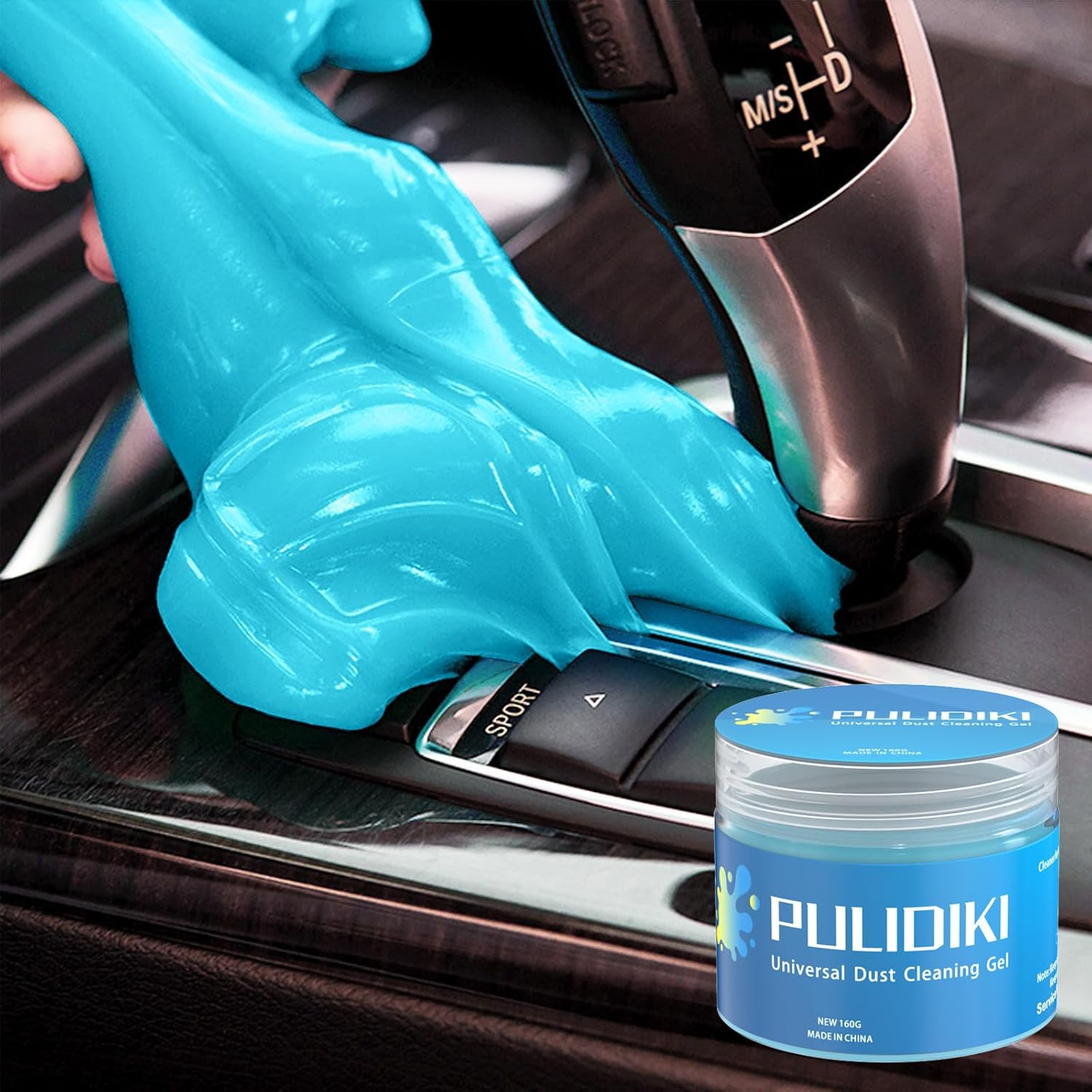
PULIDIKI Car Cleaning Gel (Detailing Putty)
Press it into vents, buttons, and seams and it lifts out dust you did not know was there. Weirdly satisfying, genuinely useful.
As an Amazon Associate, ThinkEV earns from qualifying purchases — at no extra cost to you.
Related Reading
Gear worth having
As an Amazon Associate, ThinkEV earns a small commission from qualifying purchases — at no extra cost to you.

WixGear Magnetic Air Vent Phone Mount (2-Pack)
A magnet strong enough that your phone never flinches over potholes or rail crossings. Two in the box, one for each car.
As an Amazon Associate, ThinkEV earns from qualifying purchases — at no extra cost to you.

Founder & Chief Editor
Vlad Pereira is the founder and chief editor of ThinkEV.ca, the Canadian electric-vehicle publication he writes and edits from Courtenay, British Columbia. He covers EV pricing, federal and provincial rebates, charging costs, and the Chinese manufacturers now entering Canada, from the buyer's side rather than the press-fleet side. ThinkEV is a venture of Vlad Pereira Online; his writing on health, income and the long game lives at vladpereira.com.
Frequently asked questions
Does Chery's warranty cover battery degradation?
Are there any Chery EV service centres in Canada?
How does Chery's warranty compare to BYD's?
Will Chery use Nio's battery swap technology in Canada?
Is Chery's warranty valid if I tow a trailer?
More EV & road-trip finds
Affordable upgrades worth a look — tap any to check the price on Amazon.
 ★ 537
★ 537USB Star Projector Roof Light
View on Amazon ★ 1,349
Cool Swinging Duck Dashboard Ornament
View on Amazon ★ 21,304
Car Headrest Hooks (4-Pack)
View on Amazon ★ 1,866
70mai A810 4K Dual Dash Cam
View on Amazon ★ 121
★ 121Foldable Windshield Sun Umbrella
View on Amazon ★ 268
★ 268Anti-Slip Leather Steering Wheel Cover
View on Amazon ★ 2,941
Microfiber Cleaning Cloths (Multi-Pack)
View on Amazon ★ 314
★ 314Mini USB LED Ambient Lamps (4-Pack)
View on AmazonRead, Plan, Then Stay Current
Explore our expert articles to understand incentives and ownership costs, use the map to pressure-test charging reality, then subscribe so new EV coverage comes straight to you.
Continue Reading
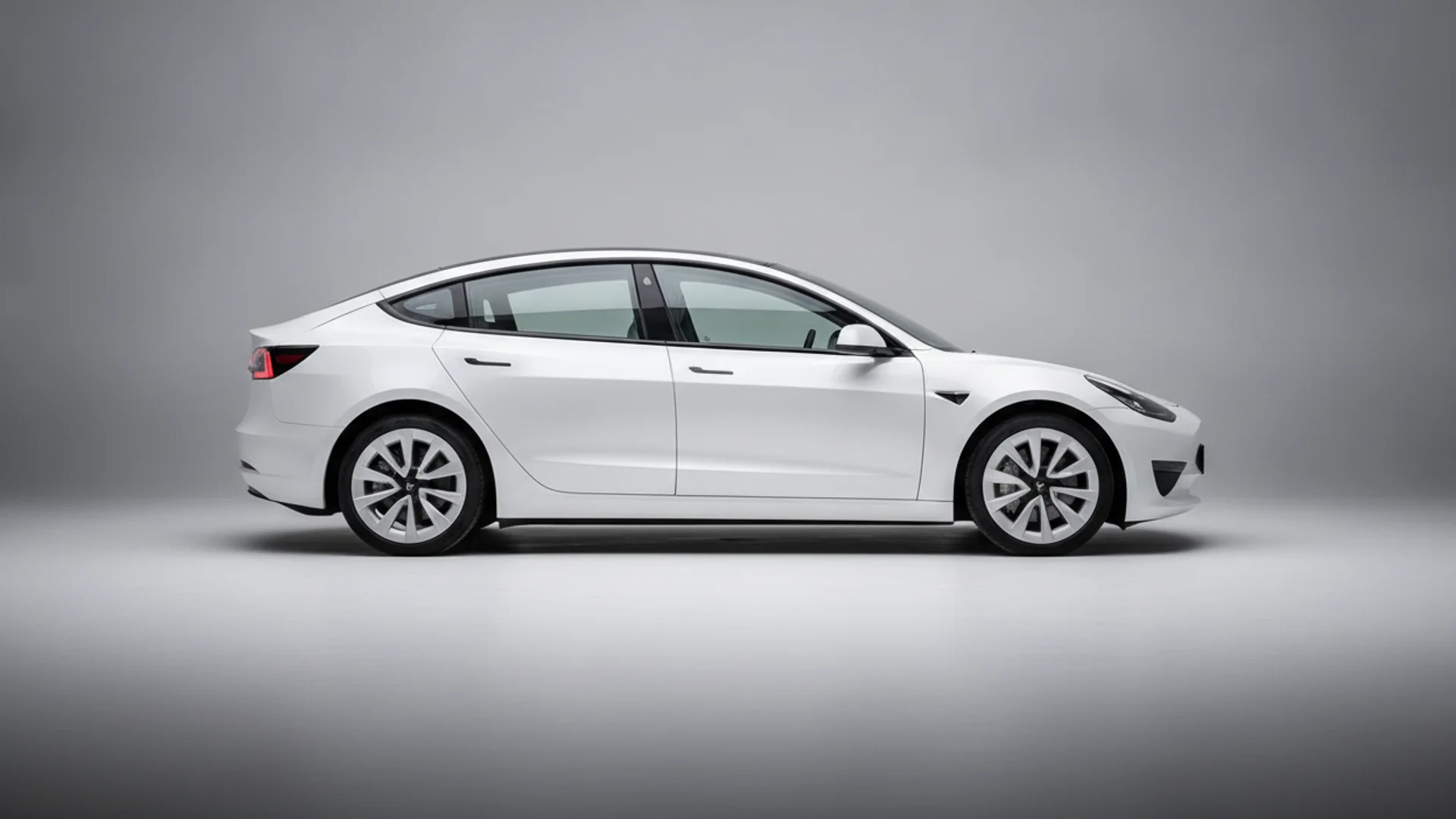
Rivian R2 Canada Price: $66,500 Base Misses the Rebate

BYD Now Outsells Hyundai in Brazil. Canada Is Next
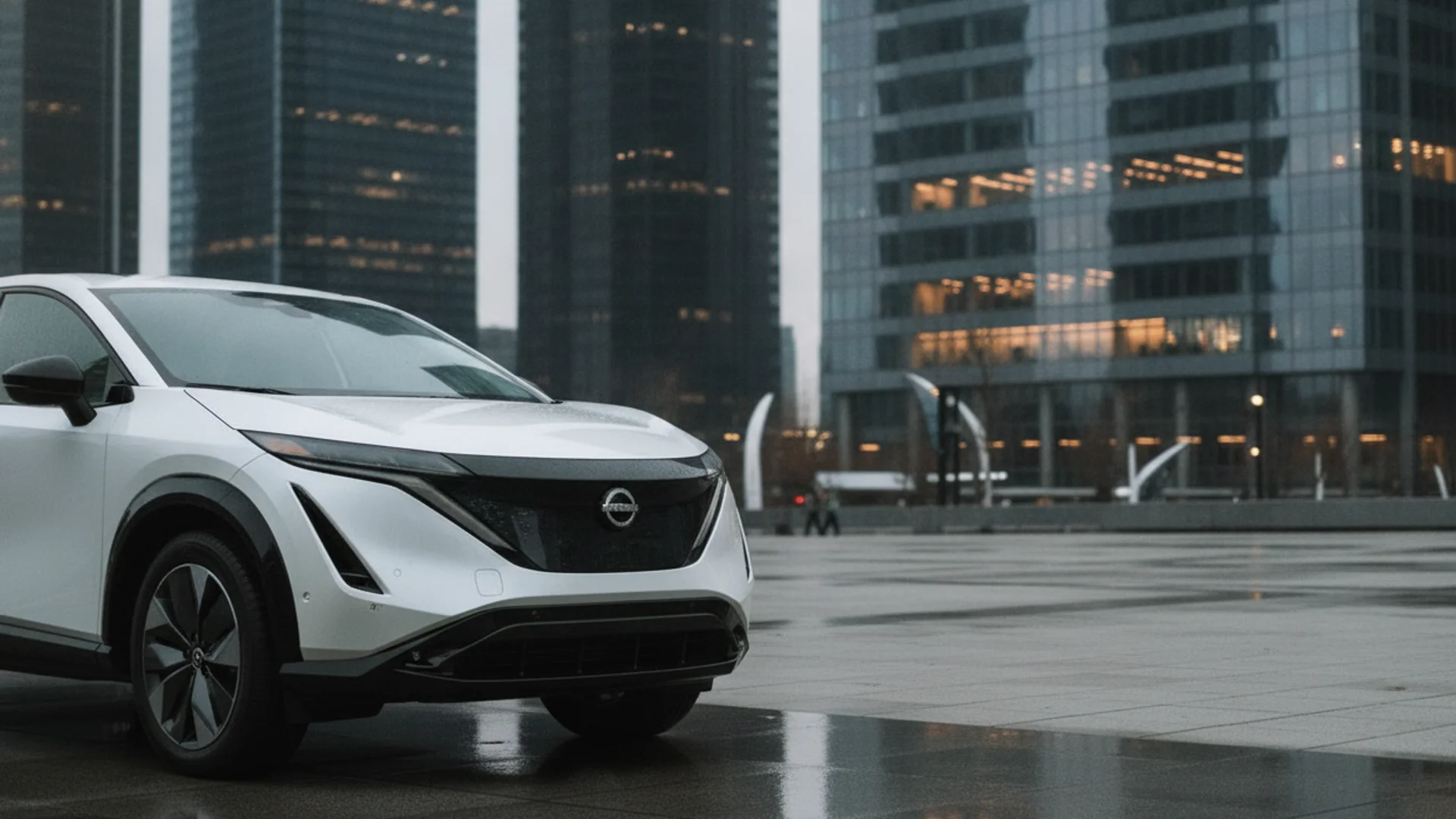
BYD Canada Price: The C$25K Floor and What It Means
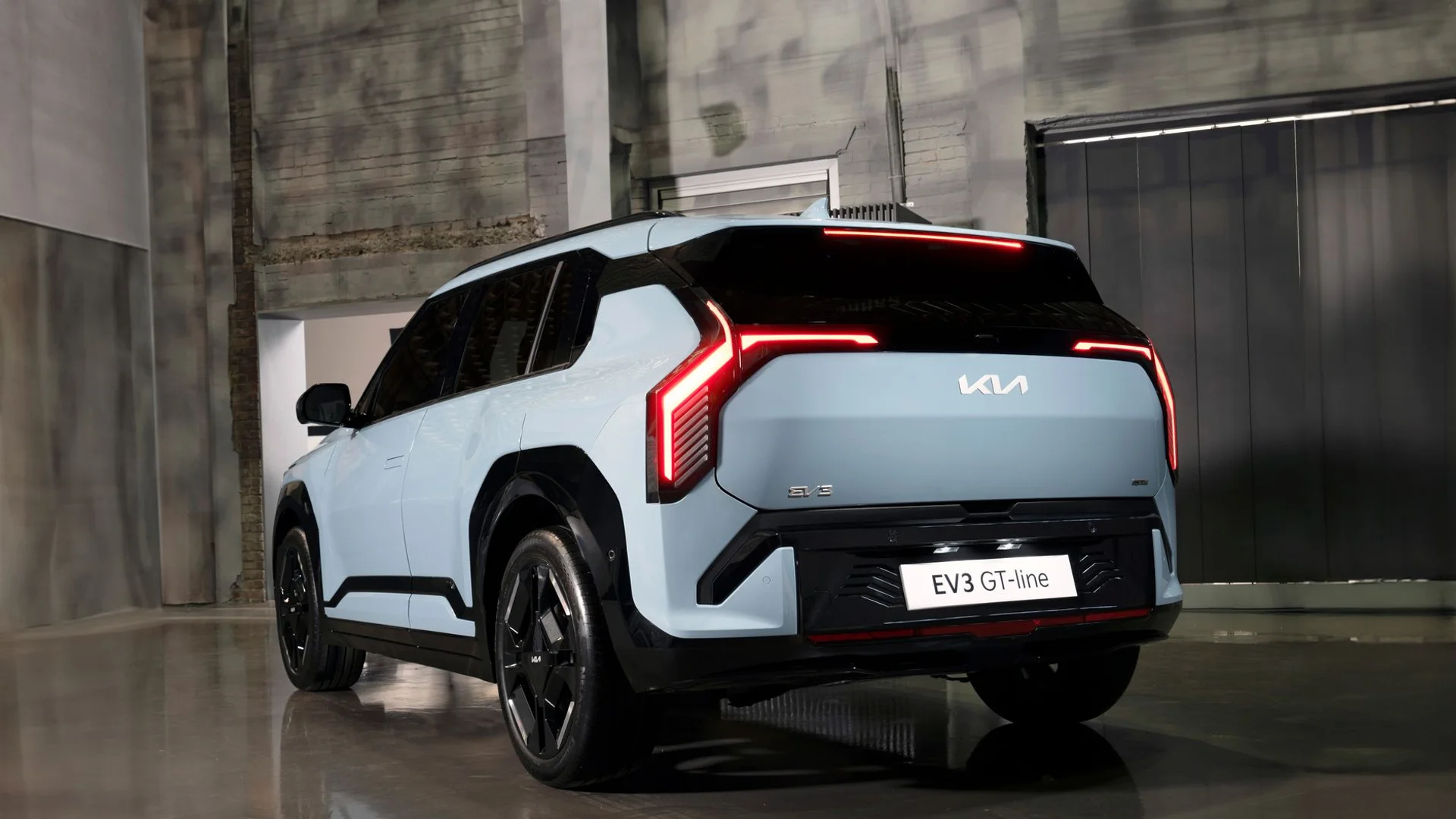
Kia EV3 Canada Price: $36,995 Makes It the Cheapest New BEV
The MG07, the Taycan, and Why Fast EVs Share a Silhouette