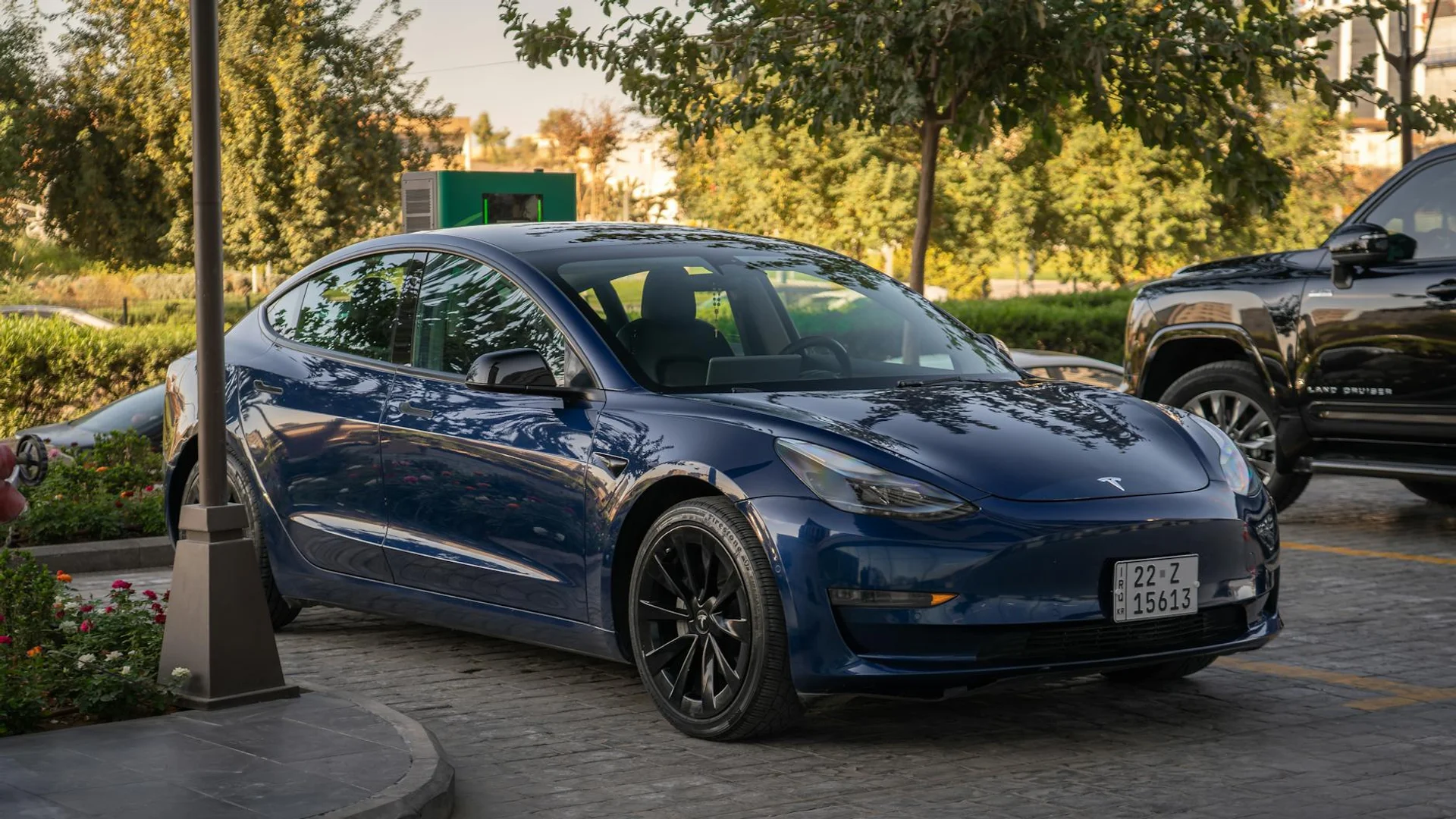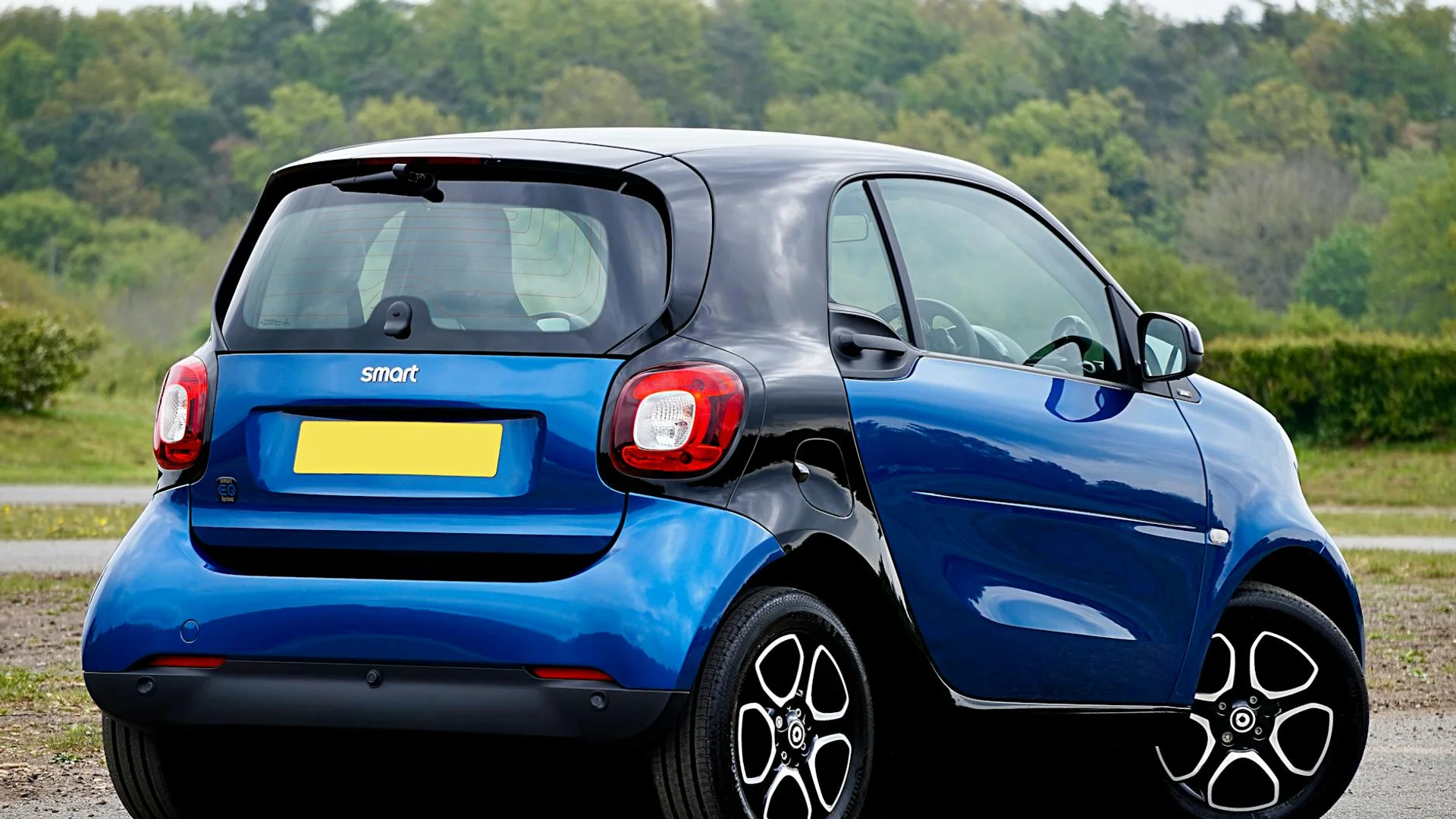
The Chevy Bolt and the Chevrolet Equinox EV get almost identical highway efficiency.
One is a small hatchback. One is a midsize crossover with roughly a thousand more pounds bolted to its floorpan. Explain that.
You can't, not without admitting that the entire "small EV equals green EV" story was marketing first and physics never. Automakers leaned into the narrative because it sounded like common sense. Media echoed it because nobody bothered to pull the EPA window stickers and check. The reader on Reddit asking why a Bolt and an Ioniq 5 land within a sliver of each other on the highway had already noticed what the press releases keep dancing around.
Here's the honest version. Above 105 km/h (65 mph), aerodynamic drag eats the dinner. Weight is a sideshow. And the small EV class is mostly a collection of tall, boxy hatchbacks designed for parking-garage practicality, not slippery cd numbers. The "efficiency premium" they were sold under has been quietly evaporating for years, and Recurrent's 2026 testing data on the most efficient EVs confirms it in writing.
This is the part nobody wants to say out loud: the greenest car on the EPA chart is shaped like a Tesla Model 3, not a Mini Cooper SE. And it has been for half a decade.
Key takeaways
- The Chevy Bolt and Chevy Equinox EV post nearly identical highway efficiency despite a roughly 1,000-pound weight difference.
- Above 105 km/h, aerodynamic drag dominates energy use, vehicle weight becomes a secondary factor.
- The Lucid Air and Tesla Model 3 outrank every compact hatchback on Recurrent's 2026 efficiency chart.
- Compact EVs typically carry drag coefficients in the low 0.30s versus slippery sedans in the low 0.20s.
- An electrified F-150 Lightning displaces more lifetime CO2 than a Chevy Bolt, because the Lightning replaced a 16 mpg truck while the Bolt replaced a 32 mpg sedan.
The 'Small Means Green' Pitch Was Always a Vibe, Not a Fact
Walk into any EV-curious conversation circa 2019 and the script wrote itself. Smaller car, smaller battery, smaller footprint, smaller carbon load. Smaller everything. The logic was so frictionless that it didn't need a citation.
Frictionless and wrong.
The problem is that the logic was smuggling in an assumption the data refuses to back. Smaller cars are not automatically more efficient on the metric that actually matters to a driver, miles per kWh at the speeds people actually drive. The Renault 4 E-Tech, the Chevrolet Bolt, the Mini Cooper SE all cluster near 3.0 to 3.5 mi/kWh on a real highway run. The Tesla Model 3 Long Range, a midsize sedan, beats them. The Lucid Air, a full-size luxury sedan, walks past every compact EV on the Recurrent 2026 efficiency chart.
That isn't an outlier. That's the league table.
Automakers built the "small means green" story because it papered over an awkward truth: compact EVs are harder to make profitable than midsize ones, which means the marketing department had to do the work the spec sheet wouldn't. Pitching a small hatchback as the responsible choice gave dealers a script. Pitching it on raw efficiency would have ended the conversation.
The trade press repeated the script for the same reason every house repeats every script, it's faster than thinking. A Bolt was "the affordable green option." A Model 3 was "the aspirational sedan." The fact that the Model 3 was outperforming the Bolt on the metric the green-option pitch was built around just… didn't surface.
The EPA's fuel-economy testing methodology accounts for charging losses. Charging a PEV is not 100% efficient, a small amount of energy is lost through energy conversion and heat.MPGe values assume level 2, alternating current (AC) charging and account for losses from the charging cable and the on-board vehicle charger.That moves the measurement from the vehicle to the outlet in the wall to better represent how much users would pay to refuel their car.
That's the EPA's own fuel economy and EV range testing primer. It is the most boring document in the world and it has been on a federal website for years. The numbers were never hidden. The press just never cracked the spine.
Stripped of the marketing language, small was a packaging choice, not an efficiency advantage. The story we got told was the inverse.
Air Resistance Doesn't Care How Cute Your Hatchback Is
Now for the physics nobody put in the brochure.
At low speed, rolling resistance and weight matter more. At highway speed, aerodynamic drag matters most, and it scales with the square of velocity. Double your speed, quadruple your drag force. There is no compact-hatchback exception buried in Newton's footnotes.
Cute does not beat physics. It never has. And yes, I'm aware "cute does not beat physics" is going on a t-shirt eventually. You're welcome.
The top-voted comment on the r/electricvehicles thread on small EV efficiency said it cleanly: weight matters far less than people think because most highway energy goes into pushing air, not accelerating mass. The forum hive-mind beat the auto press to this conclusion months before the trade publications caught up, though to be fair to the trade press, the EPA chart had also been right there the whole time.
A drag coefficient is the number you should actually be staring at. The slipperiest production EVs cluster in the low 0.20s, while typical compact crossovers and tall hatchbacks land in the low 0.30s, the kind of gap that buries any so-called "small EV efficiency premium" the moment you hit highway speed.
The EPA's vehicle label methodology breaks vehicles into categories, Small SUV, Station Wagon, Pickup Truck, and shows the best and worst fuel economy within that category for the given model year. That's exactly how the EPA fuel economy label structure lets you see the segment effect at a glance: tall boxes lose to slippery sedans, every model year, in writing. Frontal area helps the small hatch a little. The cd penalty erases the help and then some.
A short, tall body forces compromises. The roofline has to clear human heads. The windshield has to angle steeply enough to see a pedestrian without giving the driver a chiropractor bill. The rear hatch wants to be vertical for cargo. Every one of those decisions is anti-aerodynamic. You can't undo geometry with a marketing budget.
A long sedan with a low roofline, a tapered rear, and a flat underbody manages airflow the way a hatchback never can. The air gets a chance to slide back together cleanly behind the car instead of tumbling off a vertical tailgate and dragging the vehicle backward. That's the whole game. The community thread on why short tall cars lose the aerodynamic fight put it bluntly: the longer the car, the better you can manage airflow around it; a shorter car has to be higher to give passengers space, and small electric motors are less efficient at higher speeds.
The Bolt was never going to win this fight. It wasn't designed to. It was designed to fit in a Costco parking spot. Those are different problems and pretending otherwise is how we got here.
This is what doesn't get said in the launch coverage. When a manufacturer tells you their compact EV is "efficient," they mean efficient for its segment, efficient at being a small box. They do not mean efficient against the EPA chart. The chart belongs to the slippery sedans, and it has for years.
The interesting part is that the cd numbers aren't a secret. Manufacturers publish them. Engineering papers cover them. The data has been in plain sight. The framing was the only thing keeping people from looking.
Gear worth having
As an Amazon Associate, ThinkEV earns a small commission from qualifying purchases — at no extra cost to you.

TP-Link Kasa Smart Plug with Energy Monitoring
Track exactly how much electricity your Level 1 charger uses and schedule it for off-peak hours. Know your real cost per kWh.
As an Amazon Associate, ThinkEV earns from qualifying purchases — at no extra cost to you.
Gear worth having
As an Amazon Associate, ThinkEV earns a small commission from qualifying purchases — at no extra cost to you.

Lectron Level 2 J1772 Charger (40A, WiFi)
Smart WiFi charger with real-time energy monitoring. 40A / 9.6 kW, J1772 with a NEMA 14-50 plug, schedule charging right from your phone.
As an Amazon Associate, ThinkEV earns from qualifying purchases — at no extra cost to you.
Automakers Know This and Keep Saying It Anyway
Here's where the editorial line hardens.
No major OEM has published a correction to its "smaller is greener" messaging. Not GM. Not Ford. Not Hyundai. Not Volkswagen. Not Stellantis. The press materials for compact EVs still lean on "efficient" and "responsible" as if they were synonyms for "small," even when the manufacturer's own midsize EV outperforms the compact one on the EPA combined cycle.
That's a choice, not an oversight.
The InsideEVs analysis on EV-versus-gas emissions made the cleanest version of this point. Compact electric sedans are the greenest cars per mile. Pickup trucks gain the largest absolute CO2 benefit from electrification because they were the worst polluters to begin with. Both things are true. Both things matter. Neither thing is "small EV beats large EV."
The real green argument is "any EV beats ICE." That's it. That's the whole thesis. Every EV on the road is a meaningful improvement over the gas car it replaced, and an electrified F-150 displaces more lifetime CO2 than an electrified Bolt because the Lightning was replacing a 16 mpg truck and the Bolt was replacing a 32 mpg sedan.
Conflating "any EV beats ICE" with "small EV beats large EV" is the move automakers made because it let them sell the small car and the large car simultaneously without anybody noticing the contradiction. It also let them avoid the awkward question of why the cd-optimized sedan they don't sell anymore was more efficient than the boxy crossover they're pushing now.
The industry quietly killed sedans because crossovers carry better margins, then leaned on "small means green" to maintain the eco-credentials of an inventory mix that, as a fleet, got less efficient. That's not a conspiracy. It's just what happens when marketing budgets outpace engineering corrections.
The contradiction was never going to expose itself. Somebody had to point at it. Apparently that somebody is me, on a Tuesday, in a Canadian EV publication. Cool.
Gear worth having
As an Amazon Associate, ThinkEV earns a small commission from qualifying purchases — at no extra cost to you.
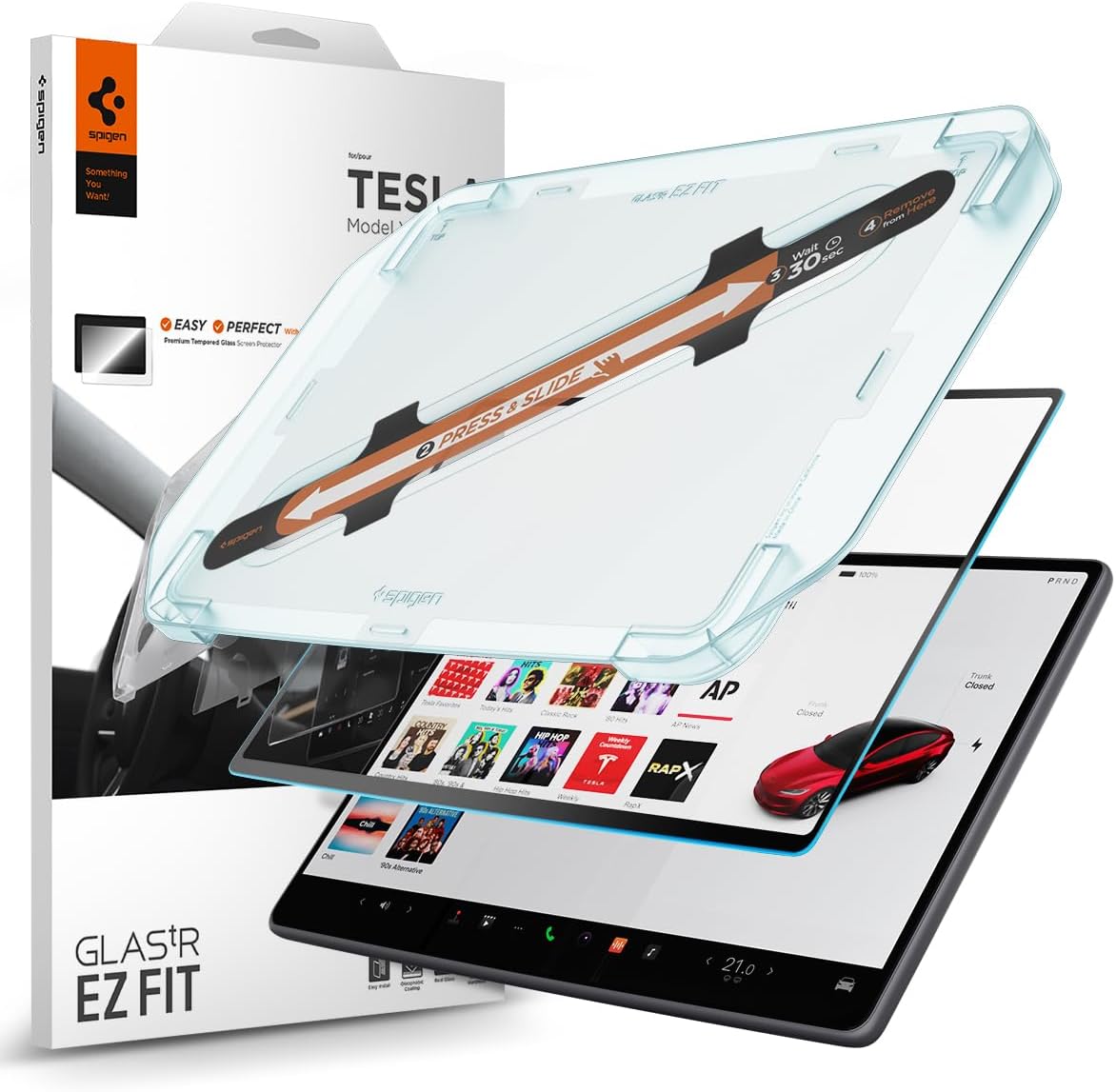
Spigen Tempered Glass for Tesla Model 3/Y
Tempered-glass protection for the touchscreen that kills fingerprints and scratches. Two minutes to install, lasts the life of the car.
As an Amazon Associate, ThinkEV earns from qualifying purchases — at no extra cost to you.
Gear worth having
As an Amazon Associate, ThinkEV earns a small commission from qualifying purchases — at no extra cost to you.

WeatherTech FloorLiner for Tesla Model 3
Deep-channel liners that trap every drop of slush and salt. The difference between a ruined interior and a showroom-fresh cabin after a Canadian winter.
As an Amazon Associate, ThinkEV earns from qualifying purchases — at no extra cost to you.
What Would Actually Make Small EVs More Efficient? (The Answer's Inconvenient)
So how would you actually build a small EV that beat a Model 3 on miles per kWh?
You'd narrow the body. You'd lower the roofline. You'd taper the rear. You'd flatten the underbody. You'd shrink the frontal area. You'd target a cd in the low 0.20s instead of the low 0.30s. You'd give up cargo height. You'd give up commanding seating position. You'd give up the SUV silhouette mainstream buyers say they want.
You'd build, in other words, a car nobody is buying.
Tesla tried it. The Model 3 is genuinely small for its segment, low and slippery, and it sells. But it sells as a sedan, which the rest of the industry has been quietly killing for a decade. The compact crossover ate the compact sedan in showroom traffic, and the segment that was going to lead the EV efficiency revolution got buried under tall packaging.
There's a second problem, and it's a motor-physics problem. The community thread on small EV efficiency at highway speed flagged it directly: small electric motors are less efficient at higher speeds. A compact EV with a small motor spinning hard to maintain 120 km/h is operating outside its efficiency sweet spot. A larger sedan with a bigger motor loafing along at the same speed is closer to its peak efficiency band. The bigger car gets to use its motor in the part of the curve where it shines. The smaller car can't. Funny how nobody mentions this in the compact-EV launch deck.
Battery weight is the third compounding factor. Charging a PEV is not 100% efficient, a small amount of energy is lost through energy conversion and heat, per the EPA's fuel economy testing methodology. Layer that on top of the structural mass penalty: a 60 kWh pack in a 4,500-pound midsize sedan is a smaller percentage of curb weight than a 40 kWh pack in a 3,300-pound hatchback. The small EV gets the worse of both worlds, proportionally heavier and aerodynamically worse.
Current small EVs are compromised shapes optimized for packaging, parking, and price, not for efficiency. Calling them efficient is a category error. They're affordable. They're maneuverable. They're fine. They're not the EPA-chart winners.
What I'd watch next: whether any OEM ships a genuinely cd-optimized compact EV, sub-0.25, low roof, tapered rear, narrow track, at a price point under USD 35,000. Hyundai is closest with the Ioniq 6 silhouette but won't shrink it into compact-affordable territory because the margins don't work.
Tesla owns the cd crown but priced itself out of the segment a decade ago. Chinese OEMs, BYD especially, are building toward exactly this target with vehicles like the Seal U and Dolphin variants, and they're doing it at price points North American makers can't match.
The catch for Canadian buyers is regulatory, not engineering. The EVAP eligibility framework currently excludes Chinese-built EVs from incentive eligibility, which means the cars most likely to crack the cd-versus-price problem are the ones Canadians can't get a federal rebate on. My call: a sub-0.25 cd compact EV under USD 35,000 ships from a Chinese OEM before 2028; whether it reaches a Canadian driveway depends on Ottawa, not Shenzhen.
The Tesla Model 3 is still the most efficient mass-market EV on the chart. The Lucid Air is still the most efficient luxury EV. Both are sedans. Both are slippery. Neither is small in the way the marketing copy implies "small."
I'd put money on the next round of efficiency leaders being Hyundai's Ioniq 6 and whatever cd-optimized sedan Tesla refreshes next. I'd bet against any compact crossover catching them. The geometry won't allow it.
That's the bet. That's the call. The data has been telling this story for years. Time the marketing caught up.
Gear worth having
As an Amazon Associate, ThinkEV earns a small commission from qualifying purchases — at no extra cost to you.
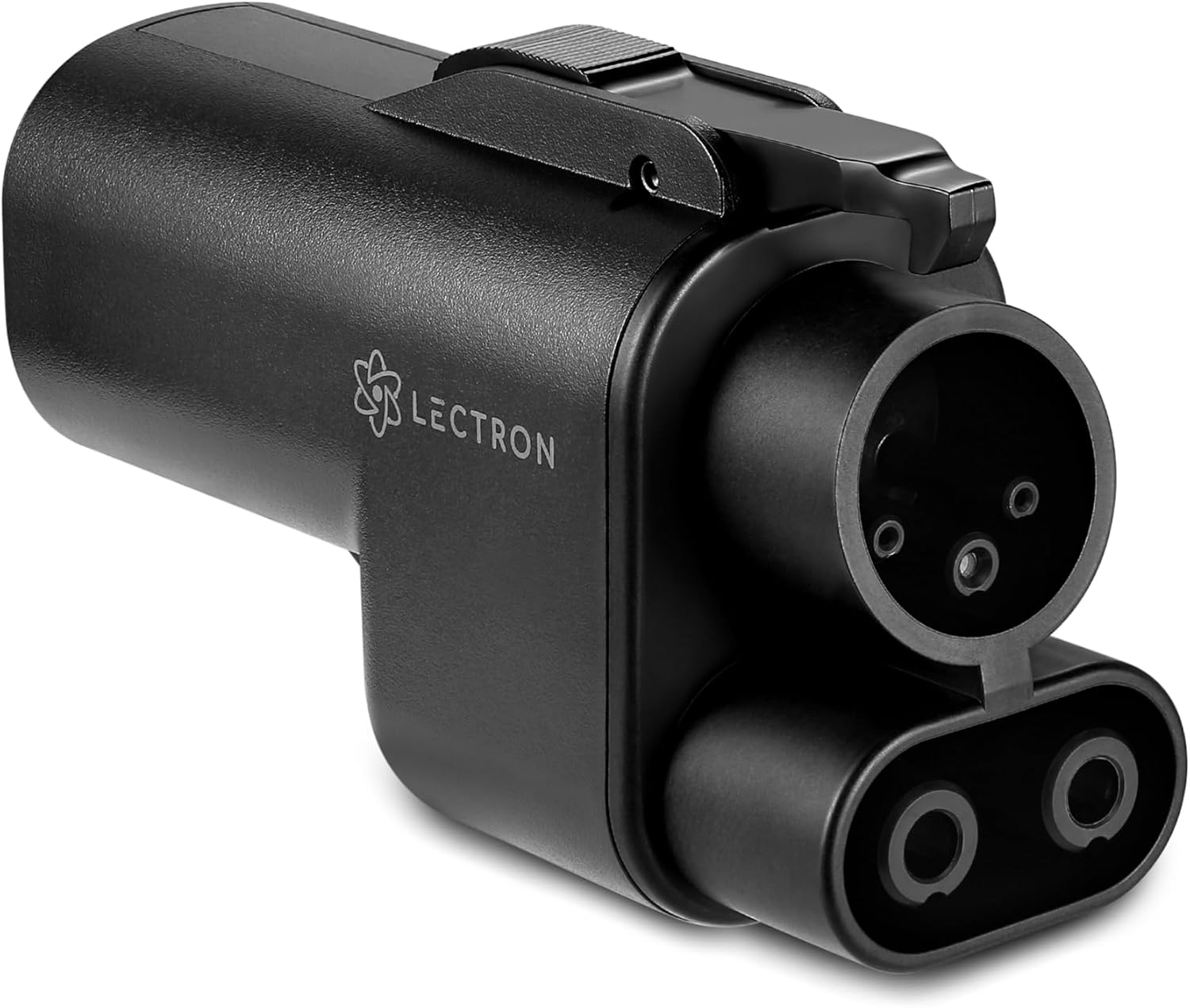
Lectron NACS to CCS Fast-Charge Adapter
Unlock every CCS fast charger for your Tesla, up to 500A DC. Never get stranded at a non-Tesla DC station again.
As an Amazon Associate, ThinkEV earns from qualifying purchases — at no extra cost to you.

Founder & Chief Editor
Vlad Pereira is the founder and chief editor of ThinkEV.ca, the Canadian electric-vehicle publication he writes and edits from Courtenay, British Columbia. He covers EV pricing, federal and provincial rebates, charging costs, and the Chinese manufacturers now entering Canada, from the buyer's side rather than the press-fleet side. ThinkEV is a venture of Vlad Pereira Online; his writing on health, income and the long game lives at vladpereira.com.
Frequently asked questions
Does the Bolt actually get worse efficiency than a Model 3?
What drag coefficient number should I actually be looking for?
Does this mean small EVs are a bad buy for Canadian highway driving?
Why didn't the EPA numbers make this obvious sooner?
Is the Lucid Air actually more efficient than any compact EV?
More EV & road-trip finds
Affordable upgrades worth a look — tap any to check the price on Amazon.
 ★ 1,340
Car Seat Gap Filler (Universal)
View on Amazon ★ 55,938
WixGear Magnetic Air Vent Phone Mount (2-Pack)
View on Amazon ★ 121
★ 121Foldable Windshield Sun Umbrella
View on Amazon ★ 17,839
Qifutan Vent Phone Mount (Military-Grade Clip)
View on Amazon ★ 9,349
Auto Detailing Brush Set (10-Piece)
View on Amazon ★ 419
★ 419RGB Car Interior LED Strip Light
View on Amazon ★ 568
★ 568Personalized Photo and Text Keychain
View on Amazon ★ 4,424
Sun Visor Card and Document Organizer
View on AmazonRead, Plan, Then Stay Current
Explore our expert articles to understand incentives and ownership costs, use the map to pressure-test charging reality, then subscribe so new EV coverage comes straight to you.
Continue Reading
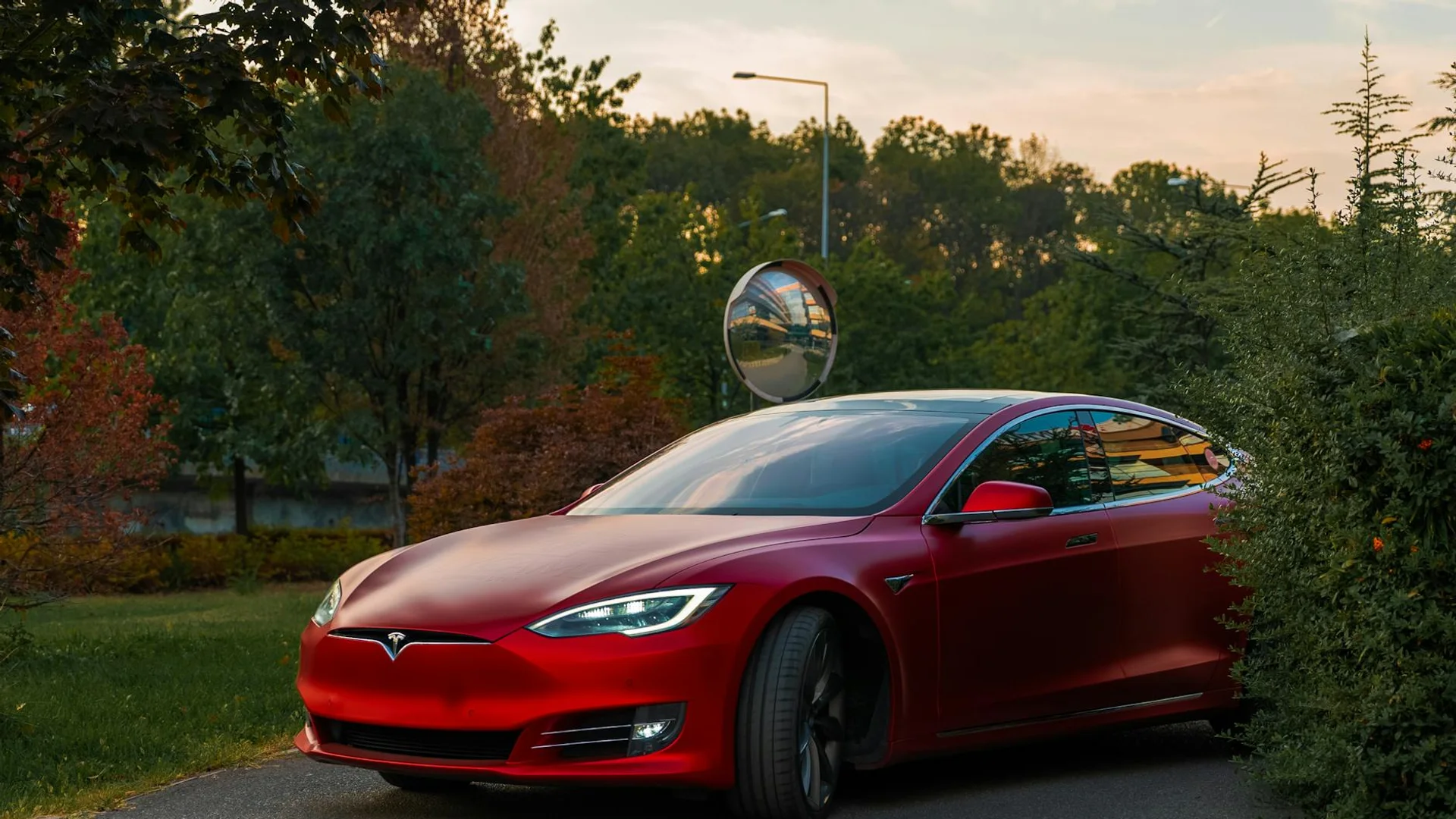
Aerodynamics Beat Diet, Why EV Size Barely Moves the Needle
Why Most EV Efficiency Coverage Gets It Backwards

Are Canada's Repair Shops Ready for Chinese EVs?

Why Chinese EV Interiors Feel a Generation Ahead

What kWh Means for Your EV: Energy and Efficiency Explained