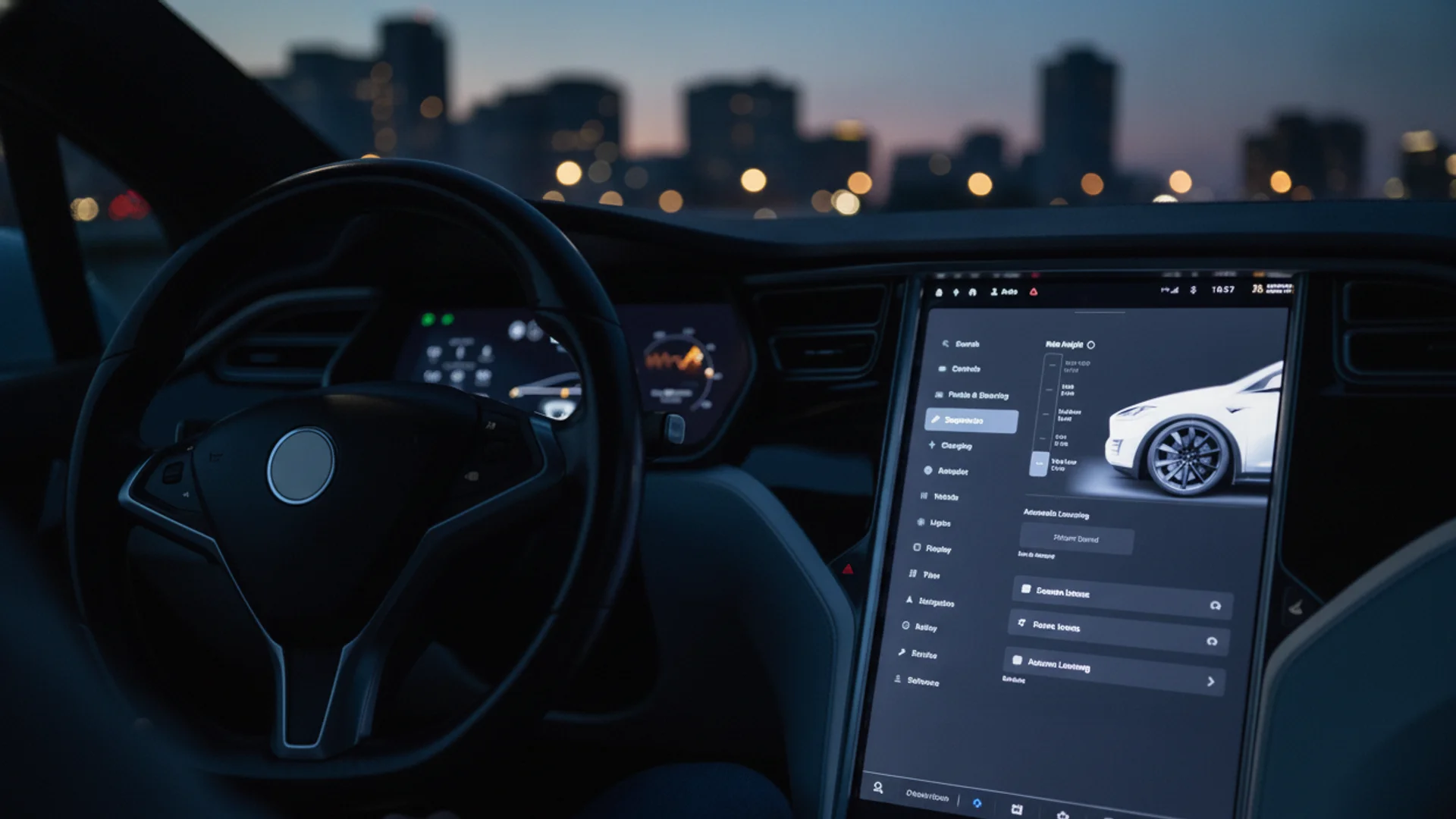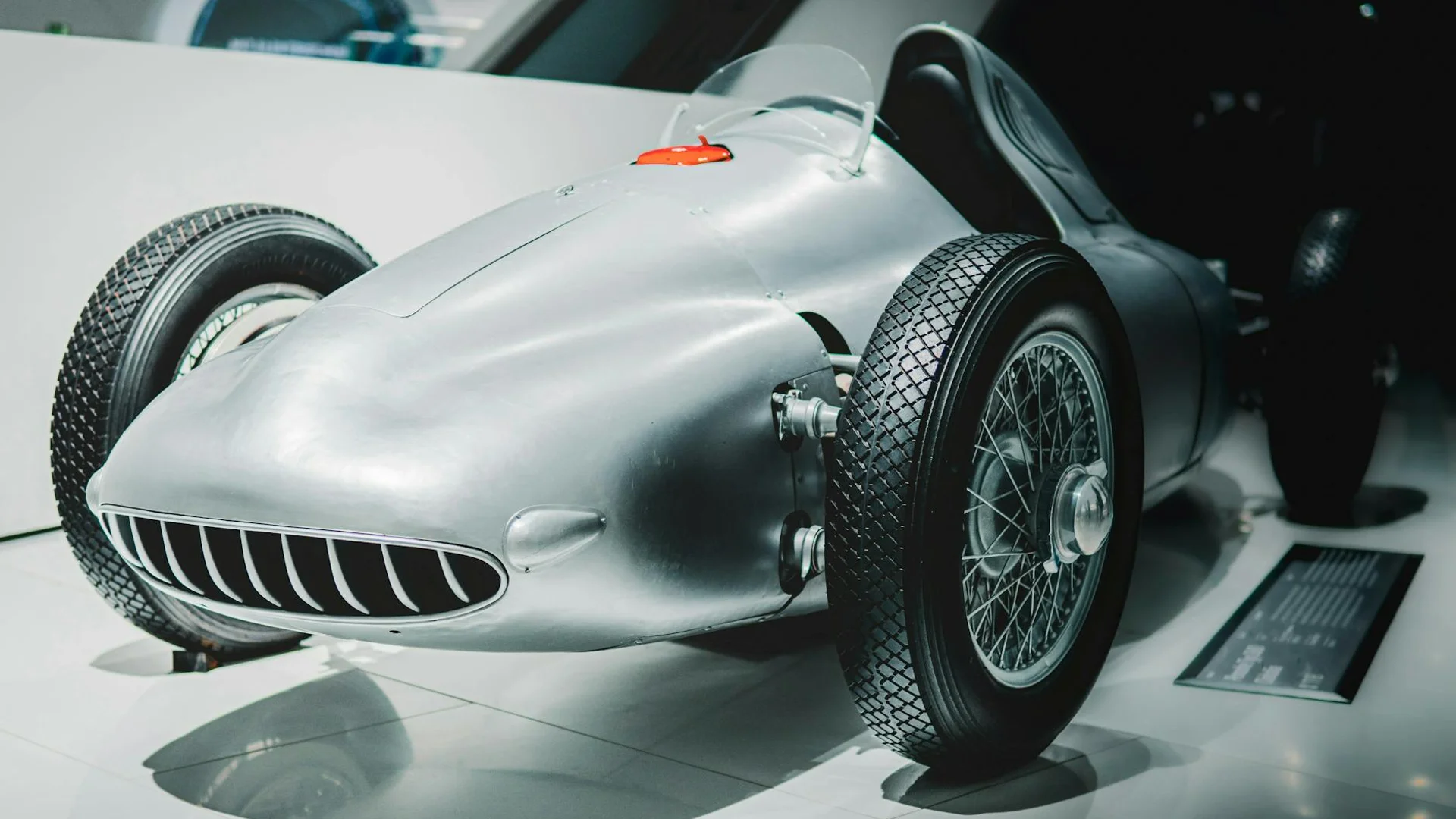
The SAIC Z7 costs about $36,000. The Huawei-backed sedan, developed under the HIMA umbrella in collaboration with Huawei, mirrors the Porsche Taycan so closely that its body shape, daytime running lights, vertical air intakes, and body-coloured aero wheel details all read as Taycan. The Taycan it resembles starts north of $133,000 in most markets. That price gap is the easy story, the one every headline writes. The harder story is the shape itself, and why a sedan engineered in Shanghai under a Chinese tech brand ends up wearing a silhouette that Stuttgart spent decades refining.
Treat the Z7 as a forgery and the question closes too quickly. The resemblance is real, but the causes are stranger and more interesting than copy-paste. Physics filters silhouettes down to a narrow band of viable shapes. A 1984 joint venture between SAIC and Volkswagen put Porsche's parent company inside Chinese factories for forty years. A talent migration moved European luxury designers eastward by the planeload between 2018 and 2023. And the Chinese consumer, until very recently, has read the Porsche profile as the visual grammar of success.
The Z7 is what happens when all four of those forces compress onto the same drawing board. The result looks like a Taycan. It also, underneath, isn't one.
Key takeaways
- The SAIC Z7 copies the Taycan's exact silhouette while undercutting its $133,000 price by roughly $97,000.
- Xiaomi's SU7 achieves a 0.195 drag coefficient, better than the Taycan, because aerodynamics math has one optimal answer.
- SAIC has built Volkswagen's Chinese cars since 1984, and VW owns Porsche; the Z7's lineage is industrial, not imitative.
- Chinese brands ran an aggressive design hiring spree from 2018 to 2023, paying European designers two to four times their home salaries, Xiaomi's SU7 lead came from BMW, and the Geely-owned Lotus Eletre was shaped by ex-Porsche staff.
- An EV that sacrifices aerodynamics loses 30 to 50 km of real-world range, which is why the convergent fastback silhouette is the output of a drag equation, not a styling copy.
The Wind Tunnel Doesn't Care Who Built the Car
Drag coefficient is a tyrant. An electric car carrying 80 to 100 kWh of battery wants to keep highway energy loss within a narrow band, and the moment a designer accepts that constraint, the shape begins to draw itself. A fastback roofline that tapers smoothly toward the rear. Flush door handles. A low nose with a high cowl. A short front overhang. A subtle ducktail to manage the wake. These aren't aesthetic choices the way a grille or a colour is, they're the residue of CFD software solving the same equations regardless of what flag the factory flies.
Porsche arrived at this shape through six decades of racing, through Le Mans prototypes that taught Stuttgart how to push air around a car at 300 km/h. Chinese engineers arrived at the same shape through CFD simulation packages that are now commercially available, published academic papers on EV aerodynamics, and wind-tunnel facilities that didn't exist in the country twenty years ago. The math is identical. The path to the math is different. German efficiency used wind tunnels to find a very low-drag shape, the engineering process was published, and EVs that want to be highly aerodynamic adopted the solution. Convergence is the default outcome when the inputs are public.
Xiaomi's SU7 reports a Cd of 0.195, class-leading, and beneath what the Taycan itself achieves. That isn't homage. That's an aerodynamicist with a deadline solving the equation in front of them. The Lucid Air, designed in California, ended up in the same neighbourhood for the same reason. The Mercedes EQS sits at 0.20. The reason these cars look like each other isn't a conspiracy, it's that the optimisation problem has a small answer set.
This is the engineering reality the resemblance debate keeps skipping past. When physics dictates the envelope, the envelope converges. Designers can decorate within it. They can fight for proportion, surfacing, the precise arc of a shoulder line. But they can't argue with drag at 120 km/h, and the EVs that try lose 30 to 50 km of real-world range for the trouble. Nobody ships that car.
Convergence by physics offers only a partial alibi. Plenty of EVs that score well aerodynamically, the Hyundai Ioniq 6, the Lucid Air, the Mercedes EQS, managed to land at competitive drag numbers without producing a roofline that reads as Taycan from 50 metres away. The Ioniq 6 chose a streamliner profile that nods to the 1930s Phantom Corsair more than to anything in Stuttgart. That tells you the answer space isn't a single point. There's a band of viable shapes, and the Z7 picked the specific point inside that band that happened to read as Porsche. Physics narrowed the field; a designer still made the final call.
Read the SU7's spec sheet as a philosophical document and the convergence makes more sense. Xiaomi didn't set out to build a Porsche. It set out to build the most aerodynamically efficient sedan it could ship at price, and the shape that fell out of the optimiser happened to wear a familiar profile. The same physics produced the same answer. The Porsche silhouette isn't Porsche's invention so much as it's the shape that wins when you ask a computer to draw the cleanest possible four-door.
The shared silhouette is the visible part of a shared assumption, that range matters more than visual differentiation, that efficiency beats expression. Chinese brands made that bet a decade before most European legacy makers did. The cars look the way they look because the engineering priorities aligned. Once Porsche committed to a battery-electric flagship, it ended up at the same destination, just from a different starting point.
Forty Years of Shared DNA: The SAIC–VW Joint Venture
The conversation about Chinese EVs looking like Porsches usually skips the document that explains most of it. SAIC has been Volkswagen's manufacturing partner inside China since 1984. Porsche sits inside the Volkswagen Group. That means for forty-plus years, the factories building VWs for the Chinese market have been operated by SAIC, with tooling, quality processes, platform engineering, and supply chain practices flowing in both directions.
This isn't a casual licensing deal. Joint ventures of this scale are design schools. Chinese engineers learned how a German auto group thinks about packaging, how to place a battery, how to route a wiring harness, how to set body gap tolerances, how to design a door seal that survives ten years of slamming. They learned the unspoken assumptions that don't show up in any textbook because Germans don't bother writing them down. After four decades, those assumptions are inheritance, not theft.
The Z7's resemblance to the Taycan isn't a forgery in the way a counterfeit handbag is a forgery. It's closer to what happens when an apprentice spends forty years in a master's workshop and then opens their own shop down the street. The grammar is the same. The accent is the same. The output looks recognisably like the lineage it came from, because it is the lineage it came from, just expressed under a different badge.
SAIC has been VW's joint venture partner since 1984, and VW owns Porsche. The Z7 looks like a Porsche because in a real, traceable, organisational sense, it partially is one, built on platform thinking and manufacturing competence that flowed through a four-decade industrial marriage. The lineage carries weight that no headline framing of "copycat" captures.
Volkswagen's history makes this even more interesting. Ferdinand Porsche, a well-known designer for high-end vehicles and race cars, had been trying for years to get a manufacturer interested in a small car, and the result was the original Volkswagen Beetle. The lineage that produced the Taycan didn't start at Porsche; it ran through Volkswagen first, and that same Volkswagen ran SAIC's factories for forty years. The shape is a family member, not a stranger.
The case against this framing deserves a fair hearing. Joint ventures don't transfer everything. Volkswagen has spent two decades trying to keep its most sensitive platform engineering, MEB battery architecture, certain MQB tolerances, the specific tuning of its assembly lines, inside German firewalls, and the JV contracts are written to enforce that. So the "inheritance" argument can't be that SAIC simply walked off with Porsche's drawings. It's narrower: SAIC inherited the judgment. The instinct for which compromise the engineering team takes. The reflex for what a premium German car feels like to assemble. That's harder to firewall, and it's the part that ended up on the Z7's body panels rather than under them.
Stripped of the legal language, the SAIC Z7 is what happens when an engineering tradition matures inside a partner organisation long enough that the partner can build its own version. The Z7 is the cousin nobody at Christmas dinner wants to acknowledge, the one who learned the family recipe and now serves it at half the price three blocks away.
Gear worth having
As an Amazon Associate, ThinkEV earns a small commission from qualifying purchases — at no extra cost to you.

Magnetic Windshield Snow Cover
Skip the scraping. Magnets hold it on, peel it off with the snow, and your defroster stops draining range on cold mornings.
As an Amazon Associate, ThinkEV earns from qualifying purchases — at no extra cost to you.
The Talent Migration Nobody's Pricing In
Between 2018 and 2023, Chinese EV brands ran the most aggressive automotive design hiring spree in modern industry history. Xiaomi's SU7 lead designer is widely reported as ex-BMW. Geely's design organisation pulled extensively from European studios. Hongqi hired ex-Rolls-Royce. NIO hired ex-Ford and ex-Mansory. Lotus's transition under Geely ownership ran through ex-Porsche engineers. The list keeps going, and the salaries, by industry whisper, were two to four times what equivalent European posts paid.
These designers didn't bring blueprints with them. Trade secret law is real, even when intellectual property law in China gets the bad press. What they brought was something more durable: a design grammar. A trained instinct for proportion. An ear for which surface transition reads as expensive and which reads as cheap. A muscle memory for how a German luxury sedan's haunch should fall away from the rear arch. You can't subpoena that out of somebody's head.
The result is what the cars look like. An ex-BMW designer leading the SU7 produces a car that wears BMW-adjacent surfacing, not because they're plagiarising their old work, but because the way they were trained to see is the way they continue to see. The Xiaomi cabin proportions, the way the dashboard meets the door, the rake of the C-pillar, these are the fingerprints of where the designer learned the craft. Move enough European designers eastward and the cars they design start to look European, because design is, in the end, a trained reflex.
The migration produced specific, traceable patterns:
- Xiaomi SU7, lead designer reportedly ex-BMW; cabin treatment reads as 5-Series-adjacent.
- NIO ET-series, design org seeded from Ford and Mansory; surfacing language carries European luxury cues.
- Hongqi flagship sedans, ex-Rolls-Royce hires shaped the prow and the cabin appointments.
- Lotus Eletre and Emeya, built under Geely, engineered by teams that include ex-Porsche staff.
- Geely design centre, Gothenburg and Shanghai, staffed extensively from Audi, BMW, and Volvo alumni.
This is the part of the story that gets flattened in the "copycat" framing. Copying implies a deliberate act of imitation, executed by someone who would otherwise have produced something else. What's happening with Chinese EV design is more straightforward and harder to fight: the talent pipeline rerouted, and the output followed. Stuttgart and Munich kept producing one car per designer-decade. Shanghai and Hangzhou hired the designers who used to do that work and asked them to produce three cars per designer-decade. The math of where the visual language ends up isn't complicated.
For Canadian buyers, the practical implication shows up in the cabin. The SU7's interior treatment, the Z7's switchgear logic, the ergonomic decisions about where to put the volume knob and how to weight the steering, these increasingly read as European because European designers decided them. The brand on the steering wheel says Xiaomi or SAIC. The hand that placed the air vent learned to place air vents in Munich. The same talent-flow pattern shows up in how new Chinese EV entrants are positioning for North America, the cars don't arrive looking foreign because the people designing them aren't foreign to the European playbook.
The talent flow will likely start to reverse, modestly, by 2028. Three things will pull it. Chinese brands will have built enough internal design depth that the premium for ex-European hires compresses. European brands, facing existential margin pressure from Chinese imports, will offer retention packages and creative latitude they weren't willing to offer in 2020. And a cohort of designers who took the Shanghai paycheque in 2019 will hit the seven-year mark and decide whether to settle or rotate back. Watch the Geely and NIO design org charts for the first defections, that's the leading indicator that the visual language is about to fork.
What the Porsche Profile Actually Signals in China
Design choices are also market signals, and the Chinese domestic market is the loudest signal-receiver in the global auto industry right now. Porsche, for most of the last fifteen years, was the fastest-growing luxury segment in China. Owning a Porsche in Hangzhou or Shenzhen wasn't just transportation, it was a compressed cultural statement about arrival, taste, and globalised success. The shape carried that freight.
A Chinese OEM building a $36,000 EV faces a strategic question about what visual register to speak in. ORA, GWM's sub-brand, went a completely different direction, a retro silhouette that looked, in some lights, like a Porsche 356 had crossed with a classic VW Beetle, and found a real audience among younger Chinese buyers who wanted a car that didn't look like every grey crossover on the road. That worked, but it worked as a niche.
The mainstream play has been different. If your goal is to sell at volume to aspiring upper-middle-class buyers who would have bought a German luxury sedan twenty years ago, the visual grammar of European luxury is the path of least resistance. The shape is shorthand. The reader of the shape, the neighbour in the parking garage, the cousin at the wedding, the colleague at the office tower, recognises the Taycan profile and reads "successful" before they read "imitation." That recognition is the product Xiaomi and SAIC are selling, and it costs them nothing extra to ship.
This is the part European critics tend to under-weight. The Z7 isn't trying to fool somebody into thinking they bought a Porsche. Nobody who pays $36,000 for a Z7 believes they own a Taycan. What they own is the visual register of a Taycan at a price they can pay, and in a status-dense culture where car-as-signal still matters, that's a coherent transaction. The car is built for the Chinese market, where it gives buyers the feel of owning a Porsche without paying a premium. That isn't deception. It's exactly the contract both sides understand.
Gear worth having
As an Amazon Associate, ThinkEV earns a small commission from qualifying purchases — at no extra cost to you.

Lectron Level 2 J1772 Charger (40A, WiFi)
Smart WiFi charger with real-time energy monitoring. 40A / 9.6 kW, J1772 with a NEMA 14-50 plug, schedule charging right from your phone.
As an Amazon Associate, ThinkEV earns from qualifying purchases — at no extra cost to you.
The interesting counter-move is what's starting to emerge from brands that already won this market. NIO's ET9, Zeekr's 001 FR, Yangwang's U9, these are increasingly experimenting with design language that doesn't reach back to Stuttgart at all. As Chinese brands accumulate their own status capital, the need to borrow visual credibility from Europe softens. The Porsche-adjacent silhouette is a transition shape, not an endpoint. It's what the market needs while the new brands earn their own visual vocabulary.
For Canadian buyers reading this from a parking lot in Burnaby or Mississauga, the takeaway is structural: the cars arriving here from Chinese brands have been shaped by a domestic market that reads design through a specific lens. The lens is changing. The cars showing up in 2027 may look meaningfully less Porsche-adjacent than the ones shipping now, because the brands won't need the visual loan anymore.
Gear worth having
As an Amazon Associate, ThinkEV earns a small commission from qualifying purchases — at no extra cost to you.
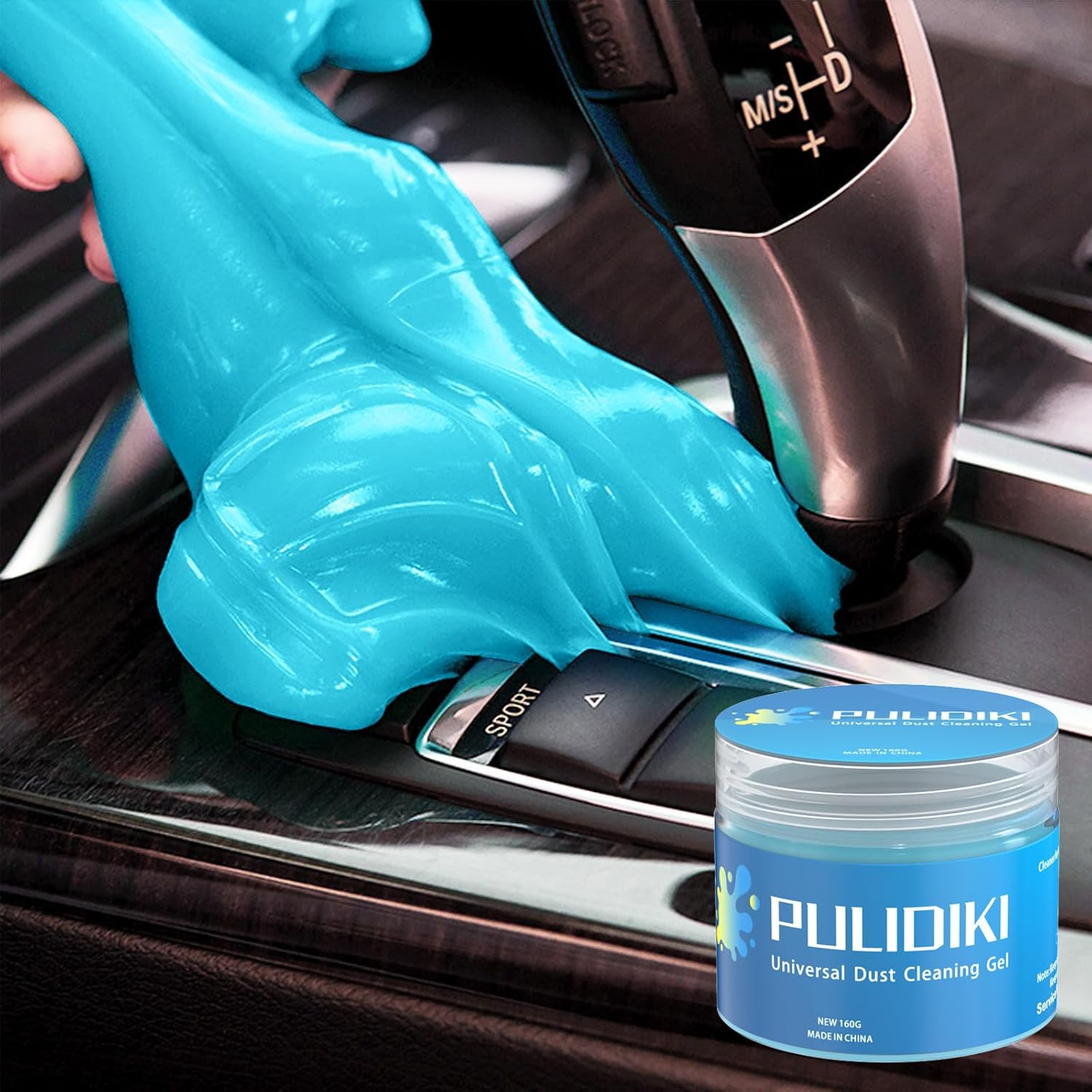
PULIDIKI Car Cleaning Gel (Detailing Putty)
Press it into vents, buttons, and seams and it lifts out dust you did not know was there. Weirdly satisfying, genuinely useful.
As an Amazon Associate, ThinkEV earns from qualifying purchases — at no extra cost to you.
Where the Imitation Ends and the Engineering Diverges
This is where the conversation usually stops and where it should be starting. The shell of a Chinese Taycan lookalike resembles the Taycan. The mechanical and electrical guts increasingly don't.
Take the Z7 as the case study. The Taycan runs Porsche's PPE platform with an 800-volt architecture that Porsche engineered in-house alongside Audi. The Z7 also runs 800-volt architecture, but the silicon-carbide inverters, the e-axle integration, and the battery thermal management trace back to Huawei's DriveONE system, a wholly different engineering organisation with wholly different design priorities. CATL cells, not Porsche's LG Chem partnership. Huawei's HarmonyOS cockpit, not Porsche's PCM. These aren't borrowed parts cosmetically disguised; they're an alternative answer to the same questions Porsche answered.
The cockpit software in particular is the philosophical fault line. Porsche's PCM treats the screen as an enhanced traditional infotainment system, large touch displays, but the car still drives like a Porsche, with physical controls where Porsche wants physical controls. HarmonyOS in the Z7 treats the cabin as a connected device, your phone's apps, your smart home, your office calendar, all native in the car's UI. The Z7 isn't a worse Taycan; it's a different argument about what a car is in 2026. Even Apple CarPlay's evolution in EVs, with Google's help hasn't matched what HarmonyOS does natively when the car maker is also the operating system author.
The battery chemistry tells the same story. Chinese EVs increasingly run LFP or M3P chemistry tuned for cycle life and thermal stability over peak energy density. That's a deliberate engineering choice based on what Chinese fast-charging infrastructure looks like and what Chinese buyers prioritise. Porsche's NCM chemistry optimises for power density and track-day repeatability. Both are valid engineering positions; they're just answering different questions about what the car is for.
E-axle integration is the other major divergence. The Taycan uses Porsche-engineered drive units with a two-speed transmission on the rear axle, a piece of engineering that exists specifically to give the car its driving character at very high speed. The Z7 uses a single-speed reduction gear at both ends, optimised for efficiency and cost. The Z7 will out-accelerate the base Taycan to 100 km/h. The Taycan will pull away on a German autobahn at 230 km/h. These are different machines underneath the silhouette.
There's a maintenance dimension that gets lost in the spec-sheet debate, and it tilts further toward the Chinese side than most buyers realise. EV drivetrains carry roughly 20 moving parts versus 2,000-plus in a comparable internal-combustion vehicle, which means the variable that historically separated a Porsche from a $36,000 sedan, the long-term mechanical reliability of a finely engineered ICE drivetrain, has been mostly engineered out of the comparison. What's left to differentiate is software, battery longevity, and chassis tuning. Porsche still wins the chassis argument. The first two are increasingly a coin flip.
The way to read all this: the shell is a loan, the guts are original. Chinese brands borrowed the silhouette because the silhouette was the cheapest part of the package to differentiate, and they spent their engineering budget on the parts the buyer actually interacts with daily, the charging speed, the software, the cabin technology, the autonomy stack. That's an entirely defensible allocation of resources, and in several measurable dimensions, the results are already ahead of what Porsche ships. The Norwegian winter testing of Chinese EVs against Tesla made that gap measurable in real-world Canadian-relevant conditions.
The interesting question isn't whether the Z7 is a Porsche. It clearly isn't. It's whether the Z7 has out-engineered Porsche on the dimensions that matter most to a 2026 EV buyer who isn't going to track-day their car. The answer, on the data so far, is probably yes in software, probably yes in charging speed, probably no in chassis dynamics, and definitely yes in price-per-feature. That's a more useful comparison than the visual one.
The Legal Grey Zone and What Comes Next
The lookalike question gets uncomfortable when it crosses borders. Inside China, trade dress and design patent enforcement has historically been weak, the Zotye SR9, a Porsche Macan clone that survived for years despite Porsche's legal pressure, is the standard reference case. The legal infrastructure that protects design IP in Germany simply hasn't applied with the same force in Chinese courts, and Western brands have spent a decade calibrating their expectations downward. Bloomberg's coverage of Auto China 2026 conceded that while the rapidly improving quality of China's domestic offerings is undeniable, the design of many cars is reminiscent of the foreign brands they're quickly unseating, a polite way of saying the IP question is now hiding in plain sight on a 93-acre trade show floor.
The interesting question is what happens when Xiaomi and Zeekr push into Europe by 2027, as both have stated they will. European Community Design rights, registered design protection, and the broader EU IP regime treat unregistered design rights and trade dress significantly more aggressively than Chinese law does. A car that ships in Shanghai with no legal challenge may find itself in court within months of launching in Munich or Milan.
Porsche's response so far has been instructive. Not lawsuits, at least not as the primary strategy. Porsche has instead leaned into the gap that lookalikes can't close cheaply: driving dynamics, brand mythology, motorsport-validated chassis tuning, and a software ecosystem that ties the car to a 75-year history. A $36,000 Z7 can replicate the silhouette. It cannot replicate the Nürburgring lap time, the Le Mans victories, or the implicit social meaning of the crest on the hood.
This is probably the right response, and it points at where the competitive pressure will eventually push both sides. The Chinese brands will be forced to develop visual signatures of their own once European legal infrastructure makes the borrowed silhouette expensive. Porsche, in turn, will be forced to push harder on the differentiators that lookalikes can't replicate, software, autonomy, ownership experience, brand-as-platform. Both sides become better through the pressure.
The dealer-footprint asymmetry is the other Canadian-specific variable nobody on the Chinese side has solved yet. GM has over 450 dealerships across Canada, Toyota has more than 280, Ford has over 400, Hyundai has approximately 230, and Kia has about 190. The largest Chinese entrant arriving in 2026 has, at most, a single-digit count of service points planned for year one. A Taycan-shaped sedan that needs a high-voltage e-axle repaired in Saskatoon is a structural problem the silhouette doesn't solve. The leading indicator of whether the lookalike wave actually converts in Canada is not the cars themselves, but how fast the service network builds out behind them. If Xiaomi or SAIC hits 50 Canadian service points by end of 2027, the resemblance debate becomes academic. If they don't, the silhouette is the only part of the car most Canadian buyers will ever experience, through a showroom window.
A Canadian angle emerges on the legal piece. Canada's design protection regime, Industrial Design Act, runs through CIPO, sits closer to European norms than to American ones. A Chinese EV that ships to Canada wearing a near-Taycan silhouette is exposed to legal challenge in a way it wouldn't be in the US. As the first wave of Chinese EVs arrives in Canadian markets, this is the legal question the dealer networks and importers are quietly working through. The cars look like Porsches. The Canadian courts may have an opinion about that.
What's likely to emerge over the next 36 months is a softer convergence. Coverage from the Auto China 2026 trade show this April flagged that while the quality of Chinese offerings is undeniable, the design of many cars still reads as reminiscent of the foreign brands they're quickly unseating. The lookalike phase is real, but it's a phase, not a permanent state. The brands that succeed in Europe and Canada will be the ones that earn their own visual vocabulary fast enough to outpace the legal scrutiny. Analysts estimate up to 20 Chinese automakers could eventually pursue the Canadian market, and the visual-IP question will be settled brand-by-brand as each one lands.
Gear worth having
As an Amazon Associate, ThinkEV earns a small commission from qualifying purchases — at no extra cost to you.

WixGear Magnetic Air Vent Phone Mount (2-Pack)
A magnet strong enough that your phone never flinches over potholes or rail crossings. Two in the box, one for each car.
As an Amazon Associate, ThinkEV earns from qualifying purchases — at no extra cost to you.
The Silhouette Was Never Really Porsche's to Own
The clean version of this story is that aerodynamic efficiency belongs to physics, not intellectual property. Ferdinand Porsche designed the original Beetle for Volkswagen. The lineage of German engineering that produced the Taycan was always a shared inheritance, passed through joint ventures, through engineering exchanges, through the open literature on EV optimisation, and most decisively through the designers who learned in Stuttgart and now work in Shanghai.
What Chinese brands have proven is narrower and more useful than the "copycat" framing admits. The Porsche aesthetic is replicable at $36,000. The 75 years of brand mythology, racing heritage, and ownership experience that sit underneath the aesthetic, those aren't, and probably won't be for another generation. The lookalike phase is the moment in any industrial cycle when a follower has matched the leader on the visible dimensions and is still working on the invisible ones.
The more interesting question isn't who's copying whom. It's what Chinese design grammar emerges once the borrowed silhouette becomes a liability rather than an asset. The answer, on the early evidence from NIO, Yangwang, and the more confident Zeekr models, is something that doesn't yet have a name in English. Watch for it in the 2027 and 2028 model years. That's where the actual story is.
Two signals will tell you more than any auto-show concept car about where this goes. If by mid-2027 a Xiaomi or SAIC model ships in Europe and gets pulled from a market by a Community Design ruling, the convergence-by-physics argument loses most of its weight, that would be a court deciding the resemblance crossed from inheritance into infringement, forcing those brands to fork the visual language faster than the market is pushing them. The opposite signal: if Porsche ships a sub-$70,000 Taycan variant explicitly to compete on price with the Z7, that's Stuttgart acknowledging the lookalikes have moved the floor and legacy brands have to come down to meet it.
The Z7 looks like a Taycan because of physics, because of forty years of joint-venture inheritance, because of a talent migration that moved European designers eastward, and because the Chinese domestic market reads the Porsche silhouette as the visual grammar of arrival. None of those forces is a scandal. All of them are the predictable output of a global industry that has stopped pretending design lineages stay inside national borders. The interesting bet is what Chinese brands look like when they no longer need the loan, and that's the next post.
Gear worth having
As an Amazon Associate, ThinkEV earns a small commission from qualifying purchases — at no extra cost to you.
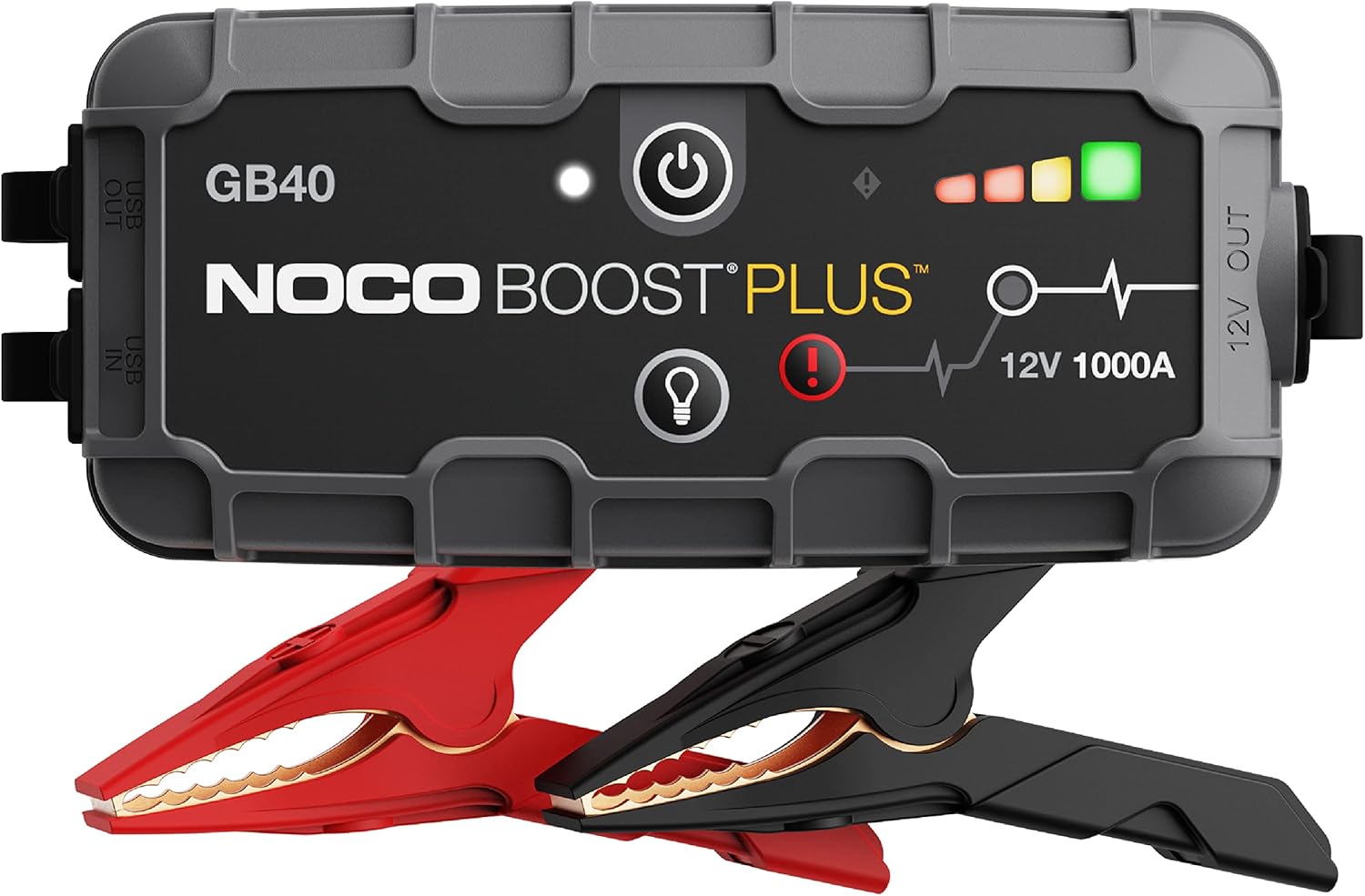
NOCO Boost Plus GB40 Jump Starter
A 1000A lithium jump starter that fits in your glovebox and works on any 12V battery. Your insurance against a dead 12V in a parking lot.
As an Amazon Associate, ThinkEV earns from qualifying purchases — at no extra cost to you.

Founder & Chief Editor
Vlad Pereira is the founder and chief editor of ThinkEV.ca, the Canadian electric-vehicle publication he writes and edits from Courtenay, British Columbia. He covers EV pricing, federal and provincial rebates, charging costs, and the Chinese manufacturers now entering Canada, from the buyer's side rather than the press-fleet side. ThinkEV is a venture of Vlad Pereira Online; his writing on health, income and the long game lives at vladpereira.com.
Frequently asked questions
Is copying a Porsche silhouette actually illegal in Canada?
Does the Z7 have any actual Porsche parts inside?
Will Chinese EVs eventually develop their own distinct visual identity?
Why did so many European designers move to Chinese automakers after 2018?
If the Z7 reaches Canada, should buyers worry about IP disputes affecting service?
More EV & road-trip finds
Affordable upgrades worth a look — tap any to check the price on Amazon.
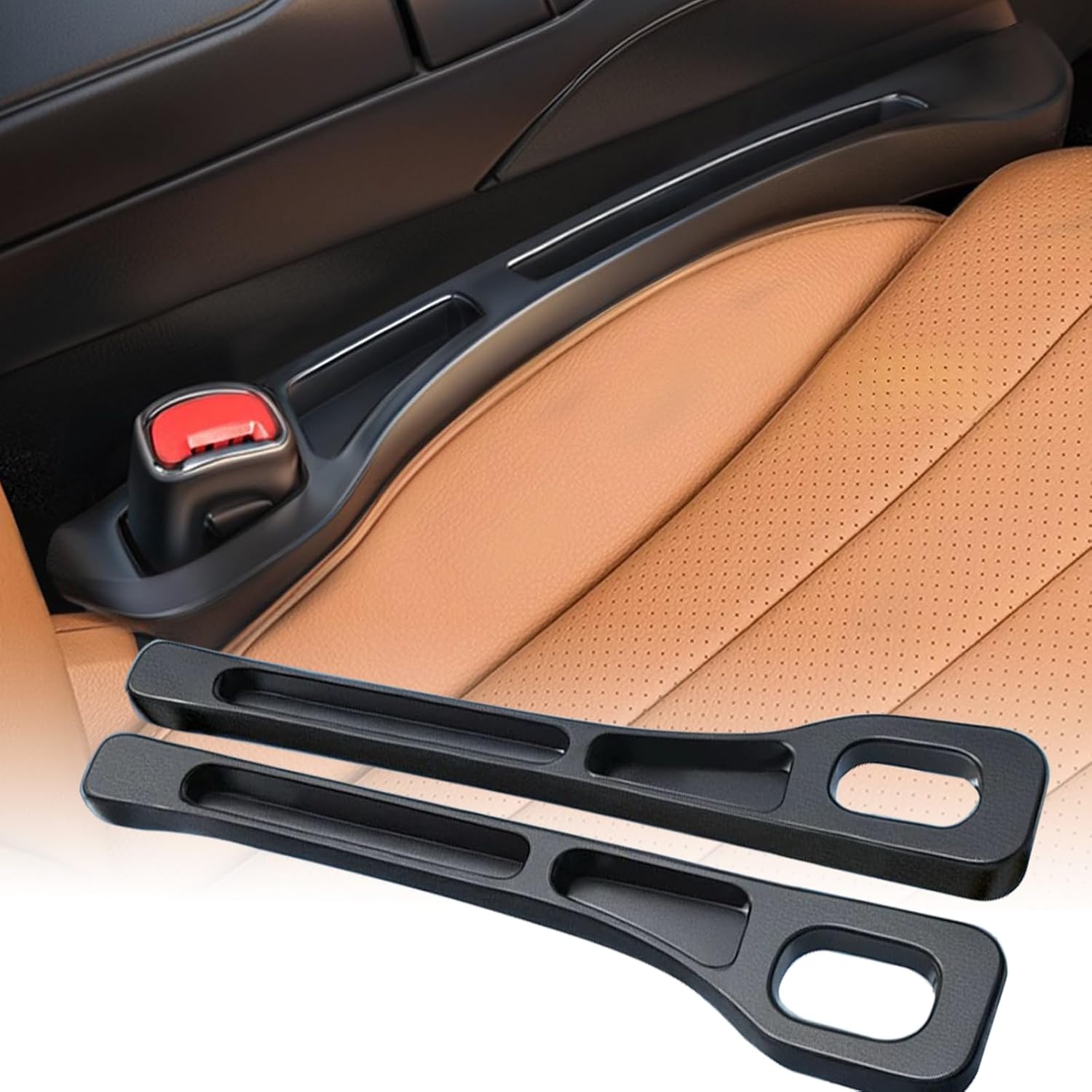 ★ 1,340
Car Seat Gap Filler (Universal)
View on Amazon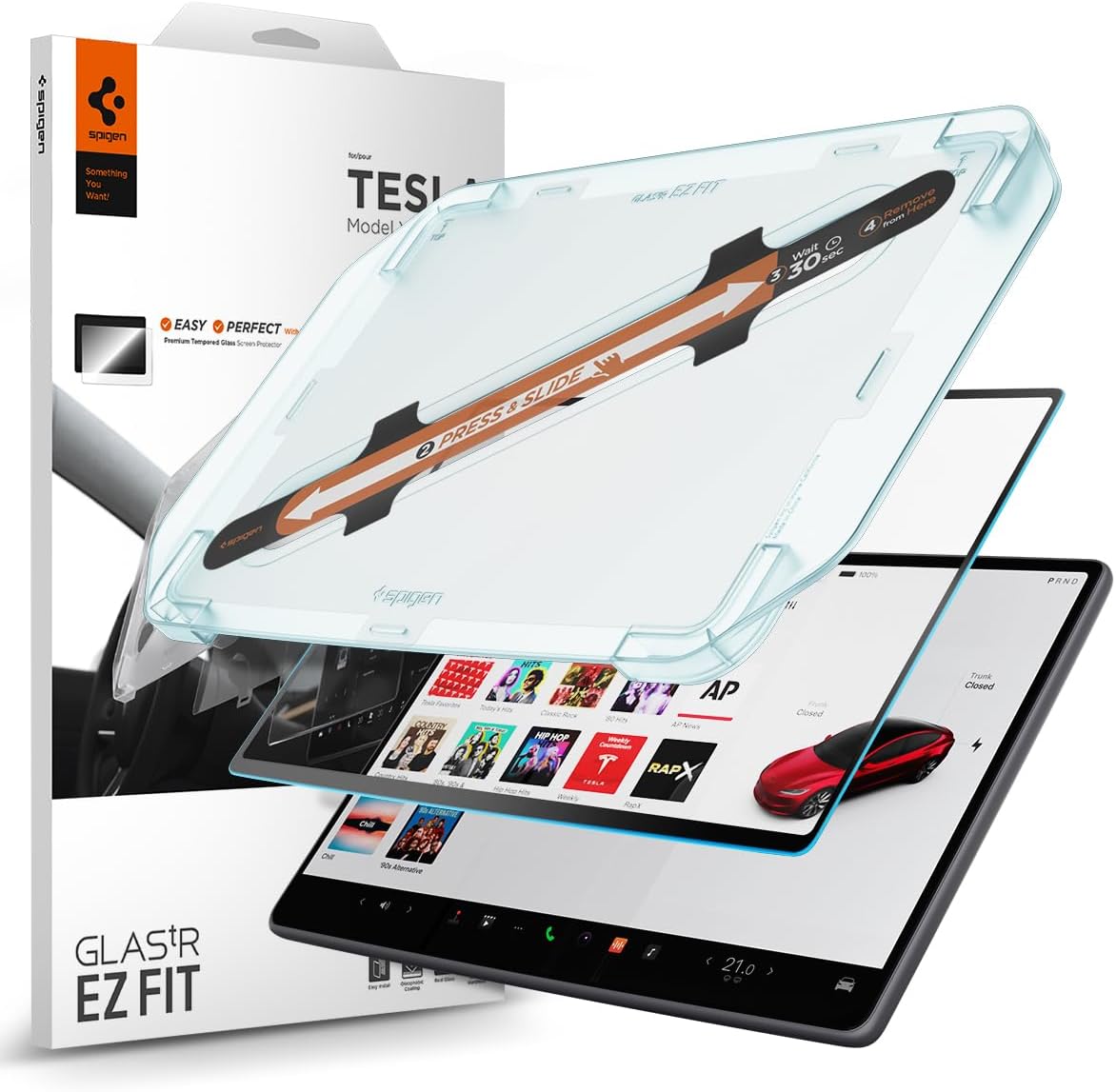 ★ 15,014
Spigen Tempered Glass for Tesla Model 3/Y
View on Amazon ★ 119
★ 119Foldable Waterproof Trunk Organizer
View on Amazon ★ 392
★ 392Large Cup Holder Adapter (32-40oz)
View on Amazon ★ 47,507
HOMEXCEL Microfiber Cloths (12-Pack)
View on Amazon ★ 314
★ 314Mini USB LED Ambient Lamps (4-Pack)
View on Amazon ★ 1,083
Crystal Push-Start Button Ring (2-Pack)
View on Amazon ★ 4,424
Sun Visor Card and Document Organizer
View on AmazonRead, Plan, Then Stay Current
Explore our expert articles to understand incentives and ownership costs, use the map to pressure-test charging reality, then subscribe so new EV coverage comes straight to you.
Continue Reading
The MG07, the Taycan, and Why Fast EVs Share a Silhouette
How BYD Builds EVs So Cheaply: The Vertical Integration Playbook
BYD Racco 2026: Kei EV With 320 km Range at ¥2.145M
BYD Seal 06 DM-i: 128 km EV Range, $14K USD Starting Price
BYD Dolphin Canada: Price, Specs & 2026 Launch Date