Key takeaways
- That's the date Canada officially opened the door to Chinese-built electric vehicles under the new 6.1% tariff rate.
- Canada would reduce its 100% surtax on Chinese-built EVs, imposed just 15 months earlier in October 2024, down to the standard most-favoured-nation rate of 6.1%.
- The deal came with a strict annual quota: 49,000 Chinese-built EVs per year, representing less than 3% of new vehicles sold in Canada annually.
March 1, 2026. That's the date Canada officially opened the door to Chinese-built electric vehicles under the new 6.1% tariff rate. After months of political drama, trade negotiations in Beijing, and enough hot takes to power an EV fleet, the import permit applications went live.
And the first companies likely to benefit? Not necessarily who you'd expect.
I've spent time digging through the policy and registry trail. The safer conclusion is that the story is more nuanced than the headlines suggest, and several of the strongest claims still need to be handled as informed scenarios rather than settled fact.
Here's the real picture of Canada's first wave of Chinese EV import permits: who got them, who's scrambling, who's sitting it out, and what it all means for Canadian consumers waiting for affordable electric vehicles.

The Deal That Started Everything
On January 16, 2026, Prime Minister Mark Carney did something no Canadian leader had done since Justin Trudeau's 2017 visit: he sat down with Chinese President Xi Jinping in Beijing and hammered out a trade deal.
The headline was straightforward. Canada would reduce its 100% surtax on Chinese-built EVs, imposed just 15 months earlier in October 2024, down to the standard most-favoured-nation rate of 6.1%. In exchange, China would slash its retaliatory tariffs on Canadian canola from roughly 85% to 15%, and drop anti-discrimination tariffs on Canadian lobster, crab, peas, and canola meal.
Carney called it "a partnership that reflects the world as it is today, with an engagement that is realistic, respectful and interest-based."
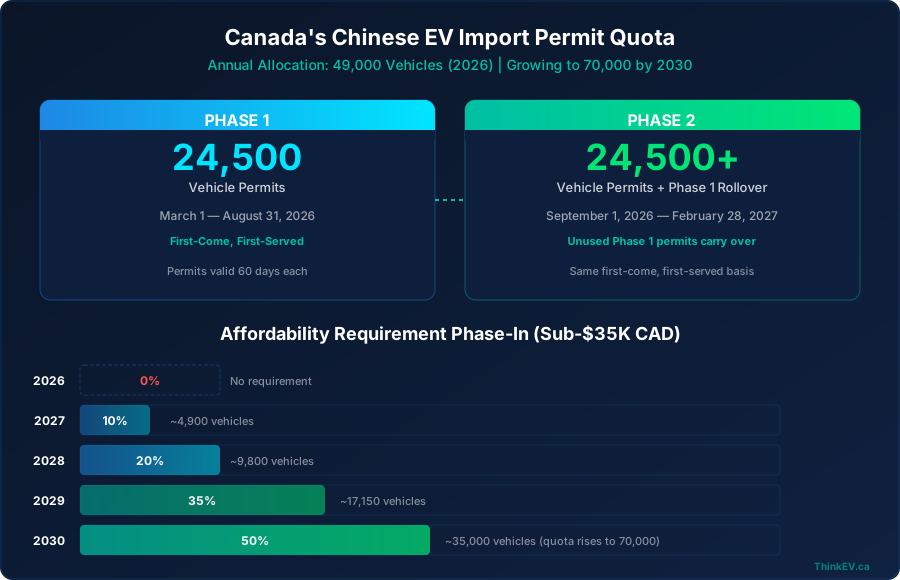
The catch? Canada wouldn't just throw open the floodgates. The deal came with a strict annual quota: 49,000 Chinese-built EVs per year, representing less than 3% of new vehicles sold in Canada annually. That quota would gradually increase to 70,000 by 2030.
And the mechanism for managing that quota? Import permits. Shipment-specific, time-limited, first-come-first-served import permits.
That's where this story gets interesting.
How the Import Permit System Actually Works
On February 25, 2026, just four days before the system went live, Global Affairs Canada published Notice to Importers Serial No. 1162. This is the official rulebook governing how Chinese-built EVs enter Canada under the new tariff rate.
Here's the breakdown of how it actually works.
The quota is split into two phases per year. Phase 1 runs from March 1 through August 31, 2026, with 24,500 vehicle permits available. Phase 2 runs from September 1, 2026 through February 28, 2027, with another 24,500 permits, plus any unused permits from Phase 1 that roll over.
Every single Chinese-built EV needs its own shipment-specific permit. No permit, no entry. Period. Each permit is valid for up to 60 days: five days before the expected entry date through 54 days after. Importers can apply up to 30 days before a vehicle's expected arrival at the border.
It appears to be first-come, first-served. Global Affairs Canada does not appear to have created predetermined per-automaker caps. But buyers should still distinguish between the policy description and a published record of which applicants actually secured which permits.
Read that again. First-come, first-served.
Who can apply? Canadian-resident original equipment manufacturers (OEMs) can apply directly. Non-resident OEMs, which includes every Chinese automaker without a Canadian subsidiary, must designate a Canadian agent or representative as the importer of record.
What vehicles qualify? Battery electric vehicles, plug-in hybrids, and conventional hybrids originating in China. This covers everything from compact city cars to full-size SUVs, including complete knock-down kits assembled elsewhere. It does not cover electric tricycles, golf carts, or three-wheeled mobility scooters.
There's a fairness clause, but it's vague. Global Affairs Canada stated it will "monitor permit applications for the purpose of providing equitable access to the quota." What that monitoring looks like in practice, and whether they'd intervene if one company consumed a disproportionate share, remains unclear.
Unused permits must be cancelled promptly. If an importer applies for 500 permits but only ships 300 vehicles, they're required to cancel the remaining 200 so other importers can access them. Whether this is enforced with any teeth is another question entirely.
The day after, on February 26, CBSA updated Customs Notice 24-32, officially repealing the surtax provisions. The 100% tariff era was over.
The Surprising Frontrunners: It's Not Who You Think
Here's what most coverage of this story gets wrong: the first companies to benefit from Canada's Chinese EV import permits aren't Chinese companies at all.
Tesla was already importing China-built vehicles into Canada before the 100% surtax hit in October 2024. Tesla's Shanghai Gigafactory produces Model 3 and Model Y variants, and the company has full regulatory clearance with Transport Canada. With the surtax gone, Tesla can immediately resume importing China-built vehicles at the 6.1% rate. No new regulatory hurdles. No waiting for Appendix G approval. Just file the permit applications and ship.
Volvo, owned by Chinese conglomerate Geely, was in the same position. Several Volvo models are built in China, and Volvo had established Canadian import pathways before the tariff. The company retains full production flexibility to route China-built vehicles to Canada.
Polestar, also Geely-owned, has identical advantages. Already selling in Canada, already compliant with Transport Canada, already positioned to apply for permits on day one.
Lotus, a third Geely brand, has been even more explicit. CEO Feng Qingfeng publicly stated: "We will be the first Chinese brand to enter Canada under the new tariff." Lotus already has six authorized Canadian dealerships, with plans to expand to twelve by end of 2026. Their Eletre EV SUV and For Me PHEV are ready to ship.
This is the part that should concern advocates who pushed for this deal on affordability grounds. A first-come framework could allow already-positioned companies to consume a meaningful chunk of early volume before pure Chinese brands are retail-ready in Canada.
Tesla alone could theoretically absorb thousands of permits in the first phase. So could Volvo and Polestar. These aren't the $20,000 affordable EVs that Canadians were promised. These are premium vehicles manufactured in China for cost reasons, not consumer savings reasons.
BYD: The Chinese Brand Best Positioned to Enter
Among the actual Chinese automakers, BYD has the clearest path into Canada, and it's not even close.
BYD is the only pure Chinese brand currently listed in Transport Canada's Appendix G registry. This is the pre-clearance program that allows foreign manufacturers to import vehicles at scale. BYD registered passenger vehicle factories in Shenzhen and Xi'an with Transport Canada before the agency froze new Appendix G intake for passenger vehicles in 2025.
That freeze is a critical detail. Transport Canada's Appendix G review means no other Chinese automaker can currently access the fastest regulatory pathway into Canada. BYD got in before the door closed. Everyone else is stuck with slower, more limited alternatives.
BYD appears to be the strongest near-term Chinese brand candidate in the current record. Multiple models are commonly discussed for potential Canadian sale, but buyers should still separate model discussion from confirmed retail launch.
BYD's expected Canadian lineup includes:
- BYD Seagull, The one everyone's been talking about. Expected price: $20,000-$25,000 CAD. Range: 200-280 km. An ultra-budget city car that would be the cheapest EV available in Canada. This is the vehicle that could genuinely disrupt the market, particularly for urban commuters and second-car buyers
- BYD Dolphin, A compact hatchback positioned at $32,000-$40,000 CAD with 280-360 km range.
Comes with a heat pump for cold-weather efficiency, which matters enormously in Canada
- BYD Atto 3, Compact SUV at $36,000-$42,000 CAD with 290-350 km range. Notable for vehicle-to-load (V2L) capability, meaning you can power appliances directly from the car's battery
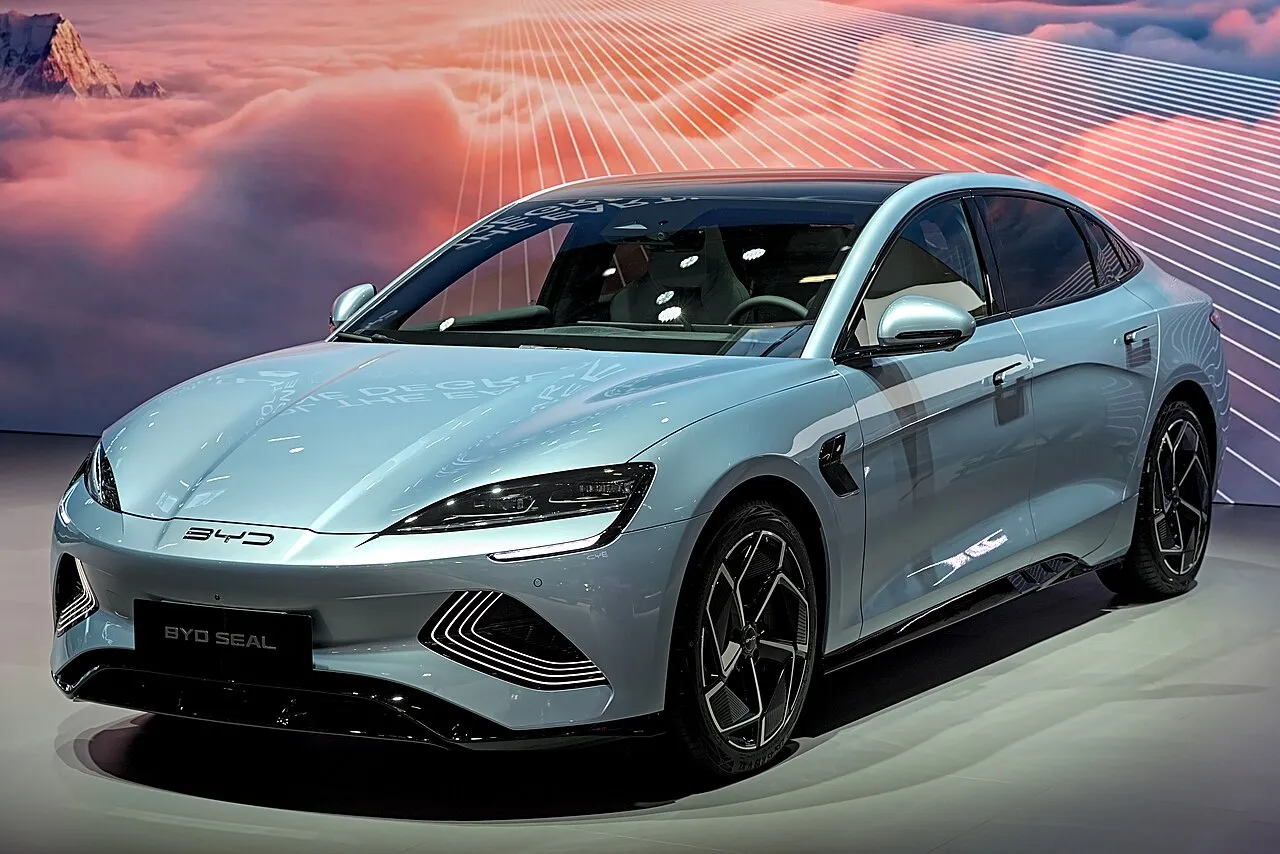
- BYD Seal, The Tesla Model 3 competitor. Expected at $42,000-$65,000 CAD with 380-500 km range.
BYD's premium sedan offering
- BYD Seal U, Mid-size SUV expected in 2027 at $45,000-$55,000 CAD
- BYD Han, Full-size sedan targeting 2027-2028 at $55,000-$75,000 CAD
- BYD Tang, Seven-seat SUV expected 2027-2028 at $65,000-$80,000 CAD
BYD's broader product story is closely tied to its Blade Battery and LFP branding. That helps explain why BYD is drawing so much attention in affordability discussions. But buyers should still separate the global battery narrative from verified Canadian retail facts, especially when articles start turning chemistry shorthand into promises about durability or safety outcomes.
BYD also operates its own cargo shipping fleet, which eliminates dependence on third-party vehicle carriers and gives the company direct control over logistics timing. When BYD is ready to ship, it doesn't need to wait for available space on someone else's boat.
The realistic timeline? Mid-2026 demo activity and late-2026 limited retail are common scenarios in current reporting, with 2027 often treated as the period when a broader network could emerge if the launch proceeds cleanly.
Chery, Geely, and Lotus: The Next Wave
Beyond BYD, three other Chinese automotive groups are actively preparing for the Canadian market.
Chery Automobile has filed Canadian trademarks for an impressive roster of sub-brands: Omoda, Jaecoo, Exeed, Luxeed, iCar, and Lepas. The company is actively recruiting Canadian automotive industry professionals via LinkedIn, a strong signal of serious market entry plans. However, Chery is NOT yet listed in Transport Canada's Appendix G registry, which means it faces a longer regulatory pathway than BYD.
Chery is the world's largest Chinese vehicle exporter and has extensive experience working through foreign regulatory environments, with existing operations across Europe, the Middle East, South America, and Southeast Asia. The company's challenge in Canada isn't manufacturing capability, it's the regulatory timeline.
Geely Holding, the parent company of Volvo, Polestar, and Lotus, has trademarked its premium EV brand Zeekr in Canada. Zeekr makes some of the most technologically advanced EVs in China, with models featuring 800-volt architecture and ultra-fast charging. Geely's strategy is clever: use its existing Volvo and Polestar dealer networks and brand recognition to introduce Zeekr as a premium Chinese EV brand. It's a backdoor entry that bypasses the brand-trust problem most Chinese automakers face in Western markets.
Lotus is positioning itself as literally the first Chinese brand to sell under the new tariff. With six existing Canadian dealerships (expanding to twelve), Lotus has the retail infrastructure that other Chinese brands lack entirely. The Eletre is a high-performance electric SUV competing with the Porsche Cayenne and BMW iX, priced well above the mass-market segment. This isn't about affordability, it's about establishing a beachhead.
Who's NOT Coming (At Least Not Yet)
Just as telling as who's rushing in is who's sitting this out.
NIO, China's premium EV maker known for its battery swap stations, did not respond to media requests about Canadian market entry plans. NIO has been focused on European expansion and is dealing with its own profitability challenges. Canada doesn't appear to be a near-term priority.
XPeng, another premium Chinese EV brand with strong autonomous driving technology, declined to comment on Canada plans. XPeng has been expanding in Europe but hasn't signalled Canadian interest.
Li Auto, China's leading extended-range EV maker, explicitly stated it is "focused on other regions." Li Auto's vehicles use range extenders (small gasoline engines that charge the battery), a concept that has limited appeal in markets pushing for pure battery electric adoption.
SAIC/MG, Dongfeng, GAC, Great Wall Motor, Leapmotor, Changan, FAW, Voyah, Avatr, Deepal, Wuling, IM Motors, and Lynk & Co are all absent from Transport Canada's vehicle import registry as of early March 2026. None have publicly announced Canadian market entry plans.
This matters because it tells us something important about the first wave: it may be smaller and more limited than the hype suggests. Even if the quota headline is real, that does not mean dozens of brands suddenly become retail-ready in Canada.
The Affordability Promise vs.
Reality
One of the strongest arguments for this deal was affordability. Chinese EVs cost $10,000-$15,000 less than comparable North American models. The BYD Seagull at $20,000-$25,000 CAD would be the cheapest EV ever sold in Canada.
But the affordability story has some significant asterisks.
The affordability quota requirement is phased in over five years, and Year 1 has no requirement at all. Here's the actual schedule:
- 2026-2027 (Year 1): No affordability requirement whatsoever
- 2027: 10% of quota must be priced under $35,000 CAD
- 2028: 20% must be under $35,000 CAD
- 2029: 35% must be under $35,000 CAD
- 2030: 50% must be under $35,000 CAD
That means for the first two phases of import permits, all of 2026, there is zero obligation for any vehicle entering under the quota to be affordable. A company could theoretically use all 49,000 permits for $80,000 luxury EVs and be in full compliance with the deal.
The threshold applies to import price, not retail price. The $35,000 CAD cap is measured at the border, the price the importer declares to CBSA. It says nothing about what Canadian dealers will charge consumers. A vehicle that crosses the border at $34,000 could easily retail for $42,000-$45,000 after dealer markup, transportation, preparation fees, and provincial taxes. Ottawa has no mechanism to ensure the affordability requirement translates into lower sticker prices.
Chinese EVs are excluded from EVAP. This is the single biggest pricing catch that most coverage glosses over. Canada's Electric Vehicle Affordability Program (EVAP), which replaced the iZEV program on February 16, 2026, offers up to $5,000 in federal rebates for qualifying EVs. But EVAP requires vehicles to be manufactured in Canada or in countries with which Canada has a free trade agreement. China has no FTA with Canada. Chinese-built EVs, even budget models like the BYD Seagull, do not qualify for the $5,000 federal rebate.
So that $20,000 Seagull? It stays at $20,000 (plus dealer fees). Meanwhile, a $45,000 Hyundai Ioniq 5 built in South Korea (a country with a Canada FTA) drops to $40,000 after the EVAP rebate. The effective price gap narrows considerably.
Insurance costs add another layer. A MyChoice study found that Chinese EVs are expected to cost 20-30% more to insure than other EVs in Canada. The reasons are practical: Canadian insurers are unfamiliar with Chinese EV parts sourcing, repair networks don't exist yet, and actuarial data is nonexistent. Until there's a track record of Canadian claims data, premiums will reflect that uncertainty.

The Safety and Regulatory Gauntlet
Getting a permit to import a vehicle and getting it certified for Canadian roads are two different things. Every vehicle sold in Canada must comply with the Canadian Motor Vehicle Safety Standards (CMVSS), which cover everything from crash protection to lighting to seatbelt specifications.
Transport Canada offers three certification pathways:
Appendix G Pre-clearance is the gold standard for scaled imports. Once a manufacturer is approved, it can bring vehicles in at volume with minimal per-shipment friction. As noted, BYD is currently the only Chinese brand with Appendix G approval for passenger vehicles. Transport Canada's freeze on new Appendix G applications, implemented during a program review in 2025, is a major bottleneck for other Chinese manufacturers.
Gear worth having
As an Amazon Associate, ThinkEV earns a small commission from qualifying purchases — at no extra cost to you.

Grizzl-E Classic Level 2 EV Charger (40A)
Canadian-made and rated for minus 40C winters. 40A / 9.6 kW, NEMA 14-50, indoor/outdoor, 24-ft cable. The charger built for Canadian weather.
As an Amazon Associate, ThinkEV earns from qualifying purchases — at no extra cost to you.
Case-by-Case (CBC) Authorization is the realistic near-term alternative for manufacturers without Appendix G status. Each vehicle requires detailed compliance documentation, approvals are tied to specific VINs, and authorization letters must be presented at the border. It works for small batches and demo vehicles, but it's not a scalable pathway for mass-market sales.
National Safety Mark (NSM) certification is for vehicles manufactured or assembled in Canada, not relevant for imports.
Beyond crash safety, Chinese EVs must also clear:
- Battery safety certification, ensuring cells, modules, and packs meet thermal and crash-protection standards
- Charging interface compatibility, CCS and/or NACS connectors that work with Canadian charging infrastructure
- Data and software compliance, an increasingly scrutinized area given cybersecurity concerns
- Cold-weather performance validation, not a formal regulatory requirement, but Transport Canada monitors performance in extreme conditions
On the safety front, there's actually encouraging data. European NCAP crash tests show Chinese EVs performing at the highest safety levels. The BYD Seal 6, for example, scored among the safest vehicles tested in 2024. Cold-weather testing conducted by European agencies showed some Chinese models outperforming the Tesla Model Y in sub-zero conditions, particularly in battery thermal management.
The cybersecurity question is more complex. Modern EVs, all of them, not just Chinese ones, collect extensive data on drivers, routes, charging behaviour, and vehicle condition. China's Cybersecurity Law (2017) and Data Security Law (2021) technically require companies to support Chinese authorities' security interests, which has raised flags among Canadian security experts. However, as multiple analysts have noted, this isn't a Chinese-EV-specific issue. Every connected vehicle from every manufacturer raises similar data privacy questions. Canada's existing privacy framework is considered insufficient to protect consumers regardless of where their vehicle was manufactured.
Industry Reaction: A Country Divided
The response to Canada's Chinese EV import permits has been sharply polarized, and the divide doesn't follow the lines you might expect.
The opposition is loud and organized.
Unifor, Canada's largest private-sector union representing auto workers, has been the most vocal critic. National President Lana Payne called the deal "a self-inflicted wound to an already injured Canadian auto industry." Her argument is direct: more than one-third of Unifor members at Detroit Three facilities are currently laid off. Opening the door to Chinese EVs threatens to accelerate job losses in an already-struggling sector. Unifor Local 222 passed a formal motion opposing China-owned EV imports.
Ontario Premier Doug Ford went further, calling Chinese EVs "subsidized spy cars" and comparing the deal to "Huawei 2.0." He called on Canadians to boycott Chinese EVs entirely, a remarkable statement from a premier whose province is home to Canada's largest auto manufacturing base and stands to lose the most from Chinese competition.
The Canadian Vehicle Manufacturers' Association warned that the deal could become a "vehicle-sized irritant" in upcoming USMCA trade negotiations with the United States. GM's CEO called Canada's lower Chinese EV tariffs a "slippery slope," reflecting broader concern among Detroit automakers that Canada could become a backdoor for Chinese vehicles to reach North American consumers.
But support is broader than the headlines suggest.
Clean Energy Canada called the deal "a breakthrough for consumers with potential for investment in a modern auto sector." Their polling data backs this up, but more on that in a moment.
McMaster University economist Addisu Lashitew framed it in terms of EV adoption: "With EVs still about 30 to 50 per cent more expensive than comparable gasoline cars, lowering trade barriers would meaningfully ease the affordability constraint." This is the core consumer argument, if the goal is getting Canadians into EVs to meet climate targets, price is the biggest barrier, and Chinese EVs are the fastest way to lower it.
On the dealer side, the picture is mixed but trending positive. Roughly half of large Canadian dealership groups are actively pursuing franchise agreements with Chinese brands. The other half are taking a wait-and-see approach, concerned about brand reputation, service infrastructure, and consumer trust. For dealers, Chinese EVs represent a massive potential revenue stream, particularly in the used EV market, where affordable Chinese models could dominate within a few years.
The Canadian Centre for Policy Alternatives supports the deal but argues it needs strengthening to protect autoworkers, proposing mandatory community benefit agreements and retraining programs as conditions for permit approvals.
What Canadians Actually Think
The polling data on this is remarkably clear, and it doesn't match the loudest voices in the debate.
A Clean Energy Canada / Abacus Data poll conducted January 22-27, 2026, with 2,498 respondents, found:
- 35% of all Canadians are open to buying a Chinese EV
- 70% of Canadians already interested in EVs expressed interest in Chinese models
- 50% of adults under 30 would consider a Chinese EV
- 28% of those 60 and older would consider one
- Regional breakdown: Quebec leads at 45% interest, Alberta trails at 24%
- Quality perception: 18% think Chinese EVs are likely superior to existing options, 32% think they're similar quality, 21% think they're inferior, and 28% are uncertain
A Leger poll from January 30 to February 2, 2026, found that 61% of Canadians support allowing more Chinese EVs into the market, with 24% expressing strong support and 38% somewhat supporting the move.
An Abacus Data survey found that 82% of Canadians support lower tariffs for Chinese EVs, 53% supporting reduced tariffs and 29% supporting complete elimination.
Among those with concerns, the top worries were:
- Vehicle quality (38%)
- Impact on the domestic auto industry (38%)
- Privacy and security (33%)
No formal pre-order or waitlist data exists yet because no Chinese brand has opened Canadian retail sales. But the demand signal is unmistakable: Canadians want affordable EVs, and they're willing to consider Chinese brands to get them.
The USMCA Wildcard
Hovering over this entire story is the USMCA, the United States-Mexico-Canada Agreement that replaced NAFTA. The agreement must be reviewed by July 1, 2026, just four months after Chinese EV import permits opened.
Article 32.10 of USMCA contains a so-called "poison pill" provision: if any member country enters into a free trade agreement with a non-market economy (read: China), the other members can terminate USMCA with six months' notice. The Canada-China EV deal isn't technically an FTA, it's a bilateral tariff-reduction arrangement with a quota, but the US has made clear it views it with suspicion.
President Trump called the deal a "disaster" and "systematic destruction" of Canadian industry. Multiple members of the US Select Committee on China warned that "at a critical moment for USMCA renewal negotiations, Canada should reconsider."
However, not all US reactions were hostile. At least one senior Trump administration official initially said the deal was "not a concern" for US automakers, noting that the quota was too small to meaningfully affect the North American market. That position has since hardened as the political implications became clearer.
For Canada, this is a calculated risk. PM Carney is explicitly trying to diversify Canadian trade relationships away from dependence on the United States, a strategy driven partly by Trump-era tariff threats and partly by the recognition that Canada's automotive sector needs to evolve or die. The Chinese EV deal, combined with the anticipated joint-venture manufacturing investment, is positioned as a path toward that evolution.
The next four months will tell us whether the US views the quota system as a manageable irritant or a deal-breaker for USMCA renewal.
The Joint-Venture Manufacturing Play
There's a dimension to this deal that extends well beyond import permits: the anticipation of Chinese joint-venture manufacturing investment in Canada within three years.
Foreign Affairs Minister Melanie Joly stated the vision explicitly: "We believe that these great Canadian champions, Magna, Linamar, Martinrea, can partner with Chinese EV companies to make a Canadian-Chinese car to export it around the world."
This is the long game. Import permits get Chinese EVs into Canada. But the larger strategic goal is to attract Chinese automakers to build factories in Canada, creating jobs and supply chain investment that offset any losses from increased imports. The pitch to Chinese manufacturers is compelling: build in Canada, gain tariff-free access to the entire USMCA market (assuming USMCA survives), and leverage Canada's existing automotive supply chain expertise.
In February 2026, the government published a new Canadian automotive strategy positioning the country as a global leader in next-generation vehicle manufacturing, with the Chinese partnership as a central pillar. It's ambitious, it's controversial, and it's a bet that the future of Canadian auto manufacturing lies in collaboration with China rather than competition against it.
Whether that bet pays off depends on factors far beyond import permits, including USMCA negotiations, Chinese manufacturers' investment decisions, and whether Canadian consumers actually buy the vehicles in sufficient numbers to justify factory construction.
What Happens Next: The Timeline
Here's the realistic timeline for Chinese EVs in Canada, based on current regulatory positions and industry signals:
March-May 2026: Permit applications flow in. Tesla, Volvo, Polestar, and Lotus consume early Phase 1 permits. BYD submits applications for demo and initial retail shipments.
Mid-2026: First BYD demo units arrive in Canada for dealer evaluation, media reviews, and Transport Canada inspection. Chery and Geely/Zeekr work through Case-by-Case regulatory approvals for their first Canadian vehicles.
Late 2026: Limited BYD retail availability begins, likely starting in British Columbia (strong EV adoption, Pacific shipping routes) and Quebec (provincial EV incentives, French-language readiness). Lotus begins Canadian retail sales through existing dealerships.
September 1, 2026: Phase 2 opens with 24,500 new permits plus any unused Phase 1 allocations. The real supply picture becomes clearer.
2027: BYD expands to Ontario and other provinces. Chery and Zeekr launch initial Canadian sales. The 10% affordability threshold kicks in, at least 4,900 vehicles must cross the border at under $35,000 CAD. National dealer networks begin taking shape.
2028-2029: Broader Chinese EV availability. Additional brands potentially enter the market. Affordability requirements ramp to 20% then 35%. Used Chinese EVs begin entering the secondary market.
2030: Quota rises to 70,000 vehicles annually. The 50% affordability threshold takes effect, requiring at least 35,000 sub-$35K vehicles. By this point, we'll know whether the joint-venture manufacturing play is materializing.
Preparing for a Chinese EV: What Canadian Buyers Should Consider
If you're interested in being among the first Canadians to buy a Chinese EV, here are the practical realities to think about.
Charging infrastructure. Chinese EVs will use CCS or NACS connectors compatible with Canadian charging networks. A reliable Level 2 home charger is essential regardless of what EV you buy, and Canadian-made options like the Grizzl-E Classic offer the durability and cold-weather reliability you need.
Gear worth having
As an Amazon Associate, ThinkEV earns a small commission from qualifying purchases — at no extra cost to you.
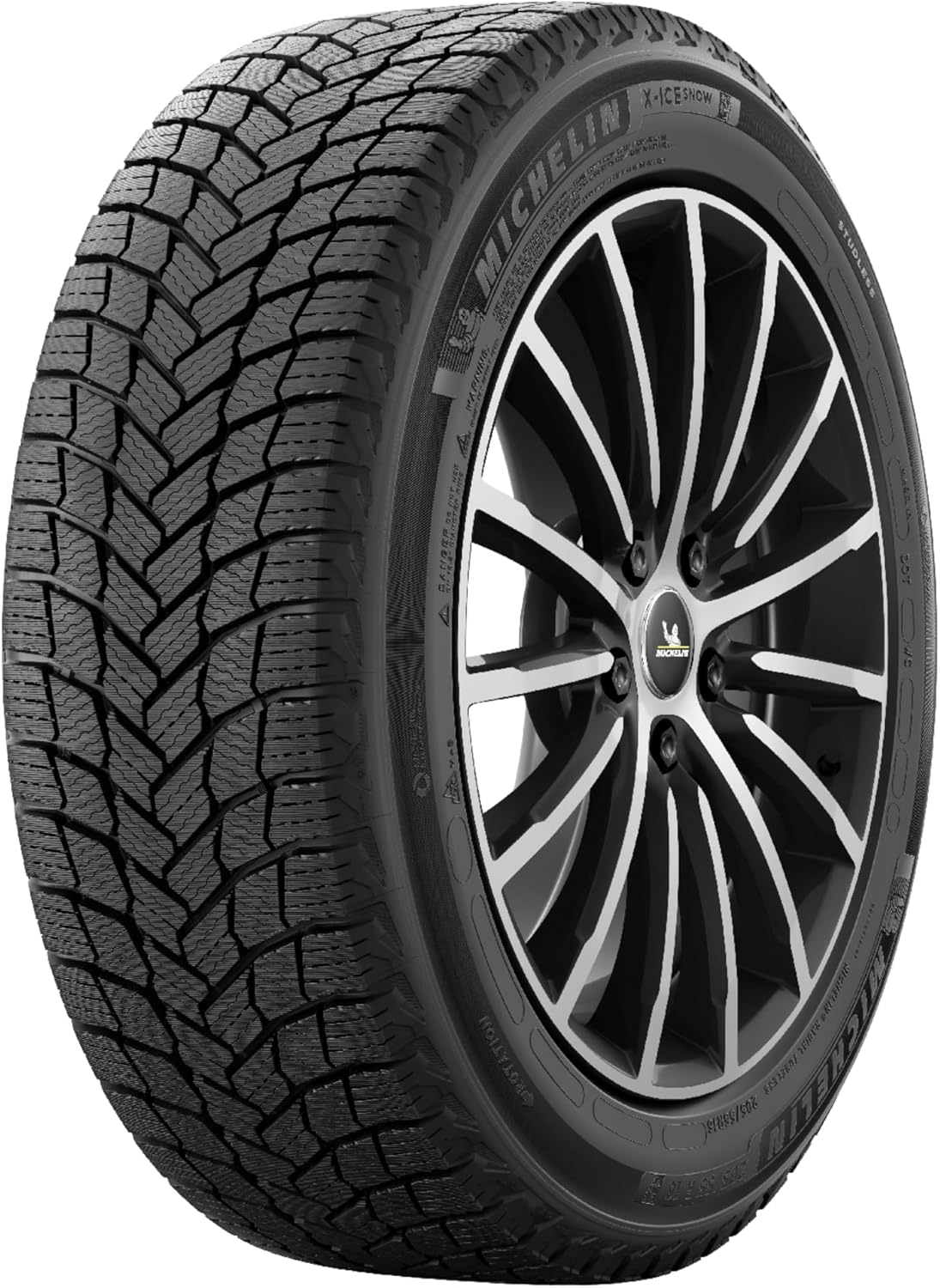
Michelin X-Ice Snow Tires (EV-rated)
EV-specific winter tires with low rolling resistance that recover up to 15 percent of cold-weather range. Mandatory in Quebec, smart everywhere else.
As an Amazon Associate, ThinkEV earns from qualifying purchases — at no extra cost to you.
Service and warranty. This is the biggest unknown. BYD and other Chinese brands will need to establish service networks from scratch. Early buyers should expect to travel for service and potentially wait longer for parts than they would with established brands. Ask any dealer about warranty terms, parts availability, and service locations before signing.
Insurance. Shop around aggressively. Premiums for Chinese EVs will vary significantly between insurers as they figure out their risk models. Get quotes from multiple providers and consider whether the 20-30% premium increase is offset by the lower purchase price.
Resale value. Unknown territory. Chinese EVs have no Canadian resale track record. Early adopters should budget for potentially lower resale values until brand recognition and market acceptance are established.
Winter tires are non-negotiable. Any EV driven in Canadian winters needs proper winter tires. Chinese EVs are no exception, and this is an area where you absolutely should not cut corners.
Dash cam documentation. Given the novelty factor and potential for warranty or insurance disputes, a quality dash cam is a smart investment for early Chinese EV adopters.
Gear worth having
As an Amazon Associate, ThinkEV earns a small commission from qualifying purchases — at no extra cost to you.

VIOFO A229 Pro 4K Dash Cam
4K front plus 2K rear with parking mode and GPS. Your silent witness for insurance claims, with always-on sentry recording while parked.
As an Amazon Associate, ThinkEV earns from qualifying purchases — at no extra cost to you.
The Permits Tell A More Complicated Story
Canada's first wave of Chinese EV import permits tells a more complicated story than either side of the debate wants to acknowledge.
The optimists are right that this deal will eventually bring more affordable EVs to Canadian consumers. The BYD Seagull at $20,000-$25,000 would be genuinely significant for EV adoption in this country. Competition from Chinese brands will force established automakers to lower prices. That's how markets work.
But the pessimists have valid points too. The first-come-first-served system means early permits will likely go to Tesla, Volvo, and other Western brands manufacturing in China, not the affordable Chinese models that justified the deal. The affordability requirement is weaker than advertised, with no binding obligations in Year 1 and a border-price threshold that doesn't translate into guaranteed consumer savings. And the EVAP exclusion means Chinese EVs miss out on $5,000 in federal rebates that their competitors receive.
The first wave isn't a revolution. It's an opening move. If the current reporting is directionally right, the earliest activity is more likely to involve a mix of premium China-built vehicles and limited BYD presence than a sudden flood of ultra-affordable mass-market EVs.
But that opening move matters enormously. Every BYD Seagull that rolls off a ship in Vancouver is a proof of concept. Every Zeekr sold through a Volvo dealership normalizes Chinese EV brands. Every Lotus Eletre on Canadian roads demonstrates that Chinese-built vehicles meet Canadian safety standards.
The door appears more open than it was a year ago. But the permit picture, retail timing, and buyer-facing reality still need ongoing verification.
Gear worth having
As an Amazon Associate, ThinkEV earns a small commission from qualifying purchases — at no extra cost to you.

PULIDIKI Car Cleaning Gel (Detailing Putty)
Press it into vents, buttons, and seams and it lifts out dust you did not know was there. Weirdly satisfying, genuinely useful.
As an Amazon Associate, ThinkEV earns from qualifying purchases — at no extra cost to you.
Related Reading
Gear worth having
As an Amazon Associate, ThinkEV earns a small commission from qualifying purchases — at no extra cost to you.

WixGear Magnetic Air Vent Phone Mount (2-Pack)
A magnet strong enough that your phone never flinches over potholes or rail crossings. Two in the box, one for each car.
As an Amazon Associate, ThinkEV earns from qualifying purchases — at no extra cost to you.

Founder & Chief Editor
Vlad Pereira is the founder and chief editor of ThinkEV.ca, the Canadian electric-vehicle publication he writes and edits from Courtenay, British Columbia. He covers EV pricing, federal and provincial rebates, charging costs, and the Chinese manufacturers now entering Canada, from the buyer's side rather than the press-fleet side. ThinkEV is a venture of Vlad Pereira Online; his writing on health, income and the long game lives at vladpereira.com.
Frequently asked questions
How many Chinese EV import permits did Canada issue in the first wave?
Which companies got the first Chinese EV import permits in Canada?
Do Chinese EVs qualify for Canada's $5,000 EVAP rebate?
What is the tariff on Chinese EVs imported to Canada?
When will BYD start selling cars in Canada?
Are Chinese EVs safe for Canadian roads?
Will Chinese EVs really cost $10,000-$15,000 less in Canada?
More EV & road-trip finds
Affordable upgrades worth a look — tap any to check the price on Amazon.
 ★ 61
★ 61Toddler Car Seat Snack and Cup Tray
View on Amazon ★ 17,839
Qifutan Vent Phone Mount (Military-Grade Clip)
View on Amazon ★ 12,051
Windex Electronics Screen Wipes
View on Amazon ★ 55
★ 55LED Car Door Logo Projector Light
View on Amazon ★ 4,055
6-Speed Manual Shift Knob Display
View on Amazon ★ 979
★ 979Leather Headrest Purse Hook
View on Amazon
TP-Link Kasa Smart Plug with Energy Monitoring
View on Amazon ★ 87
★ 87Car Window Sun Shades for Kids (4-Pack)
View on AmazonRead, Plan, Then Stay Current
Explore our expert articles to understand incentives and ownership costs, use the map to pressure-test charging reality, then subscribe so new EV coverage comes straight to you.
Continue Reading
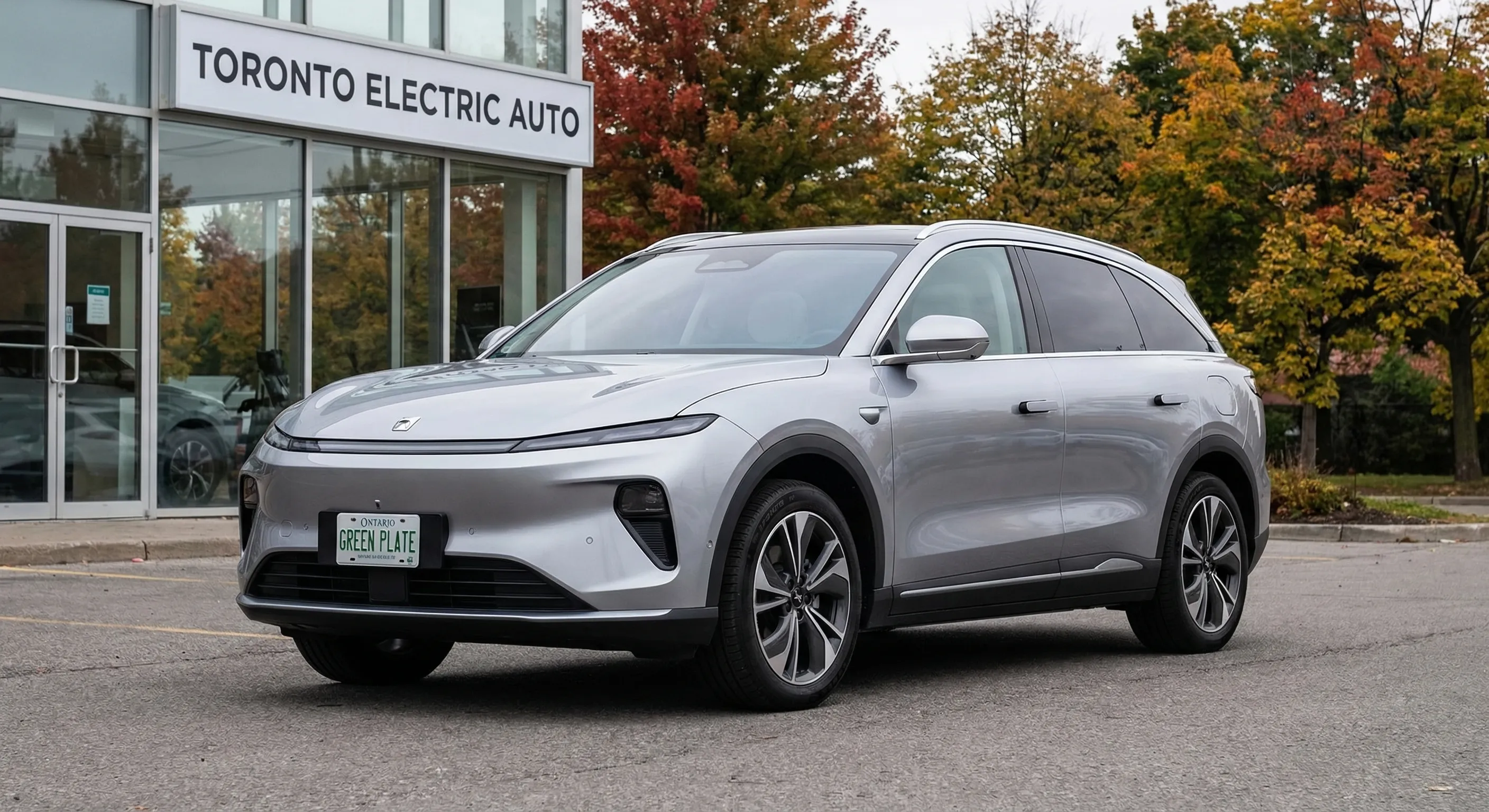
Chery EVs Coming to Canada: Models and Prices
Uber and Lyft EV Switch Canada 2026: The Savings

Canada's EV Market Crash of 2025, and What's Next
New EV Brands Coming to Canada: BYD, Chery, Xpeng

When Will New EVs Arrive in Canada? The Timeline