Tesla is fighting allegations it deleted FSD-related records, Caterpillar is electrifying construction equipment that displaces more emissions than years of passenger-car conversions, and Ford put $200 million CAD into Canadian EV technician training because the service shortage is now the real adoption bottleneck. One news cycle. Four angles on the same transition.
That's a governance scandal, an industrial-decarbonization play, a policy cliff, and a labour-market shortage, in one news cycle. The instinct is to treat them as four unrelated items. The more useful read is that they are the same story told from four angles: the transition has moved past the "which car should I buy" phase into the harder questions of accountability, heavy industry, capital incentives, and skilled labour. None of those are sexy. All of them are now where the action is.
Here is the editorial position. The stories that don't lead the podcast top-of-hour are the ones that will decide what 2026 actually looks like.
Key takeaways
- Tesla faces allegations it deleted FSD-related records, potentially breaking the regulatory model that relies on manufacturer-held telemetry.
- Caterpillar's electric equipment push matters more for Canada than consumer EVs, one mining truck displaces years of passenger-car emissions.
- The US 30% solar tax credit isn't a political threat, missing the deadline permanently changes the payback math for home solar-plus-storage.
- Ford put $200 million CAD into Canadian EV technician training because service capacity, not sales volume, is now the adoption bottleneck.
- Construction-fleet electrification needs its own charging infrastructure story, a mining truck needs megawatts at remote sites, not highway fast-chargers.
The Tesla FSD evidence problem is bigger than a PR crisis
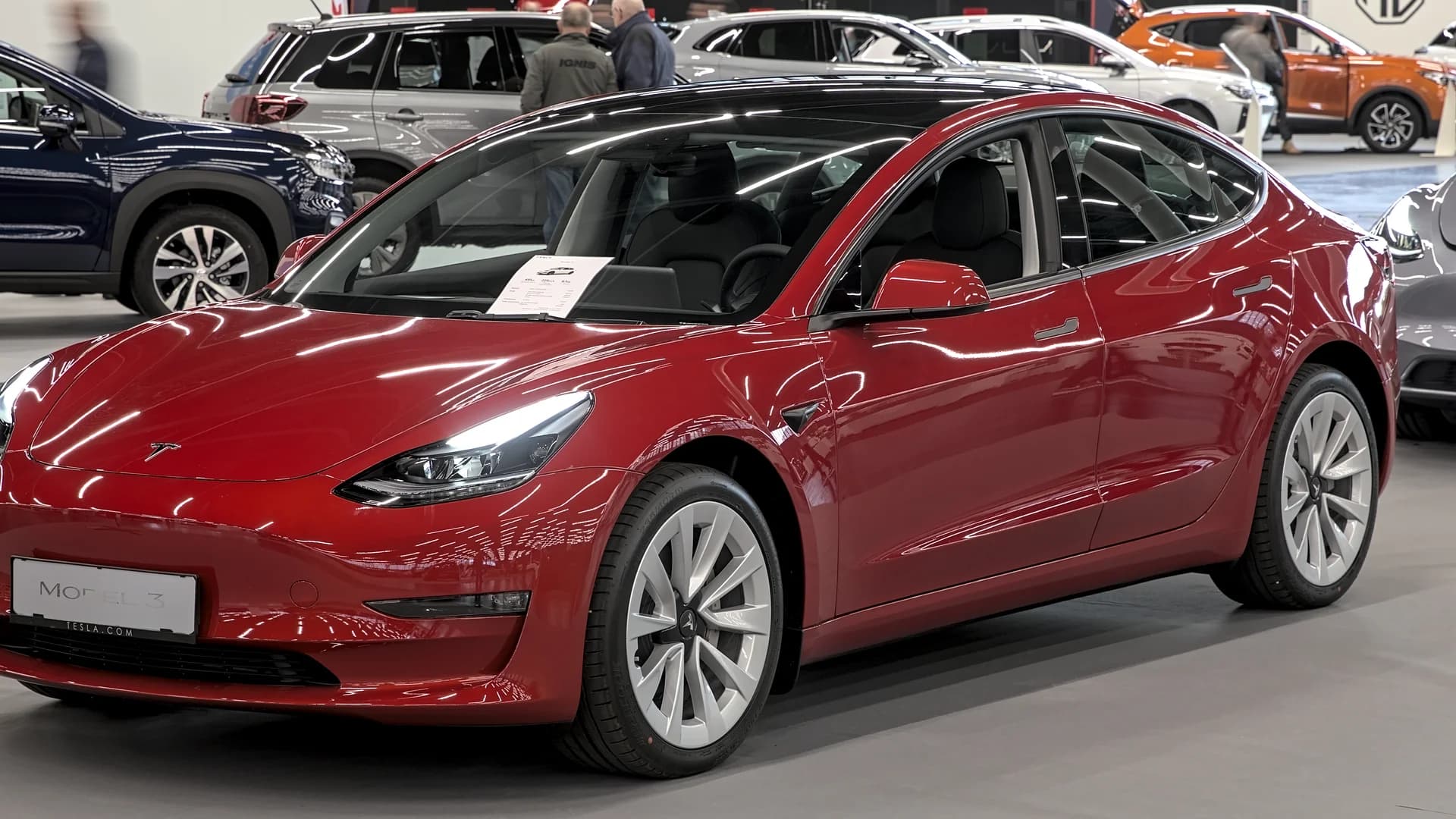
Allegations that Tesla erased FSD-related records are not a typical PR cycle. They are a potential governance failure that touches every regulator with an open Tesla file. NHTSA investigations into Autopilot and FSD lean almost entirely on manufacturer-held telemetry, the carmaker is the custodian of the evidence used to evaluate the carmaker. If the custodian is alleged to have deleted records, the investigatory model breaks before the question of any individual crash is settled.
The forward-looking framing Tesla has used for years, the next software update, the next hardware revision, the next robotaxi reveal, works only if the backward accounting stays clean. Tesla's pipeline of long-promised vehicles, from Cybertruck onward, has always been pitched as the cusp of full production. That narrative depends on regulator and investor trust in the data the company itself produces.
There is also a fleet-management dimension. Tesla's Spring update reportedly leaves older hardware behind, and the company has separately said its newest neural networks can scale across AI3, AI4, and future AI5 systems at different efficiency levels. Both stories, the hardware fork and the alleged evidence problem, touch the same nerve: customers paid for a future capability, and the company controls the data that determines whether it was ever delivered.
My position: if the allegations hold up under regulatory scrutiny, this is the most consequential governance failure in modern EV history, not because of any single crash, but because the entire autonomy supervision model assumes the manufacturer is keeping the receipts. What would change my mind is independent forensic confirmation that no records were destroyed. Until then, this is the story to watch, not the next robotaxi keynote. For the comparative-safety frame, the Tesla FSD vs Waymo vs Cruise safety comparison Canada needs is the right context, three approaches to the same problem, three very different evidentiary regimes.
Gear worth having
As an Amazon Associate, ThinkEV earns a small commission from qualifying purchases — at no extra cost to you.

Lectron Level 2 J1772 Charger (40A, WiFi)
Smart WiFi charger with real-time energy monitoring. 40A / 9.6 kW, J1772 with a NEMA 14-50 plug, schedule charging right from your phone.
As an Amazon Associate, ThinkEV earns from qualifying purchases — at no extra cost to you.
Caterpillar's electric construction push is not a footnote
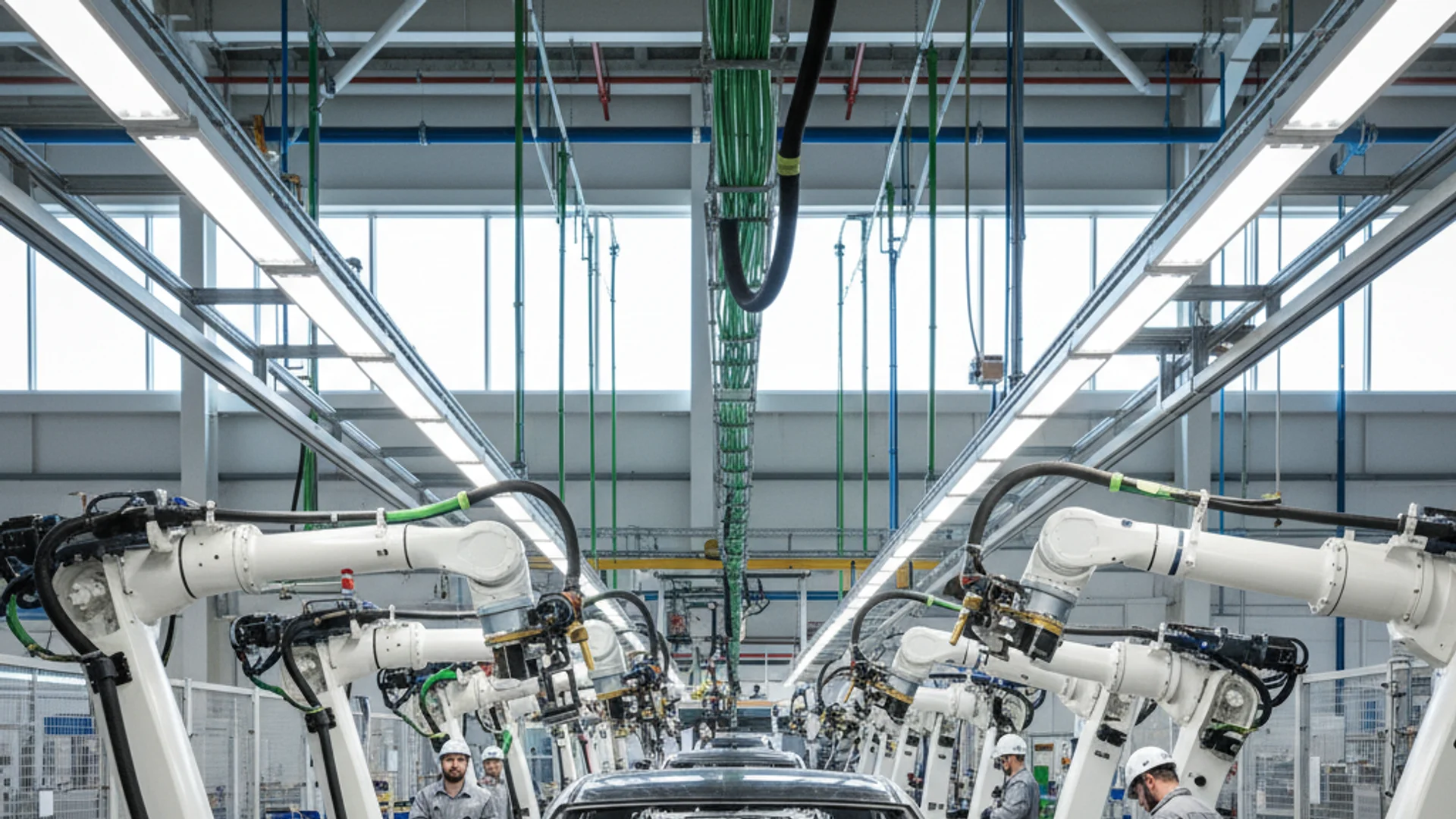
Caterpillar electrifying heavy equipment is being covered as industry-trade-press filler. It should not be. Heavy construction equipment carries multiples of the per-unit emissions footprint of a passenger car, a single mining haul truck or excavator burns more diesel in a week than a commuter sedan burns in a year. Replacing one of those machines is not equivalent to selling one more Model Y. It is several years of passenger-EV displacement compressed into a single fleet purchase.
This matters more for Canada than almost any other market. Mining, oil-and-gas services, forestry, and large-scale civil construction are not optional sectors of the Canadian economy, they are the spine of the resource-export base. If CAT and its competitors crack credible electrification for the 50-tonne and 100-tonne machine classes, the decarbonization upside lands disproportionately in Alberta, British Columbia, Quebec, and Ontario industrial zones, not in downtown showrooms.
The unsolved problem is charging. A passenger EV pulls 50–250 kW. A working-class mining truck wants megawatts, and it wants them in remote sites where grid capacity is the constraint before the vehicle is. The IONNA-and-FLO buildout that's reshaping Canadian highway corridors does nothing for a pit in northern Saskatchewan. Construction-fleet electrification needs its own infrastructure story, and that story is barely being written.
The position here is straightforward. CAT's electrification trajectory is one of the highest-leverage stories in the entire transition, and it is being underweighted because it doesn't generate retail buyer interest. I'd watch the next 18 months of CAT's product announcements harder than I'd watch most of the consumer-EV launch calendar.
Gear worth having
As an Amazon Associate, ThinkEV earns a small commission from qualifying purchases — at no extra cost to you.

WeatherTech FloorLiner for Tesla Model 3
Deep-channel liners that trap every drop of slush and salt. The difference between a ruined interior and a showroom-fresh cabin after a Canadian winter.
As an Amazon Associate, ThinkEV earns from qualifying purchases — at no extra cost to you.
The 30% solar tax credit deadline is the policy story nobody is treating seriously enough
The US Investment Tax Credit step-down is a real deadline, not a political threat. The economics of a residential solar-plus-storage system change materially after the 30% federal credit erodes, and that 30% is what makes the payback math work for most homeowners on a 10-year horizon. Missing the window isn't recoverable on a one-year wait. The asset gets installed once, and the credit applies once.
Canadian readers should care for two reasons. The first is direct: cross-border supply chains for solar inverters, battery packs, and installer labour are tightly coupled. A US installation rush followed by a sudden cliff distorts pricing and availability on the Canadian side. The second is structural: residential solar + home storage is the infrastructure layer that makes long-term EV ownership economics work. A home battery time-shifts charging into off-peak windows; a panel array offsets the marginal grid cost. Strip the credit out and the integrated home-energy-plus-EV value proposition gets noticeably worse, on both sides of the border.
Canadians watching US federal energy policy as a proxy signal for what Ottawa might do should recalibrate. The iZEV programme, the EV charger rebates, and provincial heat-pump incentives, none of them are guaranteed permanent fixtures. If the most consequential US residential clean-energy credit can wind down on schedule, the assumption that Canadian programs are politically untouchable looks complacent.
Gear worth having
As an Amazon Associate, ThinkEV earns a small commission from qualifying purchases — at no extra cost to you.
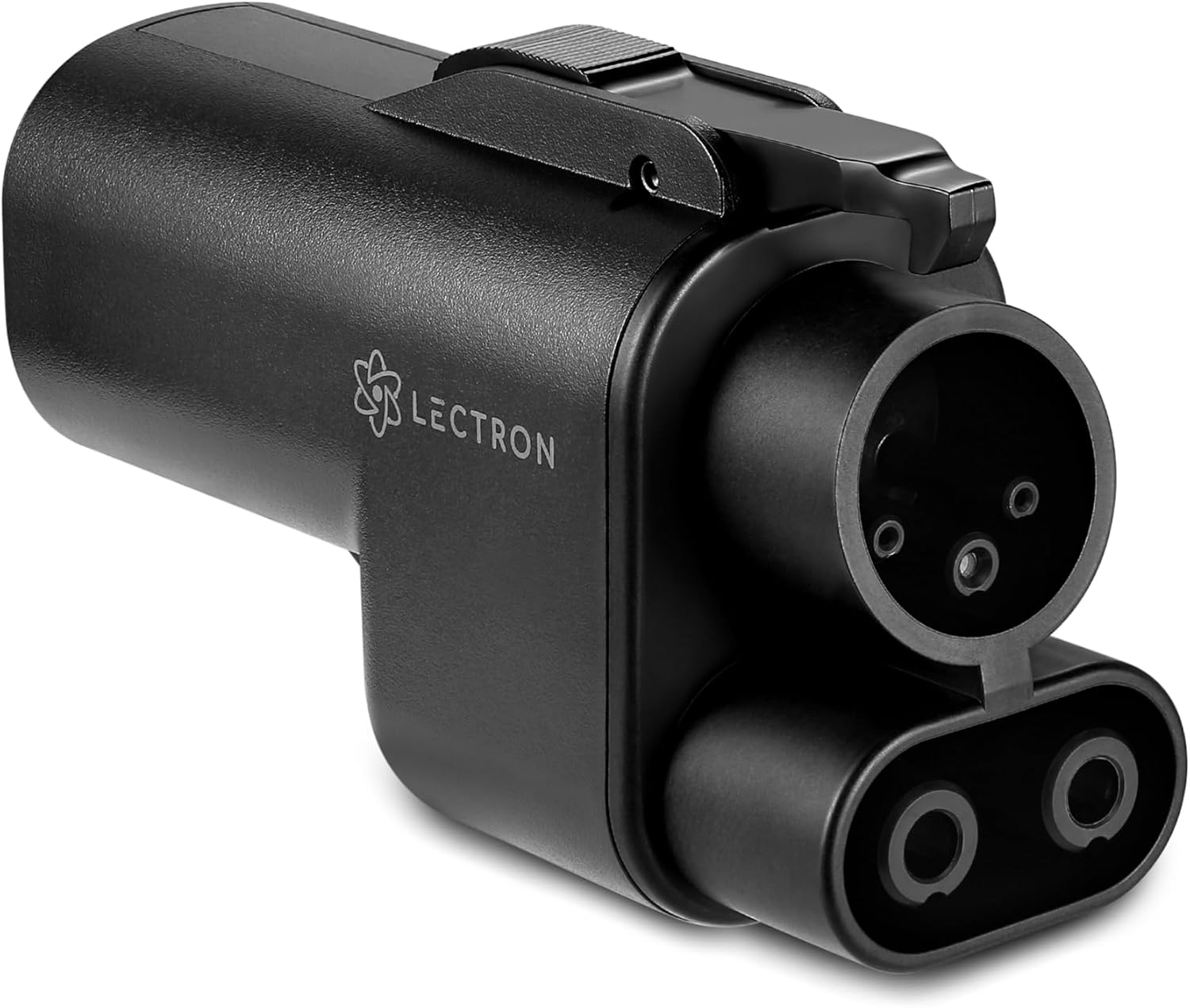
Lectron NACS to CCS Fast-Charge Adapter
Unlock every CCS fast charger for your Tesla, up to 500A DC. Never get stranded at a non-Tesla DC station again.
As an Amazon Associate, ThinkEV earns from qualifying purchases — at no extra cost to you.
EV tech training: the skills gap is the actual bottleneck now
Service capacity, not sales volume, is the binding constraint on Canadian EV adoption in 2026. The vehicles are arriving. The technicians who can safely diagnose a 400-volt or 800-volt battery pack are not arriving at the same pace. Every regional dealer that can't staff a qualified high-voltage bay becomes a bottleneck for warranty claims, recalls, and out-of-warranty repairs across a multi-province catchment.
Ford has put $200 million CAD into Canadian EV technician training, that's not a marketing line, that's an OEM signalling it knows the floor of its own sales projections depends on the diagnostic workforce, not on the order book. For deeper context on how the technician training gap is already reshaping Canadian dealerships, Chery's seven-year unlimited-kilometre warranty raises the same question from the other direction: a warranty promise is only as durable as the technician network expected to honour it. Long warranty, thin service network, slow nationwide rollout, pick two.
The geographic dimension matters. Urban EV adoption metrics flatter the national picture because urban dealers can pool technician capacity across multiple stores. Rural Canada cannot. A small-town dealership cannot afford to dedicate one bay and one specialist to EVs at current sales density, which means owners drive further for service, which depresses adoption in the very communities that have the most to gain from displacing diesel pickups. The training deficit is a regional-equity problem dressed up as a workforce-development problem.
Gear worth having
As an Amazon Associate, ThinkEV earns a small commission from qualifying purchases — at no extra cost to you.

Tesla Key Card Holder with AirTag Slot
Stop fishing the keycard out of your wallet, and slot an AirTag in case the car wanders off in a lot.
As an Amazon Associate, ThinkEV earns from qualifying purchases — at no extra cost to you.
What these three stories tell us about where 2026 actually lands
The transition is no longer a single narrative. It has fragmented into governance (Tesla FSD), infrastructure (CAT and the charging gap above passenger-class), capital incentives (the solar ITC), and labour (technician training). Any of these can stall the others. A governance failure at one OEM contaminates regulator trust across the sector. A skills shortage caps how fast OEM sales can scale. A policy cliff resets the residential energy stack that the EV ownership case quietly depends on.
Add a fourth vector: ride-share fleet electrification. Lyft has committed to a fully electric US and Canadian platform by 2030, which is a different shape of demand entirely, concentrated, urban, high-utilization, and price-disciplined in a way private buyers will never be. Fleet electrification timelines and what they mean for Canadian infrastructure is where the next wave of utility-load forecasting actually has to land. BC Hydro, Hydro-Québec, and Ontario's IESO are all modelling around private-vehicle adoption curves; the fleet curve is steeper and lumpier.
For context on how fast the underlying competitive landscape has shifted while the Western press was distracted: BYD already passed Tesla in global sales, and most people missed it. That's the backdrop for every story in this week's set, the company at the centre of the FSD governance story is no longer the volume leader, and the story is being told as if it still is.
Bottom line: I'd watch CAT's construction electrification timeline harder than the next consumer-EV launch. I'd watch the FSD evidence story harder than the next Autopilot software push. And I'd watch the Canadian technician training pipeline harder than monthly sales figures. The headline-grabbing stories are not the load-bearing ones, and the load-bearing ones are where 2026 will actually be decided.
Gear worth having
As an Amazon Associate, ThinkEV earns a small commission from qualifying purchases — at no extra cost to you.
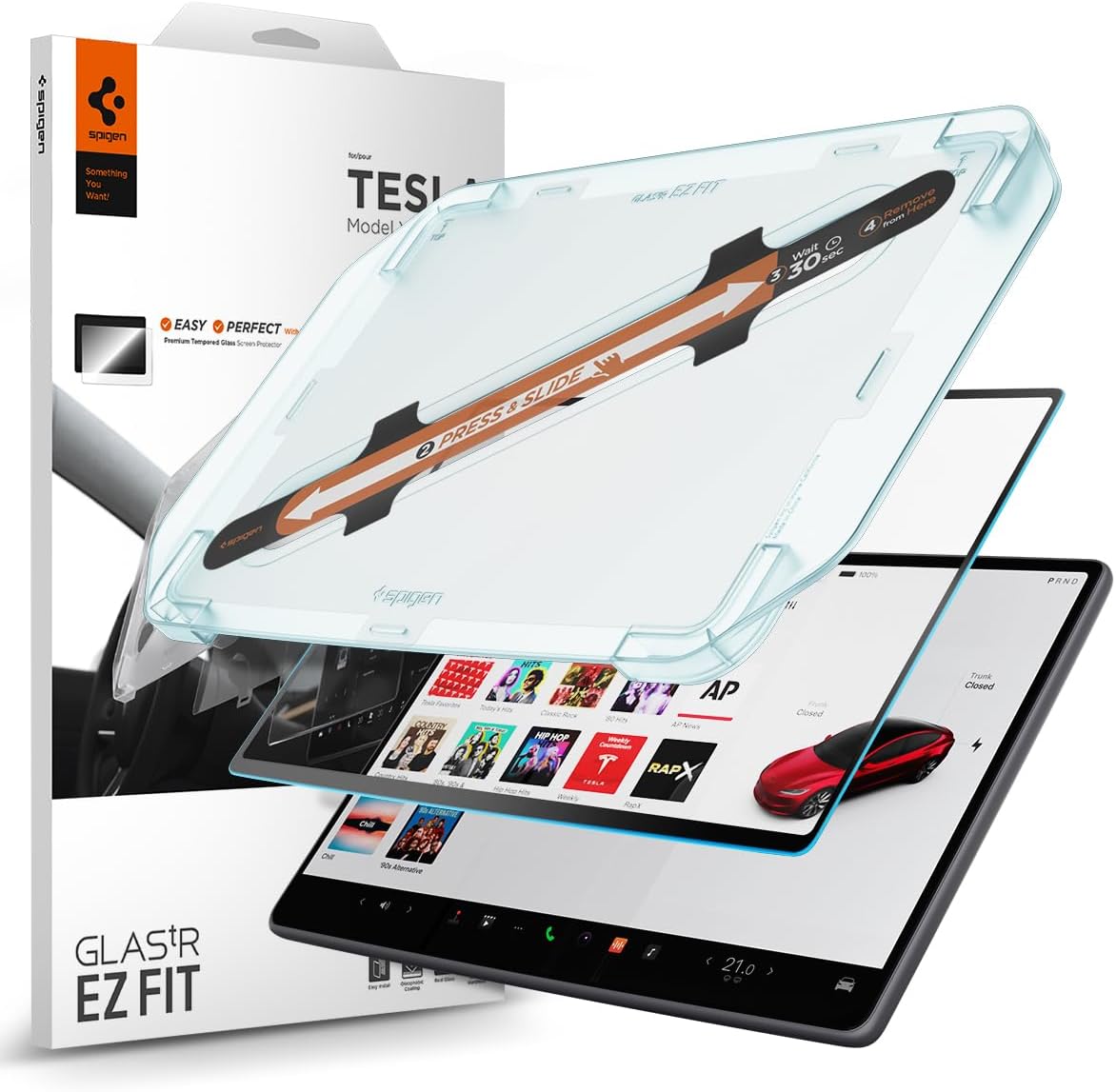
Spigen Tempered Glass for Tesla Model 3/Y
Tempered-glass protection for the touchscreen that kills fingerprints and scratches. Two minutes to install, lasts the life of the car.
As an Amazon Associate, ThinkEV earns from qualifying purchases — at no extra cost to you.

Founder & Chief Editor
Vlad Pereira is the founder and chief editor of ThinkEV.ca, the Canadian electric-vehicle publication he writes and edits from Courtenay, British Columbia. He covers EV pricing, federal and provincial rebates, charging costs, and the Chinese manufacturers now entering Canada, from the buyer's side rather than the press-fleet side. ThinkEV is a venture of Vlad Pereira Online; his writing on health, income and the long game lives at vladpereira.com.
Frequently asked questions
Does the Tesla evidence problem affect Canadian Tesla owners directly?
When is the US solar tax credit actually stepping down?
Which Canadian provinces stand to gain most from CAT's electrification push?
How bad is the EV technician shortage outside major Canadian cities?
Should Canadian homeowners rush solar installs because of the US credit cliff?
More EV & road-trip finds
Affordable upgrades worth a look — tap any to check the price on Amazon.
 ★ 61
★ 61Toddler Car Seat Snack and Cup Tray
View on Amazon ★ 392
★ 392Large Cup Holder Adapter (32-40oz)
View on Amazon ★ 12,051
Windex Electronics Screen Wipes
View on Amazon ★ 55
★ 55LED Car Door Logo Projector Light
View on Amazon ★ 4,055
6-Speed Manual Shift Knob Display
View on Amazon ★ 979
★ 979Leather Headrest Purse Hook
View on Amazon ★ 17,242
LISEN Mini USB-C Car Charger (54W)
View on Amazon ★ 87
★ 87Car Window Sun Shades for Kids (4-Pack)
View on AmazonRead, Plan, Then Stay Current
Explore our expert articles to understand incentives and ownership costs, use the map to pressure-test charging reality, then subscribe so new EV coverage comes straight to you.
Continue Reading
How Tesla Pressured EU Regulators to Approve FSD in 2026
Tesla Cybercab Launch Draws NHTSA Probe, Stock Slide
Tesla Cybercab Employee Rides: A Parking-Lot Shuttle
Tesla Cybercab Specs Confirmed by EPA, Autonomy Still Missing
SAE Driving Automation Levels Explained: L0 to L5