Key takeaways
- Temperatures that drop to -40C, vast distances between towns, and a population of about 44,000 spread across a territory larger than California.
- It provides a $5,000 rebate on the purchase or lease of a new battery electric vehicle or plug-in hybrid.
- If you're buying a three-year-old Tesla Model 3 from a dealer in Whitehorse, you can still claim the $5,000.
Yukon stacks $10,000 in EV rebates, $5,000 territorial, $5,000 federal, in a territory where January temperatures average -15C in Whitehorse and fuel regularly tops $1.80 a litre. That combination puts Yukon alongside Quebec and PEI for total incentive value, and it applies to used vehicles too, which almost no other province allows. The territory's Good Energy Program offers a $5,000 rebate on electric vehicles, and when you stack that with the $5,000 federal EVAP rebate, you're looking at $10,000 off the sticker price. Ten thousand dollars in rebates, in a territory where most people assumed EVs were a non-starter. Yukon's electricity comes almost entirely from hydroelectric generation, which means every EV plugged in up there is running on genuinely clean power. The territorial government sees transportation electrification as a natural extension of an already-clean grid. And with fuel prices in Whitehorse regularly exceeding $1.80 per litre, the economics of switching to electric make even more sense here than they do in southern Canada. The upfront rebate just accelerates a decision that already pencils out over three to five years of ownership.
GOOD ENERGY PROGRAM
The Yukon's Good Energy Program is the territory's flagship EV incentive. It provides a $5,000 rebate on the purchase or lease of a new battery electric vehicle or plug-in hybrid. The program is administered by the Yukon government's Energy branch and has been running since 2020, with renewed funding through 2026.
Eligibility is broad. You need to be a Yukon resident, and the vehicle must be registered in the territory. Both new and used EVs qualify, which is a distinction worth noting, most provincial programs restrict their rebates to new vehicles only. If you're buying a three-year-old Tesla Model 3 from a dealer in Whitehorse, you can still claim the $5,000. That opens the door for buyers who can't justify a $50,000+ purchase but can swing a $30,000 used EV with $5,000 back in their pocket.
The application process is simple. You fill out the rebate form on the Yukon government's Energy website, attach your proof of purchase and registration, and submit. Processing typically takes four to six weeks. The rebate is paid directly to you, not applied at the dealer. So you'll need the full purchase price upfront, then get the $5,000 back after the paperwork clears. It's not as smooth as BC's point-of-sale rebate, but it's still straightforward.
STACKING WITH FEDERAL EVAP
Here's where it gets interesting. The $5,000 Good Energy Program rebate stacks with the $5,000 federal EVAP rebate, giving you a combined $10,000 discount. That puts the Yukon alongside PEI, Manitoba, and Quebec as one of the best places in Canada for total EV incentive value.
The federal EVAP rebate applies to new EVs with a final transaction value under $50,000 (base price + options + dealer fees, excluding taxes and freight). Canadian-made vehicles have no cap. It's applied at the point of sale through participating dealers, so you see that discount immediately on your purchase agreement. The Yukon territorial rebate comes after, once you submit your application. The two programs are completely independent, claiming one doesn't affect the other. Note: Yukon excludes Tesla from its Good Energy Program territorial rebate.
What does the combined rebates actually mean in practice? A Chevrolet Equinox EV at $44,995 drops to $35,995 after both rebates ($5,000 EVAP + $5,000 Yukon). A Hyundai Kona Electric at $42,999 becomes $32,999. A Kia EV4 at $38,995 becomes $28,995. Those are used-car prices for brand-new electric vehicles. Tesla buyers get neither the Yukon Good Energy rebate (Tesla is excluded) nor the federal EVAP (Tesla exceeds the $50,000 transaction value cap). For a territory where the median household income is around $100,000, the combined $10,000 in savings on non-Tesla EVs makes electric vehicles genuinely accessible.
WINTER REALITY

Driving an EV in the Yukon means dealing with some of the coldest temperatures in Canada. Whitehorse averages -15C in January, and Dawson City regularly sees -30C to -40C stretches. That kind of cold affects battery performance in two ways: it reduces available range by 25-40%, and it slows charging speeds, especially on DC fast chargers.
Gear worth having
As an Amazon Associate, ThinkEV earns a small commission from qualifying purchases — at no extra cost to you.

Grizzl-E Classic Level 2 EV Charger (40A)
Canadian-made and rated for minus 40C winters. 40A / 9.6 kW, NEMA 14-50, indoor/outdoor, 24-ft cable. The charger built for Canadian weather.
As an Amazon Associate, ThinkEV earns from qualifying purchases — at no extra cost to you.
A vehicle rated at 400 km of range might deliver 240-300 km in a Whitehorse winter. That's still enough for daily driving, most Yukoners drive less than 50 km per day, but it means you need to plan differently for longer trips. Preconditioning the battery before driving (warming it up while still plugged in) makes a significant difference. Most modern EVs with heat pumps handle cold weather far better than early models did. The Hyundai Ioniq 5, Kia EV6, and Tesla Model Y all have cold-weather packages that help maintain range.
The bigger concern for Yukon EV owners isn't range, it's charging infrastructure between communities. The Alaska Highway stretches 480 km between Whitehorse and Watson Lake with very few services in between. The Yukon government has been installing Level 2 chargers along major corridors, and Natural Resources Canada's ZEVIP program has funded additional stations, but the network is still sparse compared to southern provinces. If you're doing inter-community travel, you need to plan your charging stops carefully.
Gear worth having
As an Amazon Associate, ThinkEV earns a small commission from qualifying purchases — at no extra cost to you.
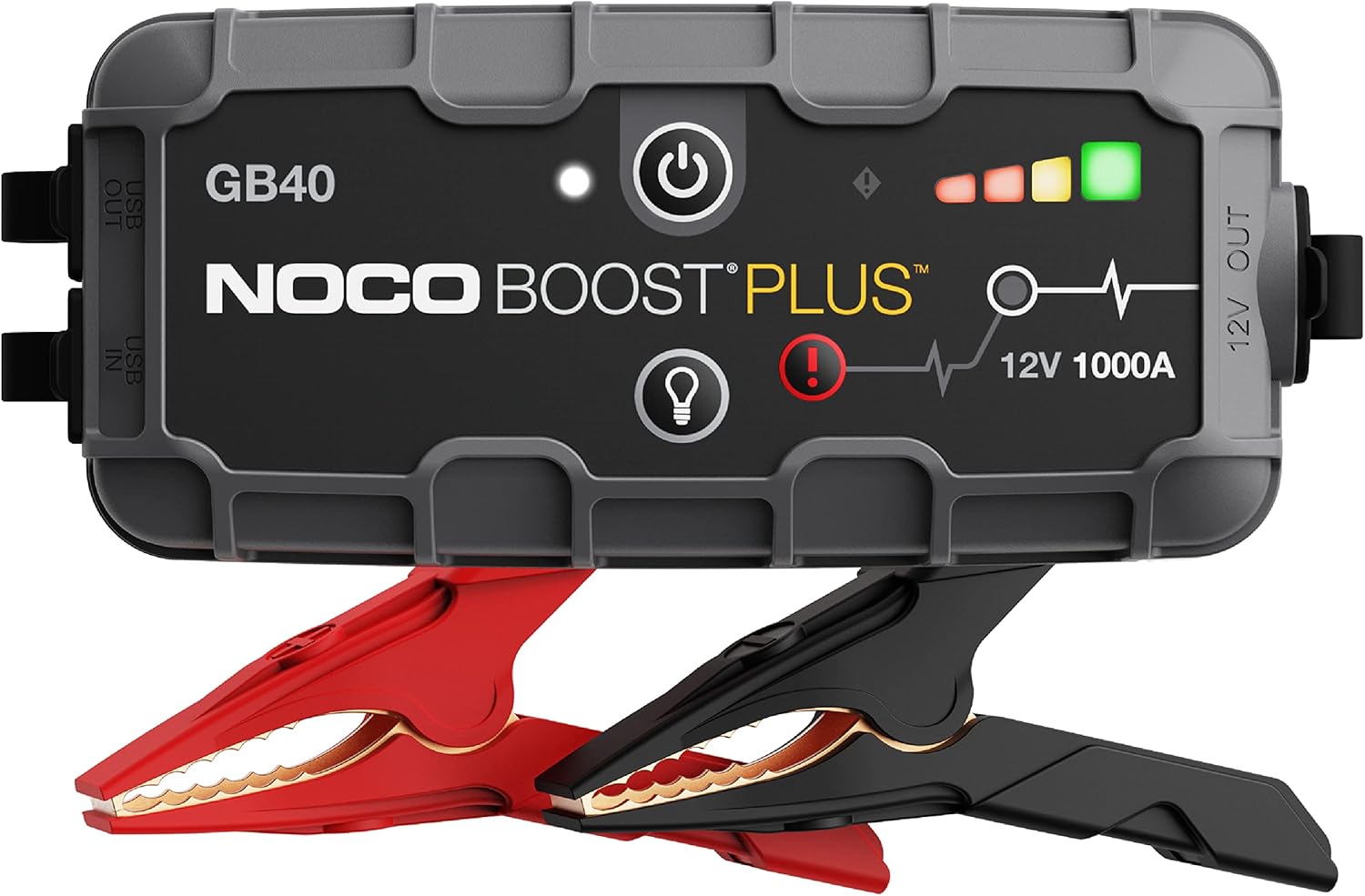
NOCO Boost Plus GB40 Jump Starter
A 1000A lithium jump starter that fits in your glovebox and works on any 12V battery. Your insurance against a dead 12V in a parking lot.
As an Amazon Associate, ThinkEV earns from qualifying purchases — at no extra cost to you.
Home charging is the backbone of EV ownership in the Yukon. A Level 2 charger on a 240V outlet will fully charge most EVs overnight, even in cold weather. Yukon Energy's residential rate is about $0.14 per kWh, which means a full charge on a 60 kWh battery costs roughly $8.40. Compare that to filling a gas tank at $1.80 per litre, you're spending $90-$100 for a similar driving distance. The annual fuel savings for someone driving 15,000 km add up to roughly $1,500-$2,000, which means the EV effectively pays for itself over five to seven years even before the rebates.
CHARGING INFRASTRUCTURE
The Yukon's public charging network is small but growing. As of early 2026, there are Level 2 chargers in Whitehorse, Haines Junction, Dawson City, Watson Lake, and Carmacks. The Yukon government has committed to expanding the network along the Alaska Highway and the Klondike Highway, with additional stations planned for Teslin and Destruction Bay by late 2026.
Whitehorse has the most charging options, with stations at the Canada Games Centre, Yukon Energy's main office, and several downtown locations. Most are Level 2, which means a full charge takes four to eight hours. There are currently no public DC fast chargers in the Yukon, though the territorial government has flagged this as a priority. For daily driving within Whitehorse, Level 2 charging at home and at public stations is more than adequate. For longer trips, the lack of fast charging means you need to plan for longer stops.
The practical advice for Yukon EV buyers: charge at home every night, keep your battery above 20% in winter, and plan your highway trips around the available charging stations. The network is improving, but it's not yet at the point where you can drive anywhere in the territory without thinking about it.
Is an EV Right for Yukon?
The Yukon's EV incentive package is genuinely impressive, $10,000 in combined rebates for a territory of 44,000 people is a serious commitment. The cold weather is a real factor, but modern EVs handle it far better than most people assume, and the fuel cost savings are substantial given Yukon's high gas prices. Home charging on cheap hydro power makes daily EV ownership economical, and the Good Energy Program's inclusion of used EVs opens the door for budget-conscious buyers.
The main limitation is charging infrastructure between communities. If you're driving exclusively within Whitehorse, an EV works perfectly. If you're regularly making the 480 km run to Watson Lake or the 530 km drive to Dawson City, you need to plan your charging carefully until the territory builds out its highway network. For most Yukoners, though, the combination of generous rebates, clean hydro power, and massive fuel savings makes an EV a surprisingly practical choice, even at -40C.

Gear worth having
As an Amazon Associate, ThinkEV earns a small commission from qualifying purchases — at no extra cost to you.
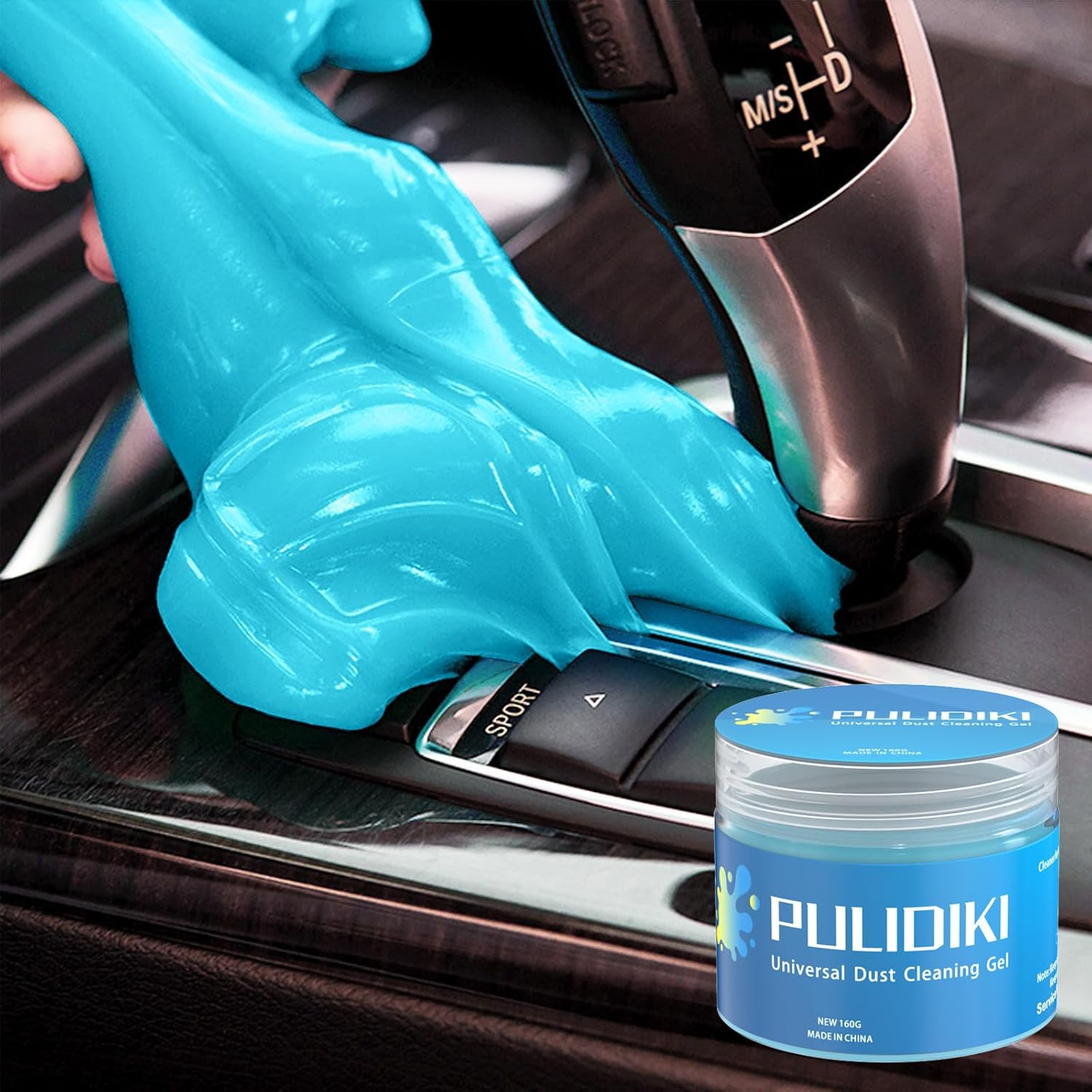
PULIDIKI Car Cleaning Gel (Detailing Putty)
Press it into vents, buttons, and seams and it lifts out dust you did not know was there. Weirdly satisfying, genuinely useful.
As an Amazon Associate, ThinkEV earns from qualifying purchases — at no extra cost to you.
Gear worth having
As an Amazon Associate, ThinkEV earns a small commission from qualifying purchases — at no extra cost to you.

WixGear Magnetic Air Vent Phone Mount (2-Pack)
A magnet strong enough that your phone never flinches over potholes or rail crossings. Two in the box, one for each car.
As an Amazon Associate, ThinkEV earns from qualifying purchases — at no extra cost to you.
Related Reading
- Northwest Territories EV Incentives 2026, How the NWT compares to Yukon for EV ownership.
- Canada EV Rebate EVAP 2026 Guide, How to claim your $5,000 federal EV incentive.
- EV Rebates by Province Canada 2026, Every provincial and territorial rebate compared.
Gear worth having
As an Amazon Associate, ThinkEV earns a small commission from qualifying purchases — at no extra cost to you.

Car Cup Holder Coasters (4-Pack)
Drop-in coasters that catch spills and crumbs so your cup holders stay clean. Rinse and reuse forever.
As an Amazon Associate, ThinkEV earns from qualifying purchases — at no extra cost to you.

Founder & Chief Editor
Vlad Pereira is the founder and chief editor of ThinkEV.ca, the Canadian electric-vehicle publication he writes and edits from Courtenay, British Columbia. He covers EV pricing, federal and provincial rebates, charging costs, and the Chinese manufacturers now entering Canada, from the buyer's side rather than the press-fleet side. ThinkEV is a venture of Vlad Pereira Online; his writing on health, income and the long game lives at vladpereira.com.
Frequently asked questions
Does the Yukon Good Energy Program cover used EVs?
Can I stack the Yukon rebate with the federal EVAP rebate?
How much range do EVs lose in Yukon winters?
Are there DC fast chargers in the Yukon?
How much does it cost to charge an EV in the Yukon?
More EV & road-trip finds
Affordable upgrades worth a look — tap any to check the price on Amazon.
 ★ 12,051
Windex Electronics Screen Wipes
View on Amazon ★ 55
★ 55LED Car Door Logo Projector Light
View on Amazon ★ 401
★ 401Crochet Daisy Rear-View Mirror Charm
View on Amazon ★ 979
★ 979Leather Headrest Purse Hook
View on Amazon ★ 297
★ 297360-Degree One-Hand Dashboard Phone Mount
View on Amazon ★ 61
★ 61Toddler Car Seat Snack and Cup Tray
View on Amazon ★ 17,839
Qifutan Vent Phone Mount (Military-Grade Clip)
View on Amazon ★ 8,681
Chemical Guys Complete Car Wash Kit
View on AmazonRead, Plan, Then Stay Current
Explore our expert articles to understand incentives and ownership costs, use the map to pressure-test charging reality, then subscribe so new EV coverage comes straight to you.
Continue Reading
Alberta EV Rebates 2026: What You Actually Get
BC EV Rebates 2026: What's Left After the Cuts
Manitoba EV Rebates 2026: $4,000 Incentive Ends March 31
Newfoundland EV Rebates 2026: What You Can Claim
PEI EV Rebates 2026: The Island's Surprising $5,000 EV Deal