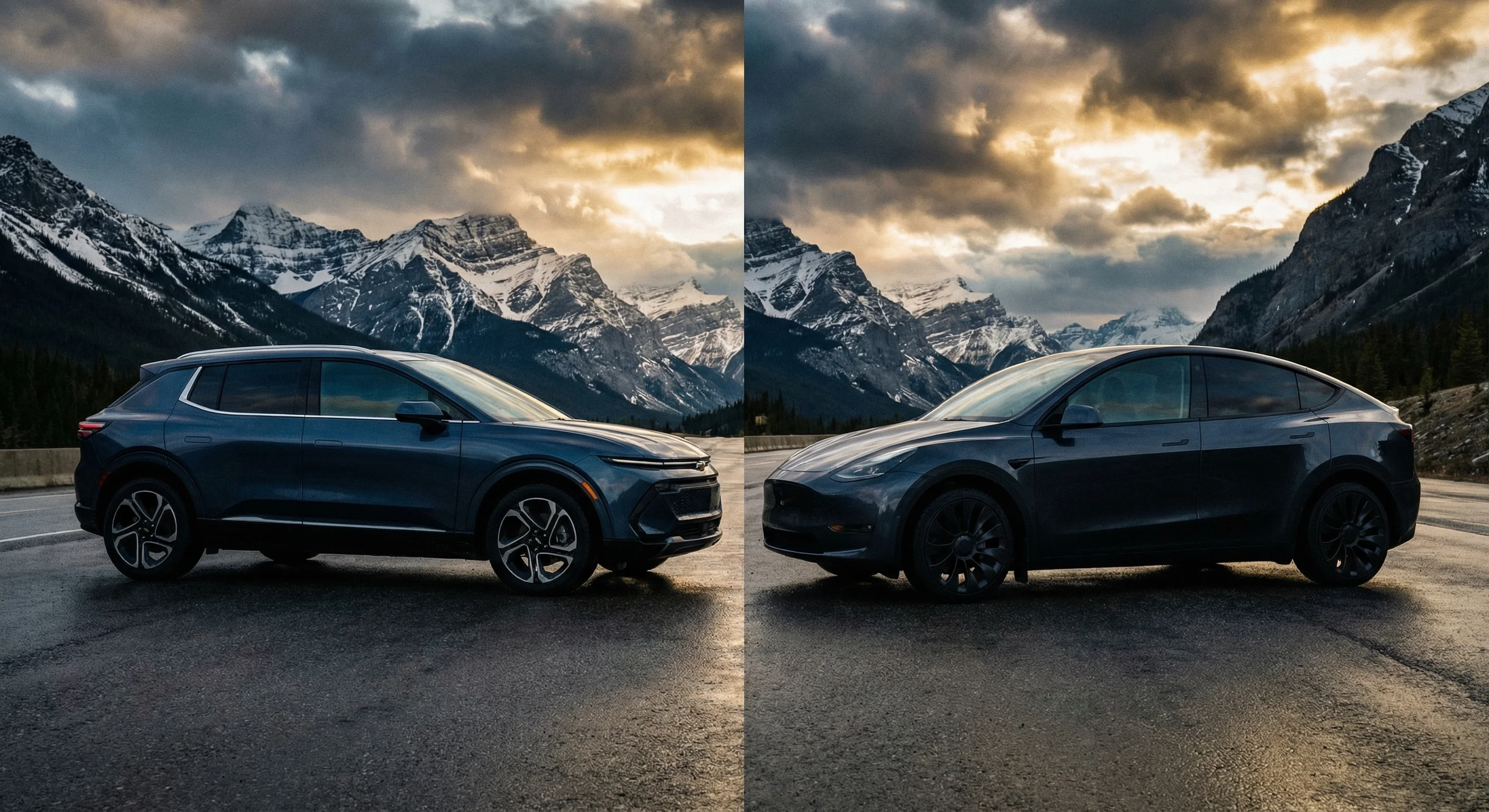
For the first time in a decade, Tesla isn't Canada's top EV brand. GM is.
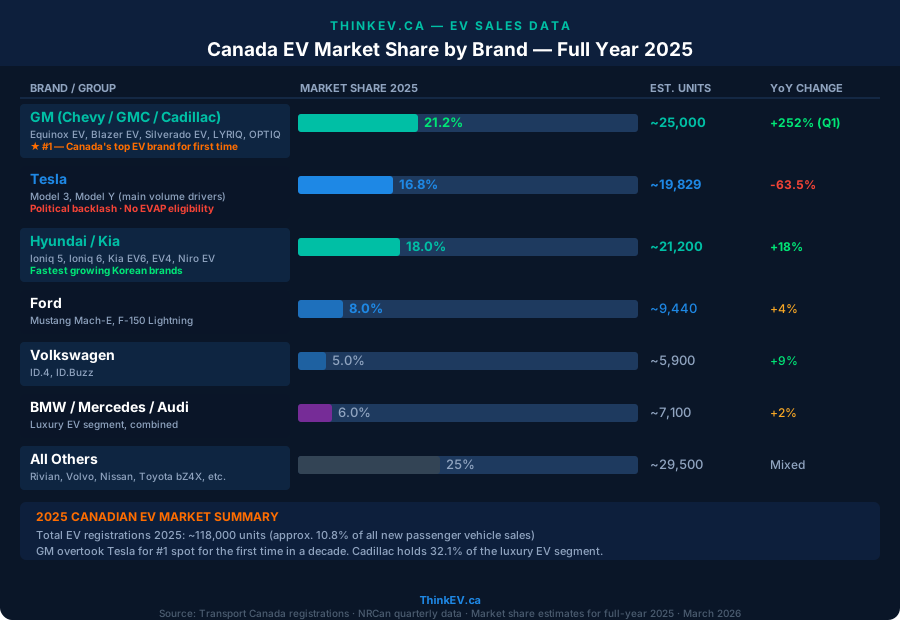
Not by a slim margin. Not on a technicality. General Motors outsold Tesla in electric vehicles across Canada for the entire 2025 calendar year, capturing 21.2% of the national EV market with over 25,000 registrations. Tesla? Their sales cratered 63.5% year-over-year. In Quebec alone, Tesla registrations dropped nearly 85% between Q4 2024 and Q1 2025.
This is a structural power shift, and it tells us exactly where the Canadian EV market is heading in 2026 and beyond.
Key takeaways
- GM sold over 25,000 EVs in Canada in 2025, capturing 21.2% market share, making it the country's #1 EV brand
- Tesla's Canadian sales plunged 63.5% to roughly 19,829 units, driven by political backlash, pricing, and brand erosion
- The Chevy Equinox EV was the #2 most-registered EV in Canada in 2025, with nearly 5,000 units sold in H1 alone
- Cadillac led the luxury EV segment with 32.1% market share, more than any other premium brand
- With BYD preparing to enter the Canadian market and Hyundai/Kia growing fast, the competitive picture is only getting tighter
The Numbers Don't Lie
In 2025, General Motors registered over 25,000 battery-electric vehicles in Canada. Tesla managed roughly 19,829 units, a staggering 63.5% decline from 2024. GM's EV growth was particularly explosive in Q1 2025, where they posted a 252% year-over-year sales increase with 5,750 EVs sold in the first three months alone.
And it wasn't just one model doing the heavy lifting. GM rolled out a full lineup of 13 all-electric vehicles across Chevrolet, GMC, and Cadillac. The portfolio approach worked. While Tesla relied on four models (really just two high-volume ones, Model 3 and Model Y), GM attacked every segment:
- Chevy Equinox EV, the affordable compact SUV that became the breakout hit
- Chevy Blazer EV, the mid-size family SUV
- Chevy Silverado EV, the work truck that fleet buyers and tradies actually wanted
- Cadillac LYRIQ, the luxury crossover that put Cadillac back in the conversation
- Cadillac OPTIQ, the entry-luxury EV that stole sales from Tesla's Model Y
In the luxury segment, Cadillac captured 32.1% of Canada's luxury EV market, the single largest share of any premium brand. That's not a rounding error. That's domination.
How GM Did It

The answer comes down to three factors: the right product, the right price, and the right moment.
The Pricing Strategy
Tesla's problem started with money. The cheapest Model 3 in Canada starts around $54,990 (Long Range, there's no base or Standard Range Model 3). The Model Y RWD base at $49,990 is now on the official EVAP eligible list and qualifies for the $5,000 rebate, but only that one trim, the Long Range AWD ($59,990) and Performance ($69,990) do not qualify. And when the old iZEV program ran out of its $3-billion budget in early 2025, Tesla buyers who weren't looking at the base Model Y lost their federal incentive entirely.
GM, meanwhile, brought the Equinox EV to market starting at $44,995. That's an all-electric compact SUV with 513 km of range, built on GM's Ultium platform, at a price that qualifies for the $5,000 federal EVAP rebate on base trims.
After the EVAP rebate, that's roughly a $5,000 gap between a base Equinox EV (~$39,995) and a base Model Y ($44,990 after EVAP). For a lot of Canadian families, the Equinox EV still wins on value, more range, lower price, broader dealer network.
The Dealer Network Advantage
Tesla has showrooms, a handful, mostly in major cities. GM has over 450 dealerships across Canada, from downtown Vancouver to rural New Brunswick. When you're selling EVs to mainstream buyers (not early adopters, not tech enthusiasts, regular people who need a car), you need to meet them where they are.
GM dealers can service these vehicles. They can explain them. They can let you test drive one on a Saturday morning without booking an appointment through an app. That matters more than the EV world wants to admit.
The Ultium Platform
This is the boring-sounding part that actually matters the most. GM's Ultium platform is a modular battery architecture that underpins every GM EV from the $45K Equinox to the $110K+ Hummer EV. It uses large-format pouch cells, supports both 400V and 800V charging, and can scale from small crossovers to full-size trucks.
What Ultium gave GM was the ability to launch a dozen different EVs without building a dozen different platforms. That's manufacturing efficiency that translates directly into competitive pricing. Tesla has two platforms. GM has one that does everything.
The Equinox EV Factor
The Equinox EV deserves its own section because it single-handedly changed the game.
In the first half of 2025, the Equinox EV racked up 4,961 sales in Canada, more than the Ford Mustang Mach-E (4,767), the Tesla Model Y (4,665), and the Tesla Model 3 (3,971). It was the second most-registered EV in the entire country.
Why? Because it's the EV that Canadians were actually asking for. A compact SUV. Practical. Spacious interior with a 17.7-inch touchscreen. 513 km of range on front-wheel-drive trims. Available all-wheel drive with 300 horsepower. And a price that doesn't require a second mortgage.
The Equinox is the vehicle GM should have built five years ago. But they built it now, and the timing turned out to be perfect, because the market was ready for an affordable, no-compromise EV from a brand that Canadians already trust.
Chevrolet has been selling the Equinox nameplate in Canada for over two decades. People know what an Equinox is. Their mechanic knows what an Equinox is. When you tell your parents you bought an Equinox, they don't look at you like you joined a cult. That brand familiarity is worth more than any Super Bowl ad.
Gear worth having
As an Amazon Associate, ThinkEV earns a small commission from qualifying purchases — at no extra cost to you.

Grizzl-E Classic Level 2 EV Charger (40A)
Canadian-made and rated for minus 40C winters. 40A / 9.6 kW, NEMA 14-50, indoor/outdoor, 24-ft cable. The charger built for Canadian weather.
As an Amazon Associate, ThinkEV earns from qualifying purchases — at no extra cost to you.
What Happened to Tesla
A 63.5% decline in Canadian sales is catastrophic for any brand, and it happened for several overlapping reasons.
The Political Baggage
Elon Musk's increasingly polarizing political activities hit especially hard in Canada. His involvement with the U.S. Department of Government Efficiency (DOGE) and cozy relationship with the Trump administration created a backlash that was impossible to ignore north of the border.
The numbers tell the story. A 2025 Angus Reid poll found that 71% of Canadians supported a ban on Tesla vehicles. Over 364,000 Canadians signed a petition calling for Musk's Canadian citizenship to be revoked. "Tesla Takedown" protests erupted across the country, in Toronto, Vancouver, Montreal, Calgary. A Montreal Tesla dealership was vandalized. The Vancouver International Auto Show pulled Tesla vehicles entirely over safety concerns related to protests.
Gear worth having
As an Amazon Associate, ThinkEV earns a small commission from qualifying purchases — at no extra cost to you.

Portable Level 2 EV Charger (40A, NEMA 14-50)
Throw it in the trunk and charge anywhere with a 240V outlet. 40A portable with NEMA 14-50 plug. Your road-trip insurance policy.
As an Amazon Associate, ThinkEV earns from qualifying purchases — at no extra cost to you.
In Quebec, where environmental values and anti-American political sentiment run deep, Tesla registrations dropped nearly 85% between Q4 2024 and Q1 2025. That's a market that essentially evaporated overnight.
The Pricing Problem
Beyond politics, Tesla's pricing strategy alienated Canadian buyers. With the Model 3 starting at $54,990 (Long Range only, over the EVAP cap) and the Model Y lineup dominated by Long Range and Performance trims well above $50,000, Tesla was largely positioned out of the affordable EV segment. The Model Y RWD base at $49,990 qualifies for EVAP, but that single trim doesn't undo the brand's premium positioning. When the iZEV program expired in early 2025, most Tesla buyers lost their federal incentive entirely.
Meanwhile, competitors like the Equinox EV, Kia EV6, and Hyundai Ioniq 5 offered comparable or better range, more features, and lower prices. The value proposition flipped.
The Product Stagnation
Tesla has been selling essentially the same four vehicles for years. The Model 3 refresh (Highland) brought some improvements, but the core formula hasn't changed. The Cybertruck, Tesla's most ambitious new product, has been a disaster in Canada: polarizing design, quality issues, a price tag starting over $130,000 CAD, and zero federal rebate eligibility.
Canadian buyers looked at the lineup and asked: "What's new?" Tesla didn't have a good answer.
What Other Brands Are Gaining Ground
GM's rise isn't happening in a vacuum. The entire competitive picture is shifting.
Hyundai and Kia
The Korean brands posted record-breaking Canadian sales in 2025. Kia sold 94,622 vehicles total (up 9.2% year-over-year), while Hyundai saw an 11.3% gain. Both brands are now among the top five most-considered brands for EV buyers in Canada, according to J.D. Power.
The Hyundai Ioniq 5, Ioniq 6, Kia EV6, and the new Kia EV4 (starting at $38,995) give Korean manufacturers a deep bench of compelling EVs at aggressive price points, most of which qualify for the EVAP rebate.
BYD Is Coming
The biggest story on the horizon: BYD has been approved by Transport Canada to sell EVs in Canada. Under the new managed tariff-quota system announced in January 2026, up to 49,000 Chinese EVs per year can enter Canada at a 6.1% tariff, far below the 100%+ duties that effectively ban them in the United States.
BYD already has Appendix G approval, meaning they can start importing as soon as reduced tariffs take effect. Industry observers expect demo units in showrooms by mid-2026, with the Atto 3, Seal, Dolphin, and Seagull as the leading candidates. The Seagull, which sells for under $15,000 CAD equivalent in China, could be the most disruptive vehicle to enter the Canadian market in years. Important caveat: all BYD vehicles are Chinese-manufactured and therefore excluded from the federal EVAP rebate.
Ford, Volkswagen, and Others
Ford's Mustang Mach-E remains competitive, and the refreshed 2026 model brings improved range and pricing. Volkswagen's ID.4 has been quietly solid. Even Toyota is finally entering the BEV space with the bZ4X and upcoming models. The days of Tesla being the only serious option are long gone.
What This Means for Canadian Buyers
The buyer wins in all of this.
When one brand dominates, prices stay high and innovation slows. When six or seven brands are fighting for market share, you get better vehicles at lower prices with better dealer experiences. That's exactly what's happening now.
In 2026, a Canadian EV buyer can choose from:
- Under $40K: Kia EV4, Chevy Equinox EV (base trims with rebate stacking)
- $40K-$55K: Hyundai Ioniq 5, Kia EV6, VW ID.4, Chevy Equinox EV, Ford Mustang Mach-E
- $55K-$75K: Cadillac OPTIQ, Chevy Blazer EV, Tesla Model 3/Y, BMW iX1
- $75K+: Cadillac LYRIQ, BMW iX, Mercedes EQE, Porsche Macan Electric
That's real competition across every price bracket. And with BYD potentially entering below $35,000 CAD later this year, the floor could drop even further.
Gear worth having
As an Amazon Associate, ThinkEV earns a small commission from qualifying purchases — at no extra cost to you.
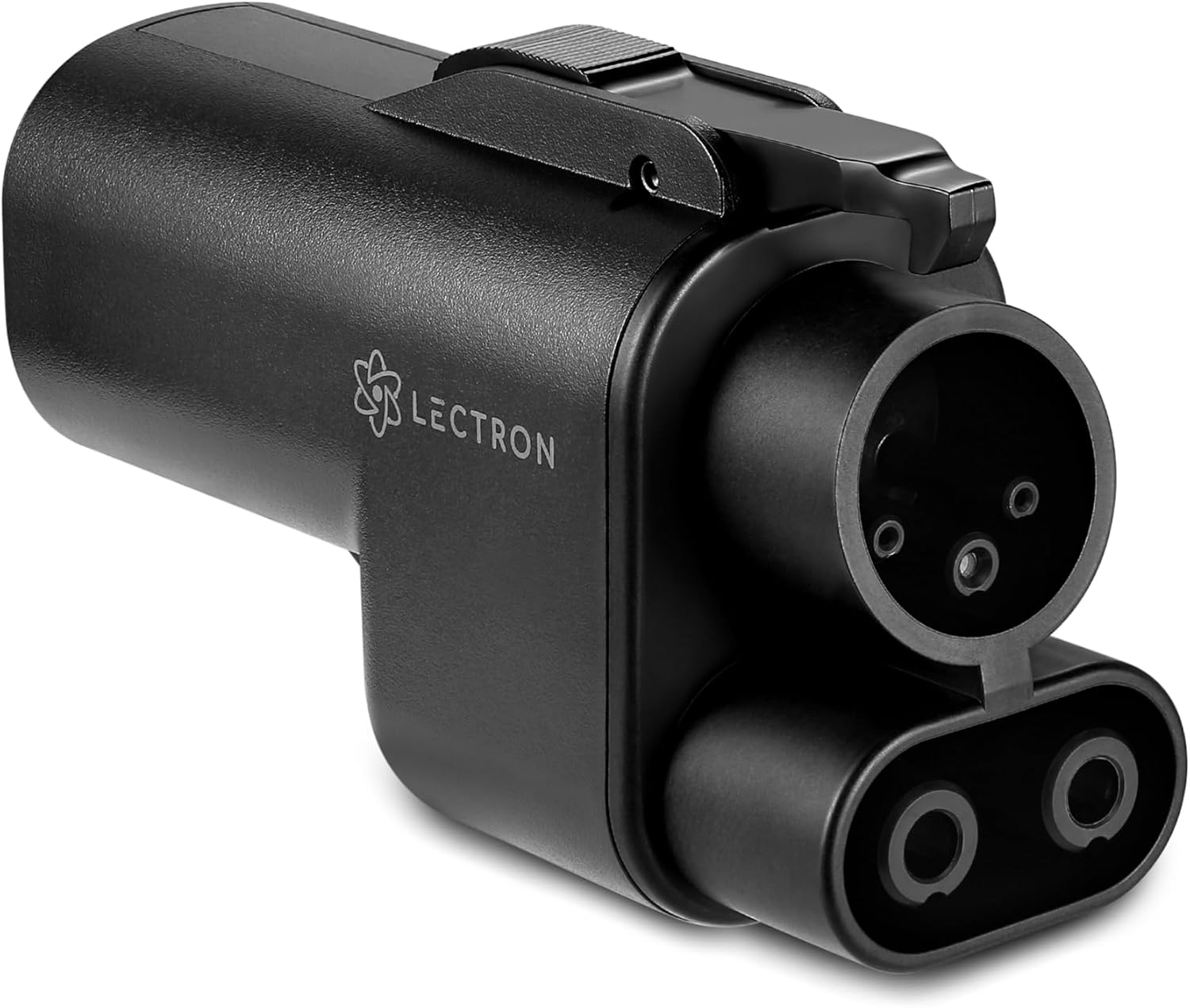
Lectron NACS to CCS Fast-Charge Adapter
Unlock every CCS fast charger for your Tesla, up to 500A DC. Never get stranded at a non-Tesla DC station again.
As an Amazon Associate, ThinkEV earns from qualifying purchases — at no extra cost to you.
The EVAP rebate ($5,000 in 2026) plus provincial incentives like Quebec's Roulez vert ($2,000) mean total savings of up to $7,000 on eligible models. The Tesla Model Y RWD base ($49,990) now qualifies for EVAP, but most Tesla buyers choose higher trims that don't. GM, Hyundai, and Kia qualify across a broader range of their lineups.
The Verdict
GM's ascent to #1 in Canadian EV sales isn't luck. It's the result of building the right vehicles at the right prices and selling them through the right channels. The Equinox EV alone outsold every individual Tesla model in the first half of 2025, and it did it while offering 513 km of range, full EVAP eligibility across base trims, and a price that landed roughly $5,000 less than the Model Y RWD base after both vehicles' rebates.
Tesla's decline is equally deliberate, even if it's self-inflicted. The political baggage, the pricing, the product stagnation, the loss of federal incentive eligibility, it all compounds. Canada used to be one of Tesla's strongest markets per capita. Now it's a cautionary tale.
The lesson for the entire industry? Canadian EV buyers want affordable, practical vehicles from brands they trust, sold at dealerships they can actually visit. GM delivered that. Tesla forgot it.
And with BYD knocking on the door, the competitive pressure is only going to intensify. If you're shopping for an EV in Canada right now, you have more choices, better prices, and stronger incentives than at any point in history.
The Canadian buyer is the one who won, more choices, lower prices, better dealer access than at any point in EV history.
Gear worth having
As an Amazon Associate, ThinkEV earns a small commission from qualifying purchases — at no extra cost to you.

Tesla Key Card Holder with AirTag Slot
Stop fishing the keycard out of your wallet, and slot an AirTag in case the car wanders off in a lot.
As an Amazon Associate, ThinkEV earns from qualifying purchases — at no extra cost to you.
Related Reading
- Canada's New $5,000 EV Rebate (EVAP), The Complete 2026 Guide, Everything you need to know about claiming the federal rebate
- Why Tesla Doesn't Qualify for Canada's New EV Rebate, And What to Buy Instead, The math behind Tesla's exclusion
- New EV Brands Coming to Canada, Every new brand entering the Canadian market
- EV Pricing Guide: Canada 2026-2027, What every EV costs in Canada right now
Gear worth having
As an Amazon Associate, ThinkEV earns a small commission from qualifying purchases — at no extra cost to you.
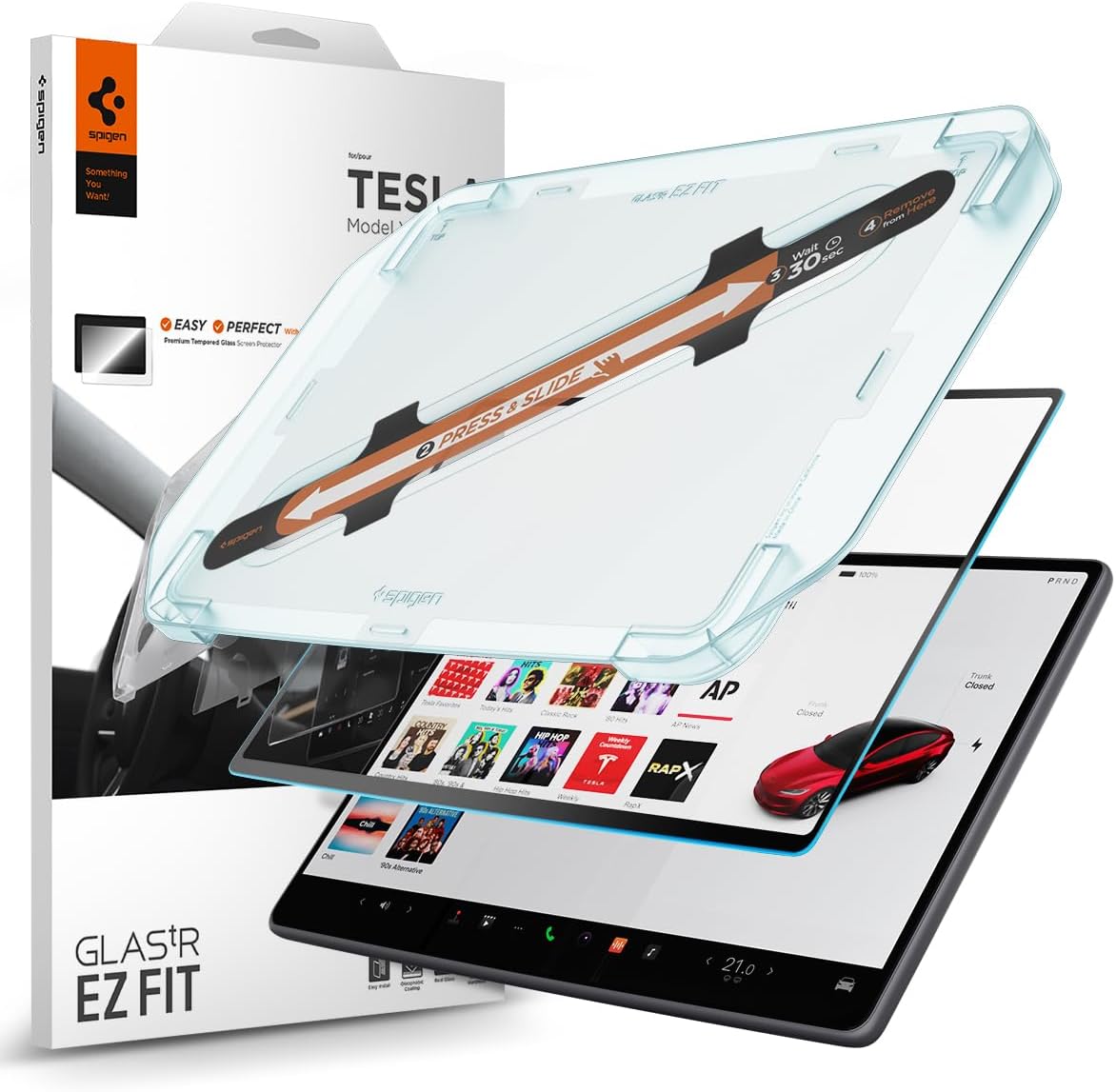
Spigen Tempered Glass for Tesla Model 3/Y
Tempered-glass protection for the touchscreen that kills fingerprints and scratches. Two minutes to install, lasts the life of the car.
As an Amazon Associate, ThinkEV earns from qualifying purchases — at no extra cost to you.

Founder & Chief Editor
Vlad Pereira is the founder and chief editor of ThinkEV.ca, the Canadian electric-vehicle publication he writes and edits from Courtenay, British Columbia. He covers EV pricing, federal and provincial rebates, charging costs, and the Chinese manufacturers now entering Canada, from the buyer's side rather than the press-fleet side. ThinkEV is a venture of Vlad Pereira Online; his writing on health, income and the long game lives at vladpereira.com.
Frequently asked questions
How many EVs did GM sell in Canada in 2025?
How much did Tesla's Canadian sales drop in 2025?
Does the Chevy Equinox EV qualify for Canada's EVAP rebate?
What range does the Chevy Equinox EV get?
When will BYD start selling EVs in Canada?
Which Tesla models qualify for Canada's EVAP rebate?
More EV & road-trip finds
Affordable upgrades worth a look — tap any to check the price on Amazon.
 ★ 1,340
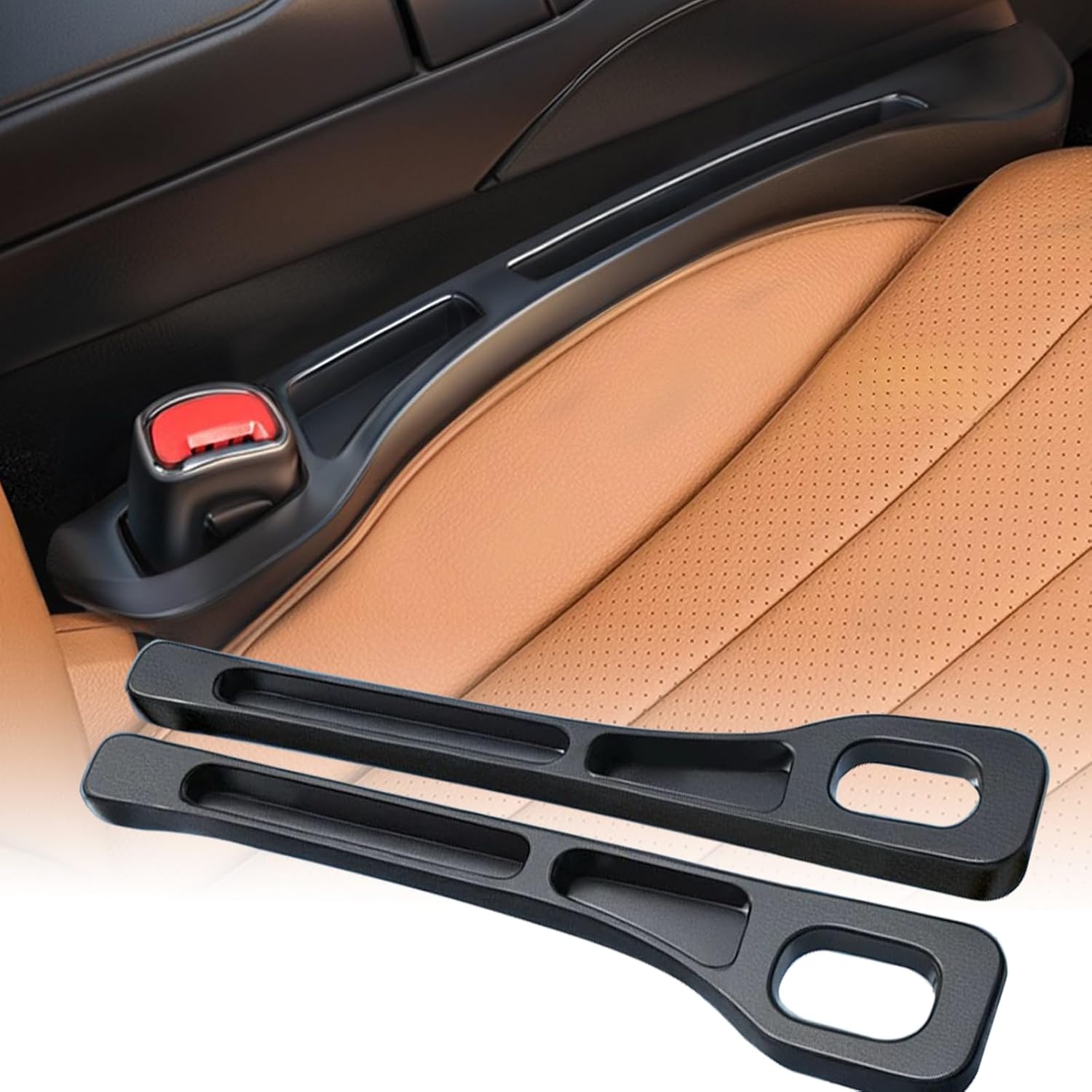
Car Seat Gap Filler (Universal)
View on Amazon ★ 55,938
WixGear Magnetic Air Vent Phone Mount (2-Pack)
View on Amazon ★ 119
★ 119Foldable Waterproof Trunk Organizer
View on Amazon ★ 392
★ 392Large Cup Holder Adapter (32-40oz)
View on Amazon ★ 9,349
Auto Detailing Brush Set (10-Piece)
View on Amazon ★ 537
★ 537USB Star Projector Roof Light
View on Amazon ★ 546
★ 546Funny Headrest Face Covers (2-Pack)
View on Amazon ★ 4,424
Sun Visor Card and Document Organizer
View on AmazonRead, Plan, Then Stay Current
Explore our expert articles to understand incentives and ownership costs, use the map to pressure-test charging reality, then subscribe so new EV coverage comes straight to you.
Continue Reading

Why Tesla Is Losing Canada With the World's Top EV
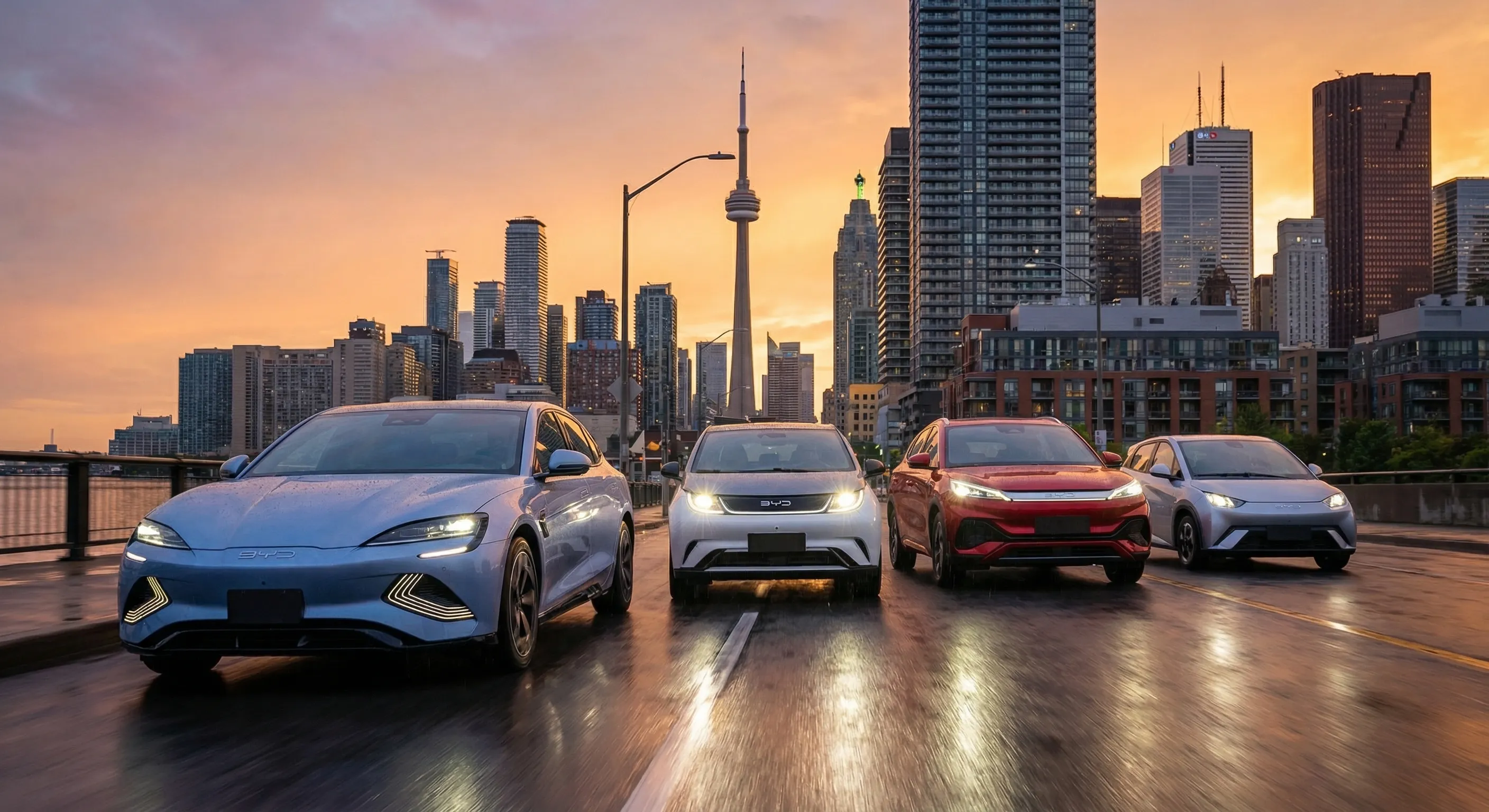
BYD Canada Lineup: The Four Models Coming First
Chery EVs Coming to Canada: Models and Prices
Who Got Canada's First Chinese EV Import Permits
Solid-State Batteries Are No Longer Coming Soon