Key takeaways
- No Chinese EV brand has announced a Canadian parts distribution centre as of early 2026, so warranty repairs depend on internationally sourced parts with unknown lead times.
- CAMVAP, Canada's free binding arbitration plan for warranty disputes, applies to any manufacturer selling through Canadian dealerships, including Chinese brands.
- Ontario and Quebec have Canada's strongest lemon-law protections, where recurring unfixable defects can trigger replacement or refund.
- Independent mechanics are effectively locked out of warranty-relevant repairs, because they lack the proprietary diagnostic tools needed to interface with each brand's battery and software stack.
- BYD's expected Canadian coverage runs 6 years / 150,000 km on the vehicle and 8 years / 160,000 km on the battery, longer than Tesla's 4-year term, though BYD hasn't formally confirmed Canadian terms.
The biggest fear most Canadians have about buying a Chinese EV isn't the range, the price, or even the tech. It's the "what happens if something goes wrong?" question. What happens when you need a recall fixed, a battery replaced, or a software glitch diagnosed, and the brand has four service centres in the entire country?
That fear is worth taking seriously. And honestly? The answer is more complicated than either the enthusiasts or the skeptics want you to believe.
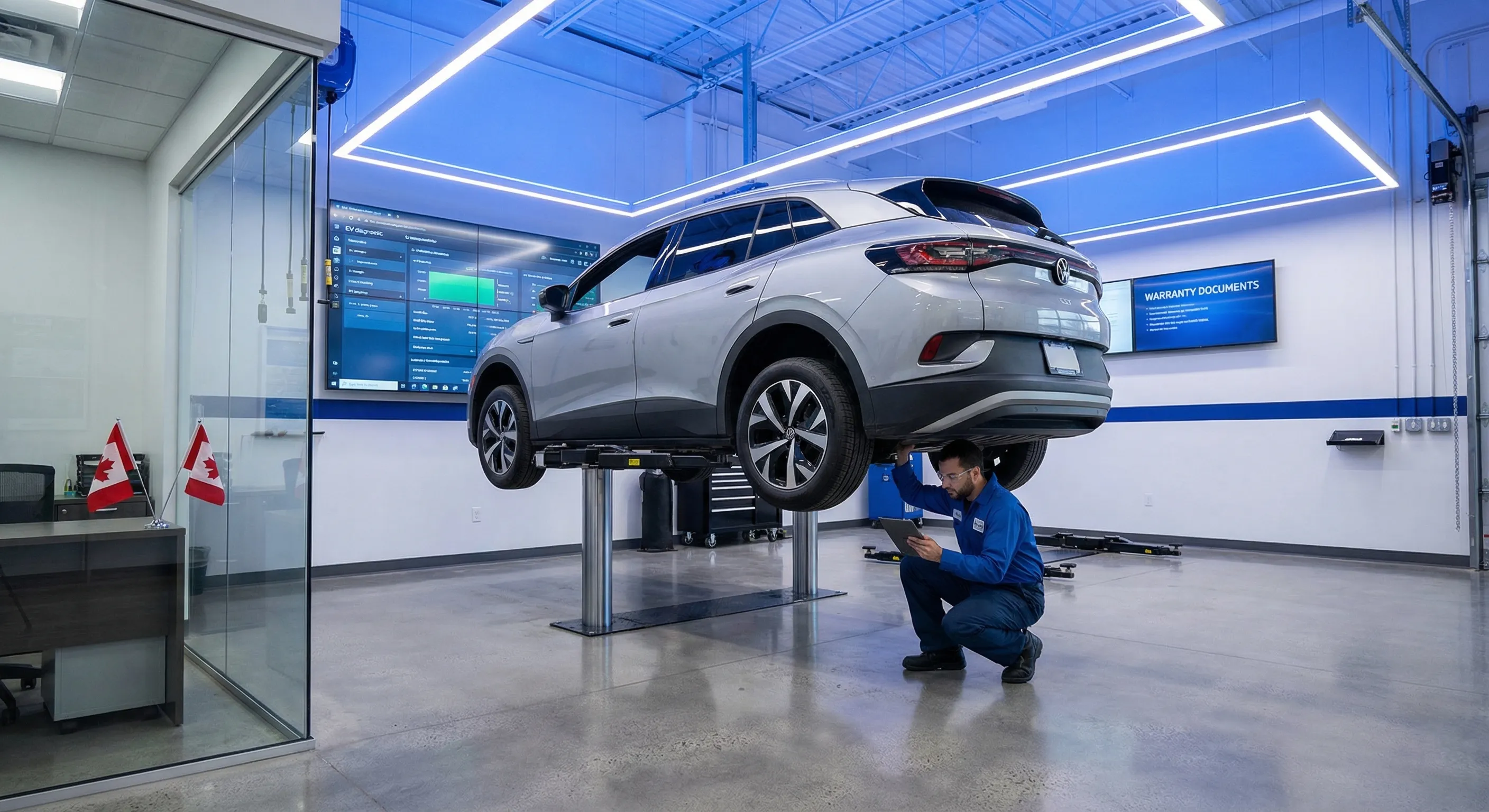
A warranty is a document. What makes it worth anything is the infrastructure behind it: the dealers, the technicians, the parts, the legal framework. Chinese EV brands entering Canada in 2026 have impressive warranty language on paper. The question is whether the system exists to deliver on it.
What We Know About Chinese EV Warranties
BYD is the furthest along in the Canadian market, so they're the clearest example. Based on what BYD has offered in European and Australian markets, and what's expected to carry over to Canada, the coverage is genuinely strong on the numbers.
BYD warranty structure (expected for Canada):
- Vehicle (bumper-to-bumper): 6 years or 150,000 km
- High-voltage battery: 8 years or 160,000 km
- Electric drive unit: 8 years or 150,000 km
That's better than most established brands on the vehicle warranty side. Six years beats Hyundai's five-year coverage and triples Tesla's four-year term. On paper, BYD is competing with the best.
Chery, which is also positioning for Canadian entry, has offered 5 to 7 years on the vehicle and 8 to 10 years on the battery across its international markets. Canadian-specific terms haven't been confirmed, so treat that range as a rough signal, not a commitment.
The asterisks matter here. BYD strongly recommends, and in some markets effectively requires, that all service and maintenance be performed at BYD Authorised Service Providers. If you take your vehicle to an independent shop for routine work, you may be walking into a warranty dispute before anything has even gone wrong mechanically. There are documented cases in Australia where warranty claims were denied or significantly delayed even when owners used official service centres. That's not a reason to dismiss Chinese EVs outright, but it's a reason to go in with clear expectations.
The Dealer Network Gap: The Biggest Risk
This is where I'll take a clear stance: the lack of a Canadian dealer network is the single biggest practical risk for early Chinese EV buyers. Not the warranty terms themselves, the infrastructure gap.
BYD's plan for Canada involves approximately 20 dealerships in year one, with Toronto coming first, followed by Vancouver, Montreal, and Calgary. That sounds reasonable until you put it next to the established players. Hyundai has approximately 200 Canadian dealers. Kia has a similar footprint. Tesla operates with far fewer physical locations but compensates with mobile service units and over-the-air software updates that resolve many issues without a shop visit.
Twenty dealers for a country this size means this:
- If you live outside a major metro, your nearest service centre may be 4 to 8 hours away
- A routine warranty claim requiring physical inspection means either a long drive or an unknown delay waiting for a mobile technician that may not exist yet
- Recall completion, which Transport Canada can mandate, depends on service capacity that simply doesn't exist in rural and mid-size markets in 2026
Norway is the most instructive comparison here. Norway was one of the first Western markets to see significant Chinese EV adoption, and the recurring feedback from owners has centred on three things: customer service responsiveness, data privacy concerns, and parts availability. The warranty terms were fine. The execution of those terms was inconsistent. Canada is a larger, more geographically distributed country than Norway, with a smaller early buyer pool spread across a much wider area. The service gap will likely be worse before it gets better.
This doesn't mean you shouldn't buy a Chinese EV. It means you should buy one knowing that you are an early adopter in a market where the support infrastructure is still being built. If your life depends on having your vehicle serviced quickly, if you live rurally, if this is your only vehicle, if you commute in conditions that don't forgive a breakdown, then waiting a year or two for the network to develop is a reasonable call.
Parts and Service Availability
No Chinese EV brand has announced a Canadian parts distribution centre as of early 2026. That's not speculation, it's a confirmed gap. Parts for warranty repairs will need to be sourced internationally, which means wait times that are genuinely unknown and potentially long.
What this looks like in practice:
- A non-urgent warranty repair (a trim panel, a software module, a minor component) could take weeks if the part needs to ship from China or a European distribution hub
- A critical repair, something that makes the vehicle unsafe to drive, creates a harder situation, since the dealer is obligated to fix it but may not have the part
- Independent mechanics face a double barrier: they likely lack the proprietary diagnostic tools needed to interface with Chinese EVs, and they have no supply chain for parts even if they could diagnose the issue
The diagnostic tool issue is worth emphasising. Modern EVs aren't cars you fix with a scan tool from Canadian Tire. Each manufacturer's battery management system, drive unit, and software stack require brand-specific diagnostic equipment. Tesla has the same issue, independent shops often can't properly diagnose a Tesla without third-party tools. For Chinese brands with zero North American service history, independent shops are effectively locked out of warranty-relevant repairs entirely.
If you own a Chinese EV in 2026 and something goes wrong outside a major city, your realistic options are: drive to the nearest authorised service centre, have it towed there, or wait for a mobile technician if the brand has deployed that capability. That's the picture.
Roadside assistance coverage becomes genuinely important in this context. Standard CAA membership includes towing, but if your nearest authorised service centre is 500 km away, you want to know exactly what your coverage ceiling is before you're standing on the side of the highway in January.
Your Legal Protections as a Canadian Buyer
Your protections as a Canadian consumer don't depend on the manufacturer's goodwill. A legal framework applies regardless of where the brand is from.
Canadian Motor Vehicle Safety Standards (CMVSS): Any vehicle sold in Canada must comply with Transport Canada's federal safety standards. This applies to Chinese brands the same as any other. If a vehicle doesn't meet CMVSS, it cannot be sold here legally.
Gear worth having
As an Amazon Associate, ThinkEV earns a small commission from qualifying purchases — at no extra cost to you.

Roadside Emergency Safety Kit
Jumper cables, a portable air compressor, tow strap, first aid, and more for when something goes wrong between chargers. Canadian winters do not forgive the unprepared.
As an Amazon Associate, ThinkEV earns from qualifying purchases — at no extra cost to you.
Transport Canada recall authority: If a safety defect is identified, Transport Canada has the authority to mandate recalls regardless of manufacturer origin. BYD, Chery, or any other Chinese brand operating in Canada is subject to the same recall process as GM or Toyota.
Provincial consumer protection laws: These are your strongest day-to-day tools. Every province has consumer protection legislation that governs warranty claims, defective goods, and misleading representations. These laws apply to the dealer selling you the vehicle, which means even if the manufacturer is difficult to deal with, the dealer has legal obligations.
Lemon law protections by province:
- Ontario and Quebec have the strongest protections, vehicles with recurring defects that can't be resolved after a reasonable number of repair attempts can trigger replacement or refund obligations
- Other provinces have consumer protection provisions that cover similar ground but with less specific lemon law frameworks
- Document everything: every service visit, every complaint, every response. Provincial consumer protection cases live and die on paper trails.
CAMVAP (Canadian Motor Vehicle Arbitration Plan): This is a free, binding arbitration process specifically for warranty disputes between vehicle owners and manufacturers. It covers new vehicles purchased from Canadian dealers, and it applies to any manufacturer selling through Canadian dealerships, including Chinese brands. If BYD or Chery sells through a Canadian dealer network and denies a legitimate warranty claim, CAMVAP is your escalation path without needing a lawyer.
The CAMVAP process matters because it equalises the power dynamic. A large manufacturer can make an individual warranty dispute expensive and slow to fight through courts. Arbitration through CAMVAP is faster, free, and binding. Know it exists before you need it.
How Chinese EV Warranties Compare
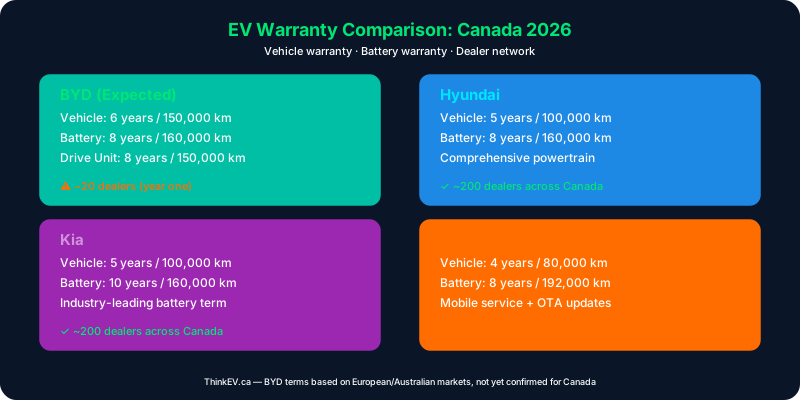
The numbers side by side:
BYD (expected Canada):
- Vehicle: 6 years / 150,000 km
- Battery: 8 years / 160,000 km
- Drive unit: 8 years / 150,000 km
- Dealers (year one): ~20
Hyundai:
- Vehicle: 5 years / 100,000 km
- Battery: 8 years / 160,000 km
- Dealers: ~200 across Canada
Kia:
- Vehicle: 5 years / 100,000 km
- Battery: 10 years / 160,000 km
- Dealers: ~200 across Canada
Tesla:
- Vehicle: 4 years / 80,000 km
- Battery: 8 years / 192,000 km (Model 3/Y)
- Mobile service + OTA updates
- Service centres in major metros
BYD's warranty terms are genuinely competitive or better than established brands on duration. What BYD and other Chinese brands can't yet match is network density and service execution. Hyundai and Kia's dealer footprint means that even if you're in Lethbridge or Fredericton, there's a dealer within a reasonable distance who can handle a warranty repair. BYD's 20 dealers means large portions of the country have no local option.
Warranty transferability is also worth raising here. If you buy a Chinese EV and later sell it, does the remaining warranty transfer to the new owner? For Korean and Japanese brands, warranty transfer terms are well established and generally favourable. For Chinese brands entering Canada, this hasn't been clearly communicated. A non-transferable warranty makes your vehicle harder to resell and reduces its market value in ways that don't show up in any sticker price calculation.
Smart Buyer Strategies
If you're seriously considering a Chinese EV in 2026, this is the framework that matters.
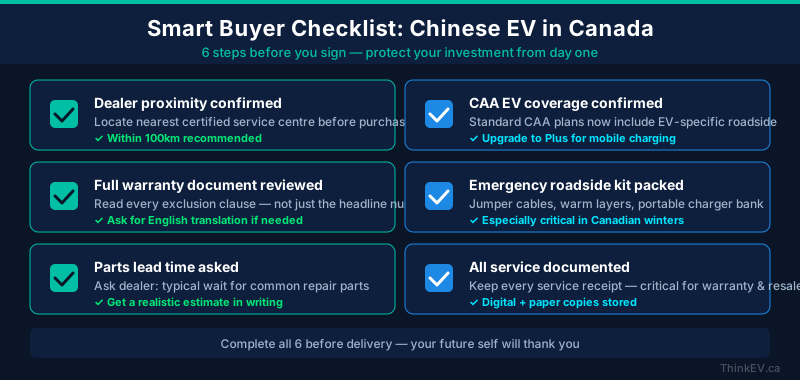
Wait for dealer confirmation before committing. Don't buy from a brand that hasn't confirmed a service centre within a reasonable distance of where you live. "Toronto first" means nothing if you're in Victoria or Saskatoon. Get a specific address, not a promise.
Read the warranty terms before signing. Ask the dealer for the complete warranty document, not a summary brochure, the actual terms. Look specifically for: service location requirements (can you use any authorised centre or only your selling dealer?), maintenance schedule requirements (what voids the warranty?), and dispute resolution language (is CAMVAP available or does the contract specify a different process?).
Understand parts lead times. Ask the dealer directly: if a part needs to be ordered, what's the typical wait time? If they don't know, that's a red flag. A dealer selling a new brand should have that information, or be able to get it.
Factor in the total cost of ownership, including inconvenience. A warranty repair 400 km away isn't free even if the repair itself costs nothing. Your time, travel, and a potential rental vehicle are real costs. Build that into your decision, especially if you don't have a second vehicle.
Get CAA EV coverage before you need it. Standard roadside assistance plans weren't designed with EVs in mind, range, towing to a specific brand's service centre, and battery-specific issues need explicit coverage.
Gear worth having
As an Amazon Associate, ThinkEV earns a small commission from qualifying purchases — at no extra cost to you.

Grizzl-E Classic Level 2 EV Charger (40A)
Canadian-made and rated for minus 40C winters. 40A / 9.6 kW, NEMA 14-50, indoor/outdoor, 24-ft cable. The charger built for Canadian weather.
As an Amazon Associate, ThinkEV earns from qualifying purchases — at no extra cost to you.
Keep an emergency roadside kit in the vehicle. This isn't specific to Chinese EVs, but it matters more when your nearest authorised service is further away. A basic kit with jumper cables, a portable charger, warning triangles, and basic tools takes up minimal space and covers a lot of scenarios.
Document everything from day one. Every service visit, every complaint registered, every response from the dealer or manufacturer. If you ever need CAMVAP arbitration or a provincial consumer protection case, your documentation is your case.
Gear worth having
As an Amazon Associate, ThinkEV earns a small commission from qualifying purchases — at no extra cost to you.
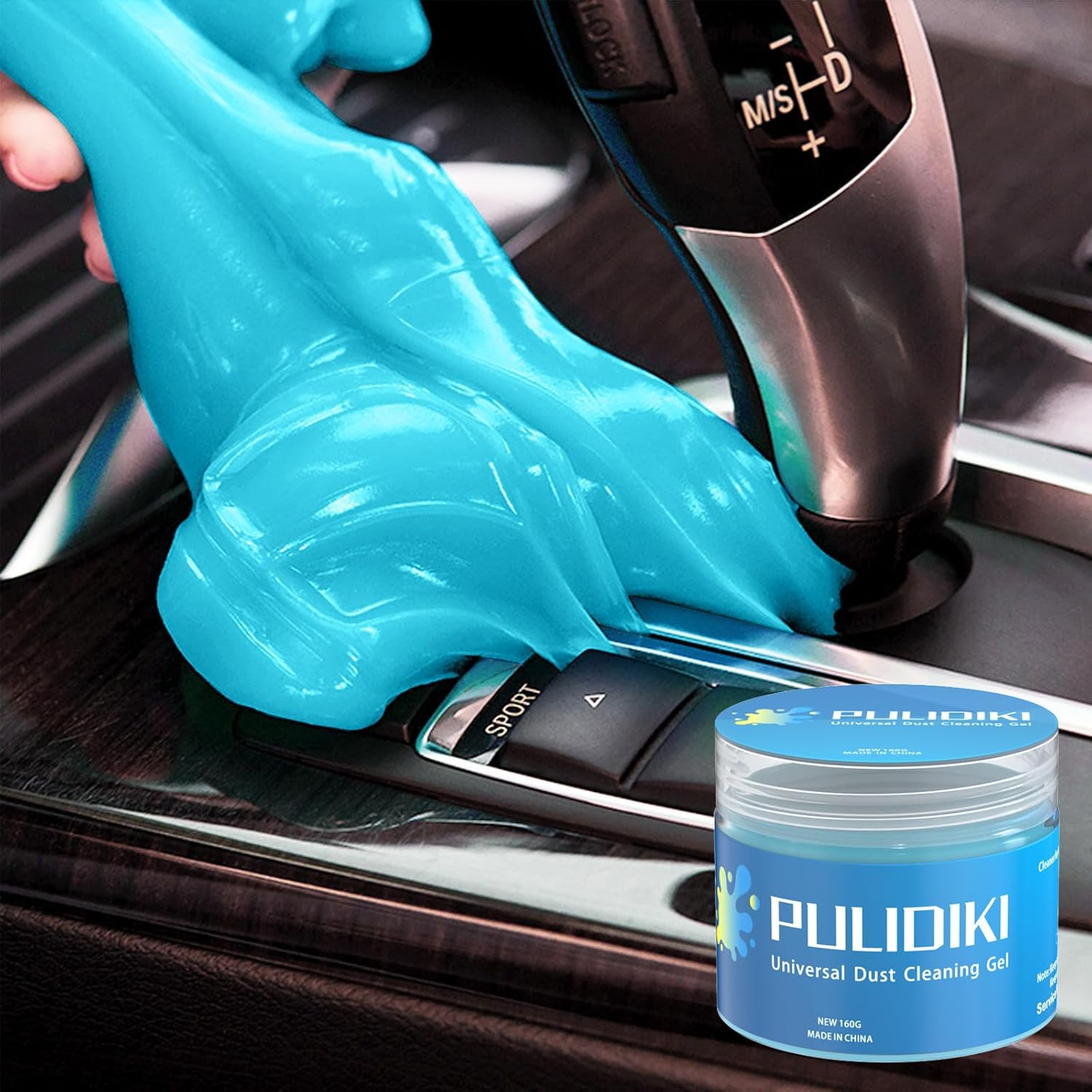
PULIDIKI Car Cleaning Gel (Detailing Putty)
Press it into vents, buttons, and seams and it lifts out dust you did not know was there. Weirdly satisfying, genuinely useful.
As an Amazon Associate, ThinkEV earns from qualifying purchases — at no extra cost to you.
Related Reading
- Chinese EV Brands Coming to Canada: Complete Guide, Which brands are entering the market and on what timeline
- EV Maintenance Costs in Canada: What You Actually Pay, How EV ownership costs break down over time
- EV Battery Degradation: How Long Do Batteries Last, What battery warranties protect you against
Gear worth having
As an Amazon Associate, ThinkEV earns a small commission from qualifying purchases — at no extra cost to you.

WixGear Magnetic Air Vent Phone Mount (2-Pack)
A magnet strong enough that your phone never flinches over potholes or rail crossings. Two in the box, one for each car.
As an Amazon Associate, ThinkEV earns from qualifying purchases — at no extra cost to you.

Founder & Chief Editor
Vlad Pereira is the founder and chief editor of ThinkEV.ca, the Canadian electric-vehicle publication he writes and edits from Courtenay, British Columbia. He covers EV pricing, federal and provincial rebates, charging costs, and the Chinese manufacturers now entering Canada, from the buyer's side rather than the press-fleet side. ThinkEV is a venture of Vlad Pereira Online; his writing on health, income and the long game lives at vladpereira.com.
Frequently asked questions
What warranty does BYD offer in Canada?
Can I get my Chinese EV serviced at any mechanic?
What happens if a Chinese EV brand leaves Canada?
Does the warranty transfer to a second owner?
Are Chinese EV batteries covered separately from the vehicle warranty?
More EV & road-trip finds
Affordable upgrades worth a look — tap any to check the price on Amazon.
 ★ 314
★ 314Mini USB LED Ambient Lamps (4-Pack)
View on Amazon ★ 900
★ 900Personalized Photo Car Air Freshener
View on Amazon ★ 21,304
Car Headrest Hooks (4-Pack)
View on Amazon ★ 1,944
VIOFO A229 Pro 4K Dash Cam
View on Amazon ★ 87
★ 87Car Window Sun Shades for Kids (4-Pack)
View on Amazon ★ 68
★ 68WeatherTech FloorLiner for Tesla Model 3
View on Amazon ★ 8,681
Chemical Guys Complete Car Wash Kit
View on Amazon ★ 55
★ 55LED Car Door Logo Projector Light
View on AmazonRead, Plan, Then Stay Current
Explore our expert articles to understand incentives and ownership costs, use the map to pressure-test charging reality, then subscribe so new EV coverage comes straight to you.
Continue Reading
Your First EV in Canada, The No-BS 2026 Buying Guide
EV Battery Warranty Canada: 8 Years, 160,000 km
Can Americans Buy Chinese EVs Through Canada?
The 10 Most Affordable EVs You Can Buy in Canada in 2026
Buy or Lease an EV in Canada? The 2026 Answer