Key takeaways
- The Denza Z is BYD's second performance car, not its first; the Yangwang U9 came earlier and set a 496.22 km/h top speed at Germany's ATP Papenburg track.
- The Denza Z has been spotted uncamouflaged with an expected output over 700 kW (roughly 1,000 hp), positioned against the Porsche 911 Cabriolet and Ferrari Roma Spider.
- BYD framed the Z as "a watershed moment for the global auto industry," its bid at a segment European brands have long owned.
- Canada's tariff on Chinese EVs dropped from 100% to a quota-based 6.1% in January 2026, but BYD's Canadian distribution is still unsettled, with no Denza Z date or price here.
A drop-top doing 0–100 in under two seconds, wearing BYD badges, that sentence would have read as fiction in 2020. It reads as a press release in 2026.
I'd put the editorial thesis bluntly: the Denza Z is not a halo show car, and it is not BYD's first attempt at the segment. It is the second production performance car from a company that already holds the fastest-production-EV record, and Western luxury brands should treat it as a structural threat, not a curiosity. The price band, if BYD imports it to Europe at the rumoured trim, will land somewhere between $250,000 and $400,000 USD. I won't round that to a single number until BYD does. But the segment it targets has been a European moat for sixty years, and the moat just got tested.
What the Denza Z actually is, and why the sub-brand matters
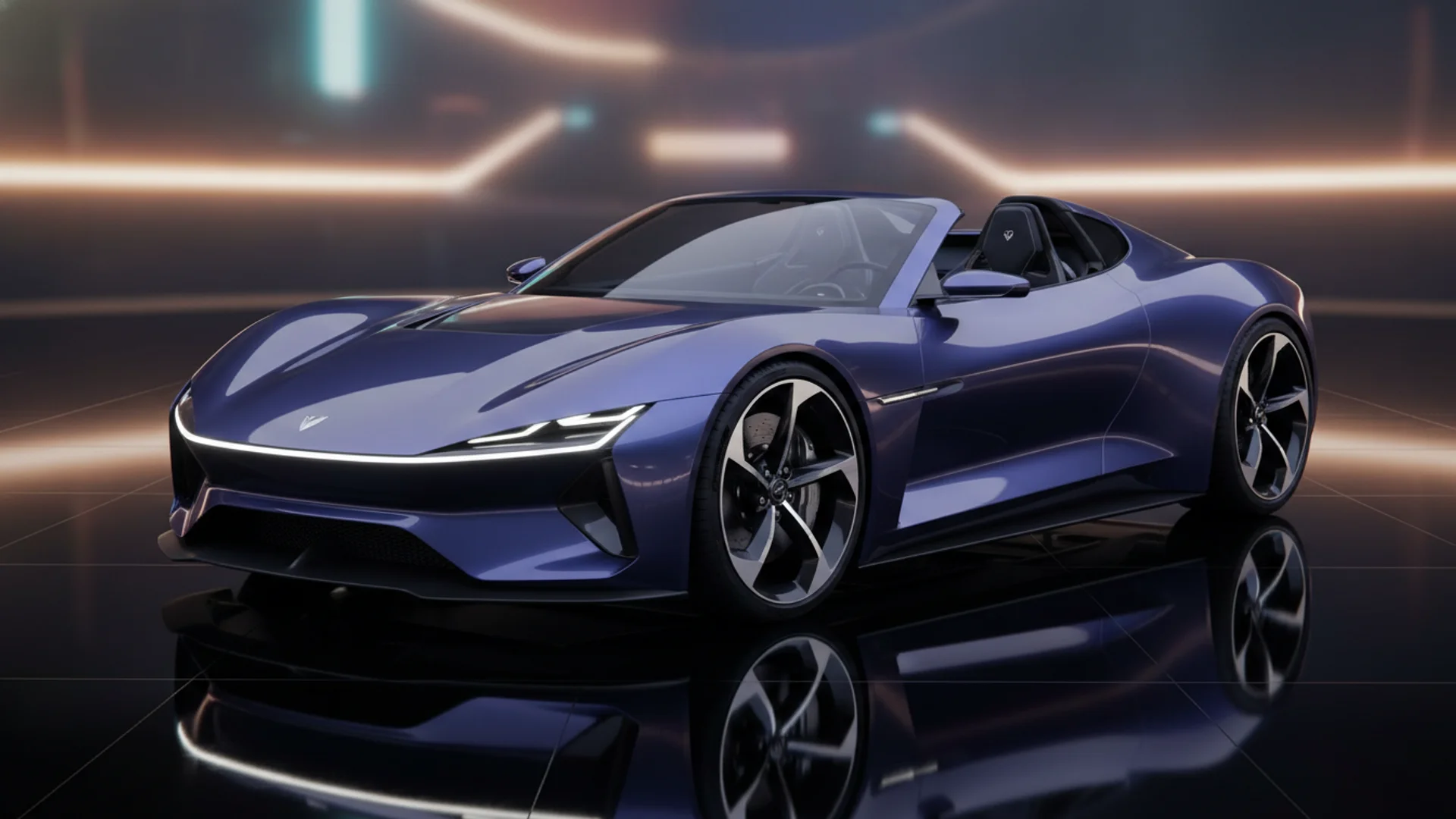
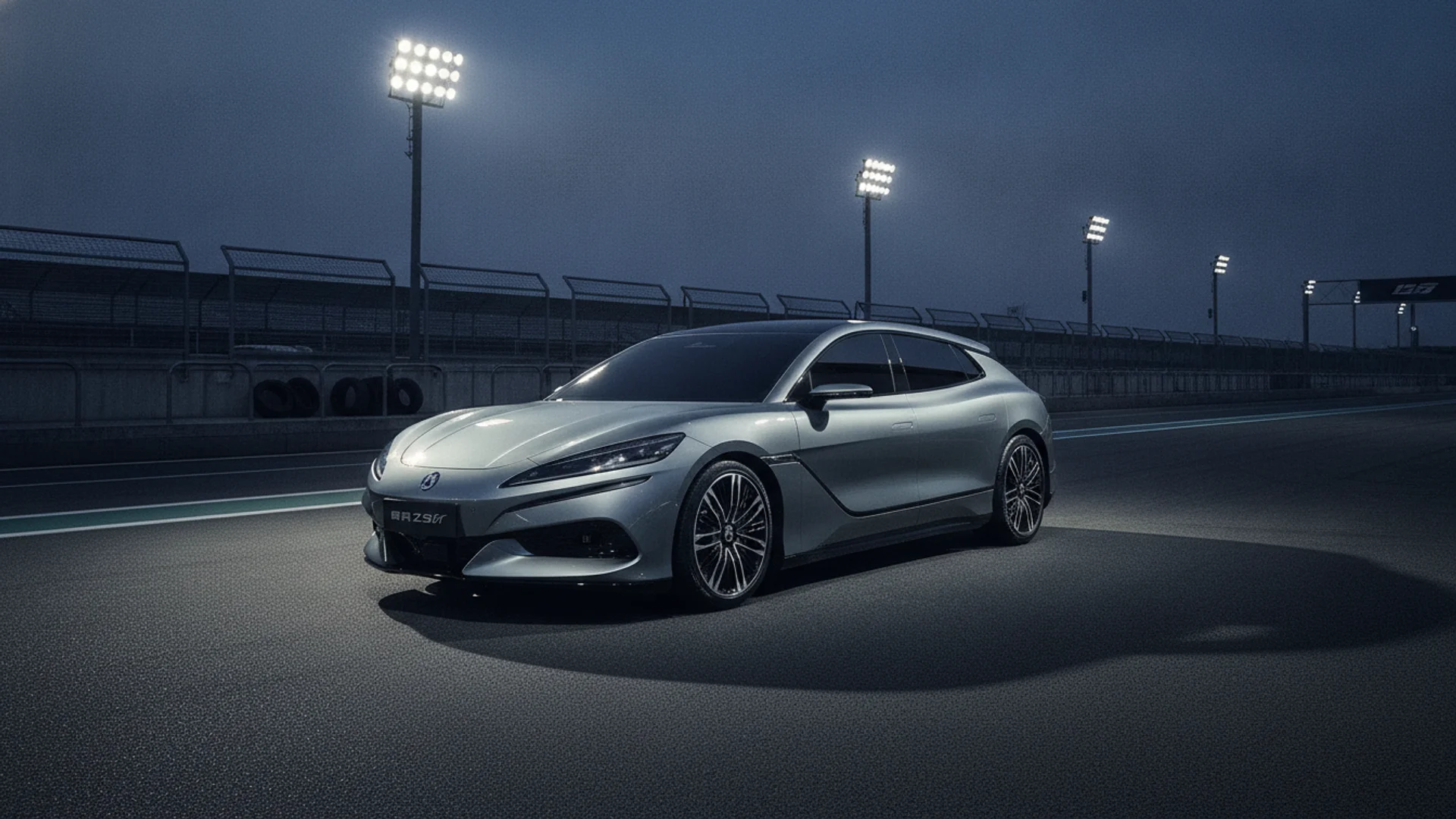
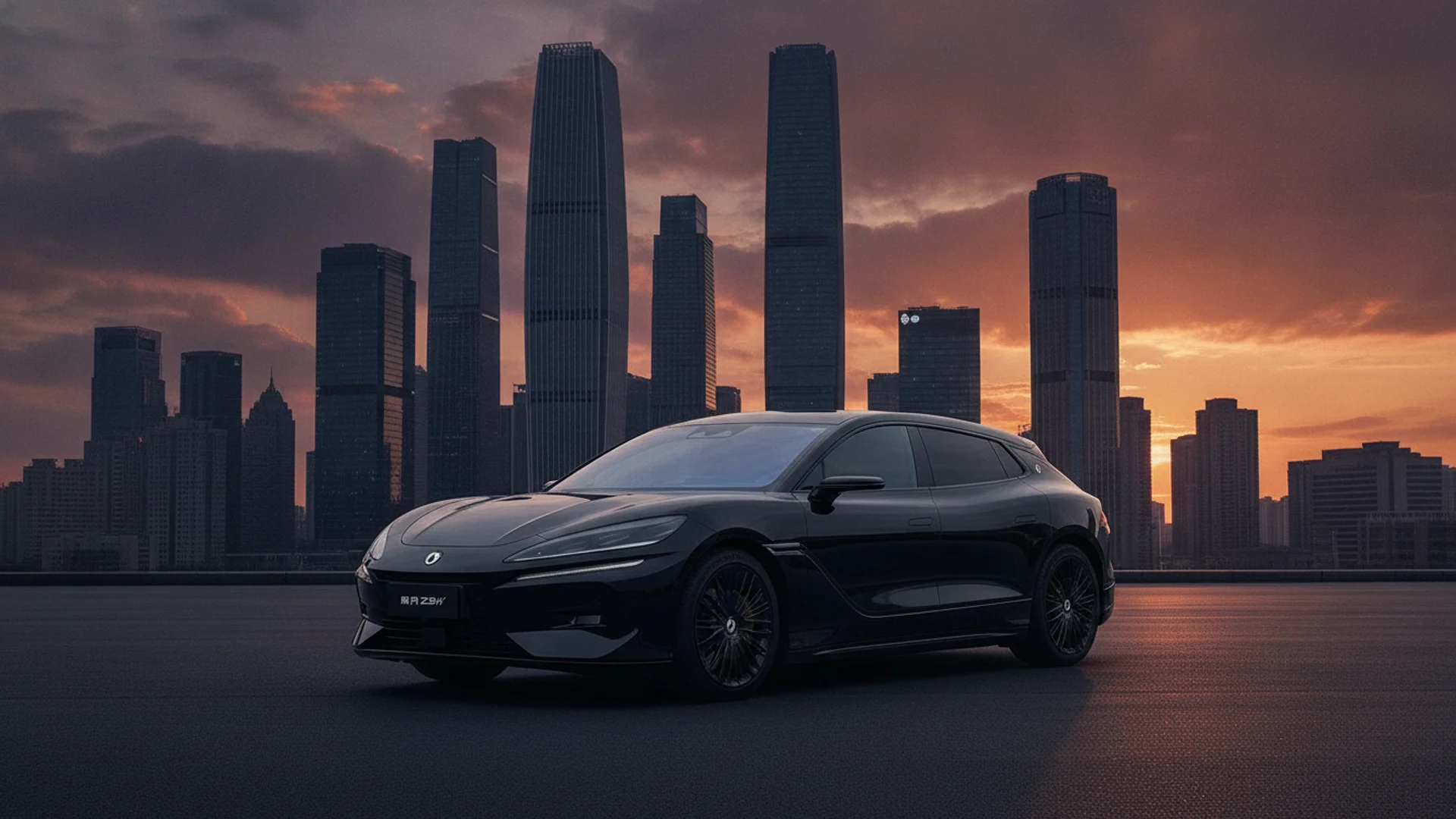
Denza is BYD's premium sub-brand, positioned above the mass-market BYD line and below the Yangwang halo. The Z is a convertible, a soft-top drop-head, not a fixed-roof coupe, which deliberately distinguishes it from the hardtop Yangwang U9 and points the targeting reticle directly at Porsche 911 Cabriolet and Ferrari Roma Spider territory.
The headline numbers are the ones that matter for segment positioning. BYD's performance sports car under the Denza brand has been spotted with expected over 700 kW of power, ahead of imminent launch. That's roughly 1,000 horsepower, the round number the English-language coverage has settled on. BYD itself framed the Denza Z as "a watershed moment for the global auto industry" as it gears up to take on the million-dollar luxury supercar segment that's been historically dominated by European automakers.
The "watershed moment" line is the kind of claim a publisher should pressure-test, not amplify. But it is also not obviously wrong. The brand making this claim built a 3.6-million-unit EV business in a decade. Marketing language earns more benefit of the doubt when the volume numbers are in the room.
BYD already holds the production EV speed record, this is the sequel
The data point the wire-service coverage keeps burying is that this is BYD's second performance car, not its first. The Denza Z is not the company's first sports car. That car is the Yangwang U9, which debuted at the Shanghai auto show in 2023 and as of last year, holds the record for fastest production car. According to BYD, the U9 Xtreme recorded a top speed of 496.22 km/h at Germany's ATP Automotive Testing Papenburg facility.
A Chinese manufacturer set the production-EV top-speed record at a German testing facility. The certification venue matters, Papenburg is where European hypercar makers go to validate their numbers. BYD didn't run the record at a closed Chinese proving ground and ask the world to take its word for it.
So the Denza Z is not a leap into the dark. It is a second platform from a company with a proven internal performance discipline, aimed at a different segment than the U9. The U9 is a coupe with hardware that brushes against hypercar territory. The Z is the volume-premium drop-top, the car that sells the brand to a wider band of high-income buyers who want the convertible, the soft top, and the weekend posture, not the lap record.
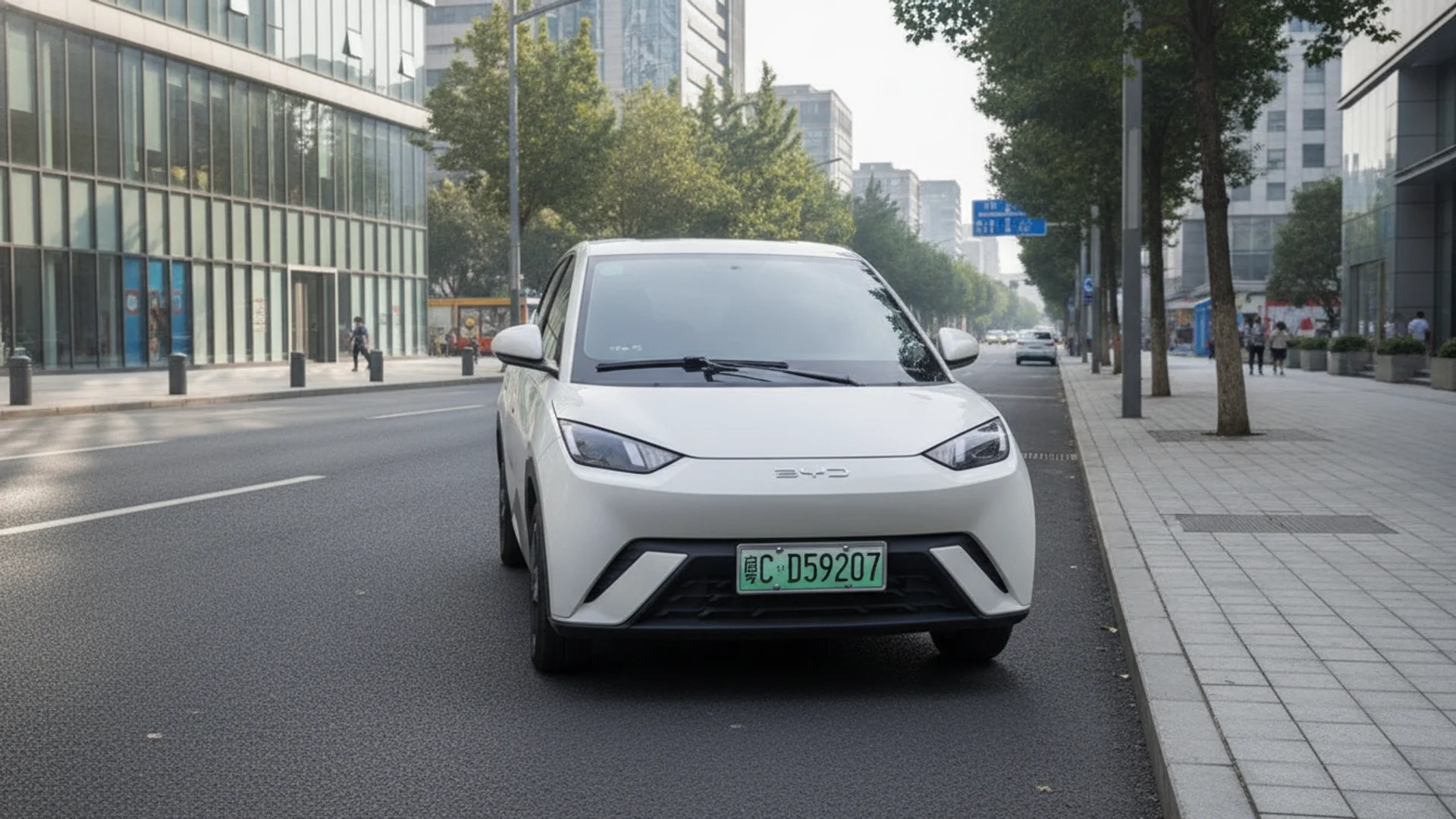
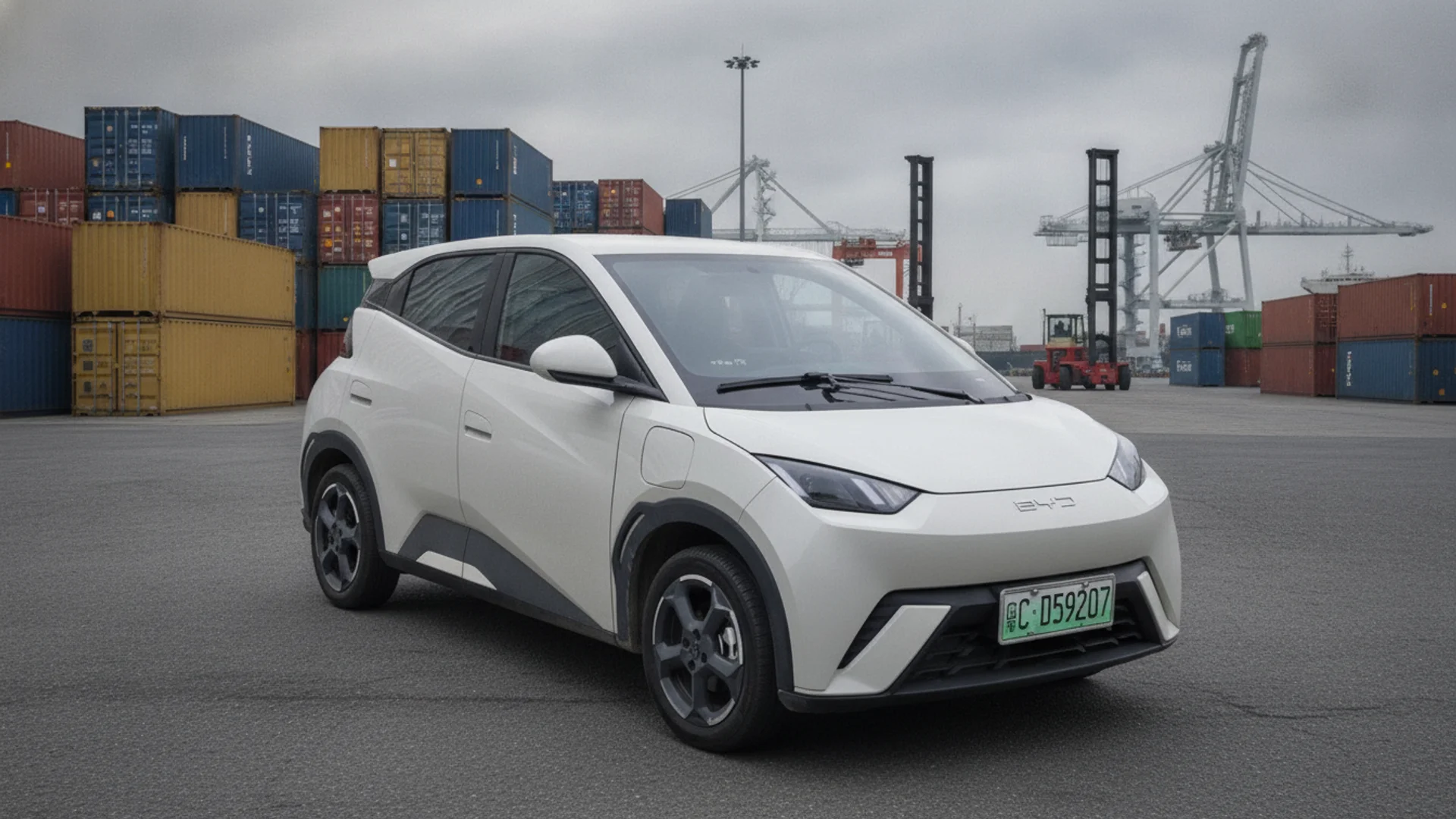
For context on what BYD's mass-market end of the same showroom looks like, see [the BYD Seagull vs Nissan Leaf affordable-EV breakdown](/blog/byd-seagull-vs-nissan-leaf-affordable-ev-2026). The same corporate parent now sells a roughly $10,000 city car and a 1,000-horsepower convertible from sub-brands separated by three steps on the product ladder. No European group operates that span.
The editorial thesis: Chinese brands aren't chasing European prestige, they're redefining it
The dominant Western narrative on Chinese EVs has been: China does cheap, Europe does premium, and the Chinese push into Europe is a price-war story. That framing was structurally wrong by 2024 and is rhetorically untenable in 2026.
The Denza Z does not compete on price per horsepower. A Tesla Model S Plaid or a Lucid Air Sapphire is a better price-per-horsepower buy than any drop-top hypercar will ever be. The Z competes on brand aspiration, showroom narrative, and the social signal a buyer wants to send when they hand over a $300,000-equivalent cheque. That has been the European moat, Porsche, Ferrari, Lamborghini, McLaren, Aston Martin, for as long as the global luxury car market has existed.
Gear worth having
As an Amazon Associate, ThinkEV earns a small commission from qualifying purchases — at no extra cost to you.

Grizzl-E Classic Level 2 EV Charger (40A)
Canadian-made and rated for minus 40C winters. 40A / 9.6 kW, NEMA 14-50, indoor/outdoor, 24-ft cable. The charger built for Canadian weather.
As an Amazon Associate, ThinkEV earns from qualifying purchases — at no extra cost to you.
What changes with the Z is that the moat now has a credible breach. Not a hypothetical breach, not a 2030-roadmap breach, but a uncamouflaged-prototype, Beijing-Auto-Show-revealed, soft-top breach with a sub-two-second sprint claim. BYD's sleek new electric sports car has been spotted, revealing key details ahead of imminent reveal. The car is real. The branding is real. The performance envelope is at minimum credible.
The relevant question for the next decade is not "can a Chinese brand build a hypercar." That question is answered. The relevant question is whether European luxury buyers, the ones who treat Porsche-911 ownership as a generational identity marker, will let a BYD-owned brand into the consideration set. That is a brand-equity question, not an engineering question. The engineering is done.
The discourse gap on this, the perceptual lag between what Chinese OEMs are now shipping and what Western buyers know about them, is itself a story. See [the broader piece on the Chinese EV brands the Canadian market is overlooking](/blog/nobodys-talking-about-chinese-electric-car-brands-for-sale-port-alberni-they-sho) for the commercial context underneath the halo product.
What the Canadian market actually means for a car like this
Canada is not the Denza Z's first market and probably not its second. The car is a European-launch product, with BYD positioning the supercar segment as a continental signal first and a global volume play later. But the Canadian context still shapes how the halo lands here.
The tariff backdrop matters. Canada imposed a 100% surtax on Chinese-made EVs in October 2024, which gated the entire BYD product line out of the market. That surtax dropped to a quota-based 6.1% structure in January 2026, with a 49,000-unit annual ceiling. Transport Canada has been deliberately quiet about how the quota gets allocated across importers, and BYD's Canadian distribution strategy is still unsettled. A hypercar at $300,000-plus would not meaningfully consume quota allocation, one unit is one unit, but it also is not the model that builds the brand here. The mass-market Atto and Seagull would.
Australia gives a useful template. EVDirect, BYD's Australian distributor, has confirmed the Denza brand for the market but flagged the B5 plug-in hybrid SUV as the lead product, not the Z. That is the right commercial play, the volume car opens the dealer network, the halo car drives the showroom traffic six months later. Expect the Canadian rollout, if and when it happens, to follow the same sequence.
The halo still lands without a Canadian delivery date. A Canadian buyer cross-shopping a [Kia EV5 at $48,000 CAD](/blog/kia-ev5-canada-review-2026) or a [Rivian R1T quad-motor pickup](/blog/rivian-r1t-canada-review-2026) is now in the same brand consciousness as a 1,000-horsepower BYD convertible. That brand-extension effect is the real product. The Denza Z does not need to be sold in Mississauga to change how Mississauga thinks about BYD.
Gear worth having
As an Amazon Associate, ThinkEV earns a small commission from qualifying purchases — at no extra cost to you.

Lectron Level 2 J1772 Charger (40A, WiFi)
Smart WiFi charger with real-time energy monitoring. 40A / 9.6 kW, J1772 with a NEMA 14-50 plug, schedule charging right from your phone.
As an Amazon Associate, ThinkEV earns from qualifying purchases — at no extra cost to you.
What would change this verdict, and what to watch next
The uncertainty is straightforward to label. If the production Denza Z lands at $400,000 USD or above, it stays a prestige signal, a brand-equity exercise without commercial volume. If it lands closer to $250,000, it is a Porsche-Taycan-Turbo-S-fighter with the appeal of a drop-top and the horsepower of a Tesla Model S Plaid, and the European luxury segment has a problem.
The two signals I'd watch over the next twelve months: independent EU and UK crash and performance certification, which is non-trivial and which BYD has not yet cleared for the Denza Z, and the response from Porsche, Ferrari, and Lamborghini's product-planning timelines. If the European incumbents accelerate their EV performance launches, that is a confession that the moat is narrower than they previously priced. If they don't, it is a bet that brand inertia will hold against engineering parity. I'd take the first bet.
The thesis breaks if BYD cannot secure that independent certification, or if the production Z slips into 2027–2028 and the imminent-launch coverage turns into vapourware. The 700+ kW power figure was, at the most recent sighting, expected rather than confirmed by BYD specification sheet. That distinction matters. Spotted uncamouflaged is not the same as homologated.
A Chinese brand has built a credible 1,000-horsepower drop-top hypercar and is about to launch it in Europe. The European luxury segment has run on brand prestige and engineering competence for six decades. The engineering parity is here. The brand-prestige fight starts now.
Gear worth having
As an Amazon Associate, ThinkEV earns a small commission from qualifying purchases — at no extra cost to you.

ChargePoint Home Flex Level 2 Charger (50A)
Premium 50A / 12 kW charger with the best app ecosystem. Hardwired or NEMA 14-50, with real-time energy tracking and smart scheduling.
As an Amazon Associate, ThinkEV earns from qualifying purchases — at no extra cost to you.

Founder & Chief Editor
Vlad Pereira is the founder and chief editor of ThinkEV.ca, the Canadian electric-vehicle publication he writes and edits from Courtenay, British Columbia. He covers EV pricing, federal and provincial rebates, charging costs, and the Chinese manufacturers now entering Canada, from the buyer's side rather than the press-fleet side. ThinkEV is a venture of Vlad Pereira Online; his writing on health, income and the long game lives at vladpereira.com.
Frequently asked questions
How fast is the Denza Z, and are the numbers official?
What will it cost, and is there a Canadian price?
What top-speed record does the related Yangwang U9 hold?
Based on BYD's rollout pattern, when might Canadians see it?
More EV & road-trip finds
Affordable upgrades worth a look — tap any to check the price on Amazon.
 ★ 1,340
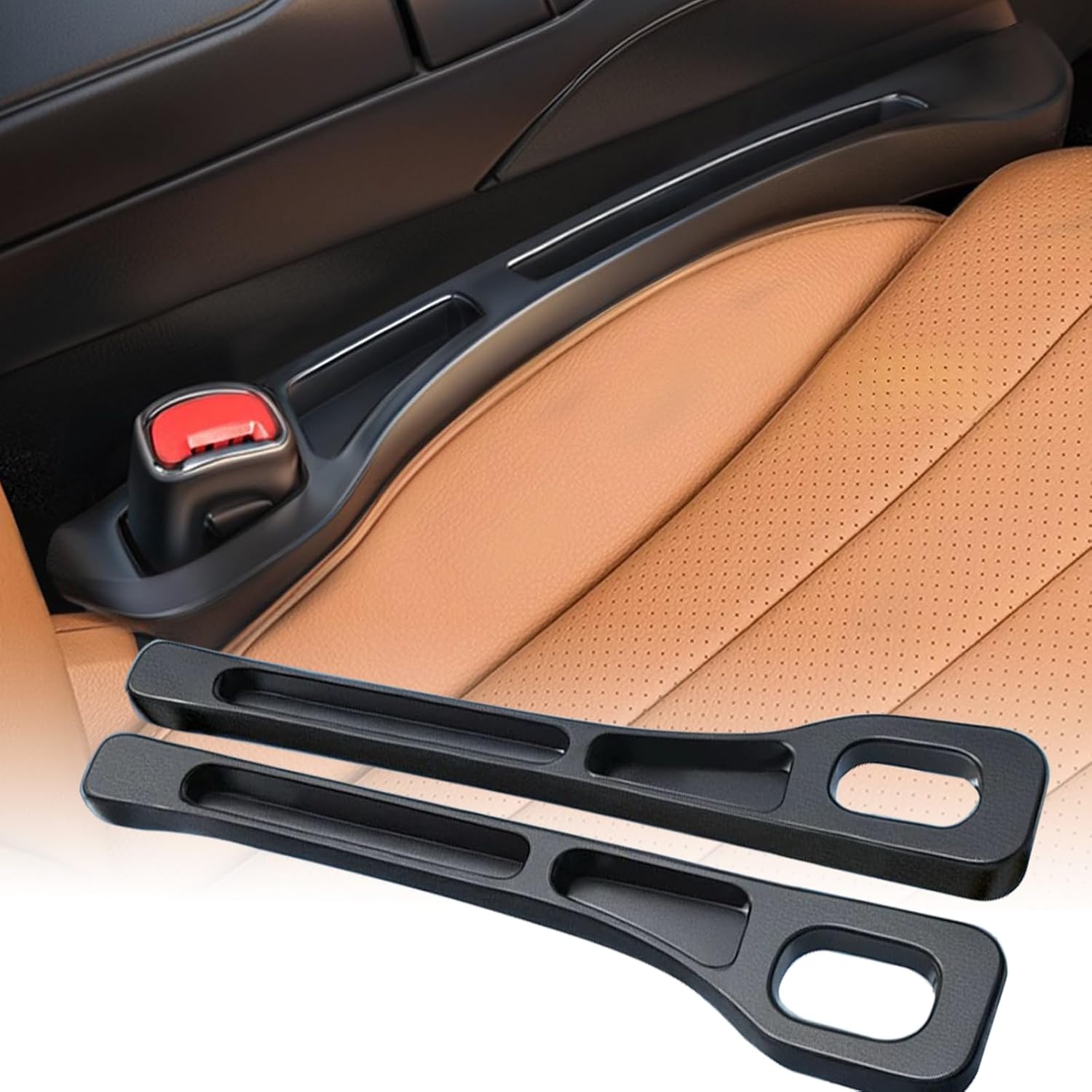
Car Seat Gap Filler (Universal)
View on Amazon ★ 721
★ 72145W USB-C Fast Car Charger
View on Amazon ★ 121
★ 121Foldable Windshield Sun Umbrella
View on Amazon ★ 268
★ 268Anti-Slip Leather Steering Wheel Cover
View on Amazon ★ 9,349
Auto Detailing Brush Set (10-Piece)
View on Amazon ★ 55
★ 55LED Car Door Logo Projector Light
View on Amazon ★ 1,349
Cool Swinging Duck Dashboard Ornament
View on Amazon ★ 4,424
Sun Visor Card and Document Organizer
View on AmazonRead, Plan, Then Stay Current
Explore our expert articles to understand incentives and ownership costs, use the map to pressure-test charging reality, then subscribe so new EV coverage comes straight to you.
Continue Reading
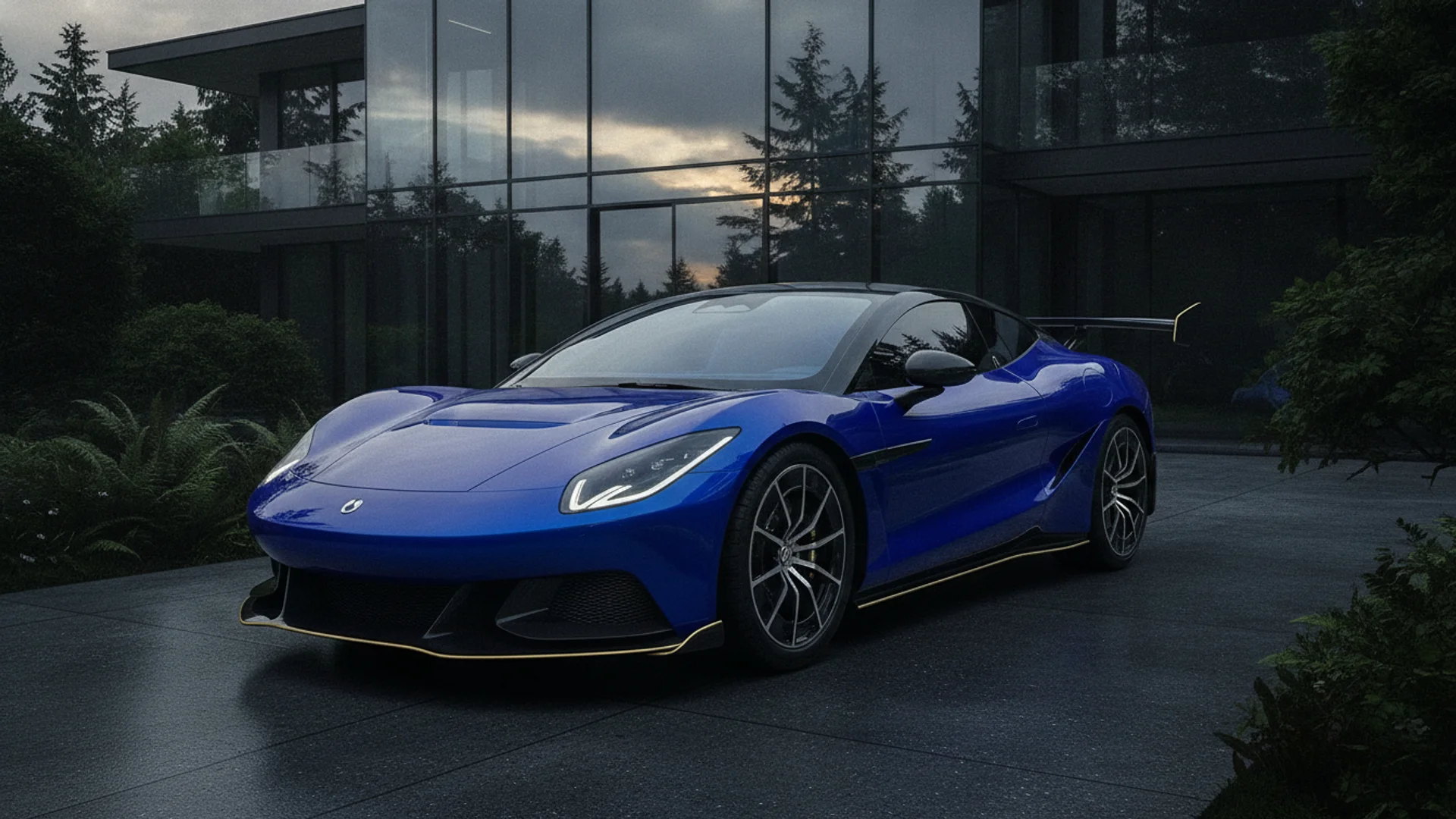
BYD Denza Z: 1,000+ hp Hypercar, Canadian Price
Is BYD Making a Better Ferrari? Denza Z Hits 1,582 HP at $70K
BYD Great Seagull: A Bigger $10,000 EV Hatch Is Coming
BYD Denza Z9 GT Adds $50K Tri-Motor Trim to China's Top GT
Chinese EVs Will Reach the US, Tariffs or Not, Analysts Say