One robotaxi rolling off a Guangzhou line is a photo op. Mass production is a threat.
XPeng said on Monday that the first robotaxi had rolled off its production line in Guangzhou, making the Chinese carmaker, in its own framing, the first automaker in China to begin mass production of a robotaxi developed entirely with in-house technology. That framing matters. Strip the press release of its self-congratulation and the substance still holds: no other Chinese automaker has done this. Not BYD. Not NIO. Not Li Auto. Not Geely. The category just got a manufacturing leader, and the manufacturing leader is the company most people had filed as the "smart-driving software" name on the board.
The car is purpose-built for L4 autonomy. The chips are XPeng's own. This marks the first time in China that an automaker has achieved mass production of a Robotaxi through full-stack, in-house development. The vehicle, the silicon, the perception stack, the planning software, one company, one supply chain, one cost curve.
That last part is what should be making competitors nervous, not the photo of the first unit driving off the ramp.
Key takeaways
- XPeng's Guangzhou line is the first in China producing a purpose-built L4 robotaxi using fully in-house technology.
- Four self-developed Turing AI chips deliver 3,000 TOPS per vehicle, 50% more than Nvidia's Drive Thor.
- Baidu's Apollo Go logged over 7 million rides in 2025, giving it a three-year deployment lead XPeng doesn't have.
- XPeng targets fully driverless commercial operations by early 2027, not immediate passenger service.
- Full-stack ownership, chip, software, chassis, manufacturing, means XPeng pays no vendor stack before collecting a fare.
China Has Its First Mass-Produced Robotaxi, and It's Not Incremental
For two years, every Chinese automaker has been promising L4 robotaxis "soon." Pilot fleets. Demonstration zones. Branded sedans with sensor packs glued on top. XPeng just made all of that look like cosplay. XPENG (NYSE:XPEV) announced that its first mass-produced Robotaxi has rolled off the production line in Guangzhou, claimed as China's first mass-produced, in-house developed Robotaxi.
"Claimed" is the word that does the work in that sentence. But the claim looks defensible. Nobody else in China has a purpose-built L4 vehicle coming off a series production line right now. Waymo and Toyota have a factory in development outside Guangzhou, coming. Pony.ai retrofits existing platforms. WeRide does the same. Baidu's Apollo Go runs on automaker-supplied bodies. XPeng built the car for the job and is now building it at volume.
The opener at Auto China last month telegraphed this. He Xiaopeng introduced the GX, a vehicle designed for the L4 autonomous driving era. Positioned as China's first fully in-house developed, factory-integrated Robotaxi prototype intended for mass production, the GX represents a significant milestone. One month from "intended for mass production" to "rolling off the line" is the kind of cadence the rest of the industry quotes in quarters, not weeks.
Full-stack in-house means XPeng owns every margin in the stack. The chip cost. The software cost. The manufacturing cost. The fleet operations cost, eventually. Anyone licensing compute from Nvidia and perception software from a third party pays a stack of vendors before they collect a single yuan in fares. XPeng pays itself.
That's not a marginal advantage. That's the entire economic thesis of robotaxis. Whoever owns the cost curve wins. For Canadian readers wondering why this should land on a publication that covers EVs sold north of the border, the answer is simple: the manufacturing playbook XPeng just demonstrated is the same one that will eventually price Chinese EVs into markets that haven't opened their doors yet. The same vertical integration that produced the Atto 3 and the Seal lineup in Canada's first wave of permits is now pointed at autonomy.
The reframe: this isn't XPeng doing a thing. This is a category milestone for Chinese autonomy, and the category just learned it has a manufacturing leader before it has a deployment leader.
Three Years Behind Baidu, But the Framing Is Wrong
Now the cold water.
XPeng starts its robotaxi line in Guangzhou, three years behind the leaders and ahead of any other Chinese automaker. XPeng is entering a market, not pioneering one. Baidu's Apollo Go has been carrying paying passengers in Wuhan, Beijing, and Chongqing for years. The fleet has logged over 7 million rides in 2025 alone, with that number doubling every 15 months. The brand has name recognition with Chinese consumers. Coming third or fourth into a product category is not the same thing as inventing it.
But "three years behind" measures the wrong axis.
Baidu doesn't make cars. Apollo Go retrofits. Every Baidu robotaxi is a partnership with someone else's factory and someone else's chassis. Pony.ai and WeRide are in the same boat, software-first companies bolted onto somebody else's hardware. They got to market faster because they didn't have to design a vehicle from scratch. They will hit a wall on unit economics that XPeng was built to walk through.
The robotaxi race has always been two races, the deployment race and the manufacturing race. Baidu's three-year head start is in the first race. XPeng didn't enter the second one until last week, and is already winning it among Chinese automakers.
There's a second number that matters here: Xpeng said on Monday it had begun mass production of its first robotaxi at its Guangzhou headquarters, targeting fully driverless operations by early 2027. Mass production today. Fully driverless commercial ops in roughly 20 months. Anyone reading that as "robotaxis on the street next month" is misreading it. The cars rolling off the line right now still need a safety driver, regulatory clearance, and operational shakedown before they're carrying paying passengers without a human aboard.
That's not a flaw in the announcement. That's how every L4 programme in the world has worked, including Waymo's. Cruise tried to skip stages, the company had completed over 150,000 driverless trips with 24/7 approval in San Francisco and Phoenix before the programme got pulled. Tesla keeps promising it will skip stages and keeps not delivering. XPeng is doing this the slow way, design the car, build the car, prove the car, deploy the car. The "mass production" milestone is the start of step three.
The competitive read: XPeng now has a fleet under construction. Baidu has a fleet under operation. Both numbers are going to grow simultaneously. In 2027, the question stops being "who got there first" and becomes "who has the lowest cost per ride." That's a manufacturing question, and XPeng just answered it for itself.
Three years behind on deployment. Three years ahead on the supply chain that will determine whether a robotaxi business actually makes money. Both things are true.
Gear worth having
As an Amazon Associate, ThinkEV earns a small commission from qualifying purchases — at no extra cost to you.
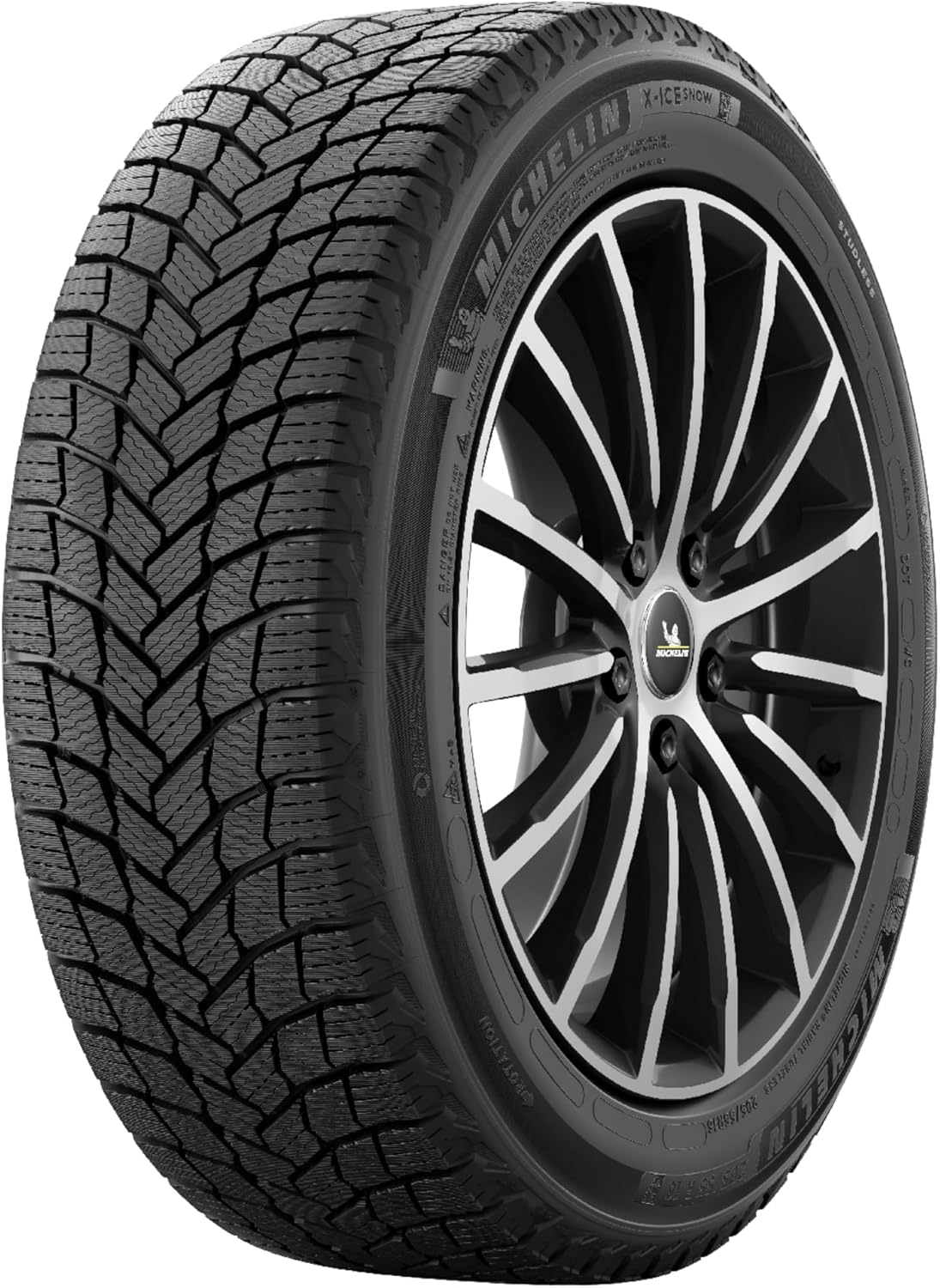
Michelin X-Ice Snow Tires (EV-rated)
EV-specific winter tires with low rolling resistance that recover up to 15 percent of cold-weather range. Mandatory in Quebec, smart everywhere else.
As an Amazon Associate, ThinkEV earns from qualifying purchases — at no extra cost to you.
3,000 TOPS Is the Number Nobody's Talking About Enough
The compute story is the one the financial press buried under the production-milestone headline. Four self-developed Turing AI chips drive the technical capabilities of the new Robotaxi. Four chips per vehicle. Three thousand TOPS aggregate compute. For context, a current-generation Tesla HW4 board lands somewhere around 720 TOPS depending on how you count. Nvidia's Drive Thor, the silicon Mercedes, Volvo, and a long list of others are betting on for L3 and L4, comes in around 2,000 TOPS at the top configuration. XPeng's robotaxi is shipping with 50% more compute than the chip everyone else is queuing up for.
The chips are XPeng's own design. The company handles everything in-house, spanning software development, specialised chips, and complete vehicle manufacturing.
That sentence is doing more work than it looks. It means XPeng's per-vehicle compute cost is roughly the silicon BOM, not the silicon BOM marked up by Nvidia's margin. It means XPeng can iterate the chip and the software together, every shipped car is a training run for the next chip. It means when a supply constraint hits Nvidia (and one will; one always does), XPeng's fleet keeps growing.
Every Chinese EV competitor running Drive Thor is now hostage to two things they don't control: Nvidia's pricing power and the US export-controls calendar. XPeng just took itself out of both lines.
The data side is the part that should make every passenger nervous and every infrastructure planner alert. Each XPeng robotaxi processes over 8 terabytes of data per hour during operation. That's not a car. That's a mobile data centre burning watts on perception, prediction, and planning in real time. Multiply by a fleet of a thousand cars driving eight hours a day and the data engineering problem is enormous before the fares show up. The perception stacks running on this silicon can detect objects up to 200 metres away and predict pedestrian movement with 97% accuracy, numbers that don't come for free in either compute or training data.
XPeng has an answer for that too. Same answer as the chip question. Build it yourself.
Other Chinese automakers chasing the autonomy story are going to have to pick a partner for compute, a partner for perception software, or both. XPeng's bet is that vertical integration wins this fight the same way it won the EV unit-economics fight for BYD. The bet is plausible. It might also be the most expensive bet in the Chinese auto industry right now, full-stack development burns cash. If the robotaxi market shows up on the timeline XPeng is projecting, it pays off. If it shows up two years late, the bill is brutal.
Hundreds to Thousands of Units in 18 Months, Math Check
Now to the number that should make analysts squint.
XPeng (XPEV) announced the official rollout of its first mass-produced Robotaxi in Guangzhou. This marks the first time in China that an automaker has achieved mass production of a Robotaxi through full-stack, in-house development. Good. Now the planning question: how many cars?
The company has been deliberately vague. President Brian Gu's guidance over the past month has been "hundreds to thousands of robotaxis over the next 12 to 18 months." That's a range covering an order of magnitude, call it 200 on the low end, 5,000 on the high end. Hundreds is a serious pilot fleet. Thousands is a credible commercial deployment. The gap between them is the entire question of whether XPeng has a real robotaxi business or a really impressive demo.
Compare to what's coming next door. A Waymo and Toyota-partnered autonomous vehicle factory outside Guangzhou is targeting 10,000 robotaxis per year by 2027, one car every 53 minutes of every working day. XPeng's range of "hundreds to thousands" through mid-2027 reads small against that. Either Brian Gu is sandbagging, which is what executives with new factories often do, set the bar low, jump it, get rewarded, or the actual manufacturing ramp is slower than the press release implies.
Gear worth having
As an Amazon Associate, ThinkEV earns a small commission from qualifying purchases — at no extra cost to you.

Grizzl-E Classic Level 2 EV Charger (40A)
Canadian-made and rated for minus 40C winters. 40A / 9.6 kW, NEMA 14-50, indoor/outdoor, 24-ft cable. The charger built for Canadian weather.
As an Amazon Associate, ThinkEV earns from qualifying purchases — at no extra cost to you.
Vague production targets are a red flag, a negotiating stance, or both. They're a red flag because they give cover for missing. They're a negotiating stance because robotaxi deployment depends on permits XPeng doesn't yet hold and partnerships XPeng hasn't yet announced. Promising 5,000 cars and shipping 800 is the kind of miss that crushes a stock down 15–20% on a single print. Promising "hundreds to thousands" and shipping 1,200 is a win.
Read the vagueness as discipline, not weakness. For now.
Q3 earnings is where this gets real. The first concrete fleet deployment number will land in the management commentary or the analyst Q&A. Watch for two things: how many vehicles are in commercial service (not just built) and what the average daily fare revenue per vehicle looks like. Until those two numbers exist, every robotaxi headline is optionality, not revenue.
The bull case is that XPeng's manufacturing scale lets it leapfrog the pilot-fleet stage that bottlenecked Cruise and pre-2024 Waymo. The bear case is that manufacturing capacity without operational permits is just expensive inventory. Both cases will be live until that Q3 print.
Gear worth having
As an Amazon Associate, ThinkEV earns a small commission from qualifying purchases — at no extra cost to you.
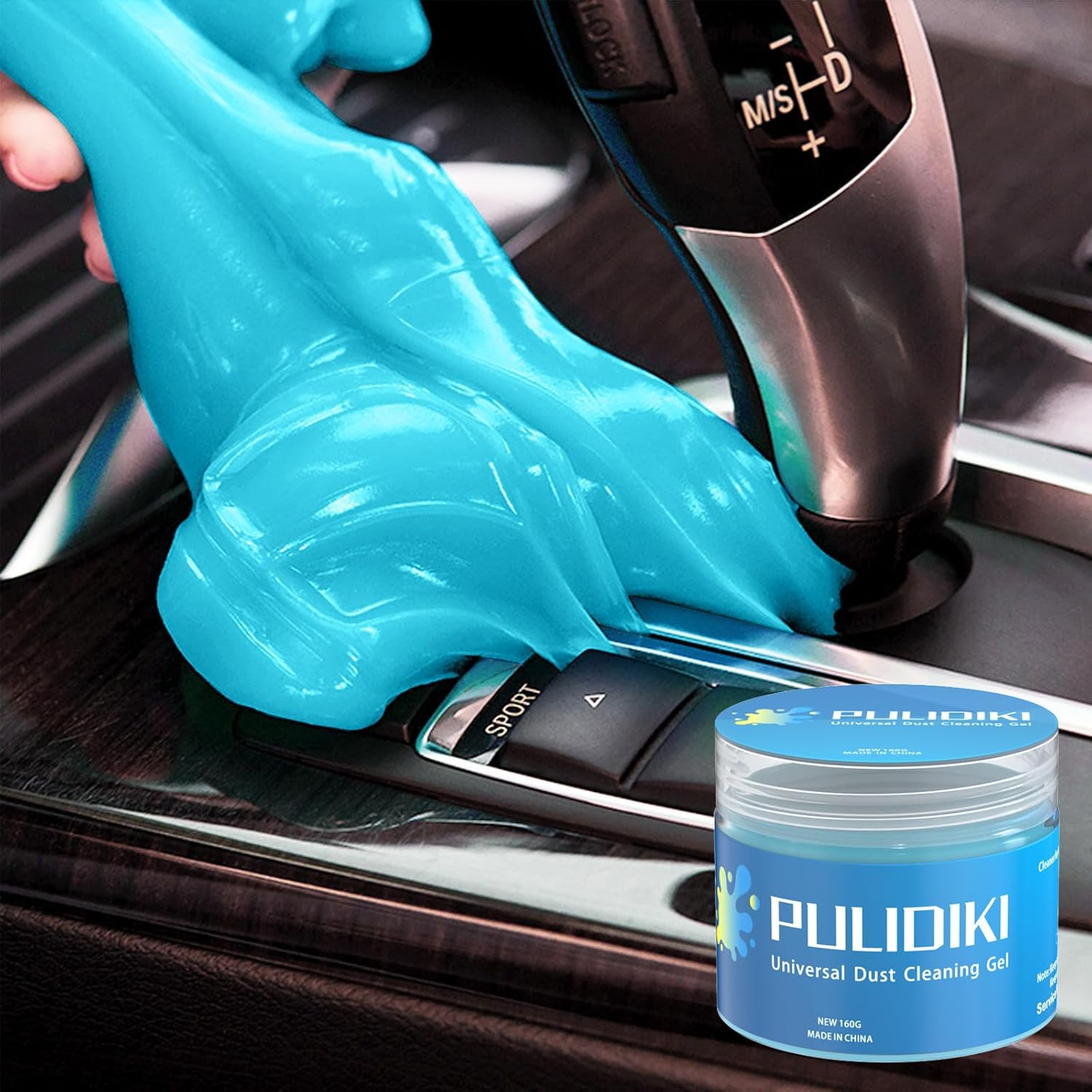
PULIDIKI Car Cleaning Gel (Detailing Putty)
Press it into vents, buttons, and seams and it lifts out dust you did not know was there. Weirdly satisfying, genuinely useful.
As an Amazon Associate, ThinkEV earns from qualifying purchases — at no extra cost to you.
The XPEV Stock Story vs. the Actual Story
XPEV is up on the news. Of course it is. Markets love "China first" headlines and they love anything with the word "autonomous" in the press release. The chart will do its thing for a week.
The real question is when robotaxi revenue shows up on the income statement.
Right now, XPeng's revenue line is consumer EVs. The G6, the G9, the P7, the new Mona M03, that's the business. Robotaxi production starting today contributes zero dollars to 2026 revenue. Maybe a small contribution in 2027 if commercial driverless ops launch as targeted in early 2027. Real revenue probably 2028. Real margin contribution, if any, 2029 and later. The market is pricing in optionality, not earnings.
Pricing optionality is fine. Pricing optionality while the company is also burning cash on humanoid robotics and a flying-car programme is the part that should make investors think twice. XPeng announced significant humanoid investments at Auto China. The flying-car (Aeroht) subsidiary has been consuming capital for years. The robotaxi programme now joins that list as a third multi-billion-yuan bet running in parallel with the consumer EV business that actually pays the bills, roughly 80% of total revenue, last anyone checked.
For a Canadian retail investor, and there are a lot more of them holding XPEV on the TSX-linked ADR pipeline than there were a year ago, the play is not the robotaxi headline. The play is whether XPeng's consumer EV margins can carry three simultaneous moonshots without forcing a capital raise that dilutes everyone. If you're a first-time EV buyer trying to figure out whether to buy a Chinese brand, the robotaxi story is irrelevant to your purchase. If you're holding the stock, the robotaxi story is interesting and the humanoid story is the one to worry about.
Operators want to see fare revenue. Press releases are not fare revenue. The market will figure that out around Q3.
What This Means for Everyone Else in the Race
Now the harder question. Who got worse this week?
Every Chinese automaker without a robotaxi programme just got a harder pitch to make to investors. BYD has been quiet on autonomy, quiet enough that the company's "God's Eye" ADAS rollout looks like an L2+ play, not an L4 play. NIO has talked about it. Li Auto has talked about it. None of them have a purpose-built robotaxi rolling off a production line this week. XPeng moved the goalposts and the rest of the field has to chase.
The most exposed competitor is probably Geely. The company's Zeekr and Lotus subsidiaries have premium positioning, urban-mobility ambitions, and not enough public progress on a purpose-built autonomy programme. If "robotaxi readiness" becomes a sorting criterion for Chinese tech valuations, and it might, Zeekr is on the wrong side of that sort.
Waymo's domestic position in the US looks secure. Waymo has the rides, the regulatory relationships, the brand, and now a 10,000-unit-a-year factory in development. What changes for Waymo is the China side of the story. The Waymo-Toyota Guangzhou factory was supposed to be the manufacturing anchor for Chinese-market expansion. It still might be. But it's now competing against a hometown company that beat it to the first production unit and runs entirely on Chinese silicon. The political wind on US autonomy companies operating fleets in mainland China was already complicated. It got more complicated this week.
Tesla is the company in the strangest position. FSD is not L4. Tesla doesn't sell a purpose-built robotaxi. The Cybercab is still a 2026-or-later promise without a production line that anyone can verify. XPeng just shipped L4 hardware at factory scale while Tesla is still shipping L2+ software with frequent disengagements. The benchmark for "robotaxi readiness" used to be "does the demo work." It's becoming "can you manufacture the vehicle for the demo." That's a benchmark Tesla has not publicly cleared. The three-way contrast between Waymo's hardware-heavy approach, Tesla's camera-only bet, and Cruise's now-suspended programme just got a fourth axis.
The European OEMs are barely in this conversation. Mercedes has the regulatory cover for L3 in Germany and California, and zero credible L4 manufacturing programme. BMW is running Mobileye-based pilots. Volkswagen's ID.Buzz robotaxi project with MOIA is real but limited. None of them are on the manufacturing track XPeng just demonstrated. The European auto industry's exposure to a Chinese autonomy lead is now structural, not theoretical.
Smart-charging fleet operators paying attention to where commercial autonomous vehicles will actually plug in should also start mapping the infrastructure consequences. A thousand robotaxis driving eight hours a day need somewhere to charge for the other sixteen. That's depot infrastructure, not consumer charging. The companies building that infrastructure in China are going to learn the playbook first, and the playbook will travel.
The summary is uncomfortable for the rest of the field: the robotaxi war is no longer about who has the best demo. It's about who can manufacture the vehicle that runs the demo at the lowest cost. XPeng just demonstrated it can. Nobody else in China has, and only Waymo-Toyota in the world has the same capability at scale, on paper, for 2027.
That's a category-shift moment. The press release didn't say so. The press release didn't have to.
Gear worth having
As an Amazon Associate, ThinkEV earns a small commission from qualifying purchases — at no extra cost to you.

WixGear Magnetic Air Vent Phone Mount (2-Pack)
A magnet strong enough that your phone never flinches over potholes or rail crossings. Two in the box, one for each car.
As an Amazon Associate, ThinkEV earns from qualifying purchases — at no extra cost to you.
XPeng Didn't Win The Robotaxi War This Week
XPeng didn't win the robotaxi war this week. Baidu still has the rides, over 7 million in 2025. Waymo still has the operational maturity. Tesla still has the brand recognition with retail investors who don't read pages-deep into autonomy benchmarks.
XPeng won something different. It won the manufacturing question. It established that a Chinese automaker can design a purpose-built L4 vehicle, fabricate its own compute silicon, integrate the perception stack, and ship the result off a production line in Guangzhou, without renting anything material from Nvidia, Mobileye, or any other foreign supplier. That capability didn't exist in the Chinese auto industry on Friday. It exists today.
Watch three things over the next two quarters. First, the Q3 earnings call, specifically the number of vehicles in commercial service, not the number built. Second, the regulatory posture in Guangzhou and Shenzhen on driverless operating permits, because manufactured capacity without permits is expensive inventory. Third, the response from BYD, NIO, and Geely, silence from the big three over the next 90 days tells you which of them is scrambling to catch up and which has decided to cede the category.
Early 2027 is the deadline XPeng set itself for fully driverless commercial operations. That's 20 months from now. Twenty months is enough time to ramp a fleet. It's also enough time to stumble, run into a permit wall, or burn enough cash on three parallel moonshots that the consumer EV business gets squeezed.
Bet on XPeng hitting the manufacturing target and missing the deployment one. Mass-producing the car is engineering. Deploying the car commercially is permits and politics. XPeng is better at engineering than it is at politics, and so is every other automaker in this race.
The headline reads "China first." The actual story is harder to fit on a chyron: the robotaxi race just stopped being a software question and became a manufacturing one, and a company most people had filed as the smart-driving software name is now the manufacturing leader. The rest of the Chinese auto industry has 20 months to figure out what to do about it, and that clock started Monday.
Gear worth having
As an Amazon Associate, ThinkEV earns a small commission from qualifying purchases — at no extra cost to you.
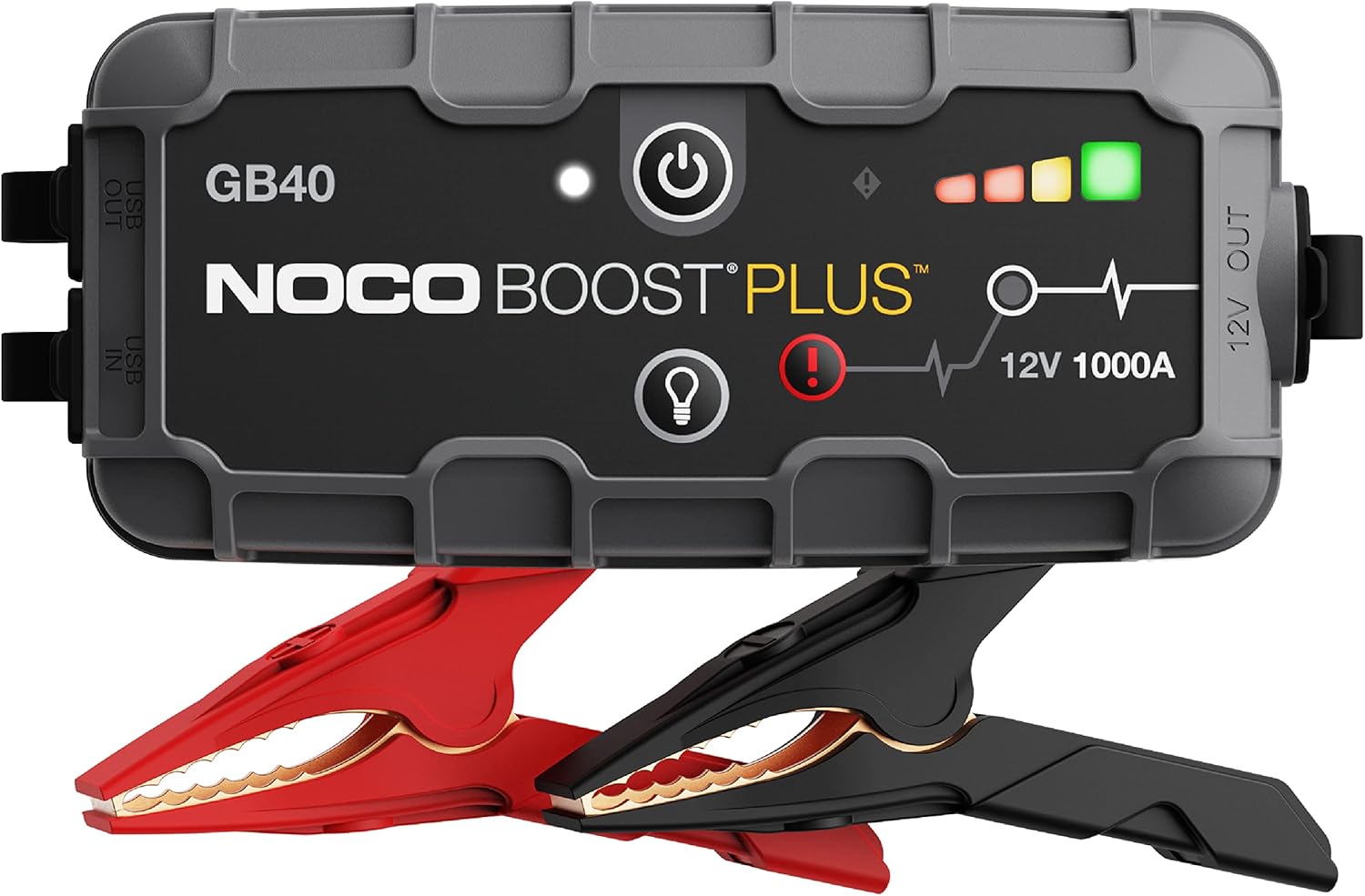
NOCO Boost Plus GB40 Jump Starter
A 1000A lithium jump starter that fits in your glovebox and works on any 12V battery. Your insurance against a dead 12V in a parking lot.
As an Amazon Associate, ThinkEV earns from qualifying purchases — at no extra cost to you.

Founder & Chief Editor
Vlad Pereira is the founder and chief editor of ThinkEV.ca, the Canadian electric-vehicle publication he writes and edits from Courtenay, British Columbia. He covers EV pricing, federal and provincial rebates, charging costs, and the Chinese manufacturers now entering Canada, from the buyer's side rather than the press-fleet side. ThinkEV is a venture of Vlad Pereira Online; his writing on health, income and the long game lives at vladpereira.com.
Frequently asked questions
Does the XPeng robotaxi carry passengers without a driver right now?
How far behind Baidu's Apollo Go is XPeng really?
What does 3,000 TOPS actually mean for a robotaxi?
Could this robotaxi playbook eventually affect Canadian EV markets?
Is any Western automaker doing this level of full-stack robotaxi integration?
More EV & road-trip finds
Affordable upgrades worth a look — tap any to check the price on Amazon.
 ★ 1,340
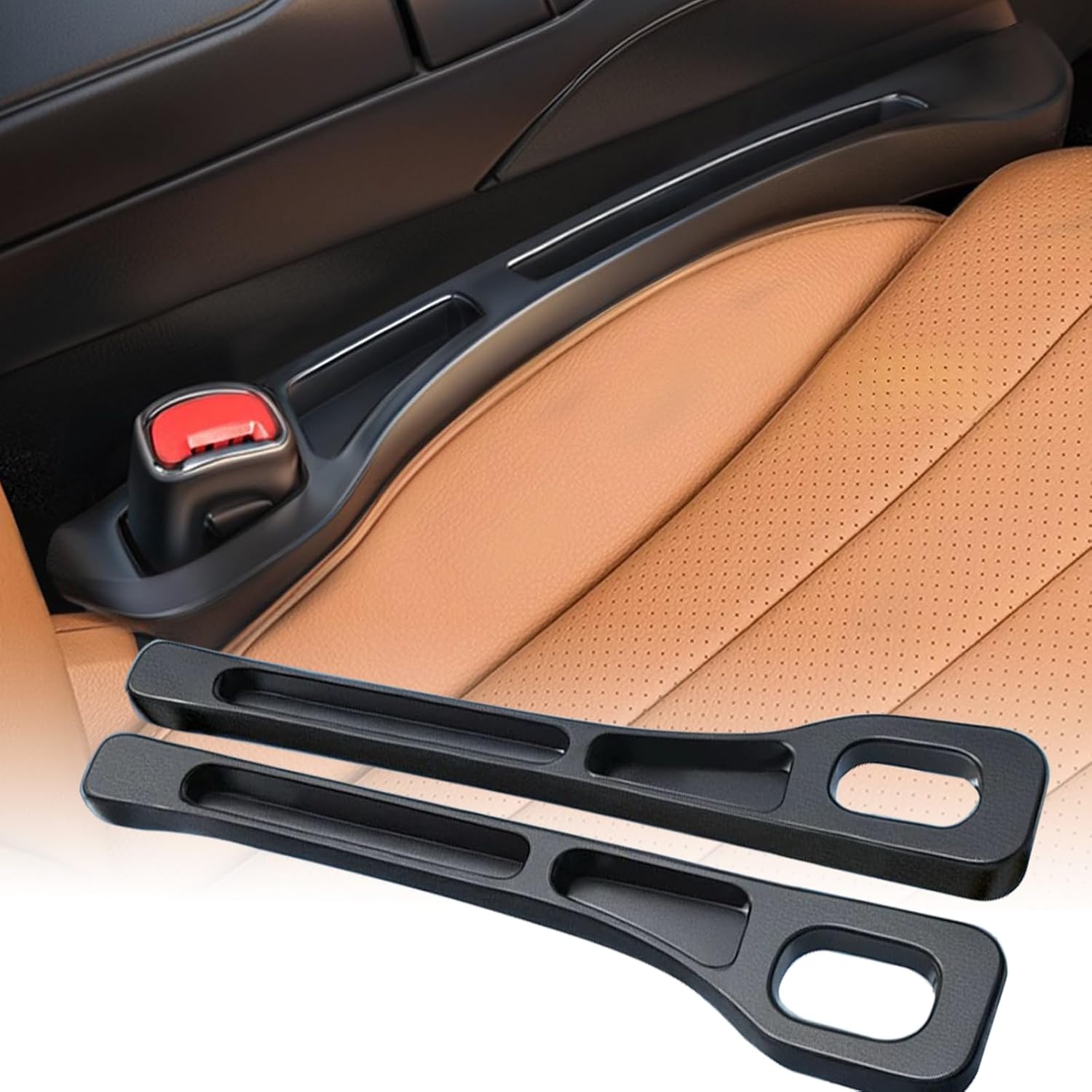
Car Seat Gap Filler (Universal)
View on Amazon ★ 308
★ 308Coiled Lightning Car Cable for iPhone (2-Pack)
View on Amazon ★ 119
★ 119Foldable Waterproof Trunk Organizer
View on Amazon ★ 392
★ 392Large Cup Holder Adapter (32-40oz)
View on Amazon ★ 4,050
Touchscreen Mist Screen Cleaner Kit
View on Amazon ★ 537
★ 537USB Star Projector Roof Light
View on Amazon ★ 546
★ 546Funny Headrest Face Covers (2-Pack)
View on Amazon ★ 4,424
Sun Visor Card and Document Organizer
View on AmazonRead, Plan, Then Stay Current
Explore our expert articles to understand incentives and ownership costs, use the map to pressure-test charging reality, then subscribe so new EV coverage comes straight to you.
Continue Reading
Tesla Tests Its Vision-Only Robotaxi as Xpeng Builds
Chinese EVs in Canada: 15,603 In, Still No BYD

GM Recalls 2016–2017 Silverado, Sierra Over Airbag Defect
BYD's $4,000 Sealion 7 Cashback Targets Tesla Model Y
Mercedes Factory Closures: Two German Plants at Risk