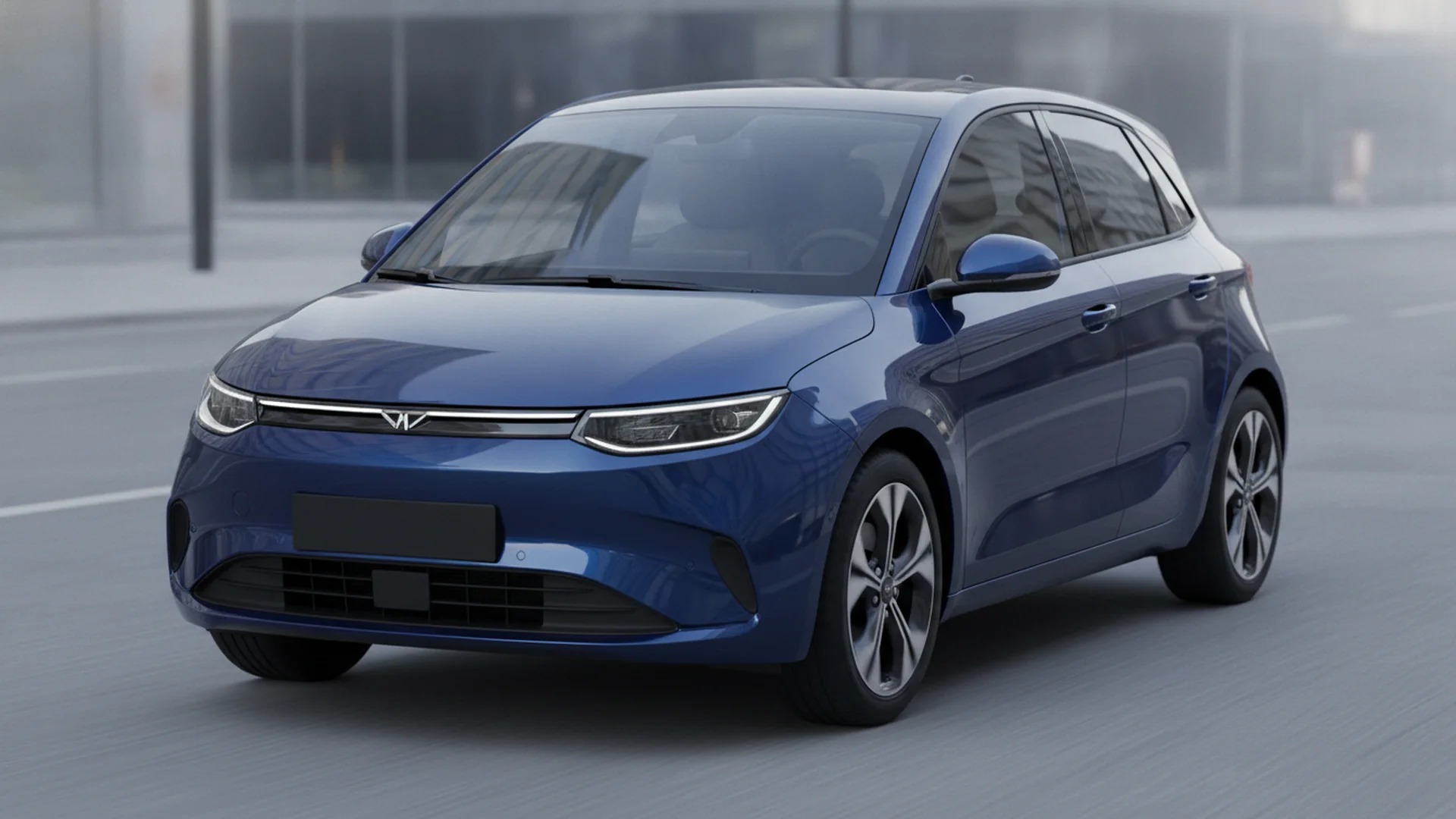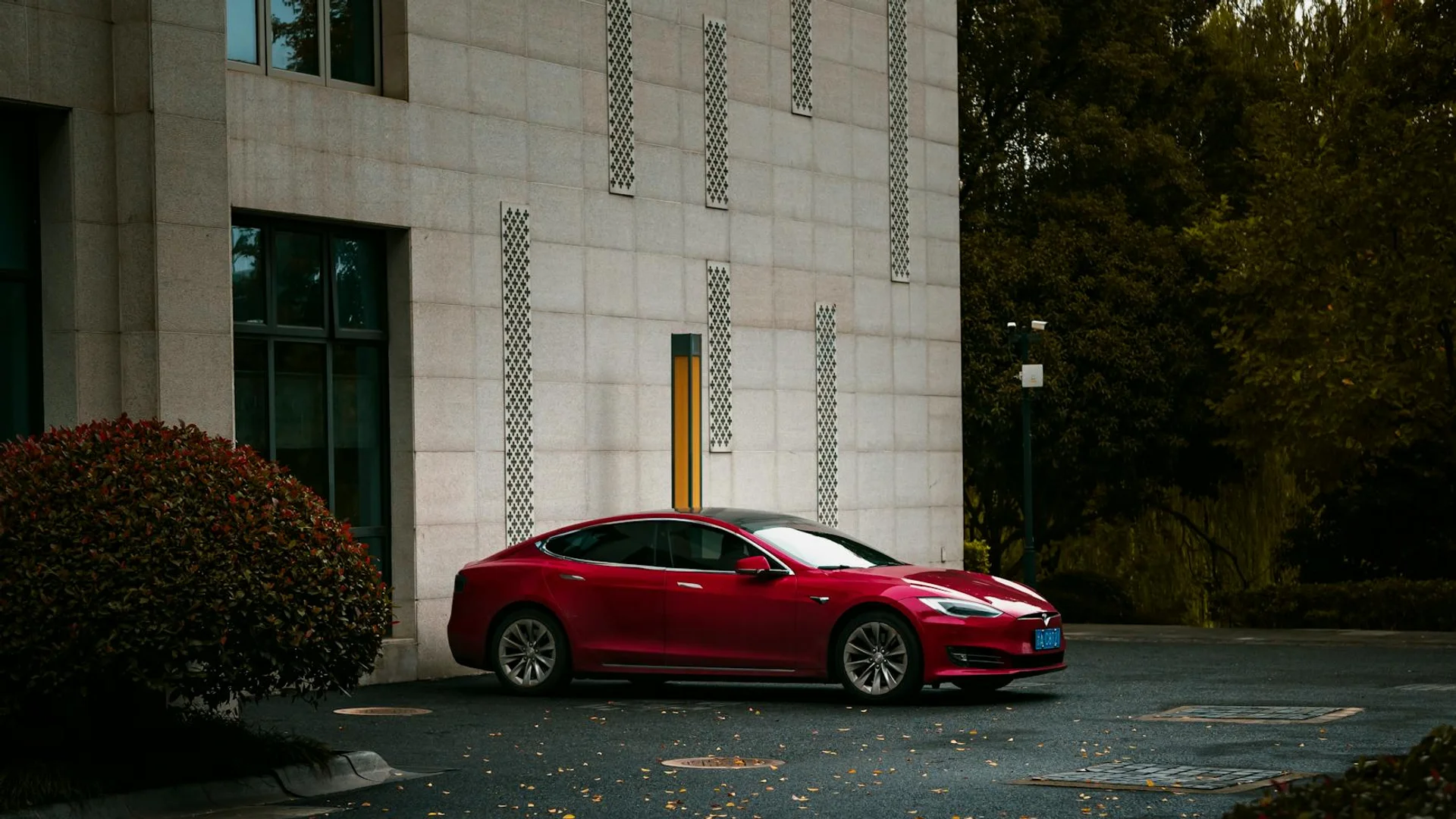
BYD just briefed JPMorgan. The number they floated: 3.5 to 4 million China sales in 2026. Analysts expected flat.
That's a 13% bet from the company that already sells more EVs than anyone else on the planet, and they made it in a private room, not a press release. Hold onto that detail. It matters.
Key takeaways
- BYD told JPMorgan it expects 3.5–4 million China sales in 2026, up to 13% growth.
- Q1 earnings per share beat analyst estimates by 22%, even as revenue missed by 9.8%.
- BYD's global target of 5–5.5 million units would be roughly 3x Tesla's expected 2026 EV volume.
- Overseas deliveries are targeted at 1.5 million vehicles, a 40%-plus jump from 2025.
- Morningstar's Vincent Sun projected 25–30% export growth; BYD's own internal number sits above that.
The Number BYD Told JPMorgan That Nobody's Talking About
Headlines this month fixated on profit pain. The actual signal slipped past most of the coverage, buried under quarterly noise and analyst hand-wringing about a softening Chinese consumer. The cleaner read is this: BYD management briefed JPMorgan Chase & Co and is expecting 3.5 million to 4 million sales in China this year, a target that would mean up to 13% growth in its home market, well above the flat-to-down trajectory the sell-side had baked in. The brief was first surfaced by CleanTechnica and corroborated by a Yahoo Finance write-up of the same disclosure.
That single data point reframes the entire 2026 BYD story. Consensus going into spring was that BYD's domestic engine had stalled. Price war fatigue. Margin compression. A maturing China EV market that simply couldn't absorb another year of aggressive volume push. Analyst expectations had largely pointed to flat volumes or even a moderate decline, Yahoo Finance characterized the prevailing view as "flat volumes or even a moderate decline" right before the 13% number landed.
BYD's own management just told one of the largest investment banks on earth the opposite.
Private briefings like this don't happen by accident. You don't sit down with JPMorgan analysts and float a 13% number unless you're confident enough to defend it inside your own building. The downside of being wrong in that room is far worse than the downside of being wrong in a press release. PR can be spun. Bank briefings get modelled into client portfolios and travel to every desk on the Street within hours. By the time the headline reaches retail investors, the number has already moved positions at half a dozen funds.
So when management says 3.5 to 4 million, they're not pitching investors. They're calibrating them. There's a meaningful difference, and the market hasn't priced it in yet.
The message from management, per Yahoo Finance's reading, suggests BYD may still have room to expand in China, supported by solid order flow for newly launched models equipped with ultra-fast charging solutions. Translation: the order book is already filling. The number isn't aspirational. It's mostly already booked.
There's a third layer worth surfacing. Morningstar analyst Vincent Sun, quoted by Reuters via Investing.com, projected BYD's exports would rise 25% to 30% this year, while total vehicle sales are expected to grow about 12%. BYD's own internal number sits a tick above that, which is exactly what you'd expect from a company that knows its order pipeline better than any sell-side analyst ever will.
Put the data points side by side:
- Analyst consensus pre-briefing: flat-to-down China volumes for 2026
- Morningstar (Vincent Sun): ~12% total sales growth, 25–30% export growth
- BYD management (JPMorgan brief): 3.5–4 million China units, up to 13% domestic growth
- BYD global target: 5.0–5.5 million units, including 1.5 million overseas
The story everyone ran with was "BYD in trouble." The story actually playing out is "BYD told the smart money it's accelerating."
Profit Dropped to a Six-Year Low. Growth Target Rose. Hold That Thought.
Here's where it gets uncomfortable for the pessimists. The two facts everyone is treating as contradictory aren't contradictory at all, they're the same strategy seen from two angles.
BYD posted the steepest profit drop in six years as China sales faltered. That was the Reuters headline late April. Brutal on its face. Six years. Worst in six years.
Then read the rest of the print. Per Simply Wall St's breakdown of the latest results, revenue missed analyst estimates by 9.8% while earnings per share exceeded analyst estimates by 22%.
Stop. Reread that.
Top-line softened nearly 10%. Per-share earnings beat by more than a fifth. That is not a company crumbling. That is a company eating margin in exchange for something else, share, positioning, or a coming product cycle they haven't shown the market yet.
The cleanest reading: BYD is deliberately trading near-term profit for volume and market position. Every Chinese EV maker is in a knife fight on price right now. The question isn't who has the prettiest quarter. The question is who's still standing when the consolidation phase ends, and who owns the channel, the brand, and the factory footprint by then. The South China Morning Post quoted Shanghai consultancy CEO Chen Jinzhu summing up the strategic frame: domestic high growth has been difficult to sustain since last year, but BYD's overseas expansion is "worth watching because of the strong market potential abroad."
BYD is choosing to be the one still standing. That's the trade.
The other piece the headlines missed: over the last 3 years on average, earnings per share has increased by 53% per year but the company's share price has only increased by 19% per year, per Simply Wall St, which means the stock is significantly lagging earnings growth.
The market has been pricing BYD like a company that's already peaked. Management is operating like a company that hasn't.
One of those reads is going to be wrong. Given who has better information about the order book, management or sell-side, the smart money is on the management read.
Gear worth having
As an Amazon Associate, ThinkEV earns a small commission from qualifying purchases — at no extra cost to you.

Lectron Level 2 J1772 Charger (40A, WiFi)
Smart WiFi charger with real-time energy monitoring. 40A / 9.6 kW, J1772 with a NEMA 14-50 plug, schedule charging right from your phone.
As an Amazon Associate, ThinkEV earns from qualifying purchases — at no extra cost to you.
The Press Release Got the Story Backwards
Walk through how this news cycle actually unfolded.
Q1 profit drop hits the wire on April 28. Reuters leads with the six-year low. Headlines cascade. Talking heads pile on. "BYD is in trouble." "The China EV bubble is deflating." "Tesla's biggest competitor is wobbling."
Two weeks later, almost as a footnote: per GuruFocus, BYD aims for 5 million to 5.5 million global deliveries in 2026, supported by stronger China guidance and a 1.5 million overseas target.
That's the actual story. Five and a half million units. Globally. In 2026.
For scale, consider what that volume implies:
- Roughly 3x Tesla's expected global EV volume in 2026
- A 40%+ jump in overseas deliveries from 2025
- A 13% lift in the home market against analyst expectations of zero
- A run rate of nearly 460,000 vehicles per month, every month
- More EVs than every legacy Western OEM combined will produce this year
It would make BYD the largest manufacturer of EVs on the planet by a margin so wide the question stops being competitive and starts being categorical.
And the overseas piece is where the real growth lives. Per Investing.com's Reuters wire, BYD has said it is confident of reaching its 2026 overseas sales target of 1.5 million vehicles or even higher, implying growth of over 40% from 2025, though it has not disclosed an overall sales target.
Forty percent. Outside China. In one year.
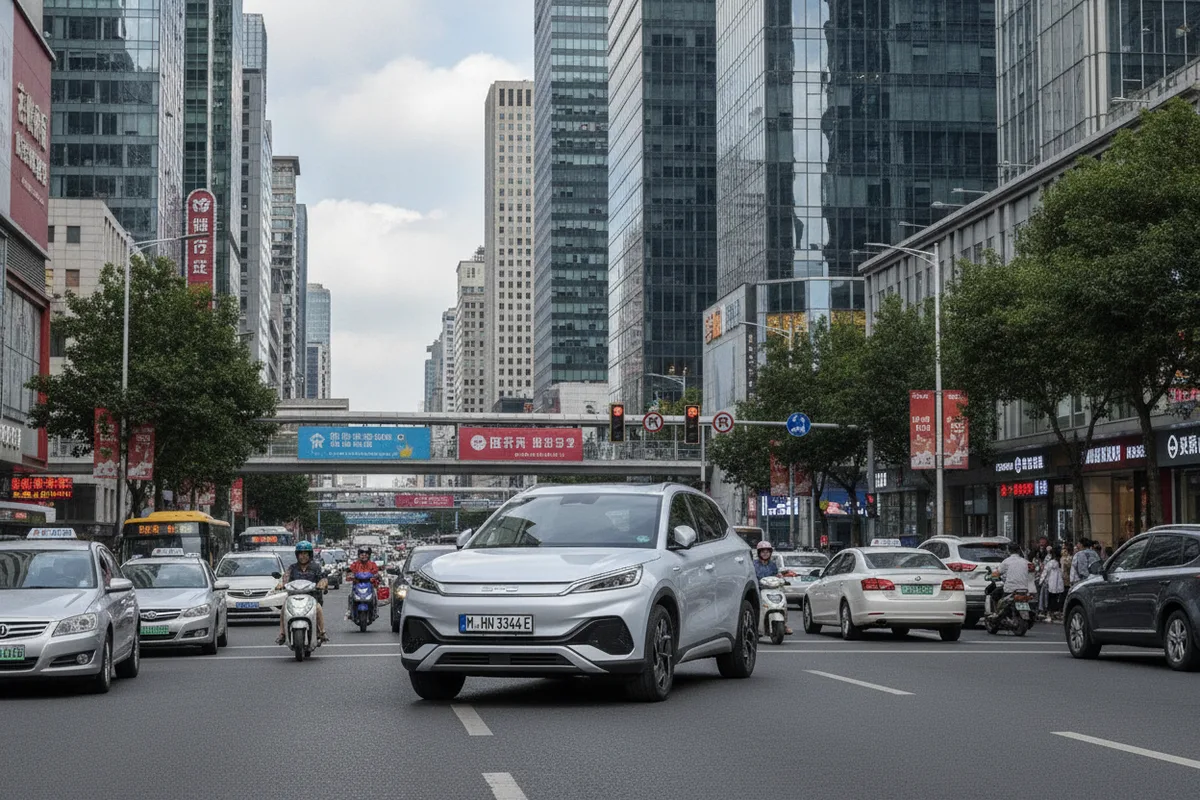
That isn't theoretical. BYD is already deeply embedded in markets the Western press still treats as marginal. As covered in the EV depreciation analysis on which brands hold value, BYD controls 22% of Thailand's EV market and 13% in Germany as of 2026. Those aren't beachheads. Those are dominant positions in markets with sophisticated buyers and established competition.
The "domestic rough patch" narrative ignored where BYD is actually accelerating. It treated overseas as a hedge against China softness. It's not a hedge. It's the second engine, running hotter than the first.
What Serious EV Observers Are Actually Reading Into This
Strip out the headline panic and look at where the more careful analysis landed.
The convergent read among the outlets covering this closely, Reuters, the BBC, Morningstar, the South China Morning Post, is that short-term China softness is real, but international expansion is the growth engine that matters. The price war is squeezing margins. The overseas pipeline is the answer.
Per Reuters' April 28 wire, BYD is doubling down on ultra-fast charging technology, aiming to lure drivers loyal to petrol-powered cars by easing charging time concerns. That's not a recovery story. That's a strategy pivot in plain sight, executed while the headline writers were still typing eulogies.
Skeptics aren't crazy, either. The price war is real. BYD's own margins prove the concern isn't baseless. When a company beats EPS but misses revenue by nearly 10%, somebody is absorbing pain somewhere, and in this case, it's the gross margin line getting squeezed by aggressive pricing on entry-level models like the Seagull, which the Canadian preview pegs at roughly $13,000–$14,000 CAD-equivalent in the BYD Seagull Canada outlook.
But here's what the bears keep missing. A company in trouble does not brief JPMorgan on a 13% growth number. A company in trouble cuts guidance. A company in trouble blames macro headwinds and asks investors for patience.
Gear worth having
As an Amazon Associate, ThinkEV earns a small commission from qualifying purchases — at no extra cost to you.

Magnetic Windshield Snow Cover
Skip the scraping. Magnets hold it on, peel it off with the snow, and your defroster stops draining range on cold mornings.
As an Amazon Associate, ThinkEV earns from qualifying purchases — at no extra cost to you.
BYD did the opposite. It raised the floor of its expectations during the worst profit quarter in six years.
That's not a wobble. That's a flex.
Chen Jinzhu's framing in the South China Morning Post lands in the same place: high domestic growth is hard to sustain, so the overseas story becomes the one to watch. BYD is repositioning, not declining. The bears are pattern-matching against Western OEM playbooks. BYD doesn't run that playbook, and assuming it does is how outside analysts have been getting BYD wrong since 2022.
Gear worth having
As an Amazon Associate, ThinkEV earns a small commission from qualifying purchases — at no extra cost to you.

PULIDIKI Car Cleaning Gel (Detailing Putty)
Press it into vents, buttons, and seams and it lifts out dust you did not know was there. Weirdly satisfying, genuinely useful.
As an Amazon Associate, ThinkEV earns from qualifying purchases — at no extra cost to you.
Ultra-Fast Charging Is the Swing Variable Everyone's Underweighting
Here's the bet inside the bet.
BYD's growth math doesn't just rest on producing more cars. It rests on closing the last real adoption gap in China, the petrol holdouts. The buyers who didn't switch in 2024, didn't switch in 2025, and are the marginal volume that decides whether 2026 prints 3.5 million or 4 million.
China's EV penetration is already past 50% of new sales in many cities. The buyers who haven't switched yet aren't waiting for cheaper cars. They're waiting for the perception that charging won't add 20 minutes to every road trip. That's the friction.
BYD's answer, per Reuters, is to throw money and engineering at ultra-fast charging until the friction disappears. Megawatt-class charging architectures. Battery chemistry that can tolerate that kind of throughput without catastrophic degradation. New models built around the charge curve, not just the range number on the spec sheet. Yahoo Finance's read of the JPMorgan briefing explicitly tied the upside scenario to "newly launched models equipped with ultra-fast charging solutions", meaning the order book BYD is pointing at is concentrated in the ultra-fast charging SKUs.
Why does this matter for the 13% bet?
Because if BYD cracks the charging anxiety problem in China this year, and the launch slate suggests they're close, the 3.5 to 4 million target is the floor, not the ceiling. Every petrol holdout converted is incremental volume that wasn't in any analyst's spreadsheet six months ago.
The interesting part is that nobody outside China is modelling this correctly. Western coverage treats ultra-fast charging as a marketing point. Inside China, it's the variable that determines whether the next 30% of households go electric in 2026 or 2027.
If you want to understand why pure-EV makers are still bullish in a profit-compressed quarter, this is it. They believe the conversion curve is about to bend up. Their pricing strategy makes sense only if you assume volume is about to scale faster than cost.
The 13% number isn't conservative. It might be the median scenario in a distribution where the upside tail goes much higher.
BYD Doesn't Need the US. That's the Point.
This is the part Western analysis keeps fumbling, and it fumbles it because it can't quite accept what the numbers say.
"We survive and are successful without the US market today," BYD executive vice president Stella Li told the BBC at the Beijing Auto Show. Instead of aiming for US customers, the company says its challenge is meeting increased demand in other regions, including Brazil, the UK and Europe.
Read that again, because it's the most important quote in this whole story.
That's not defiance. That's not bravado. That's a geographic business model statement that the Western press keeps interpreting as defensive when it's actually just a description of reality.
The scale behind the statement makes it credible. Per Wikipedia's company profile, BYD has been China's largest private-sector employer since 2022, ranking behind several state-owned enterprises. As of September 2024, the company employs 900,608 people, including 104,003 in research and development. It also leads in patent filings, having submitted over 13,000 patents between 2003 and 2023. A workforce that size, with that much R&D headcount and patent depth, isn't begging for any single export market to open. It's allocating capacity to wherever the regulatory math works.
BYD's addressable market in 2026 is roughly: China, Europe (selectively), the UK, Brazil, Southeast Asia, the Middle East, Mexico, Australia, and large parts of Africa. Add it up. That's well over four billion people in markets where BYD can sell legally, profitably, and at scale.
The US, and by tariff extension, Canada, represents a couple hundred million potential buyers in markets that have explicitly walled themselves off. From BYD's perspective, those are accounting items, not strategic priorities.
If BYD hits 5.5 million global deliveries without a single US or Canadian sale, the lesson isn't that Chinese EVs failed to crack North America. The lesson is that North America made itself irrelevant to the largest EV manufacturer on earth.
That's a posture change. For decades, "we don't sell in America" was code for "we couldn't compete in America." For BYD in 2026, it just means "we have more demand than we can fulfil in markets that want us."
This matters for Canadian readers specifically. The tariff math is what determines entry timing, see the Canadian EV market 2025 crash and 2026 recovery breakdown for the policy context, and right now BYD's calculation says the math doesn't work. The Seagull preview piece on BYD's Canadian outlook walks through what that means for buyers waiting for cheaper models.
Short version: don't hold your breath.
Gear worth having
As an Amazon Associate, ThinkEV earns a small commission from qualifying purchases — at no extra cost to you.

WixGear Magnetic Air Vent Phone Mount (2-Pack)
A magnet strong enough that your phone never flinches over potholes or rail crossings. Two in the box, one for each car.
As an Amazon Associate, ThinkEV earns from qualifying purchases — at no extra cost to you.
What 13% China Growth Actually Means for the Global EV Race
Do the arithmetic.
Four million China + 1.5 million overseas = 5.5 million BYD units in 2026, the upper bound GuruFocus reported. Tesla's projected global volume sits well below half that. The competitive frame everyone's been using, "BYD versus Tesla", stops being a contest somewhere around Q3.
The year-over-year delta is the story. Absolute numbers are lagging indicators. Momentum is what builds market structure. Every quarter BYD grows in Europe, Western OEMs lose reference pricing power in their own backyards. Every Thai street with a BYD Atto 3 on it is a Toyota that didn't get sold.
There's a useful comparison point from the Canadian market specifically. As detailed in the Canada EV sales report for February 2026, domestic adoption is hitting double digits and the lineup driving it is heavily Korean and American. That's the pricing environment BYD is locked out of, and the pricing environment that benefits when BYD floods Europe instead.
The 2026 number to watch isn't profit. Profit is a Q1 story. The 2026 number to watch is whether BYD hits the five million floor. If they do, the conversation about who makes the most EVs on earth is settled for the rest of the decade.
I'd bet on the floor. Management didn't brief JPMorgan on 13% to be cute. They briefed JPMorgan on 13% because they've already seen the order book through Q3.
What would change my mind? A real demand crack in Europe, not a slowdown, a crack. Or a regulatory action in a major market that meaningfully resets BYD's overseas trajectory. Neither is happening right now.
The companies betting BYD has peaked are betting against a management team that just publicly committed to a number they could have hidden. That's not how peaked companies behave.
Watch the Q2 print. The volume line, not the profit line. That's where the 13% bet either lands or doesn't, and if it lands, every "BYD in trouble" headline from April becomes a museum piece.
Gear worth having
As an Amazon Associate, ThinkEV earns a small commission from qualifying purchases — at no extra cost to you.
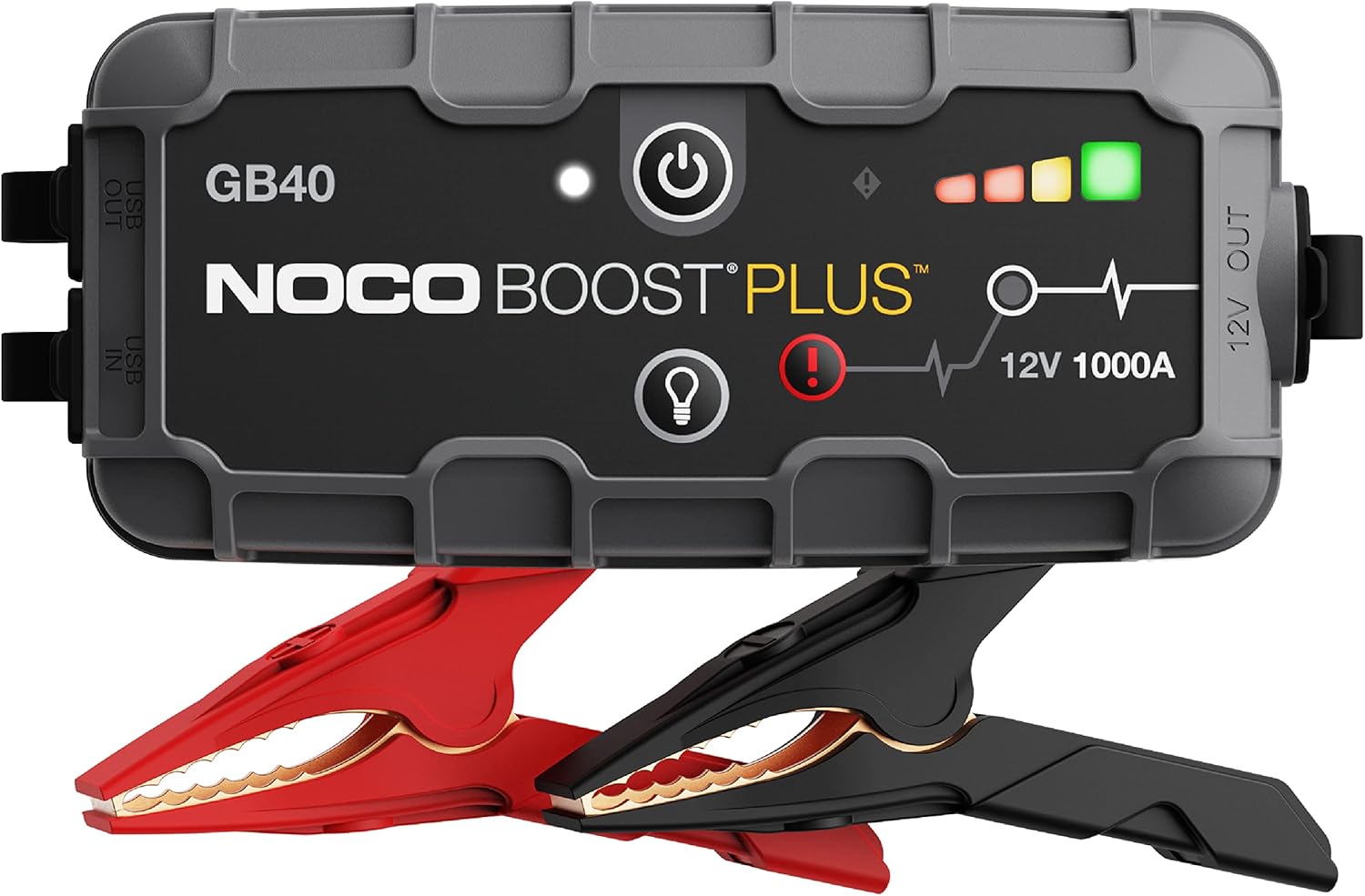
NOCO Boost Plus GB40 Jump Starter
A 1000A lithium jump starter that fits in your glovebox and works on any 12V battery. Your insurance against a dead 12V in a parking lot.
As an Amazon Associate, ThinkEV earns from qualifying purchases — at no extra cost to you.

Founder & Chief Editor
Vlad Pereira is the founder and chief editor of ThinkEV.ca, the Canadian electric-vehicle publication he writes and edits from Courtenay, British Columbia. He covers EV pricing, federal and provincial rebates, charging costs, and the Chinese manufacturers now entering Canada, from the buyer's side rather than the press-fleet side. ThinkEV is a venture of Vlad Pereira Online; his writing on health, income and the long game lives at vladpereira.com.
Frequently asked questions
Can Canadians actually buy BYD vehicles right now?
Why would BYD's profit fall while its sales target rises?
How reliable is a private JPMorgan briefing as a source?
What markets outside China is BYD actually winning?
Is BYD's stock reflecting any of this growth story?
More EV & road-trip finds
Affordable upgrades worth a look — tap any to check the price on Amazon.
 ★ 1,340
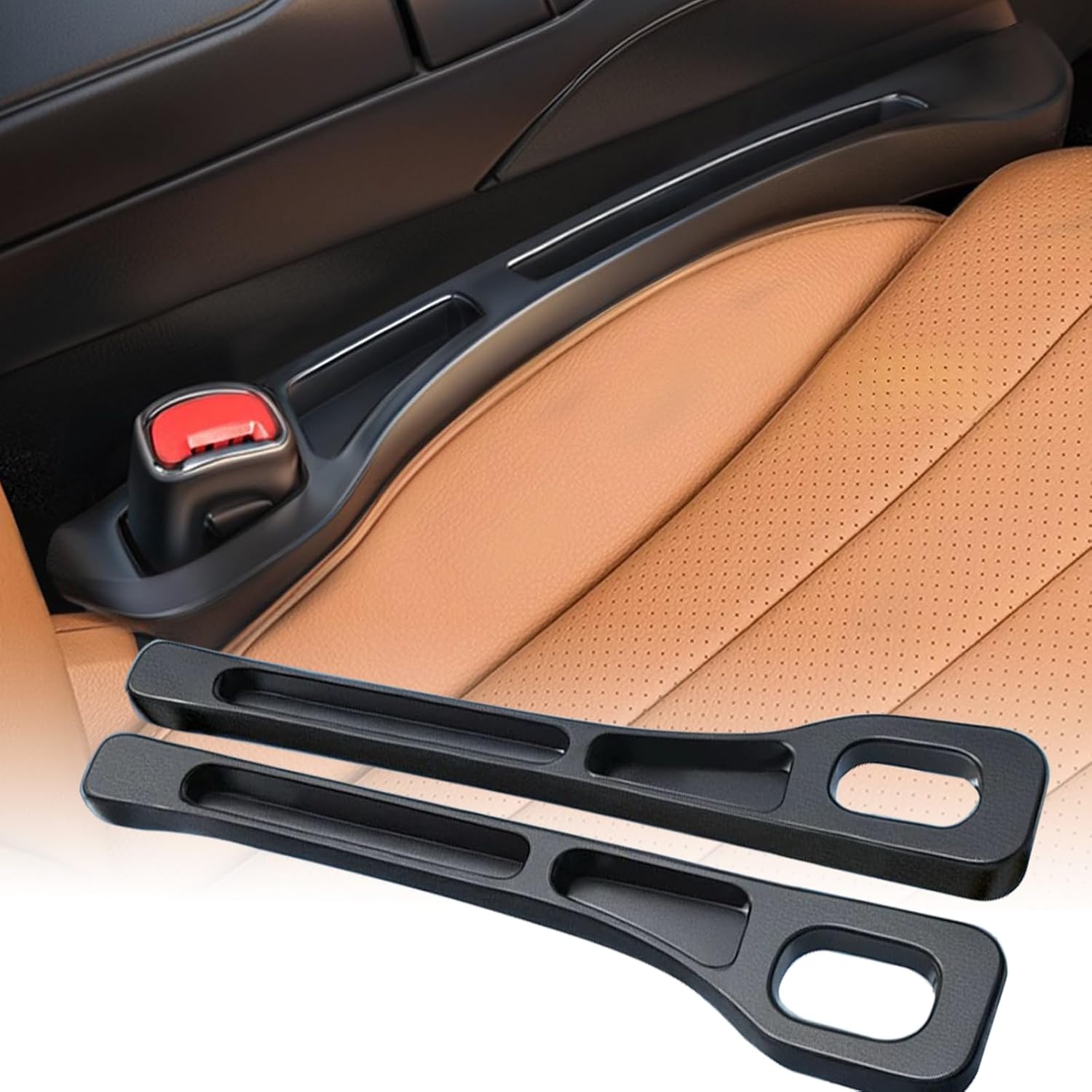
Car Seat Gap Filler (Universal)
View on Amazon ★ 12,834
P3 Kill A Watt Electricity Usage Monitor
View on Amazon ★ 87
★ 87Car Window Sun Shades for Kids (4-Pack)
View on Amazon ★ 68
★ 68WeatherTech FloorLiner for Tesla Model 3
View on Amazon ★ 4,050
Touchscreen Mist Screen Cleaner Kit
View on Amazon ★ 419
★ 419RGB Car Interior LED Strip Light
View on Amazon ★ 4,626
HoogaLife Hanging Car Diffuser (2-Pack)
View on Amazon ★ 4,424
Sun Visor Card and Document Organizer
View on AmazonRead, Plan, Then Stay Current
Explore our expert articles to understand incentives and ownership costs, use the map to pressure-test charging reality, then subscribe so new EV coverage comes straight to you.
Continue Reading

BYD Great Seagull: A Bigger $10,000 EV Hatch Is Coming
Denza Z9GT Spotted in Melbourne: 1000km Range, 9-Min Charge

BYD Denza Z9 GT Adds $50K Tri-Motor Trim to China's Top GT
Chinese EVs Will Reach the US, Tariffs or Not, Analysts Say
MG's $3,000 MGS5 Cashback and a Softer EV Market