In May 2021, the Colonial Pipeline went dark for six days after a ransomware attack on a billing system. Fuel didn't stop existing. A spreadsheet did. And somewhere in a queue on the US East Coast, engine idling, dashboard light blinking, kid in the back seat, a driver decided, quietly and finally, that this was the last time. The cleanest version of that story reduces to a single line: sitting in a long gas line over a computer glitch, never again.
That's the thing about the EV conversion moment. It almost never arrives as math. It arrives as friction, a specific, embarrassing, small humiliation of the old system, and only then does the spreadsheet get unpacked to justify what the gut already knows.
Key takeaways
- The Colonial Pipeline ransomware attack in May 2021, not range anxiety, triggered one driver's permanent switch from gas.
- By 2028, most new Canadian EV buyers will cite a single non-economic moment, not a rebate, as their trigger.
- BYD's vertical integration, lithium mine to seat foam, lets its engineers iterate every component on the same cadence.
- Hyundai's 800V E-GMP platform hits 10–80% charge in 18 minutes, engineered specifically for highway road-trip parity.
- Tesla's Standard Range Model 3 uses LFP chemistry; the Long Range uses NMC, same shell, two different ownership realities.
The Break Point: Why Logic Alone Never Seals the Decision
If you talk to enough recent converts, a pattern emerges that the industry's marketing departments still haven't quite caught up to. The decision isn't built from a stack of comparison charts. It's triggered by one moment, then rationalised afterward with the comparison charts. The order matters, and the people who try to reverse it usually stall out for another year.
Look at what people actually say when you ask them. One answer is the cleanest version of the environmental argument: "I want to reduce my impact to the environment. We only have one planet and we need to take good care of it." Another frames it through pure disgust with the status quo, gas cars are stinky, we live in the 21st century, the atmosphere isn't a garbage can with infinite capacity. A third goes almost philosophical: realising how stupid it is to burn stuff for motion. These are not spreadsheets. These are convictions that found their trigger.
Here's my bet, and I'll put stakes on it: by 2028, more than half of new EV buyers in Canada will name a single non-economic moment as their reason. Not a tax credit. Not a fuel-price spike. A moment. The industry that keeps pricing rebates as the lever is going to be confused about why the lever stopped working, because the lever was never the lever. The trigger was.
The Colonial Pipeline case is unusually clean because the trigger is dateable. Most break points are more diffuse. Someone watches a neighbour plug in at midnight while they're heading to a 24-hour gas station in February. Someone notices their solar panels are generating more than the house consumes and asks, almost casually, where the surplus is going. Someone drives an electric loaner for a weekend and discovers that the absence of vibration is, somehow, the loudest thing they've ever experienced in a car.
The literature on EV conversion has been chasing the wrong variable for a decade. The industry assumed range anxiety was the gate, and once the gate cleared, once the average new EV cleared 400 km, buyers would flow through. The flow has come, but not through that gate. It's come through trigger moments that have very little to do with kilowatt-hours.
There's another thread worth pulling. The community pattern in the past two years has shifted: it's no longer just "should I buy an EV?" It's "I'm definitely getting an EV, now which brand?" In EV searching, buyers say they're more willing to consider other brands they wouldn't have previously, but are still curious about non-drivetrain issues like electrical gremlins as new cars get more and more electrically intensive. The conversion has already happened. What remains is the brand-loyalty unwind, and that's a different problem, and a more interesting one.
What the Drivetrain Actually Tells You About a Manufacturer's Philosophy
Here's a thing most buyers don't realise until they own one: an EV drivetrain is a manufacturing philosophy made physical. The choices a company makes between single-speed and two-speed reduction gears, between 400V and 800V architecture, between cell-to-pack and cell-to-chassis integration, these aren't engineering minutiae. They're the company telling you what it actually believes about cars. And once you can read that vocabulary, brand marketing collapses into background noise.
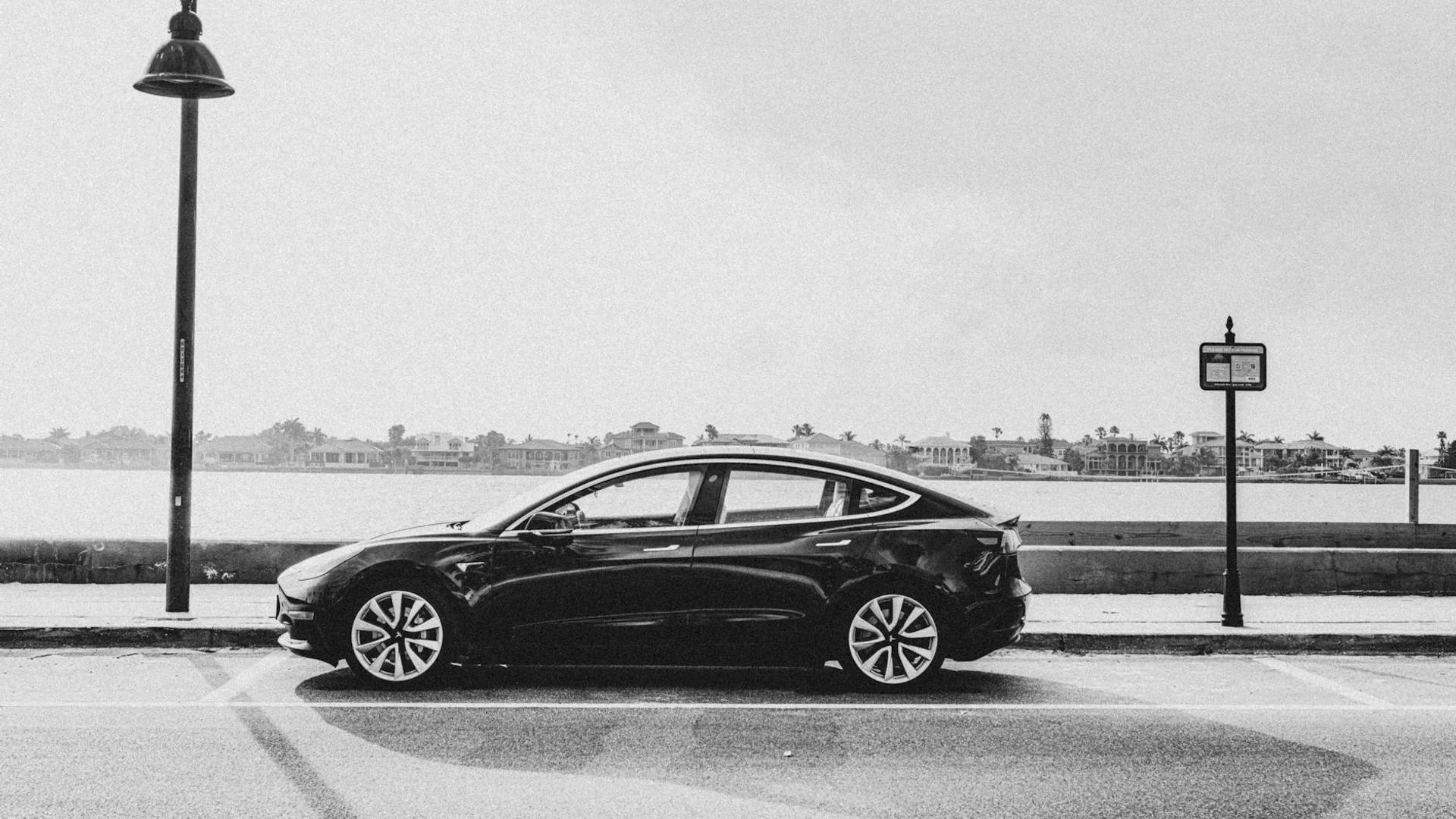
Tesla's flat-floor skateboard, when it shipped in the Model S in 2012, wasn't just a packaging trick. It was a declaration that the company was building from the battery up, not retrofitting electrification onto internal-combustion bones. The packaging gave the car a frunk, a low centre of gravity, and crash performance that legacy OEMs couldn't match because their platforms still had to accommodate a transmission tunnel and a firewall sized for an engine that wasn't there. Every EV from a legacy automaker built on a modified ICE platform, and there have been many, has carried that compromise in its rear seat headroom and its suspension geometry.
BYD took the philosophy further. The company's vertical integration, from lithium mine to cell to motor to seat foam to the software stack running the infotainment, is the most aggressive in the industry. The Blade cell isn't just a battery; it's a structural element of the chassis. The decision to manufacture the seat foam in-house isn't about cost savings of pennies per car. It's about controlling the entire stack so the engineering team can iterate on every component on the same cadence. The story isn't that BYD is cheap, it's that BYD owns the iteration loop, and nobody else does.
Hyundai's E-GMP platform tells a different story. The 800V architecture lets the Ioniq 5 and Ioniq 6 charge from 10% to 80% in roughly 18 minutes on a 350 kW charger. That number is not for the buyer who charges at home overnight. That number is for the buyer who road-trips. The car was engineered around a use case, long highway hauls between fast-charging stops, and the platform reflects that priority. When you see an 800V EV, you're seeing a company that decided road-trip parity with internal combustion was non-negotiable.
The interesting part is what you can read backwards from drivetrain choices. A two-speed e-axle implies the engineer cared about high-speed efficiency. A single-speed implies they cared about cost and simplicity. Neither is wrong. But each tells you who the car was designed for, and once you can read that signal, brand marketing becomes a much thinner veneer. The technical breakdown of why shape beats curb weight in EV efficiency sits in the same family of decisions: the engineering priority list is the brand.
Gear worth having
As an Amazon Associate, ThinkEV earns a small commission from qualifying purchases — at no extra cost to you.

Lectron Level 2 J1772 Charger (40A, WiFi)
Smart WiFi charger with real-time energy monitoring. 40A / 9.6 kW, J1772 with a NEMA 14-50 plug, schedule charging right from your phone.
As an Amazon Associate, ThinkEV earns from qualifying purchases — at no extra cost to you.
Battery Chemistry as Brand Character: LFP vs. NMC and What You're Actually Choosing
The chemistry question used to be invisible. You bought a car; the car had a battery; the battery did battery things. That's no longer true, and the buyers who notice it first are usually the ones who end up happiest with their choice.
Lithium iron phosphate, LFP, and nickel manganese cobalt, NMC, are not interchangeable. LFP has lower energy density, which means more weight per kilowatt-hour. It also has dramatically longer cycle life, much better thermal stability, and tolerates being charged to 100% daily without the degradation penalty that NMC suffers. NMC packs more range into less space and less weight, but it wants to live between 20% and 80% to age gracefully.
Tesla's Standard Range Model 3 ships with LFP cells. The Long Range version ships with NMC. Same shell, same software, two genuinely different engineering bets about who's driving the car. The Standard Range is for urban commuters charging in a parkade every night and never thinking about it. The Long Range is for buyers who want to do Toronto to Montreal without a stop and don't mind managing their state of charge. The brochure doesn't quite say this. The chemistry does, and that's a more honest spec sheet than the one on the window.
BYD's Blade cell is LFP taken to its logical conclusion. The cell is long and flat, blade-shaped, hence the name, and slotted directly into the chassis as a structural element. There's no separate battery enclosure; the cells are the enclosure. That decision is only possible because LFP's thermal stability lets you pack cells tightly without a runaway propagation risk that would terrify the safety engineers on an NMC pack. The chemistry choice enabled the chassis architecture, and the chassis architecture lowered the cost, and the lower cost is one of the reasons BYD can land vehicles in markets at prices that make legacy OEMs uncomfortable.
For Canadian buyers, the chemistry choice has real consequences. Here's the quick decision aid:
- Daily commute, garage charger, January below -15°C regularly? NMC. The cold-weather range hit on LFP is real.
- Daily commute, garage charger, January above -10°C most days? LFP. You'll never miss the 60 km of extra range and you'll gain 4–5 years of pack life by being able to charge to 100% guilt-free.
- Condo dweller relying on public DCFC for weekly top-ups? LFP, every time. Frequent 100% charges murder NMC packs.
- Long highway commute, 200 km+ daily? NMC long-range pack. The density-to-weight ratio still matters at this distance.
- First EV, hedging your bets? LFP. Lower stress, longer warranty buffer, and the chemistry you'd want a used buyer to inherit.
What's worth noticing is that the chemistry question itself is now part of the buying decision. Five years ago, no consumer asked. Today, the first-time EV buyer who's done their homework is asking. That shift, more than any range number, is the sign that the market has matured.
The Software Stack Nobody Talks About Until They Own the Car
Here's the part the test drive doesn't tell you. A car you buy in 2026 isn't really finished. The hardware is fixed at delivery; the software keeps moving. Whether that fact is good news or bad news depends entirely on which company built the car and how they think about it.
Tesla treats the car as a product that becomes a service after purchase. Over-the-air updates have added power, range, autopilot capability, in-cabin features, and occasionally taken them away. Owners of a 2018 Model 3 today are driving a meaningfully different car than the one they took delivery of. Some of those changes were unambiguous wins. Some were not. The point is that the company exercised the right to keep modifying the car after sale, and the customer base, by and large, accepted that bargain.
Legacy automakers have been trying to copy the model and largely failing. GM's Ultifi platform was announced with substantial fanfare; the rollout has been bumpier than the announcement suggested. Ford's BlueCruise OTA cadence is improving but still measured in months between meaningful updates, not weeks. Rivian sits somewhere in between, closer to Tesla's update cadence than to GM's, with the caveat that Rivian's installed base is small enough that the engineering team can iterate quickly without the regression-testing nightmare a million-vehicle fleet creates.
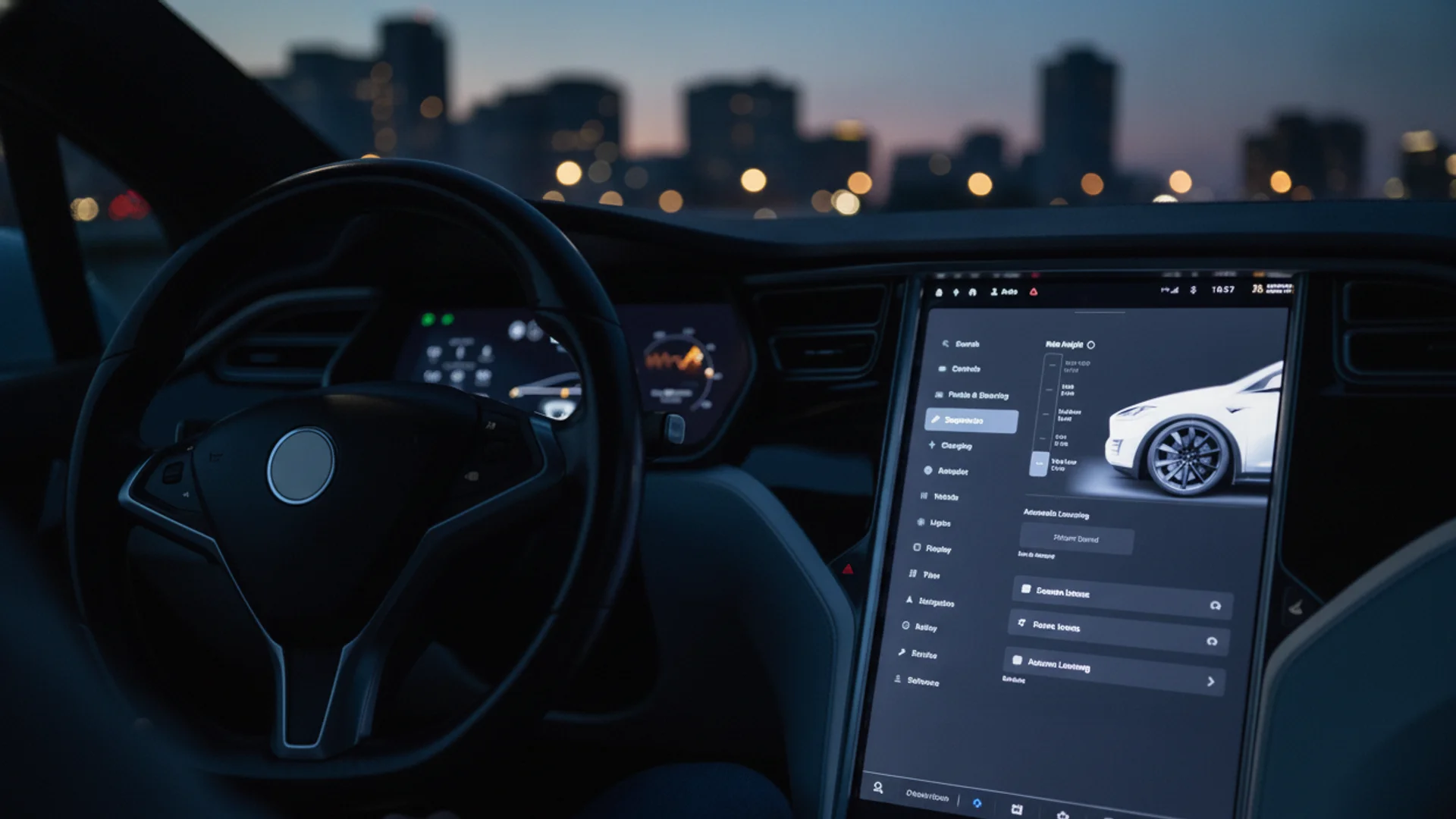
The most telling signal is the infotainment choice. When a manufacturer ships "Google Built-in", actual Android Automotive as the operating system, not Android Auto as a phone projection, they're saying something specific. They're saying their software team can't build a competitive infotainment OS and they'd rather concede the layer to Google than ship a bad one. Volvo, Polestar, GM (in some models), and Honda have made that bet. Tesla, Rivian, and the major Chinese OEMs have not. The way Tesla solves this and the way Volvo doesn't tells you almost everything about which company believes software is its product and which company believes the chassis is.
Buyers don't notice the software stack at the dealership. They notice it 18 months later when the infotainment freezes, or when an update arrives that changes the regenerative braking behaviour they'd gotten used to, or when a feature they paid for gets quietly improved without them being told. Software is the second purchase decision, the one you don't know you're making until you've made it. My verdict, for what it's worth: if you can't tolerate the idea of the car changing after delivery, buy the simplest software stack on the market and accept that you're buying a car, not a platform. If you can, the platform companies will reward you over five years in ways the spec sheet can't capture.
The Charging Network as a Proxy for Long-Term Confidence
Range was the wrong specification to obsess over. Charging access was always the real one, and the converts who came in late figured it out faster than the engineers who came in early.
Gear worth having
As an Amazon Associate, ThinkEV earns a small commission from qualifying purchases — at no extra cost to you.

TP-Link Kasa Smart Plug with Energy Monitoring
Track exactly how much electricity your Level 1 charger uses and schedule it for off-peak hours. Know your real cost per kWh.
As an Amazon Associate, ThinkEV earns from qualifying purchases — at no extra cost to you.
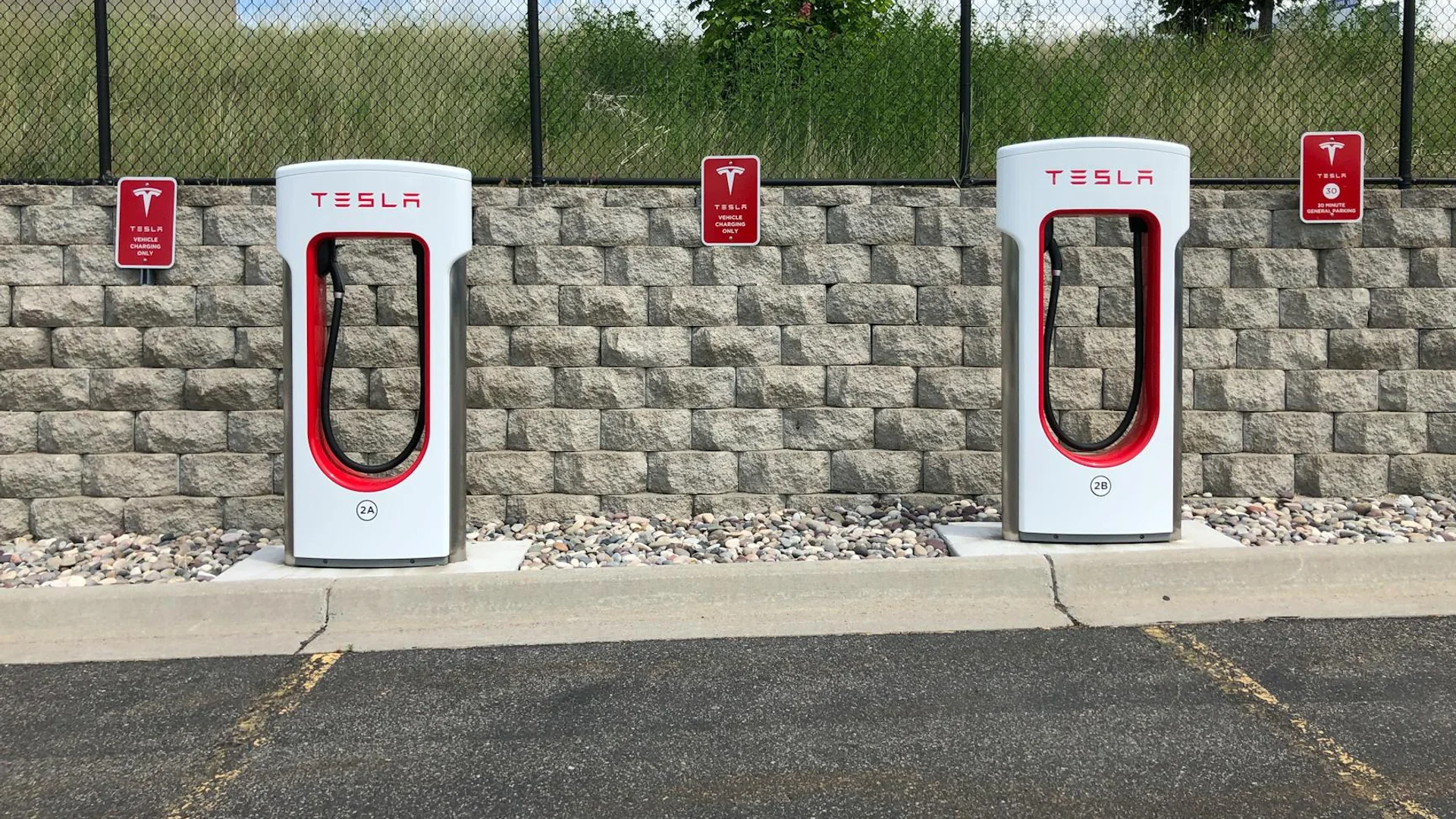
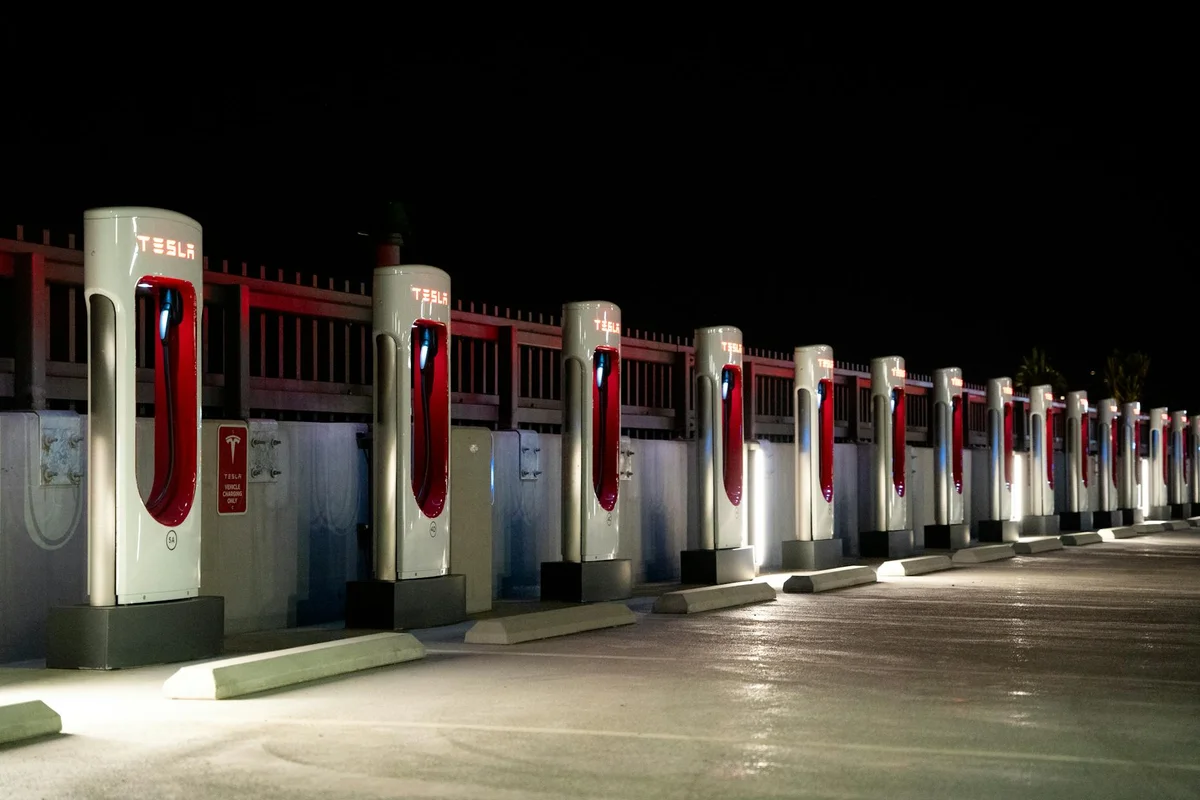
Tesla's Supercharger network did something none of the public-network operators have managed: it made fast charging feel boring. You pull up. It works. You leave. The reliability, measured in successful charge sessions per attempt, is in a different class than Electrify America or ChargePoint or any of the other networks that still occasionally leave drivers stranded at a broken stall in a half-lit Walmart parking lot. As one driver put it, access to the Tesla Supercharger network and the intuitive Google Built-in infotainment meant "the stress of finding a plug is gone."
That sentence, the stress is gone, is doing more work than any range specification ever did. It captures what actually flipped the decision for hesitant buyers: not more kilometres on a full charge, but less anxiety about the kilometres they had.
When Ford and GM announced NACS adoption in 2023, the decision was treated as a technical detail. It wasn't. It was a hardware concession that no legacy OEM had made to a competitor in decades. Picture a 1985-era Detroit boardroom voluntarily conceding to a Japanese rival on a port specification, that's the order of magnitude the NACS pivot belonged to. The depth of the concession was the news. The follow-on adoptions, Rivian, Volvo, Hyundai-Kia, confirmed what was already clear: the charging network was the product, and Tesla had won that round.
The numbers everyone quotes about home charging are correct and underdiscussed. Roughly 80% of EV charging happens at home, overnight, on a Level 2 charger in a garage or a driveway. One owner captured the psychological shift cleanly: they charged on 110v for years, but when they finally got a 240v home charger, they didn't realise how much more relaxing it was going to be, only having to charge every three or four days. That's the actual daily reality. The Supercharger network is for the road-trip case, which is two or three weekends a year. The home charger is for the other 350 days.
There's a connection to drivetrain engineering worth drawing here. The Hyundai Ioniq 6 achieves a drag coefficient of 0.21, lower than a Porsche 911. That number isn't a styling flourish. It's an engineering decision to extend range between charging stops because the team building the car understood that the road-trip case is where range anxiety actually lives. Aerodynamic engineering, charging network reliability, and the customer's sense that the car is dependable all turn out to be the same conversation viewed from different angles. Ride-share electrification across Canadian cities is running the same playbook at fleet scale, the operators who solved charging access first are the ones hitting their 2030 targets early.
Gear worth having
As an Amazon Associate, ThinkEV earns a small commission from qualifying purchases — at no extra cost to you.

Grizzl-E Classic Level 2 EV Charger (40A)
Canadian-made and rated for minus 40C winters. 40A / 9.6 kW, NEMA 14-50, indoor/outdoor, 24-ft cable. The charger built for Canadian weather.
As an Amazon Associate, ThinkEV earns from qualifying purchases — at no extra cost to you.
The Brand Loyalty Collapse, and What Fills the Vacuum
For most of automotive history, brand loyalty was the deepest moat in retail. Ford F-150 buyers replaced their F-150 with another F-150. Toyota Camry buyers replaced their Camry with another Camry. The drivetrain was the brand, and the brand was the drivetrain, and the loyalty was generational.
Then the drivetrain went away.
Stripped of the marketing language, that's what's actually happening to legacy brand equity in the EV transition. The internal-combustion engine and its associated transmission were the products inside the product, the things the brand had spent decades engineering and the customer had spent decades trusting. When you remove the engine and the transmission, you remove most of what differentiated a Camry from a Civic from a Mazda 6. What's left is a battery (sourced from CATL, LG, Panasonic, or BYD), an electric motor (commoditising fast), a software stack (variable), and a chassis and interior. Three of those four ingredients are increasingly cross-shoppable.
That's why the cross-brand shopping pattern matters so much. Buyers are explicitly saying they're now willing to consider brands they wouldn't have looked at five years ago. That sentence would have been almost incomprehensible in 2015. In 2026, it's the median EV-shopper experience. Rivian, Lucid, BYD, Polestar, the Hyundai EV division, these are the brands winning conversions from the Ford and Toyota loyalty bases, and they're winning them not by being cheaper but by being interesting. Guidance to first-time EV buyers makes the point obliquely, check the battery warranty, because most manufacturers offer warranties of eight years or around 160,000 km, providing reassurance about long-term battery performance. The warranty conversation has replaced the brand-trust conversation for a meaningful fraction of buyers.
The test drive is doing more conversion work than any other channel. Rental data on first-time EV renters in Canada tracks 23% going on to purchase an EV within six months, a number that's hard to beat in any other product category. The car sells itself once you sit in it; the problem has always been getting people to sit in it. Rentals have quietly turned out to be the most effective discovery mechanism the industry has. The shift in EV adoption rates across Canadian cities tells the same story from a different vantage point: conversion compounds where exposure is highest, with Montreal already past 18% of new registrations while Halifax sits near 6%. The dethroning of Tesla in Canadian sales is the same dynamic seen from the loyalty-collapse side, once the moat drains, the new entrants pour in fast.
What the Canadian Adoption Numbers Show Beneath the Noise
The conversion-trigger pattern shows up in the macro statistics if you read them carefully. Statistics Canada's monthly new motor vehicle release for February 2026, the regulator's own numbers, not an industry forecast, recorded 12,626 new ZEV registrations, 10.2% of total new motor vehicles sold that month, up from 6.9% one year earlier (a +47.2% YoY jump). The February jump tracks directly to the February 16 launch of the federal Electric Vehicle Affordability Program (EVAP), which replaced the iZEV rebate. The longer-arc story is the provincial leadership pattern: British Columbia ran an 18.3% ZEV share for full-year 2025 with roughly 230,000 ZEVs already on its roads, and Quebec's Roulez Vert program (currently up to $8,000 BEV / $3,500 used / $600 home charger) keeps that province in the same range. Those provincial leaders are not regions with structurally cheaper electricity or more generous economics than the rest of the country. They are the regions where the cultural threshold, the moment when seeing a neighbour plug in stops being remarkable, crossed first. The math followed the moment, exactly as the conversion-trigger pattern predicts.
Natural Resources Canada's zero-emission vehicle statistics dashboard tracks the same curve from the policy side. The federal iZEV rebate ran from 2019 to early 2025 before its funding lapsed; for most of 2025 there was no national EV purchase incentive, and the EVAP that launched February 16, 2026 is the new five-year framework, $5,000 for BEVs and $2,500 for PHEVs, capped at a $50,000 transaction value (no cap for Canadian-made vehicles), running through March 31, 2031. The interesting pattern under the old iZEV regime was that EV uptake continued growing even as fewer eligible buyers claimed the rebate, which is exactly what a trigger-driven market should look like as it matures. The rebate becomes the tiebreaker, not the reason.
The international comparable is Norway. The International Energy Agency's Global EV Outlook documents that Norway's path to a 90%-plus new-car EV share happened through three overlapping policy regimes, but the inflection, the moment the curve steepened, coincided with the cultural saturation point at which the average new-car shopper expected an EV option in every showroom they walked into. Below that threshold, incentives matter intensely. Above it, the trigger moment carries the decision and the price tag becomes secondary. Canada is somewhere between 35% and 45% of the way through that curve depending on which province you measure, which means the trigger pattern is about to become the dominant story whether the industry adjusts its marketing or not.
Gear worth having
As an Amazon Associate, ThinkEV earns a small commission from qualifying purchases — at no extra cost to you.

ChargePoint Home Flex Level 2 Charger (50A)
Premium 50A / 12 kW charger with the best app ecosystem. Hardwired or NEMA 14-50, with real-time energy tracking and smart scheduling.
As an Amazon Associate, ThinkEV earns from qualifying purchases — at no extra cost to you.
What the Converts Actually Noticed First
Ask a recent convert what surprised them and the answers cluster predictably. The silence. The smoothness. The fact that waking up to a full "tank" every morning reframes what refuelling even means. The fact that one-pedal driving, awkward for the first week, becomes preference within a month. The most common testimonial in the wild reduces to a single line: drove one, decided the next vehicle would be electric. That sentence is the most honest sales pitch the industry has ever produced.
If you're trying to figure out whether to convert now or wait, the verdict from the data is reasonably clear: buy now if you can charge at home, drive less than 500 km in a typical week, and have a chemistry preference informed by your climate. Wait 12 months if you're a condo-dweller in a building that hasn't approved Level 2 infrastructure, because the inconvenience tax is real and will erode the experience. Skip the current generation entirely if you're a heavy long-haul tower or rural driver outside the current DCFC corridor, the 2027 cohort of vehicles will be meaningfully better for your use case and the wait is rational.
The variables worth watching over the next 24 months are not the ones the industry tracks publicly. NMC degradation in the field, the real curve, not the warranty floor, matters more than any range figure on a spec sheet. So does whether NACS spreads east of North America before the first wave of Chinese OEMs lands in Canadian showrooms, because those two timelines are about to collide. The Chinese-brand pipeline already showing up in places like Port Alberni is the leading indicator nobody on Bay Street is pricing in. Affordability is the third lever, and it's the one most likely to surprise the legacy pricing umbrella.
Get any two of those right and the conversion curve steepens. Get all three and the conversion curve becomes a cliff.
The Colonial Pipeline driver from 2021 didn't have a model. They had a moment. The four years since have been one long industry experiment in trying to manufacture moments at scale, and the data suggests it's working, slowly, then suddenly, the way these transitions always work. Whatever moment is waiting for you, the only thing the data really insists on is this: when it arrives, don't try to argue yourself out of it with a spreadsheet. The spreadsheet will catch up.
Gear worth having
As an Amazon Associate, ThinkEV earns a small commission from qualifying purchases — at no extra cost to you.

Magnetic EV Charger Plug Cover
A magnetic cap that keeps rain, road salt, and grit out of your home charger handle between sessions.
As an Amazon Associate, ThinkEV earns from qualifying purchases — at no extra cost to you.