Apple spent a billion dollars and a decade on a car that never existed. Foxconn spent four years and now has one. The Foxtron Cavira, a dual-motor crossover with up to 468 horsepower and an LFP battery pack, is the most interesting industrial story in EVs this week, and almost none of the coverage is framing it correctly. The press wants this to be a tech-giant story. It isn't. It's a contract-manufacturing story, and the difference is the entire point.
I'll put the position on the table early: the Cavira is the most credible non-Chinese Tesla Model Y challenger to appear in the last 18 months, and the reason has nothing to do with horsepower figures or the LFP cell choice. It has to do with who Foxconn already is, a company whose moat is hardware-at-scale execution, not silicon design or software vision, and what that means for a market segment where Tesla's pricing power is finally cracking.
Key takeaways
- Foxconn's Foxtron Cavira, 468 hp, LFP battery, dual-motor, targets the Tesla Model Y's exact price segment.
- Apple burned a decade and billions on Project Titan; Foxconn started later, scoped narrower, and actually shipped a car.
- The LFP battery choice signals Foxconn intends to undercut the Model Y's $54,990 CAD Long Range price, likely landing $46K–$53K.
- Foxconn already manufactures Stellantis vehicles and operates Fisker's former Ohio plant, this isn't a startup bet, it's a manufacturer making a brand statement.
- The right comparison isn't Apple but Xiaomi, whose SU7 outsold the Tesla Model 3 in China within months of its 2024 launch.
Why the iPhone Assembler Beats the iPhone Maker to Market
Project Titan was Apple's car. It started around 2014, burned through reported billions, cycled through a half-dozen leadership changes, and was wound down without producing a single delivered vehicle. The reasons are well-documented: Apple wanted a software-defined experience layered on a hardware platform it didn't know how to build, and the company's institutional muscle is exactly the wrong shape for an industry where margins compress in the supply chain rather than the app store.
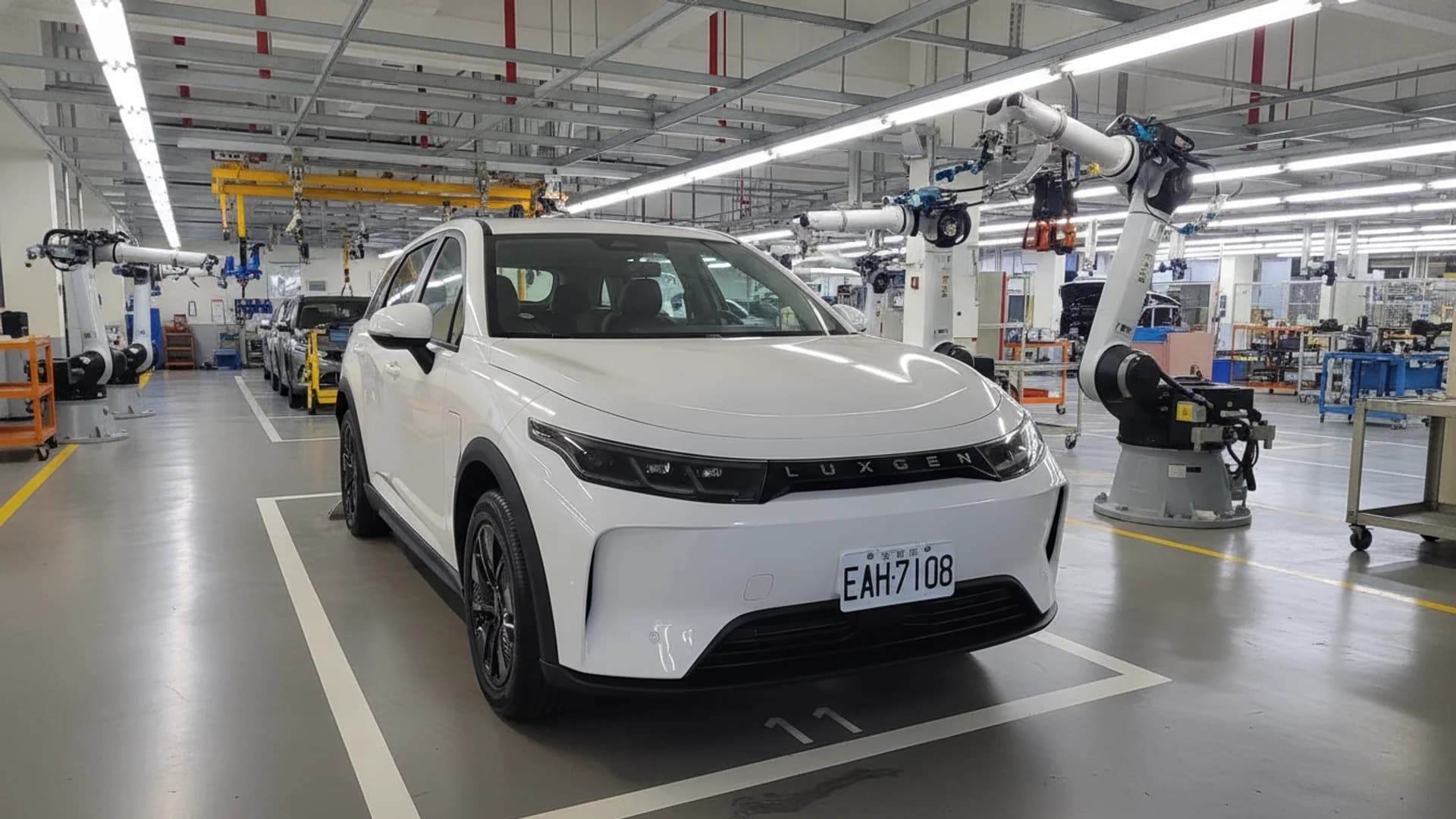
Foxconn started later, scoped narrower, and shipped. Through its Foxtron joint venture with Yulon Motor, formally unveiled in Taipei, the Taiwanese contract manufacturing giant Foxconn has formally entered the EV spotlight, using Foxtron as its automotive spearhead. The Bria EV came first earlier this year. The Cavira is the platform extension that takes the strategy from "we can build a small hatch" to "we can build the segment Tesla is actually defending."
The reason this works is that Foxconn's core competency is exactly what an EV company needs: supplier negotiation at iPhone-scale volume, line-of-sight from raw battery cell to finished crossover, and a quality-control discipline tuned to single-digit defect rates on devices that ship hundreds of millions of units. EVs are simpler than smartphones in component count but vastly more complex in physical assembly tolerance. The companies that win this segment are the ones that already know how to run a production line. Apple's strength is the operating system; that's not the moat in cars.
Foxconn already manufactures Stellantis vehicles and operates Fisker's former Ohio plant. The Cavira isn't Foxconn's first EV bet, it's the brand statement that announces what the company has already been doing on a contract basis. There's a thesis in this for anyone trying to predict which non-traditional entrants actually convert: the manufacturer-first companies are the ones to watch. The software-first ones, with one exception we'll get to, mostly don't ship.
What the Cavira Actually Is, And What the Specs Say About the Strategy
The headline numbers: dual-motor all-wheel drive, an LFP battery pack, and up to 468 horsepower in the top trim. The platform is a production evolution of Foxtron's earlier Model C concept, and visually the Cavira is the larger sibling of the compact Foxtron Bria hatchback. Size and segment positioning put it squarely in Tesla Model Y territory, not a budget undercut, not a luxury reach, but a direct segment hit.
The LFP choice deserves attention because it signals everything about the pricing strategy. Lithium iron phosphate cells are cheaper per kilowatt-hour than NMC chemistry, tolerate more charge cycles, and avoid the cobalt premium that has whipsawed battery costs for half a decade. The trade-off is energy density, LFP packs are heavier for the same range. When a company picks LFP for a 468 hp dual-motor crossover, they're telling you they prioritize total bill-of-materials cost over weight optimization. That's the playbook of a company that intends to compete on price, not on Nürburgring lap time.
Production launches in Taiwan first, with other markets described as potential follow-ons. That phrasing is deliberate. Foxconn is keeping optionality open, Taiwan absorbs the initial run, the supply chain stabilises, and the international launch decision waits on dealer-partner negotiations that haven't closed yet. This is exactly how a contract manufacturer thinks about market entry: ship the first units to a controllable jurisdiction, prove the line, then license or partner the global rollout. It's not how Tesla thought about market entry, which is partly why Tesla's international expansion has been so capital-intensive.
Gear worth having
As an Amazon Associate, ThinkEV earns a small commission from qualifying purchases — at no extra cost to you.

Emporia Smart Level 2 EV Charger (48A)
Budget-friendly 48A charger with WiFi and per-session energy tracking. Best bang for buck if you want smart features under 500 dollars.
As an Amazon Associate, ThinkEV earns from qualifying purchases — at no extra cost to you.
The Model Y Comparison Is Doing Real Work Here
The Model Y is the right benchmark for this car, and not because the press release says so. Driving.ca's review of the 2026 Tesla Model Y Juniper characterizes the vehicle as basically the iPhone of modern cars, the default, the safe pick, the volume seller against which every other crossover EV gets measured. The Model Y has been Tesla's volume crossover since its 2020 launch and now competes globally as the bestselling vehicle of any drivetrain.
In Canada, the Long Range RWD trim sits at $54,990 CAD. The Cavira's pricing hasn't been confirmed yet, but every signal in the spec sheet, the LFP chemistry, the Taiwan-first production base, the contract-manufacturing cost structure, points to an undercut. If Foxconn lands the Cavira in the $45,000–$52,000 CAD band, this is a real story. If it comes in higher, it's marketing. I'd put the band at $46K–$53K CAD landed, treated as an estimate; the trigger that would push it lower is a Mitsubishi-style licensing deal that subsidises the consumer-facing price through a partner's distribution leverage.
Gear worth having
As an Amazon Associate, ThinkEV earns a small commission from qualifying purchases — at no extra cost to you.

First Alert Auto Fire Extinguisher
A compact extinguisher sized for vehicles and bracket-mounted under the seat. Peace of mind for the price of lunch.
As an Amazon Associate, ThinkEV earns from qualifying purchases — at no extra cost to you.
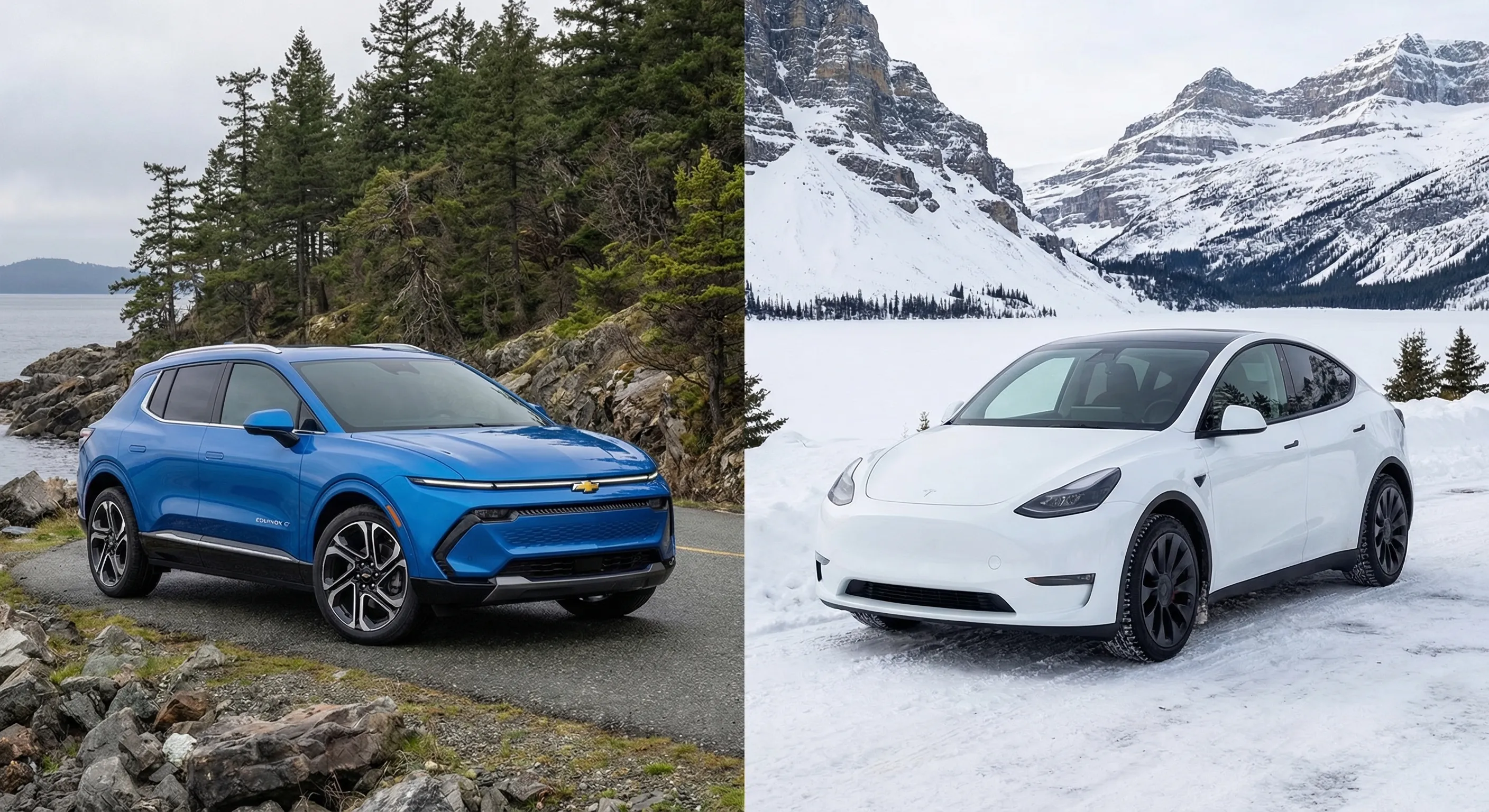
There's also a software angle that the spec sheet doesn't capture. Tesla's refusal to support Apple CarPlay or Android Auto is a genuine friction point for buyers who care about phone integration, and it's the kind of structural advantage a Foxconn-built vehicle could flip without breaking a sweat. The comparison between the Chevy Equinox EV and the Model Y already shows how much GM's CarPlay support matters for the segment of buyers who don't want to relearn an infotainment paradigm. Foxconn, of all companies, knows how to integrate Apple software. That lever exists.
The 468 hp figure matters less than the segment-targeting it signals. Model Y Performance lives in that horsepower range. Foxconn is not entering at the bottom; they're entering at the top of the volume trim ladder and letting the price comparison do the work.
The Xiaomi Precedent, And Why It's the Right Frame
Every piece I've read on the Cavira reaches for the Apple analogy. Wrong analogy. The closer historical precedent is Xiaomi, and getting that frame right changes what you should expect.
Xiaomi's SU7 launched in 2024 and outsold the Tesla Model 3 in China within months. The playbook was clean: hardware copycat discipline, software development speed inherited from a decade of smartphone iteration, and an existing distribution network that didn't need to be invented from scratch. Lei Jun didn't try to reinvent the car. He benchmarked the best Western EVs, matched their specifications, undercut their pricing, and shipped through retail channels Xiaomi already owned.
Foxconn has the manufacturing floor that Xiaomi spent years building partnerships to access. What Foxconn lacks is Xiaomi's consumer brand equity. In Asia, the Foxtron name carries the Yulon partnership's local credibility. In North America, "Foxconn-built" reads as a supplier credit, not a brand. That gap matters more than the press is acknowledging.
The Xiaomi frame predicts something specific about how this plays out: Foxconn will either find an OEM-licensing distribution partner, the kind of deal Mitsubishi has already signalled with the Bria-derivative, or the Cavira will remain an Asia-market product regardless of its specifications. The Apple frame predicts a moonshot. The Xiaomi frame predicts a series of partnership deals announced quarterly. The second one is what to watch for.
Gear worth having
As an Amazon Associate, ThinkEV earns a small commission from qualifying purchases — at no extra cost to you.
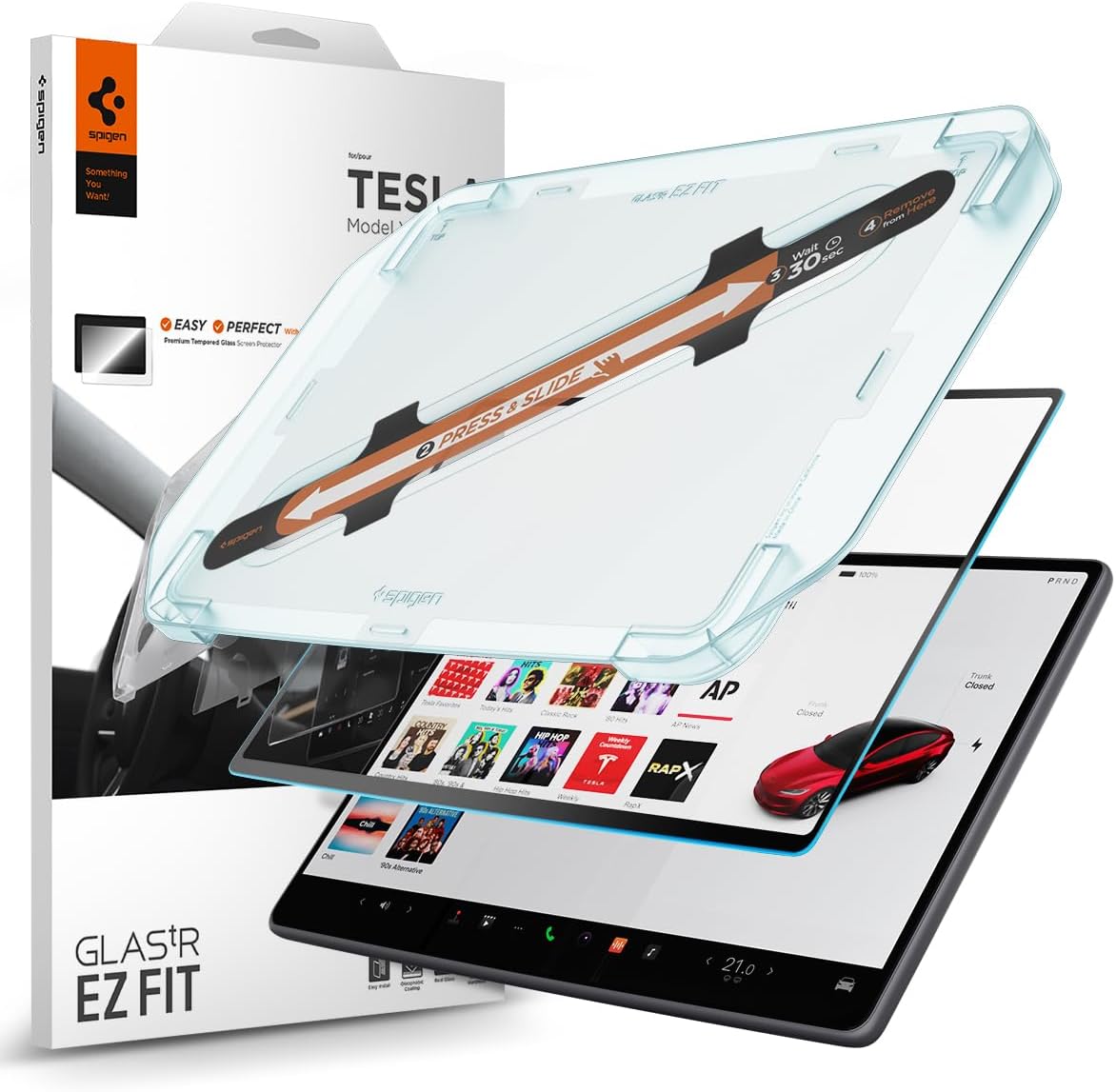
Spigen Tempered Glass for Tesla Model 3/Y
Tempered-glass protection for the touchscreen that kills fingerprints and scratches. Two minutes to install, lasts the life of the car.
As an Amazon Associate, ThinkEV earns from qualifying purchases — at no extra cost to you.
What Would Actually Change the Outcome
The Cavira's success or failure as a Tesla challenger comes down to four variables, and the spec sheet has answered exactly zero of them.
Price confirmation is the load-bearing question. Land above $50,000 USD and the Model Y comparison collapses into press-release marketing. Land at $40,000–$45,000 USD and the pricing gap that's already opening between Chinese-platform EVs and Western incumbents extends to a Taiwan-built challenger that doesn't carry the tariff baggage. The narrower the price gap, the more this looks like a vanity exercise.
The software stack is unresolved. Foxconn builds hardware. Who writes the operating system, who owns the over-the-air update infrastructure, and who handles autonomy roadmaps are open questions. Tesla Autopilot is an advanced driver-assistance system developed in-house by Tesla that provides partial vehicle automation at SAE Level 2, that integration depth took 15 years and billions of capital. A contract manufacturer doesn't get there by licensing a third-party stack. They get a credible-but-thinner equivalent, and the gap shows up in the user experience.
Tariff exposure depends on cell sourcing. Taiwan origin sidesteps the North American walls that block Chinese-built vehicles, but if Foxconn sources cells from mainland Chinese suppliers, the rules-of-origin math gets ugly fast. BYD's battery supply relationships extend even to Tesla, the Driven reported on Tesla's switch to BYD batteries achieving faster charging times. The cell-supply question for the Cavira is genuinely open, and it determines whether a North American launch is even legally clean.
Watch for distribution deals. A Canadian or US dealer-network announcement within 12 months of the Taiwan launch is the single strongest signal that Foxconn is serious about the West. No announcement by end of 2026 means the Cavira is an Asia-market story being sold to Western press as a Tesla challenge.
Gear worth having
As an Amazon Associate, ThinkEV earns a small commission from qualifying purchases — at no extra cost to you.
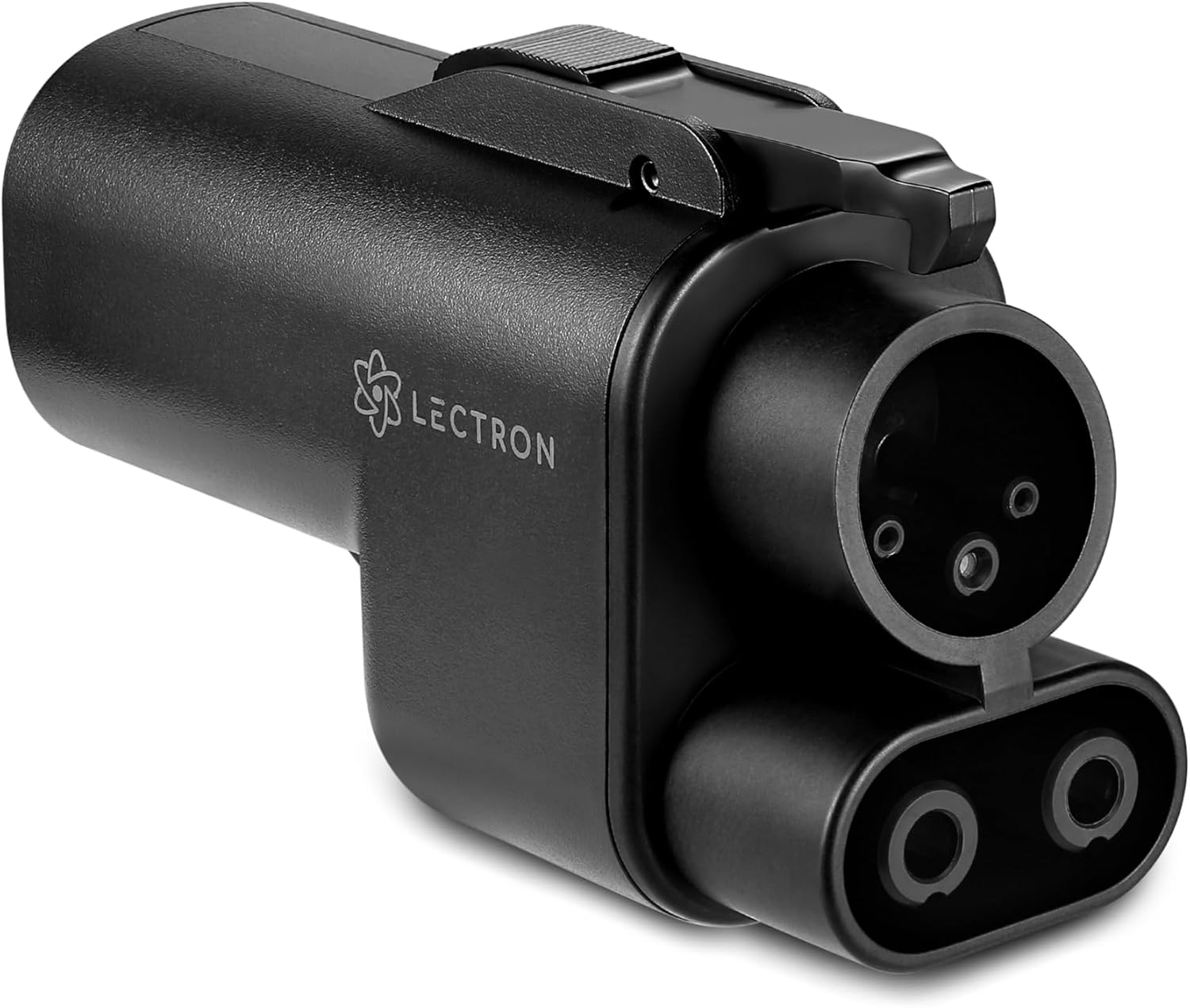
Lectron NACS to CCS Fast-Charge Adapter
Unlock every CCS fast charger for your Tesla, up to 500A DC. Never get stranded at a non-Tesla DC station again.
As an Amazon Associate, ThinkEV earns from qualifying purchases — at no extra cost to you.
The Editorial Position
This is the most credible Tesla Model Y challenger that isn't Chinese, and the qualification at the end of that sentence is doing real work. BYD's pricing leverage in Canada is currently blocked by the tariff regime that, even after January's reduction from 100% to 6.1% with a 49,000-unit quota, still keeps BYD effectively out of meaningful Canadian volume. Foxconn's Taiwan origin sidesteps that wall entirely.
The risk worth naming: contract manufacturing discipline does not automatically produce a consumer brand. Foxconn's previous attempts at branded consumer hardware, InFocus phones, the Sharp acquisition's mixed outcomes, show that knowing how to build something is not the same as knowing how to sell it.
I'd revise this position if pricing comes in above the Model Y, or if no Western distribution partnership materialises by end of 2026. Both are real possibilities. Neither is the way to bet right now.
Gear worth having
As an Amazon Associate, ThinkEV earns a small commission from qualifying purchases — at no extra cost to you.

Tesla Key Card Holder with AirTag Slot
Stop fishing the keycard out of your wallet, and slot an AirTag in case the car wanders off in a lot.
As an Amazon Associate, ThinkEV earns from qualifying purchases — at no extra cost to you.

Founder & Chief Editor
Vlad Pereira is the founder and chief editor of ThinkEV.ca, the Canadian electric-vehicle publication he writes and edits from Courtenay, British Columbia. He covers EV pricing, federal and provincial rebates, charging costs, and the Chinese manufacturers now entering Canada, from the buyer's side rather than the press-fleet side. ThinkEV is a venture of Vlad Pereira Online; his writing on health, income and the long game lives at vladpereira.com.
Frequently asked questions
Will the Cavira actually come to Canada, or just Taiwan?
Why does LFP battery chemistry matter for the price?
Does the Cavira support Apple CarPlay or Android Auto?
How is this different from other Tesla competitors that haven't shipped?
What's the realistic Canadian price if it does arrive here?
More EV & road-trip finds
Affordable upgrades worth a look — tap any to check the price on Amazon.
 ★ 297
★ 297360-Degree One-Hand Dashboard Phone Mount
View on Amazon ★ 61
★ 61Toddler Car Seat Snack and Cup Tray
View on Amazon ★ 17,839
Qifutan Vent Phone Mount (Military-Grade Clip)
View on Amazon ★ 4,050
Touchscreen Mist Screen Cleaner Kit
View on Amazon ★ 314
★ 314Mini USB LED Ambient Lamps (4-Pack)
View on Amazon ★ 4,055
6-Speed Manual Shift Knob Display
View on Amazon ★ 4,424
Sun Visor Card and Document Organizer
View on Amazon ★ 1,944
VIOFO A229 Pro 4K Dash Cam
View on AmazonRead, Plan, Then Stay Current
Explore our expert articles to understand incentives and ownership costs, use the map to pressure-test charging reality, then subscribe so new EV coverage comes straight to you.
Continue Reading
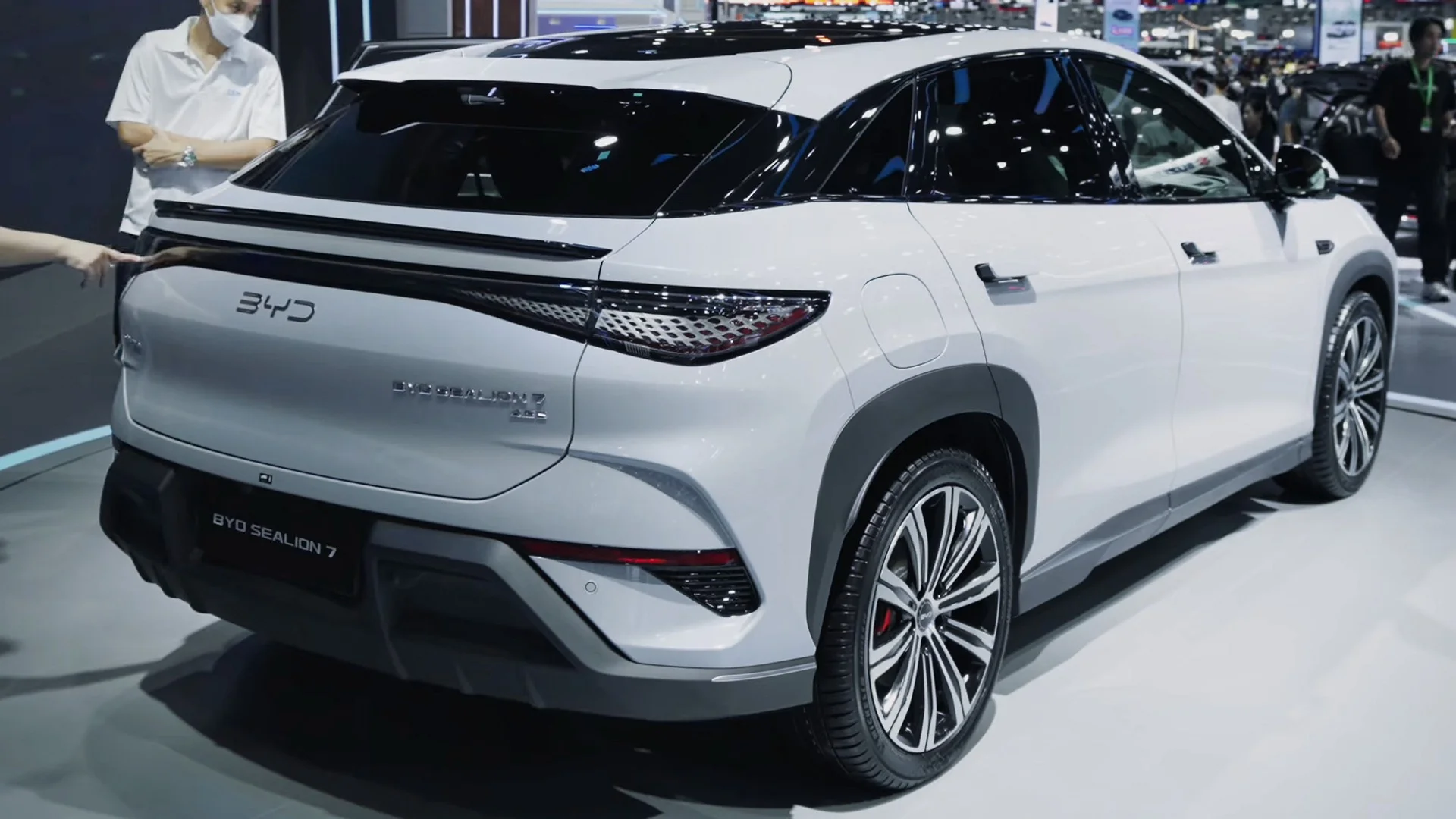
BYD's $4,000 Sealion 7 Cashback Targets Tesla Model Y
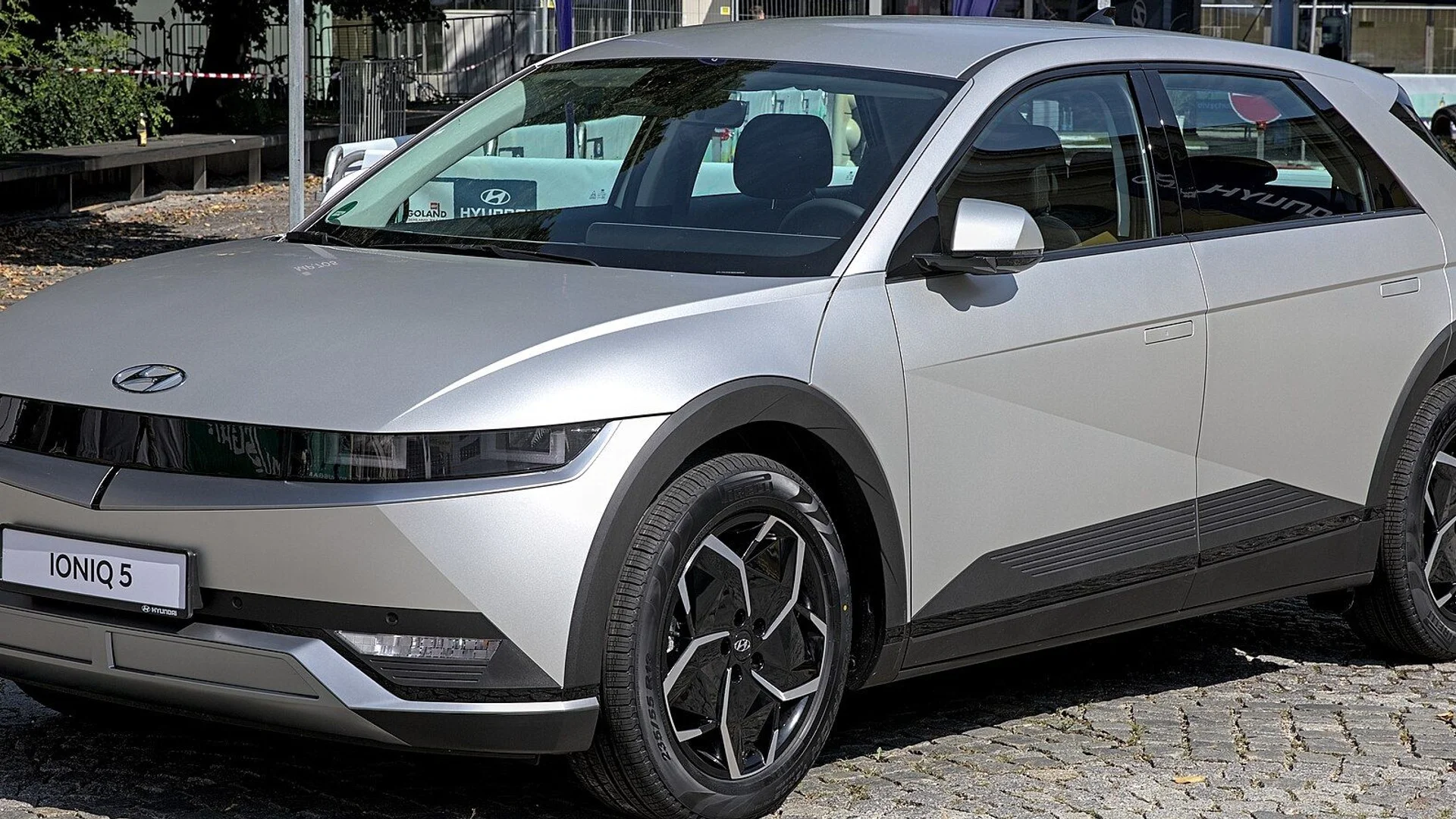
2027 Hyundai IONIQ 5 Base Price Goes Up $250 to $35,250
Are Any Electric Cars Made in Canada? The 2026 Reality
Tesla Model Y vs Toyota RAV4: 5-Year Cost Canada
Why Tesla Is Losing Canada With the World's Top EV