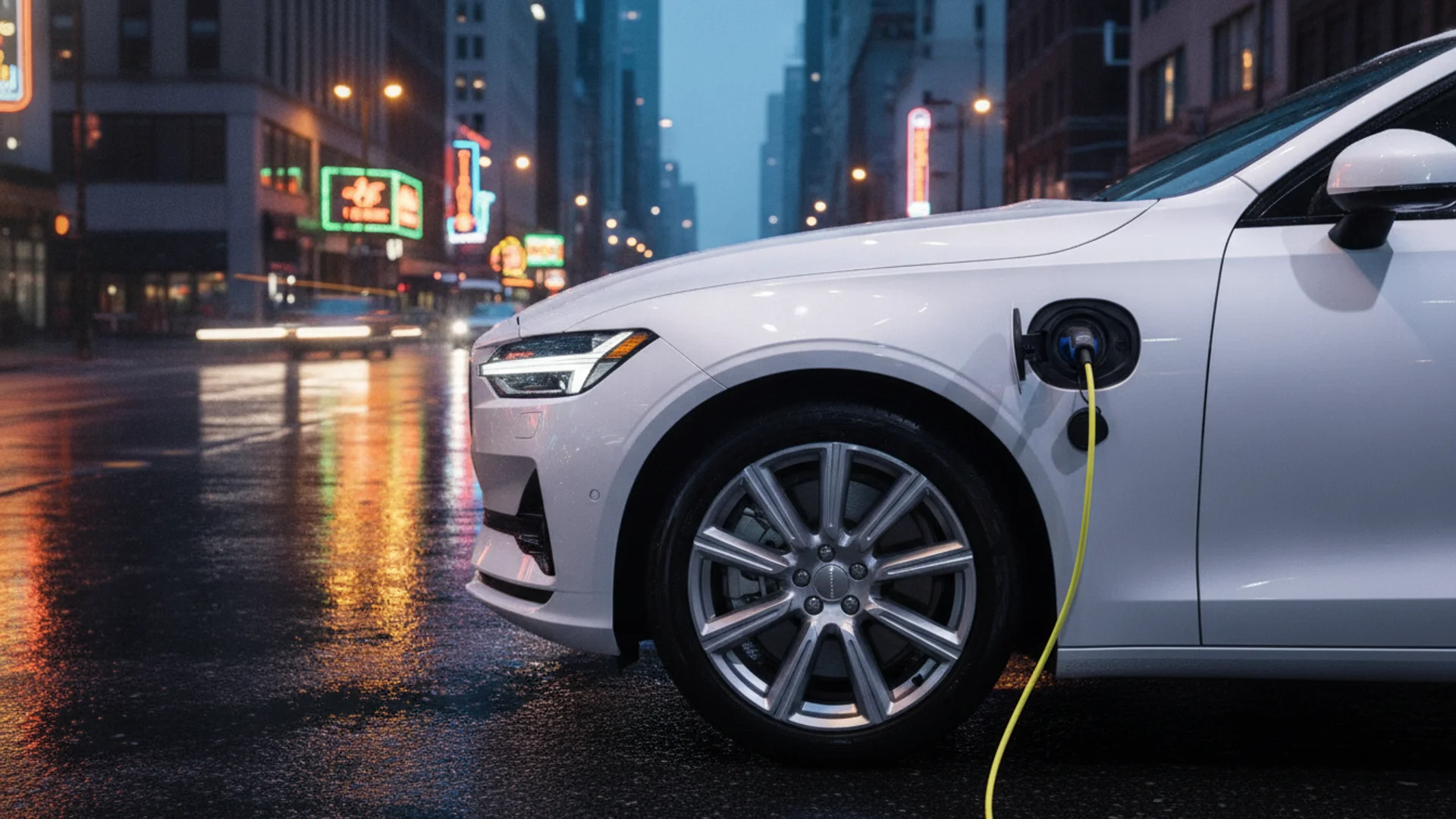
Tesla's share of U.S. fast-charging ports just dropped below 50% for the first time, and the company's response is to sell Supercharger hardware to one of its biggest rivals. EVgo opened its first station featuring Tesla Superchargers in Chicago, with hundreds more stalls on the way. The deal says more about the math of network scale than about Tesla's engineering.
Key takeaways
- Tesla's U.S. fast-charging share fell from 54.3% to 49.3% in one year despite adding 5,700 plugs.
- EVgo's Chicago pilot uses Tesla-built hardware billed through EVgo's app, with hundreds more stalls committed.
- Ionna scored 807/1,000 in J.D. Power's 2026 study, pushing Tesla to fourth place.
- Tesla Supercharger prices jumped 15% in a year while rivals outpaced its network growth by nearly double.
- Selling hardware to EVgo lets Tesla book revenue from a rival's expansion while offloading uptime and real-estate risk.
EVgo's Chicago Station Is the First of Hundreds
The Chicago site is a pilot with a committed pipeline behind it. EVgo is buying Supercharger stalls as hardware, Tesla-built posts wearing EVgo's brand, billed through EVgo's app, backed by EVgo's uptime guarantee. The North American Charging Standard plug sits on the end of the cable either way, which is the quiet part of this story: the North American Charging Standard is an electric vehicle charging connector system developed by Tesla, and it has now become the default for everything from Ford to Rivian to Hyundai's latest NACS-native builds. The plug won. Tesla is now monetizing the hardware behind it.
The bigger number is the one that frames the deal. Tesla's domination of the charging market fell from 54.3% to 49.3% over the last year, and despite installing 5,700 plugs, its rivals collectively outpaced the Supercharger network's growth by nearly double. Tesla did not stop building. It just stopped building fast enough to hold a majority. Canadian readers have seen this shape before, the EVgo and Tesla 1,000-charger build-out across Canada is the same strategy in a smaller market, with the federal ZEVIP money sitting underneath it, and the charging infrastructure landscape across Canadian networks shows the same fragmentation playing out with FLO, Electrify Canada and Petro-Canada's Electric Highway.
Gear worth having
As an Amazon Associate, ThinkEV earns a small commission from qualifying purchases — at no extra cost to you.

Lectron Level 2 J1772 Charger (40A, WiFi)
Smart WiFi charger with real-time energy monitoring. 40A / 9.6 kW, J1772 with a NEMA 14-50 plug, schedule charging right from your phone.
As an Amazon Associate, ThinkEV earns from qualifying purchases — at no extra cost to you.
Gear worth having
As an Amazon Associate, ThinkEV earns a small commission from qualifying purchases — at no extra cost to you.

45W USB-C Fast Car Charger
Most EVs have USB ports, but slow ones. A 45W USB-C charger tops up phones and tablets fast on road trips without taxing the 12V.
As an Amazon Associate, ThinkEV earns from qualifying purchases — at no extra cost to you.
Why Below-50% Is a Structural Ceiling
Once any single network holds more than half of every fast-charge port in a region, it can only lose share even while growing, because rivals build faster by definition. Tesla is now on the wrong side of that arithmetic. The headline is not that Tesla slowed down; it is that everyone else sped up. Selling stalls to EVgo is how Tesla keeps a piece of that growth without funding the capital expenditure itself.
The satisfaction data is the part Tesla cannot engineer around. In J.D. Power's 2026 U.S. EV charging study, Ionna, the consortium network backed by BMW, GM, Honda, Hyundai, Kia, Mercedes-Benz, Stellantis and Toyota, scored 807 on a 1,000-point scale, pushing Tesla to fourth place behind Mercedes-Benz's charging network and Rivian's Adventure Network. Hardware quality alone does not explain that slide. Pricing probably does: Tesla supercharging prices have jumped 15% in a year, which is an aggressive monetization curve for a network that used to win on cost as well as reliability.
Selling the hardware to EVgo is Tesla doing two things at once. It books revenue from a rival's expansion, EVgo pays Tesla for every stall, while EVgo absorbs the uptime risk, the real-estate risk, and the customer-service load. Ionna and the eight-automaker consortium are building their own network on their own terms; EVgo is renting Tesla's. Both outcomes keep Tesla in the room. Neither restores the majority. The practical road-trip planning that follows from a fragmented network is already the Canadian reality, and the U.S. is converging on the same shape.
Gear worth having
As an Amazon Associate, ThinkEV earns a small commission from qualifying purchases — at no extra cost to you.
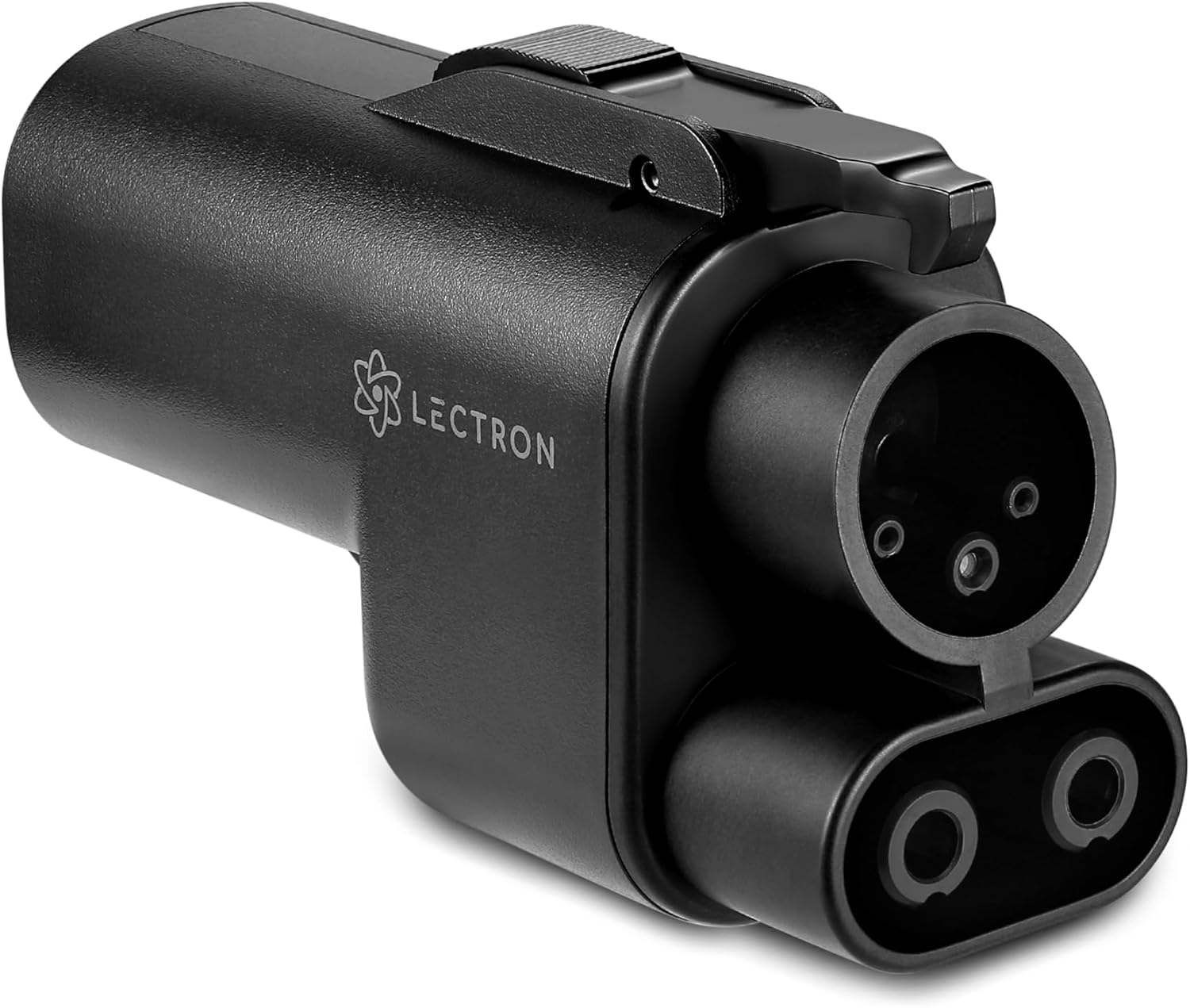
Lectron NACS to CCS Fast-Charge Adapter
Unlock every CCS fast charger for your Tesla, up to 500A DC. Never get stranded at a non-Tesla DC station again.
As an Amazon Associate, ThinkEV earns from qualifying purchases — at no extra cost to you.
Gear worth having
As an Amazon Associate, ThinkEV earns a small commission from qualifying purchases — at no extra cost to you.

Tesla Key Card Holder with AirTag Slot
Stop fishing the keycard out of your wallet, and slot an AirTag in case the car wanders off in a lot.
As an Amazon Associate, ThinkEV earns from qualifying purchases — at no extra cost to you.
Tesla Is Becoming the Supercharger Industry's Hardware Vendor
The number worth tracking is the EVgo stall count by the end of Q1 2027. A hundred live stalls means the Chicago site was a pilot that worked. Three hundred means Tesla has quietly become the preferred hardware vendor for a network it used to compete with. Either outcome says the Supercharger business is no longer about defending a majority, it is about collecting margin on a standard the industry already adopted. The plug is Tesla's. The network, increasingly, will not be.
Gear worth having
As an Amazon Associate, ThinkEV earns a small commission from qualifying purchases — at no extra cost to you.
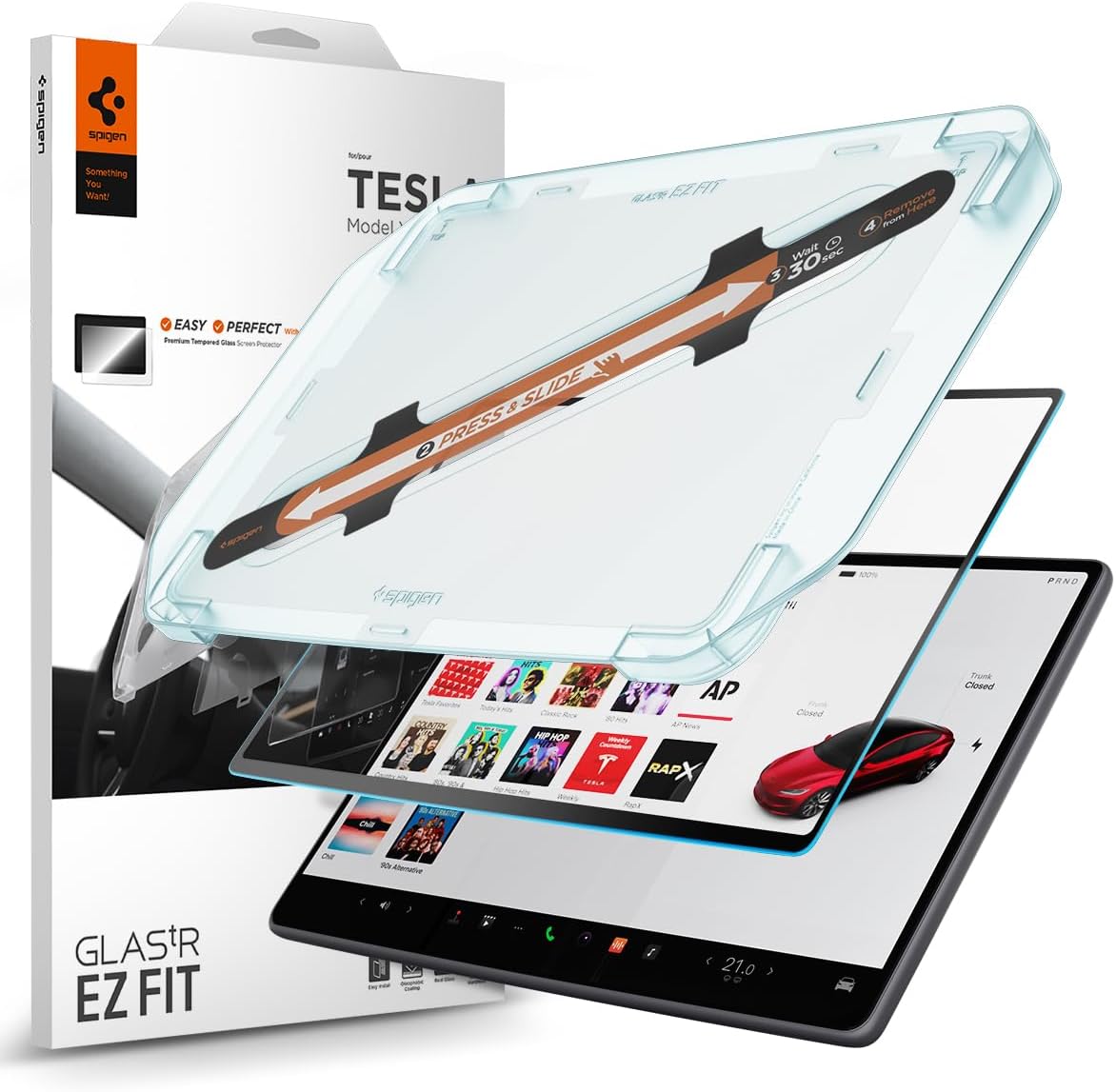
Spigen Tempered Glass for Tesla Model 3/Y
Tempered-glass protection for the touchscreen that kills fingerprints and scratches. Two minutes to install, lasts the life of the car.
As an Amazon Associate, ThinkEV earns from qualifying purchases — at no extra cost to you.

Founder & Chief Editor
Vlad Pereira is the founder and chief editor of ThinkEV.ca, the Canadian electric-vehicle publication he writes and edits from Courtenay, British Columbia. He covers EV pricing, federal and provincial rebates, charging costs, and the Chinese manufacturers now entering Canada, from the buyer's side rather than the press-fleet side. ThinkEV is a venture of Vlad Pereira Online; his writing on health, income and the long game lives at vladpereira.com.
Frequently asked questions
Can Canadians use EVgo stations equipped with Tesla Superchargers?
Does this deal affect Tesla Supercharger pricing for existing Tesla owners?
Why would EVgo pay Tesla for hardware instead of building its own?
What is Ionna, and why does its J.D. Power score matter here?
Which Canadian federal program funds the charging expansion mentioned?
More EV & road-trip finds
Affordable upgrades worth a look — tap any to check the price on Amazon.
 ★ 314
Mini USB LED Ambient Lamps (4-Pack)
View on Amazon ★ 4,626
HoogaLife Hanging Car Diffuser (2-Pack)
View on Amazon ★ 21,304
Car Headrest Hooks (4-Pack)
View on Amazon ★ 1,944
VIOFO A229 Pro 4K Dash Cam
View on Amazon ★ 87
Car Window Sun Shades for Kids (4-Pack)
View on Amazon ★ 68
WeatherTech FloorLiner for Tesla Model 3
View on Amazon ★ 96,686
PULIDIKI Car Cleaning Gel (Detailing Putty)
View on Amazon ★ 55
LED Car Door Logo Projector Light
View on AmazonRead, Plan, Then Stay Current
Explore our expert articles to understand incentives and ownership costs, use the map to pressure-test charging reality, then subscribe so new EV coverage comes straight to you.
Continue Reading

GM Energy Pass: One Universal Interface For Public Charging
Hyundai Dealer's $418 EV Charge Exposes Public Charger Loophole
Europe's Gas Stations Are Becoming Charging Stations, By Law
BYD's 1,500 kW Flash Charger Lands in Germany
Rivian's Charging Network Hits 1,007 Stalls in 2026