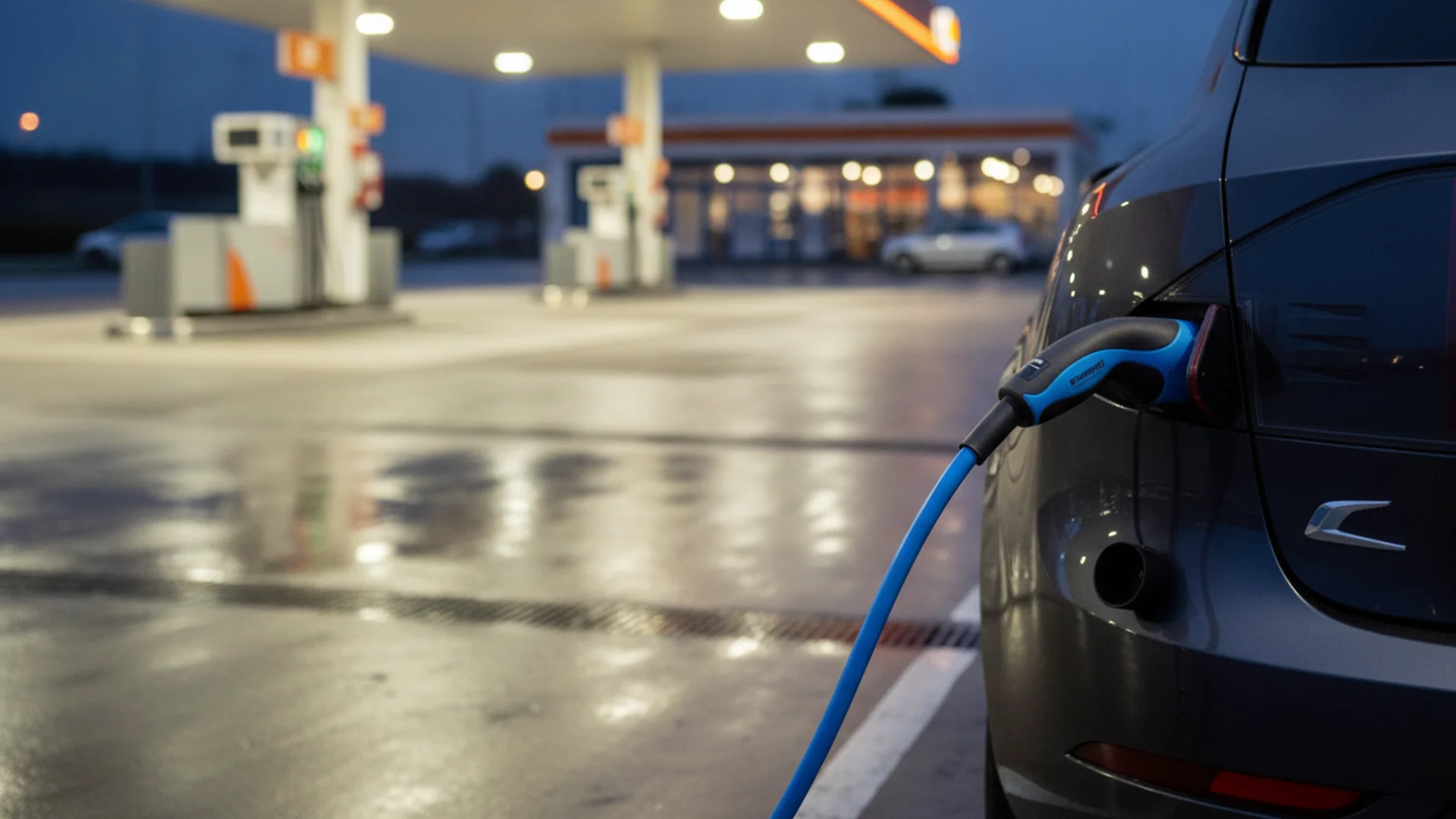
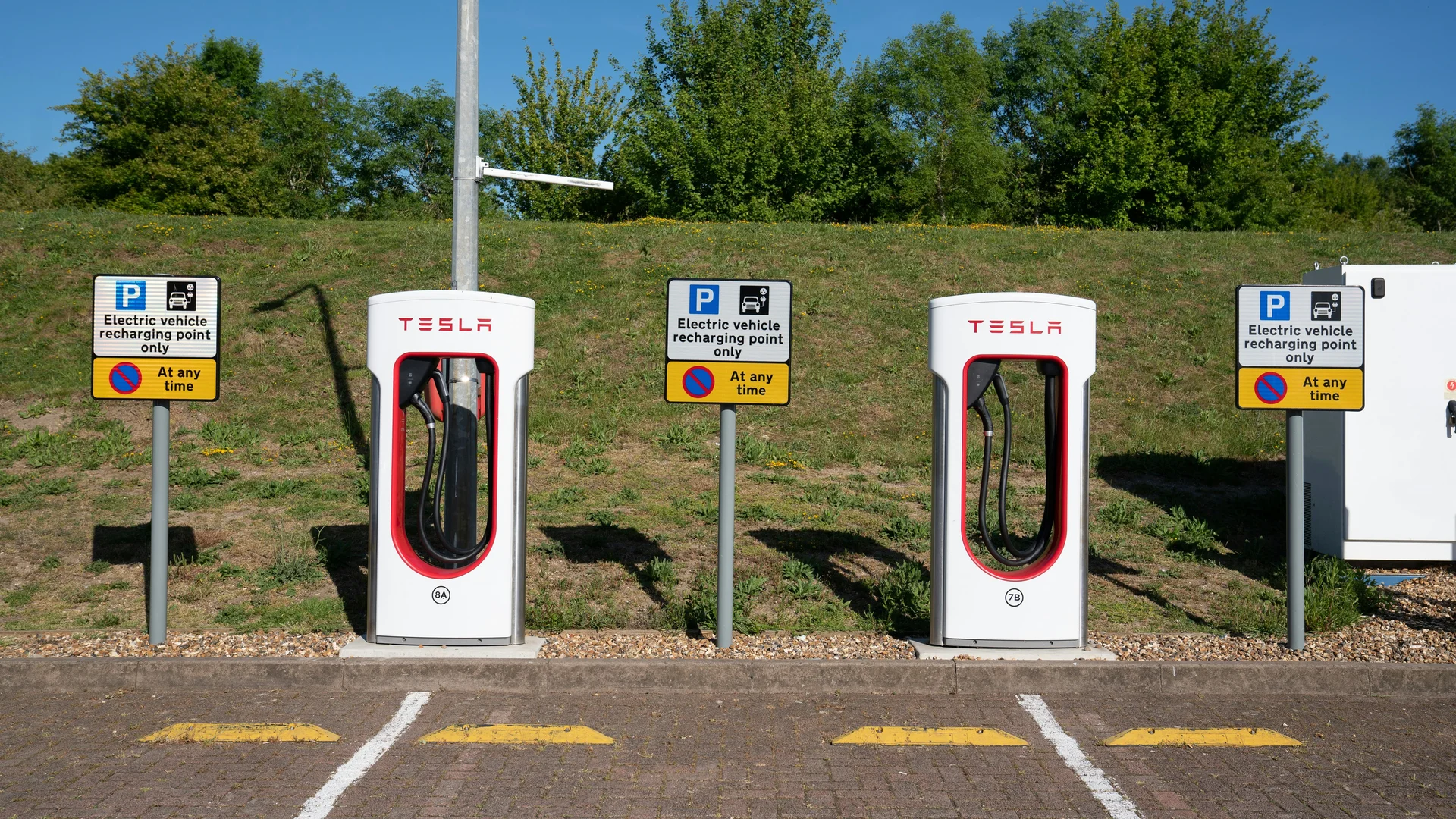
BP Pulse spent $100 million on Tesla Supercharger hardware for its European retail sites. That is not a pivot into charging. That is a legacy fuel retailer buying the physical layer of a competitor's network because the regulation gave it no other option, and the timeline gave it no room to design its own.
Key takeaways
- EU's AFIR regulation mandates fast-charging pools every 60 km along core European transport corridors, no exceptions, fixed deadlines.
- BP Pulse's $100M Tesla Supercharger hardware buy was regulatory compliance math, not a strategic EV vision.
- Independent fuel stations, running on roughly 1% net margins, can't absorb $50,000–$150,000 per charging stall, Driivz projects 25% close by 2035.
- AFIR also killed the walled-garden app model: tap-to-pay, on-screen pricing, and open access are now legally required.
- BP's utilisation rate hitting 20–25% within 18 months will determine whether every remaining European fuel major follows with the same investment by 2027.
The EU Mandate Is Doing the Heavy Lifting
The European Union's Alternative Fuels Infrastructure Regulation mandates the installation of fast-charging pools every 60 kilometers along the core Trans-European Transport Network. Not suggested. Not incentivised. Required, on a fixed cadence, on the corridors that carry the continent's freight and holiday traffic. This is the piece North American coverage keeps underweighting, AFIR removed the question of whether corridor charging gets built, and replaced it with the question of who builds it.
The regulation also closed the wall-garden loophole that made public charging miserable for a decade. The regulation also requires standardized ad-hoc payment options, transparent pricing displays, and open access, removing the fragmented apps and proprietary walled gardens that previously frustrated travelers. No app download, no membership, no roaming fee mystery, tap a card, see the price per kilowatt-hour on the screen, charge. It is, to be fair, how a fuel pump has worked since roughly 1955.
BP Pulse's $100M Supercharger hardware buy is the corporate read of that mandate. When the regulation dictates cadence and payment behaviour, the differentiator collapses to reliability and dual-standard hardware, NACS and CCS on the same stall, no adapter drama. Buying Tesla's proven hardware is faster than engineering your own, and the math is legible enough that a legacy fuel retailer signed the cheque. Ford's tariff-shaped European pivot reads the same regulatory environment from the vehicle side; BP is reading it from the forecourt.
Gear worth having
As an Amazon Associate, ThinkEV earns a small commission from qualifying purchases — at no extra cost to you.
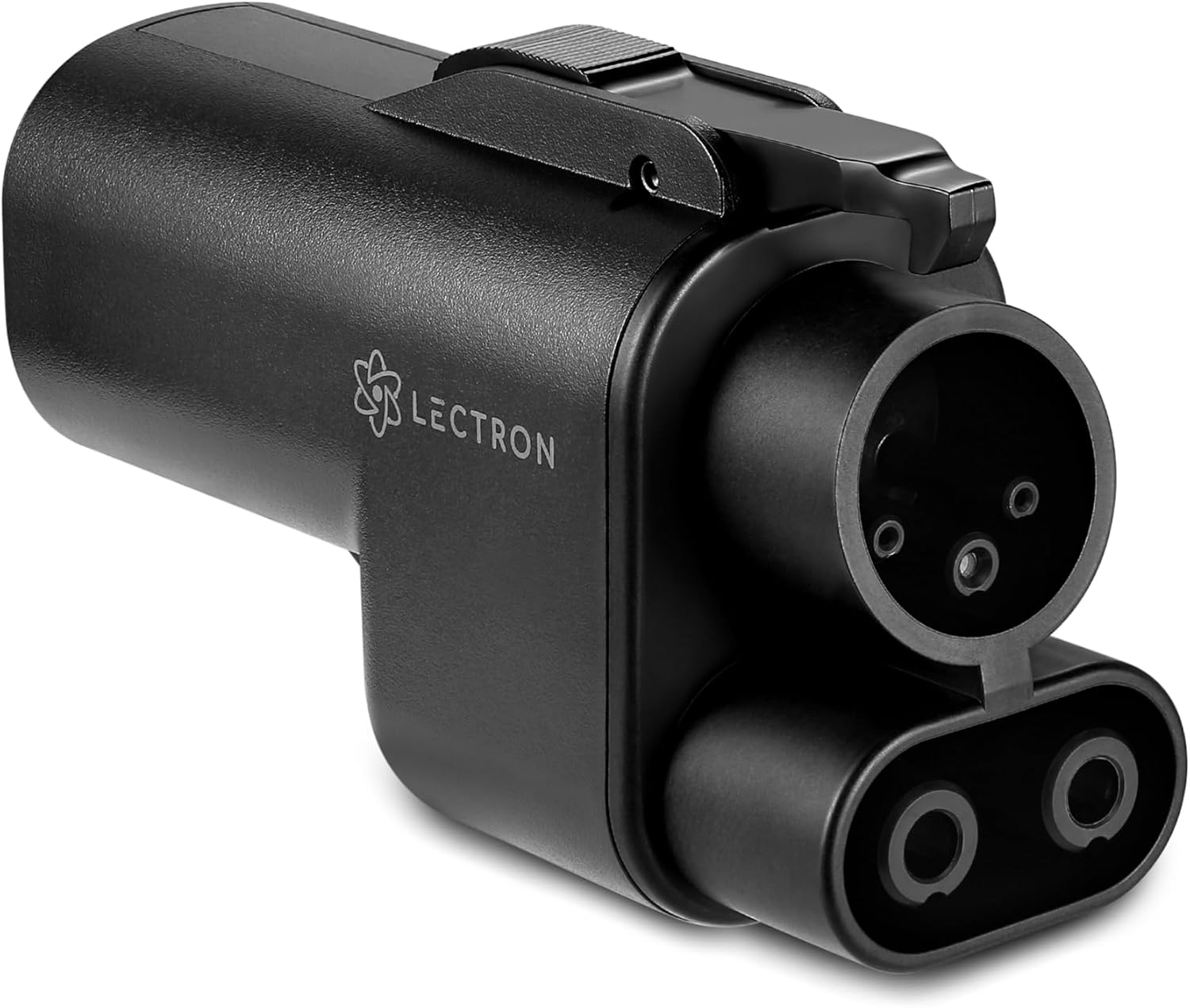
Lectron NACS to CCS Fast-Charge Adapter
Unlock every CCS fast charger for your Tesla, up to 500A DC. Never get stranded at a non-Tesla DC station again.
As an Amazon Associate, ThinkEV earns from qualifying purchases — at no extra cost to you.
Gear worth having
As an Amazon Associate, ThinkEV earns a small commission from qualifying purchases — at no extra cost to you.

USB-A to USB-C CarPlay Adapter (3-Pack)
Older car USB port, newer USB-C cable: this tiny bridge makes wired CarPlay just work. Three so you never lose the one.
As an Amazon Associate, ThinkEV earns from qualifying purchases — at no extra cost to you.
Independent Operators Are the Weak Point
The mandated corridor locations get built. The question is who owns them in 2035. Larger chains, BP, Shell, TotalEnergies, and the utility-backed networks, can absorb the $50,000-to-$150,000-per-stall install cost, plus the grid upgrade that often dwarfs it. Independent operators, running on convenience-store margins with roughly one percent net profit per gallon, cannot.
The demand signal is no longer the constraint. Global EV sales cleared 17 million units in 2024 per the IEA's Global EV Outlook, and Europe's share of that is concentrated exactly on the corridors AFIR is regulating. The corridor charger will fill. The independent station three exits away, with two aging pumps and no capital for a DC fast-charger, will not.
Driivz projects roughly a quarter of fuel stations close by 2035, and the closures will not be evenly distributed, the rural independent is exposed in a way the highway-service major is not. Legacy auto is seeing the same asymmetry from the manufacturing side, which is why BYD's talks over empty Stellantis factories in Europe are happening now rather than in 2030. And for the buyer parked in a European apartment block wondering whether any of this reaches the kerb, the answer is roughly the same one Canadian renters get in the condo-and-apartment charging guide: the corridor is solved before the kerb is.
Gear worth having
As an Amazon Associate, ThinkEV earns a small commission from qualifying purchases — at no extra cost to you.

Tesla Key Card Holder with AirTag Slot
Stop fishing the keycard out of your wallet, and slot an AirTag in case the car wanders off in a lot.
As an Amazon Associate, ThinkEV earns from qualifying purchases — at no extra cost to you.
Gear worth having
As an Amazon Associate, ThinkEV earns a small commission from qualifying purchases — at no extra cost to you.
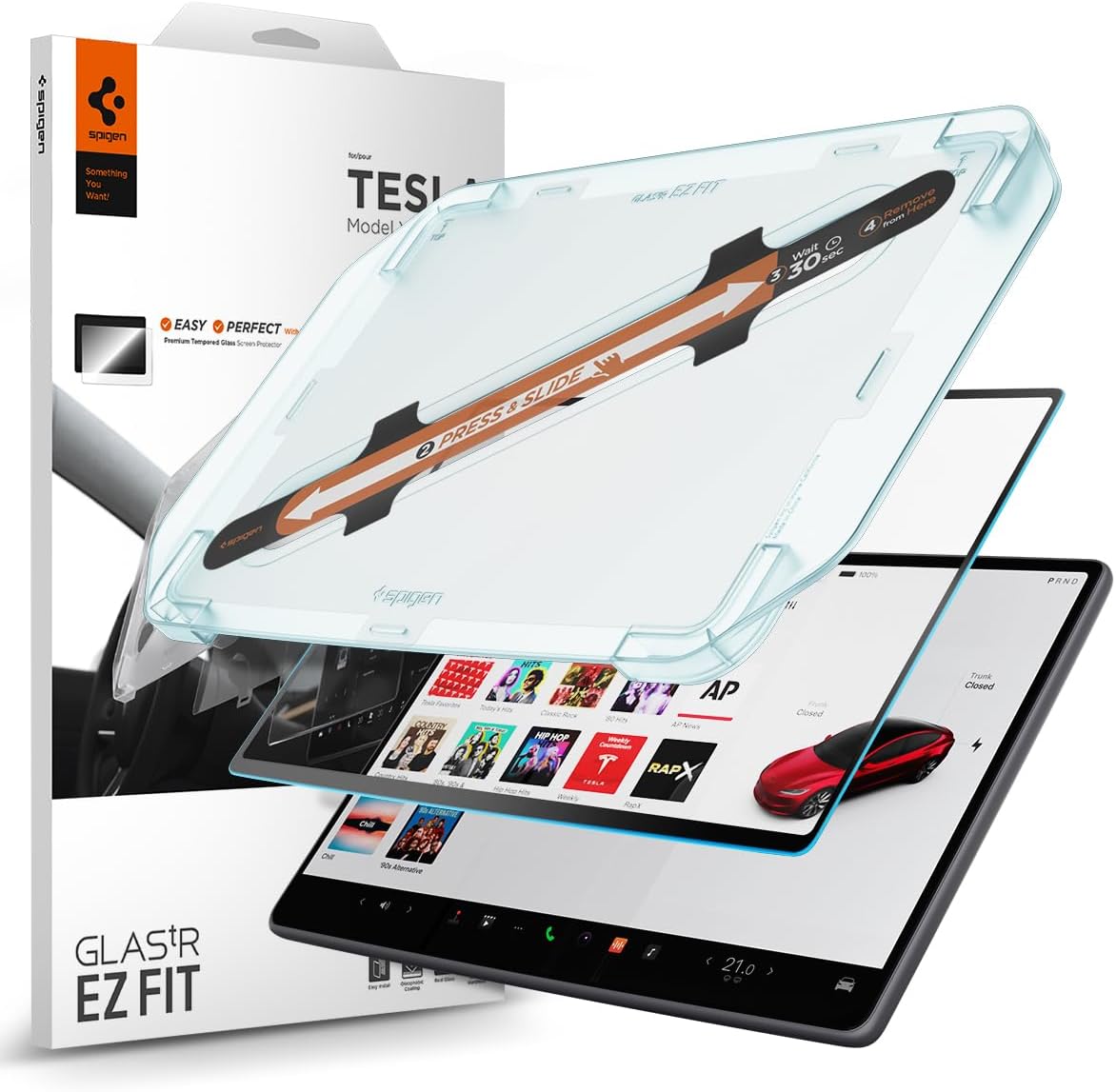
Spigen Tempered Glass for Tesla Model 3/Y
Tempered-glass protection for the touchscreen that kills fingerprints and scratches. Two minutes to install, lasts the life of the car.
As an Amazon Associate, ThinkEV earns from qualifying purchases — at no extra cost to you.
The Number to Watch Is BP's Utilisation Rate
The hardware is bought. AFIR's compliance deadlines are non-negotiable. The interesting variable now is utilisation, whether BP Pulse's Supercharger-equipped sites hit the 20–25% utilisation that makes the unit economics work, or stall at the 8–12% that has kept most European fast-charging networks unprofitable. If BP's utilisation clears 20% inside eighteen months, every remaining European fuel major writes the same cheque by 2027. If it doesn't, the independent-operator wipeout arrives earlier and harder than Driivz's 2035 estimate suggests.
Gear worth having
As an Amazon Associate, ThinkEV earns a small commission from qualifying purchases — at no extra cost to you.

WeatherTech FloorLiner for Tesla Model 3
Deep-channel liners that trap every drop of slush and salt. The difference between a ruined interior and a showroom-fresh cabin after a Canadian winter.
As an Amazon Associate, ThinkEV earns from qualifying purchases — at no extra cost to you.

Founder & Chief Editor
Vlad Pereira is the founder and chief editor of ThinkEV.ca, the Canadian electric-vehicle publication he writes and edits from Courtenay, British Columbia. He covers EV pricing, federal and provincial rebates, charging costs, and the Chinese manufacturers now entering Canada, from the buyer's side rather than the press-fleet side. ThinkEV is a venture of Vlad Pereira Online; his writing on health, income and the long game lives at vladpereira.com.
Frequently asked questions
Does the EU mandate apply to Canadian highways anytime soon?
What is the actual cost to install one DC fast-charger stall?
Why did BP buy Tesla Supercharger hardware instead of building its own?
What utilisation rate makes public fast-charging actually profitable?
Will rural or independent stations survive this transition?
More EV & road-trip finds
Affordable upgrades worth a look — tap any to check the price on Amazon.
 ★ 2,941
Microfiber Cleaning Cloths (Multi-Pack)
View on Amazon ★ 537
★ 537USB Star Projector Roof Light
View on Amazon ★ 401
★ 401Crochet Daisy Rear-View Mirror Charm
View on Amazon ★ 27,769
Car Cup Holder Coasters (4-Pack)
View on Amazon ★ 1,944
VIOFO A229 Pro 4K Dash Cam
View on Amazon ★ 61
★ 61Toddler Car Seat Snack and Cup Tray
View on Amazon ★ 268
★ 268Anti-Slip Leather Steering Wheel Cover
View on Amazon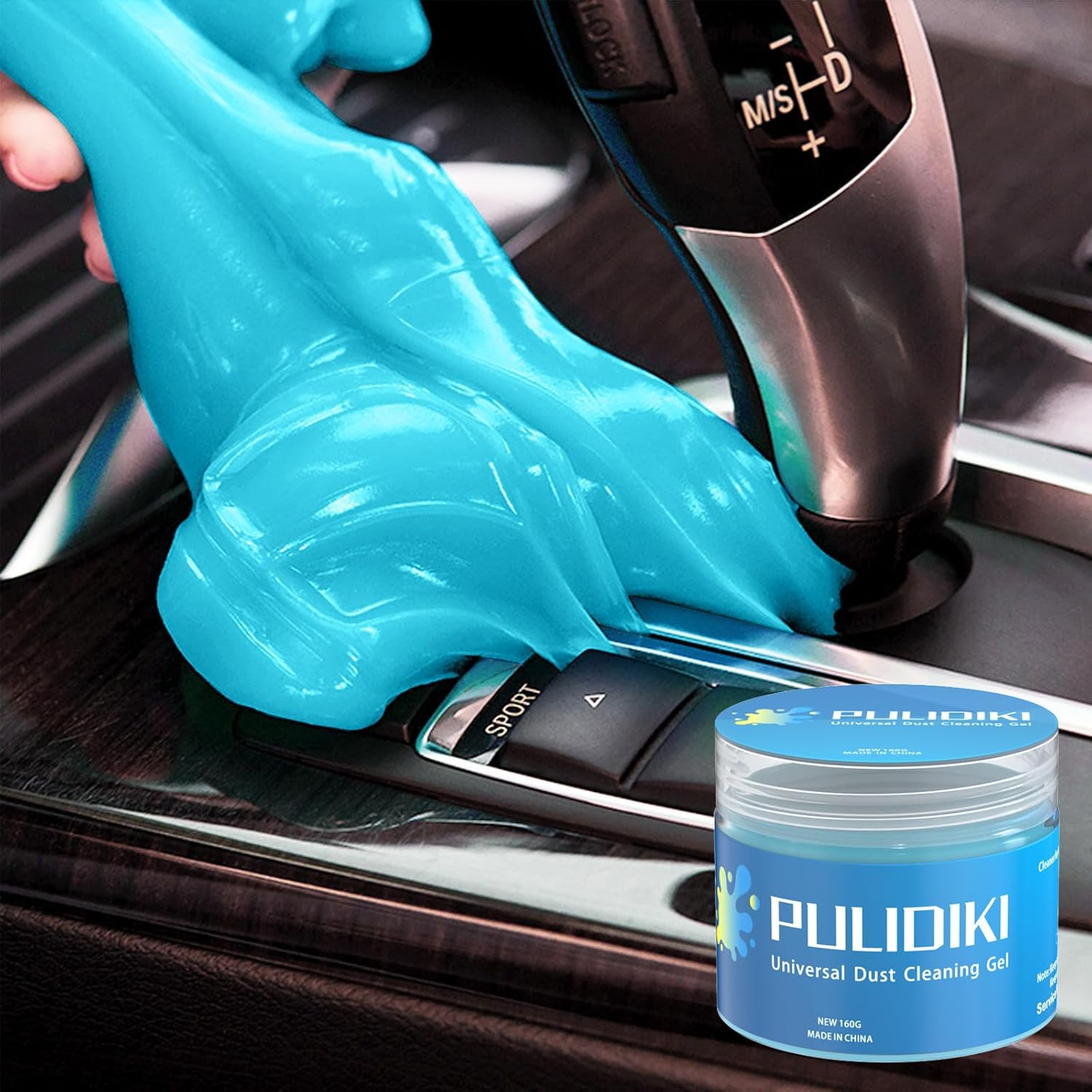 ★ 96,686
PULIDIKI Car Cleaning Gel (Detailing Putty)
View on AmazonRead, Plan, Then Stay Current
Explore our expert articles to understand incentives and ownership costs, use the map to pressure-test charging reality, then subscribe so new EV coverage comes straight to you.
Continue Reading
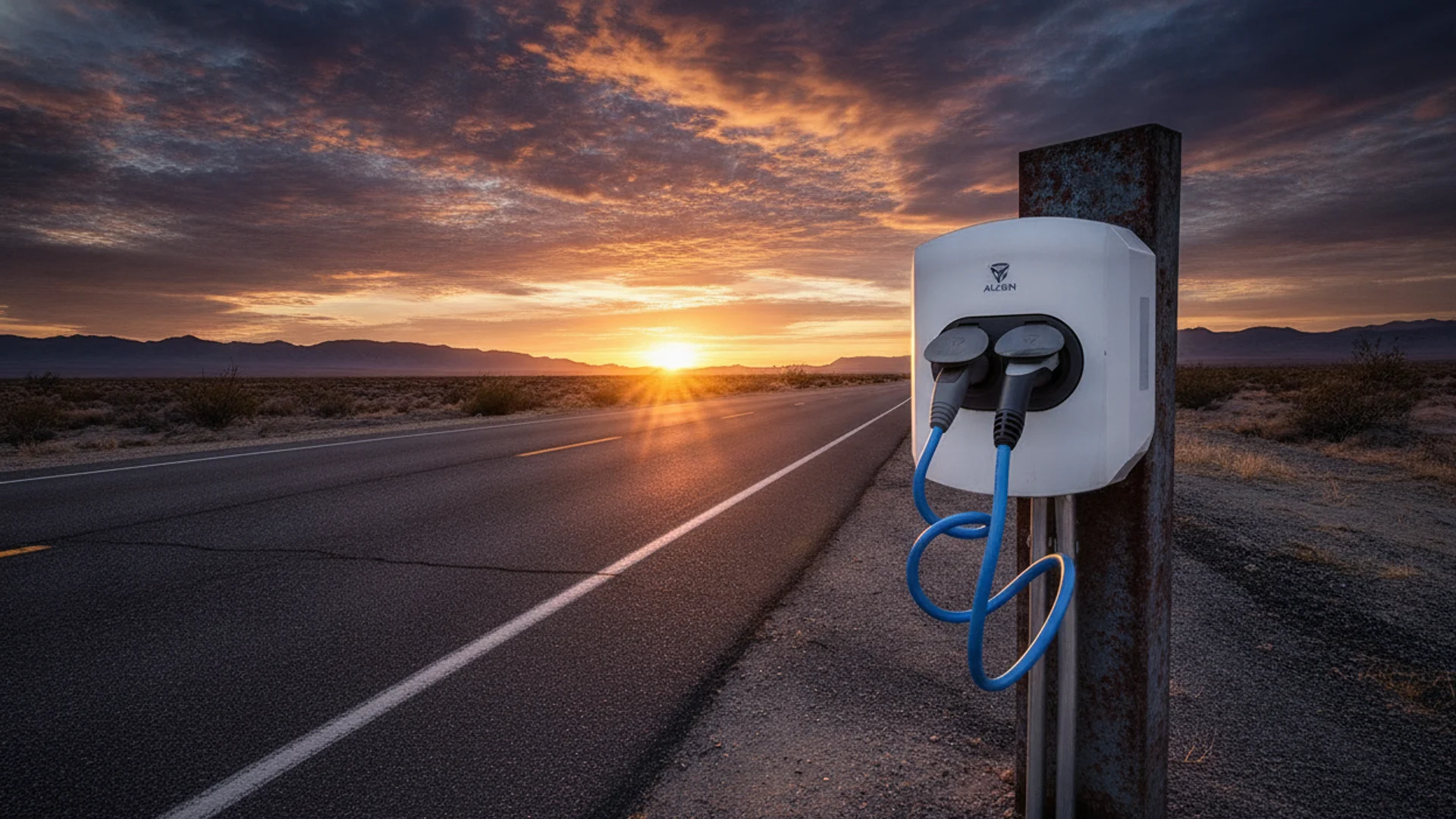
BYD's 1,500 kW Flash Charger Lands in Germany

GM Energy Pass: One Universal Interface For Public Charging
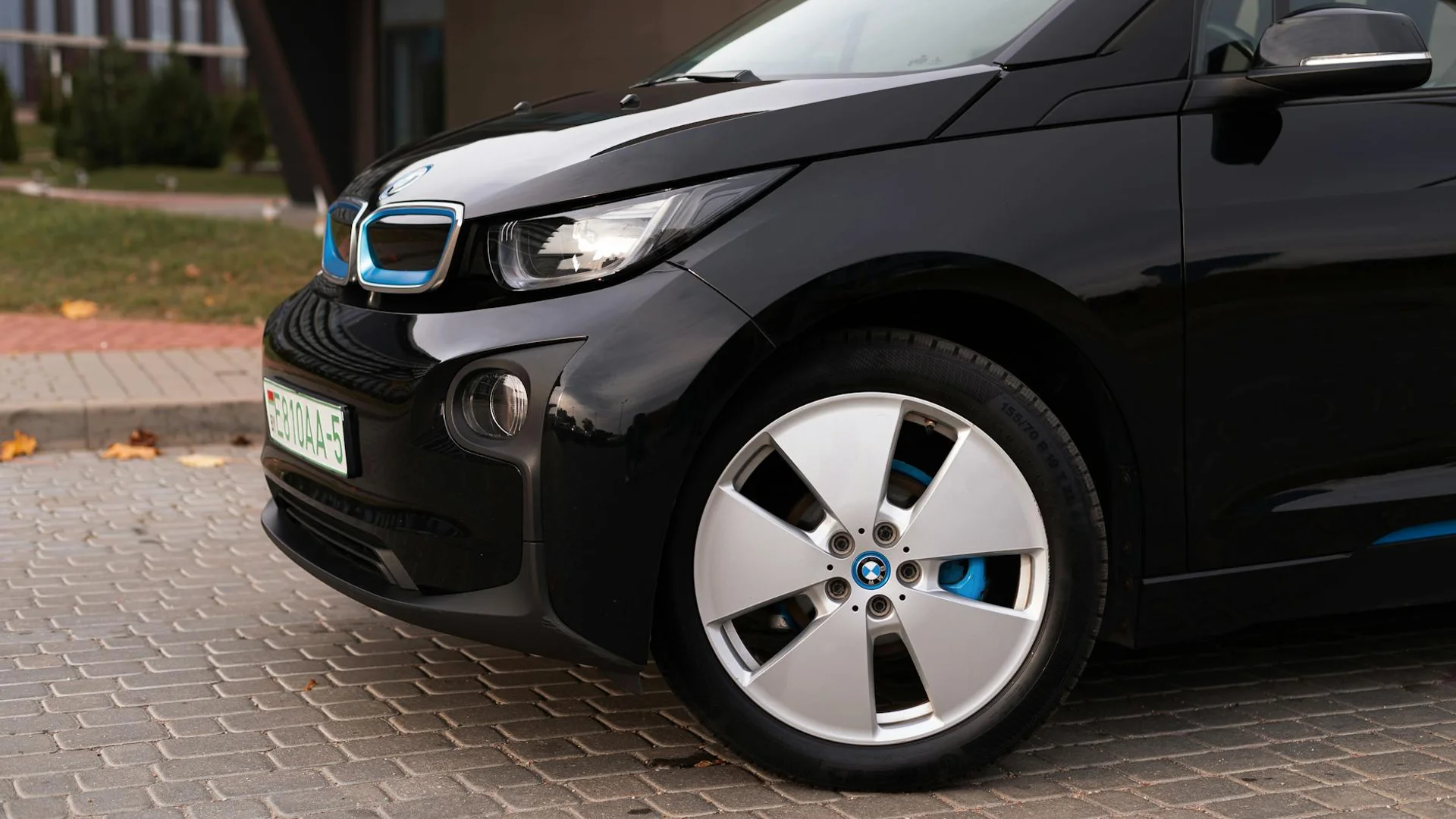
BMW's 20% IONNA Discount and OEM-Gated Charging
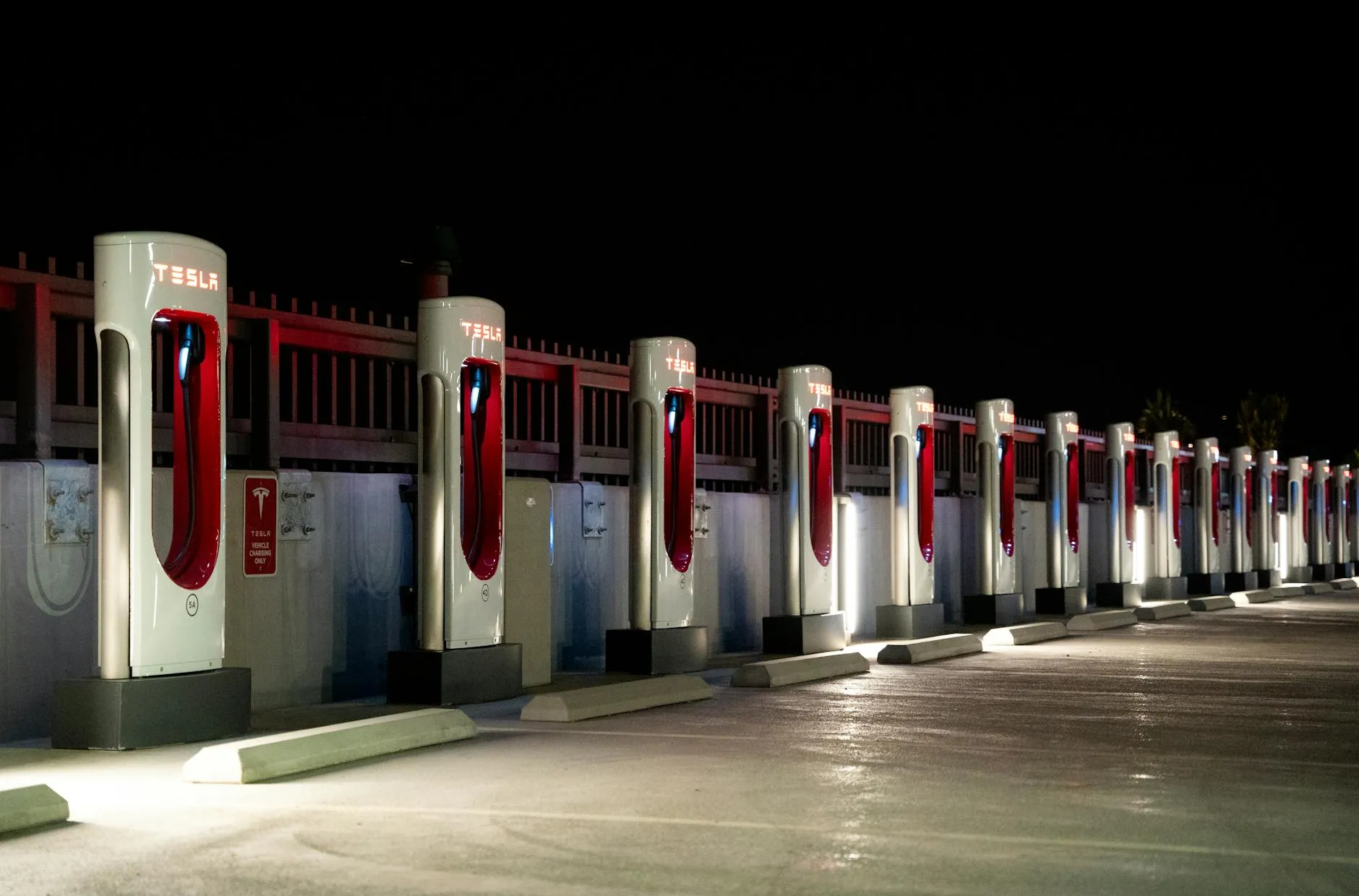
Tesla's Supercharger Virtual Queue and Its Rule Gap
How Long Does It Take to Charge an Electric Car? (2026 Guide)