Key takeaways
- Canada's EVAP program launched February 16, 2026, replacing iZEV, keeping the BEV rebate at $5,000 and PHEV at $2,500.
- EVAP caps eligibility at a $50,000 final transaction value (base price plus options, destination, and dealer fees), not the higher MSRP cap iZEV used.
- Each buyer can claim EVAP only once across the whole 2026–2030 program, and the BEV rebate steps down yearly: $5,000 in 2026, $4,000 in 2027, $3,000 in 2028–29, and $2,000 in 2030.
- All BYD models are excluded on country-of-origin grounds, not price, since EVAP requires assembly in Canada or a free-trade partner.
- Canada-assembled EVs like the $44,995 Chevrolet Equinox EV face no price cap, dropping to $39,995 after the federal rebate.
The federal government replaced the old iZEV rebate with a new program called EVAP, and the rules changed in ways that will catch a lot of buyers off guard. Some vehicles that qualified before no longer do. Some got cheaper overnight. Waiting costs real money.
The EVAP (Electric Vehicle Affordability Program) launched February 16, 2026, replacing iZEV as Canada's federal EV rebate. The headline number is the same, $5,000 for a BEV, $2,500 for a PHEV, but the eligibility rules underneath are tighter and more strategic. Canadian EV sales hit over 100,000 units in 2025, and the government is trying to steer those sales toward vehicles built here or by our trading partners. That changes who wins and who loses under this new program.
The biggest rule change: how your price gets measured. iZEV capped you at $55,000 or $65,000 MSRP. EVAP caps you at $50,000 final transaction value, which means base price, options, destination fees, dealer fees, and everything else before tax. That's a harder number to stay under, and it's already disqualifying vehicles you might have assumed were safe.
Tesla's situation is more nuanced than most coverage suggests. The Tesla Model Y RWD base at $49,990 is on the official EVAP eligible vehicle list and qualifies for the $5,000 rebate. However, the Model Y Long Range AWD ($59,990) and Performance ($69,990) do not qualify, those trims exceed the $50,000 cap. The cheapest Model 3 in Canada is the Long Range at around $54,990, nowhere close. So one Tesla trim qualifies; the rest don't.
Chinese-manufactured vehicles are out entirely, not because of price, but because of origin. BYD's lineup is excluded regardless of what it costs. EVAP requires vehicles to be made in Canada or in a country Canada has a free trade agreement with. That's a deliberate policy choice, and it's not going away.
Canadian-made vehicles play by different rules: no price cap at all. That's a huge advantage for vehicles assembled here, and it's worth knowing when you're shopping.
The one-rebate-per-lifetime rule is the biggest strategic consideration. Under iZEV, there was no limit, you could claim the rebate multiple times over the years. Under EVAP, you get one claim for the entire five-year program (2026–2030). And the rebate shrinks every year: $5,000 this year, $4,000 in 2027, $3,000 in 2028–29, $2,000 in 2030. The math is simple: if you're buying an eligible EV anyway, buying in 2026 is worth $1,000–$3,000 more than waiting.
CURRENT STATUS
Budget remaining, vehicles added/removed.
As of early March 2026, EVAP is in its opening phase. The dealer portal doesn't open until March 31, 2026, but the program is already live. If you bought an eligible vehicle between February 16 and March 31, your rebate will be processed retroactively once dealers can submit claims. You won't lose it just because the portal wasn't ready on day one.
The $5,000 BEV rebate and $2,500 PHEV rebate are applied at point of sale by participating dealers. You don't file a claim yourself, the dealer handles it and reduces your purchase price directly. That means the savings show up immediately, not months later as a tax credit.
What actually qualifies right now? EVAP doesn't publish a fixed approved-vehicle list, eligibility is calculated at the time of purchase based on two criteria: final transaction value under $50,000, and manufacturing origin in Canada or a free trade agreement country. The vehicles that reliably pass both tests include:
- Chevrolet Equinox EV ($44,995, comes down to $39,995 after the rebate)
- Hyundai Kona Electric ($42,999)
- Kia EV4 (approximately $38,995)
- Volkswagen ID.4
- Kia EV6 LIGHT RWD ($48,995)
The Equinox EV is the most compelling value story right now. Sub-$40K after federal rebate, made in Canada, no price cap concerns. That's a genuinely good deal.
PHEVs have always been included, both under iZEV and now under EVAP. They get $2,500 instead of $5,000, but the same $50,000 transaction cap and origin rules apply. The Chrysler Pacifica PHEV is built in Canada, so it has no price cap at all. For buyers in rural Atlantic Canada or the territories where charging infrastructure is still sparse, a PHEV with no range anxiety and a $2,500 federal rebate is a reasonable move.
Where you live determines your total savings. EVAP is identical in every province, same $5,000, same rules, no regional carve-outs. But provincial programs stack on top, and the gap between provinces is massive:
- Quebec: add $2,000 via Roulez vert, total $7,000
- Manitoba: add $4,000 via MPI (but this ends March 31, 2026), total $9,000
- PEI: add $4,000 (Tesla excluded), total $9,000
- Yukon: add $5,000 (Tesla excluded), total $10,000
- NWT: add $5,000, total $10,000
- Ontario, Alberta, Saskatchewan: $0 provincial, total stays at $5,000
- BC: Go Electric is paused with no replacement, total stays at $5,000
If you're in Manitoba and reading this in March, you're in a genuinely time-sensitive situation. That provincial $4,000 disappears after March 31. Combined with the EVAP rebate declining in 2027, a Manitoba buyer who acts now captures $9,000 in savings that will never be available again at the same time.
ELIGIBLE VEHICLES
EVAP eligibility comes down to two numbers: the $50,000 final transaction value ceiling and a country-of-origin check. No approved list, no application for your specific vehicle, just those two criteria at the time of purchase.
The vehicles that qualify most reliably sit in the $35,000–$50,000 range with comfortable room under the cap:
- Chevrolet Equinox EV ($44,995), assembled in Ontario, no price cap, drops to $39,995 after rebate. Best value in the program right now.
- Hyundai Kona Electric ($42,999), clears the cap with $7,000 to spare. Good daily driver range, solid reliability.
- Kia EV4 (~$38,995), most headroom under the cap. Newer model with good real-world efficiency.
- Volkswagen ID.4, qualifies at multiple trims, good option if you want a larger crossover.
- Kia EV6 LIGHT RWD ($48,995), on the official EVAP eligible list. Qualifies for the $5,000 rebate.
The vehicles that don't qualify, and why it matters:
Gear worth having
As an Amazon Associate, ThinkEV earns a small commission from qualifying purchases — at no extra cost to you.
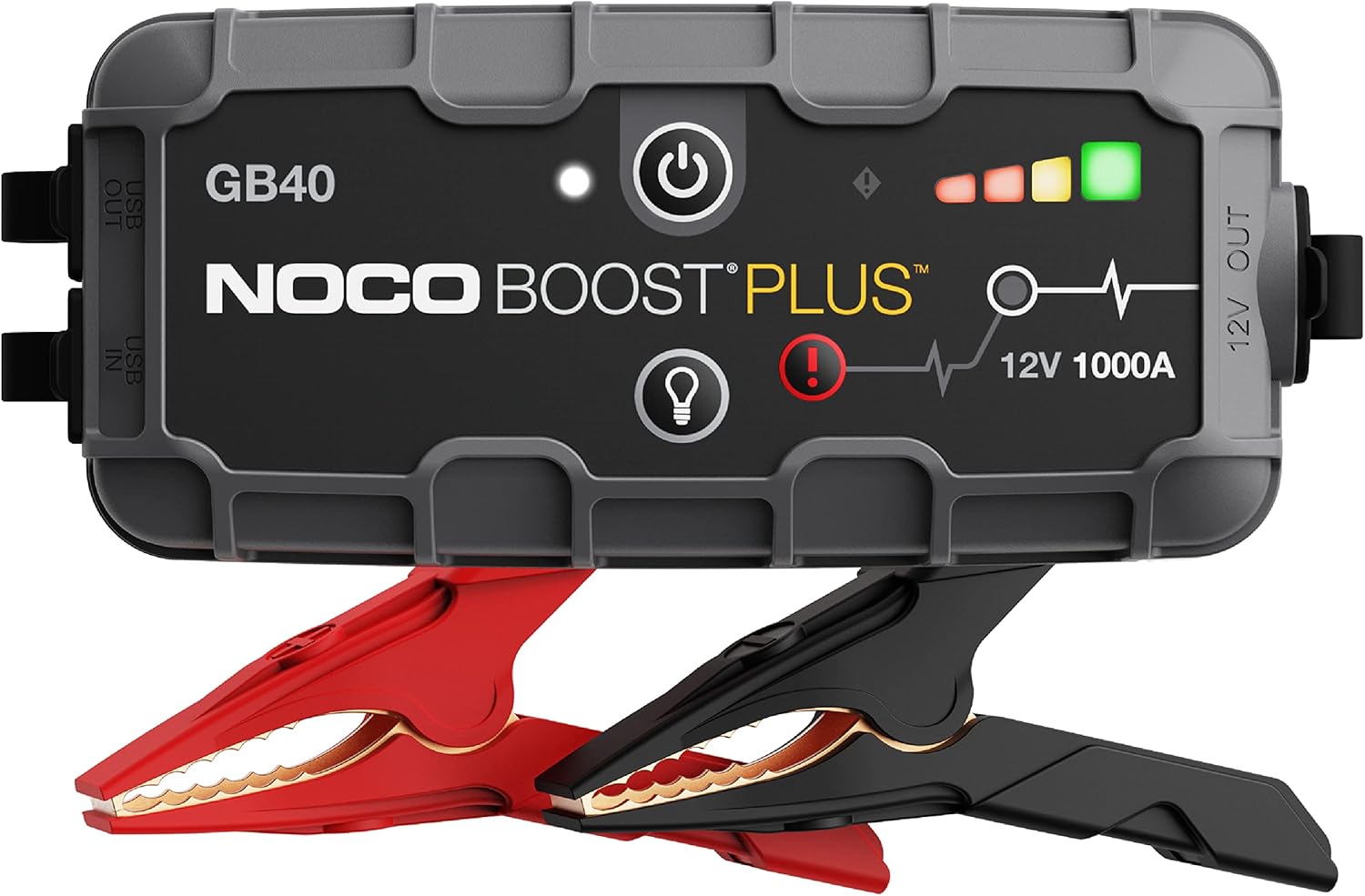
NOCO Boost Plus GB40 Jump Starter
A 1000A lithium jump starter that fits in your glovebox and works on any 12V battery. Your insurance against a dead 12V in a parking lot.
As an Amazon Associate, ThinkEV earns from qualifying purchases — at no extra cost to you.
- Tesla Model Y Long Range AWD ($59,990) and Performance ($69,990), both exceed the $50,000 cap. Note: the Tesla Model Y RWD base at $49,990 IS on the official EVAP eligible list and qualifies. If you want a Tesla with the rebate, that's your only option.
- Tesla Model 3 (all trims), the cheapest Model 3 in Canada starts at $54,990 (Long Range only), well over the cap.
- All BYD models, excluded by origin rule, not price.
Even if BYD released a $35,000 vehicle in Canada tomorrow, it wouldn't qualify until trade agreement status changes.
- Ford Mustang Mach-E Select RWD ($44,690), now qualifies for EVAP. The Select RWD is on the official eligible vehicle list and drops to $39,690 after the $5,000 rebate. Higher Mach-E trims may exceed the cap, confirm your specific configuration.
- Rivian R1T, Lucid Air, luxury pricing, not even close.
Gear worth having
As an Amazon Associate, ThinkEV earns a small commission from qualifying purchases — at no extra cost to you.

Grizzl-E Classic Level 2 EV Charger (40A)
Canadian-made and rated for minus 40C winters. 40A / 9.6 kW, NEMA 14-50, indoor/outdoor, 24-ft cable. The charger built for Canadian weather.
As an Amazon Associate, ThinkEV earns from qualifying purchases — at no extra cost to you.
The one-rebate rule changes the strategic calculus. This is the part of EVAP that doesn't get enough attention. You get exactly one use of this program over the next five years, and the value of that claim drops every year. If you're reasonably confident you'll buy an EV at some point before 2030, waiting isn't neutral, it costs you money. Claiming $5,000 in 2026 versus $4,000 in 2027 is a $1,000 difference for the exact same vehicle purchase. Versus $3,000 in 2028, it's a $2,000 difference.
The only reason to wait is if you're holding out for a specific vehicle that isn't eligible yet but might be in a future year, either because it's not available yet or because you expect the rules to change. That's a legitimate calculation, but it requires a pretty good reason to give up $1,000–$3,000 in guaranteed savings.
BUDGET ALLOCATION
EVAP is a national program with uniform federal funding. There's no province-by-province budget pool, no situation where Ontario "runs out" before Quebec. Every eligible buyer across the country draws from the same federal commitment, and the rebate rules are identical everywhere.
New vehicles only. EVAP does not cover used EVs. Some provinces have their own used EV programs: Quebec offers up to $2,000 for used BEVs through Roulez vert, and Manitoba's program includes $2,500 for used EVs (also ending March 31, 2026). If you're buying used, EVAP isn't part of your calculation, but check your province before you assume there's nothing available.
The provincial rebate picture is genuinely uneven, and not in subtle ways. Quebec and the territories have layered meaningful incentives on top of the federal base. Ontario cancelled its EV rebate in 2018 and hasn't touched it since. Alberta and Saskatchewan offer nothing. BC paused its Go Electric passenger vehicle rebate in late 2024 with no announced replacement. If you're in one of those provinces and you were counting on a provincial top-up, it isn't coming, plan around the federal $5,000 only.
OUTLOOK
EVAP runs from 2026 to 2030, it's a five-year commitment from the federal government, not a year-by-year renewal program. The schedule is fixed: $5,000 for BEVs in 2026, declining to $4,000 in 2027, $3,000 in 2028–29, and $2,000 in 2030. The declining schedule is intentional, the government is betting that EV prices will fall naturally over that period and the subsidy can step back as the market matures.
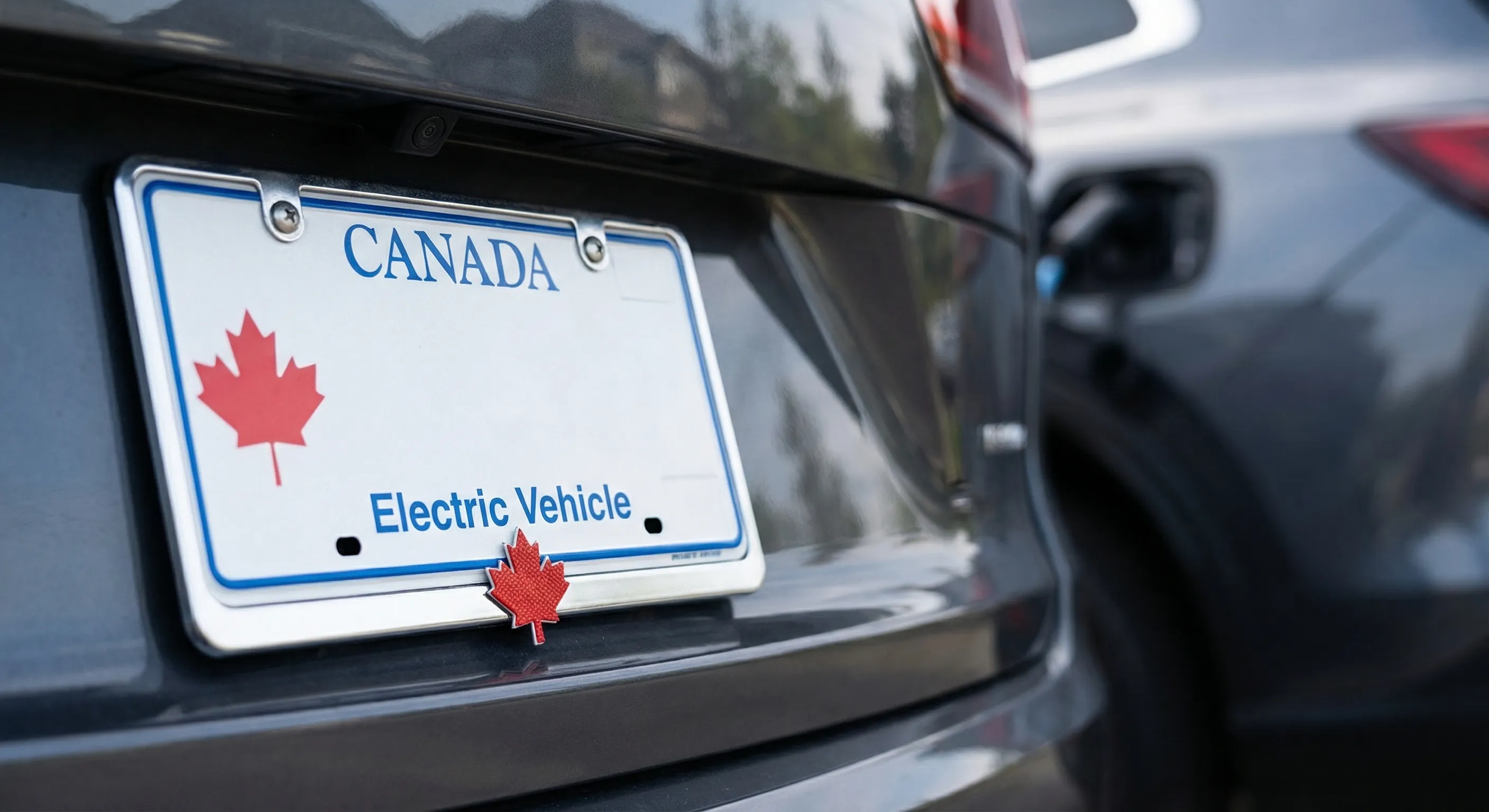
The open question is whether the $50,000 transaction value cap gets adjusted over time. If more affordable EVs come to market and prices broadly fall, the cap becomes less of a constraint. If inflation pushes vehicle costs higher, the cap could cut out more and more models and make the program less useful. There's also a scenario where tariff negotiations create room for previously-excluded manufacturers, if Canada and China reach some kind of trade accommodation, BYD's status could change. Don't count on it, but it's not impossible.
Several provincial programs are on much shorter timelines than EVAP itself. This matters if you're trying to maximise your total savings:
- Manitoba's $4,000 rebate ends March 31, 2026
- Newfoundland's $2,500 rebate ends March 15, 2026
- Quebec's Roulez vert ends December 31, 2026
As these programs wind down, the federal $5,000 becomes the only incentive available in most of the country. That's still meaningful, but the window for stacking federal and provincial savings is closing in several provinces right now.
Gear worth having
As an Amazon Associate, ThinkEV earns a small commission from qualifying purchases — at no extra cost to you.
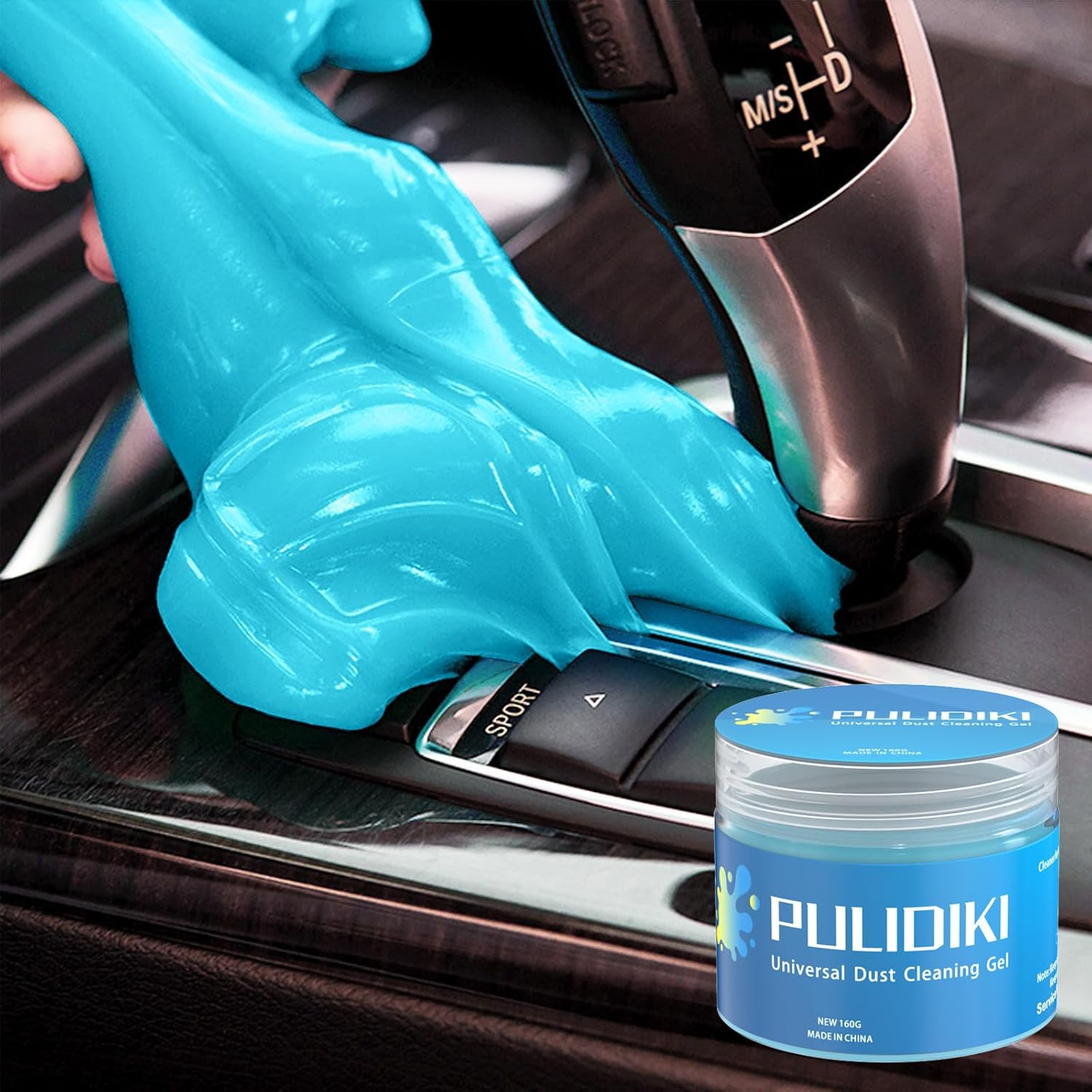
PULIDIKI Car Cleaning Gel (Detailing Putty)
Press it into vents, buttons, and seams and it lifts out dust you did not know was there. Weirdly satisfying, genuinely useful.
As an Amazon Associate, ThinkEV earns from qualifying purchases — at no extra cost to you.
The bottom line is straightforward. The rebate is real, it's applied at the dealer, and 2026 is the highest-value year to use it. The combination of the maximum $5,000 BEV rebate plus whatever provincial incentive you can still access adds up to the best deal you'll see on an eligible EV for the next four years. If an eligible vehicle fits your situation, the math points toward acting now rather than later.
Gear worth having
As an Amazon Associate, ThinkEV earns a small commission from qualifying purchases — at no extra cost to you.

WixGear Magnetic Air Vent Phone Mount (2-Pack)
A magnet strong enough that your phone never flinches over potholes or rail crossings. Two in the box, one for each car.
As an Amazon Associate, ThinkEV earns from qualifying purchases — at no extra cost to you.
Related Reading
- Canada EV Market: 2025 Crash, 2026 Recovery, How the Canadian EV market is rebounding.
- Every New EV Coming to Canada in 2026-2027, The complete list of electric vehicles arriving.
- Canada EVAP Rebate Guide 2026, How to claim your $5,000 federal EV incentive.
Gear worth having
As an Amazon Associate, ThinkEV earns a small commission from qualifying purchases — at no extra cost to you.

Car Cup Holder Coasters (4-Pack)
Drop-in coasters that catch spills and crumbs so your cup holders stay clean. Rinse and reuse forever.
As an Amazon Associate, ThinkEV earns from qualifying purchases — at no extra cost to you.

Founder & Chief Editor
Vlad Pereira is the founder and chief editor of ThinkEV.ca, the Canadian electric-vehicle publication he writes and edits from Courtenay, British Columbia. He covers EV pricing, federal and provincial rebates, charging costs, and the Chinese manufacturers now entering Canada, from the buyer's side rather than the press-fleet side. ThinkEV is a venture of Vlad Pereira Online; his writing on health, income and the long game lives at vladpereira.com.
Frequently asked questions
What are the 2026 changes to the EVAP program?
How much is the EVAP program budget for 2026?
Which vehicles are eligible for the 2026 EVAP program?
Will the EVAP program be renewed in 2026?
How is the EVAP budget allocated across provinces?
More EV & road-trip finds
Affordable upgrades worth a look — tap any to check the price on Amazon.
 ★ 419
★ 419RGB Car Interior LED Strip Light
View on Amazon ★ 4,626
HoogaLife Hanging Car Diffuser (2-Pack)
View on Amazon ★ 4,424
Sun Visor Card and Document Organizer
View on Amazon ★ 12,834
P3 Kill A Watt Electricity Usage Monitor
View on Amazon ★ 87
★ 87Car Window Sun Shades for Kids (4-Pack)
View on Amazon ★ 68
★ 68WeatherTech FloorLiner for Tesla Model 3
View on Amazon ★ 4,050
Touchscreen Mist Screen Cleaner Kit
View on Amazon ★ 537
★ 537USB Star Projector Roof Light
View on AmazonRead, Plan, Then Stay Current
Explore our expert articles to understand incentives and ownership costs, use the map to pressure-test charging reality, then subscribe so new EV coverage comes straight to you.
Continue Reading
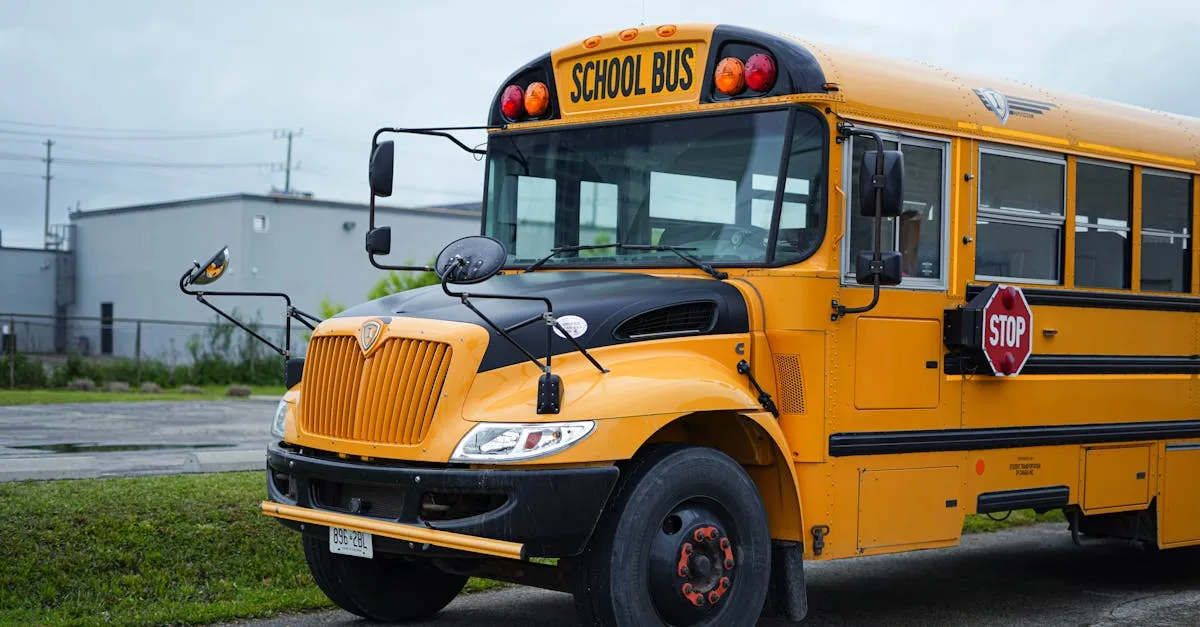
Electric School Buses Are Changing Canadian Streets

Norway's -27C Winter EV Test: Chinese Cars Beat Tesla
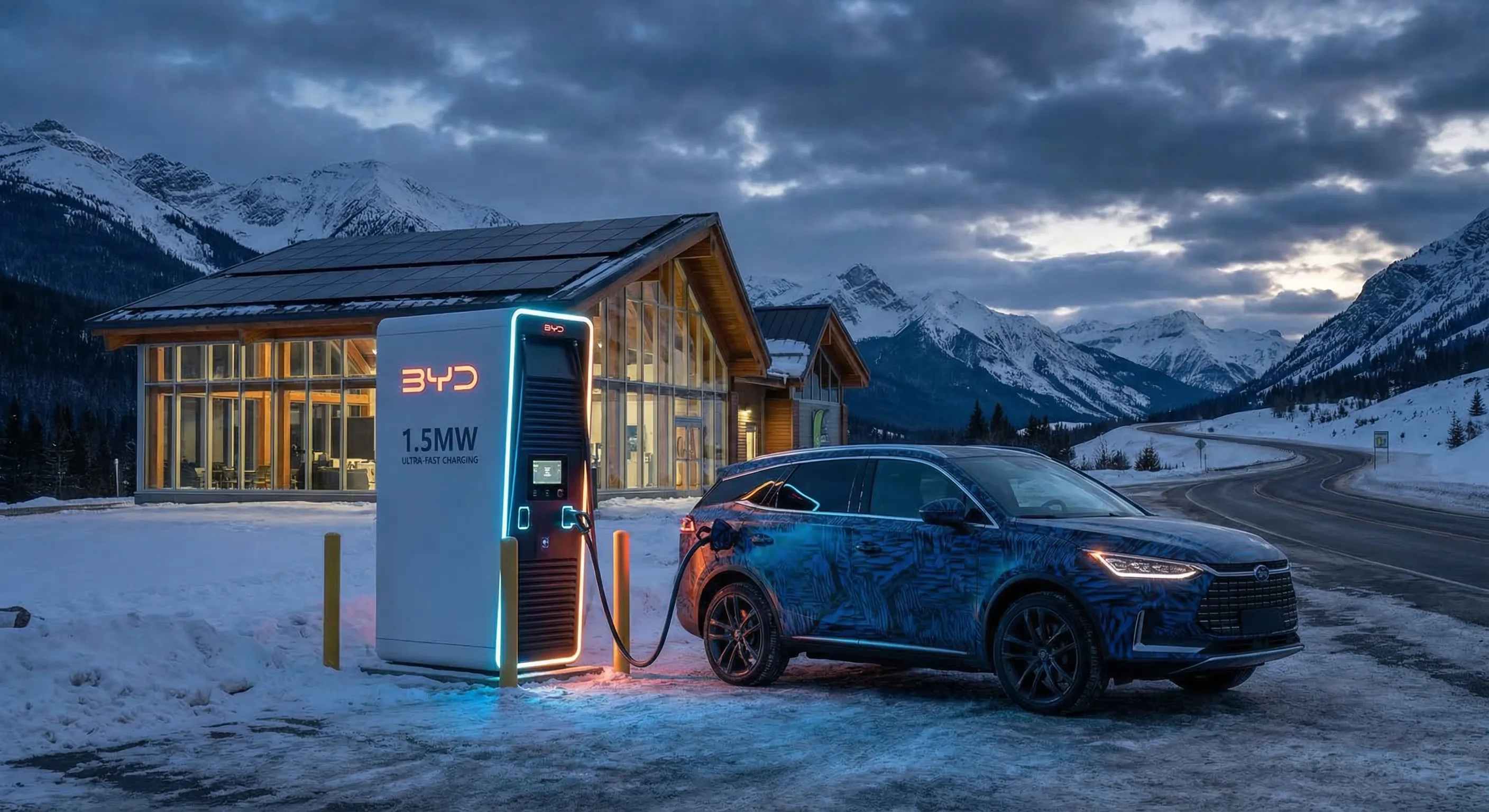
BYD 1.5MW Charging Canada: 400 km in Five Minutes
BYD Seagull Canada Price: The $15K-$20K EV in 2026
Canada EV Sales February 2026: The Growth Streak