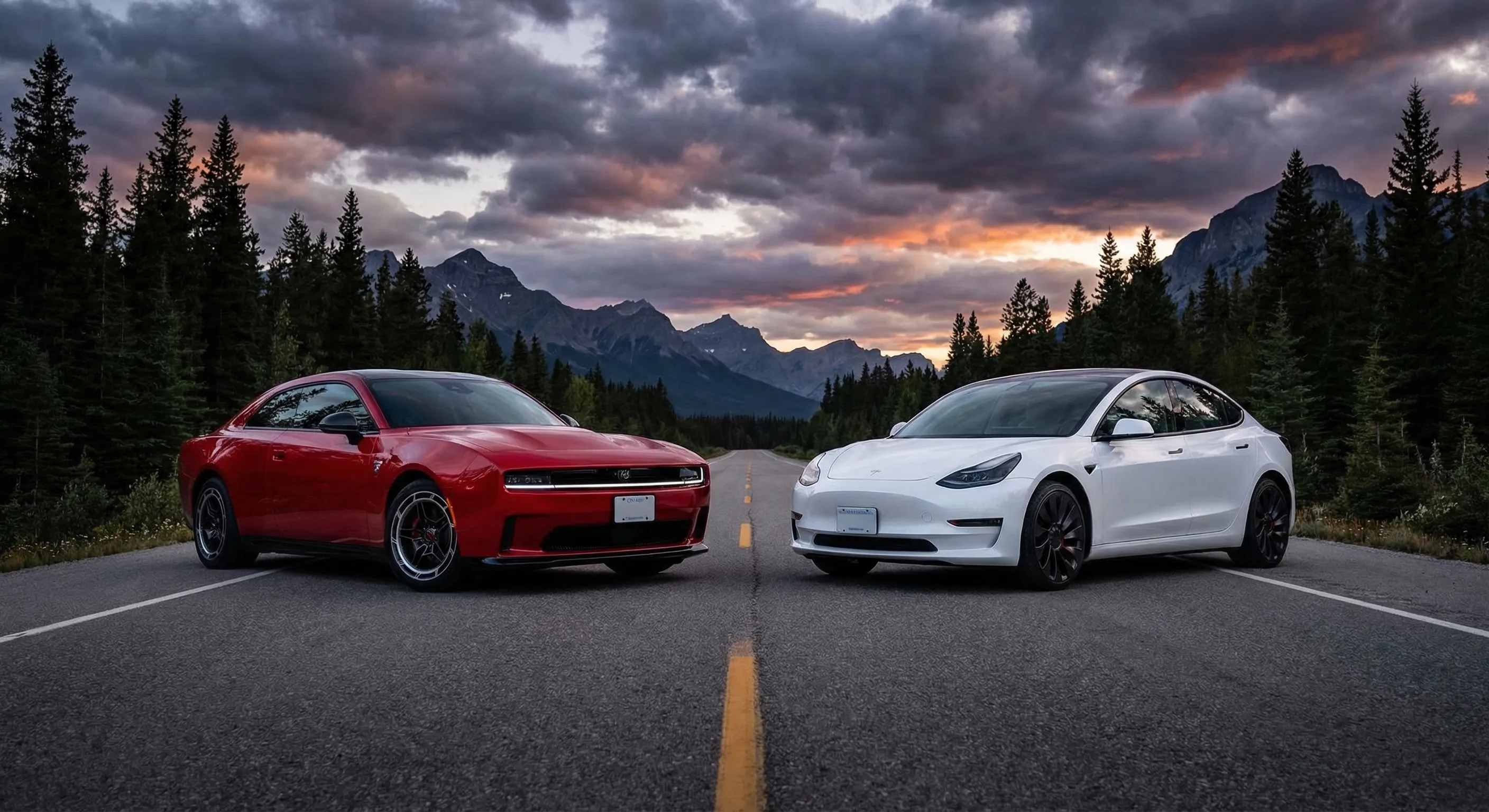
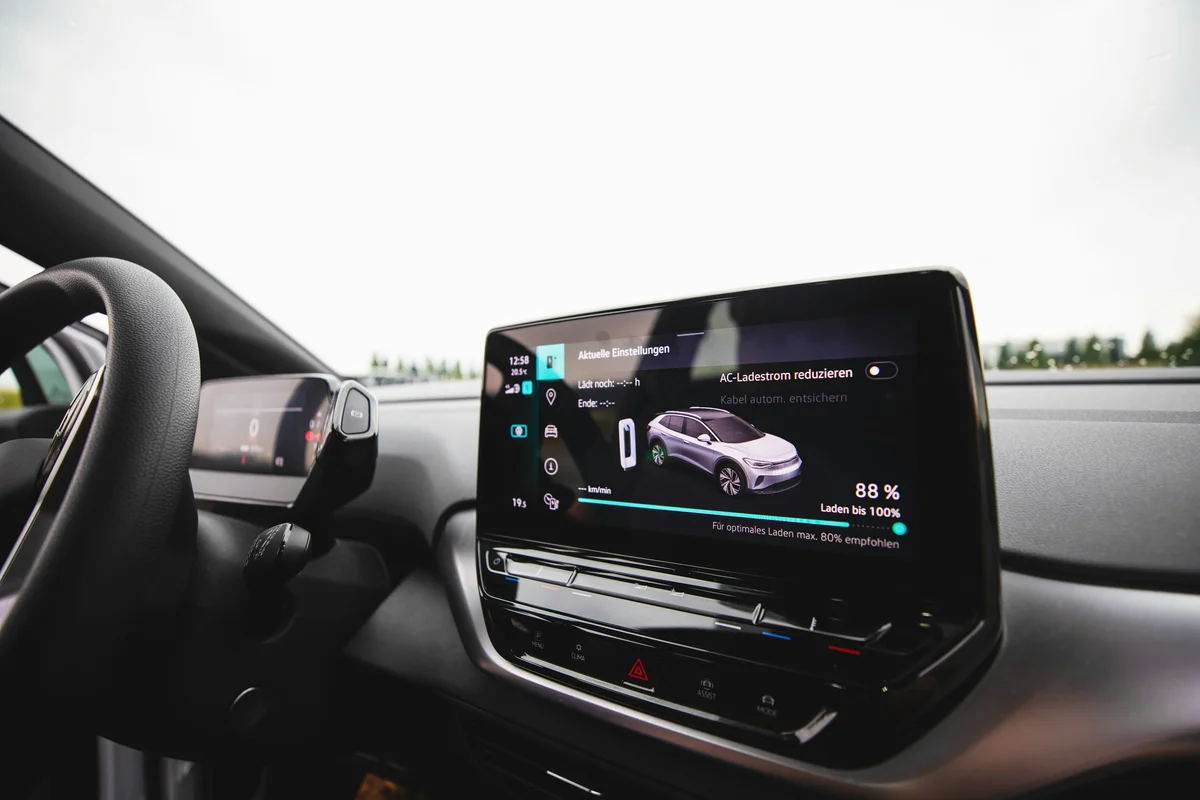
Your Ioniq 6 shows 490 km of range on a full charge. An hour on the 401 and the math stops working. The gap is not a defect and not a lie, it is a physics problem the label is quietly averaging around, and the direction of the flip surprises people every time. Combustion cars are thirstier in the city. EVs are thirstier on the highway. The reason sits in two numbers on the spec sheet almost nobody reads: drag coefficient and regen recovery rate.
Key takeaways
- Highway driving cuts Ioniq 6 range by roughly 20% versus city, drag coefficient and regen recovery rate explain the entire flip.
- Aerodynamic drag scales with the square of speed, so jumping from 90 to 130 km/h costs 30–40% more energy per kilometre.
- The Ioniq 6's 0.21 drag coefficient lets it outperform the lighter Chevy Bolt at 100 km/h, shape beats size on the highway.
- The EPA label blends a 55% city / 45% highway weighting, which flatters anyone whose week is dominated by the 401 or Trans-Canada.
- Dropping cruise speed from 120 to 100 km/h typically recovers 30–50 km of range, enough to skip one fast-charge stop on a long run.
City Wins by 15–25%, and the Label Is Averaging Around It
Most EVs return roughly 15–25% more range in city cycles than at a sustained 110 km/h. It is not a small effect and it is not evenly distributed across the lineup, but the direction is consistent.
The EPA's own methodology tells you why the label lands where it does: a fully charged vehicle is driven continuously over the EPA city cycle until the battery is depleted and the distance recorded, then the test is repeated over the highway cycle from a full charge and the second distance recorded. The window sticker blends the two on a 55% city / 45% highway weighting. If your commute is the 401 corridor or the Trans-Canada, that blend flatters your real-world number.
The pattern shows up cleanly in the affordable segment. The Nissan Leaf and BYD Seagull each lose roughly 15–20% range at sustained 110 km/h versus urban driving. The Chevy Bolt drifts from low-3 mi/kWh at sustained highway speeds above 110 km/h into the mid-4s once speeds drop into city work. Same battery, same car, different physics.
No single percentage describes every car, a slippery sedan at 100 km/h might lose 10%; a boxy crossover at 125 km/h in a January headwind might lose 40%. The direction of the flip is what matters for a buying decision. A driver who plans a road trip on the assumption that highway range roughly equals city range will run out of battery between chargers. A driver who plans on the assumption that highway range is worse by a fifth will arrive with a buffer. The band is a planning tool, not a spec.
For the Canadian buyer whose weekly kilometres are highway-weighted, the practical takeaway is to discount the label by about a fifth before running any road-trip math. The EV charging cost calculators that assume the sticker number will overstate the range and understate the stops.
Gear worth having
As an Amazon Associate, ThinkEV earns a small commission from qualifying purchases — at no extra cost to you.

Lectron Level 2 J1772 Charger (40A, WiFi)
Smart WiFi charger with real-time energy monitoring. 40A / 9.6 kW, J1772 with a NEMA 14-50 plug, schedule charging right from your phone.
As an Amazon Associate, ThinkEV earns from qualifying purchases — at no extra cost to you.
Why Air Resistance Punishes Speed Exponentially
Aerodynamic drag scales with the square of speed. Double the speed and the drag force quadruples. This is not a rounding effect, it is the dominant energy consumer above about 80 km/h, and it is why an EV that returns 6.5 km/kWh at 90 km/h can drop under 4.5 km/kWh at 130. The energy penalty for the extra 40 km/h of pace is in the 30–40% range per kilometre travelled.
City driving punishes combustion engines in a way that EVs simply do not experience. An idling ICE burns fuel to do no work at all, while an EV at a red light draws milliamps to run the infotainment display, idling is not a cost category it has.
Regenerative braking is the other half of the flip. In city cycles, regen recovers somewhere between 10 and 30% of the kinetic energy that would otherwise leave the car as heat through the brake pads. On an open highway at cruise, the car brakes almost never, so regen contributes almost nothing. The city advantage compounds, less drag AND active energy recovery, while the highway drive is a one-way conversion of battery chemistry into heated air behind the vehicle.
Edmunds runs its real-world consumption leaderboard on public roads in Southern California, targeting a 60% city / 40% highway mix on the assumption that most EV owners spend more time in stop-and-go traffic than on the open highway. That assumption is defensible for Los Angeles. It is less defensible for a driver in Barrie commuting into Toronto, or for anyone whose typical Sunday is a Highway 400 push north. The test mix flatters city-heavy buyers by design.
Gear worth having
As an Amazon Associate, ThinkEV earns a small commission from qualifying purchases — at no extra cost to you.

Digital Tire Pressure Gauge
Low tires quietly cost 5 to 10 percent of your range. A 10-second check with an accurate digital gauge keeps every kWh on the road.
As an Amazon Associate, ThinkEV earns from qualifying purchases — at no extra cost to you.
Shape Beats Size: Why the Ioniq 6 Outperforms the Bolt at 100 km/h
The counterintuitive result, the one that breaks the "small car equals efficient car" heuristic, is that aerodynamic shape compensates for mass at highway speed. At 100 km/h a Hyundai Ioniq 5 and a Chevy Bolt land in the same efficiency neighbourhood, even though the Ioniq 5 outweighs the Bolt by several hundred kilograms. The Ioniq 6, with its 0.21 drag coefficient, does the same trick more emphatically.
Gear worth having
As an Amazon Associate, ThinkEV earns a small commission from qualifying purchases — at no extra cost to you.

Portable Level 2 EV Charger (40A, NEMA 14-50)
Throw it in the trunk and charge anywhere with a 240V outlet. 40A portable with NEMA 14-50 plug. Your road-trip insurance policy.
As an Amazon Associate, ThinkEV earns from qualifying purchases — at no extra cost to you.
The Bolt claws the deficit back in the city. Its lower curb weight means less kinetic energy to shed at every stoplight, and regen collects a larger share of a smaller pie. When the highway advantage of a slippery sedan disappears, because the sedan is no longer moving fast enough for its shape to matter, the small-and-light car looks better again. This is not a Bolt problem or an Ioniq problem. It is what the physics does.
A defender of the crossover form factor will point out that most buyers do not care about a 15% efficiency gap when they need three rows and a hatch. That is a real trade, not a fake one. The counter is that the efficiency gap does not stay abstract, it converts into an extra fast-charge stop on every Toronto-to-Montréal run, which is 20–30 real minutes added to a five-hour drive, four or five times a year. If those minutes are worth less to a family than cargo volume, the crossover wins the honest cost-benefit. If they are not, the sedan does.
The body-style rule matters more than the brand rule. A slippery sedan (Ioniq 6, Model 3, Air) shrinks the city-highway range gap because the highway penalty is mild. An upright crossover (Model Y, Ioniq 5, Mach-E) widens it because a flat front end costs energy at any speed above 90. For a buyer weighing a sedan against a crossover on the same platform, the highway question deserves as much weight as the cargo question. See the automakers-sold-you-efficient-small-EVs correction for the fuller version of this argument with the Bolt data.
Gear worth having
As an Amazon Associate, ThinkEV earns a small commission from qualifying purchases — at no extra cost to you.

Roadside Emergency Safety Kit
Jumper cables, a portable air compressor, tow strap, first aid, and more for when something goes wrong between chargers. Canadian winters do not forgive the unprepared.
As an Amazon Associate, ThinkEV earns from qualifying purchases — at no extra cost to you.
Reading the Number That Actually Matches Your Drive
The label is not lying. It is averaging. The trick is to find the number that matches your drive, not the number that matches the EPA's assumption of your drive.
Real-world testing helps if you read it critically. Consumer Reports' data shows some EVs beat the EPA label by 5–10% in mixed driving, while others fall 10–15% short on sustained highway loops. Edmunds' leaderboard, at its 60/40 city-highway mix, is closer to a best-case number for anyone commuting into a Canadian urban core than for anyone commuting out of one.
Speed is the single biggest lever you personally control. Dropping cruise speed from 120 km/h to 100 km/h on a 400 km trip typically recovers 30–50 km of range on a mid-sized EV. This is not a rounding claim. It is the drag-squared equation cashing out in kilometres. The trade is roughly 40 minutes of extra travel time for one skipped fast-charging session on a long run, a decent trade if your itinerary is flexible and a poor one if it is not.
Cold weather compounds the highway penalty in a way that catches new owners off guard. Battery chemistry gets less efficient in the cold, and the cabin heater draws from the same pack that is already fighting harder against denser winter air. A December drive from Toronto to Ottawa can consume 30% more energy than the same drive in June, and the highway share of that penalty is bigger than the city share, because heating a moving cabin at 110 km/h means fighting a steady wind chill against the front glass. Weather is out of your hands. Speed is not.
Canadian highway reality also skews harder than the American test cycle assumes. The Trans-Canada does not have 25-km stretches where a driver rationally holds 90 km/h. The Highway 400 corridor north of Toronto runs at 110 posted and considerably faster in practice on a Friday afternoon. A Vancouver-to-Kamloops run is a sustained climb against wind. If you live somewhere the EV adoption numbers are still building out, you are probably also somewhere the highway share of your driving is large, and the label overstates your real range by more than the 15–25% that the average buyer sees.
The checkpoint to watch is the 2027 model year window sticker. The EPA is under pressure to weight highway driving more heavily in its blended figure, and several automakers, Hyundai and Ford among them, have publicly asked for a test cycle that reflects sustained interstate speeds. If the 2027 stickers on the Ioniq 6 or the Mach-E drop 8–15% versus their 2026 equivalents with no change to the actual battery, that is the correction landing. If they hold flat, the buyer is still doing the mental discount themselves.
The number to check before you commit is your own weekly kilometre breakdown, honestly assessed, applied to the manufacturer's highway figure and not the blended label. For a highway-heavy driver, that is the number the sticker was hiding.
Gear worth having
As an Amazon Associate, ThinkEV earns a small commission from qualifying purchases — at no extra cost to you.

Foldable Waterproof Trunk Organizer
Three waterproof compartments that keep groceries and gear upright, then collapse flat when you need the space.
As an Amazon Associate, ThinkEV earns from qualifying purchases — at no extra cost to you.

Founder & Chief Editor
Vlad Pereira is the founder and chief editor of ThinkEV.ca, the Canadian electric-vehicle publication he writes and edits from Courtenay, British Columbia. He covers EV pricing, federal and provincial rebates, charging costs, and the Chinese manufacturers now entering Canada, from the buyer's side rather than the press-fleet side. ThinkEV is a venture of Vlad Pereira Online; his writing on health, income and the long game lives at vladpereira.com.
Frequently asked questions
Does the rated range on the window sticker assume highway driving?
Why does a heavier Ioniq 6 outperform the Bolt at 100 km/h?
How much range does slowing from 120 to 100 km/h actually recover?
Does cold weather make the city-highway gap worse in Canada?
What share of braking energy does regen actually recover in city driving?
More EV & road-trip finds
Affordable upgrades worth a look — tap any to check the price on Amazon.
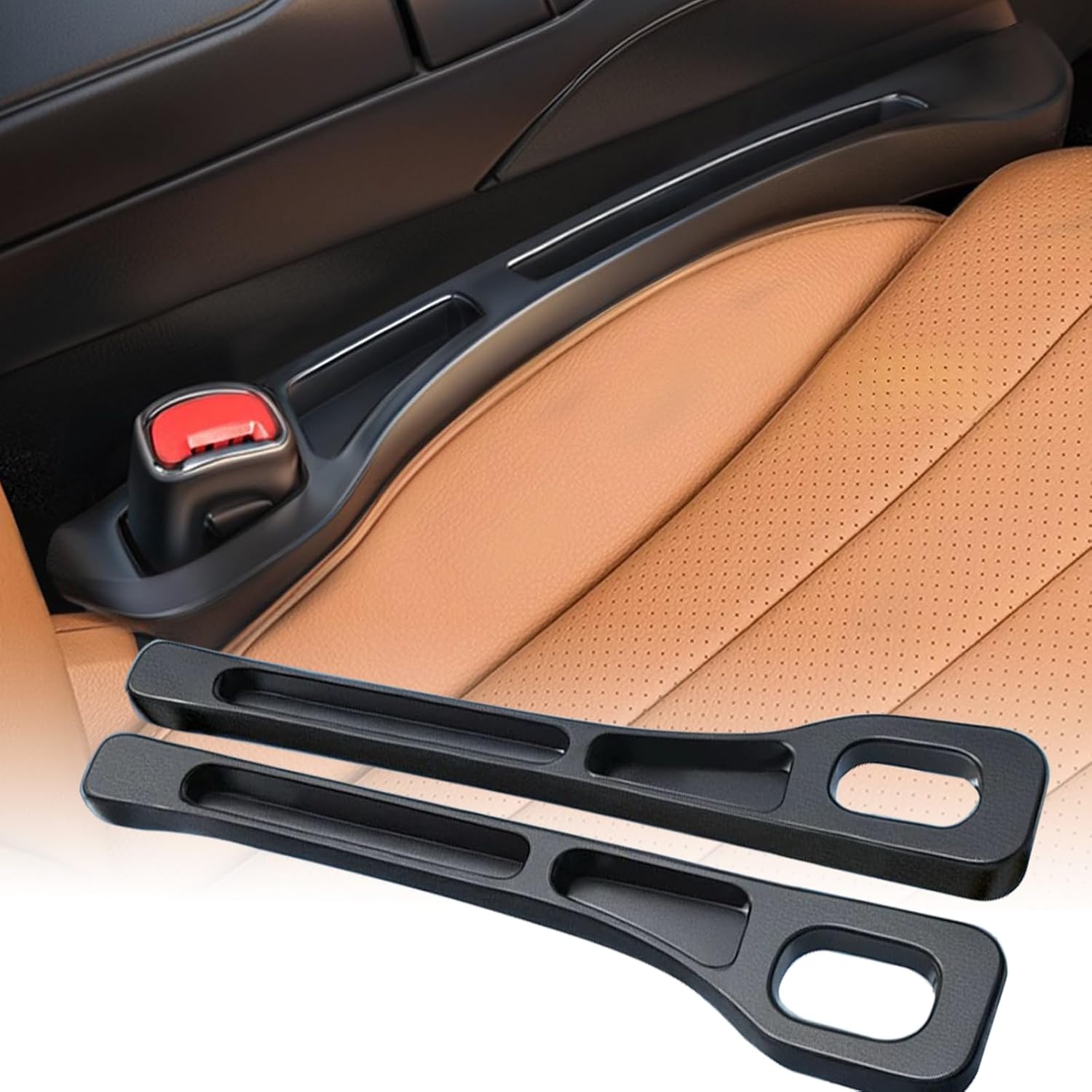 ★ 1,340
Car Seat Gap Filler (Universal)
View on Amazon ★ 692
★ 692USB-A to USB-C CarPlay Adapter (3-Pack)
View on Amazon ★ 87
★ 87Car Window Sun Shades for Kids (4-Pack)
View on Amazon ★ 392
★ 392Large Cup Holder Adapter (32-40oz)
View on Amazon ★ 9,349
Auto Detailing Brush Set (10-Piece)
View on Amazon ★ 314
★ 314Mini USB LED Ambient Lamps (4-Pack)
View on Amazon ★ 1,083
Crystal Push-Start Button Ring (2-Pack)
View on Amazon ★ 4,424
Sun Visor Card and Document Organizer
View on AmazonRead, Plan, Then Stay Current
Explore our expert articles to understand incentives and ownership costs, use the map to pressure-test charging reality, then subscribe so new EV coverage comes straight to you.
Continue Reading
Longest-Range Electric Cars You Can Buy in Canada (2026)
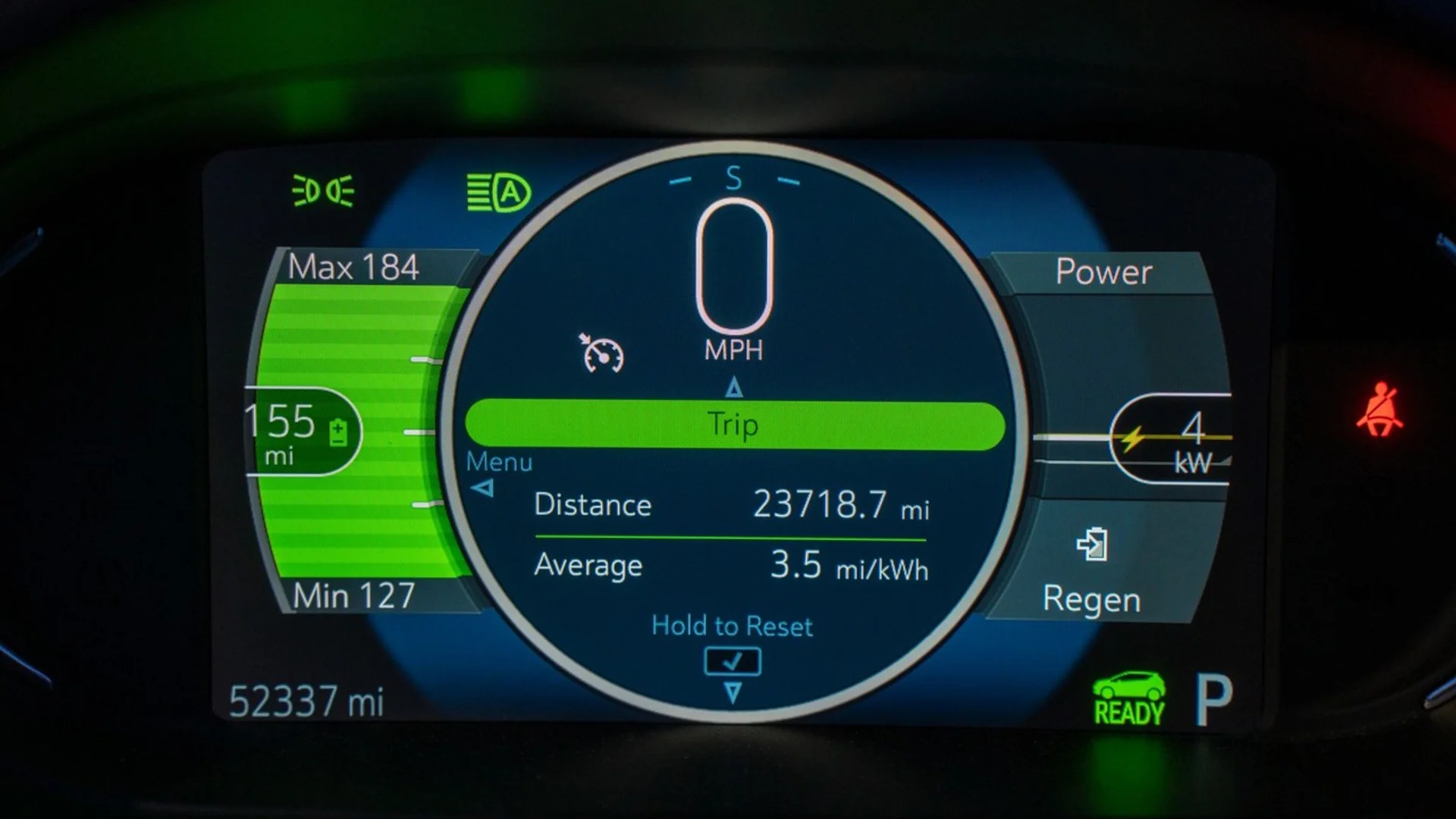
Why Cold Weather Cuts EV Range, the Real Reasons

New or Used EV: Which Is the Smarter Buy in 2026?
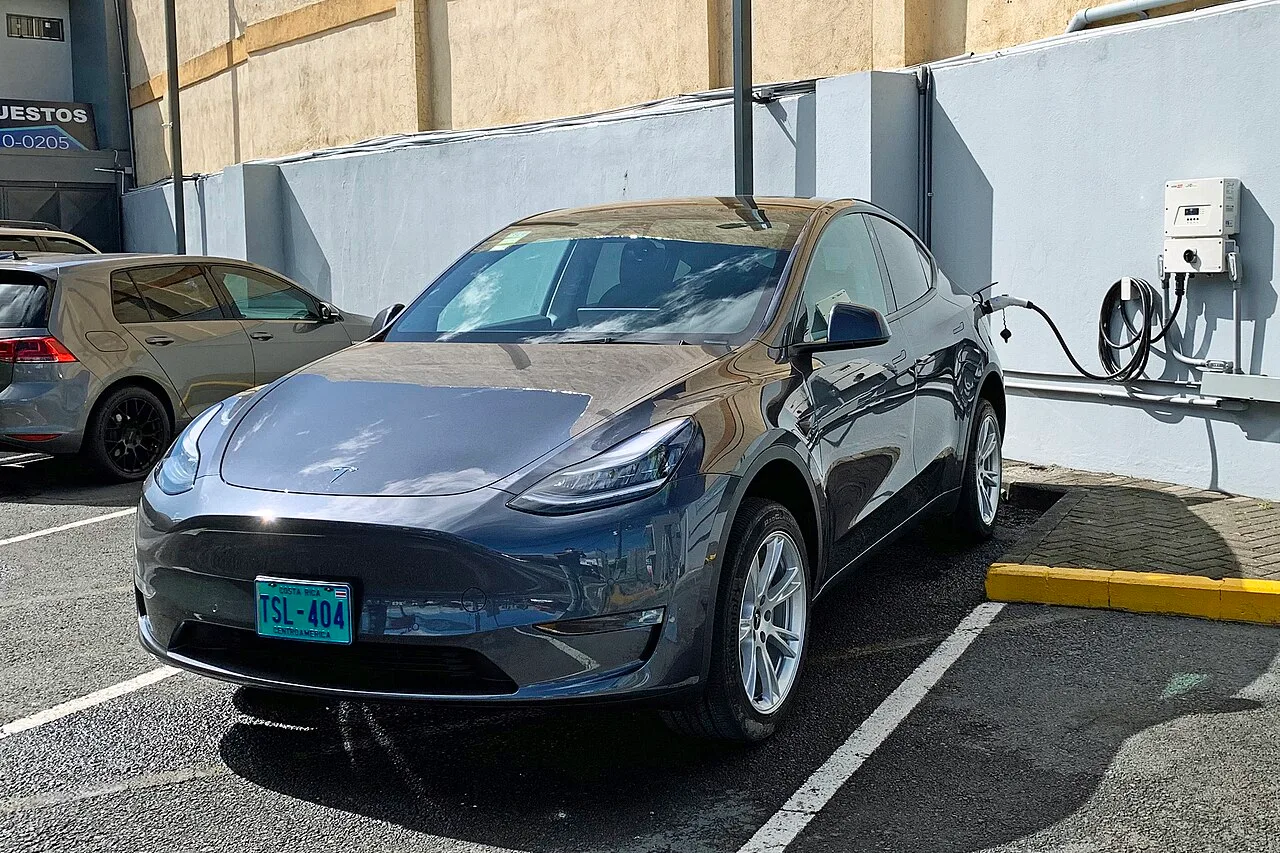
Tesla Model Y vs Toyota RAV4: 5-Year Cost Canada
Used EV Warranty Check: What to Verify in Canada