
Your EV came with a trickle charger rated for 120V. It added 60 km overnight. That is not a solution, it is a reminder that the box in your trunk was designed for a world where you drove 40 kilometres a day and never left the city. For the Canadian driver who rents, lives in a condo, or just does not want to pay an electrician $900 to pull a 240V line to the garage, the real answer is a dual-voltage portable EVSE. The price band for a credible unit lands between $220 and $550 CAD. The wall-mounted alternative lands between $700 and $1,200 CAD installed. Those two numbers are the entire argument.
Key takeaways
- Grizzl-E Duo leads at $495–$550 CAD with a -46°C rating no competitor on this list matches.
- BC Hydro pays $350 and Hydro-Québec pays up to $600 for CSA-listed portable units, Ontario has nothing.
- Your panel's breaker capacity, not the charger's label, determines the amps you actually get.
- NACS vehicles like 2026 Equinox EV need a J1772 adapter with any portable on this list.
- Cables under 7.5 metres will regularly strand you with the port on the wrong side of the car.
Why Portable Changes the Math for Canadian Drivers
The hardwired wall unit is the default recommendation in every Canadian EV guide, and for a specific slice of buyers, single-family homeowners, long tenure, high daily kilometres, it is still the right call. For everyone else, it is a $1,000 object bolted to a wall you do not own.
Rental agreements routinely prohibit permanent electrical modifications. Condo boards treat garage wiring as common property and move at the pace common property tends to move. Multi-tenant parking spots rotate between residents. In each of these situations the portable EVSE is not the compromise option. It is the only legal path to Level 2 charging. A dual-voltage portable unit plugs into a standard 120V outlet for overnight trickle and into a NEMA 14-50 (dryer-style) outlet for Level 2 speed, which means the charger moves with you and the outlet is the only thing an electrician ever touches.
The portability premium is real but bounded. The hardware is commodity, not exotic, and the $200–$400 band for a competent unit reflects that. What you pay extra for, when you pay extra, is cold-weather certification and cable length. Both of those matter more in Canada than any smart-app feature on the box.
Gear worth having
As an Amazon Associate, ThinkEV earns a small commission from qualifying purchases — at no extra cost to you.

Lectron Level 2 J1772 Charger (40A, WiFi)
Smart WiFi charger with real-time energy monitoring. 40A / 9.6 kW, J1772 with a NEMA 14-50 plug, schedule charging right from your phone.
As an Amazon Associate, ThinkEV earns from qualifying purchases — at no extra cost to you.
The Number on the Box Is the Ceiling; Your House Decides the Floor
A 40A portable plugged into a 40A breaker charges at 32A, continuously, the Canadian Electrical Code derates continuous loads to 80% of breaker capacity, and the charger obeys. If your panel supports a 50A breaker, you get the full 40A. If it supports a 30A breaker, your 40A charger charges at 24A and you paid for 16 amps you cannot use. Before you buy on amperage, call an electrician about your panel. The $150 you spend on that call is the single highest-ROI step in this entire exercise.
The connector question is simpler than the industry made it look. J1772 is universal for every non-Tesla EV sold in Canada through 2025. Vehicles delivered on the NACS connector from the factory, the 2026 Chevy Equinox EV, the Silverado EV, select Ford models, every Tesla, need a J1772 adapter to use any portable unit on this list, and most either ship with one or sell one as an accessory. Dual-head portable units exist but command a $100–$150 premium. The adapter route is cheaper and loses nothing in charge speed.
Cable length matters more than Americans think it does. Canadian garage layouts are built around the furnace, the hot-water tank, and whatever got installed in 1987. 7.5 metres is the practical minimum; 5-metre cables will strand you at the outlet with the port on the wrong side of the vehicle more often than not. CSA or ETL certification is non-negotiable for home-insurance coverage and for every provincial rebate program on the Canadian market. Check the certification before the price.
The Four Portables Worth Buying in Canada
The field narrows faster than the Amazon search results suggest. Four units survive the Canadian filter, cold rating, cable length, certification, rebate standing. Here is the ranked verdict.
Grizzl-E Duo, the default pick. 7.6 kW maximum (32A), switches to 16A on a 120V outlet, 7.5-metre cable, $495–$550 CAD. Built in Ontario by United Chargers, CSA-listed, carries a -46°C operating rating. The reason it leads is boring: nothing else on the Canadian market certifies to that temperature band, and most of the country spends part of January below the certification threshold of its competitors. CSA listing means it qualifies on both the BC Hydro and Hydro-Québec approved-equipment registries. For the Canadian-climate performance that separates winter-capable hardware from the rest of the field, the Level 2 ranking covers it in detail.
Gear worth having
As an Amazon Associate, ThinkEV earns a small commission from qualifying purchases — at no extra cost to you.
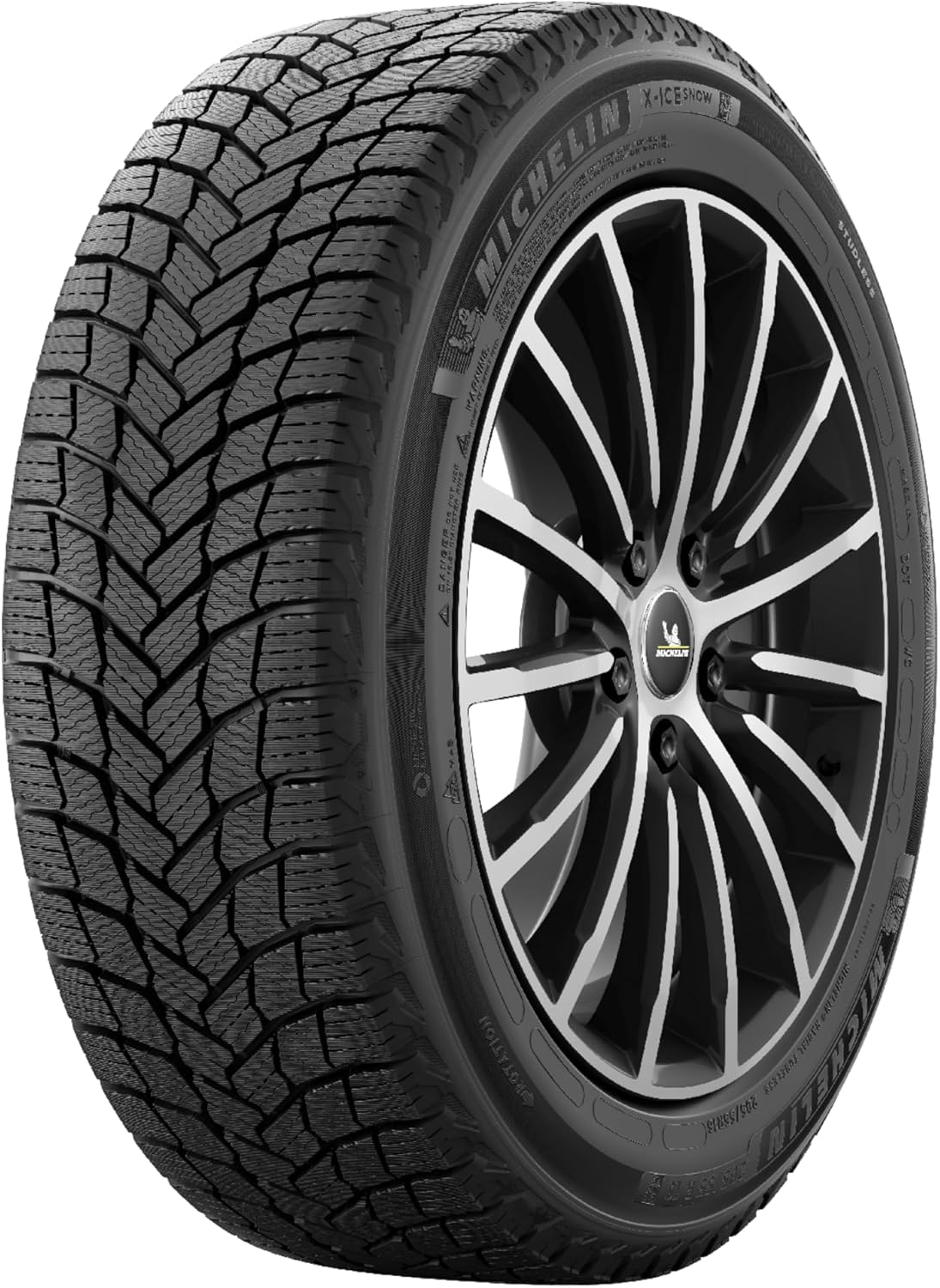
Michelin X-Ice Snow Tires (EV-rated)
EV-specific winter tires with low rolling resistance that recover up to 15 percent of cold-weather range. Mandatory in Quebec, smart everywhere else.
As an Amazon Associate, ThinkEV earns from qualifying purchases — at no extra cost to you.
Lectron V-BOX 40A, the fastest portable on the market. 9.6 kW nominal output (40A), -30°C operating rating, $450–$520 CAD. The company manufactures EV chargers, including home charging stations and portable chargers, as well as electric vehicle accessories, this is the one to look at if you need the fastest overnight recovery and your parking spot stays above -30°C. Retail presence in Canada is thinner than Grizzl-E's, most units ship from US fulfilment, which complicates CSA-registry claims on provincial rebates. Confirm the registry status the week you buy, not the month you plan.
ChargePoint Home Flex, the smart-app pick. 9.6 kW (40A), -25°C operating rating, 7.3-metre cable, 11 kilograms, $799 CAD. It can be ordered with a NEMA 14-50 plug and treated as portable, but with a wall bracket in the box, it is really a semi-permanent unit a landlord might tolerate. The -25°C floor is the weakest cold spec on this list, fine for coastal BC and most of southern Ontario, marginal for Prairie users and off-table for anywhere north of Winnipeg in a cold snap. CSA-listed and present on the BC Hydro and Roulez vert registries, so it clears provincial rebate eligibility in the two provinces that still pay one. The smart-app layer is the best in class. The price is 60% higher than the Grizzl-E.
Generic 16A dual-voltage units, light-use only. 3.8 kW (16A), cold-weather data unspecified on most SKUs, $220–$280 CAD. Acceptable for a driver covering under 60 km a day who needs occasional 240V top-ups. Vehicles delivered on the NACS connector need a J1772 adapter at $70–$100, which applies to the generics the same way it applies to the premium units above, unless you buy a dual-head configuration from the start.
Gear worth having
As an Amazon Associate, ThinkEV earns a small commission from qualifying purchases — at no extra cost to you.

Grizzl-E Classic Level 2 EV Charger (40A)
Canadian-made and rated for minus 40C winters. 40A / 9.6 kW, NEMA 14-50, indoor/outdoor, 24-ft cable. The charger built for Canadian weather.
As an Amazon Associate, ThinkEV earns from qualifying purchases — at no extra cost to you.
Rebates, EVAP Rules, and What the Program Won't Cover
The federal rebate picture changed in February 2026 and the charger picture did not. EVAP (Electric Vehicle Availability Program) replaced iZEV and pays up to $5,000 on the vehicle. Neither EVAP nor iZEV before it covered charging hardware. Chargers have always been provincial territory. The confusion is understandable, the two programs sit at adjacent desks at NRCan, but the practical answer is clean: your charger is on the province.
BC Hydro's residential charger rebate pays $350 toward a Level 2 unit from its approved-equipment list. Hydro-Québec's Roulez vert program pays up to $600 for a home charger, again gated by an approved-equipment registry. Portable units qualify in both provinces when they are CSA-listed, which the Grizzl-E Duo and the ChargePoint Home Flex both are. The Lectron V-BOX's status on the BC and Quebec registries has moved around; confirm it the week you buy, not the month you plan.
Ontario cut its charger rebate in 2024 and has not reinstated it. Alberta has never had one. The Prairie provinces run small utility-level pilots that come and go. For a buyer in Ontario or Alberta, the full ticket on a $500 portable unit is the full $500, treat the rebate math as a BC/Quebec-only exercise and you will not be disappointed anywhere else.
Gear worth having
As an Amazon Associate, ThinkEV earns a small commission from qualifying purchases — at no extra cost to you.

Portable Level 2 EV Charger (40A, NEMA 14-50)
Throw it in the trunk and charge anywhere with a 240V outlet. 40A portable with NEMA 14-50 plug. Your road-trip insurance policy.
As an Amazon Associate, ThinkEV earns from qualifying purchases — at no extra cost to you.
When Portable Is the Wrong Answer
Portable is a flexibility premium. If you do not need the flexibility, you are paying it for nothing. A driver covering more than 150 kilometres a day in a long-range vehicle, a Chevrolet Bolt owner's commute does not stress a 32A overnight window, but a Silverado EV owner's does, will exhaust the overnight recovery of a 32A portable on back-to-back high-use days. Hardwired 48A and 80A units recover 2–3× faster. For a daily driver running the battery to 20% and back to 80% every day, the electrician's bill breaks even inside 18–24 months.
Shared parking without a dedicated outlet makes the portable charger academic. The outlet problem precedes the charger choice, and no amount of good hardware fixes a parking stall with no 240V service. If that is your situation, the first conversation is with building management, not with Amazon. For the apartment and condo buyer, the condo-and-apartment charging guide walks through the outlet politics in more detail.
If you own your home and plan to stay in it: get the wall unit. The $700–$1,200 CAD installed cost beats the portable on recovery speed, on cable management, and on the one metric nobody budgets for, which is how often you want to coil 7.5 metres of thick cable before bed. Portable is the right call for everyone who does not fit that profile, and in a country where the average Canadian moves every seven years and the condo share of new builds keeps climbing, that is most of the market. The Grizzl-E Duo at $495–$550 is where I would put the first $550.
Gear worth having
As an Amazon Associate, ThinkEV earns a small commission from qualifying purchases — at no extra cost to you.

ChargePoint Home Flex Level 2 Charger (50A)
Premium 50A / 12 kW charger with the best app ecosystem. Hardwired or NEMA 14-50, with real-time energy tracking and smart scheduling.
As an Amazon Associate, ThinkEV earns from qualifying purchases — at no extra cost to you.

Founder & Chief Editor
Vlad Pereira is the founder and chief editor of ThinkEV.ca, the Canadian electric-vehicle publication he writes and edits from Courtenay, British Columbia. He covers EV pricing, federal and provincial rebates, charging costs, and the Chinese manufacturers now entering Canada, from the buyer's side rather than the press-fleet side. ThinkEV is a venture of Vlad Pereira Online; his writing on health, income and the long game lives at vladpereira.com.
Frequently asked questions
Do portable EV chargers qualify for provincial rebates in Canada?
Will a portable charger work with my NACS-connector vehicle?
What outlet does a dual-voltage portable actually need?
Why does my panel matter before I choose an amperage rating?
How cold does it have to get before a portable charger fails?
More EV & road-trip finds
Affordable upgrades worth a look — tap any to check the price on Amazon.
 ★ 17,839
Qifutan Vent Phone Mount (Military-Grade Clip)
View on Amazon ★ 8,681
Chemical Guys Complete Car Wash Kit
View on Amazon ★ 55
LED Car Door Logo Projector Light
View on Amazon ★ 4,055
6-Speed Manual Shift Knob Display
View on Amazon ★ 865
Collapsible Trunk Organizer
View on Amazon ★ 1,866
70mai A810 4K Dual Dash Cam
View on Amazon ★ 61
Toddler Car Seat Snack and Cup Tray
View on Amazon ★ 68
WeatherTech FloorLiner for Tesla Model 3
View on AmazonRead, Plan, Then Stay Current
Explore our expert articles to understand incentives and ownership costs, use the map to pressure-test charging reality, then subscribe so new EV coverage comes straight to you.
Continue Reading
The Best Electric SUVs in Canada (2026): Ranked by Value

Workplace EV Charging Canada 2026: Employer Guide

Longest-Range Electric Cars You Can Buy in Canada (2026)
Tesla Model Y vs Toyota RAV4: 5-Year Cost Canada
Dodge Charger Daytona vs Tesla Model 3 Performance
