Key takeaways
- No Canadian resale data exists yet for Chinese EVs, BYD, Chery, and others have not been on Canadian roads long enough to generate a used market.
- BYD depreciation in Australia and the UK over 2–3 years has settled in the 50–60% residual range, comparable to mid-tier established brands and to Tesla's own three-year retention.
- BYD's LFP Blade Battery degrades more slowly than NMC and tolerates frequent full charges, and used EVs with documented battery health above 85–90% command a price premium.
- Canadian insurers have no actuarial data on Chinese EV repair costs or claim frequency, which typically adds a risk premium to early-adopter rates.
A Chinese EV can save you ten to fifteen thousand dollars at purchase. That is not a small number. For a lot of Canadian buyers, that gap between a BYD Seal and a Tesla Model 3, or between a Chery Omoda E5 and a Hyundai Ioniq 6, is the entire decision. Buy the cheaper one, pocket the difference, move on. But here is the question nobody asking that question has answered yet: what does the cheaper car cost you when you try to sell it?
This guide covers the full financial picture across a three to five year ownership cycle, with honest acknowledgement of what we know, what we do not know, and what to watch for before signing anything.
The Resale Value Unknown
There is no Canadian resale data for Chinese EVs. None. This is not a gap in my research, it is a gap in reality. BYD, Chery, and the other Chinese brands entering the Canadian market have not had vehicles on Canadian roads long enough to generate a used market. There are no auction results, no Black Book valuations, no CarFax comps. If anyone tells you they know exactly what a 2026 BYD Seal will be worth in 2029, they are guessing.
That does not mean we have nothing to work with. It means we have to be careful about which signals we trust and which we discount.
What International Data Tells Us
The UK and Australia are the two markets most worth examining. Both are developed markets with competitive EV sectors, mature used-car infrastructure, and consumers who do their homework. BYD has had meaningful sales in both since 2022 and 2023.
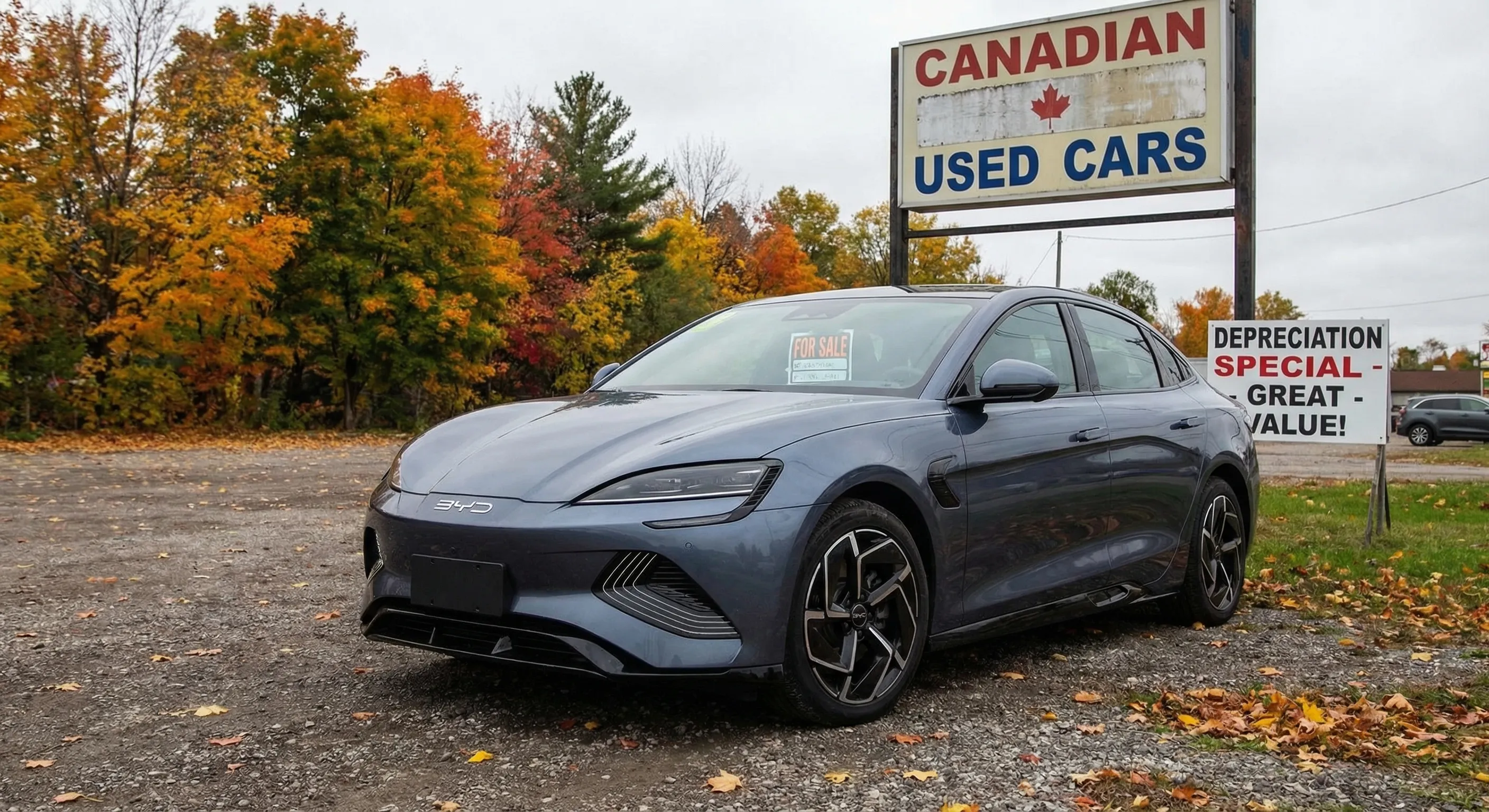
The early signal from those markets is that BYD depreciation is not catastrophic. Two to three year residual values for the BYD Atto 3 in Australia have settled in the 50 to 60 percent range of original purchase price, comparable to, not dramatically worse than, established brands. UK data on the BYD Seal is thinner because sales started later, but early auction results have not shown the cliff-drop that some analysts predicted.
The more instructive comparison may actually be what happened to Hyundai and Kia when they entered Canada as "cheap Korean cars" in the 1990s. Their early resale values were punishing. It took years of reliability data and expanded dealer networks before the used market stopped discounting them heavily. Hyundai and Kia EVs now hold 45 to 55 percent of their value over three years in Canada, solid numbers. That recovery took roughly a decade. Chinese EV brands may follow the same arc. Or they may not. We are at the beginning of the curve, not the end.
The Five Factors That Will Determine Resale
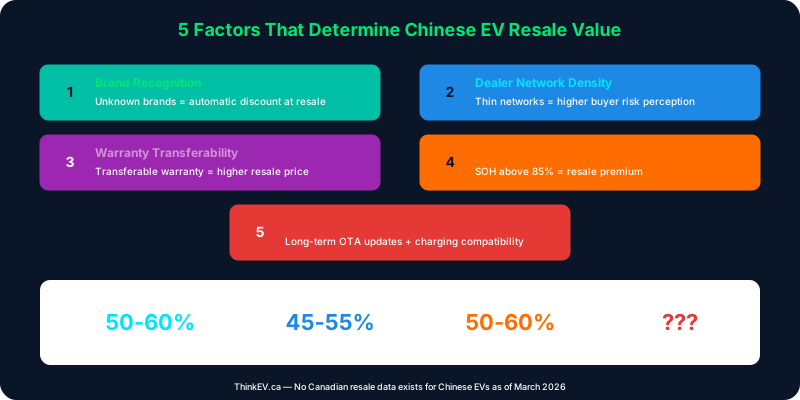
Five factors will determine whether a Chinese EV holds value or gets punished at trade-in.
Brand recognition and consumer trust. This is the hardest one to predict and the most important one. Tesla's resale premium, 50 to 60 percent three-year residual, does not come from the cars being objectively superior in every respect. It comes from name recognition, charging infrastructure, and the fact that every used-car buyer knows what a Tesla is. A used BYD Seal in 2029 will be evaluated by buyers who may never have heard of the brand.
Dealer network density. A used-car buyer in Kamloops or Moncton wants to know that if something goes wrong with the vehicle, they can get it fixed without shipping it across the country. Thin dealer networks create a discount. Chinese brands entering Canada currently have limited dealer footprints. That will change, but how fast matters enormously.
Warranty transferability. This is a critical detail that is still unresolved for most Chinese EV brands in Canada. If the factory warranty transfers to a second owner, it substantially improves resale value. If it does not transfer, that is a real dollar discount on the used sale price.
Gear worth having
As an Amazon Associate, ThinkEV earns a small commission from qualifying purchases — at no extra cost to you.
NOCO Boost Plus GB40 Jump Starter
A 1000A lithium jump starter that fits in your glovebox and works on any 12V battery. Your insurance against a dead 12V in a parking lot.
As an Amazon Associate, ThinkEV earns from qualifying purchases — at no extra cost to you.
Battery health documentation. The used EV market is maturing, and battery health certificates are becoming a meaningful factor. A vehicle with a documented battery state-of-health above 85 or 90 percent commands a premium. Brands that make battery health documentation easy and transparent will see a resale benefit.
Charging infrastructure compatibility. CCS1 is the Canadian standard, and most Chinese EVs are CCS1 compatible. But the question of over-the-air software longevity, will the car receive updates in five years, will the charging network integrations still function, is real.
Battery Chemistry Advantage
BYD's use of Lithium Iron Phosphate chemistry in its Blade Battery is genuinely relevant to the long-term resale question. NMC batteries degrade faster in the first few years of ownership. They are more energy-dense, but more chemically active and more sensitive to charging habits and temperature extremes. LFP batteries degrade more slowly, tolerate frequent full charges without the same penalty, and are more stable across a wide temperature range.

What this means for resale: a 2026 BYD Seal with Blade Battery technology should show better battery health in 2029 than a comparable NMC-equipped vehicle. Better battery health means less of a discount at used sale. If the Canadian used EV market develops battery health transparency, and I think it will, LFP chemistry will show up as a real resale advantage.
The caveat is that LFP batteries typically offer lower range per kilowatt-hour. Buyers who are primarily range-focused may still discount LFP-equipped vehicles regardless of battery health.
Insurance and Total Cost of Ownership
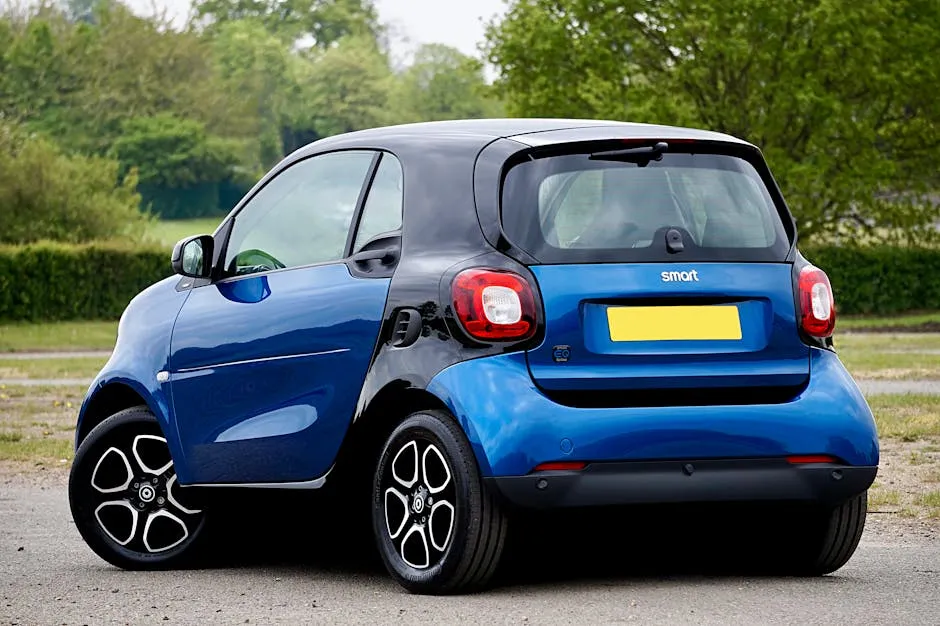
Here is something that has not gotten enough attention: insurance. Canadian insurers have essentially no actuarial data on Chinese EV repair costs, parts availability, or claim frequency.
When insurers do not have data, they add a risk premium to the rate. In the early months of Chinese EV availability in Canada, you should expect some insurers to apply higher premiums specifically because they cannot price the risk accurately. Getting quotes from multiple insurers before you commit to a purchase is essential.
Parts costs are the other variable. A minor collision that would be a quick and cheap fix on a common vehicle can become a months-long ordeal with an uncommon one. That is not unique to Chinese EVs, any low-volume brand carries this risk, but it is something buyers need to price in explicitly.
Gear worth having
As an Amazon Associate, ThinkEV earns a small commission from qualifying purchases — at no extra cost to you.

Grizzl-E Classic Level 2 EV Charger (40A)
Canadian-made and rated for minus 40C winters. 40A / 9.6 kW, NEMA 14-50, indoor/outdoor, 24-ft cable. The charger built for Canadian weather.
As an Amazon Associate, ThinkEV earns from qualifying purchases — at no extra cost to you.
Lease vs. Buy Strategy
Given all of this uncertainty, the lease versus buy question for Chinese EVs has a clearer answer than it does for established brands: lease first, buy when you have data.
When you lease, the residual value risk transfers to the manufacturer or the finance company. You pay for depreciation up to the guaranteed residual, but if the actual market value in 2029 is lower than the residual projected in 2026, that loss is not yours to absorb.
Buying makes more sense if you are planning a long ownership cycle, seven to ten years, and care more about the low purchase price and LFP durability than the exit value. If you intend to drive the vehicle until it can't drive anymore, depreciation is largely irrelevant.
The worst strategy is to buy a Chinese EV in 2026, plan to sell it in 2028, and assume it will behave like a Hyundai in the used market. That assumption has no data behind it.
Gear worth having
As an Amazon Associate, ThinkEV earns a small commission from qualifying purchases — at no extra cost to you.
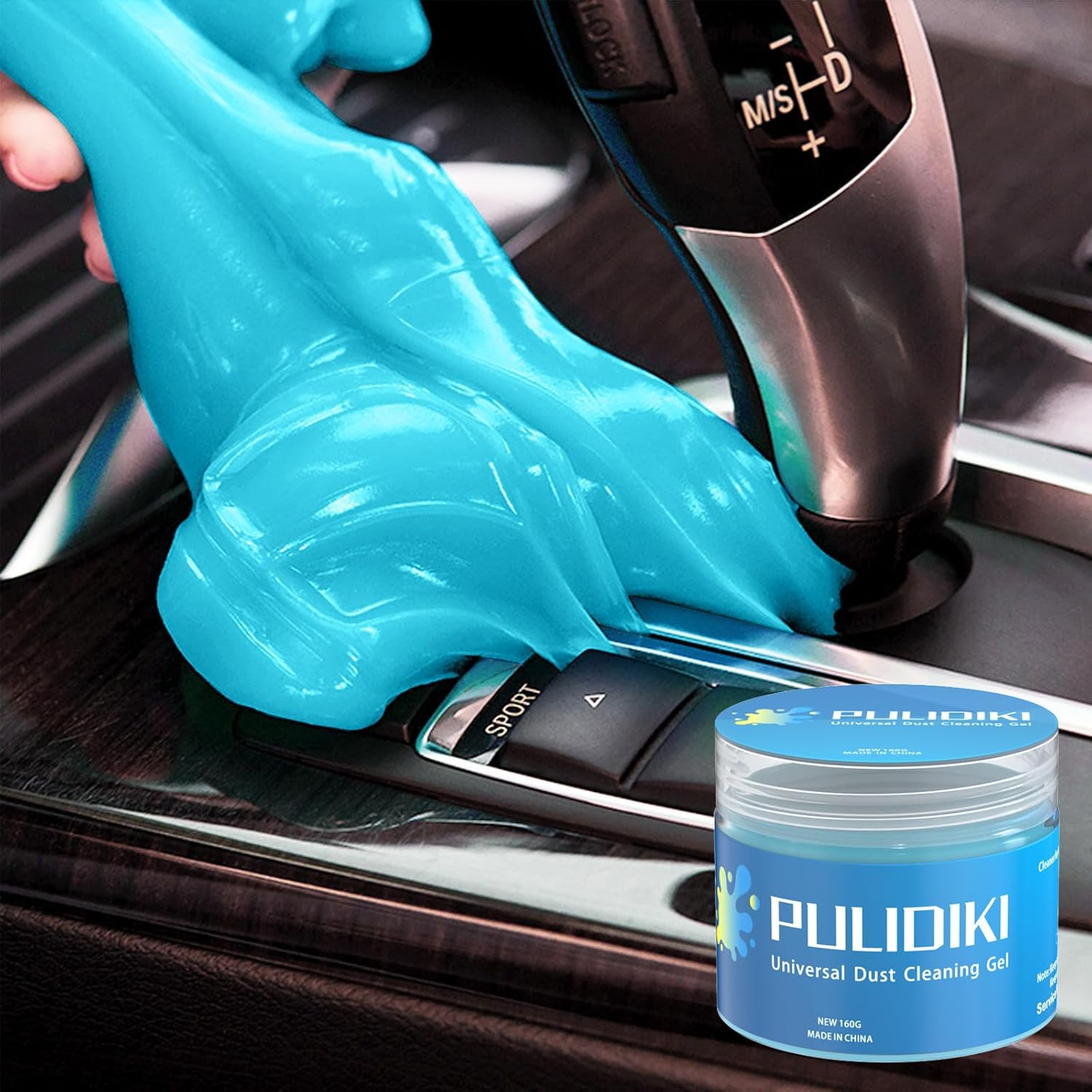
PULIDIKI Car Cleaning Gel (Detailing Putty)
Press it into vents, buttons, and seams and it lifts out dust you did not know was there. Weirdly satisfying, genuinely useful.
As an Amazon Associate, ThinkEV earns from qualifying purchases — at no extra cost to you.
Related Reading
- EV Resale Values Canada 2026 Trends, How the broader Canadian EV resale market is developing
- Used EV Market Explosion Canada, Understanding the growing used EV market
- Chinese EV Warranty Guide, Warranty transferability and its impact on resale
Gear worth having
As an Amazon Associate, ThinkEV earns a small commission from qualifying purchases — at no extra cost to you.

WixGear Magnetic Air Vent Phone Mount (2-Pack)
A magnet strong enough that your phone never flinches over potholes or rail crossings. Two in the box, one for each car.
As an Amazon Associate, ThinkEV earns from qualifying purchases — at no extra cost to you.

Founder & Chief Editor
Vlad Pereira is the founder and chief editor of ThinkEV.ca, the Canadian electric-vehicle publication he writes and edits from Courtenay, British Columbia. He covers EV pricing, federal and provincial rebates, charging costs, and the Chinese manufacturers now entering Canada, from the buyer's side rather than the press-fleet side. ThinkEV is a venture of Vlad Pereira Online; his writing on health, income and the long game lives at vladpereira.com.
Frequently asked questions
Will BYD hold its value in Canada?
Should I lease or buy a Chinese EV?
Does battery type affect resale value?
Will Chinese EVs be cheaper to insure in Canada?
When will actual Canadian used Chinese EV data exist?
More EV & road-trip finds
Affordable upgrades worth a look — tap any to check the price on Amazon.
 ★ 8,681
Chemical Guys Complete Car Wash Kit
View on Amazon ★ 164
★ 164Solar-Powered LED Ambient Light
View on Amazon ★ 4,626
HoogaLife Hanging Car Diffuser (2-Pack)
View on Amazon ★ 27,769
Car Cup Holder Coasters (4-Pack)
View on Amazon ★ 1,944
VIOFO A229 Pro 4K Dash Cam
View on Amazon ★ 87
★ 87Car Window Sun Shades for Kids (4-Pack)
View on Amazon ★ 68
★ 68WeatherTech FloorLiner for Tesla Model 3
View on Amazon ★ 2,941
Microfiber Cleaning Cloths (Multi-Pack)
View on AmazonRead, Plan, Then Stay Current
Explore our expert articles to understand incentives and ownership costs, use the map to pressure-test charging reality, then subscribe so new EV coverage comes straight to you.
Continue Reading
Should I Wait for BYD to Come to Canada?
Chinese EVs in Canada: Security Politics vs Value
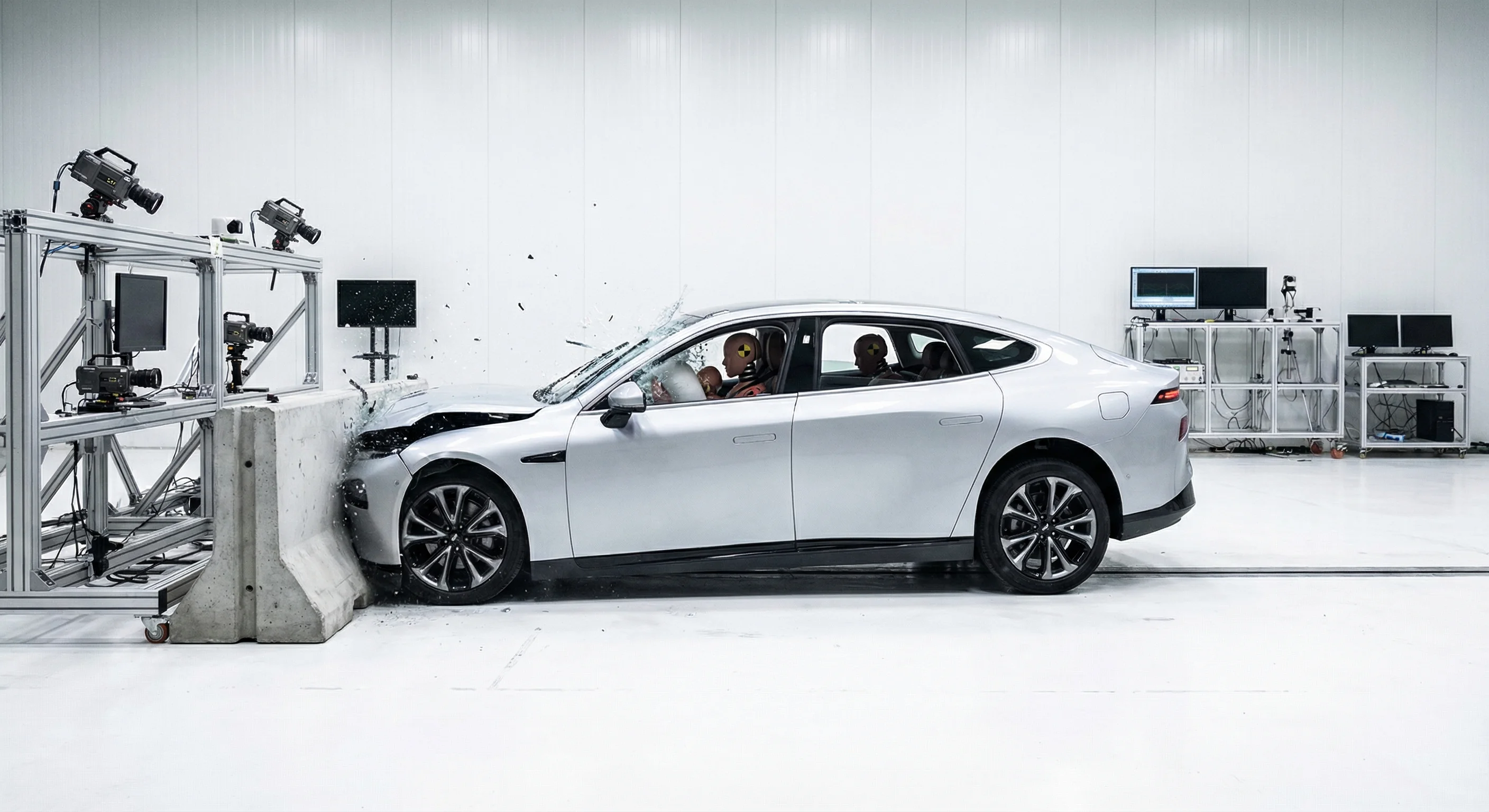
Are Chinese EVs Safe? What Euro NCAP Ratings Show
What BYD's Solid-State Battery Means for Canada

Norway's -27C Winter EV Test: Chinese Cars Beat Tesla