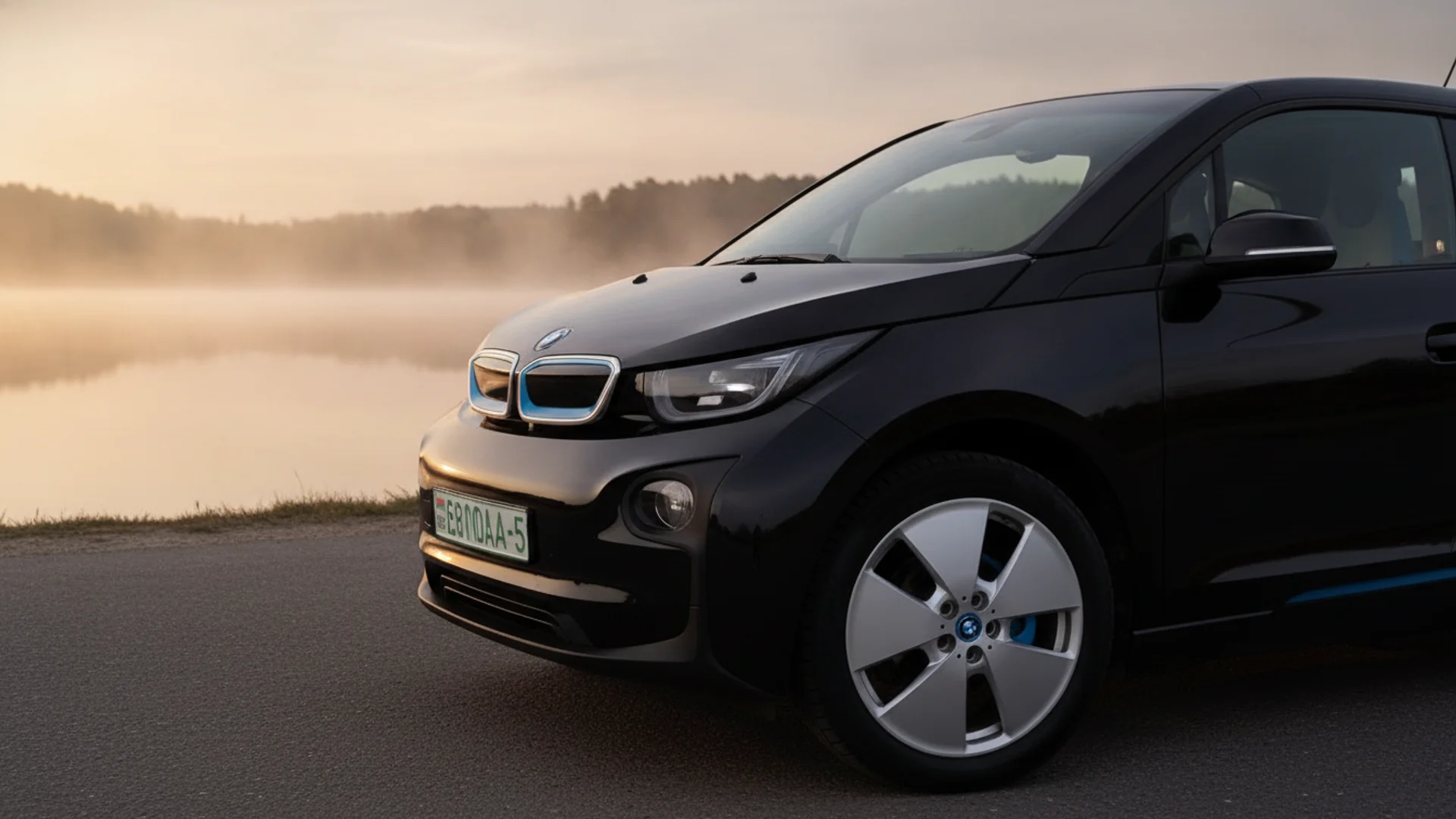
North Cape to Tarifa: 5,886.7 kilometres, eight countries, two hours, 45 minutes and 54 seconds of charging. The previous record fell by more than seven hours. The car doing the work was the new BMW i3 50 xDrive, and the number worth staring at is not the distance, it is the charging total.
Key takeaways
- BMW's i3 50 xDrive crossed Europe on 2 hours, 45 minutes, and 54 seconds of total charging time.
- The seven-hour margin over the previous record came from two compounding numbers: 400 kW peak DC charging and 12.5 kWh/100 km real-world consumption.
- Canada's fast-charging network tops out at 150–350 kW; the i3's 400 kW capability has no matching stalls here yet.
- Five miles per kWh across 5,886 km of Arctic-to-Gibraltar terrain is a measured road result, not a dyno estimate.
- The Paneuropeana tests minimum charging time over a fixed route, a more honest long-distance EV benchmark than top-speed runs.
What The i3 50 xDrive Actually Did Across Eight Countries
The event is called the Paneuropeana, and its aim isn't to go the fastest, but to minimize the total time spent charging. The legs and certain crossing points are predetermined; the charging stations chosen along the way are not. That distinction matters. This is not a top-speed stunt or a cannonball attempt. It is a test of how little time a car has to spend plugged in to cover a continent, which is a more honest proxy for what long-distance EV ownership actually feels like.
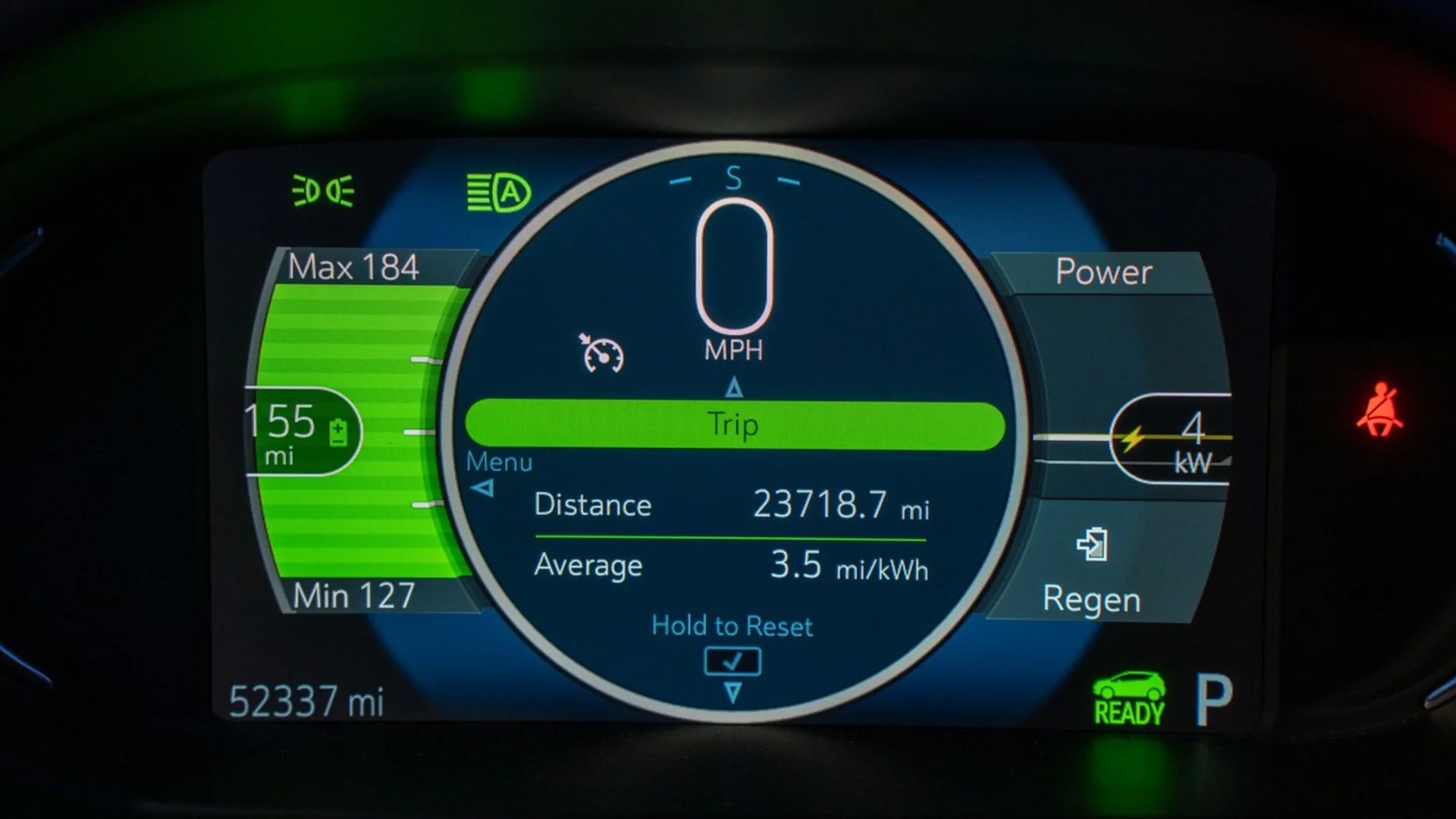
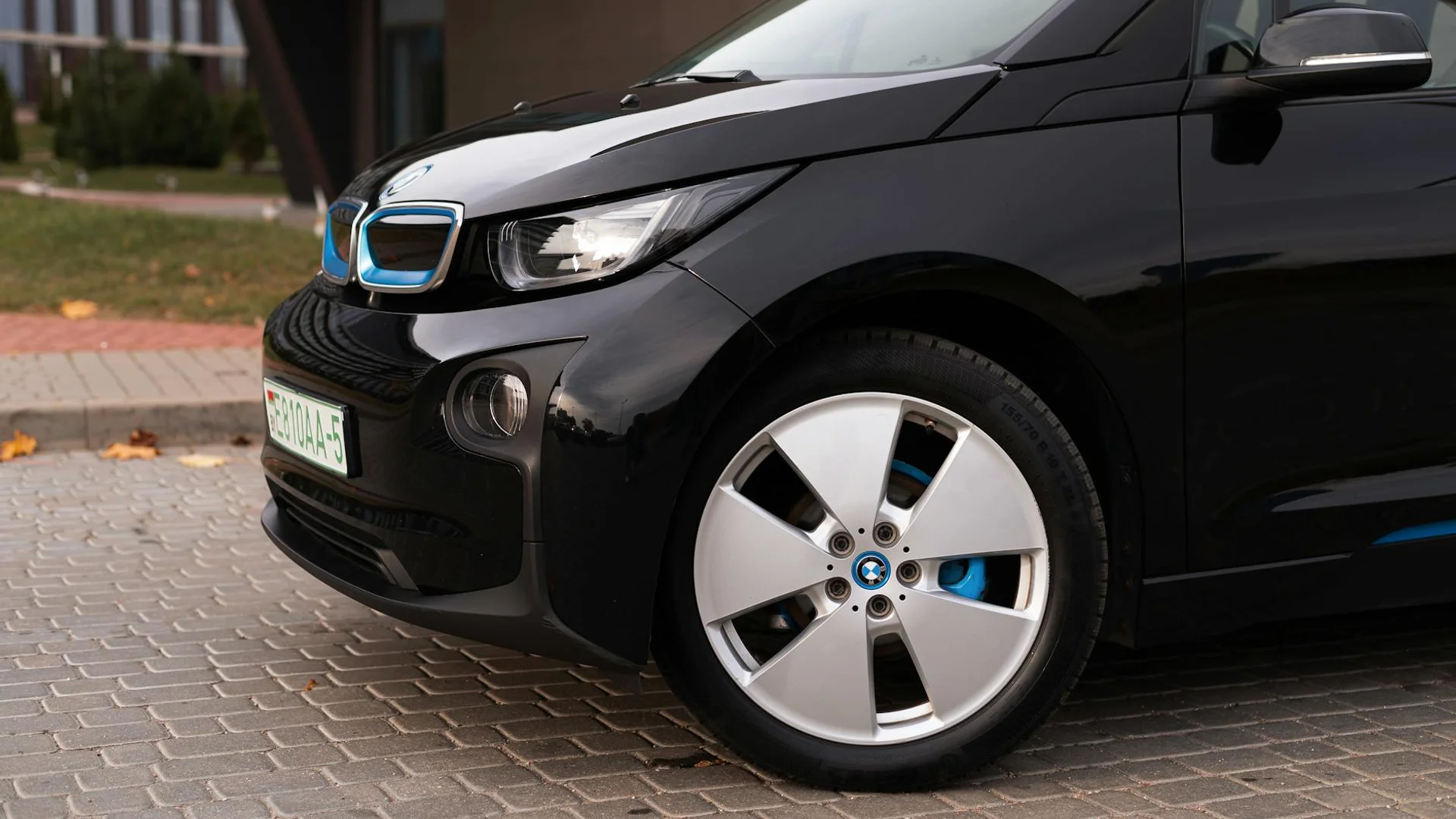
BMW's new i3 sedan drove from Norway's North Cape to Spain's southern tip, through eight countries, on less than three hours of total charging for a new record. The spec sheet behind the run is useful: . The 2027 BMW i3 50 xDrive carries a 108.7 kWh battery, DC fast charging up to 400 kW, up to 567 miles of WLTP range, about 463 horsepower and 476 lb-ft from two motors, and ran at roughly 5 miles per kWh, 12.5 kWh per 100 km.
Five miles per kWh over a motorway-heavy route from the Arctic Circle to the Strait of Gibraltar is the quietly extraordinary number here. WLTP is a European standard. Canada is not Europe, in several relevant respects. But the efficiency figure was measured on the actual run, not estimated on a dyno, and 12.5 kWh/100 km across 5,886 kilometres of mixed temperatures and terrain is a real-world result.
Gear worth having
As an Amazon Associate, ThinkEV earns a small commission from qualifying purchases — at no extra cost to you.

Lectron Level 2 J1772 Charger (40A, WiFi)
Smart WiFi charger with real-time energy monitoring. 40A / 9.6 kW, J1772 with a NEMA 14-50 plug, schedule charging right from your phone.
As an Amazon Associate, ThinkEV earns from qualifying purchases — at no extra cost to you.
Gear worth having
As an Amazon Associate, ThinkEV earns a small commission from qualifying purchases — at no extra cost to you.

TP-Link Kasa Smart Plug with Energy Monitoring
Track exactly how much electricity your Level 1 charger uses and schedule it for off-peak hours. Know your real cost per kWh.
As an Amazon Associate, ThinkEV earns from qualifying purchases — at no extra cost to you.
Seven Hours Isn't A Margin, It's A Different Category Of EV
Beating a charging-time record by seven hours is not a refinement. It is a step-change, and the mechanism is two numbers compounding: the 400 kW peak DC rate and the sub-13 kWh/100 km consumption. You pull energy in faster, and you spend less of it between stops.
For context on where the rest of the market sits, the Hyundai Ioniq 6 reaches 80% in 18 minutes at 230 kW, and the Lucid Air can sustain 300 kW long enough to add 520 km in 20 minutes. A 400 kW peak puts the i3 above both ceilings, assuming a charger that can deliver it. Canada's DC fast-charging network is still built around 150–350 kW hardware; 400 kW stalls are a 2027 problem here, not a 2026 one. The car is ahead of the infrastructure, which is the opposite of the usual complaint.
The Paneuropeana result also reframes how to read fast-charging spec sheets more generally. Peak kW is the headline; the sustained curve, the taper, and the vehicle's consumption between stops are what actually determine trip time. BMW optimised all three, and the margin shows.
Gear worth having
As an Amazon Associate, ThinkEV earns a small commission from qualifying purchases — at no extra cost to you.

Grizzl-E Classic Level 2 EV Charger (40A)
Canadian-made and rated for minus 40C winters. 40A / 9.6 kW, NEMA 14-50, indoor/outdoor, 24-ft cable. The charger built for Canadian weather.
As an Amazon Associate, ThinkEV earns from qualifying purchases — at no extra cost to you.
Gear worth having
As an Amazon Associate, ThinkEV earns a small commission from qualifying purchases — at no extra cost to you.

ChargePoint Home Flex Level 2 Charger (50A)
Premium 50A / 12 kW charger with the best app ecosystem. Hardwired or NEMA 14-50, with real-time energy tracking and smart scheduling.
As an Amazon Associate, ThinkEV earns from qualifying purchases — at no extra cost to you.
What The Number Tells A Canadian Buyer
The i3 50 xDrive will not arrive in Canada with 400 kW chargers waiting for it, and the WLTP range will not survive a prairie winter intact. Both of those are true. Neither changes the underlying point: the premium end of the segment is now shipping efficiency and charging speed together, not as a trade-off. The number to watch in 2027 is whether the mid-market follows, and whether Electrify Canada, FLO, or IONNA upgrades a single corridor to match.
Gear worth having
As an Amazon Associate, ThinkEV earns a small commission from qualifying purchases — at no extra cost to you.

Magnetic EV Charger Plug Cover
A magnetic cap that keeps rain, road salt, and grit out of your home charger handle between sessions.
As an Amazon Associate, ThinkEV earns from qualifying purchases — at no extra cost to you.

Founder & Chief Editor
Vlad Pereira is the founder and chief editor of ThinkEV.ca, the Canadian electric-vehicle publication he writes and edits from Courtenay, British Columbia. He covers EV pricing, federal and provincial rebates, charging costs, and the Chinese manufacturers now entering Canada, from the buyer's side rather than the press-fleet side. ThinkEV is a venture of Vlad Pereira Online; his writing on health, income and the long game lives at vladpereira.com.
Frequently asked questions
Will the BMW i3 50 xDrive actually come to Canada?
Can any Canadian charger actually deliver 400 kW today?
How much does real-world winter cold cut into that efficiency?
How does the 400 kW rate compare to what's available now?
Is 5,886 km on under three hours of charging realistic to replicate?
More EV & road-trip finds
Affordable upgrades worth a look — tap any to check the price on Amazon.
 ★ 268
Anti-Slip Leather Steering Wheel Cover
View on Amazon ★ 8,681
Chemical Guys Complete Car Wash Kit
View on Amazon ★ 419
RGB Car Interior LED Strip Light
View on Amazon ★ 568
Personalized Photo and Text Keychain
View on Amazon ★ 865
Collapsible Trunk Organizer
View on Amazon ★ 692
USB-A to USB-C CarPlay Adapter (3-Pack)
View on Amazon ★ 121
Foldable Windshield Sun Umbrella
View on Amazon ★ 392
Large Cup Holder Adapter (32-40oz)
View on AmazonRead, Plan, Then Stay Current
Explore our expert articles to understand incentives and ownership costs, use the map to pressure-test charging reality, then subscribe so new EV coverage comes straight to you.
Continue Reading
Rivian's Charging Network Hits 1,007 Stalls in 2026
Walmart's EV Charging Network Is Getting Cheaper
BMW's 20% IONNA Discount and OEM-Gated Charging
EV Battery Degradation: What's Normal and How to Slow It
EV Battery Size vs Range: Why Bigger Isn't Always Better