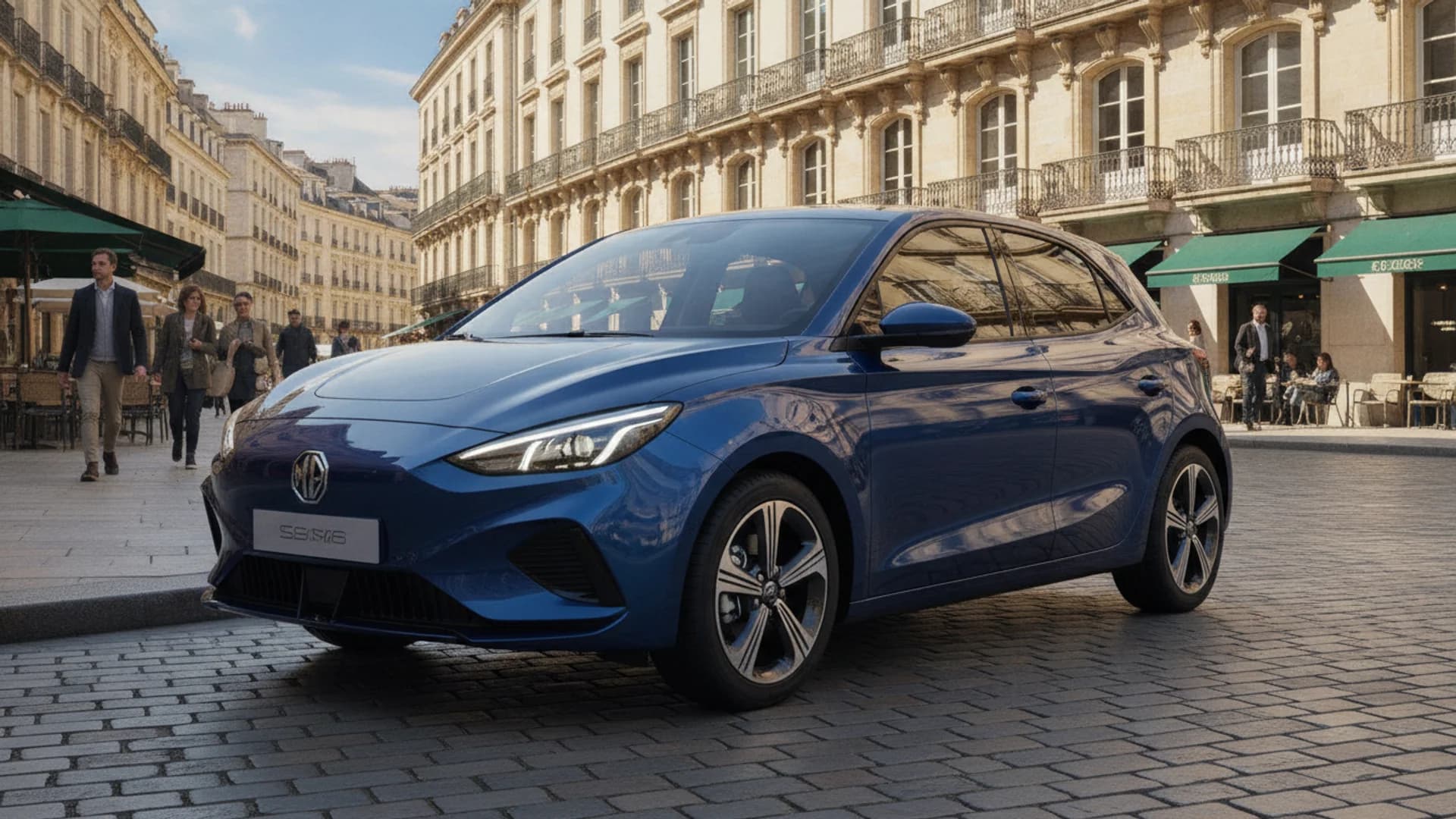
Four metres of sheet metal. That's the dimension MG has chosen to plant its flag in the most contested ground in European EVs, the sub-£23,000 supermini bracket where Renault rebuilt its reputation and Volkswagen is now trying to defend its own. The unnamed concept heading to Goodwood this July is not a styling exercise. It is a positioning move, and the position has been chosen with the kind of precision that betrays a real product strategy underneath.
The way to read this car is not as another small EV. It is as a manufacturing philosophy compressed into a footprint. The new four-metre-long model is expected to take the MG 2 nameplate and sit below the £23,495 MG 4 Urban, giving the brand a rival to small EVs such as the Renault 5, BYD Dolphin Surf and upcoming Volkswagen ID Polo. Read that sentence twice. Every word in it is a decision.
Key takeaways
- MG's unnamed concept debuts at Goodwood in July, targeting the sub-£23,495 bracket below the MG4 Urban.
- The MG4 Urban's 150kW DC charging peaks well above the Renault 5's 100kW and the ID. Polo's 80kW, that gap is the whole argument.
- LFP battery chemistry is the likely call, mirroring Volkswagen's own entry-level ID. Polo structure with a 37kWh pack.
- The MG4 Urban completes a 10–80% charge in roughly 22–25 minutes at its 150kW peak, the fastest charge in the sub-£23,495 supermini class.
- The MG2 nameplate would create a two-rung Polo/Golf-style ladder below the MG4, keeping budget buyers inside the brand.
The Four-Metre Battlefield: Why Small Is Where It Gets Serious
The sub-four-metre European EV segment is not where halo cars live. It is where volume brands either win the next decade of buyers or quietly cede them to whoever shows up with the right price and the right battery chemistry. The mid-size SUV bracket is crowded but slow-moving. The supermini bracket is where the volumes will compound, and where the cost-engineering tells you what a manufacturer actually believes.
Renault made the first serious move with the 5. Volkswagen made the second with the ID. Polo. The new ID. Polo is considered vital to help Volkswagen claim a share of the fast-growing electric B-segment and will take on rivals including the Renault 5 and Fiat Grande Panda. When VW uses the word "vital" about a segment publicly, the segment has stopped being optional.
MG showing up here with a concept, not a styling study, a concept the brand is willing to associate with a Goodwood reveal, means SAIC has done the math on what European volume looks like in 2027. The math points at four metres of length, a price under twenty thousand pounds, and a charging curve that doesn't embarrass the car at a motorway services. That is a narrower target than it sounds. Miss any of the three and the car becomes the cheap option rather than the smart one, and the European supermini buyer, increasingly, can tell the difference.
The other useful reference point is the complete picture of new EVs heading to Canada through 2027, because the segments heating up in Europe right now are the same ones that will define which sub-$30,000 cars cross the Atlantic next.
MG2 or Not: What the Goodwood Concept Actually Signals
A four-metre concept dressed up just enough to keep the final reveal interesting is not a design-studio flex. It is a production-intent vehicle, and the single-car tease, a brand bringing two concepts to the same event and only previewing one, almost always belongs to that category.
The expected nameplate matters. The MG 4 Urban is the cheapest serious EV on sale in Britain right now. At every metric, body size, maximum WLTP range, and DC charging speed, the MG4 Urban either leads or matches the competition while starting at a lower price than most of them. Slotting an MG 2 below that car creates a two-rung ladder, supermini at one price point, hatchback at the other, that mirrors the strategy Volkswagen ran with Polo and Golf for thirty years. The strategy works because each rung defends the other. The buyer who can't quite stretch to the upper rung doesn't leave the brand; they buy the lower one. SAIC has been watching this segment long enough to understand that ladder. The Goodwood tease is the first visible move.
MG4: European reveal to dealers in roughly eighteen months. The MG2 is a 2027 question, not a 2029 one.
Gear worth having
As an Amazon Associate, ThinkEV earns a small commission from qualifying purchases — at no extra cost to you.
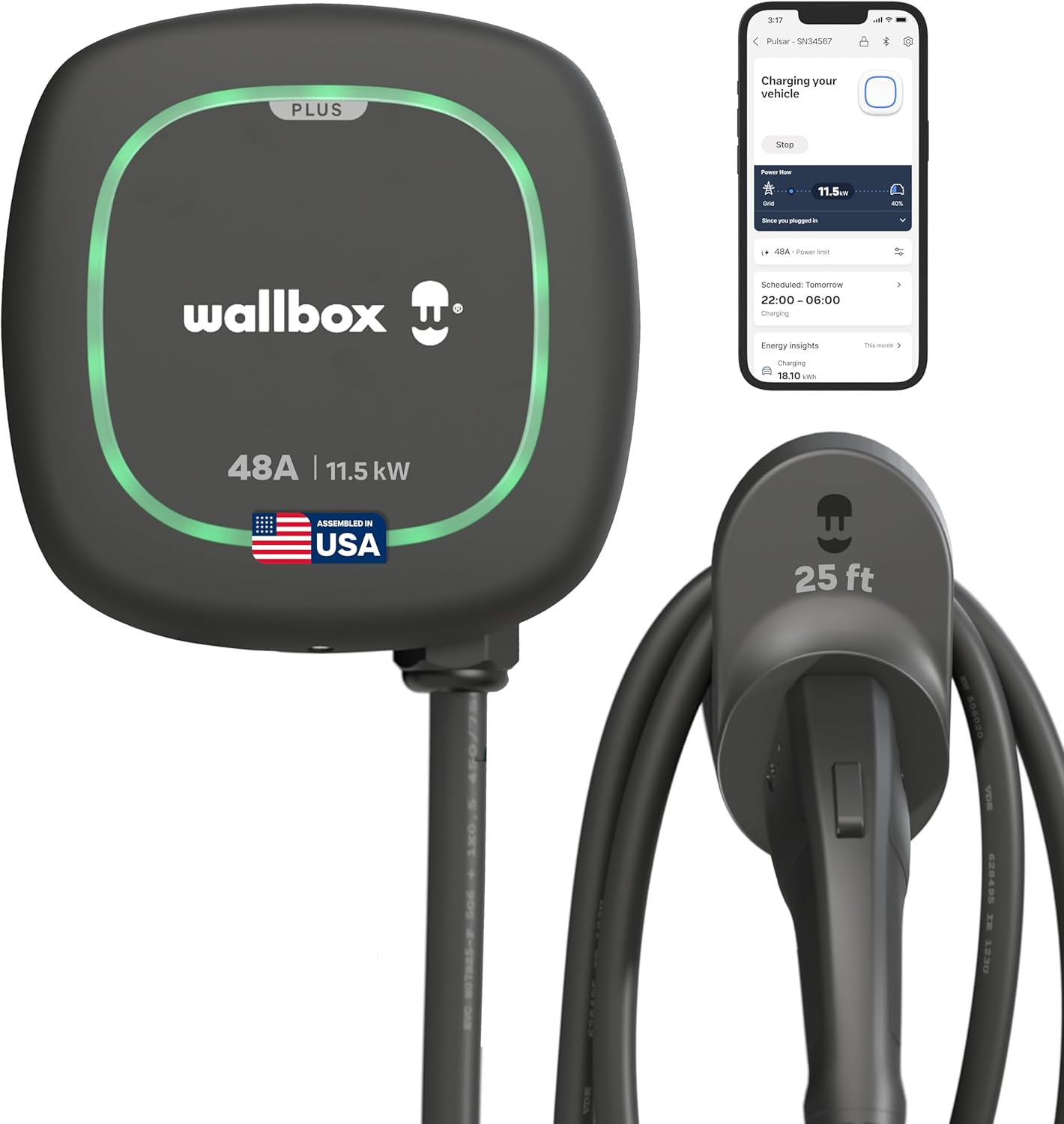
Wallbox Pulsar Plus 48A Level 2 Charger
Compact, sleek charger with app control and power sharing for two EVs. 48A / 11.5 kW, NEMA 14-50. Looks as good as your EV.
As an Amazon Associate, ThinkEV earns from qualifying purchases — at no extra cost to you.
Engineering Philosophy: Can MG Shrink the MG4's DNA Faithfully?
The hardest engineering question facing the smaller MG isn't styling. It is whether the charging architecture survives the size reduction. The MG4 Urban's 150 kW DC charging speed is a figure that was exclusive to premium electric vehicles costing €40,000+ just three years ago, and it enables a 10–80% charge in approximately 22–25 minutes, faster than the Renault 5 E-Tech at 100 kW and almost double the speed of the new VW ID. Polo at 80 kW.
That is the benchmark. A smaller, cheaper MG that arrives with an 80 kW peak, matching the ID. Polo's entry-level architecture, would forfeit the single most defensible advantage the MG4 currently enjoys in its bracket. If the MG2 arrives at 100 kW or above, the brand keeps its charging-speed-per-pound narrative intact. Below that, the marketing department has a much harder job.
Battery chemistry is the second tell. LFP is almost certainly where this car lands. The chemistry suits SAIC's cost structure, suits the use case, urban and suburban duty cycles where energy density matters less than cycle life, and aligns with the segment's price ceiling. The pattern is already visible at Volkswagen: the ID. Polo launches in Europe with three distinct motor options, including an entry-level 85 kW motor paired with a 37 kWh LFP battery, and a flagship 155 kW motor paired with a larger 52 kWh battery offering the longest WLTP range in the lineup. LFP at the bottom, larger chemistries at the top, a chemistry ladder layered onto the trim ladder. MG will likely run a similar structure, because at this price point the battery is the bill of materials.
The deeper question is platform. The MG4 sits on SAIC's purpose-built rear-drive EV layout, which is part of why the car is as packaging-efficient as it is. A smaller MG that inherits those bones scaled down is a different proposition from one built on a cost-down adaptation. The former preserves the engineering DNA. The latter is a different car wearing the same badge. Goodwood will not answer this question. The first wheelbase number from the production reveal will.
For readers tracking how Chinese-engineered EVs land in Western markets through different brand strategies, MG is the cleanest case study available. The brand has thirty years of European recognition predating SAIC ownership and a price-performance reputation that already does the work BYD and Chery are still building.
The Renault 5 Problem: Competing With a Car People Actually Love
The hardest thing about competing with the Renault 5 is that the Renault 5 is not really competing on the same axis as MG. The 5 is winning because the design works on a level that has nothing to do with the spec sheet. Renault engineered the car backward from the emotion, the silhouette first, the proportions next, the powertrain decisions arranged to serve the form. The result is a small EV that buyers want before they read the brochure.
Gear worth having
As an Amazon Associate, ThinkEV earns a small commission from qualifying purchases — at no extra cost to you.

TP-Link Kasa Smart Plug with Energy Monitoring
Track exactly how much electricity your Level 1 charger uses and schedule it for off-peak hours. Know your real cost per kWh.
As an Amazon Associate, ThinkEV earns from qualifying purchases — at no extra cost to you.
MG has never sold cars that way. MG sells the spec sheet. MG sells the kilowatt-hour-per-pound and the years of warranty and the colour-screen-as-standard. That is not a weaker proposition, it is a different one. It works in a different buyer's head. The supermini segment, historically, has been more emotional than rational; the Polo and the Clio and the Fiesta survived for decades on identity rather than features. The Renault 5 reactivates exactly that buying psychology.
The MG2 cannot win the emotion fight against the 5. It can win the value-density fight, but only if the comparison is forced onto numbers. Charging speed at price point. Real-world range per pound spent. Five-year cost of ownership. That is the comparison MG's marketing has to engineer, because the alternative, pitching the car on charm, is a fight Renault designed itself to win two years before MG showed up.
The clearest tell that MG understands this is the platform decision. If the smaller car keeps the rear-drive layout and the proper EV proportions instead of being squashed onto a front-drive cost-down shelf, it signals that SAIC intends to lose the emotion fight gracefully and win the value fight decisively. Watch the wheelbase ratio at reveal.
Gear worth having
As an Amazon Associate, ThinkEV earns a small commission from qualifying purchases — at no extra cost to you.

Car Window Sun Shades for Kids (4-Pack)
Cling-on shades that block 99 percent of UV so the back seat stays cool and the kids stay calm on long drives.
As an Amazon Associate, ThinkEV earns from qualifying purchases — at no extra cost to you.
VW ID. Polo: The Establishment Strikes Back With Buttons and Brand Trust
Volkswagen's answer to the Renault 5 is a more conservative car, and the conservatism is the point. The new ID. Polo has an estimated range of up to 280 miles, making it one of the longest-range cars in the small EV class. The headline number is healthy. The harder-to-quantify number is brand trust, the part of the buying decision that says "I have always driven a Polo, and this is still a Polo."
That continuity is engineered into the design language deliberately. Volkswagen describes the new sub-£22,000 electric hatchback as "just the beginning" of a massive reinvention for the brand's EV line-up. Beginning, not reinvention, the language is careful. The ID. Polo is meant to recruit the existing Polo buyer into electric ownership without asking them to learn a new brand or a new interior philosophy. Recognisable shape. Familiar dashboard logic. Physical buttons returning where the ID.3 had banished them.
The compression this creates for MG is real. When a Polo arrives priced at parity with the petrol version it replaces, the gap MG normally exploits, affordable EV undercutting established-brand EV, narrows from a chasm to a step. The MG2 can no longer be the cheap-by-default option. It has to be cheaper and better at something measurable. That is a harder marketing brief than the one MG ran for the MG4.
The platform politics matter here too. The ID. Polo sits on a small-car derivation of MEB, the architecture VW designed at scale for larger vehicles and is now adapting downward. Adapted-down platforms carry engineering compromises that purpose-built small-car platforms don't. If MG arrives with a genuinely small-EV-native architecture, the charging-curve and packaging advantages will be visible from the first independent test. The supermini segment is finally large enough to support purpose-built small EVs. The question is whether MG funded one.
What These Three Cars Say About How Their Makers Actually Think
Three cars, three theories of what the mass-market EV buyer trusts. Renault believes the buyer trusts desire, the car that earns its price by being the one you wanted before you priced it. The 5's engineering serves an emotional brief that was set first; everything downstream of that brief inherits its logic.
Volkswagen believes the buyer trusts continuity. The ID. Polo's job is to not surprise anyone, not the dealer network, not the existing customer, not the lease-finance underwriter. A wide range of small EVs is now stacking into the segment, including a new entry-level Hyundai Ioniq 3, a sister car to the Kia EV2 and expected to cost from around £25k. Inside that crowd, VW's bet is that name recognition compounds quietly while the new entrants spend money introducing themselves. The bet is defensible. It is also the bet of an incumbent.
SAIC and MG believe the buyer trusts specification. The MG4 won its bracket by listing more kilowatt-hours and faster charging at a lower number than anyone else in the price band, a clean spec-sheet argument that translates across countries and currencies without needing local heritage. The MG2 will run the same playbook. The question this time is whether spec density is still enough when Renault has the emotion and VW has the trust.
The reader looking for the live Canadian read on how all this lands at home should keep three companions handy:
- The Hyundai Ioniq 5 vs Kia EV6 comparison, a working example of how shared-platform siblings divide a segment by feel rather than by spec sheet.
- The best EVs for families in Canada, the next-size-up bracket, where many of these European architectures will eventually scale.
- Where fun-to-drive EVs get engineered, the closest analogue for how the emotion-versus-spec argument resolves in product, not in press release.
The buyer decides which philosophy wins, and they will do it inside the next twenty-four months.
Gear worth having
As an Amazon Associate, ThinkEV earns a small commission from qualifying purchases — at no extra cost to you.

PULIDIKI Car Cleaning Gel (Detailing Putty)
Press it into vents, buttons, and seams and it lifts out dust you did not know was there. Weirdly satisfying, genuinely useful.
As an Amazon Associate, ThinkEV earns from qualifying purchases — at no extra cost to you.
The MG2 Signal
The Goodwood concept is not the news. The news is that MG has decided the four-metre European supermini bracket is worth attacking with a dedicated product rather than a cost-down adaptation. That decision lines the brand up against two of the most strategically important small EVs of the decade, one that won the design argument before launch, and one that owns the brand-trust argument before delivery. MG's only path through that crossfire is to do what MG has always done: arrive with more car for less money, in numbers that survive independent testing.
Watch the wheelbase, the battery chemistry, and the peak DC kilowatts at reveal. If all three land where the MG4 Urban's did, SAIC has shrunk an engineering philosophy faithfully and the segment has a third serious contender. If any of them sag, the MG2 becomes a price story rather than a product story, and the room to run that play is closing.
Gear worth having
As an Amazon Associate, ThinkEV earns a small commission from qualifying purchases — at no extra cost to you.

WixGear Magnetic Air Vent Phone Mount (2-Pack)
A magnet strong enough that your phone never flinches over potholes or rail crossings. Two in the box, one for each car.
As an Amazon Associate, ThinkEV earns from qualifying purchases — at no extra cost to you.

Founder & Chief Editor
Vlad Pereira is the founder and chief editor of ThinkEV.ca, the Canadian electric-vehicle publication he writes and edits from Courtenay, British Columbia. He covers EV pricing, federal and provincial rebates, charging costs, and the Chinese manufacturers now entering Canada, from the buyer's side rather than the press-fleet side. ThinkEV is a venture of Vlad Pereira Online; his writing on health, income and the long game lives at vladpereira.com.
Frequently asked questions
Will the MG 2 actually come to Canada, or just Europe?
How does its DC charging speed compare to the Renault 5?
What battery chemistry should buyers expect at this price point?
Is the Goodwood reveal a real car or just a design exercise?
Why can't MG just compete on design like Renault does?
More EV & road-trip finds
Affordable upgrades worth a look — tap any to check the price on Amazon.
 ★ 1,340
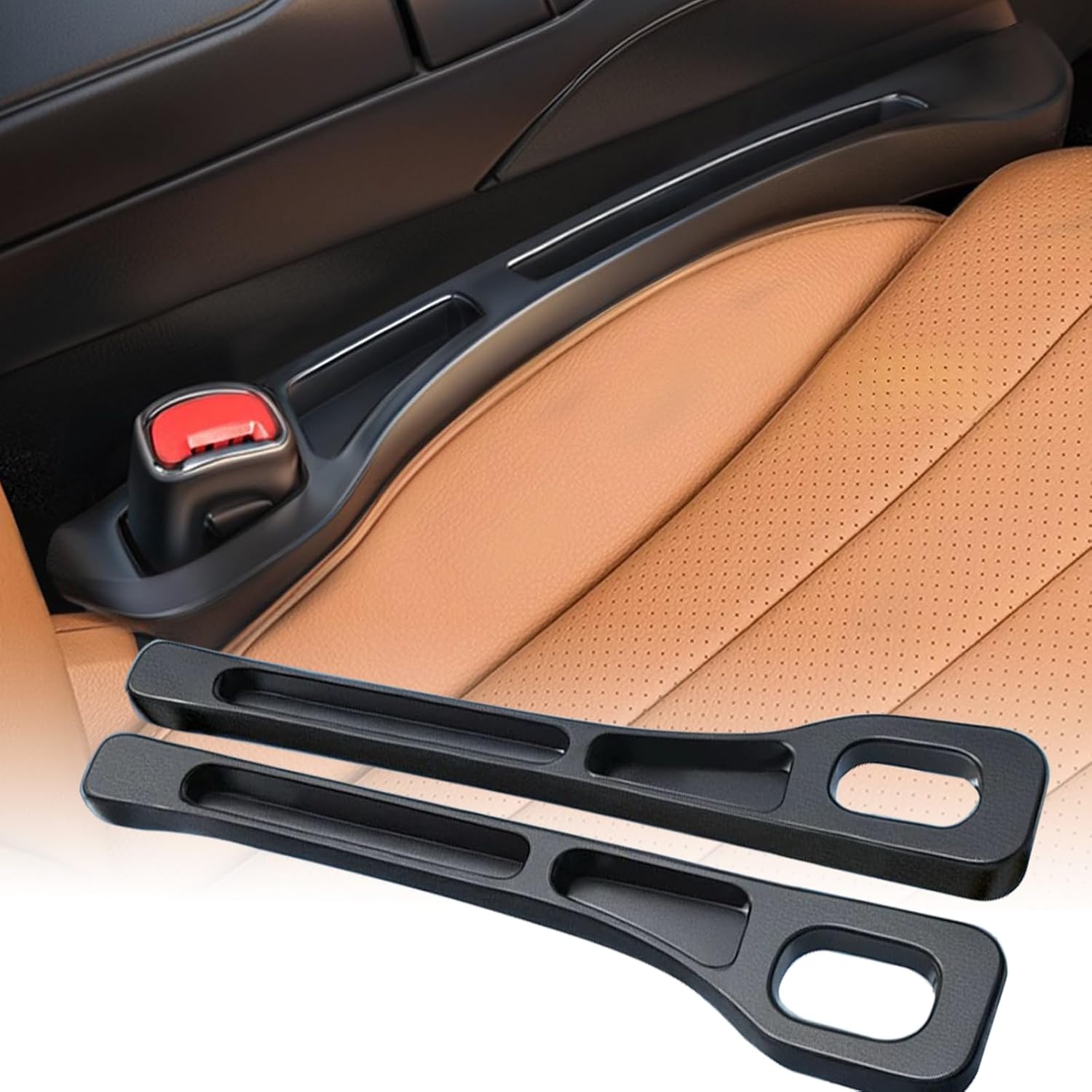
Car Seat Gap Filler (Universal)
View on Amazon ★ 848
★ 848Coiled USB-C to USB-C Car Cable (2-Pack)
View on Amazon ★ 61
★ 61Toddler Car Seat Snack and Cup Tray
View on Amazon ★ 17,839
Qifutan Vent Phone Mount (Military-Grade Clip)
View on Amazon ★ 12,051
Windex Electronics Screen Wipes
View on Amazon ★ 55
★ 55LED Car Door Logo Projector Light
View on Amazon ★ 401
★ 401Crochet Daisy Rear-View Mirror Charm
View on Amazon ★ 4,424
Sun Visor Card and Document Organizer
View on AmazonRead, Plan, Then Stay Current
Explore our expert articles to understand incentives and ownership costs, use the map to pressure-test charging reality, then subscribe so new EV coverage comes straight to you.
Continue Reading
Tesla Q3 2026 Earnings: Flat Revenue, Falling Profits
BYD Denza B8 Suspension Trick Defeats Traffic Boot in Viral Clip

Zenos E10 Returns at £115,000, A Different Car Entirely
Jaecoo J5 EV Uber Discount: $31,500 Fleet Math Changes
VW ID.4 80% Charge Cap Rolls Out This Week, With Opt-Out