
Five Indian patents, $5 million in funding, and a claim that software can replace neodymium. The rare-earth problem has had bigger swings miss by more. Whether Vimag Labs' motor spins is settled. Whether its bill of materials survives a production line is not.
Key takeaways
- Vimag Labs secured an Indian patent for a magnet-free motor, no OEM contract, no dyno data yet.
- Software replaces neodymium by using power electronics to generate torque, trading one supply chain for another.
- Niron Magnetics' iron nitride approach with Stellantis is a closer-to-production rare-earth alternative than Vimag's architecture.
- Materials researchers peg a genuine rare-earth alternative at 5–10 years out, a 2030s problem, not a 2027 one.
- Kingston's Cyclic Materials reclaiming rare earths from dead EV motors has a clearer near-term supply-chain path than any new motor design.
What Vimag Labs Actually Built, And What It Hasn't Proven Yet
Bengaluru-based deep-tech startup Vimag Labs secured an Indian patent for its software-defined, magnet-free electric motor platform, strengthening its intellectual property portfolio as it advances commercial deployments in the electric mobility sector. The architecture skips permanent magnets entirely, software and power electronics generate the magnetic field the motor needs to make torque. No neodymium. No dysprosium. No physical magnet inside the rotor at all.
The announcement does not include a named OEM partner, an independent dyno curve, or a production date. "Advancing commercial deployments" is the language a startup uses when it has not yet shipped.
Vimag isn't the only entrant chasing this gap. Developing electric drives without rare earths is gaining momentum, with BMW leading the way on magnet-free motors while other manufacturers work on alternatives.Niron Magnetics announced a project with Stellantis to develop a new generation of electric motor designs for automotive use using magnets free of rare-earth elements, a rare-earth-free approach that still uses magnets, just built from iron nitride instead of neodymium. Different architecture, closer to a validated bill of materials.
The problem all of them are attacking is real. For more than a century, industrial electric motors have leaned on permanent magnets containing neodymium, dysprosium and terbium, rare earth elements concentrated in one country. Canada is chasing the same choke point from the recycling end: Cyclic Materials in Kingston is reclaiming rare-earth magnets from end-of-life EV motors, a domestic supply-chain play with a clearer near-term path than any greenfield motor architecture.
Gear worth having
As an Amazon Associate, ThinkEV earns a small commission from qualifying purchases — at no extra cost to you.

Lectron Level 2 J1772 Charger (40A, WiFi)
Smart WiFi charger with real-time energy monitoring. 40A / 9.6 kW, J1772 with a NEMA 14-50 plug, schedule charging right from your phone.
As an Amazon Associate, ThinkEV earns from qualifying purchases — at no extra cost to you.
Gear worth having
As an Amazon Associate, ThinkEV earns a small commission from qualifying purchases — at no extra cost to you.

70mai A810 4K Dual Dash Cam
4K front and 2K rear with STARVIS 2 HDR night vision and 24/7 parking surveillance, recording while parked without draining the 12V. A budget alternative to Tesla Sentry.
As an Amazon Associate, ThinkEV earns from qualifying purchases — at no extra cost to you.
A Patent Portfolio at $5M Is a Signal, Not a Supply Chain
The gap between "patent secured" and "series production" is where rare-earth-free motor claims have historically stalled. Efficiency at highway speed, thermal management under sustained load, and cost parity with a permanent-magnet synchronous motor are the unsolved triples, solve two and the third eats the savings. A software-defined field generator trades magnet materials for power-electronics silicon, and the silicon has its own supply story.
The India Today framing, using software to break China's rare earth monopoly, is the story India needs to tell. The engineering question is narrower: can software torque control match a PMSM at 110 km/h without a power-electronics premium that erases the materials saving? Vimag hasn't shown that data yet.
The timeline the field itself signals is a 2030s conversation. Materials researchers working on rare-earth alternatives are "cautiously optimistic that within the next five to 10 years, the community might find something comparable or better than rare earths," and the Niron-Stellantis programme is targeting a similar horizon. That timeline matters for how Canada's EVAP rebate and country-of-origin rules get written, and it matters for whether the Chinese brands landing in Canada under the 49K quota get to lock in a neodymium-based motor supply chain before an alternative is production-ready. The near-term levers are policy and recycling. The motor architecture is a longer bet.
Gear worth having
As an Amazon Associate, ThinkEV earns a small commission from qualifying purchases — at no extra cost to you.
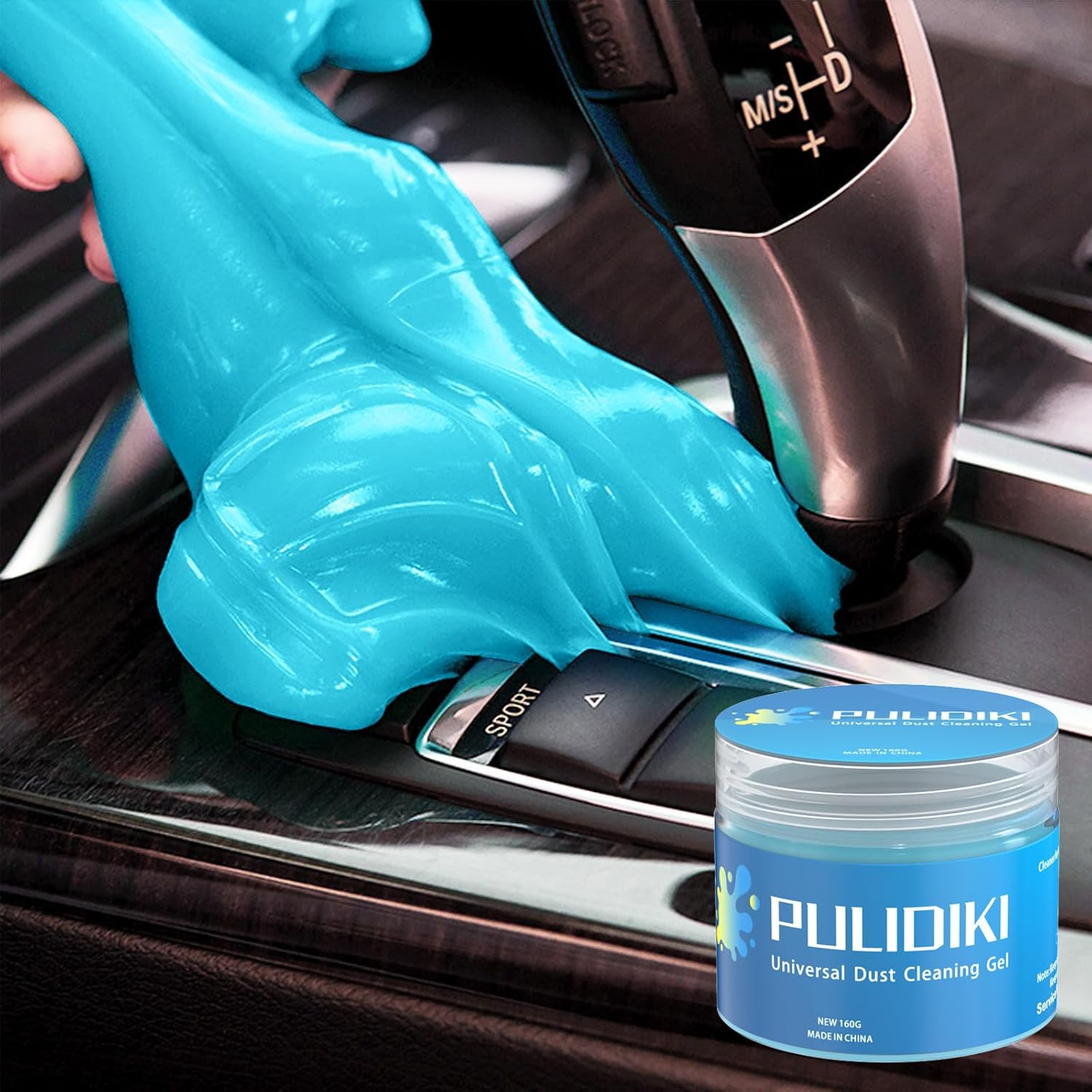
PULIDIKI Car Cleaning Gel (Detailing Putty)
Press it into vents, buttons, and seams and it lifts out dust you did not know was there. Weirdly satisfying, genuinely useful.
As an Amazon Associate, ThinkEV earns from qualifying purchases — at no extra cost to you.
Gear worth having
As an Amazon Associate, ThinkEV earns a small commission from qualifying purchases — at no extra cost to you.

WixGear Magnetic Air Vent Phone Mount (2-Pack)
A magnet strong enough that your phone never flinches over potholes or rail crossings. Two in the box, one for each car.
As an Amazon Associate, ThinkEV earns from qualifying purchases — at no extra cost to you.
The First OEM Contract Matters More Than the Fifth Patent
A $5M patent portfolio is a signal that the search space is still open, and that Chinese refining dominance has priced enough risk into procurement plans to fund small swings. It is not a supply chain. The number to watch is the first named OEM contract at production volume, not another patent filing. Until Vimag publishes efficiency data at automotive duty cycles, or Stellantis puts a Niron-magnet motor in a shipping vehicle, rare-earth exposure remains the base case for every EV motor sold in 2027, 2028, and probably 2029. The breakthrough headline is easy. The bill of materials is the hard part.
Gear worth having
As an Amazon Associate, ThinkEV earns a small commission from qualifying purchases — at no extra cost to you.
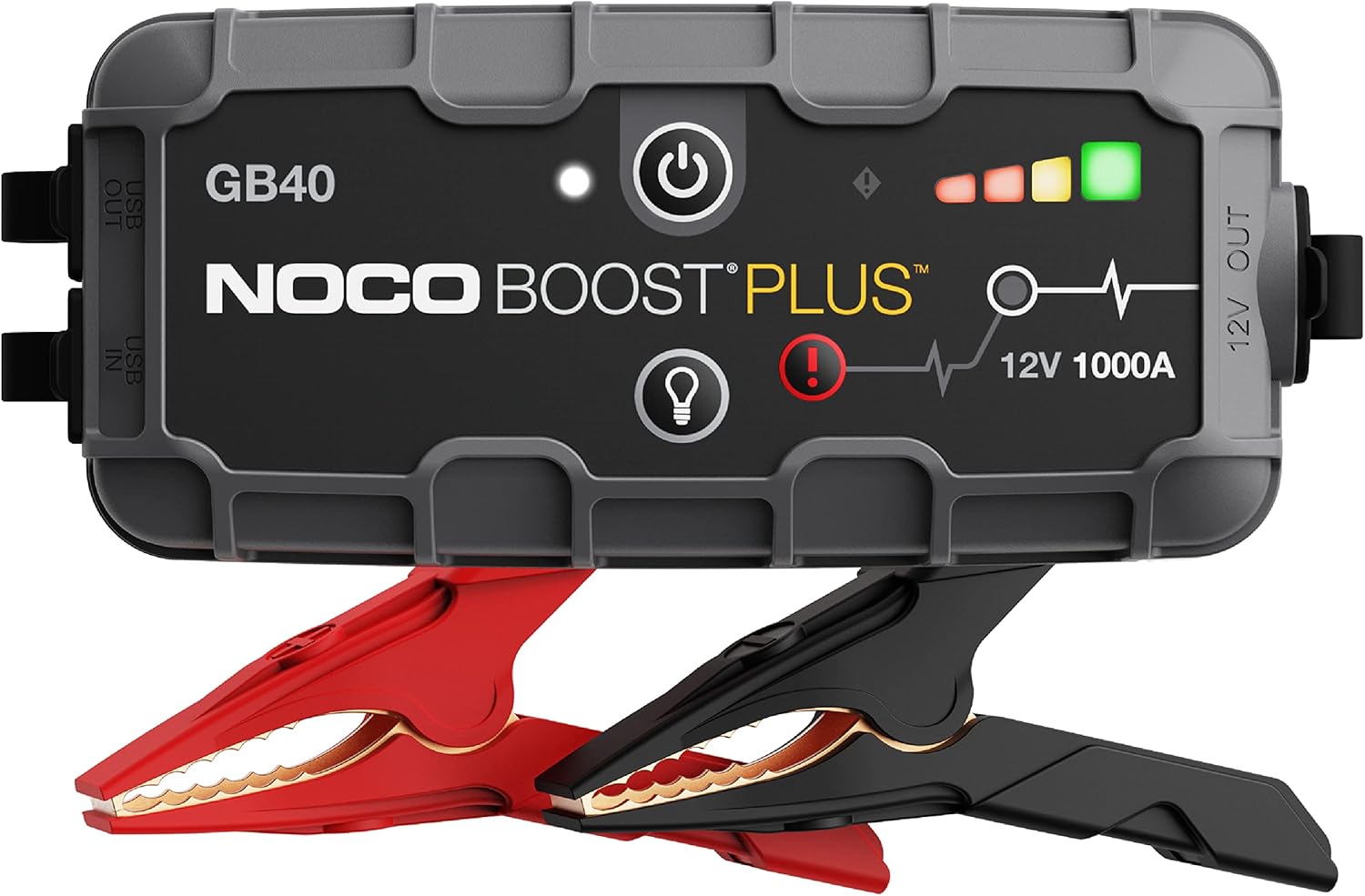
NOCO Boost Plus GB40 Jump Starter
A 1000A lithium jump starter that fits in your glovebox and works on any 12V battery. Your insurance against a dead 12V in a parking lot.
As an Amazon Associate, ThinkEV earns from qualifying purchases — at no extra cost to you.

Founder & Chief Editor
Vlad Pereira is the founder and chief editor of ThinkEV.ca, the Canadian electric-vehicle publication he writes and edits from Courtenay, British Columbia. He covers EV pricing, federal and provincial rebates, charging costs, and the Chinese manufacturers now entering Canada, from the buyer's side rather than the press-fleet side. ThinkEV is a venture of Vlad Pereira Online; his writing on health, income and the long game lives at vladpereira.com.
Frequently asked questions
Does a magnet-free motor actually perform worse at highway speeds?
What's Niron Magnetics doing differently than Vimag?
When might any of these alternatives actually reach production vehicles?
Is Canada doing anything about rare-earth motor dependency?
What milestone should we actually watch from Vimag?
More EV & road-trip finds
Affordable upgrades worth a look — tap any to check the price on Amazon.
 ★ 1,083
Crystal Push-Start Button Ring (2-Pack)
View on Amazon ★ 12,396
K KNODEL Car Trash Can with Lid
View on Amazon ★ 692
★ 692USB-A to USB-C CarPlay Adapter (3-Pack)
View on Amazon ★ 119
★ 119Foldable Waterproof Trunk Organizer
View on Amazon ★ 392
★ 392Large Cup Holder Adapter (32-40oz)
View on Amazon ★ 4,050
Touchscreen Mist Screen Cleaner Kit
View on Amazon ★ 314
★ 314Mini USB LED Ambient Lamps (4-Pack)
View on Amazon ★ 401
★ 401Crochet Daisy Rear-View Mirror Charm
View on AmazonRead, Plan, Then Stay Current
Explore our expert articles to understand incentives and ownership costs, use the map to pressure-test charging reality, then subscribe so new EV coverage comes straight to you.
Continue Reading
BYD's Battery Shortage Is The Best News In EVs This Year

Electric Motors vs Gas Engines: How EV Power Really Works
Peugeot RCZ Returns With a 1,000-Volt Solid-State Battery

Citroën 2CV Returns: €15,000 EV, Egg Compartment Intact

BYD Q3 Electric Semi Marks 150,000th Commercial NEV