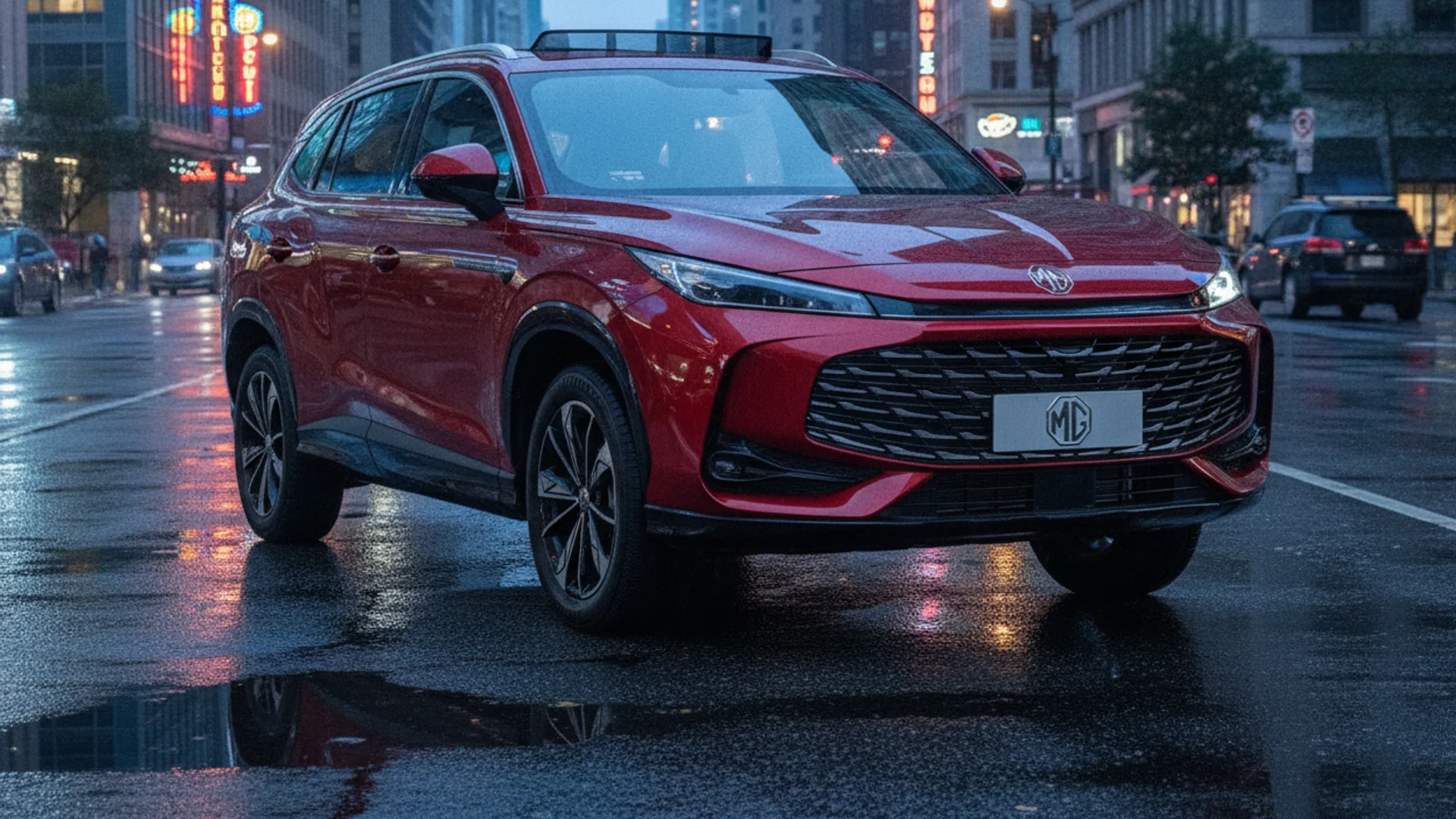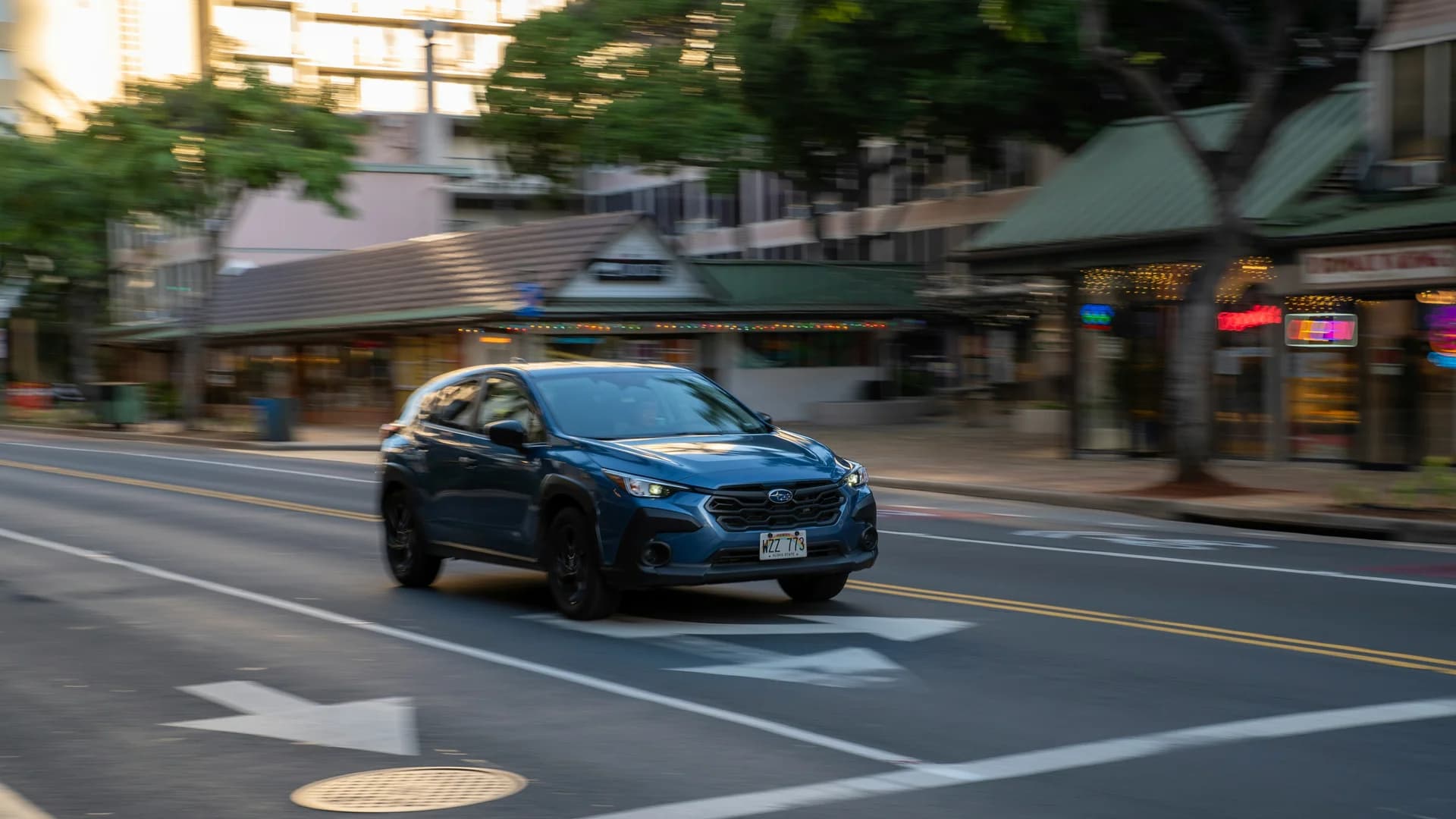
At 13,600 USD, the MG 4X costs less than a used Honda Civic in most Western markets, and it ships with semi-solid-state battery technology. The Australian market gets it at A$20,500. That is not a typo, and it is not a promotional teaser. It is a launched compact electric SUV featuring liquid-solid state battery technology, sold today.
The reflex reading of this announcement is that MG has built another cheap Chinese EV. The more accurate reading is that SAIC has just published its battery cost curve to the entire industry, hidden inside a compact crossover. The spec sheet is the argument, and the price is the evidence.
Key takeaways
- SAIC priced the MG 4X at A$20,500, a real launch price in Australia, not a promotional teaser.
- The semi-solid-state battery is a manufactured-today compromise, not the full solid-state moonshot Toyota and QuantumScape keep promising.
- SAIC's Modular Scalable Platform spreads R&D cost across MG4, MG 4X, and MG 07, that's why A$20,500 is structurally possible.
- The long-range RWD variant hits 610km WLTP by choosing range-per-yuan over performance, using a single rear motor on a flat floor pack.
- BYD integrates vertically; SAIC reuses platforms across body styles, the 4X is the clearest live proof of which bet SAIC placed.
What the MG 4X Actually Is, and Why the Name Matters
The MG 4X is not a new vehicle in the sense that engineers use the word. It is a battery electric compact crossover SUV produced by SAIC Motor and sold under the MG brand, first presented alongside the MG 07 on 10 March 2026, and it serves as an expansion to the MG4 nameplate. The architecture is borrowed. The body is new. The intent is deliberate.
The 4X is underpinned by the same Modular Scalable Platform and features the same E3 electronic architecture as the upcoming, second-gen version of its MG4 sibling, and shares the hatch's 2750mm wheelbase. Its crossover-style design looks to add additional length, width and height. What SAIC has done is take a proven hatchback platform and stretch the silhouette upward into the segment where buyers actually spend their money.
The "X" suffix is not decoration. It is a ladder. MG4 the hatchback for first-time EV buyers. MG 4X the crossover for the family that needs a higher seating position. MG 07 above it for buyers chasing a premium feel. Three products, one architectural spine, three price brackets. Western OEMs talk about platform consolidation. SAIC is shipping it.
The dimensional reality reinforces the discipline. The MG 4X is a compact crossover in the precise sense of the term, not a tall hatchback pretending to be a utility, and not an inflated mid-size pretending to be efficient. The wheelbase carries over from the MG4. The added height creates the SUV silhouette buyers want. Nothing more. Nothing wasted.
The Battery Is the Headline, But What Is "Liquid-Solid State" Actually Doing?
The phrase "liquid-solid state" is doing real work in this spec sheet, and the industry vocabulary is worth pinning down. The MG4X uses an advanced semi-solid-state battery pack, and MG has released official images and basic specifications for its pure-electric MG4X compact SUV, including the new model's 'liquid-solid state' battery system. The terms describe the same chemistry from different marketing angles, a hybrid electrolyte that reduces liquid content without eliminating it.
This matters because full solid-state batteries remain a roadmap item for every major OEM. Toyota promises them. QuantumScape demos them. Nobody is shipping them in a 13,600-USD compact crossover. SAIC's choice to deploy a semi-solid chemistry, not a full solid-state moonshot, is the engineering tell. The company picked the chemistry advance it could actually manufacture at scale today and priced the result at the bottom of the market.
The range figures track the chemistry argument. Semi-solid-state battery technology delivers up to 510km range in the standard configuration. The long-range variant pushes further: per the publicly reported specs, the MG 4X measures 4,500mm long, 1,849mm wide, and 1,621mm tall, with a 2,735mm wheelbase, and the long-range RWD configuration reaches up to 610km WLTP. The MG4X is positioned as a higher-riding SUV counterpart to the hatchback, and the model brings one particularly notable feature with it. That feature is the cell chemistry. Everything else is geometry.
The same E3 electronic architecture as the MG4 hatchback rides underneath. The thermal management, the inverter, the software stack, all proven on a vehicle SAIC has been shipping globally for two years. The new chemistry inherits a known platform rather than introducing risk on two axes at once. That is how mature engineering organisations introduce step changes: one variable at a time. Here, that variable is the battery chemistry.
Gear worth having
As an Amazon Associate, ThinkEV earns a small commission from qualifying purchases — at no extra cost to you.

First Alert Auto Fire Extinguisher
A compact extinguisher sized for vehicles and bracket-mounted under the seat. Peace of mind for the price of lunch.
As an Amazon Associate, ThinkEV earns from qualifying purchases — at no extra cost to you.
Engineering Philosophy: MSP as a Multiplier, Not a Constraint
SAIC's Modular Scalable Platform strategy is the part of this launch that Western analysts under-rate. One architecture serves the MG4 hatchback, the MG 4X crossover, and, with stretching, the upper-segment MG 07. The capital efficiency of that approach is the structural reason MG can price a semi-solid-state SUV at 13,600 USD. The chemistry is the spike. The platform is the foundation.
The choice of rear-wheel drive on the long-range variant reads as platform tuning for range-per-yuan rather than performance theatre. A single rear motor with the battery laid flat under the floor gives the cleanest packaging and the lowest parasitic loss. The 4X will be sold alongside the existing MG4 hatchback, which means SAIC is not cannibalising, it is laddering, and the laddering only works because the platform pays for itself across three nameplates.
Contrast this with how the rest of the segment is approaching the same problem. BYD's Atto 2 uses BYD's own e-Platform 3.0 and Blade battery, a different architecture, a different chemistry, similar price. The 2026 MG4X was revealed with breakthrough battery tech for BYD Atto 2, Jaecoo J5 and Leapmotor B10 fighter, the first official images of the all-new MG4X SUV have surfaced, previewing MG's anticipated high-riding sibling to the MG4 hatch. Two Chinese OEMs, two distinct philosophies on how to scale affordable EVs. BYD bets on vertical integration of cells, motors, and chips. SAIC bets on architectural reuse across body styles. Both work. The MG 4X is the cleanest current expression of the SAIC bet.
Gear worth having
As an Amazon Associate, ThinkEV earns a small commission from qualifying purchases — at no extra cost to you.

ChargePoint Home Flex Level 2 Charger (50A)
Premium 50A / 12 kW charger with the best app ecosystem. Hardwired or NEMA 14-50, with real-time energy tracking and smart scheduling.
As an Amazon Associate, ThinkEV earns from qualifying purchases — at no extra cost to you.
The reader who has been following the data on EV efficiency and curb weight will recognise the deeper pattern here. The variable that actually moves the range figure is not body class but drag, drivetrain efficiency, and energy density per kilo. The 4X exploits all three. The crossover silhouette costs some drag, but the semi-solid chemistry gives back more than the body class takes.
The A$20,500 Number Is a Manufacturing Argument, Not a Marketing Number
Price is where the engineering thesis becomes public. MG's next affordable electric SUV launches in China starting at A$20,500 and could be a potential electric best-seller for the brand. In China, the MG 4X starts from 13,600 USD. The gap between the Chinese domestic price and the Australian price is tariff, freight, and homologation, not margin inflation. SAIC is shipping the same vehicle into both markets at structurally similar economics.
At this price point with this chemistry, SAIC is doing more than launching a product. The company is implicitly publishing what its semi-solid-state cells cost to manufacture. Competitors can read the spec sheet and the price and back-calculate the bill of materials within a useful tolerance. That is not a leak. That is a strategy. SAIC wants the rest of the industry to see what is possible at scale, because being the visible price-setter on advanced chemistry positions the company as the supplier of choice for the next round of battery contracts.
The competitive set is named and specific. The new MG SUV debuts with radical battery tech, with the 2026 MG4 X unveiled as new challenger to BYD Atto 2, Chery E5, GWM Ora 5, and Leapmotor B10. Of those four, only the MG 4X currently ships with semi-solid-state chemistry. The others lean on conventional lithium iron phosphate or NMC packs. The price floor is similar across the set. The chemistry ceiling is not. SAIC has just raised the ceiling and held the floor.
Western OEMs cannot match this combination today. Not Volkswagen, not Stellantis, not Ford. The chemistry-to-price ratio the MG 4X publishes is the gap that matters, and it is now concrete and named. The argument that Chinese EV pricing reflects unfair subsidy gets harder to sustain when the cars also ship with battery technology Western brands are still demoing in lab footage. The price is a fact. The chemistry is a fact. The combination is the indictment.
Gear worth having
As an Amazon Associate, ThinkEV earns a small commission from qualifying purchases — at no extra cost to you.
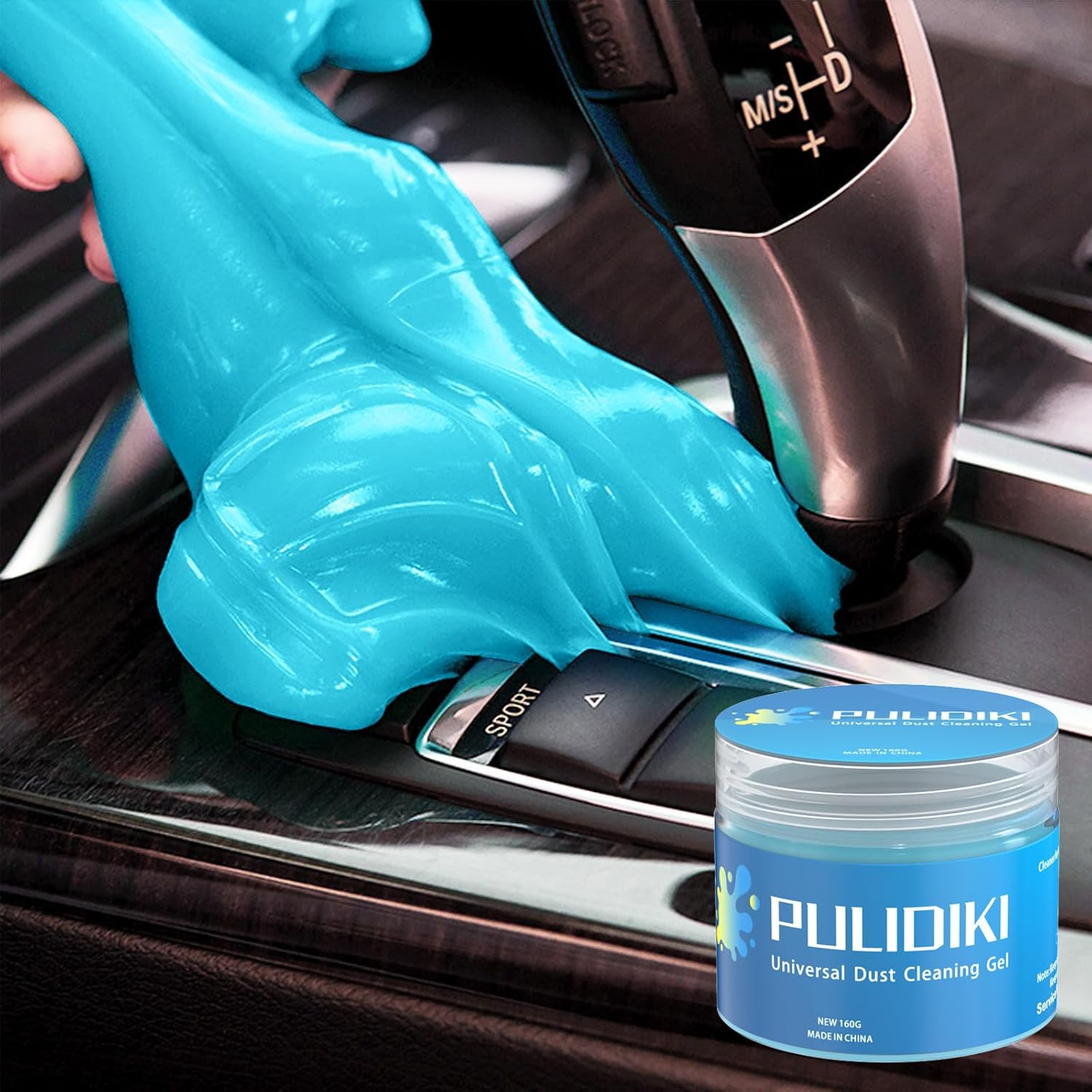
PULIDIKI Car Cleaning Gel (Detailing Putty)
Press it into vents, buttons, and seams and it lifts out dust you did not know was there. Weirdly satisfying, genuinely useful.
As an Amazon Associate, ThinkEV earns from qualifying purchases — at no extra cost to you.
What the MG 4X Means for Markets Beyond China
Australia is confirmed. The right-hand-drive engineering already exists from the MG4 hatchback's global rollout, so the production path to the Australian dealer is short. Europe is the more interesting competitive test, the MG 4X against the Leapmotor B10 and the Renault 5 at similar price points, in a market where buyers actually weigh chemistry against badge.
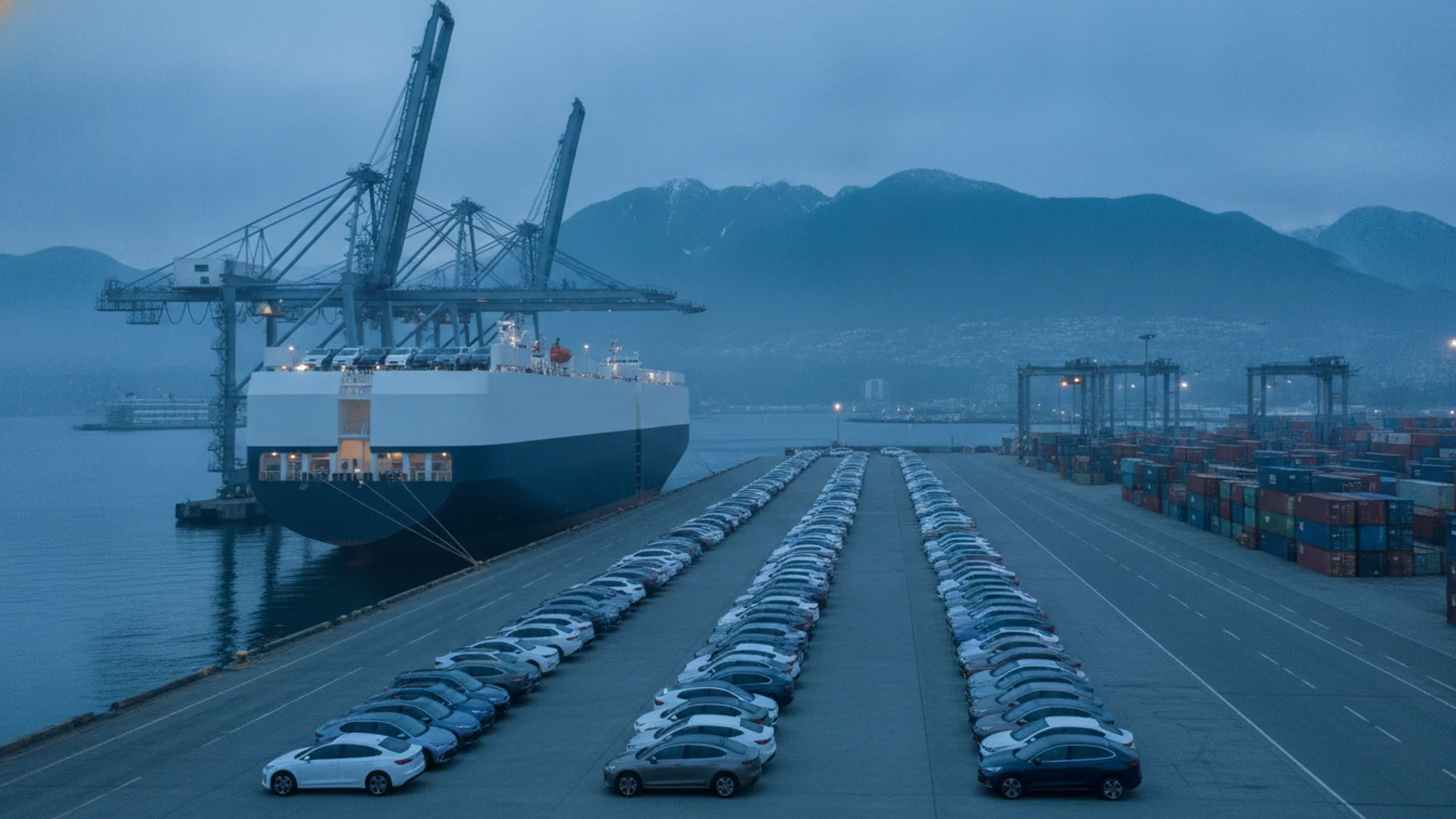
Canada is the market that cannot have it. The 100% tariff on Chinese-made EVs, in force since October 2024 and scheduled to drop to 6.1% with a 49,000-vehicle quota in January 2026, currently blocks any meaningful import of the MG 4X. There is no domestic equivalent at this price-chemistry combination. None. The conversation that should be happening, about what affordable EV access looks like when the global production cost of advanced chemistry has dropped this far, is the conversation Canadian policy is currently structured to avoid.
The MG 4X is one more entry on the growing list. The pattern is documented in the broader coverage of Chinese EV brands coming to Canada, and the consumer-level frustration is starting to show up in places it should not yet, for instance, in the doubling of Chinese EV listings on Vancouver Island. Grey-market imports are an inefficient signal. They tell you the demand exists before the policy permits the supply.
SAIC's global ambition is readable in the 4X's spec sheet itself. Every market-ready feature, right-hand-drive engineering, WLTP-tuned range figures, ADAS suite built to European homologation requirements, was engineered in from the start, not bolted on for export. That is the difference between a domestic Chinese product hoping for export licences and a global product that happens to launch in China first.
Gear worth having
As an Amazon Associate, ThinkEV earns a small commission from qualifying purchases — at no extra cost to you.

WixGear Magnetic Air Vent Phone Mount (2-Pack)
A magnet strong enough that your phone never flinches over potholes or rail crossings. Two in the box, one for each car.
As an Amazon Associate, ThinkEV earns from qualifying purchases — at no extra cost to you.
The Bigger Story: SAIC Is Playing Platform Chess While Others Sell Pieces
Three products on one platform at three price brackets is not the headline figure on any product launch slide. It is the structural fact that makes all the headline figures possible. The MG4 hatchback covers the entry buyer. The MG 4X covers the family crossover buyer. The MG 07 covers the buyer chasing premium feel. Same architectural spine, same electronic stack, three margin profiles. The capital that would build three separate vehicles at a Western OEM builds one platform with three skins at SAIC.
The mass-market deployment of semi-solid-state cells is the second-order signal. Western OEMs have positioned advanced chemistry as a flagship feature, the technology that justifies the top trim and the premium badge. SAIC has deployed it on a 13,600-USD compact crossover. The implication is that SAIC's chemistry roadmap is running ahead of where most of the industry assumed it was, and that the company is willing to spend its lead on volume rather than margin.
That is the manufacturing philosophy question the MG 4X actually answers. Can a Chinese OEM turn chemistry advances into cost-competitive global products faster than Western brands can respond? The MG 4X at A$20,500 with up to 610 km of range and a semi-solid-state pack is the clearest answer yet. The answer is yes, and it is already priced, already homologated for right-hand-drive markets, and already shipping.
Bottom line: watch the European launch pricing. If the MG 4X lands in Germany or the UK within 15% of its Australian price, the gap between what Chinese manufacturers can ship and what Western manufacturers can build will become impossible to argue with. The spec sheet is already a manufacturing argument. The European invoice will confirm it.
Gear worth having
As an Amazon Associate, ThinkEV earns a small commission from qualifying purchases — at no extra cost to you.
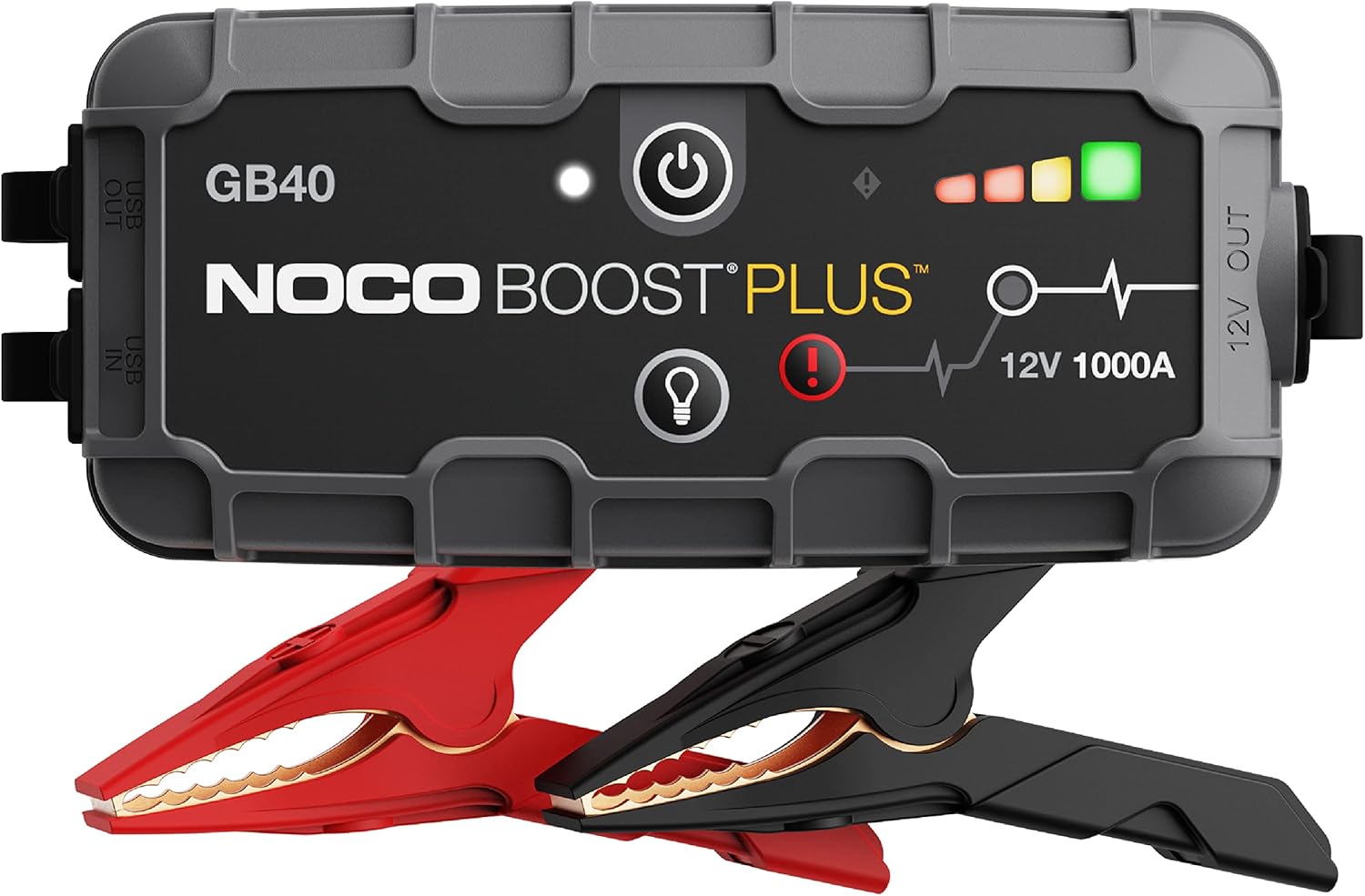
NOCO Boost Plus GB40 Jump Starter
A 1000A lithium jump starter that fits in your glovebox and works on any 12V battery. Your insurance against a dead 12V in a parking lot.
As an Amazon Associate, ThinkEV earns from qualifying purchases — at no extra cost to you.