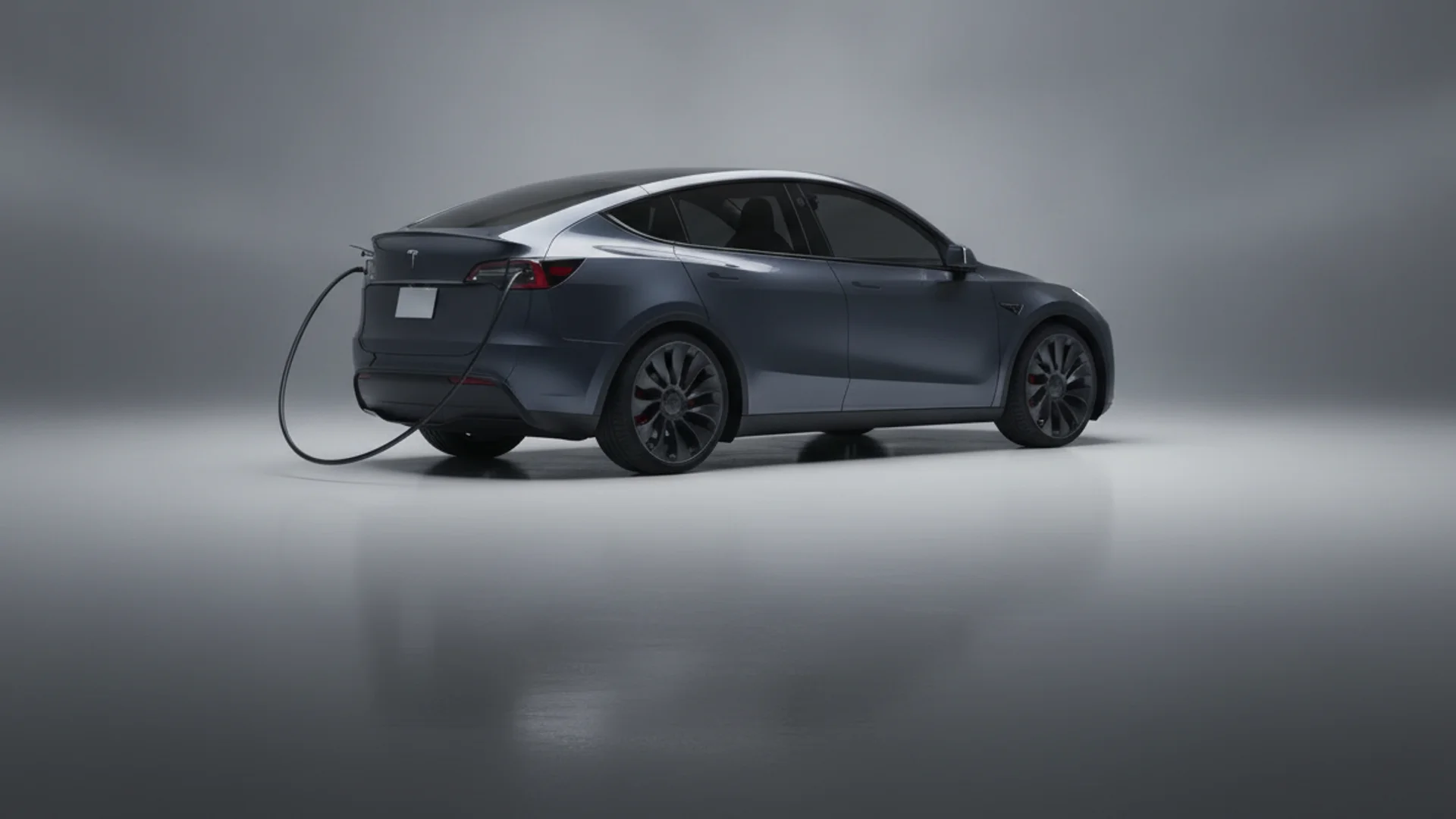
Eleven apps for eleven networks is not a charging strategy, it is a support group. Octopus Energy just decided to collapse it. The new Octopus Charge app aggregates more than 211,000 public chargers under one login, no per-network membership required, and it is free. What Octopus had to build to do this: zero new charging posts.
Key takeaways
- Octopus Charge aggregates 211,000 public chargers across major North American networks into one free app.
- Its European sibling, Octopus Electroverse, already covers 1 million charge points across 40+ countries since 2020.
- Canada's 30,000 public chargers span six separate account systems, FLO, ChargePoint, Electrify Canada, SWTCH, Petro-Canada, and Ivy.
- EU law mandates contactless payment and roaming at new fast chargers; Canada has no equivalent Transport Canada rule.
- The next ZEVIP funding round could mandate open-roaming as a grant condition and solve the fragmentation problem within one hardware cycle.
One App, 211,000 Chargers, Zero Network Contracts
Octopus Charge is the North American sibling of Octopus Electroverse, the UK and European platform launched in 2020 that now gives drivers access to more than 1 million public charge points across over 40 countries through one app and account. The North American footprint is smaller, Octopus itself concedes the reach does not yet match the European sibling, but 211,000 chargers across several major networks is a useful start on day one.
Comparable aggregators exist. Zapmap in the UK offers pay-for-charging at over 80,000 chargers across 40 networks through one app. ChargePoint's own app connects drivers to the leading selection of stations in North America and Europe, with compatibility filters, availability, and pricing surfaced per station. What Octopus is doing differently is folding discovery and payment into one screen without gating the network list behind an OEM.
The closest North American analog is proprietary, not open. General Motors integrated more than 5,000 Electrify America DC fast chargers into its own smartphone apps, a real quality-of-life fix for GM owners, and a walled garden for everyone else. A Ford driver at the same pedestal still needs a different app. Octopus's version does not care what you drive.
The same pattern shows up in EV motor development, the hard problem is never the material, it is the commercial layer around it.
Gear worth having
As an Amazon Associate, ThinkEV earns a small commission from qualifying purchases — at no extra cost to you.

Lectron Level 2 J1772 Charger (40A, WiFi)
Smart WiFi charger with real-time energy monitoring. 40A / 9.6 kW, J1772 with a NEMA 14-50 plug, schedule charging right from your phone.
As an Amazon Associate, ThinkEV earns from qualifying purchases — at no extra cost to you.
Gear worth having
As an Amazon Associate, ThinkEV earns a small commission from qualifying purchases — at no extra cost to you.

45W USB-C Fast Car Charger
Most EVs have USB ports, but slow ones. A 45W USB-C charger tops up phones and tablets fast on road trips without taxing the 12V.
As an Amazon Associate, ThinkEV earns from qualifying purchases — at no extra cost to you.
Canada's 30,000-Charger Network Still Has No Equivalent
Canada crossed roughly 30,000 public chargers in 2026, and the network is physically capable of supporting long-distance travel across most of the country. Those 30,000 posts run on six separate account systems. FLO, ChargePoint, Electrify Canada, SWTCH, Petro-Canada, Ivy, each ships its own app, its own RFID, its own payment flow. A cross-provincial trip can still mean five signups before the first plug-in.
ZEVIP, the NRCan program that funded a large share of the buildout, funded the metal without wiring in the interoperability. The grants covered posts and installation. They did not require open roaming or unified payment as a condition of the money. Ontario alone carries more than 11,200 Level 2 ports and over 1,400 DC fast charger ports, and a driver crossing the province still juggles accounts to touch them all.
The regulatory contrast is stark. The EU's Alternative Fuels Infrastructure Regulation mandates contactless card payment at every new fast charger and pushes networks toward roaming, the commercial ground where ad-hoc access has been a persistent friction point because most public networks require a contract or network-specific membership, meaning a driver who doesn't have the right account can arrive at a physically available charger and still be locked out. Canada has no equivalent Transport Canada or NRCan rule in force. Until Ottawa writes one, or a domestic aggregator does what Octopus did in Europe, the reliability and access story stays a network-by-network patchwork.
Gear worth having
As an Amazon Associate, ThinkEV earns a small commission from qualifying purchases — at no extra cost to you.

Grizzl-E Classic Level 2 EV Charger (40A)
Canadian-made and rated for minus 40C winters. 40A / 9.6 kW, NEMA 14-50, indoor/outdoor, 24-ft cable. The charger built for Canadian weather.
As an Amazon Associate, ThinkEV earns from qualifying purchases — at no extra cost to you.
Gear worth having
As an Amazon Associate, ThinkEV earns a small commission from qualifying purchases — at no extra cost to you.

Magnetic EV Charger Plug Cover
A magnetic cap that keeps rain, road salt, and grit out of your home charger handle between sessions.
As an Amazon Associate, ThinkEV earns from qualifying purchases — at no extra cost to you.
The Lever Is ZEVIP's Next Funding Round
Two hundred and eleven thousand chargers were unified without pouring a single new pad of concrete. The infrastructure already existed. The unlock was a commercial agreement layer on top of it, the kind of thing a regulator can require, or a market entrant can build, but not the kind of thing that arrives on its own.
Canada's charging network is at the exact scale where interoperability starts to matter more than deployment count. The next ZEVIP funding round is the obvious lever: attach an open-roaming and unified-payment condition to the grants and the problem largely solves itself within a hardware cycle. Octopus has not announced a Canadian launch. The window for a domestic answer, regulatory or commercial, is open, and it will not stay open indefinitely.
Gear worth having
As an Amazon Associate, ThinkEV earns a small commission from qualifying purchases — at no extra cost to you.

TP-Link Kasa Smart Plug with Energy Monitoring
Track exactly how much electricity your Level 1 charger uses and schedule it for off-peak hours. Know your real cost per kWh.
As an Amazon Associate, ThinkEV earns from qualifying purchases — at no extra cost to you.

Founder & Chief Editor
Vlad Pereira is the founder and chief editor of ThinkEV.ca, the Canadian electric-vehicle publication he writes and edits from Courtenay, British Columbia. He covers EV pricing, federal and provincial rebates, charging costs, and the Chinese manufacturers now entering Canada, from the buyer's side rather than the press-fleet side. ThinkEV is a venture of Vlad Pereira Online; his writing on health, income and the long game lives at vladpereira.com.
Frequently asked questions
Does Octopus Charge work in Canada right now?
Do you need an Octopus Energy electricity account to use it?
What stops a Canadian company from building the same thing?
Why didn't ZEVIP funding solve the fragmentation problem?
How does 211,000 chargers compare to what Electroverse covers in Europe?
More EV & road-trip finds
Affordable upgrades worth a look — tap any to check the price on Amazon.
 ★ 55
★ 55LED Car Door Logo Projector Light
View on Amazon ★ 900
★ 900Personalized Photo Car Air Freshener
View on Amazon ★ 21,304
Car Headrest Hooks (4-Pack)
View on Amazon ★ 1,944
VIOFO A229 Pro 4K Dash Cam
View on Amazon ★ 87
★ 87Car Window Sun Shades for Kids (4-Pack)
View on Amazon ★ 68
★ 68WeatherTech FloorLiner for Tesla Model 3
View on Amazon ★ 96,686
PULIDIKI Car Cleaning Gel (Detailing Putty)
View on Amazon ★ 164
★ 164Solar-Powered LED Ambient Light
View on AmazonRead, Plan, Then Stay Current
Explore our expert articles to understand incentives and ownership costs, use the map to pressure-test charging reality, then subscribe so new EV coverage comes straight to you.
Continue Reading
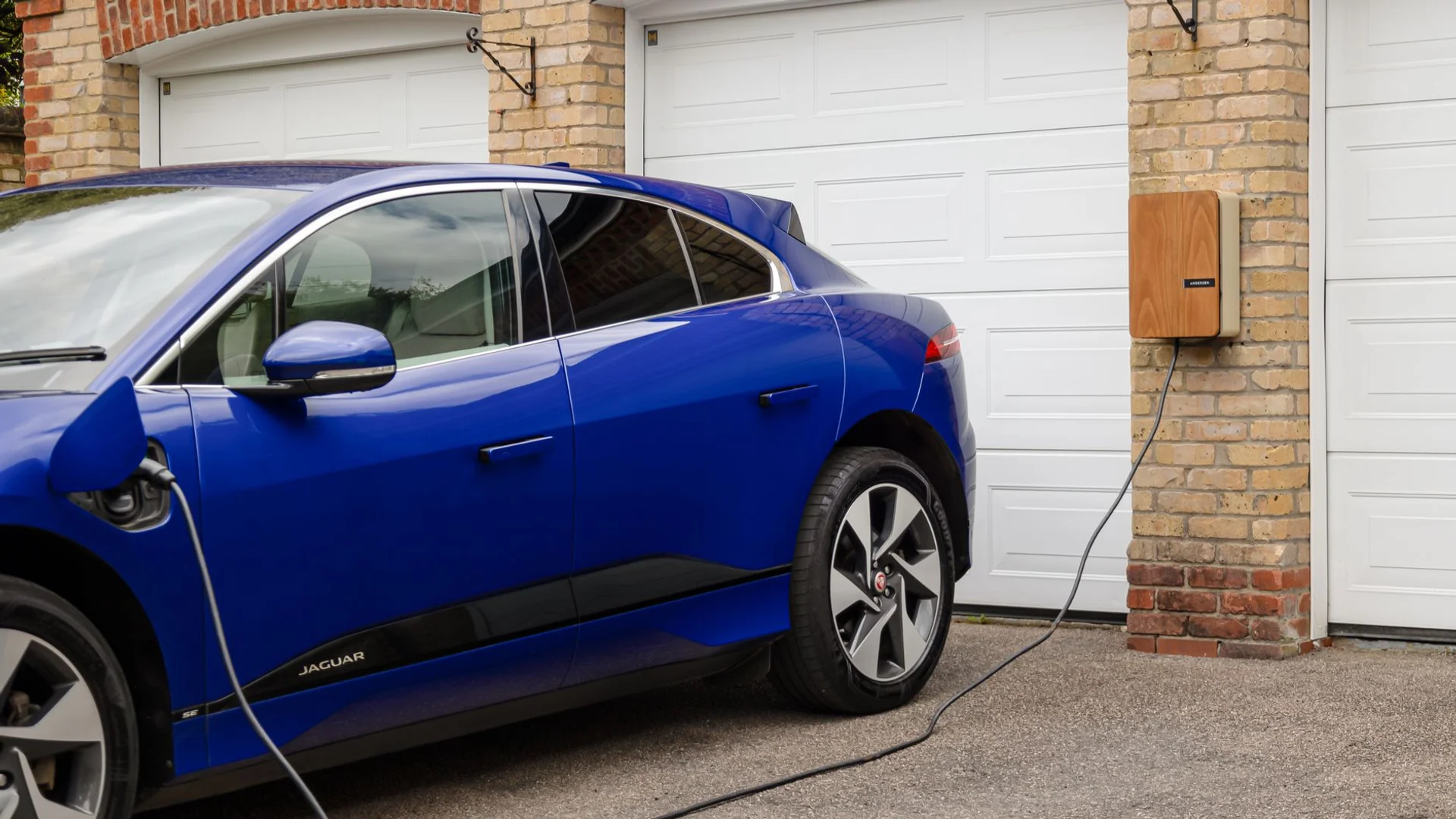
Public EV Chargers in Canada: 33,000 Now, 447,000
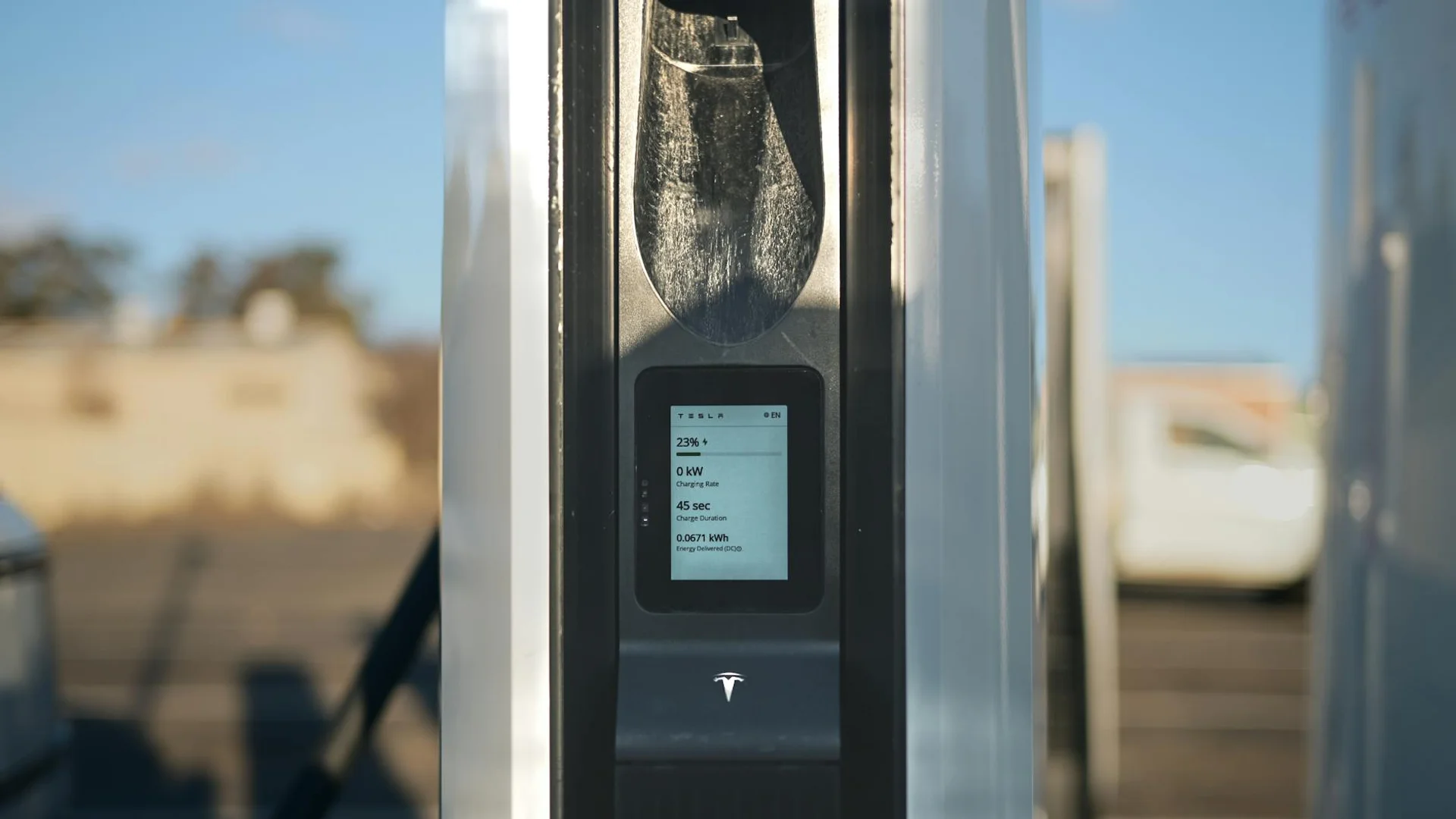
How Charging Networks Decide Stall Count Per Site

Swaptopus: CATL and Octopus Bet on Truck Battery Swaps

Hyundai Dealer's $418 EV Charge Exposes Public Charger Loophole

GM Energy Pass: One Universal Interface For Public Charging