Seven traffic-safety researchers examined Tesla's European Full Self-Driving safety study and found no independent third-party review stood behind the numbers Tesla handed to regulators. That is the quiet part of a Reuters investigation that has been loud in every other respect: the data moving through European approval files is Tesla's own, and the methodology does not survive outside review.
Key takeaways
- Seven researchers found Tesla's European FSD safety study lacks independent third-party replication.
- Dutch regulator RDW approved FSD after Tesla lobbied to narrow the audit's scope and cost.
- Tesla fans emailed EU regulators claiming delay would cost lives, scientists say the study doesn't support that claim.
- FSD remains a Supervised system; 'Full Self-Driving' is marketing language, not a regulatory classification.
- RDW's sealed approval file means seven EU countries adopted FSD on evidence the public cannot scrutinize.
Flawed Data, A Compliant Dutch Regulator, And A Sealed File
The Netherlands approved Tesla's Full-Self Driving (Supervised) system months ago, and the Dutch road regulator RDW has since advocated for its adoption across the EU. What RDW has not done is explain why. The file supporting the approval is not public. A regulator that recommends a system to twenty-six other member states, and declines to show its work, is not behaving like a regulator in the ordinary sense. It is behaving like a reference.
Tesla, for its part, pressed RDW to narrow the scope and cost of the review itself, correspondence Reuters obtained and reported. The company that wrote the system also lobbied the regulator who was meant to audit it, and the regulator shrank the audit. That is not a conspiracy claim. That is the sequence.
The methodology problem compounds the process problem. The seven researchers who looked at Tesla's European study flagged sample size, selection, and comparator issues severe enough that the "safer than human" headline cannot survive the arithmetic. There is no independent third-party replication. The system is now live in seven EU countries on the strength of a study its authors would not stake their names to in a journal, and a regulatory file the public is not permitted to read. Tesla's Cybercab launch drew a similar pattern of asserted-but-unsupported safety framing, and Tesla's Supercharger virtual-queue pilot showed what happens when the company fills policy gaps regulators have declined to define.
Gear worth having
As an Amazon Associate, ThinkEV earns a small commission from qualifying purchases — at no extra cost to you.
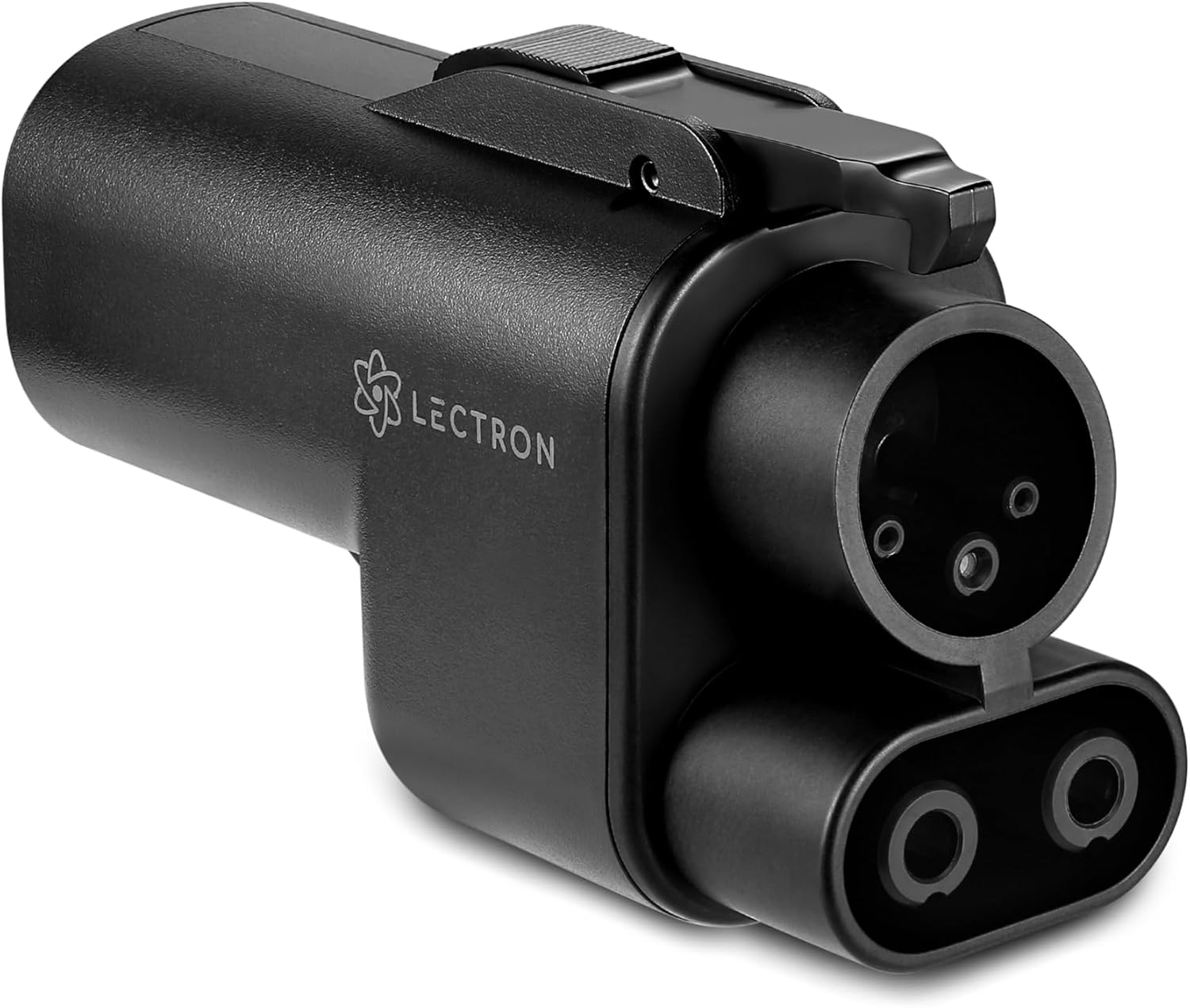
Lectron NACS to CCS Fast-Charge Adapter
Unlock every CCS fast charger for your Tesla, up to 500A DC. Never get stranded at a non-Tesla DC station again.
As an Amazon Associate, ThinkEV earns from qualifying purchases — at no extra cost to you.
Gear worth having
As an Amazon Associate, ThinkEV earns a small commission from qualifying purchases — at no extra cost to you.

Magnetic Car Phone Mount
Snaps your phone to the dash or vent so navigation and charging apps stay in view. The cheapest upgrade that makes every EV drive easier.
As an Amazon Associate, ThinkEV earns from qualifying purchases — at no extra cost to you.
The 'Costs Lives' Claim Is Doing Regulatory Work It Cannot Do Scientifically
Dozens of Tesla fans emailed European regulators claiming the authorities would be responsible for deaths if the FSD rollout was delayed. Elon Musk amplified the frame. Scientists examining the underlying study say the evidence does not support it. A rhetorical device, delay equals death, is doing load-bearing work in a regulatory process that is supposed to be evidence-weighted, not sentiment-weighted. The pressure campaign coordinated most visibly after French and German regulators pushed back on scope, which is one way to describe a coincidence, and another way to describe a strategy.
FSD remains a Supervised system. The driver's hands and eyes are part of the safety case; the "Full Self-Driving" branding is marketing, not classification. Europe's charging-corridor rules under AFIR were written to a measurable standard, fast chargers every 60 kilometres on core corridors, verifiable in the field. A driver-assistance system cleared on a sealed study and a social-media campaign is held to a different one. It is, to be fair, a standard.
Gear worth having
As an Amazon Associate, ThinkEV earns a small commission from qualifying purchases — at no extra cost to you.

Tesla Key Card Holder with AirTag Slot
Stop fishing the keycard out of your wallet, and slot an AirTag in case the car wanders off in a lot.
As an Amazon Associate, ThinkEV earns from qualifying purchases — at no extra cost to you.
Gear worth having
As an Amazon Associate, ThinkEV earns a small commission from qualifying purchases — at no extra cost to you.
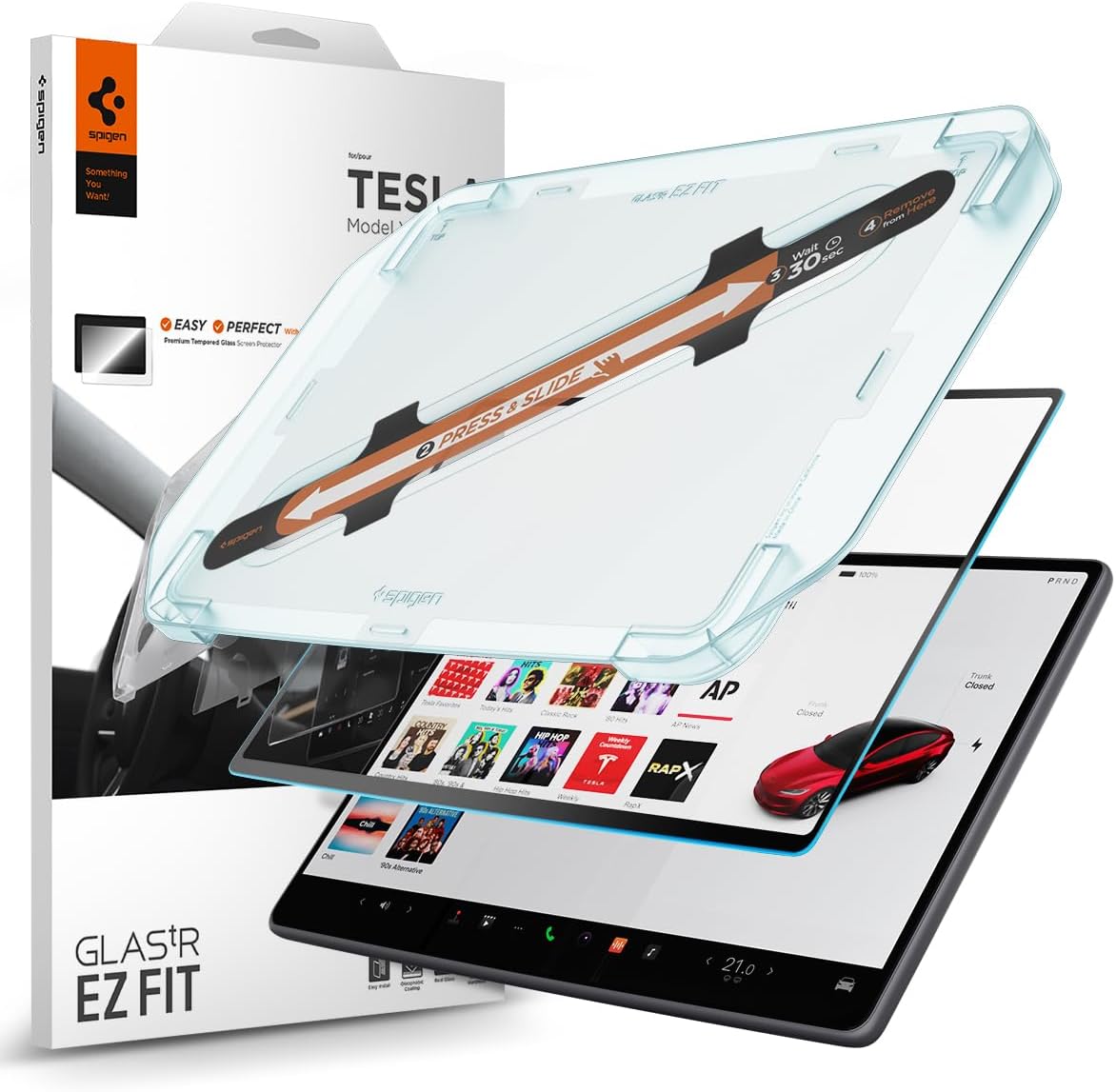
Spigen Tempered Glass for Tesla Model 3/Y
Tempered-glass protection for the touchscreen that kills fingerprints and scratches. Two minutes to install, lasts the life of the car.
As an Amazon Associate, ThinkEV earns from qualifying purchases — at no extra cost to you.
The Sealed File Is The Story, Not The Approval
The decision that matters next is not whether more EU countries sign on. The pressure is working; they will. The decision is whether a single national regulator, Dutch, French, German, or the Commission itself, publishes the safety file RDW has kept sealed. If that file holds up to independent review, the approval was correct and the process was ugly. If it does not, seven countries have adopted a system on evidence that cannot be defended in public. The checkpoint to watch is any freedom-of-information ruling against RDW this quarter. Until then, the regulatory record on FSD in Europe is a claim, not a conclusion.
Gear worth having
As an Amazon Associate, ThinkEV earns a small commission from qualifying purchases — at no extra cost to you.

WeatherTech FloorLiner for Tesla Model 3
Deep-channel liners that trap every drop of slush and salt. The difference between a ruined interior and a showroom-fresh cabin after a Canadian winter.
As an Amazon Associate, ThinkEV earns from qualifying purchases — at no extra cost to you.
Founder & Chief Editor
Vlad Pereira is the founder and chief editor of ThinkEV.ca, the Canadian electric-vehicle publication he writes and edits from Courtenay, British Columbia. He covers EV pricing, federal and provincial rebates, charging costs, and the Chinese manufacturers now entering Canada, from the buyer's side rather than the press-fleet side. ThinkEV is a venture of Vlad Pereira Online; his writing on health, income and the long game lives at vladpereira.com.
Frequently asked questions
Can Canadian drivers legally use FSD if they visit Europe?
Why did Dutch regulators lead the EU approval instead of a larger country?
What specifically did the seven researchers say was wrong with Tesla's study?
Has any EU country formally refused FSD approval so far?
What would actually resolve this, what's the concrete next step to watch?
More EV & road-trip finds
Affordable upgrades worth a look — tap any to check the price on Amazon.
 ★ 55,938
WixGear Magnetic Air Vent Phone Mount (2-Pack)
View on Amazon ★ 87
★ 87Car Window Sun Shades for Kids (4-Pack)
View on Amazon ★ 268
★ 268Anti-Slip Leather Steering Wheel Cover
View on Amazon ★ 4,050
Touchscreen Mist Screen Cleaner Kit
View on Amazon ★ 55
★ 55LED Car Door Logo Projector Light
View on Amazon ★ 900
★ 900Personalized Photo Car Air Freshener
View on Amazon ★ 4,424
Sun Visor Card and Document Organizer
View on Amazon ★ 17,242
LISEN Mini USB-C Car Charger (54W)
View on AmazonRead, Plan, Then Stay Current
Explore our expert articles to understand incentives and ownership costs, use the map to pressure-test charging reality, then subscribe so new EV coverage comes straight to you.
Continue Reading
SAE Driving Automation Levels Explained: L0 to L5
Tesla Cybercab Launch Draws NHTSA Probe, Stock Slide
Tesla Cybercab Employee Rides: A Parking-Lot Shuttle
Tesla Cybercab Specs Confirmed by EPA, Autonomy Still Missing
Tesla, Caterpillar and the EV Tech Training Gap