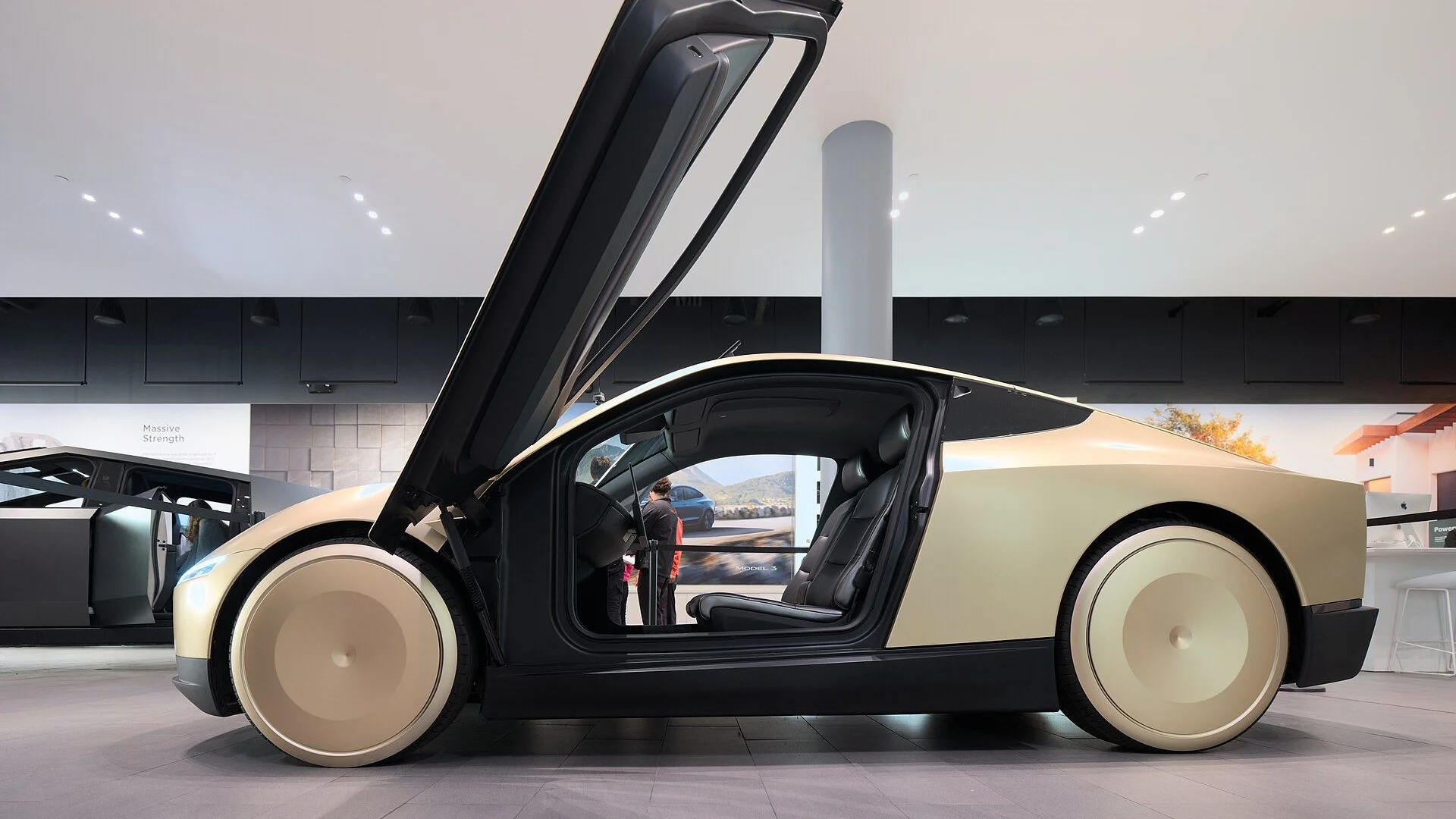
The brochure says "Full Self-Driving." The fine print says "hands on wheel, eyes on road." No consumer EV sold in 2026 is self-driving in the sense the marketing implies, SAE Level 2 is the realistic ceiling at the dealership, Level 3 exists but barely, and Level 5 does not exist in any product you can order. The gap between the term and the taxonomy is the single most expensive misunderstanding in the EV purchase cycle, and it is worth walking through before you sign anything.
Key takeaways
- No Canadian province permits Level 3 hands-off driving on public roads as of November 2026.
- Mercedes Drive Pilot is the only consumer system with formal Level 3 approval, capped at 60 km/h, select U.S. states only.
- Every EV on a Canadian lot in 2026 is SAE Level 2: you remain legally responsible regardless of what the branding says.
- GM's Ultra Cruise targets eyes-off capability on the Escalade IQ, but regulatory approval is still unconfirmed.
- A full ADAS sensor stack draws measurable kilowatt-hours per 100 km, quietly cutting the range you paid for.
What the SAE Levels Actually Mean at the Dealership
The Society of Automotive Engineers defines a six-step ladder from Level 0 (no automation) to Level 5 (no steering wheel required, anywhere, any weather). Every consumer EV on a Canadian dealership lot in 2026 sits at Level 2 or below, the system can steer, brake, and accelerate within its lane, but the driver remains legally responsible at all times. The hands-free systems you can activate on mapped highways are still Level 2; the eyes stay on the road, and the liability stays with you.
Level 3 is where things get interesting and narrow. IEA analysis on autonomous vehicles counts electric driverless taxis (Level 4) already operating commercially in more than 20 cities worldwide, while fully autonomous cars (Level 5 automation) are not currently in sight. But those Level 4 deployments are geofenced robotaxi fleets, not cars you can buy. Mercedes-Benz Drive Pilot is the lone consumer system with formal Level 3 approval in North America, and only in select U.S. states, only on specific mapped highways, only at speeds up to about 60 km/h in traffic. When Drive Pilot is engaged inside its operational design domain, liability formally shifts to Mercedes. That is the headline. The asterisks are longer than the headline.
A system capped at 60 km/h in traffic jams, on roads Mercedes has personally mapped, in a handful of U.S. states, is a legal proof of concept rather than a daily-use feature. What it proves still matters: liability can transfer under defined conditions, and once that precedent exists, the envelope can be widened without rewriting the underlying law. The product is thin. The precedent is not.
Level 4 remains the robotaxi lane. Waymo runs commercial driverless service in Phoenix and San Francisco, among others, and its independently reviewed crash data consistently shows fewer crashes than human-driven cars. That record sits inside a tightly defined geographic box. The moment a Waymo leaves its mapped service area, the system does not generalise. If you want the SAE ladder explained end to end, the SAE driving automation levels breakdown from L0 to L5 walks through each rung with the legal footnotes attached.
Gear worth having
As an Amazon Associate, ThinkEV earns a small commission from qualifying purchases — at no extra cost to you.

Lectron Level 2 J1772 Charger (40A, WiFi)
Smart WiFi charger with real-time energy monitoring. 40A / 9.6 kW, J1772 with a NEMA 14-50 plug, schedule charging right from your phone.
As an Amazon Associate, ThinkEV earns from qualifying purchases — at no extra cost to you.
Why EVs and Autonomy Keep Ending Up in the Same Sentence
There is an engineering reason the two technologies converge, and it is not marketing synergy. Sensors and chips integrate well with the stable, high-voltage power supply of EV batteries, and driving automation is at the forefront of software developments for cars today. Combustion powertrains can run compute loads, but not cleanly, the 12-volt electrical architecture was designed for headlights and radios, not for lidar stacks drawing kilowatts. EVs ship with the right wiring from the factory.
The software-defined vehicle model follows the same logic: over-the-air updates, centralised compute, one platform across trim levels. Tesla pioneered the pattern and the industry copied it, which is why ADAS roadmaps and EV roadmaps now read like the same document at most automakers. The historical arc is longer than most buyers realise, self-driving cars were anticipated by experiments in radio control during the 1920s, and the development of advanced driver assistance (ADAS) after WWII laid the groundwork for everything shipping today. The idea is old. The silicon to execute it is new.
The energy cost is where the story gets blunt. An MIT study projected that, taken to their logical endgame, in which every showroom car or taxi could drive itself, autonomous cars might hoover up more energy than all the world's data centres consumed in 2023. At the vehicle level, a full ADAS stack draws measurable kilowatt-hours per 100 km. At highway speed, where the compute never idles, it eats range you paid for. This is not a reason to avoid the technology. It is a reason to notice that the glossy specs quote the car without the stack running.
The Systems Worth Knowing in 2026: Capability by Brand
Tesla Full Self-Driving (Supervised) has the widest North American road coverage of any consumer system, operates via a monthly subscription or lump-sum purchase, and is legally Level 2. The system will handle city streets, make turns, and manage intersections, but HW3 cars do not have the capability for unsupervised full self-driving, and Musk said Tesla will offer hardware upgrades to HW3 cars to bring them up to spec. That is a live issue for anyone who bought FSD on older hardware expecting the eventual promised capability.
GM Super Cruise and the next-generation Ultra Cruise deliver hands-free driving on a mapped highway network, the driver monitors with eyes forward, a cabin camera enforces attention, and the car handles lane changes. The Cadillac Escalade IQ, GM's largest electric SUV, is the first vehicle to hit the road with the next-gen self-driving tech. At over 224″ long, the electric Escalade is one, if not the biggest, EV sold in the US, and GM is testing eyes-off capability on this platform, which is the step that would push it from Level 2 to conditional Level 3. Production approval is not yet confirmed.
The Escalade IQ choice is telling when you set it against the Mercedes Drive Pilot playbook. Mercedes earned its Level 3 approval by narrowing the envelope until it was unassailable, slow speeds, mapped highways, a handful of jurisdictions. GM appears to be chasing the opposite strategy: debut eyes-off on the flagship SUV, use the hardware budget of a six-figure vehicle to over-spec the sensor stack, then push for regulatory approval from a position of visible capability. Both are plausible paths. Only one has the paperwork. The question through 2027 is whether GM can close that paperwork gap before Mercedes extends its lead into faster speeds and wider geography.
Ford BlueCruise and Hyundai Highway Driving Pilot offer comparable mapped-highway hands-free driving with narrower geographic footprints than Super Cruise. Mercedes Drive Pilot, as noted, is the only shipping system with Level 3 approval, and the operational envelope is small, slow, specific, highway-only, select U.S. jurisdictions. Each brand's approach to the sensor stack differs in ways that matter for how the car behaves in snow or heavy rain; the comparison of Waymo, Tesla FSD, and the different autonomy approaches covers the engineering choices behind each.
Gear worth having
As an Amazon Associate, ThinkEV earns a small commission from qualifying purchases — at no extra cost to you.

WeatherTech FloorLiner for Tesla Model 3
Deep-channel liners that trap every drop of slush and salt. The difference between a ruined interior and a showroom-fresh cabin after a Canadian winter.
As an Amazon Associate, ThinkEV earns from qualifying purchases — at no extra cost to you.
On the Chinese side, BYD's God's Eye system is pushing the commodity end of the market, and the company has taken an unusual public position on crash liability, covered in detail in BYD's self-driving crash-liability policy. It is not available in Canada and would not be legal here at Level 3 anyway, but the pricing pressure from Chinese ADAS stacks will show up in Western systems within two product cycles.
Gear worth having
As an Amazon Associate, ThinkEV earns a small commission from qualifying purchases — at no extra cost to you.
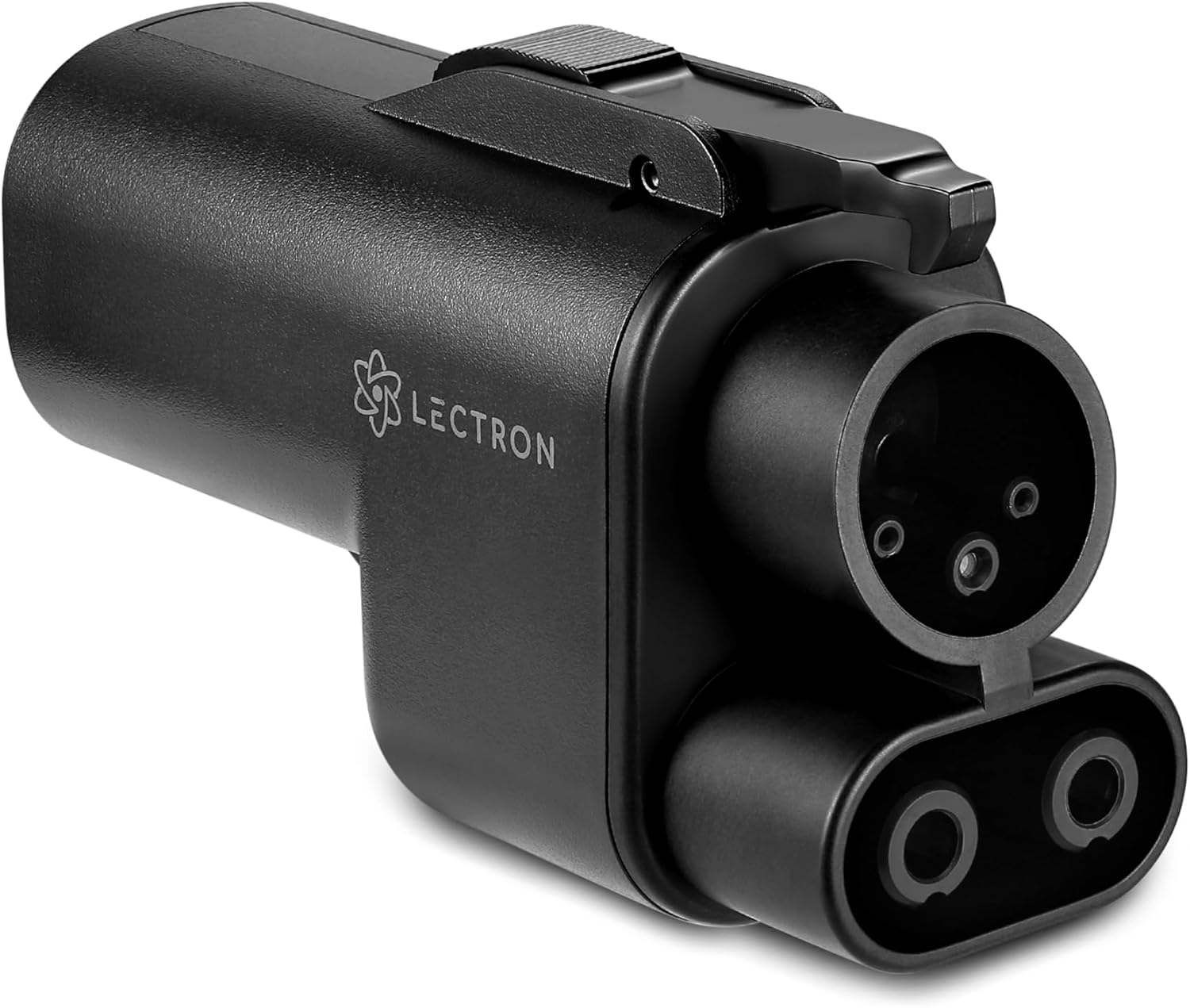
Lectron NACS to CCS Fast-Charge Adapter
Unlock every CCS fast charger for your Tesla, up to 500A DC. Never get stranded at a non-Tesla DC station again.
As an Amazon Associate, ThinkEV earns from qualifying purchases — at no extra cost to you.
What Canadian Buyers Can Actually Activate
No Canadian province has approved Level 3 hands-off use on public roads for consumer vehicles as of November 2026. That is the single most important sentence in this guide if you are buying here. Super Cruise's mapped-highway network covers the major Canadian corridors, the 401, the Trans-Canada through the Prairies, sections of Highway 1 in British Columbia, and the system works as advertised on those routes. Tesla FSD Supervised is available in Canada and is legally treated as Level 2; the driver is responsible regardless of what the car is doing.
Robotaxi operations remain U.S.-only. Waymo has no confirmed Canadian commercial deployment timeline. Cruise has effectively exited the robotaxi business after the 2023 incidents, and the broader regulatory environment for Level 4 consumer-facing service in Canada is unresolved, other issues include security of over-the-air updates, legal and regulatory issues, ethics, and consumer confidence.
Key constraints for a Canadian buyer today:
- Hands-free is legal, eyes-off is not. Super Cruise, BlueCruise, and Highway Driving Pilot work on mapped routes; the driver must remain visually engaged.
- Coverage is corridor-specific. Outside the mapped network, hands-free systems fall back to adaptive cruise.
- FSD Supervised is Level 2 in Canadian law. The product name does not change the liability.
- No robotaxi service operates commercially in any Canadian city.
- Winter edge cases are unresolved. No consumer system has published validated performance data for sustained snow or freezing rain.
The practical ceiling for a Canadian buyer today is hands-free highway assist on a mapped route, driver ready to intervene within one or two seconds. That is a useful feature on a long drive. It is not autonomy. Treating it like autonomy is how people end up in NHTSA special-order filings.
Gear worth having
As an Amazon Associate, ThinkEV earns a small commission from qualifying purchases — at no extra cost to you.

Tesla Key Card Holder with AirTag Slot
Stop fishing the keycard out of your wallet, and slot an AirTag in case the car wanders off in a lot.
As an Amazon Associate, ThinkEV earns from qualifying purchases — at no extra cost to you.
How to Choose Based on What You Will Actually Use
Match the system's geographic coverage to your regular routes before you compare feature lists. A Tesla with FSD Supervised is the broadest-coverage system in North America; a GM product with Super Cruise is the strongest hands-free experience on a mapped corridor. If your commute is the 401 between Toronto and Kingston, both work. If your commute is a rural secondary highway outside the mapped network, Super Cruise defaults back to standard adaptive cruise and you have paid for a feature you cannot use.
Cost structure matters across the ownership period. Tesla FSD is a subscription (currently around $130 CAD per month) or a one-time purchase in the mid-four-figures. Super Cruise is included on qualifying trims and typically carries a three-year complimentary service plan, after which the connectivity subscription runs around $25 USD per month. Over five years, the delta between the two models runs into the thousands.
Safety data is thinner on the consumer side than most buyers assume. The primary obstacle to self-driving is the advanced software and mapping required to make them work safely across the wide variety of conditions that drivers experience. However, the software is not yet advanced enough to handle all circumstances and has caused accidents and deaths. Waymo publishes crash and disengagement data because the company operates a fleet. Tesla publishes aggregate FSD safety claims that have been contested on methodology. NHTSA's Standing General Order filings are the most reliable public record of consumer ADAS incidents, and they are worth reading if you are spending $7,000 on a feature.
A fair objection: if Waymo's driverless fleet genuinely crashes less often than human drivers, consumer "self-driving" should get the same benefit of the doubt. It should not. The two systems are not comparable. Waymo operates with redundant lidar, pre-mapped routes, remote human supervision, and a service area it chose. A consumer EV has none of that infrastructure behind it. The safety case for a geofenced robotaxi does not transfer to a privately-owned vehicle on an unmapped road at night in freezing rain. Confusing the two is the marketing's job. Separating them is yours.
For the chip-and-training side of the ADAS race, where the real margin war is being fought, the Xpeng VLA 2.0 approach explained by their AI chief is worth the read; it reframes what "intelligent driving" will actually mean by 2028.
I'd put the price band on the capable Level 2+ EVs that deliver real hands-free highway driving in Canada today at roughly $52,000 to $72,000 CAD depending on brand, trim, and whether the ADAS package is included or extra. That band is deliberately wide, a Mustang Mach-E with BlueCruise lives at the bottom, a Cadillac Lyriq with Super Cruise sits in the middle, a well-optioned Model Y with FSD lands near the top. I will not round it to a single number because the subscription-versus-included split changes the five-year math more than the sticker price does.
If neither Transport Canada approval for an eyes-off Level 3 model nor GM's production sign-off on Escalade IQ eyes-off capability lands before the end of 2027, Canadian buyers are still paying Level 5 prices for Level 2 capability, and the brochure will keep saying otherwise. Mercedes is the most likely Transport Canada applicant, and that single regulatory decision will determine whether the next five years of ADAS marketing has any legal basis in this country or remains a sophisticated Level 2 experience sold with a Level 5 vocabulary.
Gear worth having
As an Amazon Associate, ThinkEV earns a small commission from qualifying purchases — at no extra cost to you.
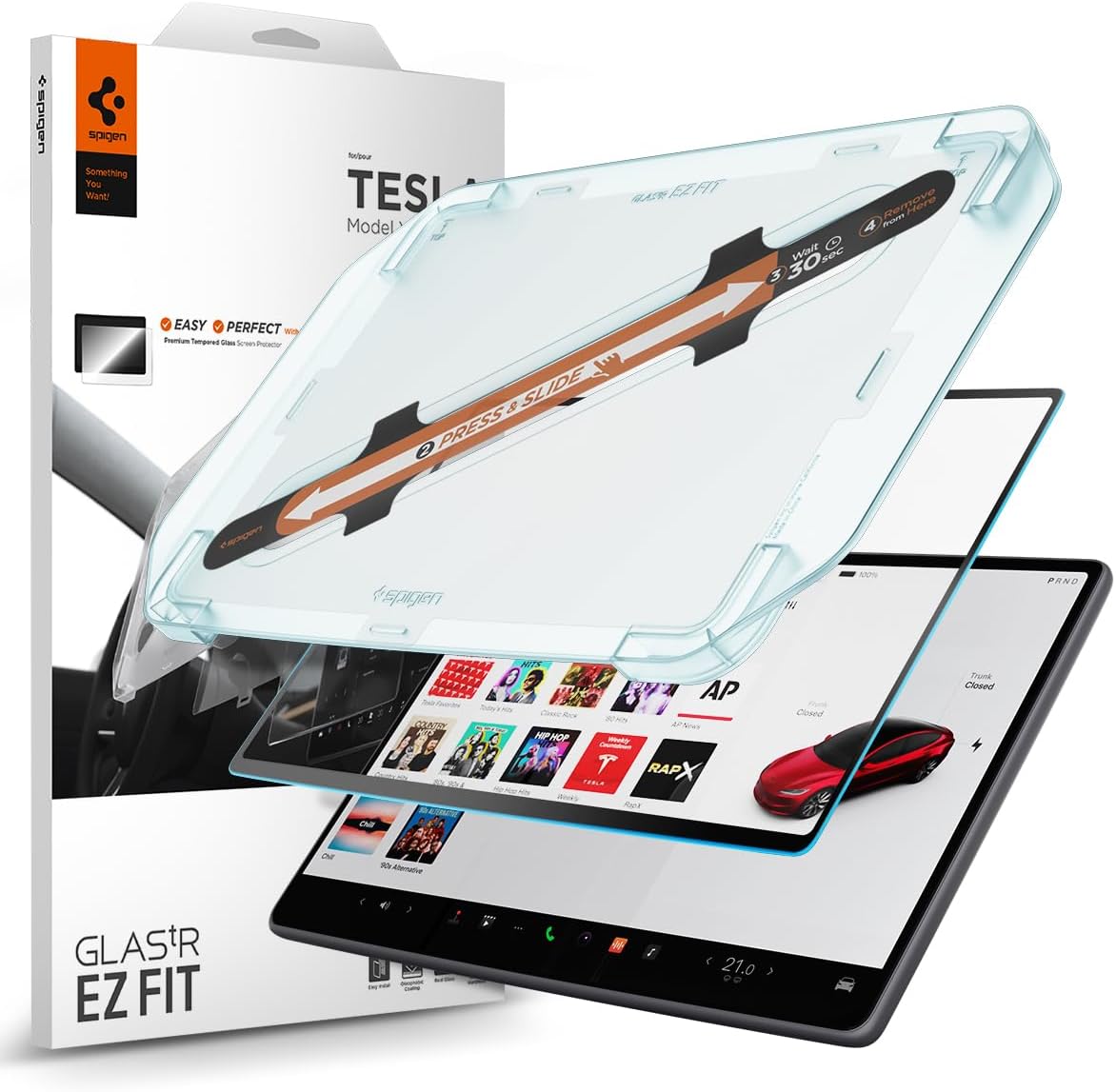
Spigen Tempered Glass for Tesla Model 3/Y
Tempered-glass protection for the touchscreen that kills fingerprints and scratches. Two minutes to install, lasts the life of the car.
As an Amazon Associate, ThinkEV earns from qualifying purchases — at no extra cost to you.

Founder & Chief Editor
Vlad Pereira is the founder and chief editor of ThinkEV.ca, the Canadian electric-vehicle publication he writes and edits from Courtenay, British Columbia. He covers EV pricing, federal and provincial rebates, charging costs, and the Chinese manufacturers now entering Canada, from the buyer's side rather than the press-fleet side. ThinkEV is a venture of Vlad Pereira Online; his writing on health, income and the long game lives at vladpereira.com.
Frequently asked questions
Is any consumer EV legal to drive hands-free in Canada right now?
If Tesla FSD crashes, who pays?
Does running ADAS software actually cut my EV's range?
Why do Level 4 robotaxis work but Level 4 cars don't exist yet?
Should I pay for FSD on an older Tesla today?
More EV & road-trip finds
Affordable upgrades worth a look — tap any to check the price on Amazon.
 ★ 119
Foldable Waterproof Trunk Organizer
View on Amazon ★ 268
Anti-Slip Leather Steering Wheel Cover
View on Amazon ★ 12,051
Windex Electronics Screen Wipes
View on Amazon ★ 537
USB Star Projector Roof Light
View on Amazon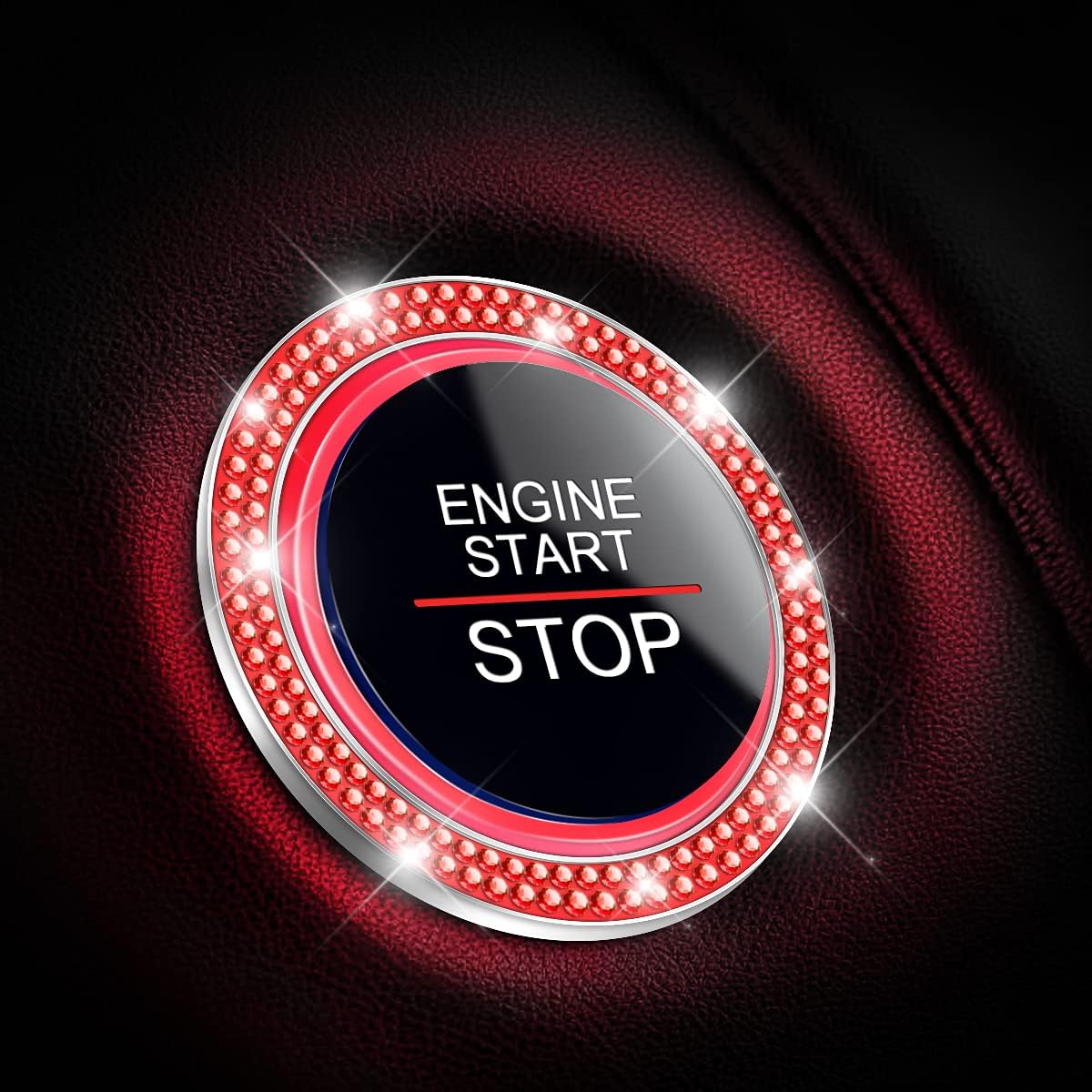 ★ 1,083
Crystal Push-Start Button Ring (2-Pack)
View on Amazon ★ 979
Leather Headrest Purse Hook
View on Amazon ★ 55,938
WixGear Magnetic Air Vent Phone Mount (2-Pack)
View on Amazon ★ 61
Toddler Car Seat Snack and Cup Tray
View on AmazonRead, Plan, Then Stay Current
Explore our expert articles to understand incentives and ownership costs, use the map to pressure-test charging reality, then subscribe so new EV coverage comes straight to you.
Continue Reading
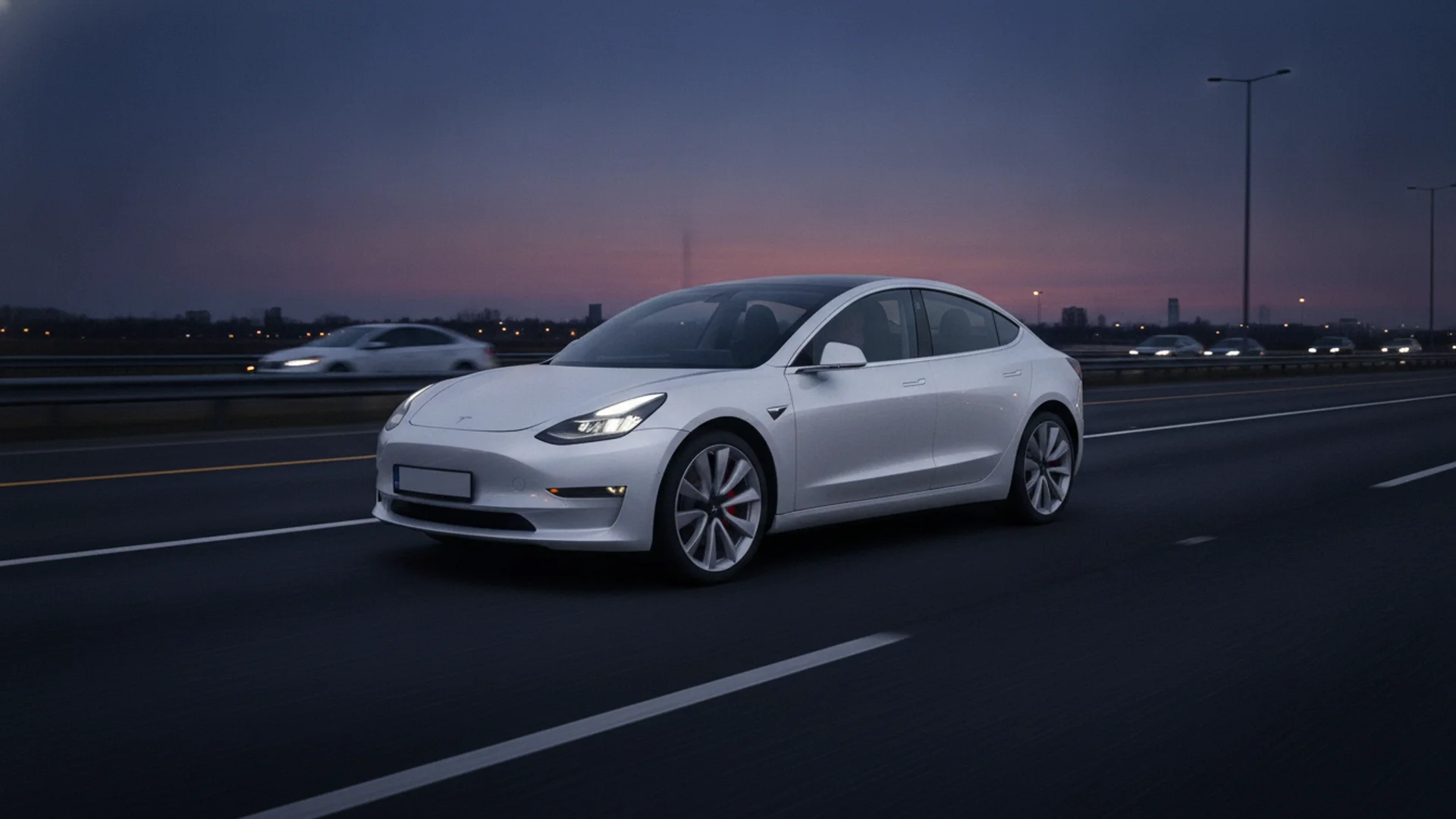
SAE Driving Automation Levels Explained: L0 to L5
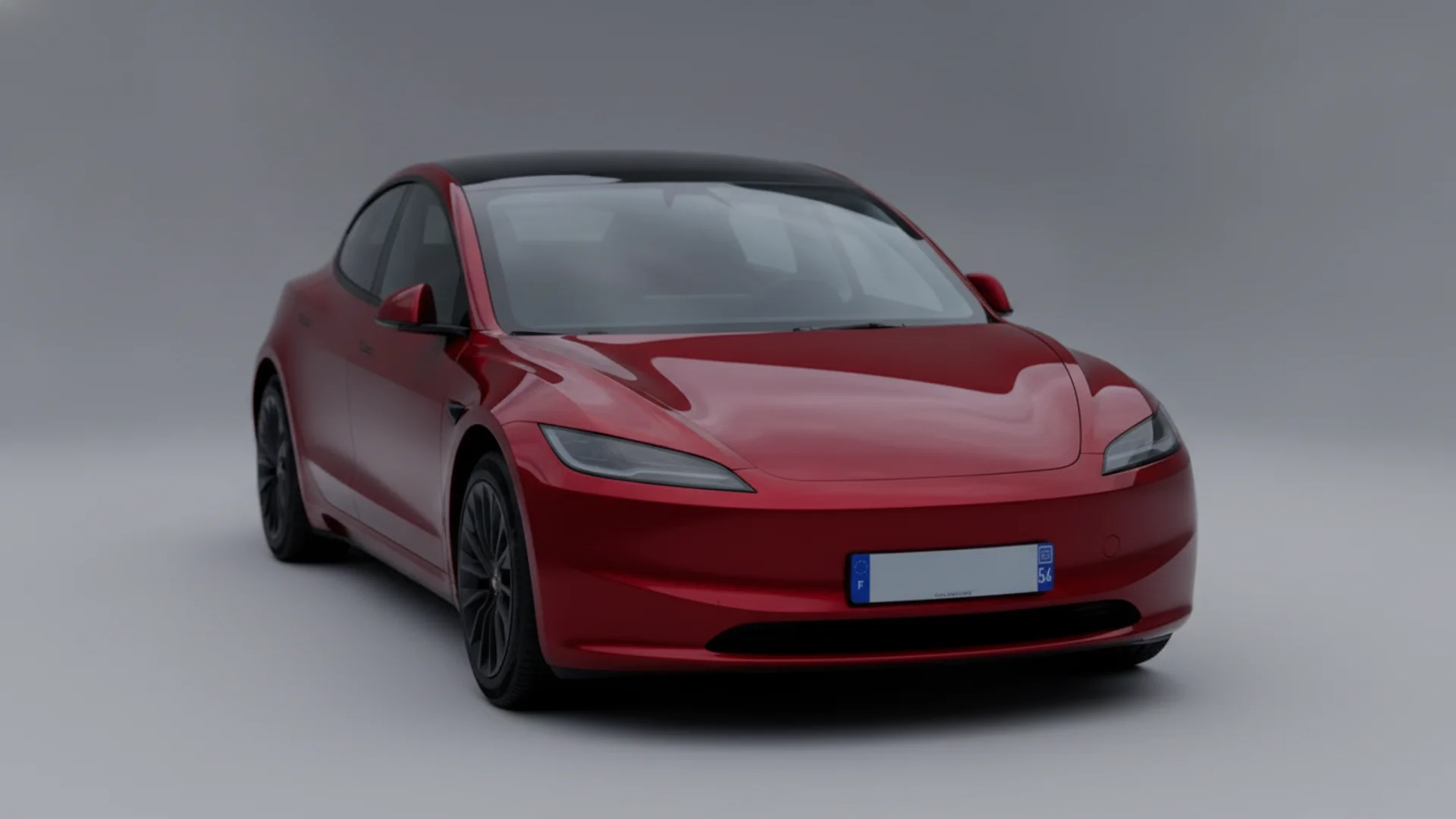
Tesla's 274 sq mi San Antonio Robotaxi Map, Decoded
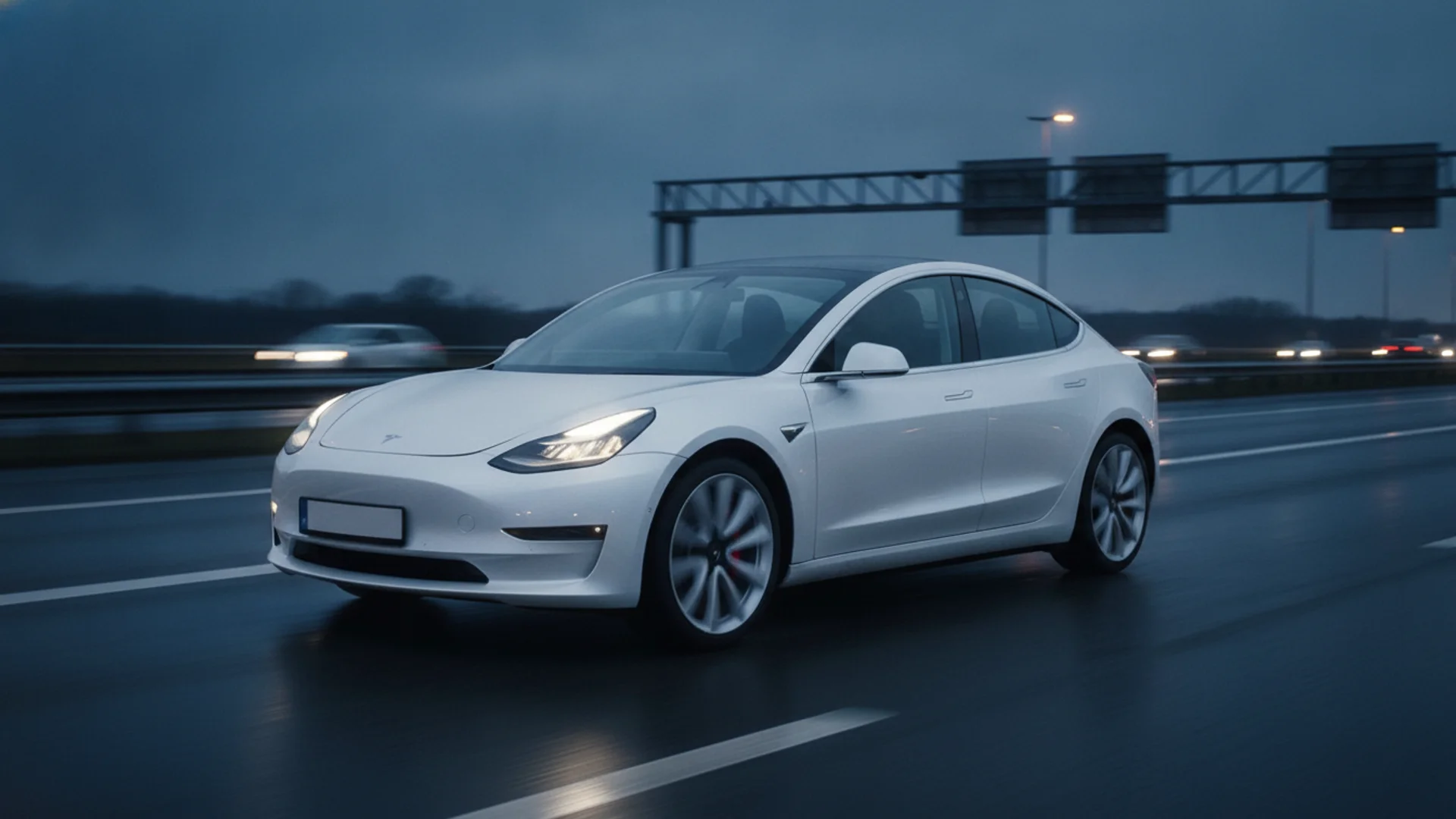
How Tesla Pressured EU Regulators to Approve FSD in 2026
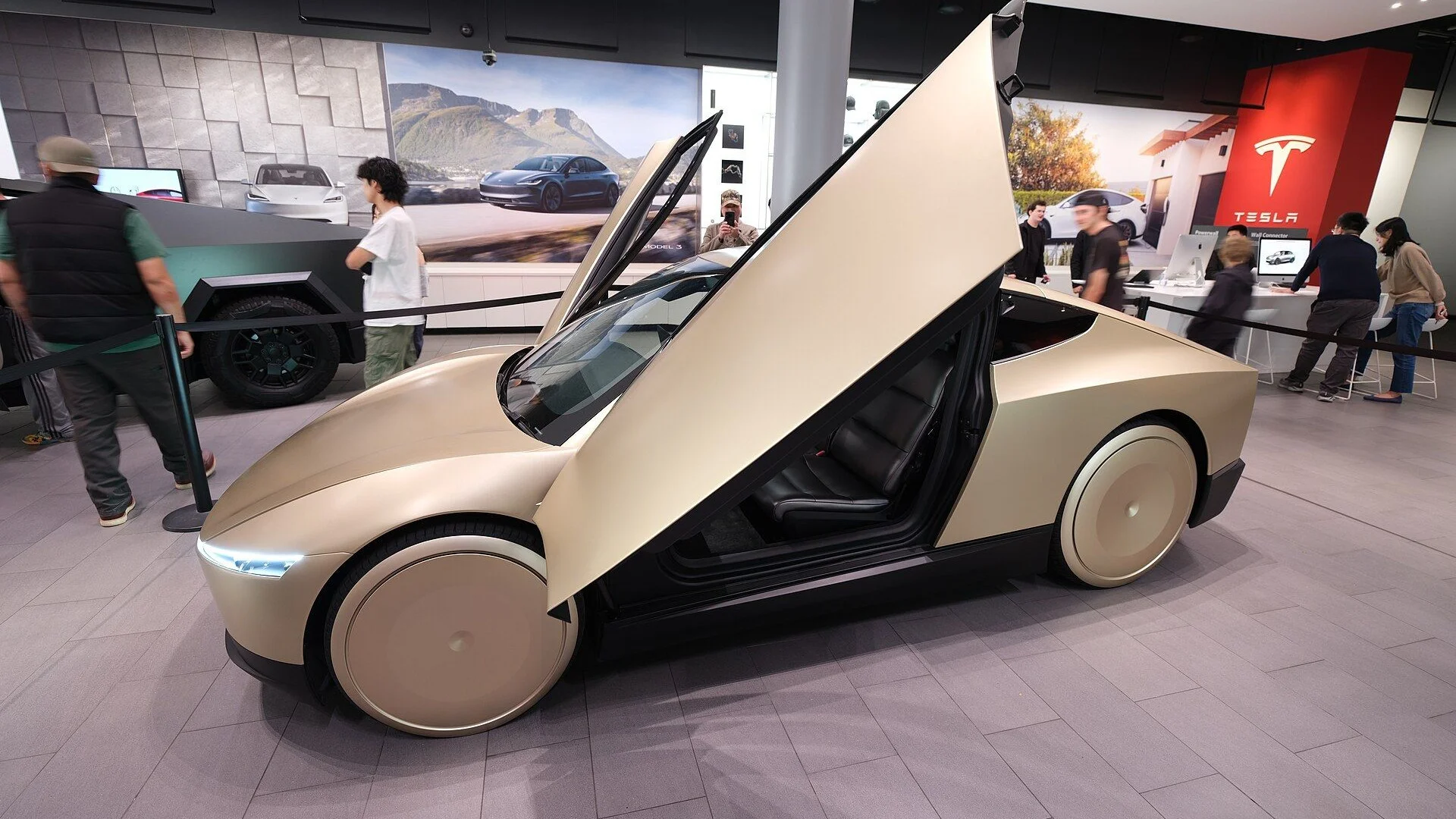
Tesla Cybercab Launch Draws NHTSA Probe, Stock Slide
Tesla Cybercab Employee Rides: A Parking-Lot Shuttle