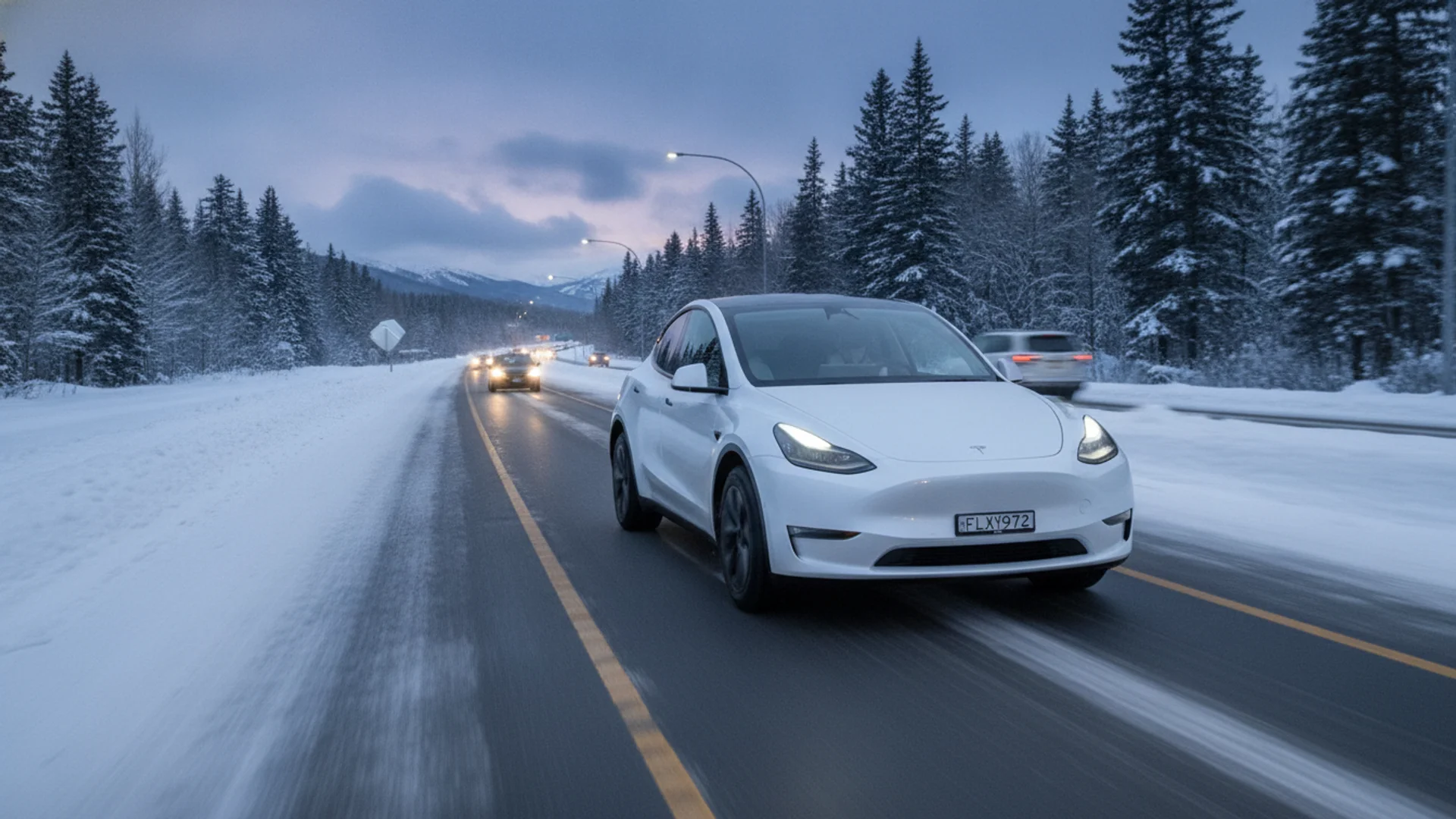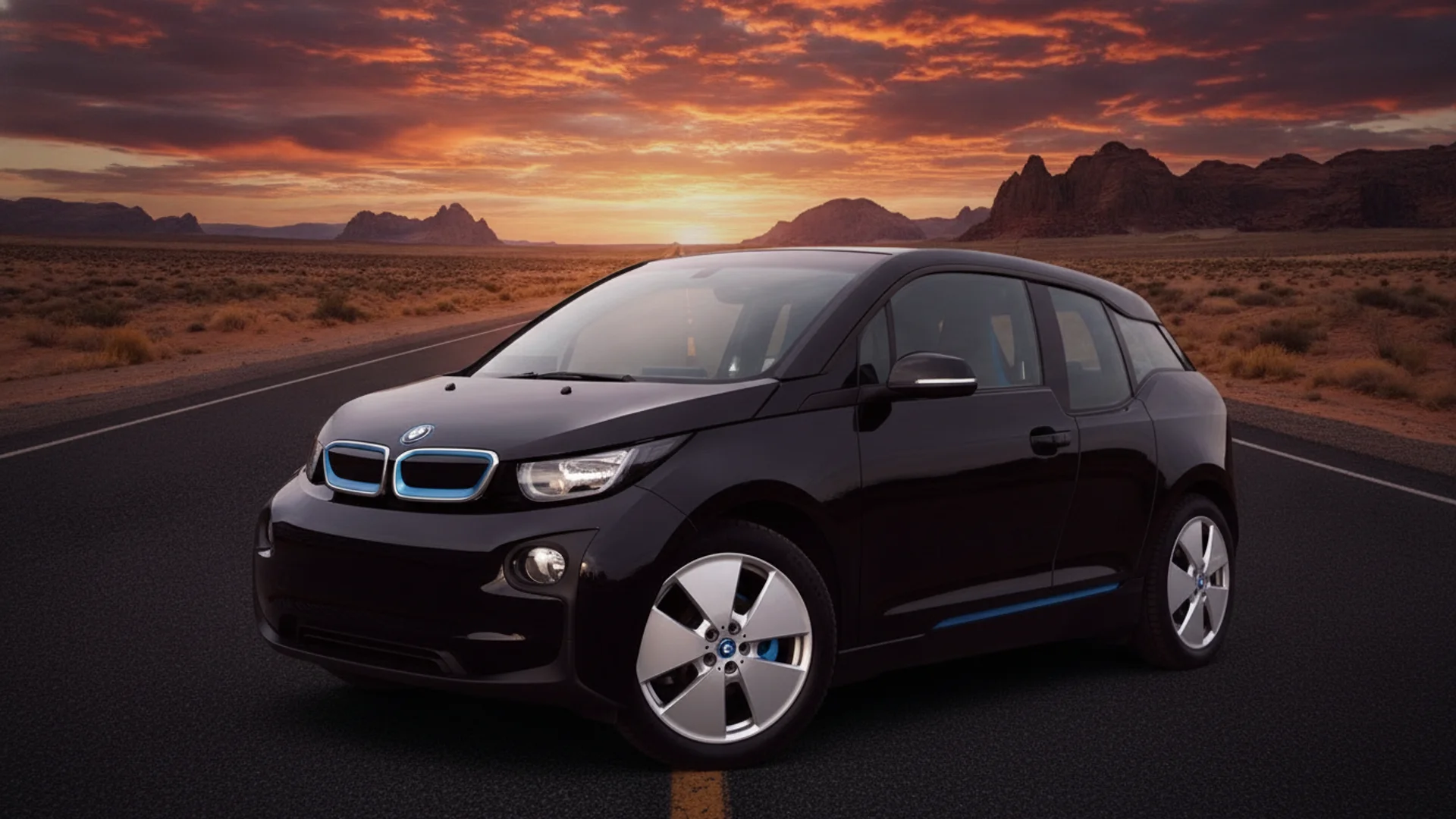
The Global EV Alliance asked 29,500 drivers across 34 countries what is holding electrification back. They named myths they hear from neighbours, batteries that don't last (72%), fires (58%), grid collapse, not problems they have actually had. That gap between what people fear and what EV owners experience is now the single biggest adoption barrier the industry faces. It is also the one no automaker is really equipped to fix alone.
Key takeaways
- 72% of surveyed EV owners cite battery lifespan myths, not personal failures, as the top adoption barrier.
- Geotab's 22,700-vehicle analysis found only 0.3% of post-2022 EV batteries needed replacement after eight years.
- The phone-battery comparison is the named culprit: EV packs are liquid-cooled, warranty-backed systems, not bare lithium cells.
- 42% of British Columbians in a 2025 David Suzuki Foundation survey believed EVs create more pollution than gas cars.
- Montreal's 18% BEV share versus Halifax's 6% tracks information density as closely as it tracks charging infrastructure.
The Myths Outran the Failures by a Wide Margin
The headline number from GEVA's annual Global EV Driver Survey is that misconceptions, from battery lifespan to fire risk to grid collapse, now rank as the biggest barrier to EV adoption, according to the drivers who already own one. These are not skeptics projecting. They are owners reporting what they hear at dinner tables.
The actual data points the opposite direction. Geotab's analysis of 22,700 electric vehicles found modern EV batteries retain an average of 81.6% capacity after eight years, and only 0.3% of batteries in vehicles built after 2022 have needed replacement. That is not a degradation crisis. That is a non-event dressed up as one.
The named culprit is the phone in your pocket. Ellen Hiep of the Global EV Alliance's Steering Committee said it was understandable that people compare EV batteries with phone batteries that need replacing after two or three years. Understandable, but wrong. A phone battery is a bare lithium cell with no thermal management, cycled to 100% daily, cooked in a pocket. An EV pack is a liquid-cooled, buffered, warranty-backed system engineered for a decade of partial cycles. "There's absolutely no need to be worried about a super-steep decline like what you would see in a cellphone," said Liz Najman, director of market insights at Recurrent Motors.
Gear worth having
As an Amazon Associate, ThinkEV earns a small commission from qualifying purchases — at no extra cost to you.

Lectron Level 2 J1772 Charger (40A, WiFi)
Smart WiFi charger with real-time energy monitoring. 40A / 9.6 kW, J1772 with a NEMA 14-50 plug, schedule charging right from your phone.
As an Amazon Associate, ThinkEV earns from qualifying purchases — at no extra cost to you.
The warranty covers most packs for eight years or 160,000 kilometres. It is, for an engineered component, a reasonable number.
Myth Correction Is Now the Real Adoption Work
The uncomfortable implication of a survey of owners naming misinformation as the top barrier is that the product is not the problem. The communication around the product is. Canadian evidence runs parallel: a 2025 David Suzuki Foundation survey found 42% of British Columbians believed EV batteries create more pollution than internal combustion engines, a claim the lifecycle data has refuted for years. For the full picture on EV battery recycling and end-of-life handling in Canada, the engineering reality is nothing like the folk wisdom.
The adoption map inside Canada shows the same pattern. Metro Montreal sits near 18% BEV share of new registrations, Victoria 17%, Toronto 12%, Edmonton 7%, Halifax 6%. Charging infrastructure explains part of the spread, but not all of it, information density tracks the curve just as cleanly. Markets with established EV communities see the myths get corrected in conversation; markets without one see them compound. The provincial and city-level breakdown of Canadian EV adoption rates makes the correlation hard to miss.
EVAP addresses cost. Provincial rebates address cost. No federal program is structured to address misinformation at scale, which is the barrier the people closest to the technology are now flagging as the biggest one. That gap, between what policy funds and what the market actually needs, is the number to watch into 2027. The buyers waiting on the sidelines are not waiting on a better battery. They are waiting on a better story about the one that already exists, and the industry has not yet decided whose job that is. For readers weighing the real numbers against the rumours, the hidden costs of EV ownership are a more useful place to spend worry than a battery that will outlast the loan.
Gear worth having
As an Amazon Associate, ThinkEV earns a small commission from qualifying purchases — at no extra cost to you.

P3 Kill A Watt Electricity Usage Monitor
Plug in your charger and see exactly what you spend in kWh, cost, and watts. Settle the is-my-EV-really-cheaper debate with data.
As an Amazon Associate, ThinkEV earns from qualifying purchases — at no extra cost to you.
Gear worth having
As an Amazon Associate, ThinkEV earns a small commission from qualifying purchases — at no extra cost to you.

Grizzl-E Classic Level 2 EV Charger (40A)
Canadian-made and rated for minus 40C winters. 40A / 9.6 kW, NEMA 14-50, indoor/outdoor, 24-ft cable. The charger built for Canadian weather.
As an Amazon Associate, ThinkEV earns from qualifying purchases — at no extra cost to you.
Gear worth having
As an Amazon Associate, ThinkEV earns a small commission from qualifying purchases — at no extra cost to you.

PULIDIKI Car Cleaning Gel (Detailing Putty)
Press it into vents, buttons, and seams and it lifts out dust you did not know was there. Weirdly satisfying, genuinely useful.
As an Amazon Associate, ThinkEV earns from qualifying purchases — at no extra cost to you.
Gear worth having
As an Amazon Associate, ThinkEV earns a small commission from qualifying purchases — at no extra cost to you.

WixGear Magnetic Air Vent Phone Mount (2-Pack)
A magnet strong enough that your phone never flinches over potholes or rail crossings. Two in the box, one for each car.
As an Amazon Associate, ThinkEV earns from qualifying purchases — at no extra cost to you.

Founder & Chief Editor
Vlad Pereira is the founder and chief editor of ThinkEV.ca, the Canadian electric vehicle publication he writes and edits from Courtenay, British Columbia. A former professional ballet dancer, he also works as a digital artist, graphic designer, and web and systems developer through his studio, Vlad Pereira Online. He covers EV pricing, rebates, charging costs and the brands entering Canada from the buyer's side.
Frequently asked questions
How long do EV batteries actually last in real-world use?
Why do so many people compare EV batteries to phone batteries?
Which Canadian cities have the highest EV adoption rates right now?
Does any Canadian policy directly address EV misinformation?
Do EV batteries create more pollution than gas engines overall?
More EV & road-trip finds
Affordable upgrades worth a look — tap any to check the price on Amazon.
 ★ 121
Foldable Windshield Sun Umbrella
View on Amazon ★ 268
Anti-Slip Leather Steering Wheel Cover
View on Amazon ★ 12,051
Windex Electronics Screen Wipes
View on Amazon ★ 164
Solar-Powered LED Ambient Light
View on Amazon ★ 1,349
Cool Swinging Duck Dashboard Ornament
View on Amazon ★ 979
Leather Headrest Purse Hook
View on Amazon
TP-Link Kasa Smart Plug with Energy Monitoring
View on Amazon ★ 119
Foldable Waterproof Trunk Organizer
View on AmazonRead, Plan, Then Stay Current
Explore our expert articles to understand incentives and ownership costs, use the map to pressure-test charging reality, then subscribe so new EV coverage comes straight to you.
Continue Reading
China's EV Transition Is Four Different Markets, Not One

GM Energy Pass: One Universal Interface For Public Charging

EV Battery Replacement: What a Failed Pack Actually Costs

EREVs Explained: The Backup Engine Comeback for 2026
Level 1 vs Level 2 EV Charging: Which to Choose