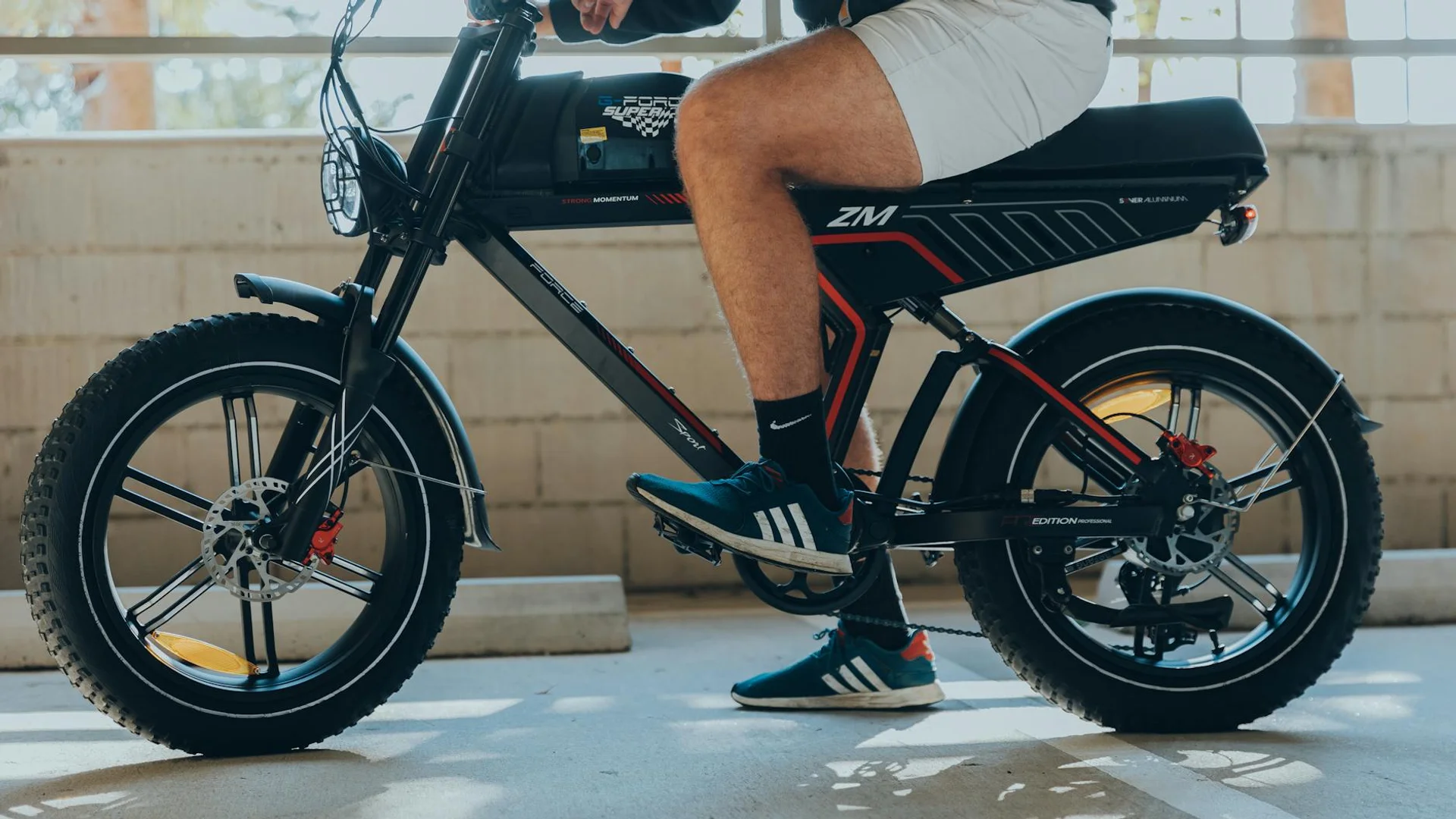
A Hamilton startup just shipped 50 electric motorcycles to Australia and the mainstream moto press barely blinked. That's a mistake. I'd put real money on FTN Motion outselling every imported electric motorcycle launch this year combined, not because the StreetdogXR is the fastest or the longest-range or the cheapest, but because it's the rare electric two-wheeler designed for how people actually commute, and the analyst class covering this segment hasn't figured out that the war is for the bus rider, not the Zero shopper.
The press release called it "retro charm." The press release was selling itself short. The story isn't the styling. The story is a small NZ team that learned more from one product cycle than most US startups learn from a Series B.
Key takeaways
- Hamilton-based FTN Motion shipped 50 StreetdogXR units to Australia after raising $2M from existing investors.
- The XR's 85 km/h top speed targets urban arterials, not highways, by deliberate design, not limitation.
- Removable battery solves apartment charging without extension cords, strata fights, or a $4,000 charger install.
- FTN iterated from the Streetdog 80 to XR while Damon, Energica, and Cake all collapsed chasing premium specs.
- Café racer styling is a sales argument aimed at bus riders and scooter commuters, not Zero SR/F shoppers.
Gear worth having
As an Amazon Associate, ThinkEV earns a small commission from qualifying purchases — at no extra cost to you.

Magnetic Windshield Snow Cover
Skip the scraping. Magnets hold it on, peel it off with the snow, and your defroster stops draining range on cold mornings.
As an Amazon Associate, ThinkEV earns from qualifying purchases — at no extra cost to you.
FTN Motion Is the EV Motorcycle Brand You Haven't Heard Of Yet
Let's get the basics on the table. FTN Motion is a Kiwi firm handcrafting electric motorbikes in Hamilton, and it's now producing its first Streetdog run for Australia. Over 50 build slots are already committed for that first export wave. Small team. Real product. Real deliveries.
This is not vaporware.
FTN Motion recently raised a further $2 million in funding to support its expansion into Australia. The money came from existing investors, which is the kind of detail that matters more than the headline number. When the people who already have skin in the game write the next cheque, the operational signal is healthier than a flashy new-investor round. They've seen the books. They wrote the cheque anyway.
The XR isn't FTN's first attempt either. The XR replaces the Streetdog 80 in the company's range, and features a range of improvements. That single sentence is doing a lot of work. This is a product line maturing, not a startup pivoting every twelve months to chase whatever the deck says investors want this quarter. FTN has shipped a thing, learned from it, and shipped a better thing.
Compare that to the broader EV motorcycle market and the distinction sharpens. Damon Motors burned through eight years and $200 million of capital chasing a $30k+ sport-touring concept and ended up in restructuring without delivering meaningful unit volume. Energica, the Italian premium-electric flagship, filed for receivership in 2024 after the spec-sheet-first strategy ran into the wall every premium-electric brand hits, the buyer for a $30k motorcycle wants the brand history, not the volt count. Cake of Sweden went into administration the same year, on the same playbook. The pattern is consistent: ambitious spec sheet, premium price point, no volume math, exit through bankruptcy. FTN has done none of these things. They built a bike, sold it, iterated, and are now exporting. That's the unsexy version of "growth" the moto press should be covering and isn't.
The Hamilton location also matters more than it looks. The move to Hamilton wasn't just for more space but more a necessity for shipping, because the FTN team have international plans. Read that again. The location isn't a vibe choice. It's logistics. A company that picks its base on shipping geography rather than founder convenience is a company that's already thinking about what year three looks like.
That's the bet. A small NZ team, building a real product, with a clear export plan and existing investors doubling down. The mainstream moto press hasn't filed because there's no fight, no scandal, no billionaire involved. There's just a company shipping bikes that work for the people buying them.
What the Press Release Called 'Retro Charm' Is Actually a Strategic Bet
The café racer styling is not nostalgia. It's positioning.
The urban riders most likely to switch from a car or a scooter to an electric motorcycle are also the riders most allergic to looking like they're on a scooter. The aesthetic is the sales argument. The spec sheet is doing almost none of the heavy lifting at this price point.
There's no denying that the Streetdog is unique in that it's a cool commuter. It's certainly better looking than your usual 50cc scooter, and that comparison is the entire game. FTN isn't trying to take share from Zero or Energica. They're trying to take share from the Honda PCX, the Vespa Sprint, and the rider currently sitting on a city bus wondering if there's a better way.
The community has already clocked this. The r/Electricmotorcycles thread on the original Streetdog ran with the headline "Style Over Speed, Substance Over Stats." That's not a dunk. That's an accurate read of the product strategy. In metropolitan hubs teeming with machines, the Streetdog brings a touch of soul to the streets. Not built to scorch highways or traverse mountains, it's crafted for people who care how they arrive on urban short hauls, where looks, practicality, and design pull more weight than top speed or maximum torque.
That's not a weakness. That's a market.
Stripped of the marketing language, the StreetdogXR is competing on emotional fit rather than performance metrics. And in the urban commuter category, emotional fit wins. The buyer of a $15,000 commuter EV is not making a spreadsheet decision. They're making a "do I want to be seen on this thing every morning" decision.
FTN understands this. The press release leans into the café racer language because the team knows their buyer doesn't open the comparison tab against a Zero SR/F. They open it against the e-scooter that just rolled past them at the lights and the e-bike chained to the rack at work.
That's a sharper market than it looks. Look at how practical EV design wins on actual customer needs rather than headline specs, the Kia EV5 plays the same game in the SUV category, slotting into a real-life use case instead of fighting for headline range numbers. The StreetdogXR is doing the two-wheeled version of that move.
The mainstream moto press wants 0-60 times and Nürburgring laps. The actual buyer wants to look good locking up outside a coffee shop. FTN is selling to the actual buyer.
Gear worth having
As an Amazon Associate, ThinkEV earns a small commission from qualifying purchases — at no extra cost to you.
Wallbox Pulsar Plus 48A Level 2 Charger
Compact, sleek charger with app control and power sharing for two EVs. 48A / 11.5 kW, NEMA 14-50. Looks as good as your EV.
As an Amazon Associate, ThinkEV earns from qualifying purchases — at no extra cost to you.
85 km/h and Removable Battery: The Specs That Actually Matter for Commuters
Now to the numbers that count.
The XR's 85km/h top speed and practical range put it squarely in that space, not designed for long-distance touring, but perfectly suited to getting across town quickly and efficiently. 85 km/h is the perfect speed for urban and suburban arterials. It's fast enough to keep up with traffic on a six-lane city road, slow enough that the geometry, brakes, and ergonomics don't need to scale to highway duty. The bike does what it's designed to do, and nothing it isn't.
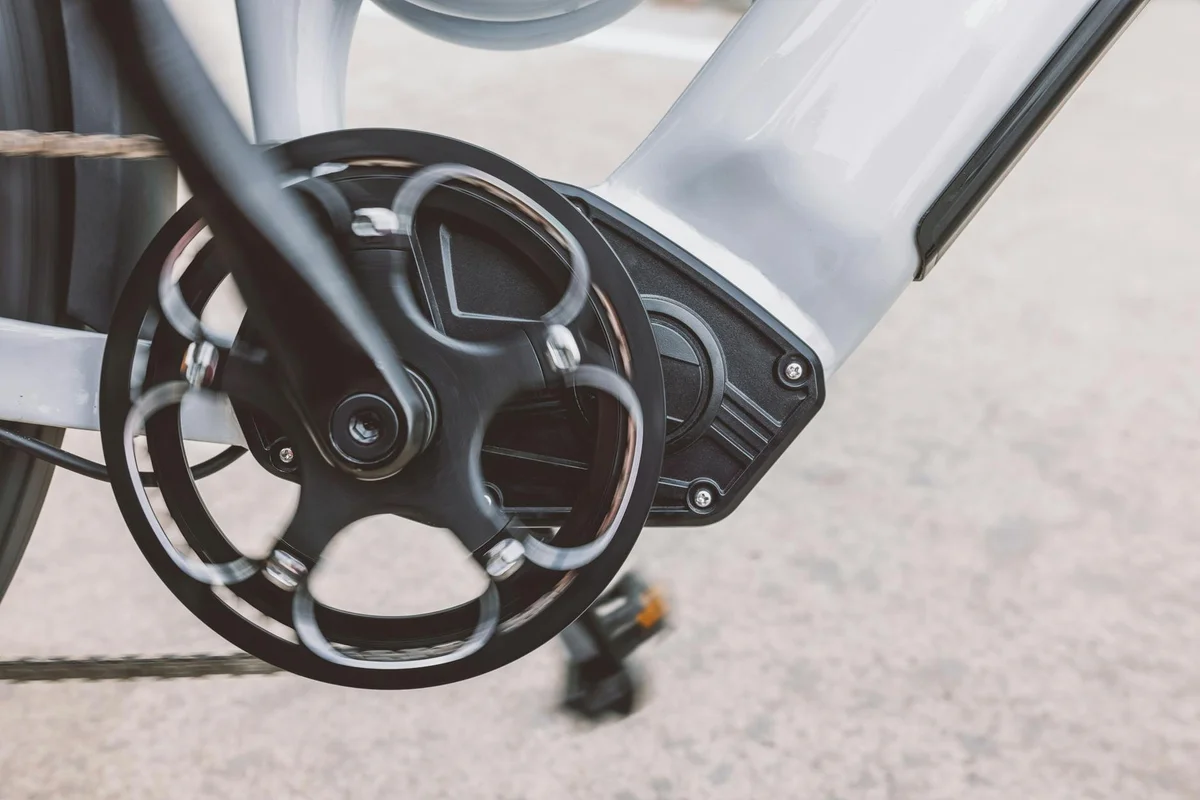
The removable battery is the spec that genuinely matters and almost nobody emphasizes. Apartment charging is the single largest unsolved problem in EV adoption, and it's an even bigger problem for two-wheelers than for cars. Most urban riders don't have a garage. They have a building. A flight of stairs. A landlord. A bike rack on the street.
A removable battery means you carry the energy upstairs. The bike stays where it lives. You don't run an extension cord through a fifth-floor window. You don't fight your strata. You don't pay $4,000 to install a charger you don't own at a building you rent.
This is the friction point that kills electric two-wheeler adoption in dense cities, and FTN's product team has shipped the right answer.
The scooter also offers enough storage space for a full-size helmet and comes fitted with a TFT display, multiple ride modes, regenerative braking and tyre pressure monitoring. There is also an optional "long-range" battery available, increasing range for the riders who need it.
The helmet-storage detail gets buried in every review and shouldn't. A motorcycle that you have to carry your helmet around with after parking is a motorcycle that fails the coffee-shop test. The StreetdogXR doesn't fail that test. Lock it up, drop the lid in the storage compartment, walk away. That's the difference between a product designed by riders and a product designed by engineers who don't ride.
The TFT display, ride modes, regen, and TPMS are all table stakes in 2026, but it's worth naming them out loud because the previous generation of electric mopeds skipped most of them to hit a price point. FTN didn't skip. That's the iteration the XR represents, the Streetdog 80 was the proof of concept, the XR is the version that takes itself seriously.
The optional long-range battery is the smart hedge. Most buyers don't need it. The ones who do will pay for it. That's a margin lever, not a base-spec promise.
Want to see what happens when a manufacturer gets the right-sized commuter math correct in the four-wheel world? The Chevy Equinox EV's $45K play for the practical SUV buyer is the same principle scaled up, design for the actual use case, price it for the actual buyer, win volume.
The Charging Problem Nobody Wants to Admit Is Still Unsolved
Here's the part the FTN press kit doesn't lead with.
The Driven is Australia's most-read electric vehicle news site, covering the latest EV stories both in Australia and overseas, and their review flagged charging as the weak point. The honest version is this: removable battery solves apartment storage, but it doesn't solve charging speed, charging standards, or what happens when you need a top-up away from home.
There's no shared connector standard for electric motorcycles the way CCS or NACS works for cars. Every manufacturer is doing their own thing. FTN is no exception. If you're 40 km from home and at 20% battery, your options are: ride home, find a wall outlet at a friend's house, or pull the battery and stand around for hours. There's no public charging network. There's no fleet network. There's just you, the wall, and time.
This is not a dealbreaker. The use case the XR is sold for, urban commute, 30 km daily round trips, predictable home base, never hits that scenario. But FTN's marketing should name the constraint out loud rather than letting reviewers find it.
The honest version is the StreetdogXR is a one-charger product. Plug in at home. Ride to work. Plug in again. If your life shape doesn't fit that pattern, this isn't your bike.
What I'd want to see from FTN next: a clear answer to the charging-away-from-home question, even if the answer is "buy the second battery." Customers don't punish honesty. They punish ambiguity.
The broader electric two-wheeler industry needs to figure this out at the standards level, and it won't happen in time for the XR's first AU model year. FTN isn't going to solve it alone. But pretending it's not an issue is the move that ages worst.
This is the same kind of trade-off you see in EV charging math at the four-wheel scale, where the real-world emissions case for EVs is much stronger than the soundbite version even on dirty grids. The technical reality and the marketing claim almost never line up cleanly. The trick is naming the gap before someone else does.
Gear worth having
As an Amazon Associate, ThinkEV earns a small commission from qualifying purchases — at no extra cost to you.

Crochet Daisy Rear-View Mirror Charm
A handmade daisy that hangs from the mirror for a soft, cottagecore cabin touch. Tiny price, lots of character.
As an Amazon Associate, ThinkEV earns from qualifying purchases — at no extra cost to you.
Community Verdict: Reddit Liked It, With the Right Expectations
The r/Electricmotorcycles thread is the canary in this coal mine.
A 36-vote thread on a niche subreddit is more than most imported electric bikes get in their entire launch year. That's not hype, that's an informed audience pausing to weigh in, and the niche moto communities are the ones whose opinions actually convert.
The thread's framing, "Style Over Speed, Substance Over Stats", is the consensus read. And the consensus is roughly: this is not a performance bike, and that's fine if you knew what you were buying.
The critics in the thread focused on range anxiety and top speed. The defenders pointed at use-case fit. Both groups were correct. The bike is not for the rider who needs to do a 120 km/h freeway run. The bike is for the rider who needs to do 12 km each way, five days a week, and look good doing it.
The community read this product better than the marketing has so far. FTN's challenge isn't winning over the moto enthusiast Reddit. It's reaching the buyer who isn't on moto Reddit at all, the urban professional who would never describe themselves as a "biker" but who is sick of paying for transit, parking, fuel, or Uber.
That buyer is on Instagram, not Reddit. That buyer cares about the aesthetic, the storage compartment, and the removable battery. That buyer doesn't know what Zero Motorcycles is and doesn't need to.
The community sentiment that's already there is the easy win. The community that doesn't exist yet, the urban commuter community that doesn't think of itself as a community, is where the volume lives. FTN's marketing team needs to live on the platforms that audience uses, not the ones that flatter the bike.
I'd put money on FTN winning more sales in Sydney coffee shops than in motorcycle forums. The moto press will catch up when the units in the wild become hard to ignore. That usually takes one summer.

Why Australia Matters More Than New Zealand for FTN's Next Chapter
The Australian expansion is existential, not optional.
NZ is a beautiful country with a small population. Australia has roughly five times the people, a much larger urban commuter base, and, critically, a fuel-price problem that's actively pushing two-wheeler interest right now. It looks like the prices at the bowser aren't going down anytime soon, and with demand for EV's growing - maybe a new electric motorbike might be the way the conversation goes for a lot of AU commuters this year.
That's the demand-side tailwind. Petrol pain is the original EV marketing budget.
On the supply side, New Zealand electric motorcycle manufacturer FTN Motion has unveiled the Streetdog XR after raising $2 million and said it expects to raise more capital this year. The raise, which ran in stages across 2025, was funded by its existing pool of investors. The phrase "expects to raise more capital this year" is the part that matters most. FTN is telling the market that the $2M was the bridge, not the destination. The next round is coming, and the AU traction data is the pitch deck.
This is where the strategy clarifies. NZ is the manufacturing base and proof market. Australia is the volume market that justifies the next raise. If FTN sells through the first 50 build slots cleanly and the second wave grows, the Series A, or whatever they end up calling it, gets bigger and easier. If AU traction stalls, the next raise gets harder and the company shrinks back to a Kiwi boutique.
The 50-unit first run is the most-watched number in this story, and the moto press isn't watching it. They will when it sells out.
The bike rider press in NZ has been clear-eyed about this. Where the Streetdog XR makes the most sense is in the daily grind. As congestion increases and fuel prices continue to bite, the idea of a lightweight, easy-to-use commuter starts to look more appealing. Replace "congestion" with "Sydney peak hour" and the same paragraph runs in the Australian market.
The expansion blueprint is unromantic and correct. Build a defensible product in a small market. Prove it. Export to the adjacent larger market where the use case is identical. Use that traction to raise the next round. Scale manufacturing in the home market because shipping logistics already work. Repeat.
That's the boring tech version of growth. It usually works.
What the Manufacturer Specs Actually Say, and What the Regulators Will Allow
The official spec sheet on FTN Motion's product page lists the StreetdogXR as a class-LAM-eligible electric motorcycle in Australia, which is the regulatory category that lets a learner-permit rider operate it without stepping up to an unrestricted licence. That single classification choice tells you the company is targeting first-time motorcyclists, not Ducati graduates trading down. LAM eligibility caps the bike's power output and engine displacement equivalents, and the StreetdogXR sits comfortably under both. The 85 km/h top speed isn't a limitation, it's a regulatory positioning.
The Australian on-road compliance regime is set by the Australian Design Rules administered by the Department of Infrastructure, and any imported two-wheeler has to clear ADR 41/04 for emissions (trivially satisfied by an EV), ADR 19/00 for installation of lighting, and ADR 33/00 for brake systems. FTN's compliance documentation has been public since the first Streetdog 80 export run, which is one of the reasons the dealer network has accepted them without the usual eighteen-month verification dance new entrants face. The boring paperwork was done right the first time.
The other regulator worth flagging is Australia's Office of Road Safety, which publishes the national motorcycle safety strategy and has been quietly pushing for category expansion specifically because two-wheel EVs reduce both emissions and parking demand in urban cores. The policy alignment matters for fleet sales, local councils that want to electrify their last-mile fleets are now allowed to procure from manufacturers like FTN under streamlined approval, which is a market segment most reviews don't even consider.
CleanTechnica's analysis of the Asia-Pacific electric two-wheeler market puts FTN's positioning in context. The big-volume APAC players, Ola, Ather, Hero, are competing on price floors that no Western manufacturer can match without subsidies. FTN sidesteps the fight entirely by going premium-commuter rather than budget-commuter. That's the same niche Vespa carved out in the petrol era, and it's the only space in the segment where a $15,000-equivalent bike makes commercial sense outside India and Indonesia.
The honest read on the regulator side is that the StreetdogXR is approved, importable, and registrable today. The question isn't whether the bike can be sold. The question is whether the buyers who need a learner-friendly café-racer-styled urban commuter exist in enough volume to justify the second round.
Gear worth having
As an Amazon Associate, ThinkEV earns a small commission from qualifying purchases — at no extra cost to you.

PULIDIKI Car Cleaning Gel (Detailing Putty)
Press it into vents, buttons, and seams and it lifts out dust you did not know was there. Weirdly satisfying, genuinely useful.
As an Amazon Associate, ThinkEV earns from qualifying purchases — at no extra cost to you.
The StreetdogXR Doesn't Need to Beat Zero. It Needs to Beat the Bus.
Here's the framing the press release should have led with.
The competitive set for the StreetdogXR isn't other electric motorcycles. It's inaction. It's the commuter who's still driving a car they don't need, riding a bus they don't enjoy, or putting off the e-bike purchase because the local infrastructure isn't there yet.
At its price point and use case, the XR wins the comparison against doing nothing. It wins against the petrol scooter. It probably wins against the e-bike for riders who want a vehicle rather than a bicycle-with-help. It does not win against a Zero SR/F, and it isn't trying to.
FTN's real challenge isn't the bike. The bike is good. The challenge is distribution and after-sales service in Australia. A 50-unit run is easy. A 500-unit year requires service centres, parts inventory, and customer support that scales. That's where most boutique EV motorcycle brands die.
The story to watch isn't the spec sheet. It's the dealer network, the service uptime, and whether FTN can keep delivering on time without the manufacturing quality slipping. If they nail that, this is a real company. If they don't, the bike becomes a beautiful story about what could have been.
I'd bet on them nailing it. The signals are right.
The mainstream moto press will arrive late, write the cover story two model-years from now, and pretend it saw the trajectory all along. The actual story is already shipping today out of a Hamilton workshop, and the second wave of orders is going to clarify the pace faster than any analyst note. For comparison points across the broader two-wheel and small-vehicle EV space, the Canadian e-bike and scooter regulatory map covers how the rules differ from province to province, and the broader cheap-EV landscape under fifty thousand dollars is where most of the buyers shopping a StreetdogXR were going to look next anyway.
Gear worth having
As an Amazon Associate, ThinkEV earns a small commission from qualifying purchases — at no extra cost to you.

WixGear Magnetic Air Vent Phone Mount (2-Pack)
A magnet strong enough that your phone never flinches over potholes or rail crossings. Two in the box, one for each car.
As an Amazon Associate, ThinkEV earns from qualifying purchases — at no extra cost to you.

Founder & Chief Editor
Vlad Pereira is the founder and chief editor of ThinkEV.ca, based in Courtenay on Vancouver Island, British Columbia. He covers the global EV industry with a Canadian editorial lens — independent analysis, honest comparisons, and practical tools for drivers at every stage of the …
Frequently asked questions
Can you charge the StreetdogXR in an apartment without a dedicated charger?
Is FTN Motion actually delivering bikes, or is this still pre-order hype?
How does the 85 km/h top speed hold up on real city roads?
Who is the StreetdogXR actually competing against?
Will the StreetdogXR be available in Canada?
More EV & road-trip finds
Affordable upgrades worth a look — tap any to check the price on Amazon.
 ★ 1,340
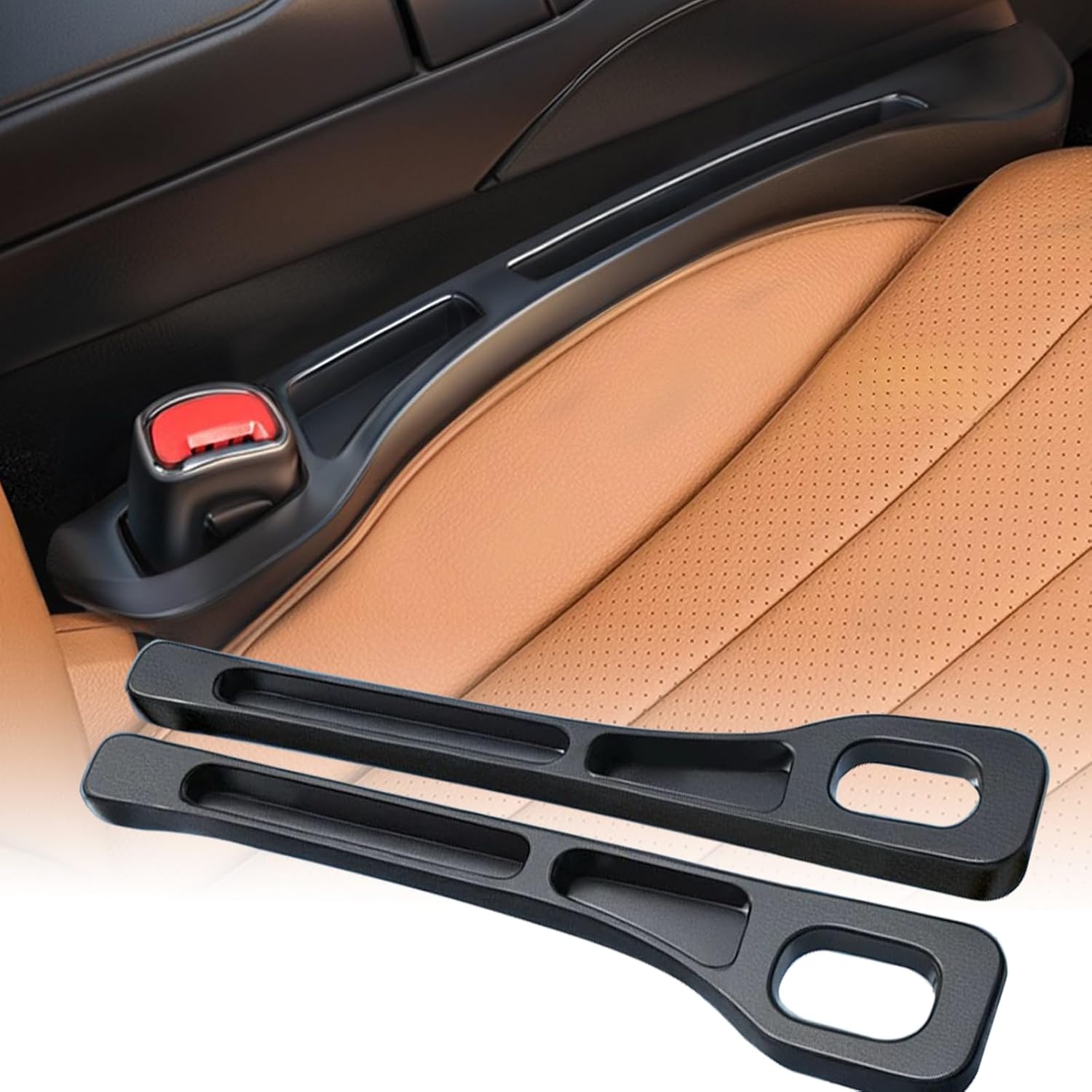
Car Seat Gap Filler (Universal)
View on Amazon ★ 308
★ 308Coiled Lightning Car Cable for iPhone (2-Pack)
View on Amazon ★ 119
★ 119Foldable Waterproof Trunk Organizer
View on Amazon ★ 392
★ 392Large Cup Holder Adapter (32-40oz)
View on Amazon ★ 4,050
Touchscreen Mist Screen Cleaner Kit
View on Amazon ★ 164
★ 164Solar-Powered LED Ambient Light
View on Amazon ★ 568
★ 568Personalized Photo and Text Keychain
View on Amazon ★ 4,424
Sun Visor Card and Document Organizer
View on AmazonRead, Plan, Then Stay Current
Explore our expert articles to understand incentives and ownership costs, use the map to pressure-test charging reality, then subscribe so new EV coverage comes straight to you.
Continue Reading

MG's $3,000 Cashback on the MGS5 Signals a Softer Premium EV Market
VinFast Just Built Its One Millionth Electric Scooter
2027 Hyundai IONIQ 5 Base Price Goes Up $250 to $35,250
One App, 211,000 EV Chargers: Octopus Charge Launches Free in 2026
Shelby Daytona Coupe Sells for $42.9M, Most Expensive American Car Ever