BYD is negotiating with Stellantis and other European car makers to take over underused factories in the region. That's the headline. Here's the verdict before the analysis: this deal gets done, it gets done in Italy first, and the first European-built BYD rolls off the line inside 15 months of the term sheet being signed.
Bet on it. The rest of this post explains why.
Key takeaways
- BYD executive VP Stella Li confirmed talks with Stellantis and other unnamed European automakers simultaneously.
- Stellantis's idle Italian plants became liabilities after two years of factory idlings and falling European volumes.
- Existing plant acquisitions compress BYD's production timeline from five years to roughly 15 months.
- Hungary already hosts BYD's first operational European plant, giving legal and supplier groundwork for expansion.
- Italy tops BYD's location shortlist due to underutilised Stellantis assets and more open political conditions than headlines suggest.
The Headline Nobody Wanted to Write But Had to
The reporting is locked. Three of the four biggest trade outlets in the world confirmed the same story within 24 hours.
Electrek summarised the scope cleanly: BYD wants to take over underutilized plants in Europe from legacy automakers to fuel its aggressive overseas expansion, and executive vice president Stella Li confirmed that BYD is holding discussions not only with Stellantis but also with "other companies too."
That "other companies too" line is the part the press release writers tried to bury. It means this isn't a one-off conversation between two CEOs. It's a structural play. BYD is shopping a continent, not negotiating a building.
Autonews framed it the way the industry actually reads it, a Chinese automaker with a dealership already open in Berlin, now circling the production base of the company that owns Jeep, Fiat, Peugeot, Citroën, Opel, Alfa Romeo, Maserati, and another half-dozen badges most Europeans grew up driving.
The Reuters wire was the one that put it on every editor's desk by Wednesday afternoon, citing the Chinese company's top international executive directly. That last detail matters. A leak from a regional plant manager is gossip. An on-record confirmation from the person who runs BYD's overseas business is a corporate position.
The verdict on the framing battle:
- Press-release reading ("exploratory talks, nothing imminent"), wrong.
- Industrial-logic reading ("BYD has a shopping list, Stellantis is on it"), correct.
- Geopolitical reading ("Chinese takeover of European industry"), partially correct, mostly theatre.
You don't burn an executive vice president's on-record credibility to spook a counterparty. You burn it because the deal is real enough that public framing now matters more than private leverage.
That's not a partnership. That's an acquisition with the paperwork still being drafted.
Stellantis Built the Opening, BYD Walked Through It
The Stellantis corporate-comms team won't put this on a slide deck: the company gave BYD the keys.
Two years of factory idlings. Brand portfolio in chaos. The CEO who built the merger pushed out the door. European volumes dropping faster than the cost-cutting could keep up. Italian plants running at fractions of capacity because the cars they were built to make aren't selling and the cars that would sell aren't ready.
You don't end up in takeover talks with the world's largest EV maker by accident. You end up there because your factories have stopped being assets and started being liabilities, and somebody has to do something before the maintenance bills outpace the revenue.
The interesting part is the timing. BYD didn't show up at the gates because BYD got greedy. BYD showed up because Stellantis stopped denying the math. For most of 2024 and into 2025, the official line out of Auburn Hills and Turin was that the European business would stabilise. It didn't stabilise. It got worse. And once the board admitted that, the calculus changed, empty factories don't stabilise themselves, and selling them to a competitor who'll actually run them is better than carrying them as ghosts on the balance sheet.
This is the slow-motion failure mode mapped out in the analysis of why legacy automakers keep losing to Chinese EV brands, overcapacity in legacy product, underinvestment in EV product, and a cost structure that can't pivot fast enough to matter.
Stellantis built the wrong cars in the wrong factories for the decade ahead. Now somebody who built the right ones wants the buildings.
Strip out the geopolitics and you're left with the industrial logic, which is brutal and clean. A car plant is worth something only if it builds cars somebody buys. Stellantis can't fill its plants. BYD can. End of analysis.
The Italian unions get a hearing here, because they'll be the loudest voices in the room once the term sheet leaks. Their argument: a Stellantis plant under Chinese ownership is a five-year jobs guarantee with a ten-year exit clause, and once BYD has the European production base it needs, the workforce loses leverage forever. There's truth in that. But the alternative they're implicitly proposing, keep the plants open under Stellantis ownership until the parent company finds the will to invest in product nobody currently wants to build there, isn't on offer. The choice isn't BYD versus a thriving Italian Stellantis. The choice is BYD versus mothballing. Pick one.
The European Commission will dress this up as a regulatory question, foreign direct investment review, employment guarantees, technology-transfer language. Fine. None of that changes the underlying transaction. The plants are going to make EVs. They're going to make them for a Chinese-owned operator. The only variable is how much paperwork sits between today and the first car off the line.
Twelve to 15 months from announcement to first vehicle. Not three years. The whole point of buying existing plants is that you skip the calendar.
Gear worth having
As an Amazon Associate, ThinkEV earns a small commission from qualifying purchases — at no extra cost to you.

Lectron Level 2 J1772 Charger (40A, WiFi)
Smart WiFi charger with real-time energy monitoring. 40A / 9.6 kW, J1772 with a NEMA 14-50 plug, schedule charging right from your phone.
As an Amazon Associate, ThinkEV earns from qualifying purchases — at no extra cost to you.
Why BYD Wants Existing Factories, Not Greenfields
Greenfield plants are a five-year problem. Permitting alone runs 18 to 30 months in most European jurisdictions. Then construction. Then workforce hiring and training. Then ramp. Then debugging the line.
BYD doesn't have five years. The European market window is open right now, the tariff structure is in flux right now, and the EV growth curve isn't going to wait while paperwork moves through Brussels.
So the calculus shifts. Pay a premium to acquire an existing plant, even one that needs heavy retooling for EV production, and you compress the timeline from five years to one. The workforce already exists. The utility connections already exist. The supplier relationships already exist. The local government already understands what an auto plant looks like in its tax base.
CleanTechnica framed the strategic logic clearly the morning the story broke, this isn't BYD speculating. It's BYD executing a plan that's been visible in its capital allocation for the last 18 months.
The location shortlist tells you everything:
- Italy, most underutilised plants, political mood more open than the headlines suggest, Stellantis assets sitting in the open
- Portugal and Spain, clean energy grids, labour costs below France and Germany, low political resistance
- Hungary, BYD's first European plant is already operational here, so the legal and supplier groundwork is done
- Not France, political resistance would burn through 18 months of news cycles before a contract got signed
- Not Germany, VW and BMW would lobby the federal government into a regulatory pretzel
BYD isn't picking fights it doesn't need to pick. It's picking countries where the local calculus already favours the deal.
There's a second motivation here that doesn't get enough airtime, and it's the tariff math. The EU's countervailing duties on Chinese-built EVs landed in a range high enough to bite into margin, not high enough to stop the cars from selling, but absolutely high enough to make European-built BYDs more profitable per unit than imported ones. Build the car in Italy, sell it in Italy, skip the tariff entirely.
That's the kind of structural advantage that turns a good business into a dominant one. For a deeper look at how those tariff numbers move, see the breakdown of the EU countervailing duty regime and why localisation breaks it.
It's also the kind of move that makes the tariff itself look performative in retrospect. Tariffs work as long as the foreign producer can't or won't localise. The moment they localise, the tariff just becomes a transition cost, paid once, then routed around forever. European-built Japanese cars in the 1980s figured this out about the U.S. import quota system. Same playbook. New decade.
The cleaner comparison is the Hyundai-Nošovice plant that opened in the Czech Republic in 2008. Korean automaker, European political resistance, local jobs argument, technology-transfer fears, the whole familiar suite. Eighteen years later Nošovice is a backbone of Hyundai's European business and nobody in Prague writes editorials about it anymore. The Italian Mirafiori or Pomigliano story in 2044 will read the same way, assuming BYD doesn't outright skip the country and route the entire build-out through Iberia, which is the contingency to war-game if you sit on Stellantis's board.
The Numbers Behind the Power Shift
Forget the executive quotes for a minute. Look at the volume curves.
BYD shipped roughly 1.76 million pure battery EVs globally in 2024, with total NEV (BEV + PHEV) deliveries crossing the four-million mark. Stellantis's European volumes went the other direction over the same window, down sharply, with multiple quarters of double-digit declines in key markets.
Two companies, two trajectories, one factory base.
The cross-over moment isn't theoretical anymore. In Q4 2023, BYD took over the top spot from Tesla in the global EV sales race, and the gap has been widening since.
The moment BYD passed Tesla globally got buried in most Western coverage. The factory takeover story is the second beat of that same arc. Once you're the largest EV maker on earth, you don't import. You localise. Toyota did it. Honda did it. Hyundai did it. BYD is now at the scale where the same playbook becomes inevitable.
Gear worth having
As an Amazon Associate, ThinkEV earns a small commission from qualifying purchases — at no extra cost to you.

WeatherTech FloorLiner for Tesla Model 3
Deep-channel liners that trap every drop of slush and salt. The difference between a ruined interior and a showroom-fresh cabin after a Canadian winter.
As an Amazon Associate, ThinkEV earns from qualifying purchases — at no extra cost to you.
Meanwhile, BYD's growth guidance for 2026 sat in the double digits even after a soft profit quarter, see the JPMorgan briefing where management quietly confirmed the 13% China growth target while the headlines focused on the profit miss. That's the company that's now shopping European factories. Not a struggling exporter looking for cheap real estate. A growing producer with a capital plan that ran out of greenfield runway.
Hungary already has a BYD plant operational. Turkey has been on the radar for over a year. Factory acquisition in Italy, Portugal, or Spain would mean three European production sites by 2027, and that's the conservative read. The aggressive read is four, if the "other companies" Stella Li referenced include Volkswagen's idled facilities or Renault's overcapacity in northern France.
Renault is the long shot. A Volkswagen-group facility being in the conversation by year-end is a much shorter one. The German political environment makes it harder, not impossible, and VW has been signalling for months that it has plants it can't fill.
The Stellantis-Leapmotor joint venture is a small but instructive precedent. Under a joint venture with Stellantis, Leapmotor vehicles will be sold as part of the Stellantis dealer network, a deal that already saw a Chinese EV brand use Stellantis's distribution muscle in specific markets. The factory-takeover talks are the next, larger move. Distribution was the warm-up. Production is the main event.
The counter-read on the numbers, which a few analysts have started floating: BYD's European unit share is still single digits in most markets, the brand recognition outside enthusiast circles is thin, and a localised production base could end up overbuilt if the European EV adoption curve flattens in 2027–2028. That's a real risk. The hedge is that BYD isn't building only for Europe, a plant in Italy or Iberia is also a feasible export base into North Africa and the Middle East, two markets where Chinese EV uptake is already moving faster than the Western press notices. The factory math survives a flat Europe. It doesn't survive a flat Europe plus a flat MENA, and that's a much harder bet to make. For the Canadian read on the same trend lines, the Chinese EV brands now landing in Canada tracks the demand-side story.
Gear worth having
As an Amazon Associate, ThinkEV earns a small commission from qualifying purchases — at no extra cost to you.
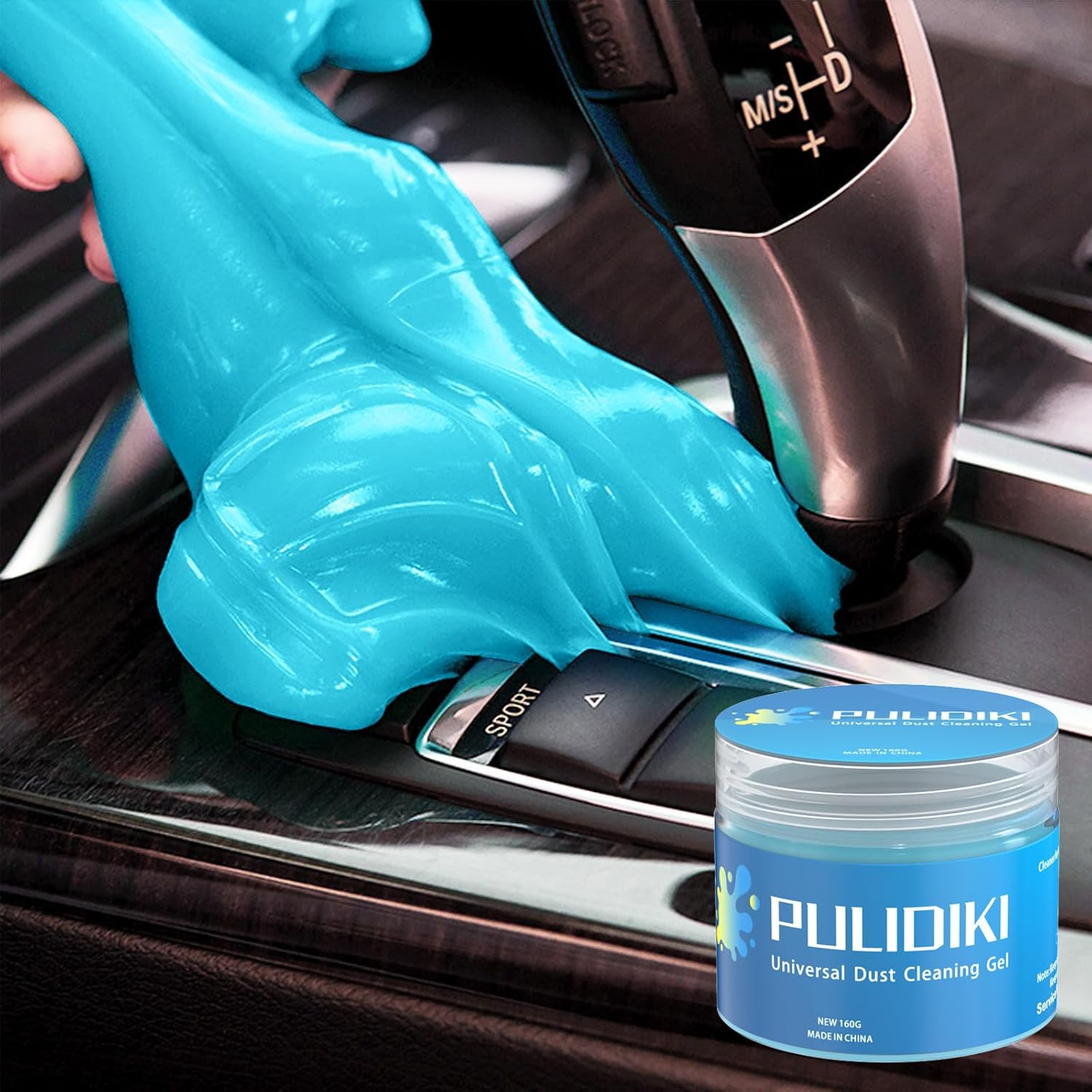
PULIDIKI Car Cleaning Gel (Detailing Putty)
Press it into vents, buttons, and seams and it lifts out dust you did not know was there. Weirdly satisfying, genuinely useful.
As an Amazon Associate, ThinkEV earns from qualifying purchases — at no extra cost to you.
The Community Read Is Loud and Wrong in Two Directions
Walk through any auto-industry forum or X thread on this story and you'll see the same split, every single time. The discourse is loud, it's confident, and most of it misses the point.
One camp says BYD is saving European jobs that Stellantis was about to liquidate. Other camp says BYD is the final stage of European industrial capitulation. Both camps are partially right. Both camps are also missing the part that actually matters to the people on the factory floor.
European workers aren't ideological about the company logo on their paycheque. They care about the paycheque. A plant that builds BYDs and employs 4,000 people beats a plant that builds nothing and employs 400 maintenance staff while the closure paperwork gets finalised. Every time. Not close.
The flag-on-the-building argument is a thing pundits do on television. It is not a thing people do when they're trying to make a mortgage payment.
There's also a category of commentary that frames this as some kind of strategic loss for "the West", a phrase that does a lot of unearned work in these conversations. The actual sequence of events is simpler than that. European automakers had a 15-year head start to build affordable, profitable, mass-market EVs at scale. Most of them spent that head start doing share buybacks and protecting ICE margins. BYD spent it integrating vertically, batteries, motors, semiconductors, software, until it could underprice everyone by structure rather than by subsidy.
That's not a takeover. That's a market clearing.
What gets lost in the noise is the buyer-side angle. Canadian and European consumers don't lose if BYD builds in Italy. They gain. More competition, more product variety, more pressure on legacy automakers to actually ship the EVs they've been promising. The story isn't "Chinese capital displaces European industry." The story is "European consumers finally get the EV market the press releases promised them in 2018."
The only people who lose are the executives at the legacy OEMs who staked their careers on the bet that Chinese EVs wouldn't matter in their lifetime.
They mattered. They're here. They're now buying the buildings.
Legacy Auto Had a Decade to Get This Right
VW had ID. Stellantis had the STLA platform. Ford had Mach-E. GM had Ultium. Renault had Mégane E-Tech.
Every legacy automaker had a multi-billion-euro EV programme on the books by 2020. Every single one. And six years later, most of those programmes are either delayed, downsized, repositioned as "flexible architecture" that builds ICE alongside EV, or quietly removed from the press cycle while management focuses on hybrid retreat strategies.
Meanwhile, BYD shipped 4+ million NEVs in 2024 and is sitting on the cash to buy European factories with it.
The structural reason is unsexy and well-documented: vertical integration. BYD makes its own batteries (Blade), its own motors, its own chips, and its own software. The cost of a BYD car is the cost of BYD's labour and BYD's materials. The cost of a legacy EV is BYD's labour and BYD's materials plus a margin for CATL or LG, plus a margin for the chip supplier, plus a margin for the Tier-1 supplier integrating it all. That margin stack is the difference between a profitable EV and a loss-leader.
The closest legacy parallel is BMW's joint engine work with what's now Stellantis, Groupe PSA (predecessor to Stellantis): Joint production of four-cylinder petrol engines, beginning in 2004. That's the model legacy Europe used: pool costs on commodity components, compete on brand and finish. It worked beautifully for ICE because the powertrain stopped being a differentiator decades ago. It collapses in EV, where the powertrain is the differentiator and the supplier you outsourced to is now your competitor selling direct.
This is the same dynamic surfaced in the engineering breakdown of why legacy automakers keep losing to Chinese brands, the gap isn't about innovation or talent or any of the soft-factor explanations. It's about cost structure. BYD's cost stack is shorter. Until the legacy OEMs flatten theirs, they can't compete on price, and EVs are now a price-sensitive consumer category. The platform-level version of that story is in the Blade battery and DM-i powertrain teardown.
The factories aren't being "taken." They're being abandoned by their original operators and rescued by an operator who has product to put in them. That's the entire story, stripped of the marketing language and the geopolitical theatre.
Stellantis isn't fighting BYD for these plants. Stellantis is trying to find a buyer for them. Big difference.
The follow-on question, and it's the one industry analysts should be writing about, not the headline-grabbing "Chinese takeover" framing, is which legacy automaker becomes the next seller. Volkswagen's idled facilities are the obvious candidate. Renault's Douai plant runs well under capacity. Ford Europe has been signalling restructuring for two straight years. If Stellantis is the first domino, the question is which one falls second, and how quickly the BYD acquisition team can get to the table.
Gear worth having
As an Amazon Associate, ThinkEV earns a small commission from qualifying purchases — at no extra cost to you.

WixGear Magnetic Air Vent Phone Mount (2-Pack)
A magnet strong enough that your phone never flinches over potholes or rail crossings. Two in the box, one for each car.
As an Amazon Associate, ThinkEV earns from qualifying purchases — at no extra cost to you.
Three Signals That Decide Whether This Is a Wave or a One-Off
Three signals determine whether this is the start of a wave or a one-off:
- EU foreign-investment review, if Brussels lets the deal pass cleanly, every other Chinese OEM circles Europe within six months. If Brussels conditions it heavily, the playbook shifts to joint ventures and minority stakes instead of outright takeover.
- A second confirmed deal before year-end, Stella Li's "other companies too" wasn't a throwaway line. If a Volkswagen-group facility or a Renault site enters confirmed talks before December, the pattern is locked in and the next decade of European auto manufacturing has a new map.
- Pricing on the first European-built BYD, if the local-build version comes in 10–15% cheaper than the imported sibling, the demand curve inflects hard. If BYD pockets the tariff savings as margin instead, it's still a win for BYD but a slower one.
The most likely scenarios, ranked:
- Italy deal closes Q4 2026, first vehicle late 2027, base case. Bet on it.
- Brussels conditions the deal, BYD pivots to JV, slows things by 12 months, doesn't change the destination.
- Hard EU veto, buys legacy auto another lap, would change the read. Unlikely.
- Stellantis pulls a competitive 2027 EV product launch out of thin air, would also change the read. Roadmap is already in tooling, so this isn't on offer.
The veto risk is real but Brussels has spent the last six months signalling that it wants Chinese investment localised, not blocked, the entire point of the countervailing duty regime was to push exactly this kind of factory build-out. And Stellantis's product pipeline through 2028 was finalised 18 months ago. You don't recapitalise your way out of a roadmap that's already in tooling.
Cleanly approved deal in Italy by Q4 2026. Second deal announced before year-end. First European-built BYD on dealer lots by late 2027. Aggressive timeline. Achievable timeline. The kind of timeline you can only run if you already own a factory.
The legacy auto era in Europe didn't end with a press conference. It's ending with a real estate transaction.
Gear worth having
As an Amazon Associate, ThinkEV earns a small commission from qualifying purchases — at no extra cost to you.
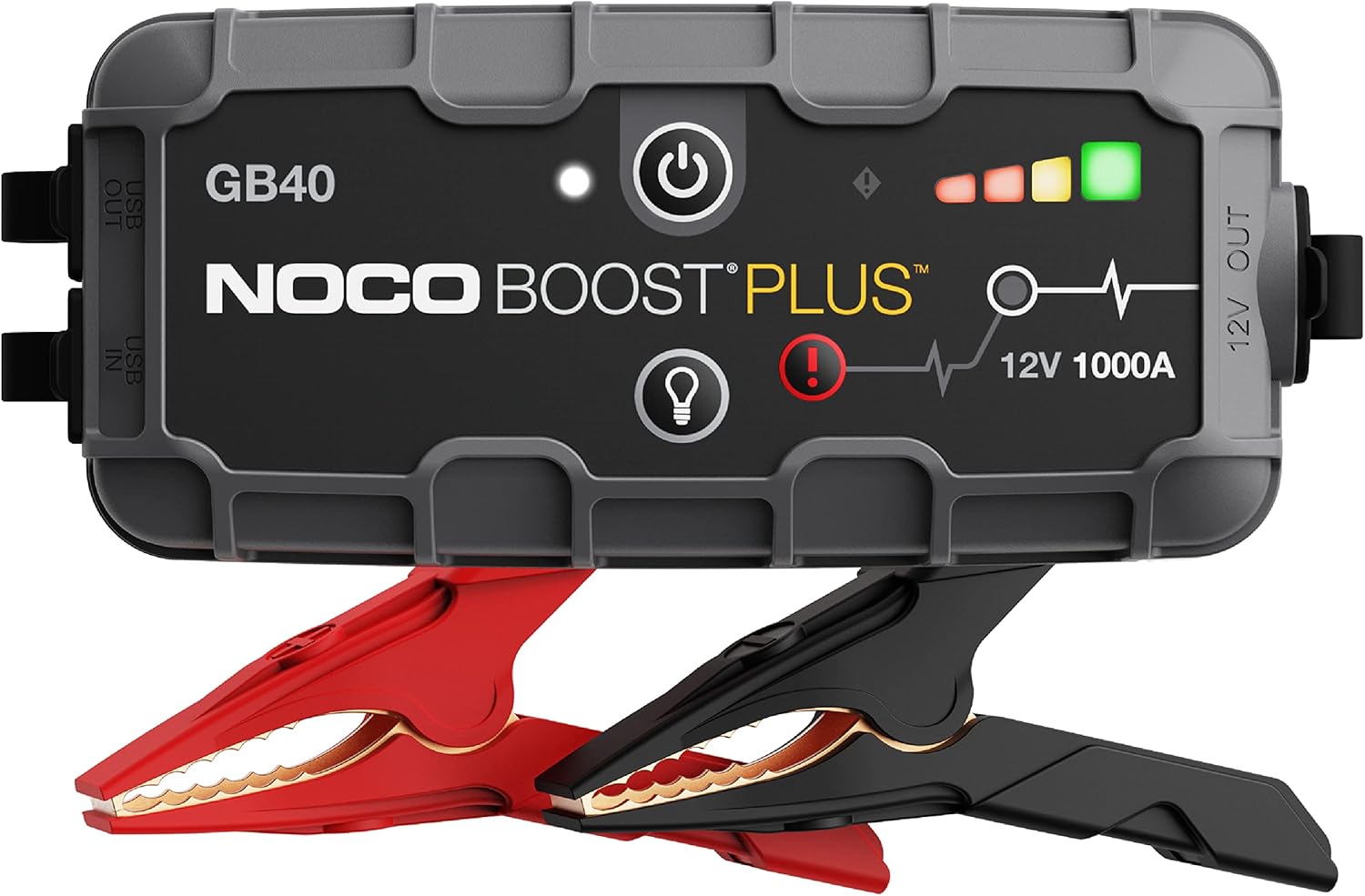
NOCO Boost Plus GB40 Jump Starter
A 1000A lithium jump starter that fits in your glovebox and works on any 12V battery. Your insurance against a dead 12V in a parking lot.
As an Amazon Associate, ThinkEV earns from qualifying purchases — at no extra cost to you.

Founder & Chief Editor
Vlad Pereira is the founder and chief editor of ThinkEV.ca, the Canadian electric-vehicle publication he writes and edits from Courtenay, British Columbia. He covers EV pricing, federal and provincial rebates, charging costs, and the Chinese manufacturers now entering Canada, from the buyer's side rather than the press-fleet side. ThinkEV is a venture of Vlad Pereira Online; his writing on health, income and the long game lives at vladpereira.com.
Frequently asked questions
Would BYD own these factories outright or operate them under a lease?
What does this mean for Canadians shopping BYD in the next two years?
Which Stellantis brands are most likely built in a BYD-run plant?
Will Italian workers keep their jobs if BYD takes over?
Is Hungary's existing BYD plant connected to these Stellantis talks?
More EV & road-trip finds
Affordable upgrades worth a look — tap any to check the price on Amazon.
 ★ 1,083
Crystal Push-Start Button Ring (2-Pack)
View on Amazon ★ 12,396
K KNODEL Car Trash Can with Lid
View on Amazon ★ 15,014
Spigen Tempered Glass for Tesla Model 3/Y
View on Amazon ★ 119
★ 119Foldable Waterproof Trunk Organizer
View on Amazon ★ 17,839
Qifutan Vent Phone Mount (Military-Grade Clip)
View on Amazon ★ 47,507
HOMEXCEL Microfiber Cloths (12-Pack)
View on Amazon ★ 164
★ 164Solar-Powered LED Ambient Light
View on Amazon ★ 401
★ 401Crochet Daisy Rear-View Mirror Charm
View on AmazonRead, Plan, Then Stay Current
Explore our expert articles to understand incentives and ownership costs, use the map to pressure-test charging reality, then subscribe so new EV coverage comes straight to you.
Continue Reading
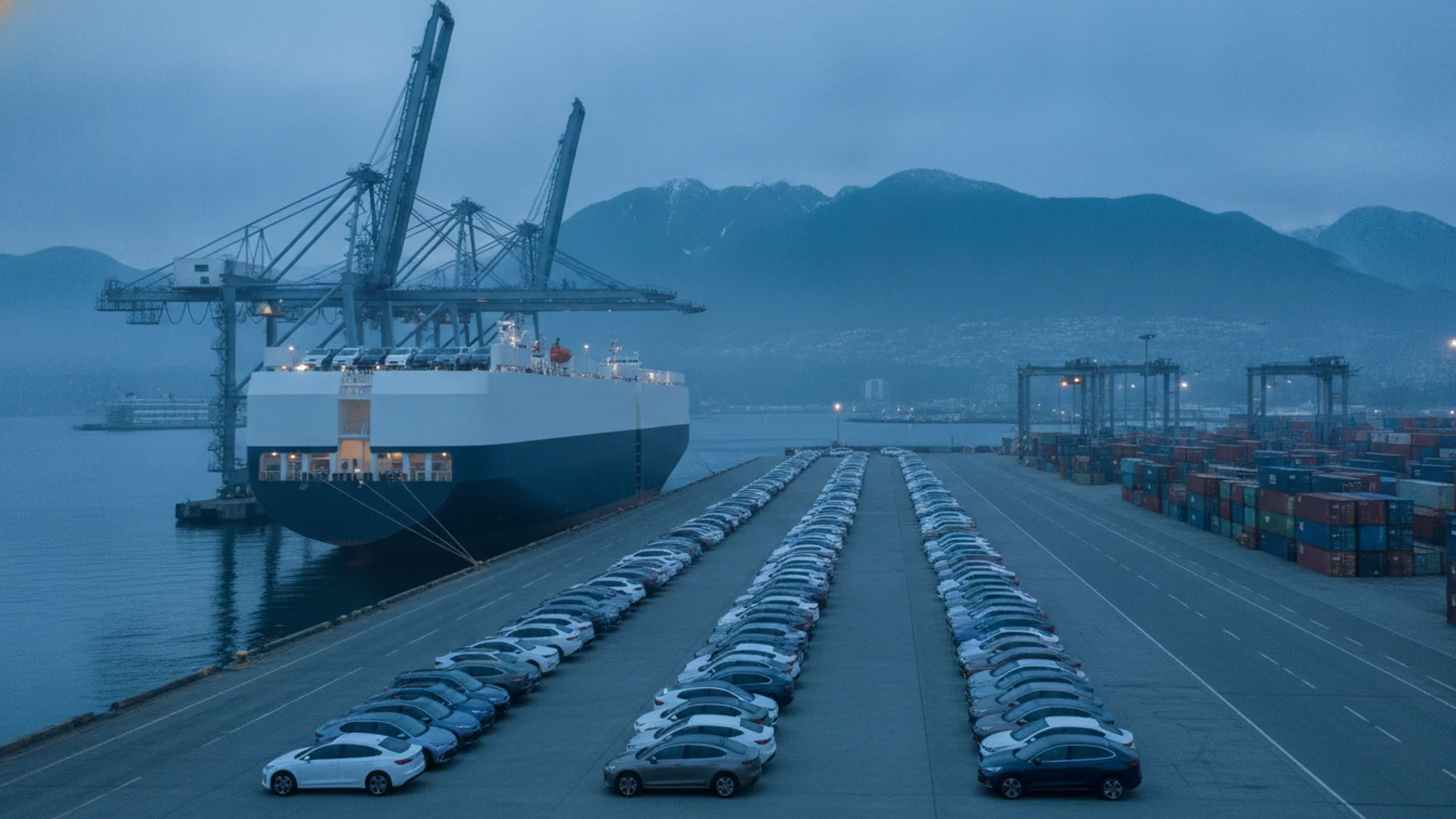
Chinese EVs in Canada: 15,603 In, Still No BYD

GM Recalls 2016–2017 Silverado, Sierra Over Airbag Defect
BYD's $4,000 Sealion 7 Cashback Targets Tesla Model Y
Mercedes Factory Closures: Two German Plants at Risk
Used EVs Just Passed UK Safety Tests Better Than Petrol