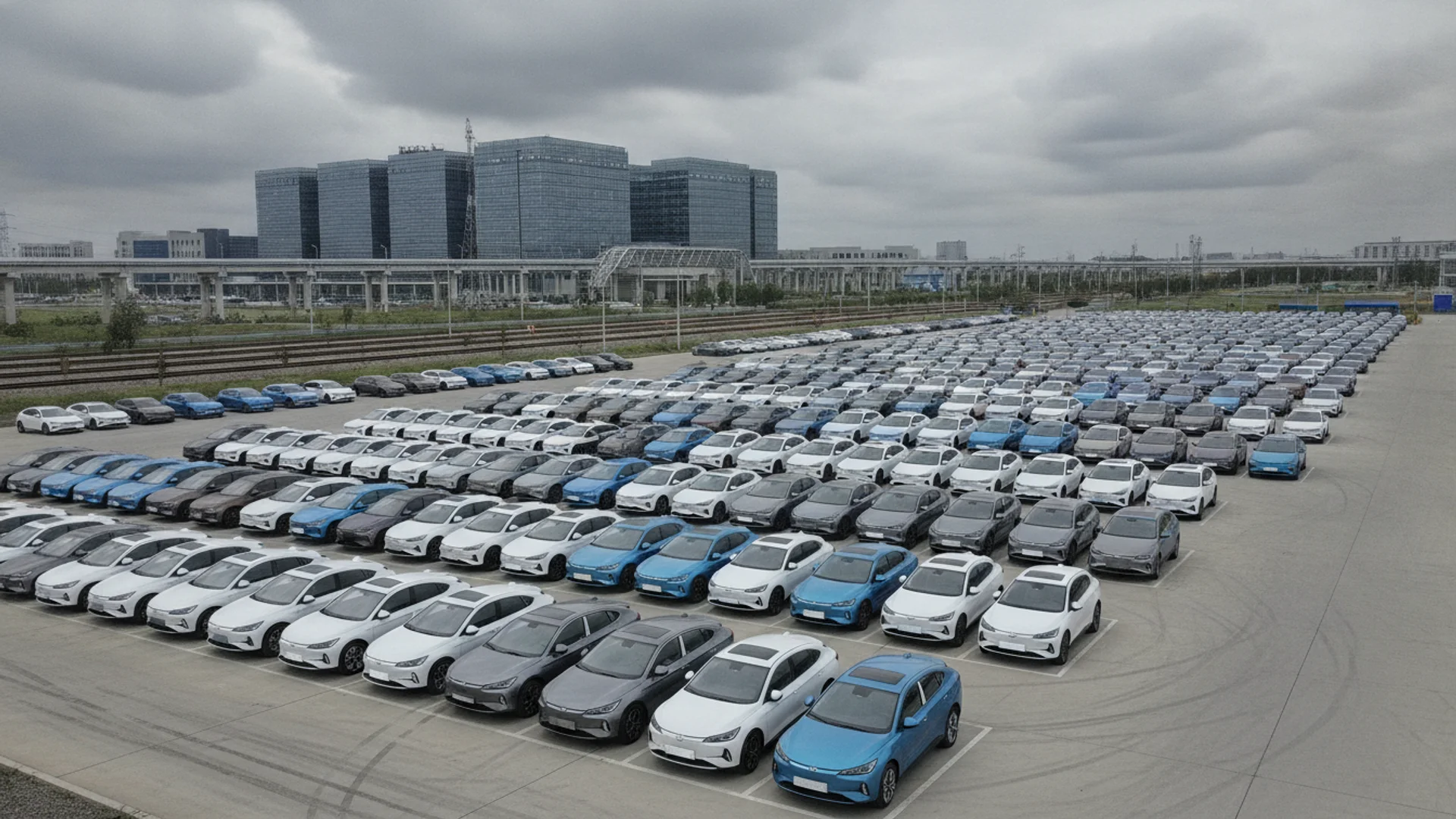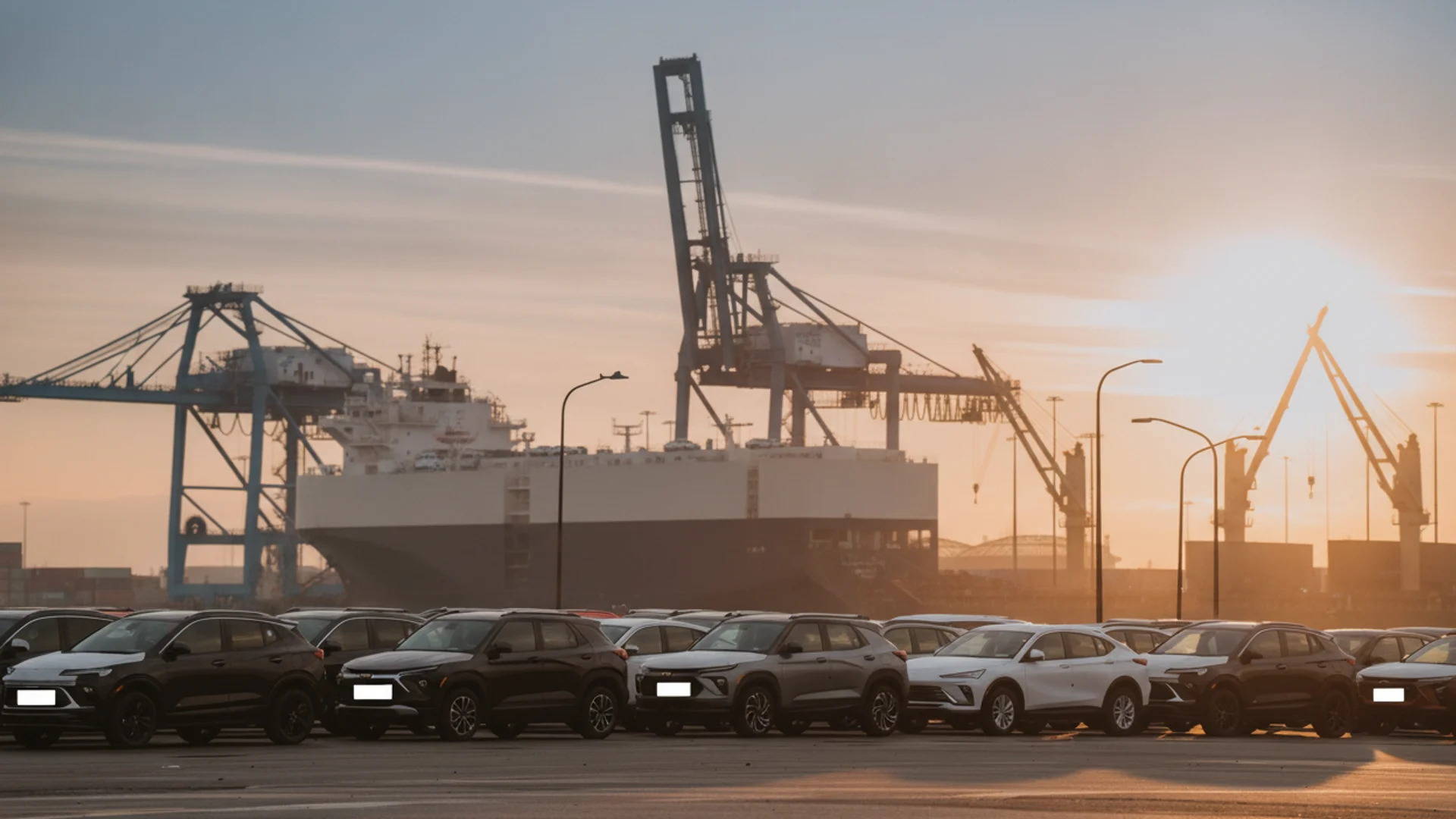
The 100% US tariff on Chinese EVs adds roughly $15,000 to a BYD before it reaches a dealer. Analysts covering the sector don't think that math holds forever. The question they're asking isn't whether Chinese brands crack the US market, it's which decade.
Key takeaways
- BYD Seagull costs under $10,000 in China, doubled at the border, it still undercuts every US BEV.
- S&P Global's Stephanie Brinley puts the Chinese EV entry window at 2027–2037, with direction fixed and timing political.
- Canada cut its Chinese EV tariff from 100% to 6.1% in January 2026, economic arithmetic beat trade ideology.
- The credible 2028 scenario: a US automaker badges a Chinese-platform sub-$30,000 BEV assembled in Tennessee or Ohio.
- Watch two signals, Canada's 49,000-unit quota fill rate and any Ford/GM licensing announcement for a Chinese EV platform.
The Tariff Is a Tax on American Buyers, Not on BYD
A recent survey shows growing American appetite for affordable Chinese electric cars that tariffs keep out of reach. The BYD Seagull retails under $10,000 in China. Even doubled at the border, it lands below every BEV currently sold in the United States. That gap is the entire argument.
Stephanie Brinley at S&P Global Mobility has put the window between 2027 and 2037. Ten years of uncertainty is a wide band, and she's right to label it. The direction is the fixed part; the timing depends on which US administration blinks first, and on whether Detroit ships a sub-$30,000 BEV before the pressure builds past the tariff wall.
The strongest objection to this read is the national-security one, that Chinese EVs could transmit sensitive data back to Beijing, and that no tariff schedule matters next to that risk. It's the argument the Biden administration used to justify the 100% wall, and the Trump administration inherited it intact. The rebuttal isn't that the risk is fake. It's that the risk applies to any connected car built on Chinese components, including the ones already inside Fords and Teslas, and a data-security regime that actually addressed it would look nothing like a blanket import ban.
Tesla produced its six millionth car in March 2024, and in Q4 2023 its Chinese competitor BYD took over the top spot for EVs shipped globally. That handover happened while BYD was locked out of the largest consumer market on Earth. The scale that produced it did not require American buyers, which is the uncomfortable part of the tariff argument, the wall protects the domestic industry from a competitor that already won everywhere else.
Canada is the pressure valve next door. In January 2026, Canada agreed to cut its tariff on Chinese EVs in return for lower tariffs on Canadian farm products. The tariff dropped from 100% to 6.1% inside a 49,000-unit quota. Ottawa didn't reverse course on ideology. It reversed on arithmetic, the domestic supply gap was visible to voters, and the trade-off was cheaper. That same arithmetic is loading in the United States, one model year at a time. For the fuller policy stack a Chinese EV has to cross to reach a Canadian driveway, the BYD Sealion 06's landed-price math is the cleanest worked example.
Gear worth having
As an Amazon Associate, ThinkEV earns a small commission from qualifying purchases — at no extra cost to you.

WeatherTech FloorLiner for Tesla Model 3
Deep-channel liners that trap every drop of slush and salt. The difference between a ruined interior and a showroom-fresh cabin after a Canadian winter.
As an Amazon Associate, ThinkEV earns from qualifying purchases — at no extra cost to you.
2028 Is the Credible Earliest Window
The two entry vectors analysts keep naming are third-country manufacturing and a US joint venture. Mexico was the obvious route until it faced its own tariff regime. That leaves stateside assembly, most likely through a licensing arrangement with a domestic automaker that needs a small-EV platform faster than it can build one.
Gear worth having
As an Amazon Associate, ThinkEV earns a small commission from qualifying purchases — at no extra cost to you.

Lectron Level 2 J1772 Charger (40A, WiFi)
Smart WiFi charger with real-time energy monitoring. 40A / 9.6 kW, J1772 with a NEMA 14-50 plug, schedule charging right from your phone.
As an Amazon Associate, ThinkEV earns from qualifying purchases — at no extra cost to you.
The Forbes framing is the honest one: the US cannot tariff its way out of a product-quality problem. Chinese EV dominance was earned in a domestic market of 25 million annual car buyers who demanded better electric cars and got them. Subsidies helped. They did not do the design work.
The credible 2028 scenario is narrow. A US automaker licenses a Chinese platform for a sub-$30,000 BEV, badges it domestically, and assembles it in Tennessee or Ohio. BYD has scouted US sites. Others will. The tariff on the finished import stays intact, and the political speech stays intact, and the car on the lot is Chinese underneath, the same trick European automakers used with Japanese platforms in the 1980s.
The comparison worth naming is Europe. China has deliberately and aggressively expanded its EV footprint throughout Europe, the UK, Asia and Australia, exporting millions of vehicles, building factories and widening supply chains. The EU response was a tiered tariff, 17% to 35% depending on brand, not a 100% wall, and BYD, Chery and SAIC kept selling through it because the underlying price gap survived a one-third markup. The US chose the wall because a tiered response wouldn't have stopped anything. That's a tell about the true price delta, not the trade policy.
The condition that would flip the timing forward is a demand vacuum. If the US EV floor stays at $50,000 through 2028, and gasoline holds near $4, the coalition that keeps Chinese cars out starts losing non-coastal voters who want an electric commuter and cannot afford one. The North American resistance to Chinese EVs has always been political rather than technical; political walls fall on political timelines.
Gear worth having
As an Amazon Associate, ThinkEV earns a small commission from qualifying purchases — at no extra cost to you.

PULIDIKI Car Cleaning Gel (Detailing Putty)
Press it into vents, buttons, and seams and it lifts out dust you did not know was there. Weirdly satisfying, genuinely useful.
As an Amazon Associate, ThinkEV earns from qualifying purchases — at no extra cost to you.
Gear worth having
As an Amazon Associate, ThinkEV earns a small commission from qualifying purchases — at no extra cost to you.

WixGear Magnetic Air Vent Phone Mount (2-Pack)
A magnet strong enough that your phone never flinches over potholes or rail crossings. Two in the box, one for each car.
As an Amazon Associate, ThinkEV earns from qualifying purchases — at no extra cost to you.
2028 Decides Whether the Tariff Survives the Decade
The tariff holds until it doesn't. Canada's reversal is the template, economic pragmatism overrides trade ideology once the domestic supply gap becomes a kitchen-table issue. The date to watch is the 2028 US election cycle. If no domestic automaker ships a real sub-$30,000 BEV by then, the affordability argument arrives at the ballot box with a decade of pent-up demand behind it.
Two checkpoints will tell you which way this is running before the votes are counted. First: watch Canada's 49,000-unit quota fill rate through 2027, if BYD, Geely and Xpeng saturate it inside the first six months, the political story flips from "Canada opened a crack" to "Canada undersupplied its own demand," and US border-state governors start asking why their voters can't buy the same car a Windsor commuter can. Second: watch for a US automaker's licensing announcement, a Ford or GM press release naming a Chinese platform partner for a sub-$30,000 BEV would move the timeline in from 2037 to inside 2028. Neither is speculative. Both are the kind of dated, checkable events that resolve the question without another analyst quote. Whether Americans can route around the tariff by buying through Canada is the wrong question for now. The right one is whether Detroit ships the car that makes the question moot.
Gear worth having
As an Amazon Associate, ThinkEV earns a small commission from qualifying purchases — at no extra cost to you.
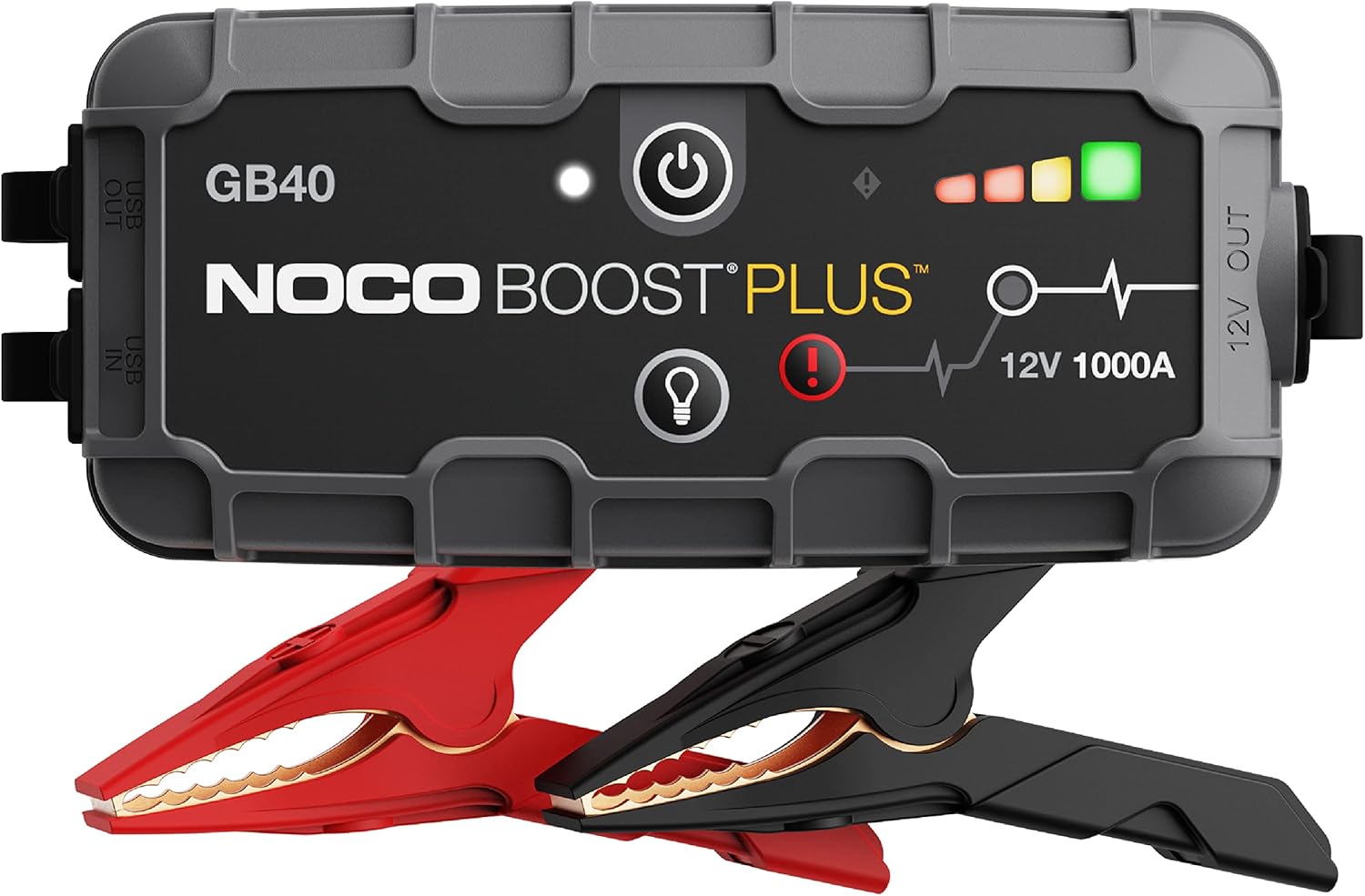
NOCO Boost Plus GB40 Jump Starter
A 1000A lithium jump starter that fits in your glovebox and works on any 12V battery. Your insurance against a dead 12V in a parking lot.
As an Amazon Associate, ThinkEV earns from qualifying purchases — at no extra cost to you.

Founder & Chief Editor
Vlad Pereira is the founder and chief editor of ThinkEV.ca, the Canadian electric-vehicle publication he writes and edits from Courtenay, British Columbia. He covers EV pricing, federal and provincial rebates, charging costs, and the Chinese manufacturers now entering Canada, from the buyer's side rather than the press-fleet side. ThinkEV is a venture of Vlad Pereira Online; his writing on health, income and the long game lives at vladpereira.com.
Frequently asked questions
Could a Chinese EV be assembled in the US to dodge tariffs?
Why did Canada drop its tariff when the US held firm?
Does the data-security concern actually justify a full import ban?
What would have to happen for the 2037 window to move to 2028?
How did BYD overtake Tesla globally while locked out of the US?
More EV & road-trip finds
Affordable upgrades worth a look — tap any to check the price on Amazon.
 ★ 4,050
Touchscreen Mist Screen Cleaner Kit
View on Amazon ★ 537
★ 537USB Star Projector Roof Light
View on Amazon ★ 546
★ 546Funny Headrest Face Covers (2-Pack)
View on Amazon ★ 27,769
Car Cup Holder Coasters (4-Pack)
View on Amazon ★ 308
★ 308Coiled Lightning Car Cable for iPhone (2-Pack)
View on Amazon ★ 119
★ 119Foldable Waterproof Trunk Organizer
View on Amazon ★ 392
★ 392Large Cup Holder Adapter (32-40oz)
View on Amazon ★ 12,051
Windex Electronics Screen Wipes
View on AmazonRead, Plan, Then Stay Current
Explore our expert articles to understand incentives and ownership costs, use the map to pressure-test charging reality, then subscribe so new EV coverage comes straight to you.
Continue Reading

BYD Great Seagull: A Bigger $10,000 EV Hatch Is Coming

BYD Denza Z9 GT Adds $50K Tri-Motor Trim to China's Top GT
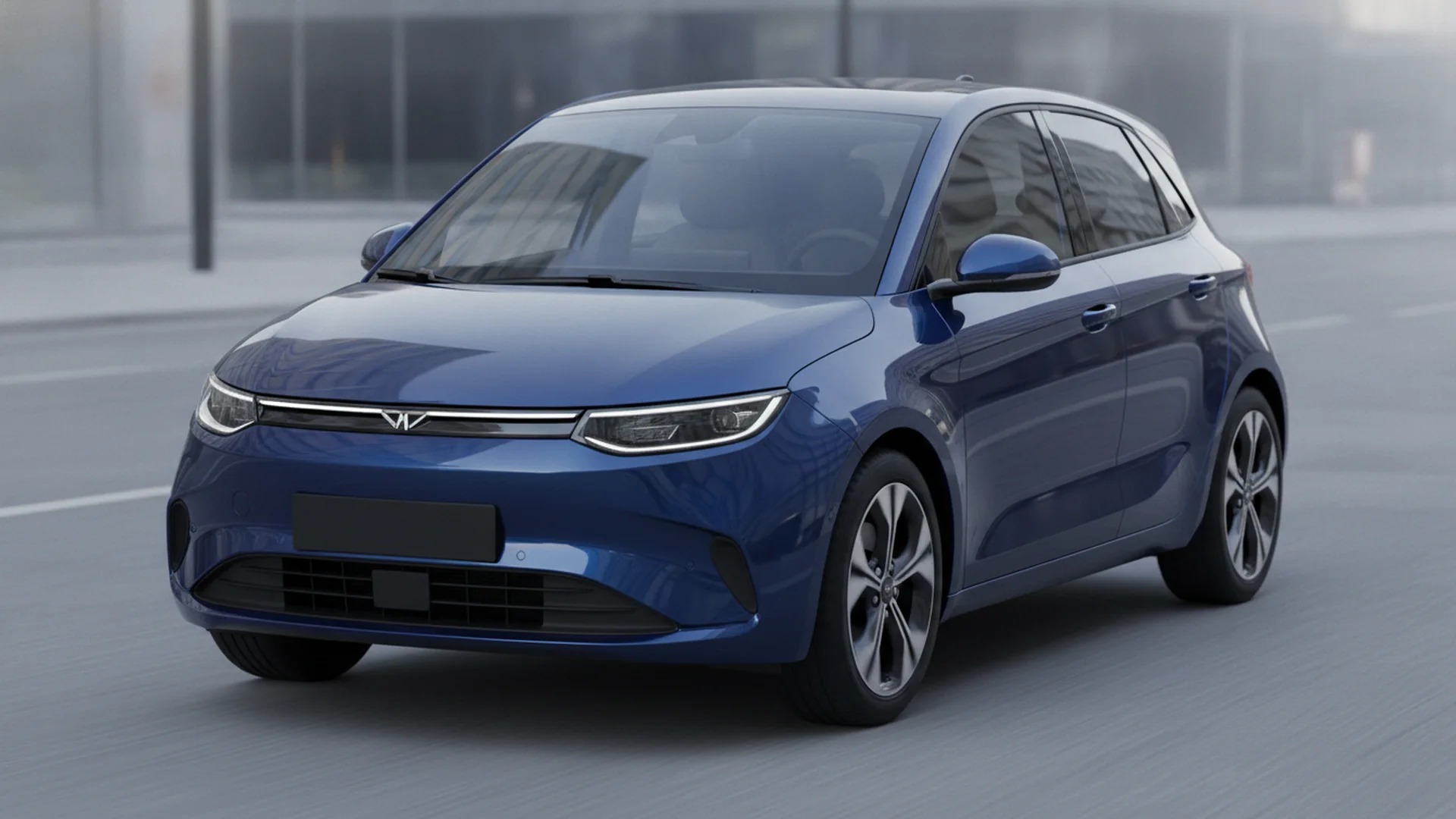
BYD Dolphin G: Inside the 1,000 km PHEV Design
BYD Denza Z: 1,000+ hp Hypercar, Canadian Price
Is BYD Making a Better Ferrari? Denza Z Hits 1,582 HP at $70K