Russia has reportedly lost some 4,300 tanks in Ukraine, and the U.S. Army lost around two dozen export M1A2 Abrams alongside them. The Army's response was to abandon further upgrades to the M1A2 and roll a hybrid-electric prototype onto the floor of the Detroit auto show. The through-line from Kharkiv to a Cobo Hall carpet is shorter than it looks.
Key takeaways
- The U.S. Army lost around two dozen M1A2 Abrams in Ukraine, directly accelerating the M1E3 hybrid program.
- A $474M FY2027 budget line targets M1E3 production for 2028, years ahead of the original schedule.
- The AGT1500 gas turbine, unchanged since the 1970s, gets replaced specifically because exhaust plumes attract $500 drones.
- The hybrid drivetrain's real sell isn't fuel economy: it's the power budget for lasers, active protection, and drone-jamming electronics.
- The crew drops from four to three with an autoloader, the same move Russia and China made decades ago.
What the M1E3 Actually Changes, and What It Keeps
The headline change is the drivetrain. The AGT1500 gas turbine, a 1970s power plant that drinks fuel and radiates heat like a small foundry, gives way to a hybrid-electric architecture. Quieter, cooler in the infrared, and capable of silent-watch operations that a turbine simply cannot do. In a war where a $500 quadcopter can find a $10 million tank by its exhaust plume, thermal signature is not a nice-to-have. It is the survival argument.
The crew drops from four to three. An autoloader eliminates the human loader, which is the same architectural move Russian and Chinese designs made decades ago. The U.S. resisted it for a reason, autoloaders have historically been slower and less reliable than a trained soldier, and is adopting it now for another reason: three humans is a smaller target, a smaller logistical footprint, and a smaller cost per hull.
Weight comes down from the M1A2's roughly 73 tonnes. The Army hasn't published the target figure, which is either operational security or a number still being argued about internally. Either way, the direction is clear: lighter, which means faster on strategic lift and less punishing on bridges the U.S. does not own.
The Army officially abandoned plans to keep updating the M1A2 because further System Enhancement Package upgrades were adding weight without delivering the capabilities the next war seems to require. The 120mm smoothbore stays. The fire-superiority case for the Abrams hasn't changed. The mobility and signature case has.
Gear worth having
As an Amazon Associate, ThinkEV earns a small commission from qualifying purchases — at no extra cost to you.

TP-Link Kasa Smart Plug with Energy Monitoring
Track exactly how much electricity your Level 1 charger uses and schedule it for off-peak hours. Know your real cost per kWh.
As an Amazon Associate, ThinkEV earns from qualifying purchases — at no extra cost to you.
Gear worth having
As an Amazon Associate, ThinkEV earns a small commission from qualifying purchases — at no extra cost to you.

Personalized Photo Car Air Freshener
Print a photo and a message on a double-sided scented hang tag. A cheap, weirdly personal gift that actually gets used.
As an Amazon Associate, ThinkEV earns from qualifying purchases — at no extra cost to you.
Drone Warfare Made This Inevitable, $474M and a 2028 Clock Say the Army Agrees
A $474M FY2027 line item accelerates pre-prototype work with production targeted for 2028, years earlier than the original schedule contemplated. Money and calendar are the two variables that separate a program from a press release, and both moved.
The Ukraine data is the reason. Roughly two dozen U.S.-supplied M1A2s were lost in the theater, which is a small number in aggregate and a devastating number as a proof-of-concept for the loitering-munition kill chain. It is one thing to watch Russian T-72s get picked apart by drones from a safe analytical distance. It is another to watch your own hull, your own crew, and your own reactive armor on the same telemetry. The M1E3 requirements read like a direct rebuttal.
Electrification is not primarily a fuel-efficiency play here. It is the power budget. Directed-energy weapons, the lasers the Army has been publicly experimenting with for counter-drone work, need serious continuous electrical output. So do active protection systems that track incoming munitions and cue countermeasures in milliseconds. So do the electronic warfare suites that jam drone control links before the operator ever gets a firing solution. A gas turbine and an alternator can spot you some of that. A hybrid drivetrain with a proper battery buffer gives you all of it, on demand, without idling the main engine.
The compromise is armor. A lighter tank is a less-armored tank, and the Army is betting that active protection plus signature reduction closes the gap that passive armor used to fill. It is a defensible bet. It is also a bet.
Gear worth having
As an Amazon Associate, ThinkEV earns a small commission from qualifying purchases — at no extra cost to you.
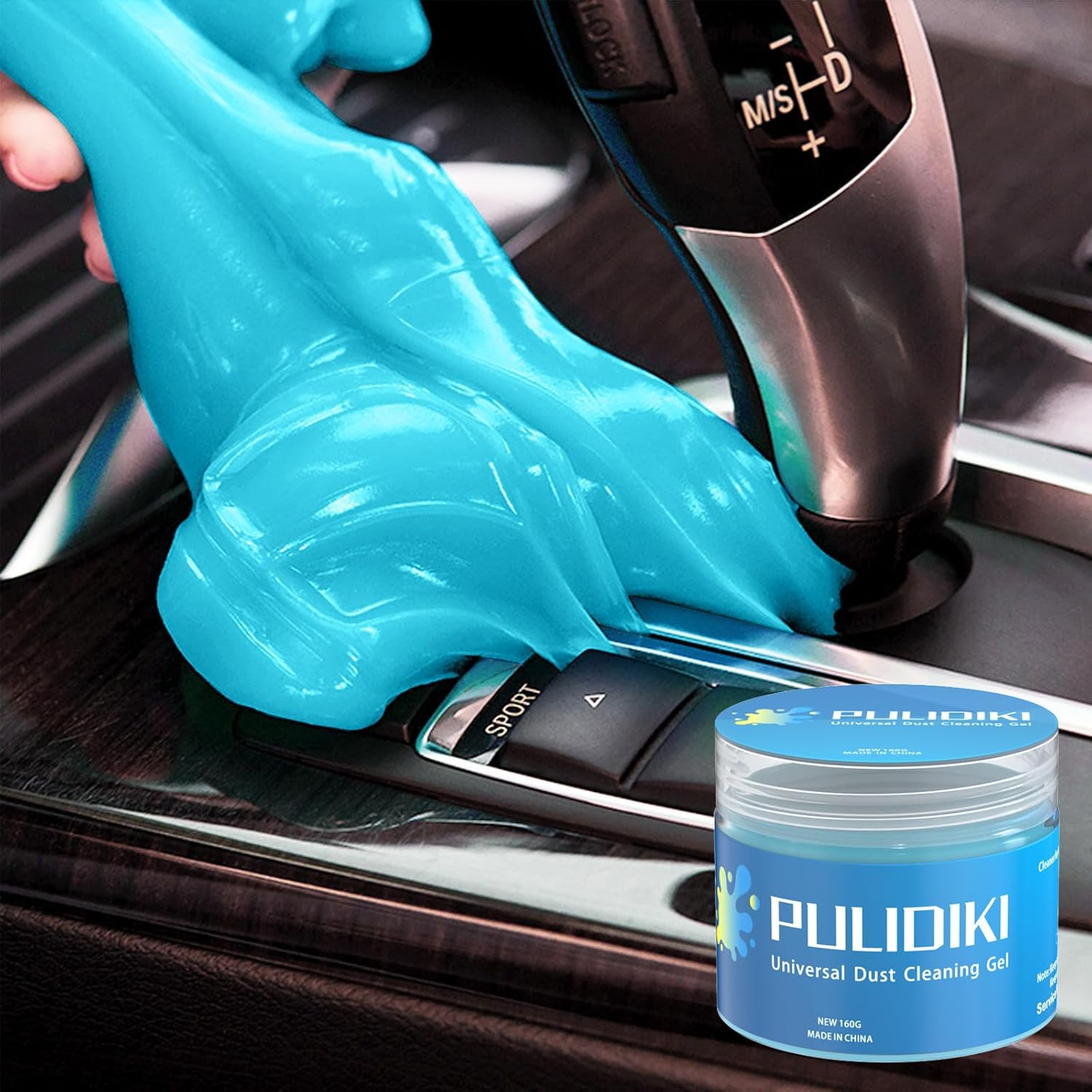
PULIDIKI Car Cleaning Gel (Detailing Putty)
Press it into vents, buttons, and seams and it lifts out dust you did not know was there. Weirdly satisfying, genuinely useful.
As an Amazon Associate, ThinkEV earns from qualifying purchases — at no extra cost to you.
Gear worth having
As an Amazon Associate, ThinkEV earns a small commission from qualifying purchases — at no extra cost to you.

WixGear Magnetic Air Vent Phone Mount (2-Pack)
A magnet strong enough that your phone never flinches over potholes or rail crossings. Two in the box, one for each car.
As an Amazon Associate, ThinkEV earns from qualifying purchases — at no extra cost to you.
October's 2028 Production Date Is the Number to Watch
The hybrid drivetrain solves the thermal and acoustic problem. It does not, on its own, solve the cheap-drone top-attack problem, nothing does, yet. The Army's answer is layered: reduce the signature so the drone struggles to find you, then close the survivability gap with active protection and electronic countermeasures once it does.
That is a coherent doctrine on paper. Whether it survives contact with a battlefield where a $500 munition can still ruin a $10 million platform is the question the 2028 production date will start to answer. If M1E3s are rolling off Lima Army Tank Plant on schedule with real APS integration, the Army was right on time. If the date slips past 2030, the Ukraine lessons will have aged into the next war's opening chapter before the response arrived.
Gear worth having
As an Amazon Associate, ThinkEV earns a small commission from qualifying purchases — at no extra cost to you.
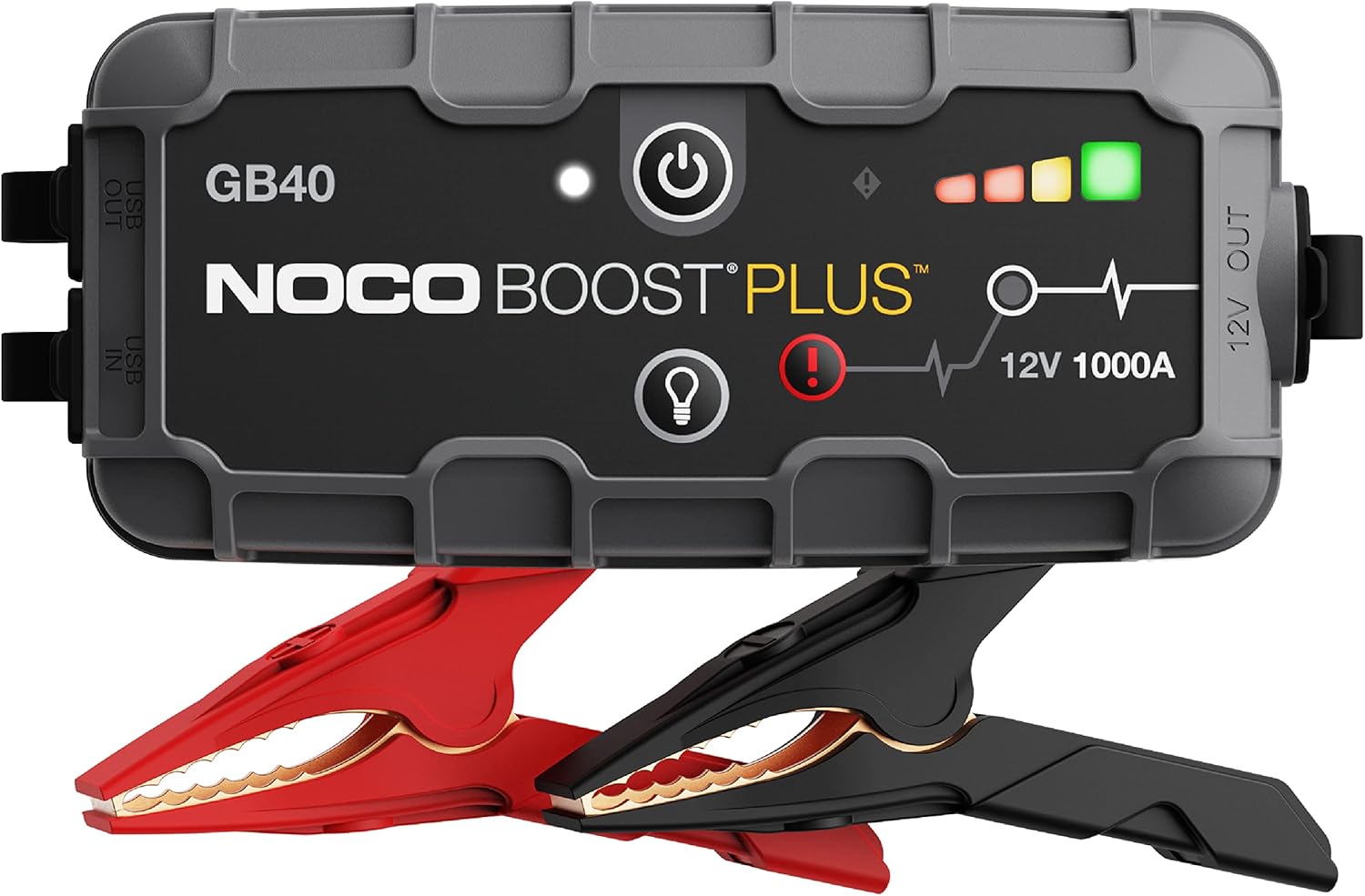
NOCO Boost Plus GB40 Jump Starter
A 1000A lithium jump starter that fits in your glovebox and works on any 12V battery. Your insurance against a dead 12V in a parking lot.
As an Amazon Associate, ThinkEV earns from qualifying purchases — at no extra cost to you.

Founder & Chief Editor
Vlad Pereira is the founder and chief editor of ThinkEV.ca, the Canadian electric-vehicle publication he writes and edits from Courtenay, British Columbia. He covers EV pricing, federal and provincial rebates, charging costs, and the Chinese manufacturers now entering Canada, from the buyer's side rather than the press-fleet side. ThinkEV is a venture of Vlad Pereira Online; his writing on health, income and the long game lives at vladpereira.com.
Frequently asked questions
Will the hybrid drivetrain actually stop drone kills on tanks?
Why is the U.S. only now adopting an autoloader?
How much lighter will the M1E3 actually be?
Does the electric architecture have anything to do with fuel savings?
What happens if the 2028 production date slips?
More EV & road-trip finds
Affordable upgrades worth a look — tap any to check the price on Amazon.
 ★ 537
★ 537USB Star Projector Roof Light
View on Amazon ★ 1,083
Crystal Push-Start Button Ring (2-Pack)
View on Amazon ★ 21,304
Car Headrest Hooks (4-Pack)
View on Amazon ★ 308
★ 308Coiled Lightning Car Cable for iPhone (2-Pack)
View on Amazon ★ 119
★ 119Foldable Waterproof Trunk Organizer
View on Amazon ★ 392
★ 392Large Cup Holder Adapter (32-40oz)
View on Amazon ★ 8,681
Chemical Guys Complete Car Wash Kit
View on Amazon ★ 314
★ 314Mini USB LED Ambient Lamps (4-Pack)
View on AmazonRead, Plan, Then Stay Current
Explore our expert articles to understand incentives and ownership costs, use the map to pressure-test charging reality, then subscribe so new EV coverage comes straight to you.
Continue Reading

Chinese EVs in Canada: 15,603 In, Still No BYD

GM Recalls 2016–2017 Silverado, Sierra Over Airbag Defect
BYD's $4,000 Sealion 7 Cashback Targets Tesla Model Y

Mercedes Factory Closures: Two German Plants at Risk

Used EVs Just Passed UK Safety Tests Better Than Petrol