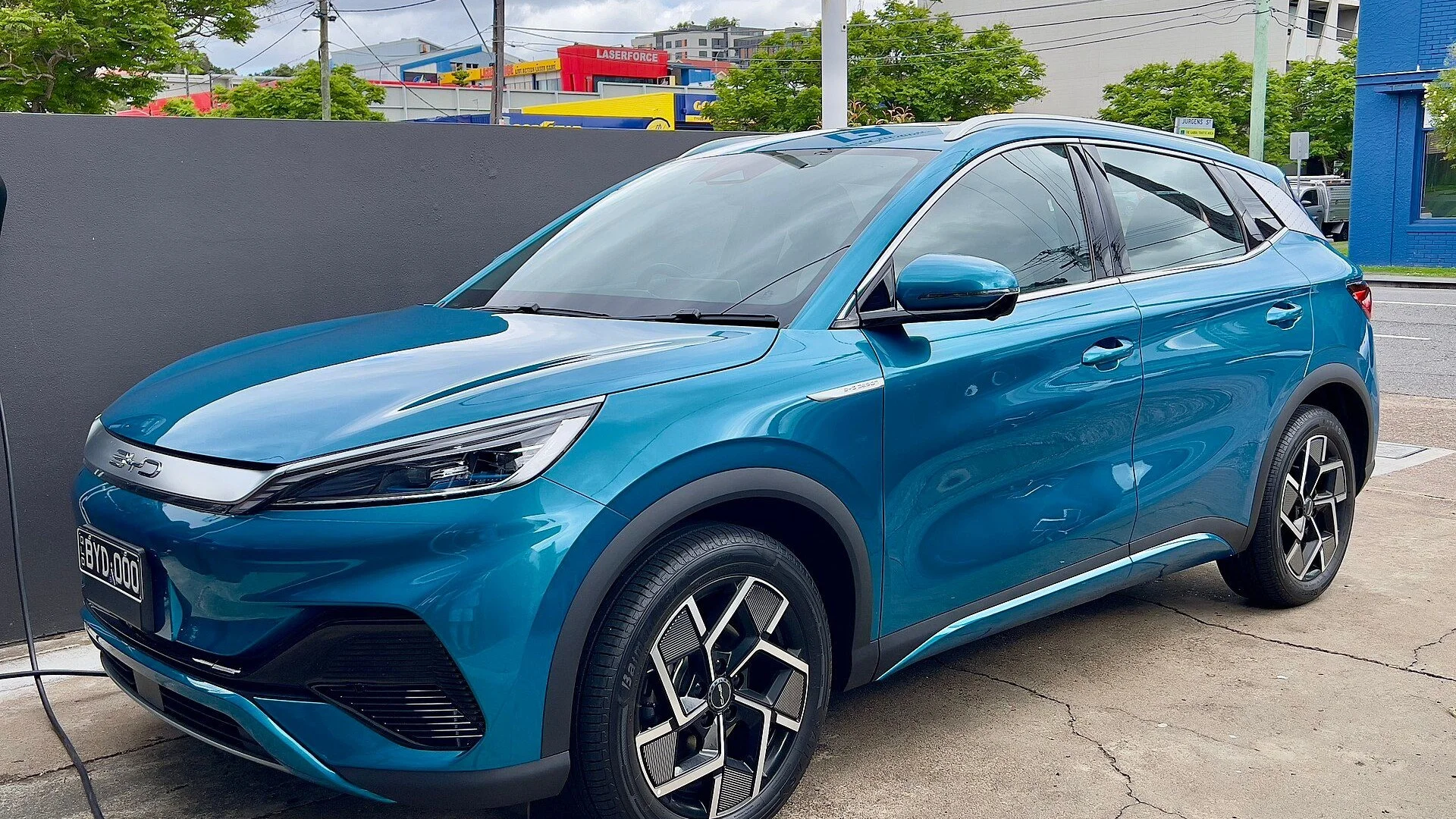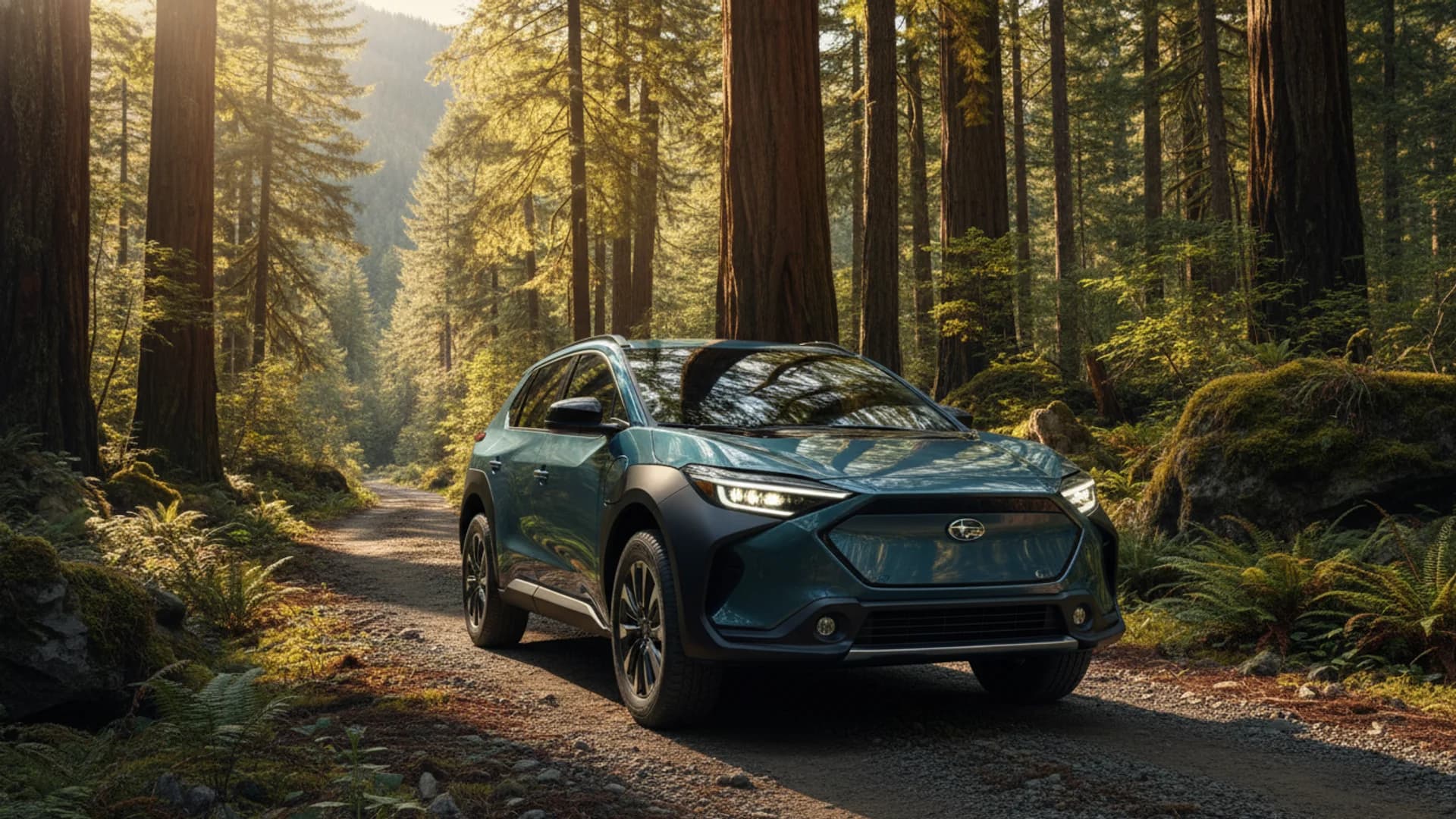
Subaru just dropped two brand-new EVs into the worst possible US market and somehow the sales line is going up and to the right.
That's not what the headlines told you was supposed to happen. The federal $7,500 tax credit is gone. Parent-company guidance from Japan signalled retreat. Every analyst with a Bloomberg terminal had Subaru filed under "legacy automaker quietly walking back EV plans."
Then Subaru of America shipped the Uncharted and Trailseeker into the challenging US market in April, alongside its existing Solterra model. And the two new cars are already outselling the Solterra. Three EVs in showrooms. Sales accelerating. No subsidy. No press-release-friendly narrative arc.
Somebody's buying. The question is who, and why nobody in automotive media is naming them out loud.
Key takeaways
- Subaru's May 2026 US EV sales cleared 3,000 units, a brand record, with zero federal tax credit.
- The Trailseeker and Uncharted outsold the Solterra within weeks of their April 2026 launch.
- Buyers are existing Subaru owners, Outback and Forester drivers converting, not conquest customers, per Subaru Canada's own car line manager.
- The Uncharted shares Toyota bZ platform bones but prices lower, making co-development a buyer advantage, not a compromise.
- A three-row 2027 Getaway EV prototype is already in press hands, pointing Subaru toward a four-model electric lineup.
Subaru Said "Pullback" Then Launched Two New EVs
The corporate signalling and the showroom reality are pointing in opposite directions, and it's worth sitting with that for a second.
Subaru Japan postponed in-house EV development earlier this year after a profit collapse. The trade press read that as a brand stepping back from electrification. Reasonable read on the surface.
Subaru of America did not get the memo. The US arm launched the Trailseeker and the Uncharted into dealerships in April 2026, two distinct EVs, one platform-sharing each with Toyota, both badged as full Subaru product. The Solterra stuck around with a 2026 refresh, including a new battery preconditioning system that lets the 2026 Solterra recharge from 10% to 80% in under 35 minutes, even in cold weather.
So the parent company is "pulling back" while the largest market arm triples its EV lineup in one quarter. Both things are true. The contradiction isn't being explained cleanly because nobody covering the story wants to say the simple thing: the Japanese in-house programme failed financially, and the US business doesn't care because the US business is selling Toyota-co-developed product with a Subaru badge.
That's not retreat. That's outsourcing the hard part and keeping the brand.
The Numbers Don't Lie: New Models Already Outselling the Solterra
Within weeks of arriving in dealerships, Trailseeker and Uncharted combined are out the door faster than the Solterra was moving on its own. The April launch month set a Subaru EV sales record. May broke that record again.
May 2026 cleared more than 3,000 US units, a brand best for electric. Two consecutive record months is not a launch-week blip. That's a curve.
For a brand that sold a few hundred Solterras a month for most of 2024 and 2025, going to 3,000+ is a category-creation moment. Not Tesla numbers. Not Ford F-150 Lightning numbers. But the trend line, in this market, in this policy environment, is what matters.
The Solterra didn't suddenly get good. The Solterra got two siblings, and the siblings are doing the heavy lifting while pulling the original model along with them. Showroom traffic that came in to look at a Trailseeker is leaving in a Solterra often enough to matter.
If you're tracking the broader 2026 Canadian and North American EV sales curve, this is one of the few legacy-brand stories where the launch went exactly the way the press deck promised.
Gear worth having
As an Amazon Associate, ThinkEV earns a small commission from qualifying purchases — at no extra cost to you.

Emporia Smart Level 2 EV Charger (48A)
Budget-friendly 48A charger with WiFi and per-session energy tracking. Best bang for buck if you want smart features under 500 dollars.
As an Amazon Associate, ThinkEV earns from qualifying purchases — at no extra cost to you.
No $7,500 Tax Credit. Sales Still Up.
The federal EV tax credit is gone. That is the biggest sales-suppression event in US EV history, and it landed right as Subaru was launching two new models.
Sales went up anyway.
Reread that sentence and then ask what it implies. The Subaru EV buyer in May 2026 is paying full sticker. No $7,500 off. No state incentive in most of the country. No lease cash. They walked in, looked at a Trailseeker, and signed the paperwork at MSRP.
That is not a subsidy buyer. That is a brand buyer. Subaru is doing the thing every legacy automaker claimed was impossible, converting their gas customer base to electric on the strength of the badge alone.
Hyundai needed Ioniq incentives. Ford needed Mach-E fire-sale pricing to clear inventory. Chevy needed the GM Energy bundle. Subaru needed a Forester owner who liked the look of the Trailseeker.
The press narrative has been pricing EV demand as a tax-credit story for three years. Subaru's May numbers are a quiet receipt that the brand-loyalty story was real all along, and most of the industry undervalued it.
Who Actually Buys These Things? The Subaru Owner Already Did
Subaru Canada's car line manager said the quiet part out loud to the Globe and Mail: "Our cars are meant to attract current Subaru EV owners who already drive a Solterra, but we also want to get new people into our brand and make them loyal customers."
Gear worth having
As an Amazon Associate, ThinkEV earns a small commission from qualifying purchases — at no extra cost to you.

WeatherTech FloorLiner for Tesla Model 3
Deep-channel liners that trap every drop of slush and salt. The difference between a ruined interior and a showroom-fresh cabin after a Canadian winter.
As an Amazon Associate, ThinkEV earns from qualifying purchases — at no extra cost to you.
Translation: this is a conversion play, not a conquest play. The buyer is already in the parking lot.
Outback owners trading in for Trailseekers. Forester owners cross-shopping the Uncharted. Solterra owners upgrading to the new platform. That's the cohort, and it's a cohort the rest of the industry doesn't have access to because Subaru spent thirty years building it on AWD, dog-friendly trunks, and ski-rack culture.
The r/subaru community is the tell. Skeptical on EV commitment, sharp on product detail, deeply engaged on whether the Trailseeker keeps the actual Subaru-ness intact. That's not the language of indifference. That's the language of people deciding which one they're buying.
Car and Driver's first drive read the situation correctly: this new model makes it clear that Subaru has done its homework and understands what its most loyal buyers are looking for. The only risk Subaru has taken with the Trailseeker is offering it at all.
The outdoor-AWD identity transferred. Whether you think that identity is real or marketing-constructed, it's load-bearing now. The Trailseeker is the on-brand answer the Solterra wasn't allowed to be.
Gear worth having
As an Amazon Associate, ThinkEV earns a small commission from qualifying purchases — at no extra cost to you.
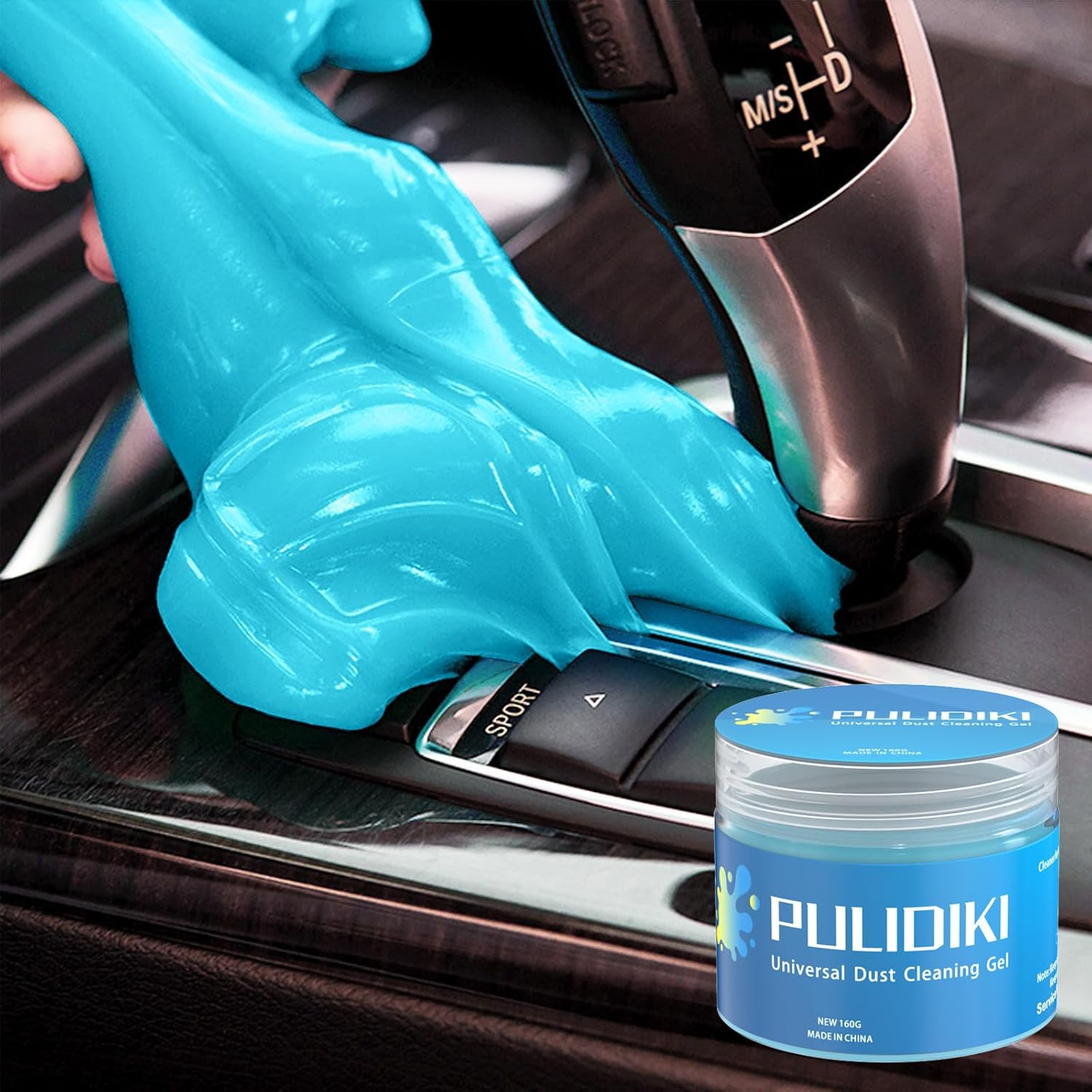
PULIDIKI Car Cleaning Gel (Detailing Putty)
Press it into vents, buttons, and seams and it lifts out dust you did not know was there. Weirdly satisfying, genuinely useful.
As an Amazon Associate, ThinkEV earns from qualifying purchases — at no extra cost to you.
The Toyota Overlap Is a Feature, Not a Bug
Half the automotive internet is busy pointing out that the Uncharted shares its bones with Toyota's bZ family, and the Subaru gets a more powerful dual-motor system, with both offering a choice of a 77.0-kWh or a 95.8-kWh battery pack paired with two motors. Trailseeker, same story. Co-developed.
The implied criticism: it's not really a Subaru, it's a Toyota with a different grille.
The Globe and Mail caught the part that actually matters. "If you look at the pricing of Toyota equivalent cars, you'll get better value for money if you buy a Subaru," says Aagam Shah, a Subaru Canada car line manager.
Same platform. Lower price. Subaru AWD tuning. Subaru badge. That's not a compromise, that's a trade the buyer is doing the math on and winning.
Co-development is how Subaru affords parallel internal-combustion and electric product lines on a fraction of Toyota's R&D budget. The legacy brands trying to do it alone, Stellantis, Nissan, even Honda, are bleeding cash on programmes they can't justify. Subaru just walked into Toyota's engineering office and walked out with two EVs to badge.
If you're a buyer, the question is whether the Subaru tuning, the AWD calibration, and the price delta are worth the badge. The May sales numbers say yes, repeatedly. For broader context on how shared-platform EVs are reshaping which brands actually survive the transition, this is the playbook other legacy brands should be studying instead of mocking.
Gear worth having
As an Amazon Associate, ThinkEV earns a small commission from qualifying purchases — at no extra cost to you.

WixGear Magnetic Air Vent Phone Mount (2-Pack)
A magnet strong enough that your phone never flinches over potholes or rail crossings. Two in the box, one for each car.
As an Amazon Associate, ThinkEV earns from qualifying purchases — at no extra cost to you.
What Comes Next: A Third Row and a Decision Point
Subaru isn't slowing down. The 2027 Getaway EV, a three-row prototype, has already been shown to automotive press, and it's pointed straight at the Outback's three-row gap.
If May's sales pace holds through year-end, Subaru's EV lineup will be four models deep by 2027. Solterra, Uncharted, Trailseeker, Getaway. That's not a hedge. That's a parallel brand.
The decision point coming up isn't "does Subaru believe in EVs", the lineup answered that with money. The decision point is whether Toyota and Subaru's joint EV strategy gets a Canadian rollout aggressive enough to matter. Right now the Uncharted is positioned for Canada via the Toyota C-HR EV connection, but Subaru Canada's volume targets are quiet. If the Canadian EV market keeps moving the way it has in the last two quarters, Subaru's silence on Canadian volume is going to look like a missed window by Q4.
Bottom line: the press-release framing was wrong. Subaru isn't pulling back from EVs, Japan is, and the US arm is running the opposite playbook with Toyota's engineering and Subaru's customer base. The buyer nobody wanted to name is the Outback owner who was waiting for the right electric to show up. It showed up in April. They've been buying ever since.
I'd watch May-to-August sales for the slope. If the curve holds without a federal credit, every legacy brand still treating EV demand as an incentive problem is going to look very late, very fast.
Gear worth having
As an Amazon Associate, ThinkEV earns a small commission from qualifying purchases — at no extra cost to you.
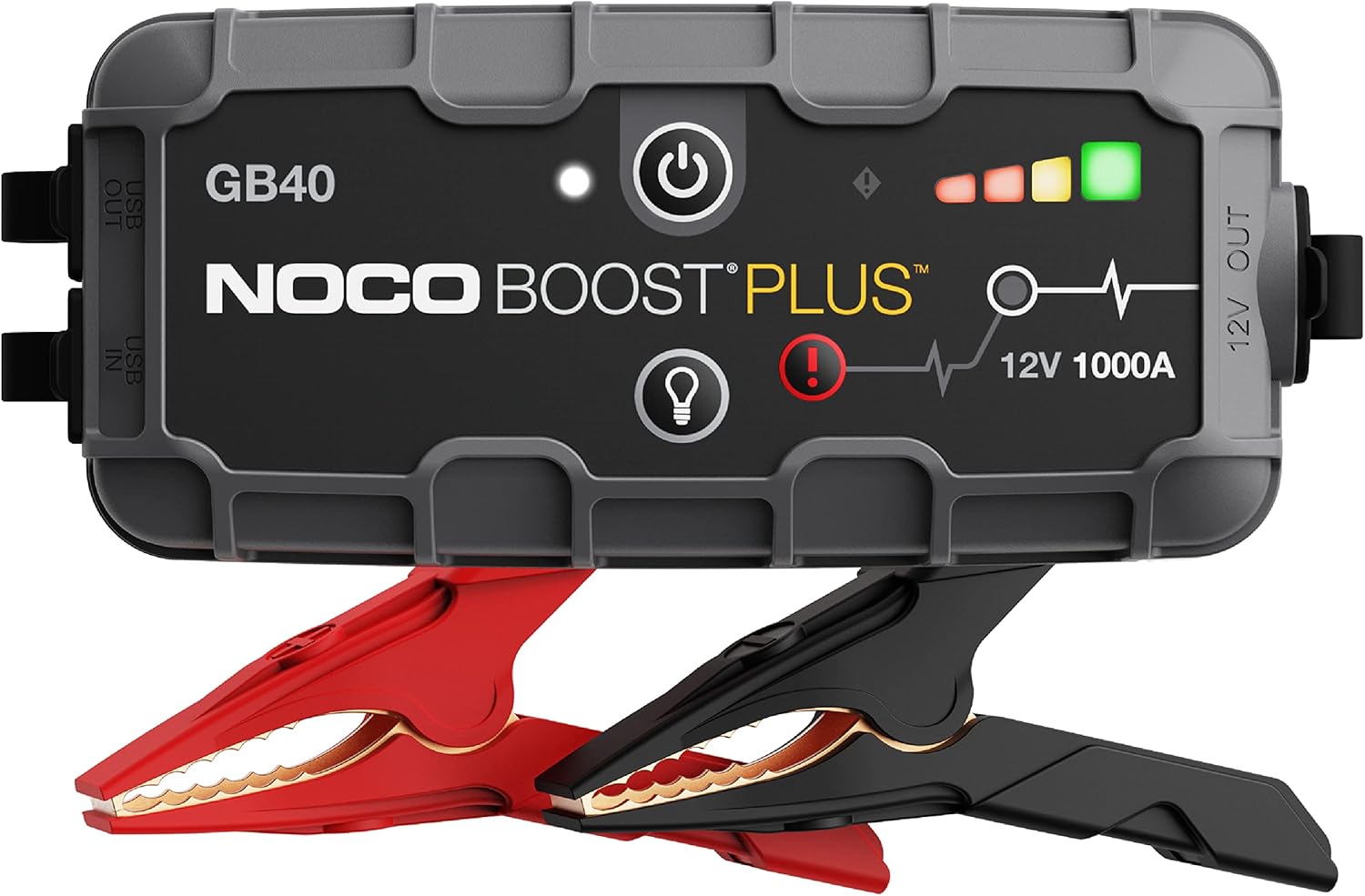
NOCO Boost Plus GB40 Jump Starter
A 1000A lithium jump starter that fits in your glovebox and works on any 12V battery. Your insurance against a dead 12V in a parking lot.
As an Amazon Associate, ThinkEV earns from qualifying purchases — at no extra cost to you.

Founder & Chief Editor
Vlad Pereira is the founder and chief editor of ThinkEV.ca, the Canadian electric-vehicle publication he writes and edits from Courtenay, British Columbia. He covers EV pricing, federal and provincial rebates, charging costs, and the Chinese manufacturers now entering Canada, from the buyer's side rather than the press-fleet side. ThinkEV is a venture of Vlad Pereira Online; his writing on health, income and the long game lives at vladpereira.com.
Frequently asked questions
Do the Trailseeker and Uncharted qualify for any Canadian incentives?
How does the Trailseeker price compare to the Toyota bZ equivalent?
Is the Solterra still worth buying now that two newer models exist?
When is the three-row Getaway EV actually coming?
What happens to resale value when a platform is shared with Toyota?
More EV & road-trip finds
Affordable upgrades worth a look — tap any to check the price on Amazon.
 ★ 537
★ 537USB Star Projector Roof Light
View on Amazon ★ 546
★ 546Funny Headrest Face Covers (2-Pack)
View on Amazon ★ 21,304
Car Headrest Hooks (4-Pack)
View on Amazon ★ 308
★ 308Coiled Lightning Car Cable for iPhone (2-Pack)
View on Amazon ★ 119
★ 119Foldable Waterproof Trunk Organizer
View on Amazon ★ 392
★ 392Large Cup Holder Adapter (32-40oz)
View on Amazon ★ 4,050
Touchscreen Mist Screen Cleaner Kit
View on Amazon ★ 314
★ 314Mini USB LED Ambient Lamps (4-Pack)
View on AmazonRead, Plan, Then Stay Current
Explore our expert articles to understand incentives and ownership costs, use the map to pressure-test charging reality, then subscribe so new EV coverage comes straight to you.
Continue Reading
Tesla Q3 2026 Earnings: Flat Revenue, Falling Profits
BYD Denza B8 Suspension Trick Defeats Traffic Boot in Viral Clip
Zenos E10 Returns at £115,000, A Different Car Entirely
Jaecoo J5 EV Uber Discount: $31,500 Fleet Math Changes
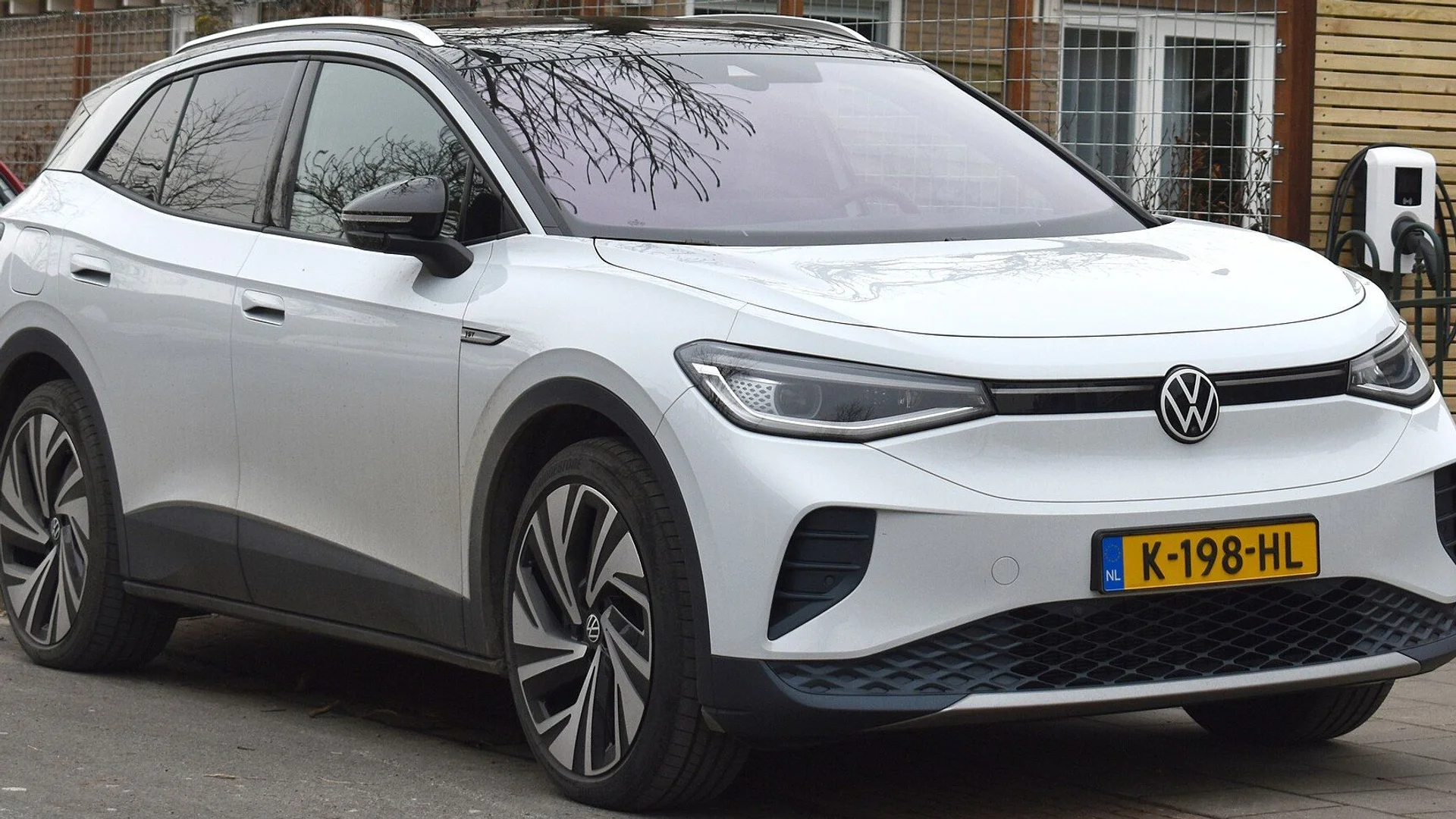
VW ID.4 80% Charge Cap Rolls Out This Week, With Opt-Out