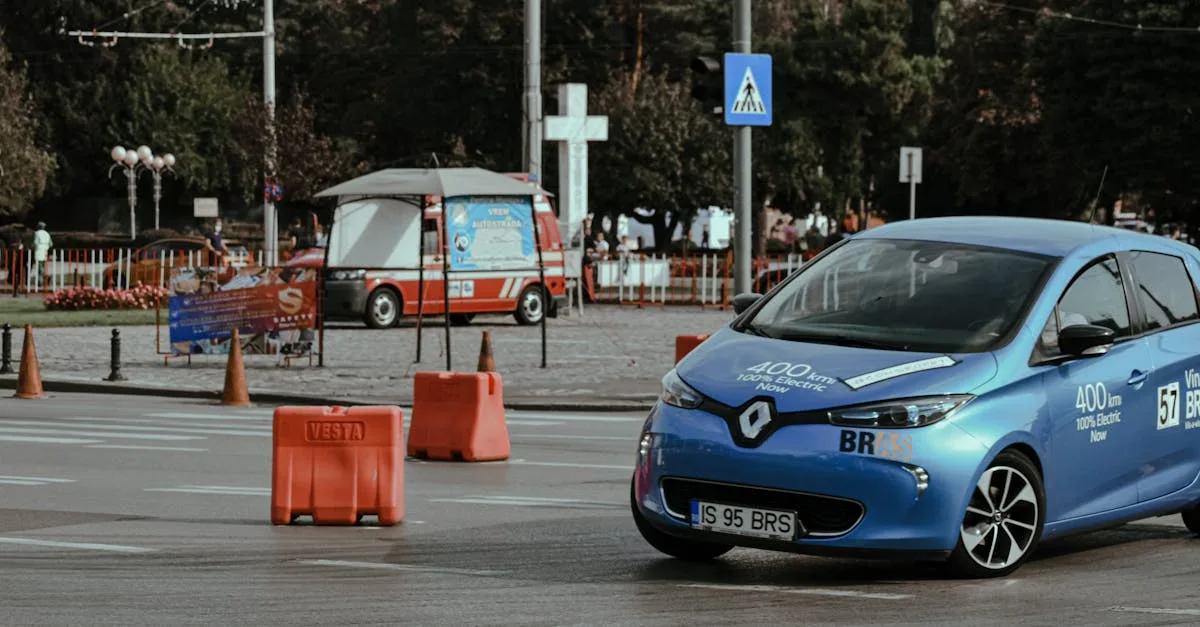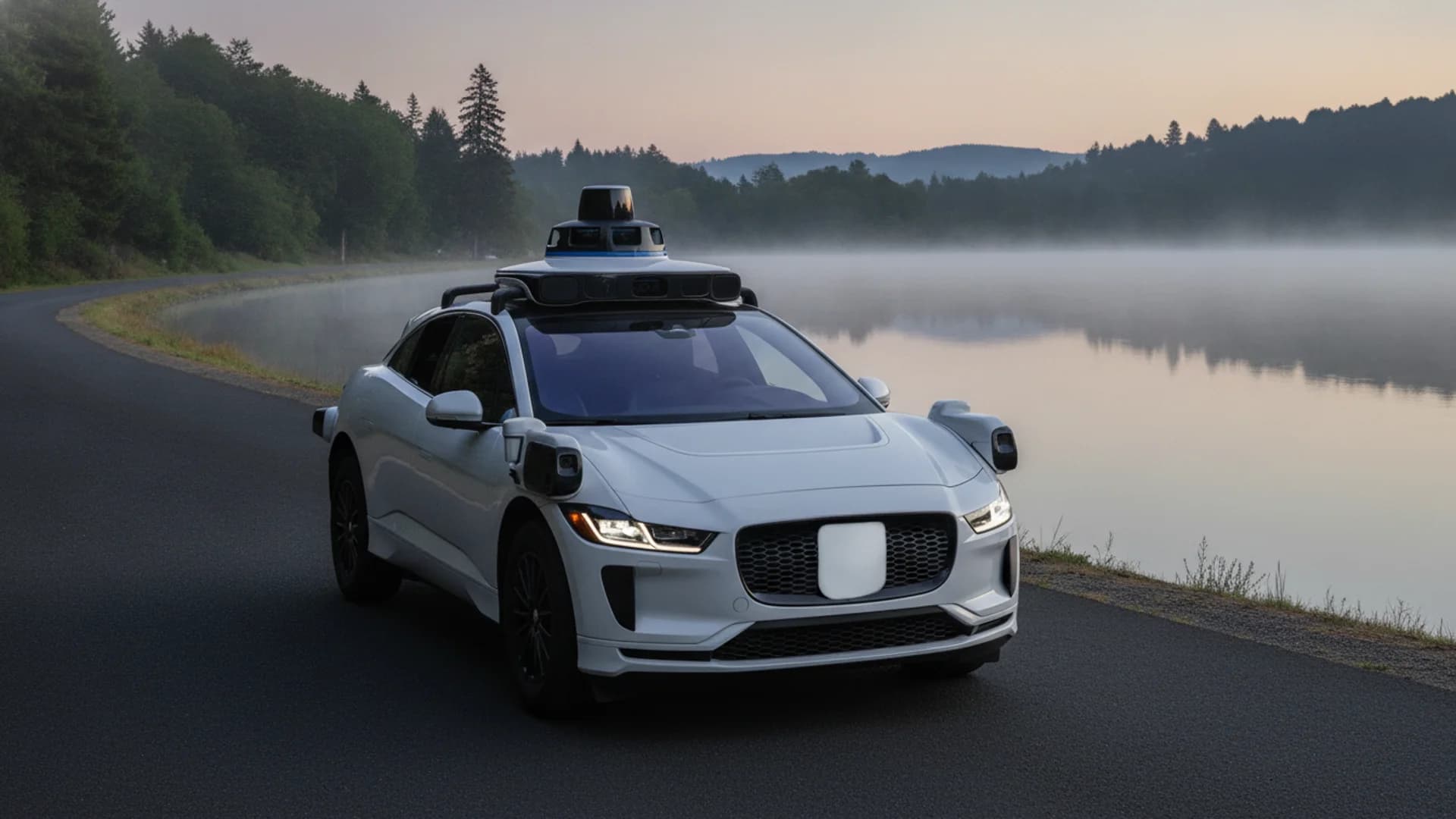
Waymo didn't open a new city this week. It added nearly 250 square miles to cities where it already runs with nobody in the driver's seat, spread across Los Angeles, Nashville, Orlando, San Diego, and the San Francisco Bay Area, roughly the size of Tesla's entire Houston Robotaxi geofence, added as a patch. That's the whole story. The incremental expansion is the size of a rival's flagship market.
Key takeaways
- Waymo added ~250 square miles across LA, Nashville, Orlando, San Diego, and the Bay Area, equal to Tesla's entire Houston robotaxi geofence.
- All five cities already run fully driverless, so no new permits, regulators, or HD mapping were required for this expansion.
- Waymo's total service area now exceeds 1,400 square miles across 11 US cities, larger than Rhode Island.
- The Texas fleet alone grew nearly 50% in three weeks, illustrating how densification scales faster than launching new cities.
- A May 2026 recall of 3,800 Waymo robotaxis over flooded-road risk is itself a milestone no rival fleet is large enough to trigger.
What 250 Square Miles Actually Means Across Five Cities
The geography matters more than the headline number. In Los Angeles, service extends south along the coast through Manhattan Beach and Redondo Beach to Torrance, dense suburban coastal corridor, not greenfield desert. In Nashville, the ride area pushes southward far enough to reach the zoo. Orlando, San Diego, and the Bay Area pick up contiguous territory that fills gaps rather than planting flags.
Set that against the base. Waymo's May 2026 expansion put the total service area over 1,400 square miles across 11 US cities. This week's addition takes a network already larger than Rhode Island and bolts another chunk onto it, the equivalent, in square mileage, of Tesla's entire Houston robotaxi footprint after that service's recent expansion. One company's full market is another company's weekly patch.
The structural detail: every one of these five metros already operates fully driverless. Waymo is not seeking new permits, not negotiating with new regulators, not mapping virgin territory. The underlying infrastructure, HD maps, remote-ops centres, depot locations, charging, is already paid for. The marginal cost of adding a coastal corridor to a city you already serve is a fraction of the cost of launching a new city, and the operational risk is nearly zero.
Gear worth having
As an Amazon Associate, ThinkEV earns a small commission from qualifying purchases — at no extra cost to you.

Lectron Level 2 J1772 Charger (40A, WiFi)
Smart WiFi charger with real-time energy monitoring. 40A / 9.6 kW, J1772 with a NEMA 14-50 plug, schedule charging right from your phone.
As an Amazon Associate, ThinkEV earns from qualifying purchases — at no extra cost to you.
Gear worth having
As an Amazon Associate, ThinkEV earns a small commission from qualifying purchases — at no extra cost to you.

Personalized Photo and Text Keychain
Put a face and a few words on a keychain that rides along on every drive. A five-minute gift that lands.
As an Amazon Associate, ThinkEV earns from qualifying purchases — at no extra cost to you.
Compound Growth Beats a Single Launch
Waymo had roughly 3,871 robotaxis in service across 10 US metropolitan areas as of June 2026, and the Texas fleet alone has grown by nearly half in the past three weeks. That's the compound-growth curve working. Densification, adding square miles inside cities already running, scales faster than discovery, because every expansion rides on fixed costs that have already cleared.
The buyer-side consequence: shorter deadhead miles, higher vehicle utilization, lower per-ride cost. The competitive consequence is sharper. A rival matching this footprint today has to replicate the mapping stack, the regulatory approvals, the depot network, and the fleet deployment across 11 metros simultaneously, not sequentially. That is a very different problem from catching up on hardware. For readers trying to place this in context, the three-way architecture split between Waymo, Tesla FSD, and Cruise explains why operational scale is the lead metric right now, and robotaxis are already operating at scale in markets most Western coverage ignores, including fleets like XPeng's purpose-built L4 robotaxi now rolling off a Guangzhou production line.
Gear worth having
As an Amazon Associate, ThinkEV earns a small commission from qualifying purchases — at no extra cost to you.
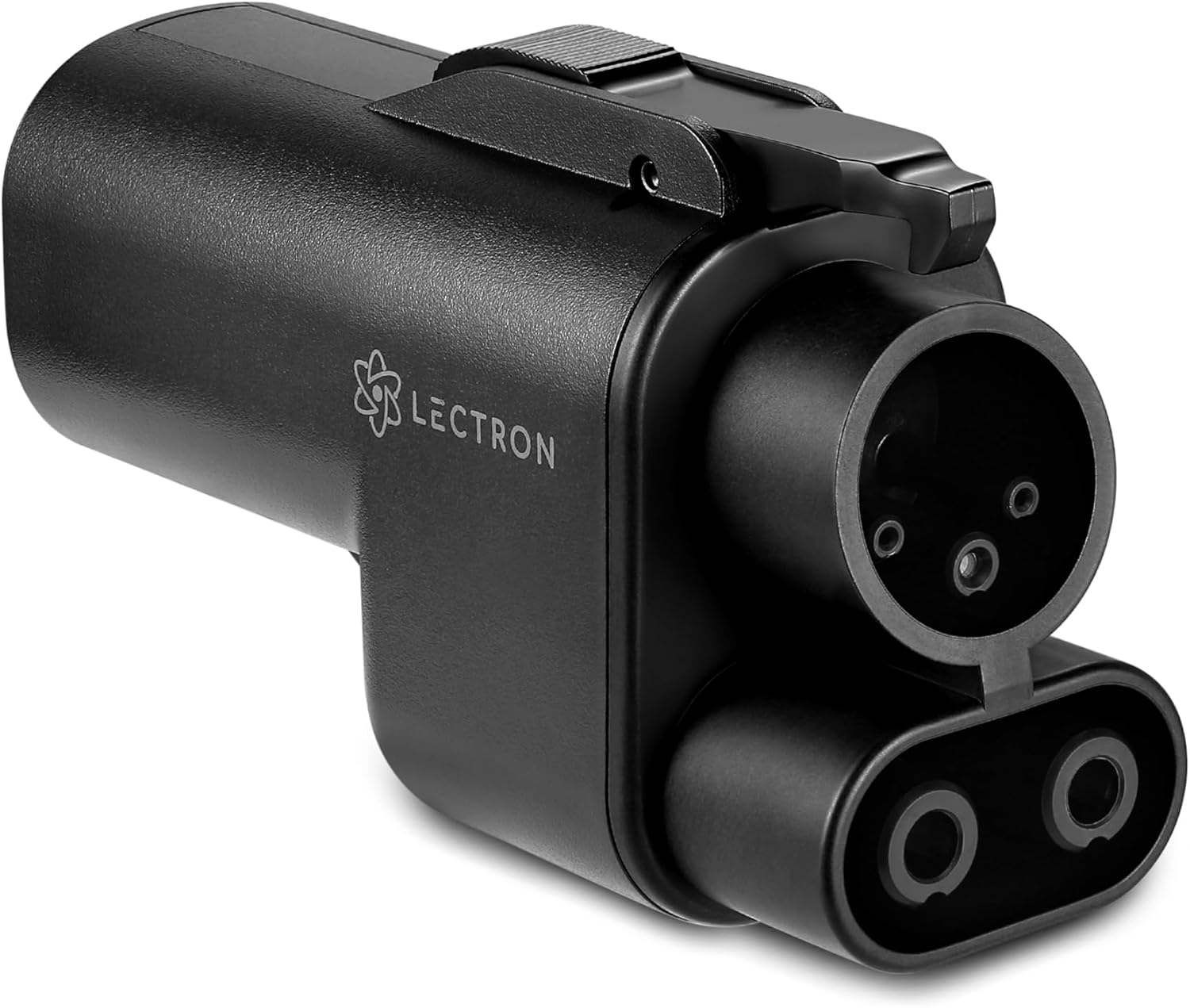
Lectron NACS to CCS Fast-Charge Adapter
Unlock every CCS fast charger for your Tesla, up to 500A DC. Never get stranded at a non-Tesla DC station again.
As an Amazon Associate, ThinkEV earns from qualifying purchases — at no extra cost to you.
Gear worth having
As an Amazon Associate, ThinkEV earns a small commission from qualifying purchases — at no extra cost to you.

Tesla Key Card Holder with AirTag Slot
Stop fishing the keycard out of your wallet, and slot an AirTag in case the car wanders off in a lot.
As an Amazon Associate, ThinkEV earns from qualifying purchases — at no extra cost to you.
October's Expansion Decides the Shape of 2027
The lead is now structural, not stylistic. Reuters reported in May 2026 that Waymo recalled 3,800 robotaxis over the risk of entering flooded roads, a recall-scale safety event is itself a milestone no commercial robotaxi competitor has reached, because no competitor runs a fleet large enough to generate one. The question for 2027 isn't whether Tesla's vision-only stack or a Chinese entrant catches up on hardware. The question is whether regulatory and operational lead time compresses fast enough to matter before Waymo's footprint doubles again. On the current trajectory, the number to watch is the next quarterly fleet count, not the next demo video.
Gear worth having
As an Amazon Associate, ThinkEV earns a small commission from qualifying purchases — at no extra cost to you.
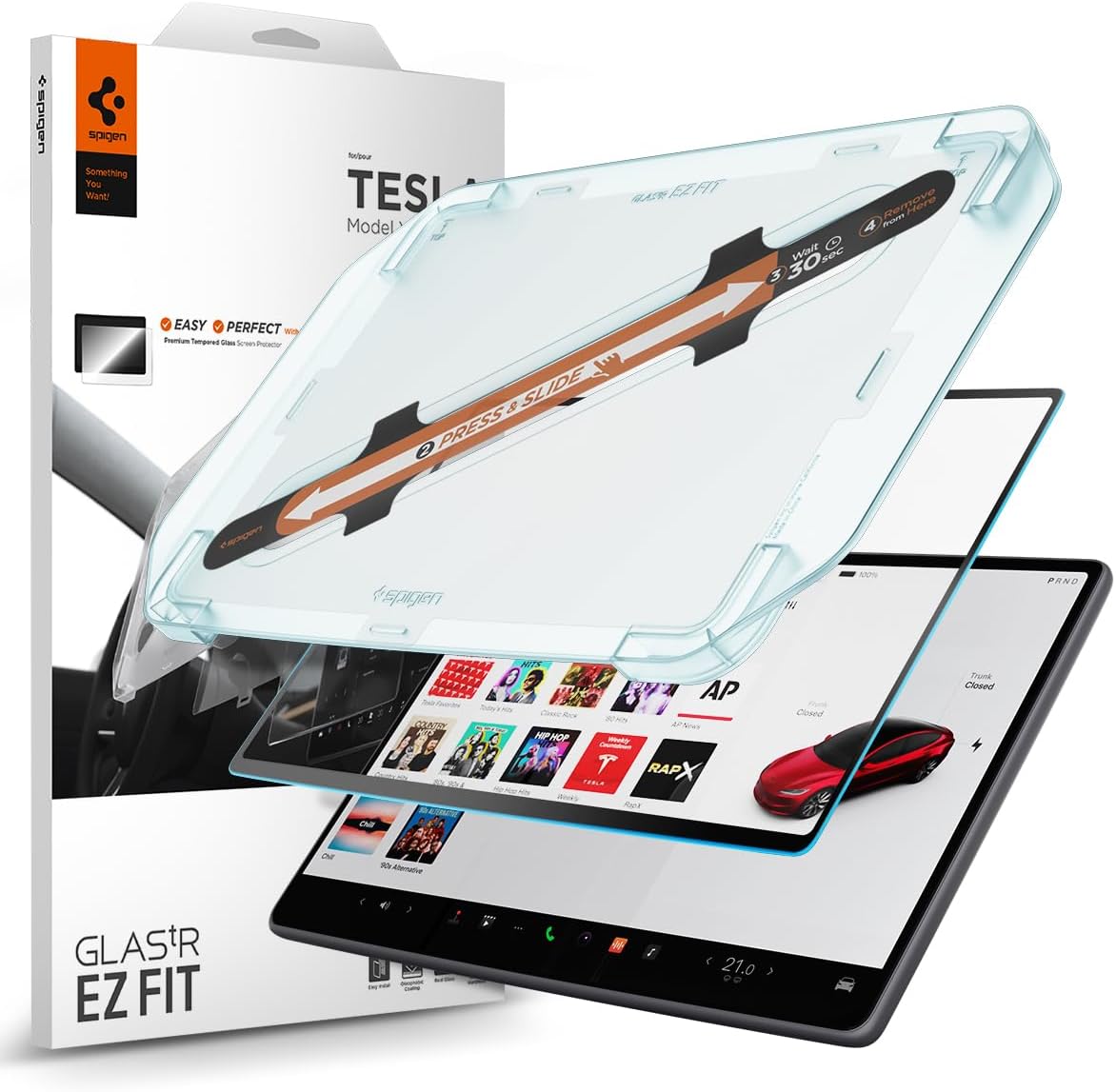
Spigen Tempered Glass for Tesla Model 3/Y
Tempered-glass protection for the touchscreen that kills fingerprints and scratches. Two minutes to install, lasts the life of the car.
As an Amazon Associate, ThinkEV earns from qualifying purchases — at no extra cost to you.

Founder & Chief Editor
Vlad Pereira is the founder and chief editor of ThinkEV.ca, the Canadian electric-vehicle publication he writes and edits from Courtenay, British Columbia. He covers EV pricing, federal and provincial rebates, charging costs, and the Chinese manufacturers now entering Canada, from the buyer's side rather than the press-fleet side. ThinkEV is a venture of Vlad Pereira Online; his writing on health, income and the long game lives at vladpereira.com.
Frequently asked questions
Does any of this new coverage reach Canada?
How does Waymo's total area compare to Tesla's robotaxi footprint?
What actually limits Waymo from expanding even faster?
Does the May 2026 flood recall suggest safety problems at scale?
Is there a Chinese competitor close to matching this operational scale?
More EV & road-trip finds
Affordable upgrades worth a look — tap any to check the price on Amazon.
 ★ 1,340
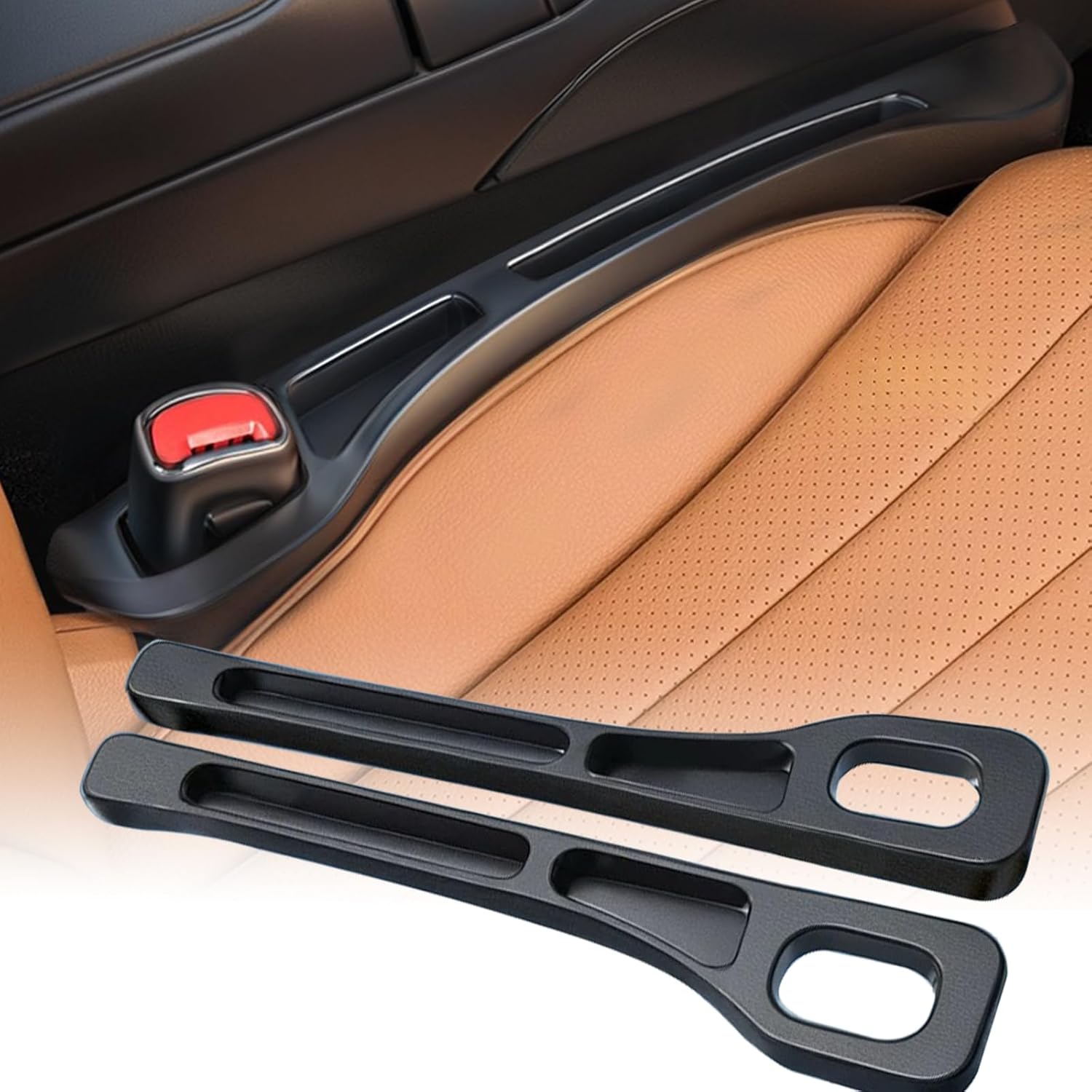
Car Seat Gap Filler (Universal)
View on Amazon ★ 297
360-Degree One-Hand Dashboard Phone Mount
View on Amazon ★ 61
Toddler Car Seat Snack and Cup Tray
View on Amazon ★ 17,839
Qifutan Vent Phone Mount (Military-Grade Clip)
View on Amazon ★ 9,349
Auto Detailing Brush Set (10-Piece)
View on Amazon ★ 55
LED Car Door Logo Projector Light
View on Amazon ★ 900
Personalized Photo Car Air Freshener
View on Amazon ★ 4,424
Sun Visor Card and Document Organizer
View on AmazonRead, Plan, Then Stay Current
Explore our expert articles to understand incentives and ownership costs, use the map to pressure-test charging reality, then subscribe so new EV coverage comes straight to you.
Continue Reading
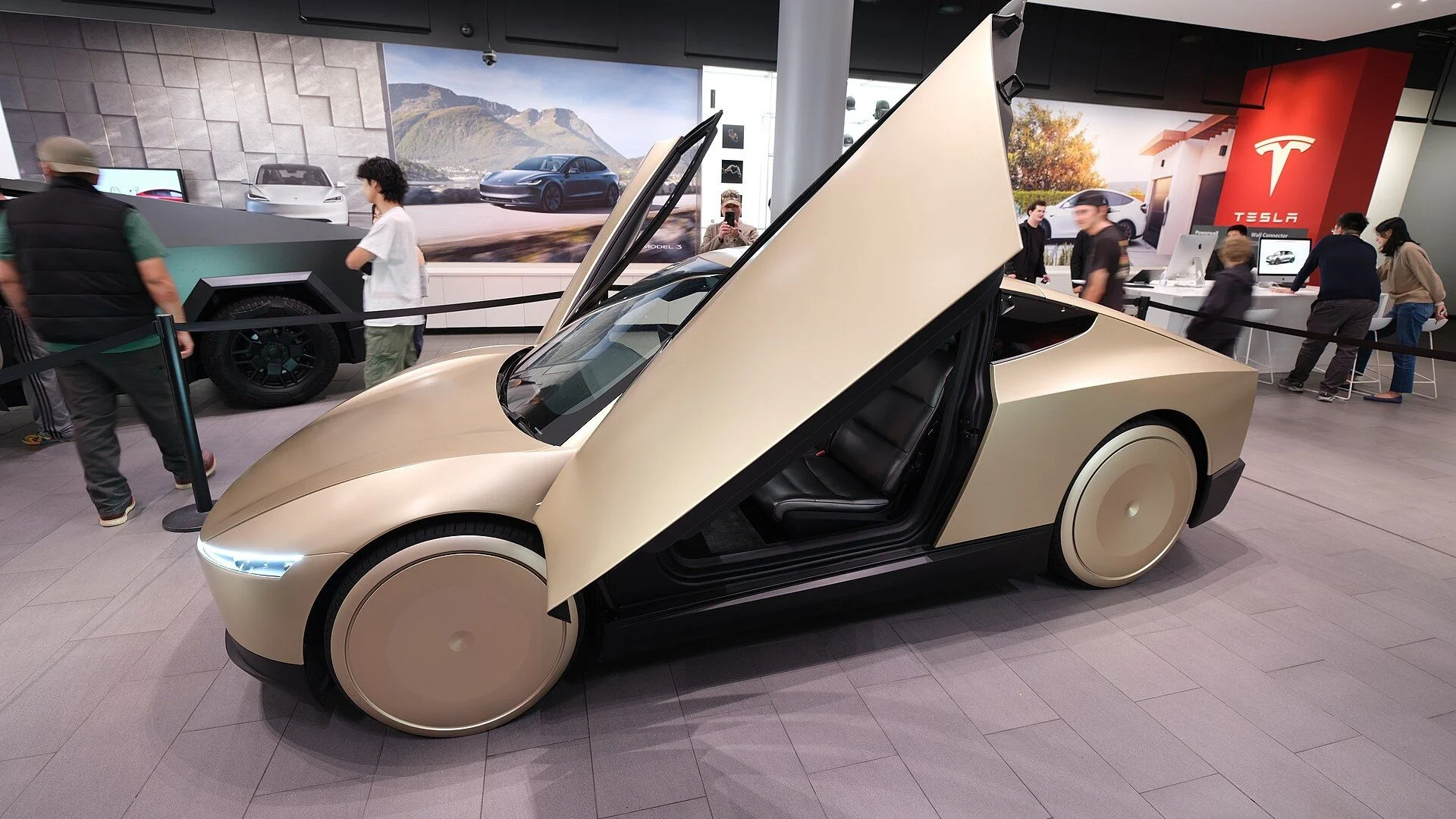
Tesla Cybercab Launch Draws NHTSA Probe, Stock Slide
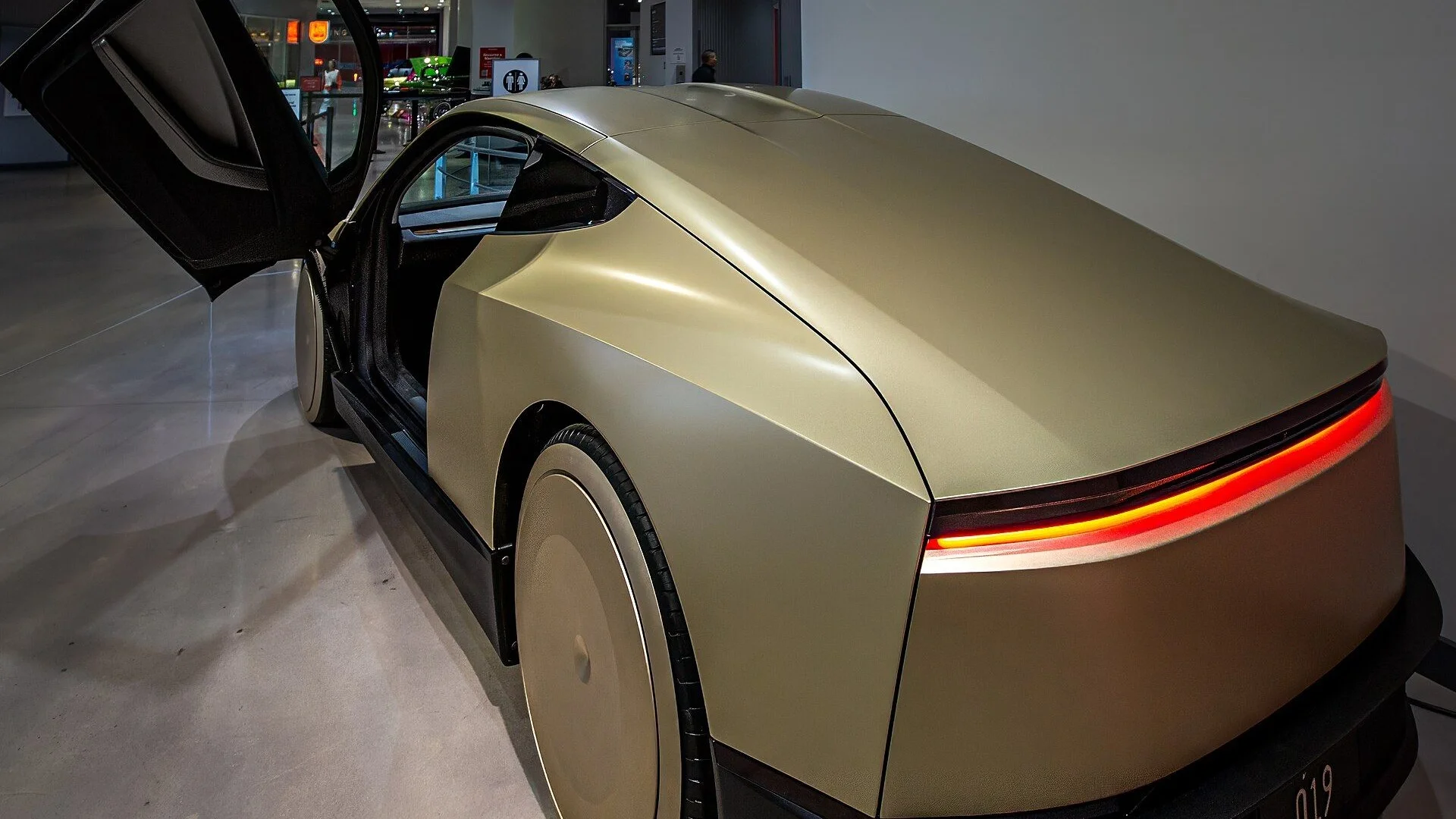
Tesla Cybercab Employee Rides: A Parking-Lot Shuttle
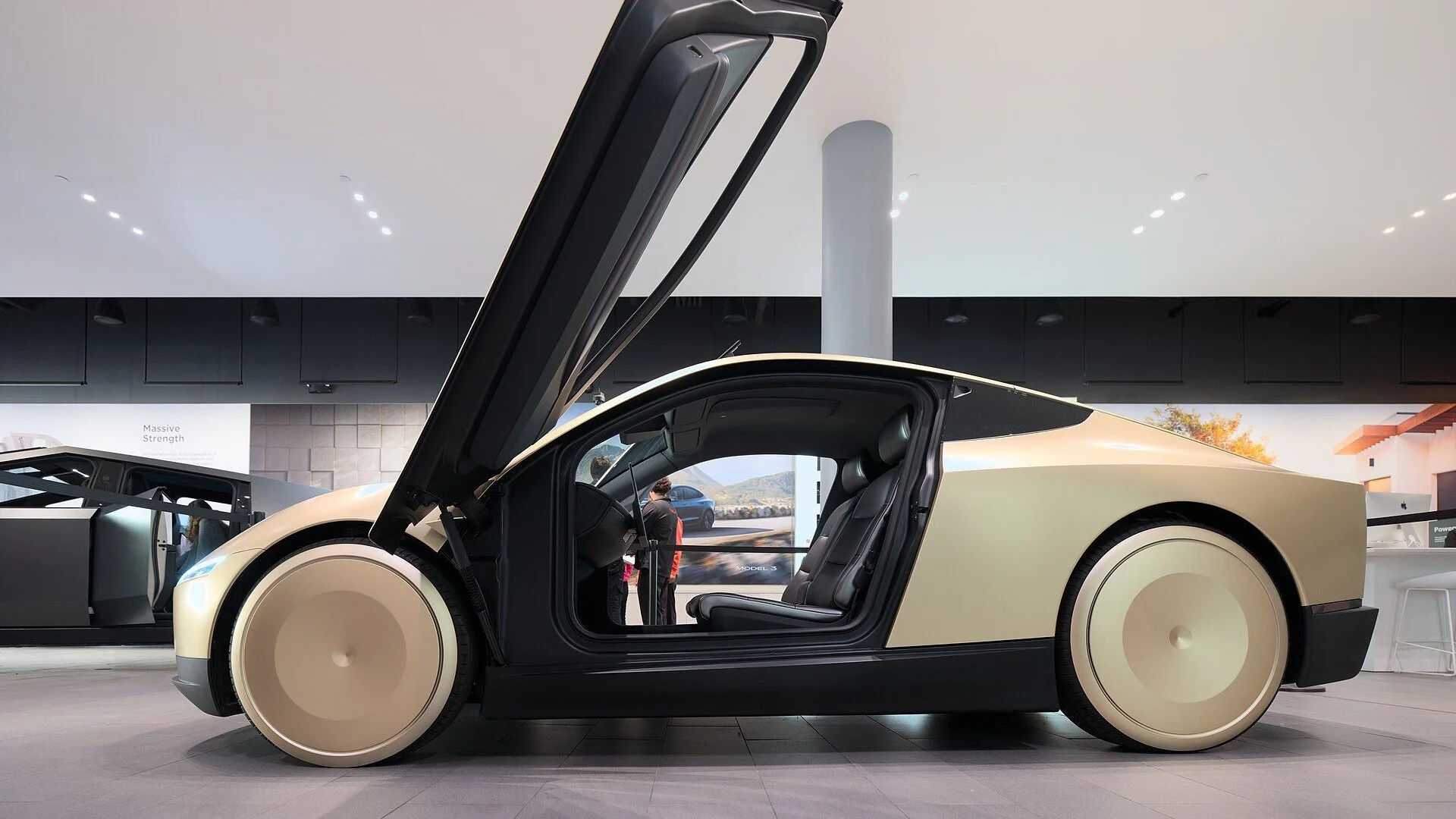
Tesla Cybercab Specs Confirmed by EPA, Autonomy Still Missing
Tesla's 1,000 Texas Robotaxis: Where the Count Sits
SAE Driving Automation Levels Explained: L0 to L5