In April alone, xAI spent more on Tesla Megapacks than it did in all of 2024. That's not a purchase, that's a dependency.
The $269 million figure showed up in SpaceX's amended S-1 IPO filing yesterday, and that single month exceeds what xAI spent on Tesla Megapacks in all of 2024. For Canadian buyers wondering whether any of this matters for your home Powerwall quote or your Tesla shares, the short answer is yes, but not in the way the headlines suggest. The story here is not really about Elon's companies buying from each other. It's about Tesla quietly becoming an AI infrastructure supplier, and the energy business pulling away from the car business in ways that almost nobody is pricing in yet.
Three things matter here: the scale of the order, the IPO disclosure mechanics, and what either one does to your Powerwall quote.
Key takeaways
- xAI spent $269M on Tesla Megapacks in April 2026 alone, more than all of 2024 combined.
- The $269M order bought roughly 135–180 Megapack units, the scale of a regional grid operator's purchase.
- SpaceX's June 12 IPO filing required disclosure because Elon Musk controls both the buyer and seller.
- Tesla's energy division has outgrown automotive revenue for six consecutive quarters, with xAI as a billion-dollar anchor client.
- The same Megapack chemistry Tesla sells to BC Hydro and Hydro-Québec is now core AI infrastructure for xAI's Memphis supercluster.
What Did xAI Actually Buy, and What Does $269M Get You?
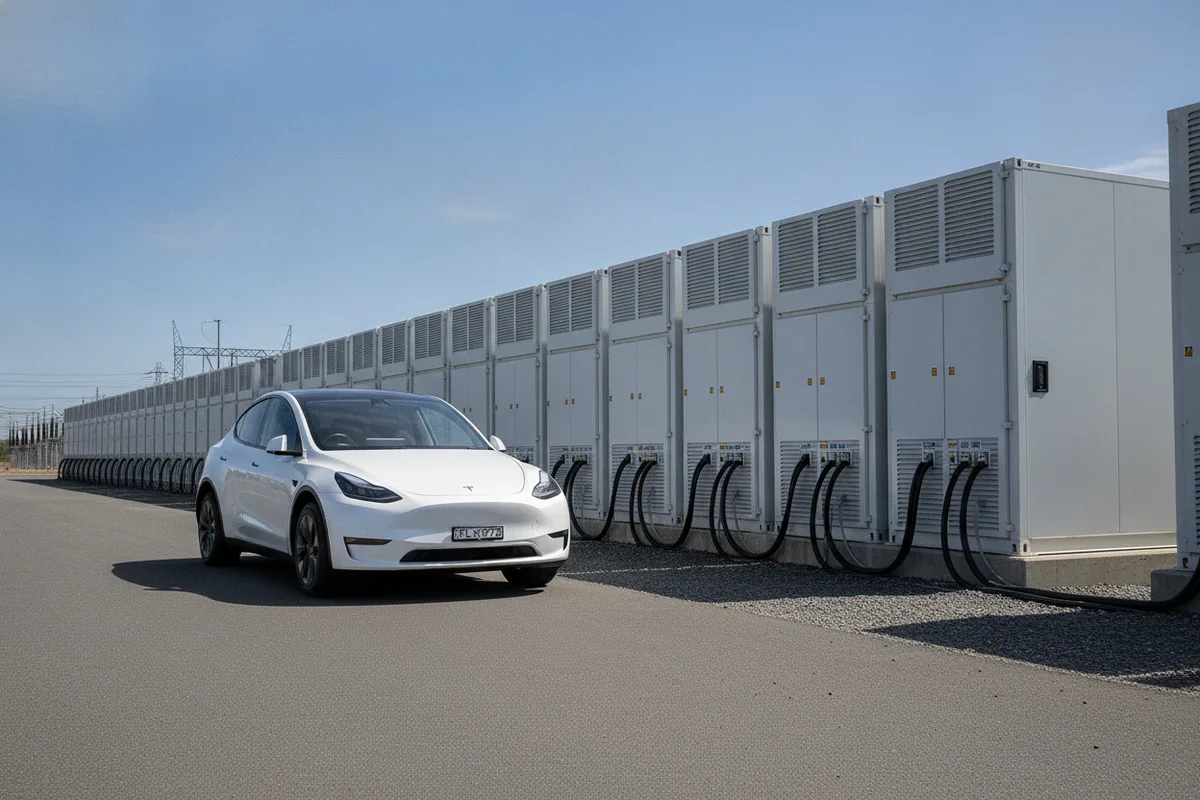
Let's anchor the number. A single Tesla Megapack unit lists in the US$1.5–2 million range depending on configuration, which means $269 million bought somewhere between 135 and 180 units in a single month. That is utility-scale procurement, the kind of order a regional grid operator places, not what you'd expect from an AI startup.
The transaction closed in April 2026 according to a filing revealed on June 3, and it comes on top of a $430 million Megapack order placed by SpaceX and xAI last year, bringing the total inter-company spend on Tesla's grid-scale battery systems to nearly $700 million across two years. Layer the April buy on top and total Megapack spending by xAI has reached roughly $1 billion since 2024, a figure that underscores both how power-hungry AI data centres have become and how deeply intertwined Elon Musk's companies are.
The breakdown is even more telling year over year. Tesla supplied US$191 million worth of Megapacks in 2024 and another US$506 million in 2025, primarily for xAI before the AI company was absorbed into SpaceX earlier this year. The trajectory: $191M, then $506M, then $269M in a single month of the following year. The slope is steep, and the buyer hasn't stopped buying.
For context on what this scale of battery storage actually does, it's the same product Tesla sells to BC Hydro and Hydro-Québec for grid-firming projects, and the same chemistry family as the BYD utility-scale systems competing for Canadian contracts. The conversation about Chinese versus North American battery suppliers is happening at this exact scale, which is why Tesla's broader competitive position against BYD matters here. The J.D. Power Canadian repeat-purchase numbers, Hyundai EV at ~82%, Kia at ~79%, Tesla at ~71%, tell you Tesla's brand loyalty is softer than its energy-segment growth, which is why the Megapack story is the one to watch.
Why Is an AI Company Buying This Much Battery Storage?
AI data centres draw power in spikes, training runs and inference bursts can pull megawatts within seconds, and grid operators hate that. Battery storage smooths the curve. You charge cheap overnight, discharge during the compute burst, and the utility sees a flat draw instead of a saw-tooth that triggers demand charges.
There's a second reason that's less discussed: grid interconnection queues. In most North American markets, getting a new high-capacity grid tie-in approved takes two to four years. On-site Megapack arrays let xAI run the compute today on a smaller grid connection and bridge the gap with stored energy until the utility catches up. It's expensive, but it's faster than waiting on permits.
The Memphis Colossus supercluster is the visible end of this. Reports peg the facility at 100,000+ GPUs running training for Grok, and the power footprint is industrial. You don't run that on hope and a single substation, you run it on diesel gensets initially, then on grid plus storage as fast as you can install it.
The financial press is under-weighting this. Tesla's automotive division gets the quarterly call attention; the energy division is signing $269M purchase orders in single months. The product matters. The customer mix matters more. And as Foxconn, BYD, and CATL push into grid-scale storage themselves, Foxconn's vehicle ambitions tell a parallel story about how the manufacturing winners and the brand winners aren't always the same companies, Tesla's energy moat is being tested at exactly the moment its biggest customer is captive.
Gear worth having
As an Amazon Associate, ThinkEV earns a small commission from qualifying purchases — at no extra cost to you.

Lectron Level 2 J1772 Charger (40A, WiFi)
Smart WiFi charger with real-time energy monitoring. 40A / 9.6 kW, J1772 with a NEMA 14-50 plug, schedule charging right from your phone.
As an Amazon Associate, ThinkEV earns from qualifying purchases — at no extra cost to you.
The SpaceX IPO Connection: Why This Showed Up in an S-1
This disclosure exists because SpaceX is going public. In the updated filing on Wednesday, SpaceX noted that its xAI unit purchased $269 million worth of Tesla megapacks in April. That's not background colour, it's a required related-party disclosure, because xAI is now a SpaceX subsidiary and Tesla is controlled by the same person who controls SpaceX.
CNBC reports details from a new filing ahead of SpaceX's IPO on June 12, and at the $135 per share price tag, SpaceX would be valued at $1.77 trillion, which assumes the EchoStar spectrum and Cursor transactions close. A $1.77 trillion valuation puts SpaceX in the same conversation as the top three US public companies, and the related-party disclosures are now part of what institutional investors will be pricing.
The broader picture from the same filing: SpaceX and its xAI subsidiary collectively bought about $650 million in goods and services from Tesla last year, including $506 million in Megapack battery systems purchased by xAI. And it's not just batteries. Purchases included $697 million in Tesla Megapack products across 2024 and 2025, plus $131 million in Cybertrucks in 2025.
Gear worth having
As an Amazon Associate, ThinkEV earns a small commission from qualifying purchases — at no extra cost to you.

Heavy-Duty Outdoor Timer (Preconditioning)
Schedule your Level 1 charger or block-heater outlet, rated for the outdoors. Warm the battery on grid power before you leave, not on your range.
As an Amazon Associate, ThinkEV earns from qualifying purchases — at no extra cost to you.
For SpaceX investors, this becomes a governance question, not a flattering footnote. When the same individual sits across both sides of a $1 billion purchase relationship, the audit committee gets asked uncomfortable questions about pricing benchmarks and arm's-length terms. That's normal disclosure hygiene, but it's now formally on the table.
What This Means for Tesla's Energy Business (Not Just the Cars)
Tesla Energy revenue has been growing faster than automotive for six consecutive quarters, and Megapack is the engine. When a single customer, xAI, represents roughly a billion dollars in Megapack contracts over two and a bit years, that's equivalent in scale to landing a major utility client. Most utility procurement cycles don't move that fast or commit that much in that short a window.
This validates the pivot. For years Tesla's energy division was treated as the also-ran on earnings calls, interesting, growing, but not material to the thesis. A billion dollars of repeat business from one customer changes that framing. It also changes the competitive landscape, because every AI hyperscaler now sees what xAI did and is asking their own procurement teams the same question.
The Canadian angle here is real but secondary. Tesla Megapack already competes for grid-scale projects in Ontario, Alberta, and BC, and the same supply that's flowing to xAI is supply that isn't flowing to Canadian utility tenders. Across 2024 and 2025, xAI and SpaceX absorbed $697 million in Megapack products plus $131 million in Cybertrucks, that's manufacturing capacity that didn't go to other buyers. If you're a Canadian utility procurement officer, BYD and CATL are looking better by the quarter. Canada bought roughly 143,000 EVs in 2025 against 170,000 in 2024 per the Canadian EV sales trajectory, a market this size doesn't have unlimited leverage when Tesla's energy division is prioritizing a billion-dollar AI customer.
Gear worth having
As an Amazon Associate, ThinkEV earns a small commission from qualifying purchases — at no extra cost to you.
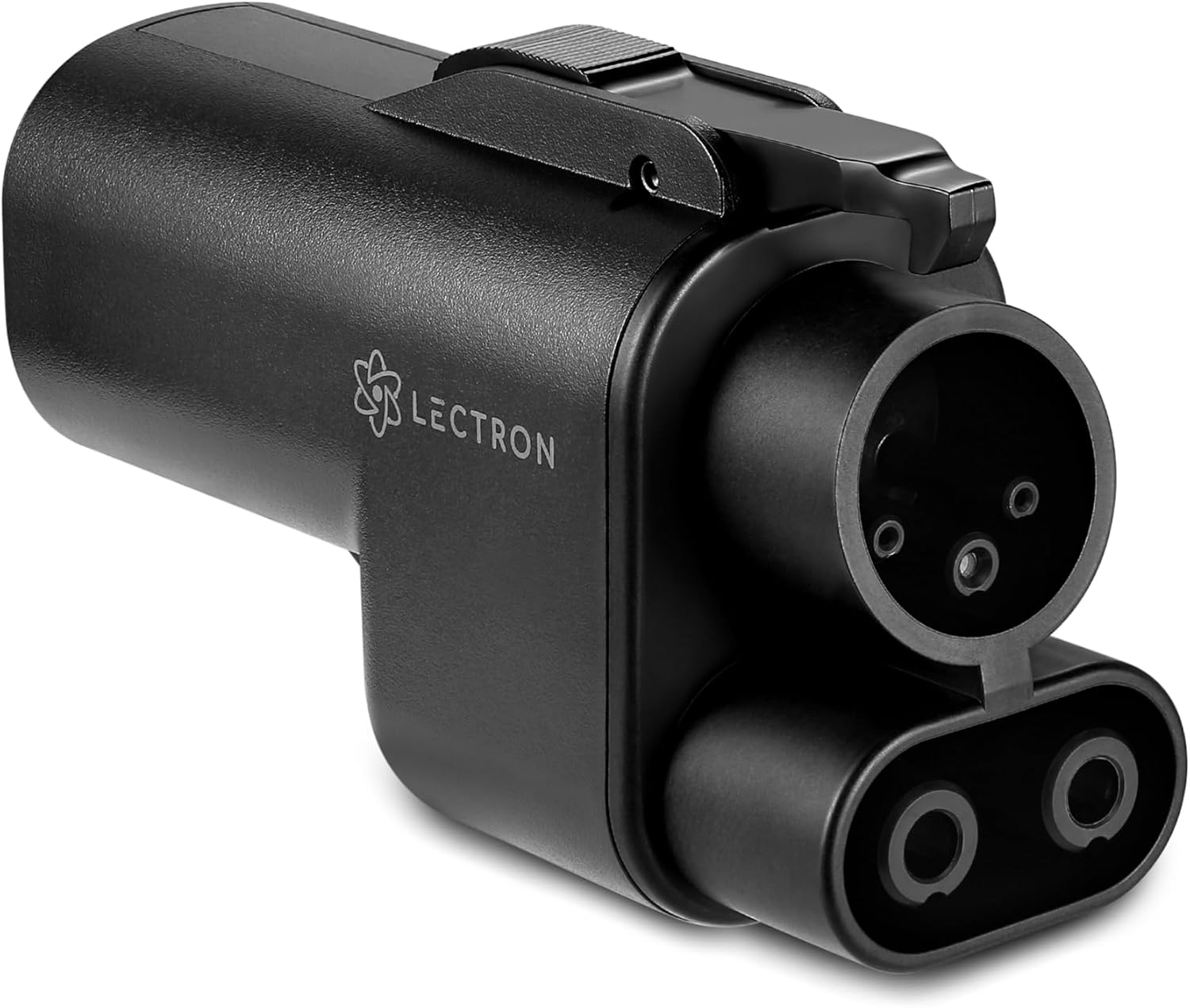
Lectron NACS to CCS Fast-Charge Adapter
Unlock every CCS fast charger for your Tesla, up to 500A DC. Never get stranded at a non-Tesla DC station again.
As an Amazon Associate, ThinkEV earns from qualifying purchases — at no extra cost to you.
Does Any of This Affect Canadian Tesla Buyers or Owners?
Short answer: probably yes, but indirectly, and you'll feel it on the home-storage side before you feel it anywhere else.
Megapack and Powerwall share manufacturing capacity at Gigafactory Nevada. They're different products with different cell formats, but they pull from overlapping supply chains, cells, BMS components, inverter electronics, packaging lines. When Tesla allocates more capacity to Megapack to fulfil utility-scale orders, residential Powerwall queues stretch. This isn't theoretical. Canadian Powerwall wait times have historically run six to twelve months during demand spikes, and the spikes correlate with big Megapack push periods.
If you're quoting a Powerwall install for a home in BC, Ontario, or Quebec right now, ask the installer specifically what their current Tesla delivery lead time is and whether they have units in inventory. Most installers cannot commit past a sixty-day window right now. Some will quote optimistically anyway. Get a written delivery window in your contract, with a price-lock clause if the installer won't commit to a date inside 90 days.
There's no confirmed direct price impact yet, Tesla hasn't raised Powerwall pricing in Canada in response to the xAI contracts. A Powerwall 3 install in BC currently runs roughly CA$16,000–22,000 all-in depending on panel work, and pricing tends to follow capacity constraints with a quarter or two of lag. If you've been waiting for a sale, you may want to lock in current pricing rather than wait.
On the vehicle side: Cybertruck isn't sold in Canada yet, so the $131M in inter-company Cybertruck purchases doesn't move Canadian delivery queues. Model Y, Model 3, and Model S/X production runs separately, and there's no signal that xAI's purchases are pulling capacity away from those lines. If you've got a Canadian Model Y order in the queue, typical lead time 4–10 weeks for in-stock trims, it's not affected by the Megapack shipments.
Gear worth having
As an Amazon Associate, ThinkEV earns a small commission from qualifying purchases — at no extra cost to you.

Tesla Key Card Holder with AirTag Slot
Stop fishing the keycard out of your wallet, and slot an AirTag in case the car wanders off in a lot.
As an Amazon Associate, ThinkEV earns from qualifying purchases — at no extra cost to you.
FAQ: Reader Questions on the xAI–Tesla Megapack Deal
Tesla Is Now An AI Infrastructure Company
If you own Tesla stock, the energy segment is the underappreciated thesis right now. The car business gets the headlines and the analyst attention; the battery business is landing billion-dollar AI contracts and barely registering on the same earnings calls. That gap closes in 2026.
Buy / wait / skip framing for the three reader types here:
- Canadian Powerwall buyer: lock in your quote now, get a written delivery window, and don't assume current lead times will hold past summer. Megapack demand will push residential queues.
- Tesla shareholder: don't sell the energy story short. Q2 2026 earnings are the trigger to watch, the April $269M shipment should land in that quarter's reported energy revenue.
- Canadian utility-scale procurement: BYD and CATL are looking more attractive on lead time, if not on integration. The broader Chinese-versus-Western EV supply story is now playing out at grid-storage scale too, and the under-35 demographic driving 60% of EV purchases in Canada's three biggest metros is the same demographic least loyal to legacy supplier relationships.
What would flip the call? A signed contract for an equivalent volume of grid storage from a non-Musk customer, that's the data point that proves the energy thesis isn't just a related-party loop. Watch the Q2 earnings call for utility-scale wins outside the Musk ecosystem. If they come, Tesla Energy gets revalued. If they don't, the bear case is that the billion dollars from xAI is a one-off built on common ownership, not a market signal.
Either way, the era where Tesla was "a car company that also sells batteries" is over. The April filing made that official.
Gear worth having
As an Amazon Associate, ThinkEV earns a small commission from qualifying purchases — at no extra cost to you.
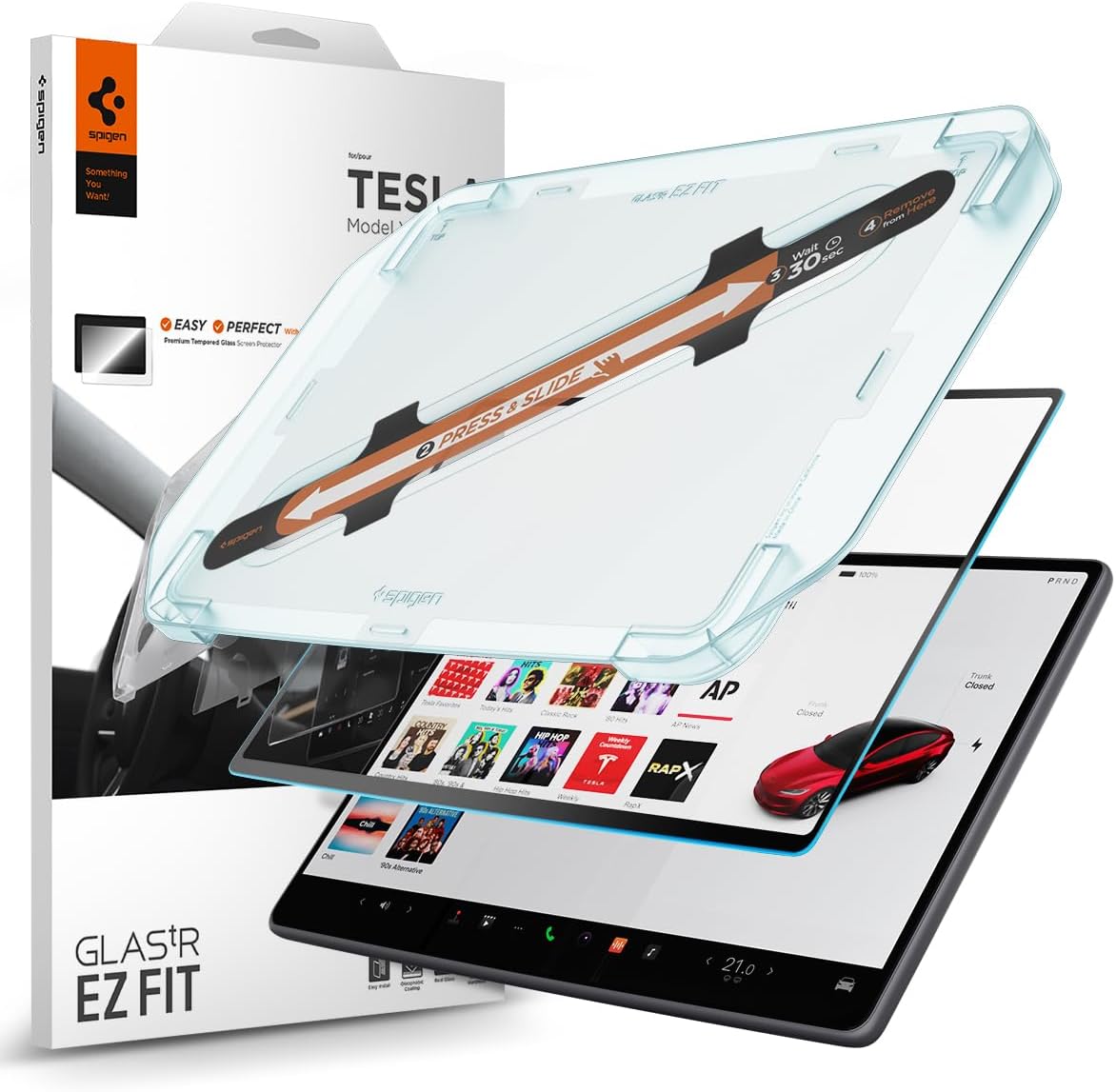
Spigen Tempered Glass for Tesla Model 3/Y
Tempered-glass protection for the touchscreen that kills fingerprints and scratches. Two minutes to install, lasts the life of the car.
As an Amazon Associate, ThinkEV earns from qualifying purchases — at no extra cost to you.

Founder & Chief Editor
Vlad Pereira is the founder and chief editor of ThinkEV.ca, the Canadian electric-vehicle publication he writes and edits from Courtenay, British Columbia. He covers EV pricing, federal and provincial rebates, charging costs, and the Chinese manufacturers now entering Canada, from the buyer's side rather than the press-fleet side. ThinkEV is a venture of Vlad Pereira Online; his writing on health, income and the long game lives at vladpereira.com.
Frequently asked questions
Does xAI buying Megapacks affect Canadian Powerwall pricing or availability?
Is SpaceX actually a public company I can invest in now?
Why does a Canadian reader care about AI data centre battery deals?
Does this make Tesla's energy business more valuable than its cars?
What's the governance risk with Musk on both sides of this deal?
More EV & road-trip finds
Affordable upgrades worth a look — tap any to check the price on Amazon.
 ★ 17,839
Qifutan Vent Phone Mount (Military-Grade Clip)
View on Amazon ★ 8,681
Chemical Guys Complete Car Wash Kit
View on Amazon ★ 314
★ 314Mini USB LED Ambient Lamps (4-Pack)
View on Amazon ★ 4,055
6-Speed Manual Shift Knob Display
View on Amazon ★ 865
★ 865Collapsible Trunk Organizer
View on Amazon ★ 297
★ 297360-Degree One-Hand Dashboard Phone Mount
View on Amazon ★ 61
★ 61Toddler Car Seat Snack and Cup Tray
View on Amazon ★ 68
★ 68WeatherTech FloorLiner for Tesla Model 3
View on AmazonRead, Plan, Then Stay Current
Explore our expert articles to understand incentives and ownership costs, use the map to pressure-test charging reality, then subscribe so new EV coverage comes straight to you.
Continue Reading
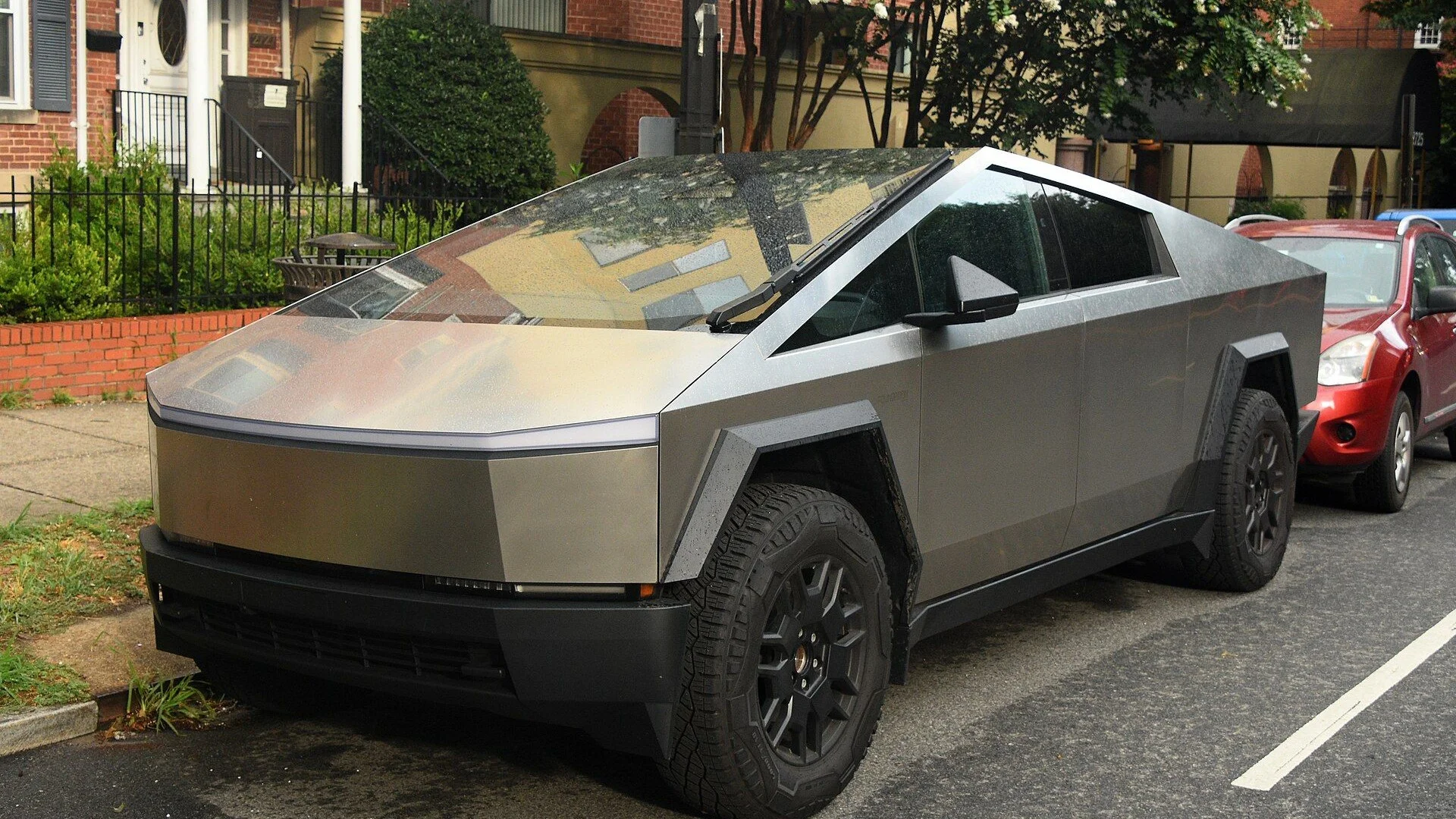
SpaceX's $131M Cybertruck Buy: A Related-Party Deal
Tesla Q3 2026 Earnings: Flat Revenue, Falling Profits

BYD Denza B8 Suspension Trick Defeats Traffic Boot in Viral Clip

Zenos E10 Returns at £115,000, A Different Car Entirely
Jaecoo J5 EV Uber Discount: $31,500 Fleet Math Changes