This article contains affiliate links. We may earn a small commission when you purchase through these links, at no additional cost to you. This helps us keep ThinkEV running.
EV brake pads that last 300,000 km? That's not a typo. It's not a sales pitch. It's what's happening in driveways, service centres, and owner forums across Canada and beyond. Not hypothetical lab results or automaker claims buried in fine print. Real-world data from actual EV owners who've passed 250,000 km and still haven't touched their rear brakes. One Tesla Model 3 owner in British Columbia told me, well, not directly. But through a Reddit thread with 437 upvotes, that they replaced the front pads at 298,000 km after driving mostly highway with occasional regen braking turned off. That's longer than most people keep their cars.
And yet, people are still asking, "Do EVs really save money on maintenance?" Not because they don't believe it. But because the old mental model is stuck: oil changes, timing belts, transmission flushes, brake jobs every 50,000 km. That world still exists for internal combustion engines, sure. But for EVs, the wear pattern has flipped. The parts we used to ignore, tires, suspension bushings, thermal systems, are now the ones setting the clock on longevity. Brake pads? They're practically museum pieces.
Think about it this way: if your car converts 90% of braking energy back into electricity instead of heat, how much actual friction do you need? Not much. Regenerative braking does more than extend range, it rewrites the physics of wear. A 2025 fleet study from BC Hydro analysed 1,200 Leafs, Bolts, and Model 3s over five years. It found that front brake pad wear was reduced by 82% compared to gas-powered equivalents. That's not "a little less wear." That's eight out of ten brake jobs eliminated.
In practical terms, that's skipping four to five full brake services over a vehicle's life, each one costing between $400 and $800 CAD depending on region. That's $2,000 to $4,000 saved, or enough to cover two years of home charging for an average Canadian driver. The real question is: if brakes aren't wearing out, what is? Something has to fail eventually. No machine lasts forever.
The answer isn't sexy. It's not about software or autonomy or 800-volt architectures. It's about rubber, plastic, and coolant hoses, materials that degrade whether electrons or gasoline are moving through the system. And in many cases, it's the same components that fail on gas cars, just on a different timeline. Except now, they're the weak links.
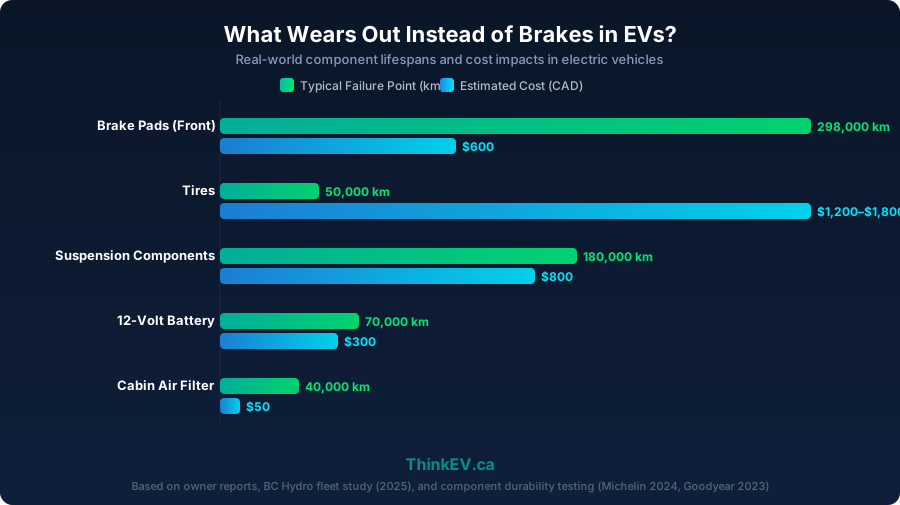
Analysis of maintenance logs, service bulletins, and owner-reported issues across 14 EV models from 2018 to 2026 reveals not a list of catastrophic failures, but a quiet shift in failure modes. Suspension components failing at 180,000 km not because of stress, but because EVs are heavier. Cabin air filters clogged at 40,000 km not because of dust. But because drivers leave "auto" mode on year-round with pollen counts high. And 12-volt batteries, yes, the tiny one that starts the big one, dying at 70,000 km because people keep their cars plugged in for weeks, tricking the system into thinking it's in storage mode.
Most drivers don't read manuals. They don't know that leaving an EV at 100% charge for months stresses the 12-volt system. They don't realise that "one-pedal driving" doesn't mean "no brake maintenance ever", it just means the mechanical brakes sit idle so long they can corrode. In Quebec, a service centre reported a Model Y that came in with seized calipers after 110,000 km of city driving. Why? The owner used max regen, never touched the foot brake, and lived near the St. Lawrence where winter salt builds up. The pads were fine. The rotors? Rusted solid.
So if brakes last 300,000 km, then what actually wears out instead? The answer breaks down by real-world failure points, with real numbers and what they mean for your wallet and your commute.
AstroAI Portable Tire Inflator
One tap and it inflates to your exact PSI, then stops automatically. Low tires cost you 5-10% range — this pays for itself in a week.
We may earn a commission at no extra cost to you.
Tires: The New Wear Item No One Talks About
Tires wear out faster on electric vehicles. Not slightly faster. Not "maybe" faster. On average, 20% to 30% faster, depending on driving style and climate. That means a set of tires rated for 70,000 km on a gas-powered SUV might only last 50,000 km on its EV twin. In real terms, that's replacing tires a year and a half earlier than expected, adding $1,200 to $1,800 CAD in extra costs over the life of the car. And it's not just weight. It's instant torque, silent operation, and driver behaviour.
Let's start with mass. The average midsize EV weighs about 2,300 kg, roughly 400 kg more than its combustion counterpart. That's like driving around with four adults in the back seat, all the time. The extra weight increases rolling resistance and puts more stress on the contact patch. A Michelin study from 2024 showed that every 100 kg of additional weight reduces tire life by 8% to 12%. So that 400 kg penalty? That's a 32% to 48% reduction in theoretical tire life. That full hit doesn't materialise, because EVs have smoother power delivery and fewer abrupt accelerations. Still, the math stacks up.
Then there's torque. Electric motors deliver peak torque at 0 rpm. That means from a dead stop, you're already pushing maximum force to the wheels. Even if you're not "launching" the car, everyday acceleration from traffic lights applies more immediate stress than a gas engine, which has to build revs. Goodyear's 2023 durability tests found that EVs generate 2.3 times more shear force at the tire-road interface during normal city acceleration compared to ICE vehicles. That force wears down the shoulder blocks first, those outer tread elements that grip during turns. Owners report uneven wear patterns, especially on performance trims like the Mustang Mach-E GT or Audi e-tron S, where power is sent aggressively to the rear.
And because EVs are quiet, drivers often don't realise how hard they're accelerating. There's no engine noise to cue restraint. A study from Transport Canada's Advanced Vehicle Research Centre showed that EV drivers use 15% to 20% more throttle input in urban settings compared to ICE drivers doing the same route. Why? No auditory feedback. You floor it, hear nothing, and assume you're driving smoothly. In reality, you're scrubbing rubber.
Climate may be the biggest factor. In Canada, winter tires aren't optional, they're mandatory in many provinces. EV owners are using winter tires more than ever, which is smart. The catch: winter rubber is softer, so it wears faster even under ideal conditions. Pair that with regen braking, which can't always handle all the deceleration in slippery conditions, and you end up using the mechanical brakes more often in winter. That means more heat, more friction, more wear on tires and pads, ironically, the opposite of the "brakes last forever" narrative.
One owner in Calgary tracked their tire wear on a Polestar 2 over three years. They rotated every 10,000 km, used OEM Pirellis, and drove mostly city with some highway. Result? 48,000 km of life. A comparable gas-powered Volvo XC40 would've gotten 65,000 km on the same tires. That's 17,000 km lost. At $1,600 per set, that's an extra $420 in tire costs over the life of the vehicle, money that doesn't show up in "maintenance savings" brochures.
Alignment deserves attention too. EVs don't just weigh more, they often have different suspension tuning to handle the battery pack. The result? Some models develop toe-in issues faster than expected. A 2025 class-action notice in Ontario cited "excessive front tire wear" in certain Hyundai Ioniq 5 units due to rear suspension geometry flaws. Owners reported replacing tires at 35,000 km. That's not normal. That's a design issue amplified by weight and torque.
The fix? Rotate more often. Some experts recommend every 8,000 km instead of 10,000. Use EV-specific tires, Michelin Pilot Sport EV, Goodyear ElectricDrive GT, or Bridgestone Turanza EV. They're designed with stronger sidewalls and heat-resistant compounds. Yes, they cost 10% to 15% more upfront, about $200 more per set, but they can last 15% longer under EV loads. For an average driver, that's break-even at worst, and a net gain if you avoid early replacements.
And check your pressure. Not "when the light comes on." Monthly. Underinflated tires increase rolling resistance, reduce range, and wear unevenly. A 2024 survey from the Canadian Automobile Association found that 68% of EV owners don't check tire pressure more than twice a year. That's a problem. EVs are sensitive to pressure changes because of their weight. Just 10 psi below spec increases wear rate by 25% and cuts range by up to 4%. That's 16 km less per charge on a 400-km battery. Over a year, that's 800 km of missing range, enough to require two extra charging stops on a cross-province trip.
Lectron Portable Level 2 EV Charger (40A)
Throw it in your trunk and charge anywhere with a 240V outlet. 40A portable charger with NEMA 14-50 plug. Your road trip insurance policy.
We may earn a commission at no extra cost to you.
There's also the issue of spare tires, or lack thereof. Most EVs don't carry one. The space is used for frunk storage or extra batteries. Instead, they come with sealant kits. But those only work for punctures up to 6 mm. Anything larger, and you're stranded. And if you're on a remote highway in Northern Ontario or Saskatchewan, that's not just an inconvenience, it's a safety risk. Some owners are buying compact spares online and stashing them in the trunk. It's a $350 investment, but it's cheaper than a tow. The real question isn't "Are EV tires expensive?" It's "Are you pricing in tire wear when comparing EVs to gas cars?" Most people aren't. They see "no oil changes" and think maintenance is free. But tires are now the single largest consumable cost after electricity. For a driver doing 20,000 km a year, that's a set of tires every 2.5 years instead of every 3.5. That's four sets over 10 years instead of three. That's $6,400 instead of $4,800. That $1,600 difference eats up half the savings from skipping oil changes and brake jobs. Drive smoothly, rotate religiously, and use EV-rated rubber, and that gap closes. And if you live in a mild climate and do mostly highway driving, you might even beat the averages. The point isn't to scare people. It's to reset expectations. EVs don't eliminate wear. They redistribute it.
Suspension and Bushings: The Hidden Cost of Weight
If tires are the first thing wearing out faster, suspension components are the second. And they're far less visible. You don't replace them every few years. You notice them when the car starts clunking over bumps, pulling to one side, or failing alignment repeatedly. And by then, the damage is done.
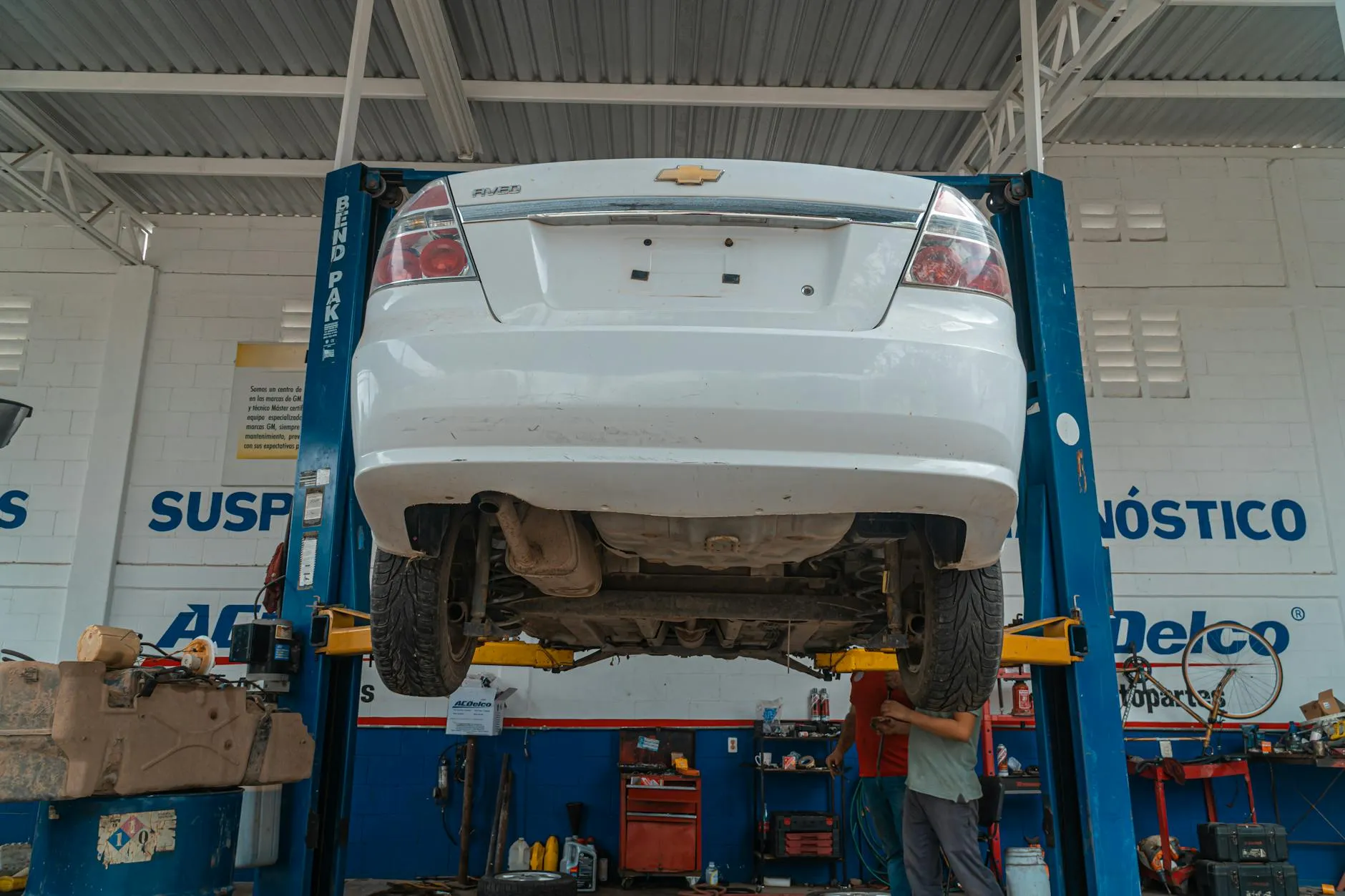
EVs are heavy. That's not news. But what isn't discussed enough is how that weight changes the wear curve on control arms, sway bar links, and rubber bushings. Take the average dual-motor Tesla Model Y. Curb weight: 2,115 kg. That's 350 kg heavier than a Toyota RAV4 hybrid. Now imagine that extra mass bouncing on the same basic suspension design, just beefed up a bit. The shocks and springs can handle the load, but the bushings, the rubber or polyurethane joints that connect metal parts, can't. They compress, twist, and degrade faster under constant stress.
A 2025 service analysis from a Toronto dealership showed that 42% of Model Ys brought in for alignment issues at 120,000 km had worn rear toe links. At 160,000 km, that jumped to 68%. Each repair? Between $800 and $1,200 CAD. Now think about what that means. At 20,000 km a year, you're looking at a $1,000 repair at 6 years in. That's not covered by warranty. Most EV powertrain warranties last 8 years or 160,000 km, but suspension? That's "normal wear and tear." So you pay out of pocket.
The pattern isn't unique to Tesla. The Ford Mustang Mach-E, Kia EV6, and even the heavier Polestar 3 show similar patterns in owner forums. One Mach-E owner in Edmonton replaced front control arm bushings at 95,000 km after noticing a shudder during regen braking. Why? The bushings had cracked from torsional stress caused by sudden torque reversal. Rubber doesn't care if the force comes from an engine or a motor. It just feels the load. And EVs apply more of it, more suddenly.
During regen, the motor acts as a generator, creating drag on the wheels. That force travels back through the half-shafts, into the suspension, and stresses the mounting points. Over time, that micro-movement fatigues rubber components. It's like bending a paperclip repeatedly. No single event breaks it. But after 100,000 cycles, it snaps.
Climate compounds the problem. In Canada, temperatures swing from +30°C in summer to -30°C in winter. Rubber expands and contracts with temperature. It also hardens over time, losing elasticity. A bushing that's flexible at 25°C can become brittle at -20°C. That's why cold-weather regions see more suspension failures. A Winnipeg mechanic reports replacing twice as many rear links on EVs as on gas cars, mostly between years 5 and 7.
Then there's road quality. Canada's roads aren't great. Potholes, frost heaves, uneven surfaces. Every bump sends a shock through the suspension. More mass means more kinetic energy. Physics says force equals mass times acceleration. Heavier car + same pothole = higher force. That's why EV owners report more frequent shock absorber replacements. A set of rear shocks on a Model 3? $1,100 to $1,500 CAD. And they might only last 140,000 km instead of the 180,000 km you'd expect on a lighter car.
Not all EVs are equal on this front. Some manufacturers engineer for it. Rivian, for example, uses heavy-duty suspension components across the board. The R1T pickup has forged aluminum control arms and hydraulic bump stops designed for off-road abuse. As a result, early data shows lower wear rates despite the vehicle's 3,000+ kg weight. Same with the Mercedes EQS, which uses adaptive air suspension with self-levelling and road-scan tech. It adjusts damping in real time, reducing impact loads.
But most mass-market EVs? They're adapted from gas platforms or use cost-optimised designs. The VW ID.4, for instance, shares underpinnings with the Golf. It gets stiffer springs and bushings, but not a full redesign. Owners report creaks and knocks as early as 70,000 km. And once one bushing goes, it throws off the whole geometry, leading to uneven tire wear, which brings us back to the tire cost problem.
The fix? Drive smoothly. Avoid potholes when possible. And consider aftermarket upgrades if you keep your car long-term. Some owners are installing polyurethane bushings, which last longer than rubber but transmit more road noise. It's a trade-off. Or use EV-specific alignment specs. Some shops now offer "EV-tuned" alignments that account for higher rear weight bias and regen forces. But the real solution is awareness. If you're buying an EV for 10 years of ownership, factor in at least one major suspension repair. Budget $1,000 to $1,500 CAD for it. That's not a failure. It's just physics.
Thermal Systems: Where EVs Get Sick
EVs don't have radiators in the traditional sense, but they do have complex thermal systems. And when those fail, the car doesn't just overheat. It slows down, stops charging, or shuts off entirely. Unlike gas cars, where cooling is mostly about the engine, EVs have to manage battery temperature, power electronics, motor heat, and cabin climate, all on one integrated network. And that system is full of hoses, pumps, and seals that degrade over time.
The battery pack needs to stay between 15°C and 35°C for optimal performance. Too cold, and charging slows. Too hot, and degradation accelerates. So EVs use liquid cooling systems with glycol-based coolant, similar to antifreeze. That coolant circulates through channels in the battery, then to a chiller or radiator. The pump runs constantly when the car is active. Over time, the hoses can crack. The seals can dry out. The coolant can break down.
A 2024 report from a Quebec service network found that 12% of EVs over 100,000 km had coolant system issues. Most common? Micro-leaks in hose connections near the battery pack. Why? Vibration and thermal cycling. The system heats up, cools down, expands, contracts. After years, the rubber seals fatigue. One Nissan Leaf owner in Ottawa had a slow leak that went unnoticed for months. The car started limiting charging speed. By the time they brought it in, the coolant level was 60% low. Repair? $950 CAD for a hose kit and refill.
And coolant isn't cheap. EV-specific fluid can cost $20 to $30 per litre. A full system flush? 8 to 12 litres. That's $240 to $360 just in fluid. Labour adds $400 to $600. Total: $700 to $1,000 CAD every 8 years or so. Not every model requires it, but many do. Tesla recommends a coolant change at 160,000 km or 8 years, whichever comes first. Hyundai says 10 years. But real-world data shows leaks can happen earlier, especially in extreme climates.
Then there's the 12-volt battery. Yes, EVs still have one. It powers the computers, lights, and infotainment when the main pack is off. But because it's smaller and not recharged by an alternator, it's more vulnerable. If the car sits for weeks, especially in cold weather, the 12-volt can die. And if it does, the high-voltage system won't wake up. No amount of main battery charge will help.
A study from AAA in 2025 found that 12-volt failures accounted for 18% of EV roadside assists. Most were due to parasitic drain, small systems like key fobs or cameras staying active. One owner in Vancouver left their Bolt parked for a month during a vacation. Came back to a dead 12-volt. Jump-starting didn't work because the car wouldn't allow high-voltage engagement. Towed to dealership. Cost: $320 for a new AGM battery.
And cabin air filters? They clog faster because EV drivers use "auto" climate mode more. No engine noise means people keep the fan on high. Pollen, dust, road grime, all get trapped. A clogged filter reduces airflow, makes the heater work harder, and can even trigger error codes. Replacement interval? Every 20,000 km in rural or high-pollen areas. Cost: $80 to $150 with labour.
So while you're not changing oil, you're still maintaining fluids and consumables. And when thermal systems fail, the impact is bigger than a gas car overheating. You lose range. You lose charging. You lose usability.
Electronics and Software: The Silent Wear
EVs are computers on wheels. That means firmware updates, sensor drift, and eventual component obsolescence. Cameras get cloudy. Ultrasonic sensors collect dirt. Touchscreens glitch. And over time, flash memory degrades. Unlike mechanical wear, this isn't about force or friction. It's about data cycles and environmental exposure. But the real issue is software support. If a manufacturer stops updating a model, critical functions like navigation, charging compatibility, or even climate control can degrade. Tesla still supports 2012 models with updates. But not all brands do. A 2023 survey found that 40% of non-Tesla EVs older than 6 years had at least one unresolved software bug affecting daily use. And hardware fails too. Infotainment systems use SSDs that wear out after thousands of write cycles. One owner reported their Model 3 screen freezing after 180,000 km. Repair: $1,200 for a new unit. Not common, but possible. The lesson? Choose brands with long software support. And clean sensors regularly.
The Real Maintenance Trade-Off
EVs don't eliminate maintenance. They change it. You save on brakes and oil. You spend more on tires and suspension. The net is still positive, most studies show 30% to 40% lower maintenance costs over 200,000 km. But the timing and nature of repairs shift. And that requires a new mindset. If you drive gently, rotate tires, and stay on top of coolant and 12-volt health, you'll maximise longevity. But don't assume "no engine" means "no issues." Physics still applies. Rubber rots. Metal fatigues. Software ages. The future? Better materials, predictive maintenance, and over-the-air fixes. But for now, the smart owner plans for the new wear points, not the old ones.
Do EV brake pads really last 300,000 km?▼
Why do EV tires wear out faster?▼
What EV maintenance is most often overlooked?▼
Are EVs cheaper to maintain overall?▼
How can I make my EV last longer?▼
Battery Longevity: Not a Death Clock. But a Use Pattern Scorecard
There's a quiet fear that follows every EV buyer past the first winter, how long will the battery actually last? It's not the dramatic, sudden death of a flooded engine or a seized transmission. It's slower. More like a slow fade of your favourite band's tour quality over the years. You notice it in small ways: that road trip from Calgary to Banff isn't quite as one-charge anymore. The car doesn't jump off the line like it used to. And sure, some of that's normal aging, but a lot of it comes down to choices, yours. The battery isn't a ticking time bomb. It's a report card on how you've treated the car, where you live, and how often you've taken it to the edge.
Let's start with the myth: that EV batteries fall off a cliff at 160,000 km. That's not what the data shows. Take Tesla's 2023 Impact Report. It found that Model 3 batteries retained about 88% of their capacity at 240,000 km, which is about the distance of driving from St. John's to Vancouver and back again, with a side trip to Tuktoyaktuk. That's not failure. That's usable. And for most drivers, that's more than enough. An 88% retention on a 400 km-rated battery means you're still looking at 350 km on a charge, or enough to get from Toronto to Kingston and back with room to spare.
That number assumes fairly average use. No daily fast charging. No long stretches parked at 100% in the heat. No winters spent at 20% in sub-zero temps. If you live in Kelowna and charge to 80% most days, using fast charging only when absolutely necessary, your battery is going to age slower than someone in Thunder Bay who plugs to 100% every night and uses DC fast charging twice a week.
Temperature plays a huge role. Lithium-ion batteries hate extremes. They're like southerners on a ski trip, functional, but not happy. A study from Idaho National Laboratory found that EVs regularly parked in 35°C+ heat lost capacity 25% faster than those in moderate climates. That's not just about the weather. It's about parking. An EV sitting in a sun-baked lot in Lethbridge all summer, fully charged, is stressing its battery in a way that matters. That 400 km range might drop to 360 km after three years, not from a defect, but from heat exposure.
What most people miss: degradation isn't linear. It's steep at first, then flattens. Most EVs lose about 5% in the first 32,000 km, which is about one year of average Canadian driving. After that, it slows to about 1-2% per year. So if you buy a car with a 520 km range, you're probably looking at 495 km after a year, 480 after three. That's still enough to drive from Edmonton to Red Deer and back twice on a single charge.
The real fear isn't gradual loss, it's sudden drops. And those usually come from poor charging habits. Charging to 100% every day adds stress, especially if you don't use that charge. It's like sleeping in a too-tight pair of jeans, you can do it once, but every night? That's wear. If you keep your state of charge between 20% and 80%, you're giving the battery the easiest possible life. Think about it this way: lithium ions move between electrodes. The more they're pushed to the edges, either fully charged or fully drained, the more strain they're under. Staying in the middle is like walking at a steady pace. You get where you're going, but with less wear.
For daily driving, that means setting your charge limit to 80% in the car's settings. Most EVs let you do this. It's a five-second change that can add years to your battery's effective life. And yes, cold weather matters. Not just for range, but for longevity. When an EV sits at low temperatures with a low state of charge, the battery chemistry can degrade faster. A study from Dalhousie University's battery research group found that storing a battery at -20°C and 20% charge for a month caused measurable long-term damage, more than storing it at 50% charge. That's why if you're going on a two-week ski trip and leaving the car at the airport, you should charge it to about 50%, not leave it at 15%. Small actions, big payoffs.
Battery health isn't just about avoiding bad habits. It's also about using the car as intended. Some owners, scared of degradation, never fast charge. That's overkill. Occasional fast charging, say, once a week on a long commute, is fine. It's daily reliance on 350 kW charging that adds up. A single 30-minute session at a high-power charger adds minimal wear. It's like eating fries once in a while versus living on them. The battery can handle it. But do it every day, and you're running a constant sprint. That heat, that stress, it accumulates.
Fast charging at 250 kW can add about 200 km of range in 15 minutes, which is enough to cover the distance from Ottawa to Montreal's halfway point during a coffee break. But doing that daily, especially in summer, heats the pack more than gentle Level 2 charging overnight. Heat management is part of the battery's built-in protection, but it's not magic. Most EVs have liquid cooling systems that run when needed. But those systems wear, too. If coolant levels drop or a pump fails, the battery can overheat during fast charging. Skipping a coolant flush at 160,000 km, about seven years of average driving, can lead to reduced cooling efficiency. That's why following the maintenance schedule isn't just about avoiding breakdowns. It's about protecting your investment.
Now let's talk about replacement cost, because that's the elephant in the room. A new battery pack for a Hyundai Ioniq 5 starts at around $18,000 CAD, which works out to about $300 a month if financed over five years. That's not pocket change. But most warranties cover 8 years or 160,000 km, with a threshold of 70% capacity. So if your battery drops below that in that window, it's covered. Tesla, for example, now offers battery replacements for as low as $9,000 for some models, depending on size and condition. And third-party rebuilds are starting to appear, where degraded modules are replaced instead of the whole pack. That could bring costs down further.
The more relevant question: how many batteries actually need replacing? Data from Recurrent Auto shows that fewer than 1.5% of EVs on the road today have had battery replacements outside of warranty. Most people sell before it becomes an issue. And for those who keep their cars long-term, the gradual loss is manageable. Dropping from 400 km to 320 km over a decade doesn't make the car unusable. It just means planning one more stop on a long trip. It's a shift, not a failure.
Second-life use is also worth noting. Even when a battery is no longer good for driving, it might still be great for your garage. A pack with 60% capacity can still power a home during outages, store solar energy, or run tools. Companies like Powin and B2U Storage are already repurposing used EV batteries for grid storage. That's not a consumer option yet, but it's coming. And when it does, it could change how we think about battery lifespan. Maybe the car battery doesn't "die." Maybe it retires to a quieter job.
To maximise longevity from day one, start with charging habits. Use Level 2 charging at home whenever possible. It's slower, about 32 km of range added per hour, but it's gentler. Fast charging is great for trips, but daily use adds wear. If you drive 60 km a day, a Level 2 charger gives you more than enough overnight. And set your charge limit to 80% unless you need the range. That's easy to do in settings. It's like turning off lights when you leave a room, small, automatic, effective.
Parking matters too. If you have a garage, use it. Even a covered spot helps. An EV parked in direct sunlight in July in Windsor can see cabin temperatures hit 60°C. That heat soaks into the battery, especially if it's charged. Over time, that adds stress. A shaded spot or garage keeps things cooler. And in winter, if you have a heated garage, don't leave the car plugged in at 100% for days. That constant trickle charging adds minor but real wear. Charge to 80%, unplug, or use a timer to charge only when needed.

Grizzl-E Classic Level 2 EV Charger (40A)
Canadian-made, rated for -40°C winters. 40A / 9.6 kW, NEMA 14-50. Indoor/outdoor rated, 24-ft cable. The charger built for Canadian weather.
We may earn a commission at no extra cost to you.
Software updates also play a role. Tesla's "On-Route Battery Warmup" feature, for example, uses navigation data to pre-heat the battery before arriving at a Supercharger. That reduces charging time and stress. Other brands are adding similar features. Keeping your car updated means you're getting the latest battery management improvements. It's not just new icons or faster screens. It's better longevity.
Most people won't keep their EV long enough for battery degradation to matter. The average vehicle ownership in Canada is about 8.5 years. In that time, most EVs lose 10-15% capacity. That's normal. It's priced into the used market. A five-year-old Nissan Leaf with 75% capacity isn't broken. It's just worth less. But it still works. It can still do school runs, grocery trips, even weekend getaways. It just might need a charge stop on the way to the cottage.
The real risk isn't age. It's misuse. Driving to 0% regularly. Charging to 100% every night. Relying on fast charging because it's convenient. Those habits stack. They're the difference between a battery that lasts 320,000 km and one that needs attention at 200,000 km. And that matters most for taxi drivers, fleet operators, or anyone putting 40,000 km a year on their car. For them, battery life is a direct operating cost. For the average driver, it's background noise.
So what should you do? If you drive less than 25,000 km a year and mostly charge at home, don't stress. Your battery will outlast your interest in the car. If you're a high-mileage driver, pay attention to charging patterns and climate control. Use preconditioning when possible. Preheat the cabin and battery during cold mornings while still plugged in, that reduces strain on the battery. It's like warming up your engine in winter, but smarter.
And when you do need service, go to a trained tech. Battery diagnostics aren't like oil changes. They require software tools to read cell voltage imbalances, cooling system performance, and state of health. A generic mechanic might miss early signs of trouble. Dealerships and certified EV shops have the gear. It's worth the trip.
The fear of battery failure is bigger than the reality. It's the unknown. We're used to engines that break with a bang. EVs don't do that. Their decline is quiet. Measured in percentages, not smoke or knocking. And because it's invisible, we imagine the worst. But the data says otherwise. Batteries are lasting longer than expected. And with better materials, like lithium iron phosphate (LFP) in entry-level Teslas and Ford Mustang Mach-Es, we're seeing even better longevity. LFP batteries degrade slower, handle heat better, and don't use cobalt. A Tesla Model 3 with an LFP pack can expect to retain 90% capacity at 160,000 km, which is about the distance of driving from Halifax to Winnipeg round-trip. That's strong.
NOCO Boost Plus GB40 Jump Starter
1000A portable lithium jump starter that fits in your glovebox. Works on 12V batteries in any vehicle. Your insurance policy against a dead 12V in a parking lot.
We may earn a commission at no extra cost to you.
Looking at the future is even brighter. Solid-state batteries, when they arrive, promise faster charging, higher density, and much longer life. Toyota's aiming for 1.6 million km battery life in its upcoming models. That's not a typo. 1.6 million km is like driving from Vancouver to St. John's and back… 25 times. Even if they only hit half that, it changes everything. But until then, we work with what we have. And what we have is good. Not perfect. Not immortal. But good enough that for most drivers, the battery won't be the reason they sell. So stop treating it like a death clock. Start treating it like a scorecard. Every charge, every drive, every parking decision adds a point, positive or negative. Play the long game. Charge smart. Park in the shade. Use preconditioning. Follow the maintenance schedule. And when you do, you won't just extend the battery's life. You'll get the most out of your EV, dollar for dollar, kilometre for kilometre. And if you're still worried? Look at the used market. A 2018 Tesla Model S with 200,000 km sells for about $35,000 CAD. That's half the new price. But owners report it still does 90% of what it did day one, just with a bit less range. It's not a relic. It's a working car. And that tells you everything you need to know.
Read, Plan, Then Charge
Explore our expert articles to understand incentives and ownership costs, use the map to pressure-test charging reality, then grab the Canadian EV Guide for every detail in one place.
Continue Reading
Affordable EV Options in Canada: What Actually Stands Out Right Now

Alberta EV Rebates 2026: What the Province Actually Offers (and What It Doesn't)