Japan's kei segment has repelled foreign brands for 70 years. Chery just formed a five-company joint venture to smash through anyway, and the smartest piece of the deal isn't the car.
Key takeaways
- Chery is entering Japan's kei-car market through a five-company joint venture, Electric Mobility Technologies, with its Emta brand launching a first vehicle in 2027.
- The deal gives Autobacs Seven, Japan's largest auto-parts retailer with around 700 stores, an 18.18% stake and responsibility for retail.
- The first Emta is a 3.4-metre electric kei car on Chery's QQ Ice Cream platform, aimed squarely at the Honda N-Box, Nissan Sakura, and Suzuki Hustler.
- Japan's kei segment is about a third of all new-car sales and has been domestic-brands-only for 70 years; Chery's Emta and BYD's Racco will both crack it within roughly a 12-month window.
It's the storefront.
The joint venture brings together five parties: Chery and Jiangsu Yueda each holding 27.27%, Japanese auto parts retailer Autobacs Seven and Chinese battery maker Gotion at 18.18% apiece, with industrial firm Anest taking the remaining 9.09%. That's not a Chinese brand parachuting in. That's a Chinese brand walking in arm-in-arm with the largest auto parts retailer in the country.
Suzuki should be reading the press release twice.
The Kei Segment Was Japan's Last Fortress
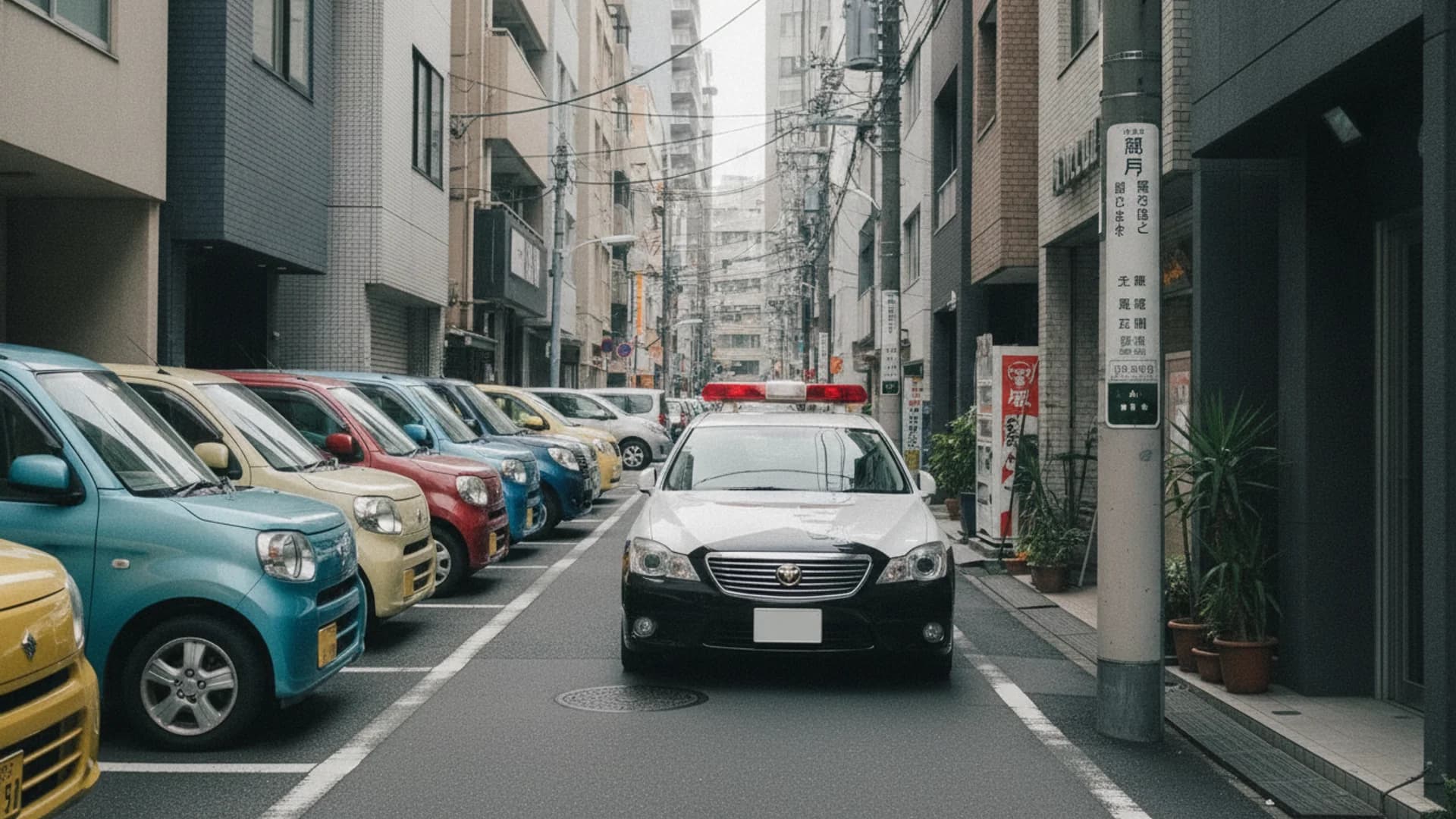
The kei jidosha, translation: "light vehicle", accounts for about a third of Japan's auto sales and for decades has been the almost exclusive turf of domestic players like Honda and Suzuki. That isn't a niche. That's the floor under the entire Japanese new-car market.
Foreign brands have bounced off it for 70 years. Not because the engineering is hard, a 3.4-metre box with a 660cc-equivalent powertrain is, mechanically, the easiest car in the world to build. The barrier was never technical.
The barrier was distribution, dealer trust, and a culture that treats kei ownership as half-utility, half-identity. You don't sell a Japanese family their second car by importing a brand they've never heard of and parking it at a one-storefront showroom in Yokohama. They walk past. They buy a Honda.
Chery understood this. So did the four companies that signed on with them.
Emta Is Not A Random Startup, This Is Chery With Camouflage
Chery announced it will enter the Japanese market via Electric Mobility Technologies (EMT), a Singapore-based joint venture involving the Chinese automaker, Jiangsu Yueda Group, Autobacs Seven, Gotion and Anest. Singapore-incorporated is the giveaway. That's not corporate convenience. That's optics, a deliberate structural buffer between the Chery brand and the Japanese consumer.
The new brand is called Emta. The car is unnamed. The plan is real.
The first model to arrive under the Emta brand is a 3.4-metre kei car drawing on Chery's QQ Ice Cream platform, with Gotion supplying the battery, Autobacs handling retail and Anest overseeing quality; production will run through Yueda's Yancheng plant, which also builds Kia vehicles, with Japanese manufacturing under consideration from 2030 if the launch proves commercially viable.
Chery owns the platform. Gotion owns the cell. Autobacs owns the showroom. Yueda owns the assembly line. Anest owns the quality audits. Every link is locked in before the car has a name.
This is what a "Chinese EV brand entering Japan" looks like when the Chinese side actually does its homework. The pattern echoes how Chery is positioning for other Western markets too, including the model lineup and brand strategy that Canadian buyers are about to see firsthand.
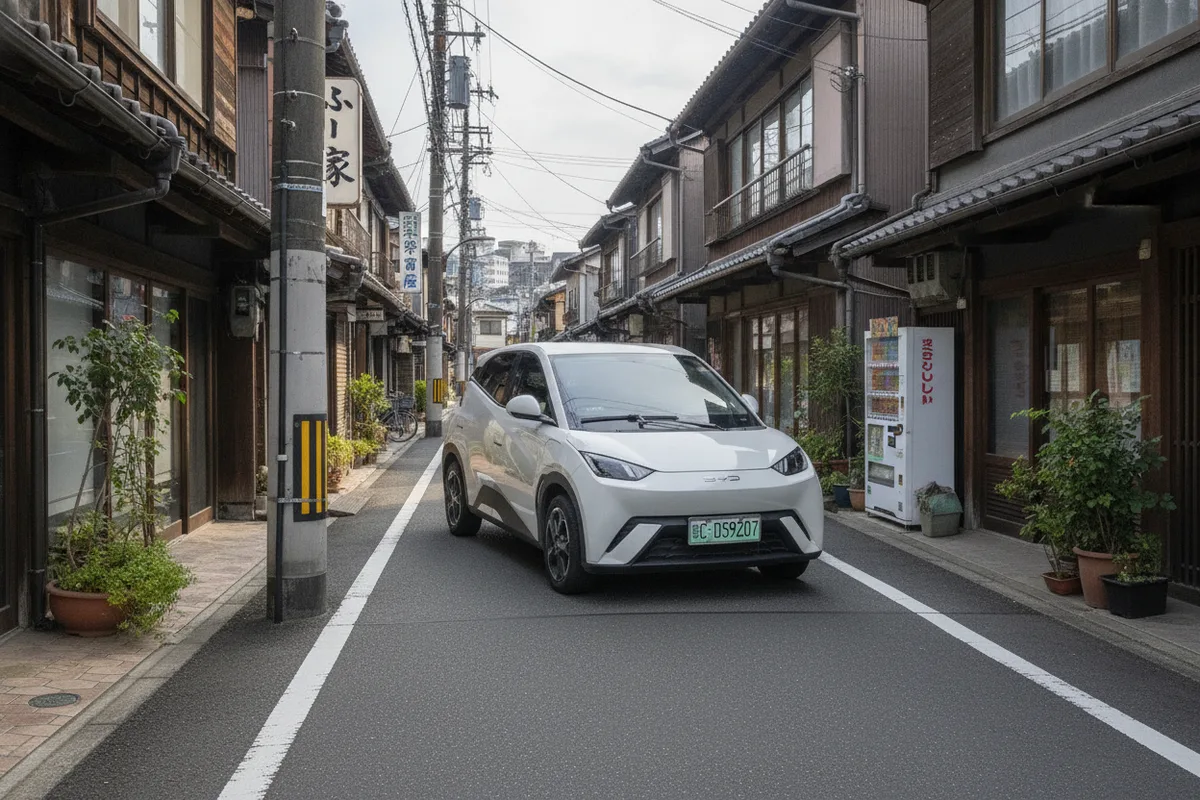
The first Emta model is a boxy, 3.4-metre-long city runaround built to Japan's kei car regulations, using Chery electric drive technology and a battery from Gotion to compete with local segment leaders including the Honda N-Box, Nissan Sakura, Daihatsu Tanto and Suzuki Hustler.
Boxy. Compliant. Battery-electric. No ICE compromise that has to be explained to a regulator. No platform retrofit. Chery joint venture EMT will launch the Emta K-car in 2027 to compete with the BYD Racco, and the new EV will adopt a Gotion-made battery onboard.
The 2027 launch window is doing real work here. It gives Autobacs Seven 18 months to retrofit floor space, train technicians on Chery's electric platform, and seed Japanese consumer awareness through a retailer those consumers already trust. By the time the car arrives, half the buyer-funnel work is done.
Nothing about this product is innovative. That's the point. Japanese kei buyers don't want innovation. They want the same box with a better drivetrain and a lower monthly payment. Emta is engineered to give them exactly that.
BYD Already Kicked The Door Open With The Racco
Emta is not the pioneer. BYD kicked the door open; Emta is the second wave.
Gear worth having
As an Amazon Associate, ThinkEV earns a small commission from qualifying purchases — at no extra cost to you.
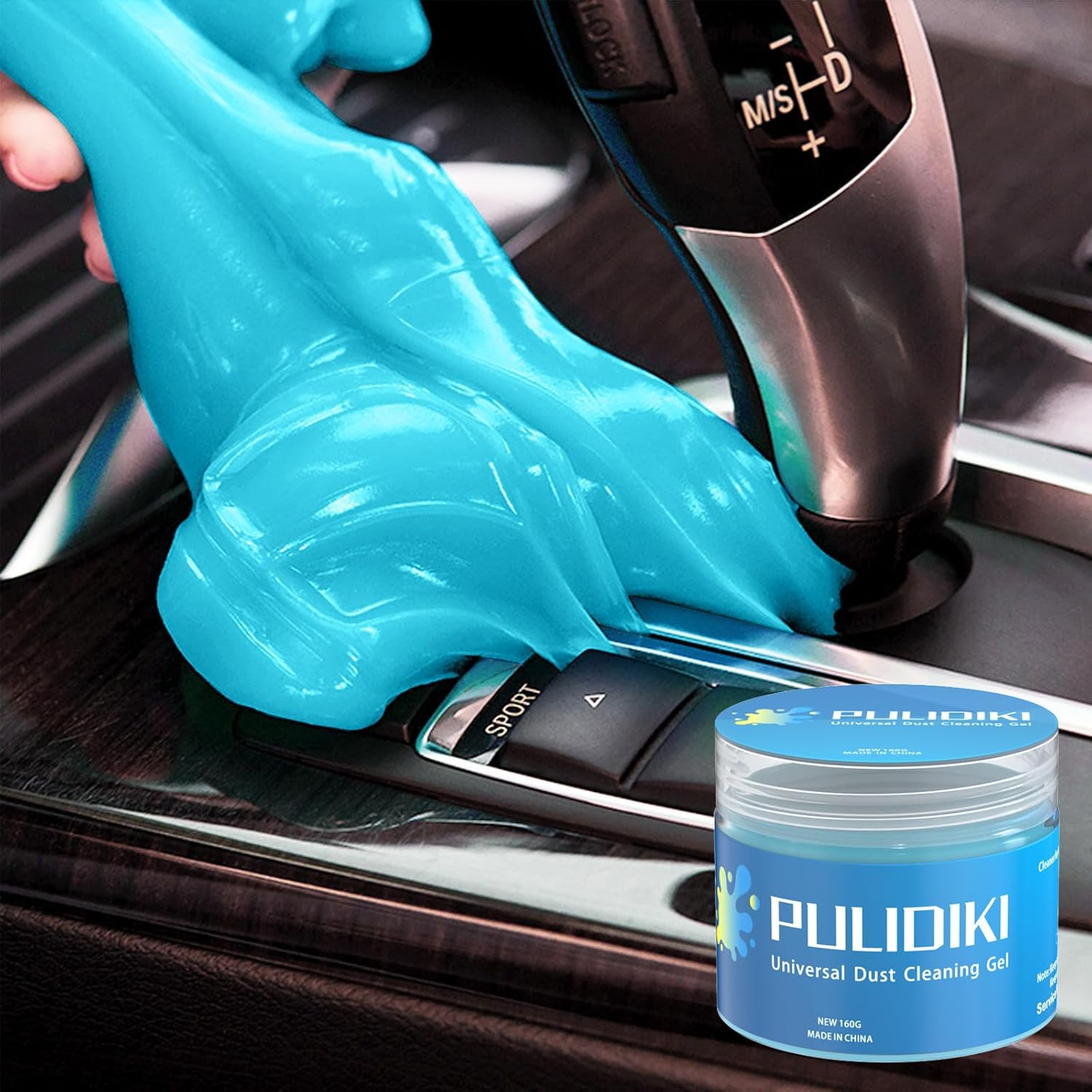
PULIDIKI Car Cleaning Gel (Detailing Putty)
Press it into vents, buttons, and seams and it lifts out dust you did not know was there. Weirdly satisfying, genuinely useful.
As an Amazon Associate, ThinkEV earns from qualifying purchases — at no extra cost to you.
Japan's tightly held kei segment is about to get a second Chinese challenger after BYD's all-electric Racco, Chery is entering Japan through a joint venture called Emta. One Chinese brand entering a foreign kei market in a 12-month window is a story. Two is a pattern. The market read is coordinated, even if the boardrooms aren't.
BYD has been the test case. BYD has sold just 6,600 of its standard-sized electric vehicles since entering the Japanese auto market nearly three years ago. Small. Visible. Enough to crack the psychological seal on "would a Japanese buyer ever consider a Chinese EV." The Racco extends that test into the kei segment, the segment that actually moves volume.
Emta gets to walk through a door BYD already pried open. That's worth more than a marketing budget.
And it's a pattern Chinese automakers are now repeating in market after market, including Canada, where BYD, Chery and Geely are all lining up entries under the post-tariff structure. Different jurisdictions, same playbook: route around the protectionism, not through it.
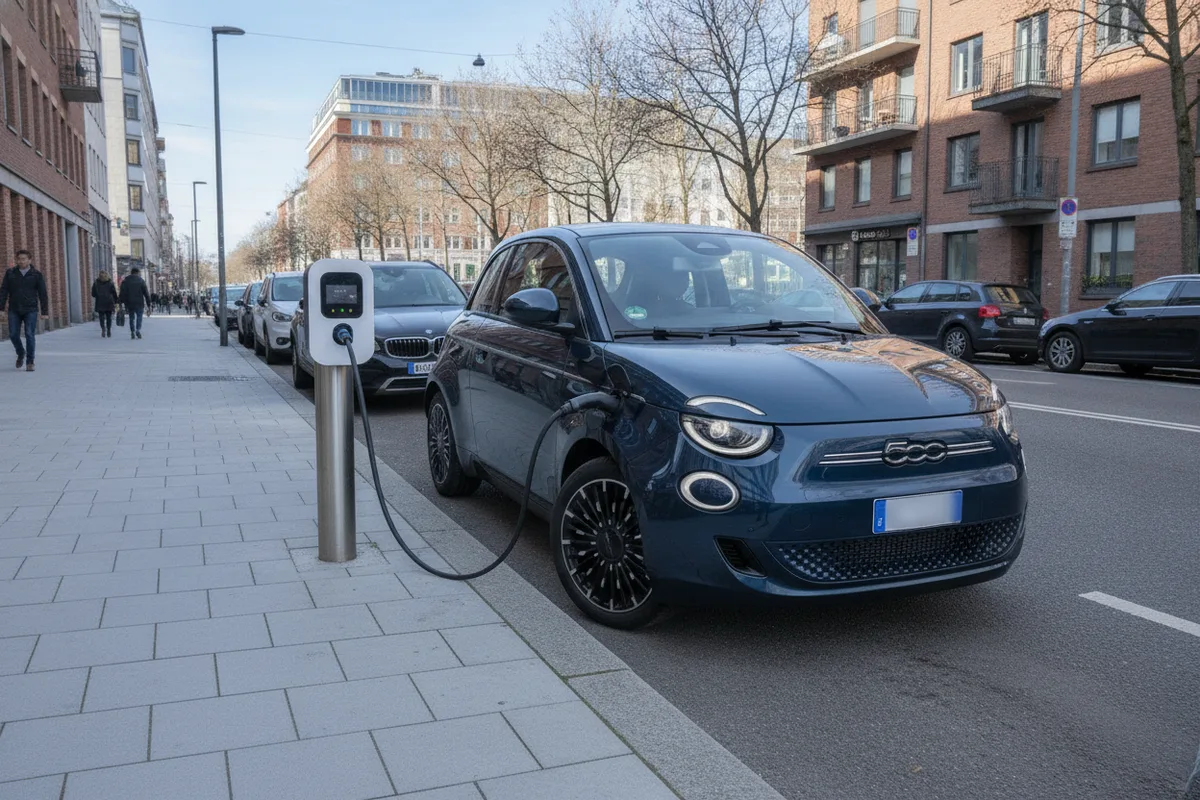
Honda has the N-Box EV in the pipeline. Nissan has the Sakura, already on sale, already a hit. Daihatsu has the Toyota safety net behind it.
Suzuki has the Alto. And the Alto is not enough.
Suzuki's entire global position is built on cheap, reliable, gas-efficient small cars. Kei is the spiritual core of that business. The company moves more kei units than anyone, and its EV kei response is the weakest of the big three. That's not an opinion, that's the product cycle telling on itself.
A Chinese-backed kei EV priced under the local incumbents doesn't just steal a few sales. It compresses Suzuki's margin on the cars it does sell, because every buyer who shops Emta and then buys an Alto walks in expecting a lower number on the sticker. Price discipline collapses one shopping comparison at a time.
Honda can absorb this. Honda has Civics, CR-Vs, and a US market doing the heavy lifting. Nissan has Sakura volume and a Renault alliance to lean on. Suzuki has kei. Lose the floor and the building goes with it.
Watch Suzuki's response over the next 18 months. If the Alto refresh shows up with serious EV credentials and a Honda-N-Box-tier price, the company is taking this seriously. If it doesn't, if Suzuki keeps treating EV kei as a side experiment, Emta launches in 2027 into a vacuum Suzuki created.
Gear worth having
As an Amazon Associate, ThinkEV earns a small commission from qualifying purchases — at no extra cost to you.

WixGear Magnetic Air Vent Phone Mount (2-Pack)
A magnet strong enough that your phone never flinches over potholes or rail crossings. Two in the box, one for each car.
As an Amazon Associate, ThinkEV earns from qualifying purchases — at no extra cost to you.
Japan's Protectionist Playbook Has An Exploit: Distribution
Japan doesn't keep foreign cars out with tariffs. Japan keeps foreign cars out with culture and distribution. Those are softer barriers, but historically far more effective than any quota.
The Autobacs Seven partnership is the structural exploit. Five companies, including China's Chery Automotive and Japanese car parts giant Autobacs Seven, launched a new EV brand that will launch its first vehicle next year with prices on par with gas cars. A Japanese consumer doesn't have to trust Chery. They have to trust Autobacs, and they already do.
That's the lesson Chery just published for every other Chinese automaker watching. Don't fight Japan's car culture. Co-opt a Japanese partner that already lives inside it. The same logic is what makes Chery's seven-year unlimited-kilometre warranty strategy worth a second look in any market, the warranty is the product, the retailer is the proof of service.
BYD will study this deal. Geely will study this deal. The next Chinese automaker that wants Japan won't try to build a network from scratch, they'll write a cheque to a retailer that already has 700 storefronts.
Emta's disruption isn't the car itself. It's a Chinese kei car wearing a Japanese retail jacket, and that combination has never existed before. 2027 is when we find out whether the Japanese kei segment was ever really protected, or just unchallenged.
I'd bet on unchallenged.
Gear worth having
As an Amazon Associate, ThinkEV earns a small commission from qualifying purchases — at no extra cost to you.
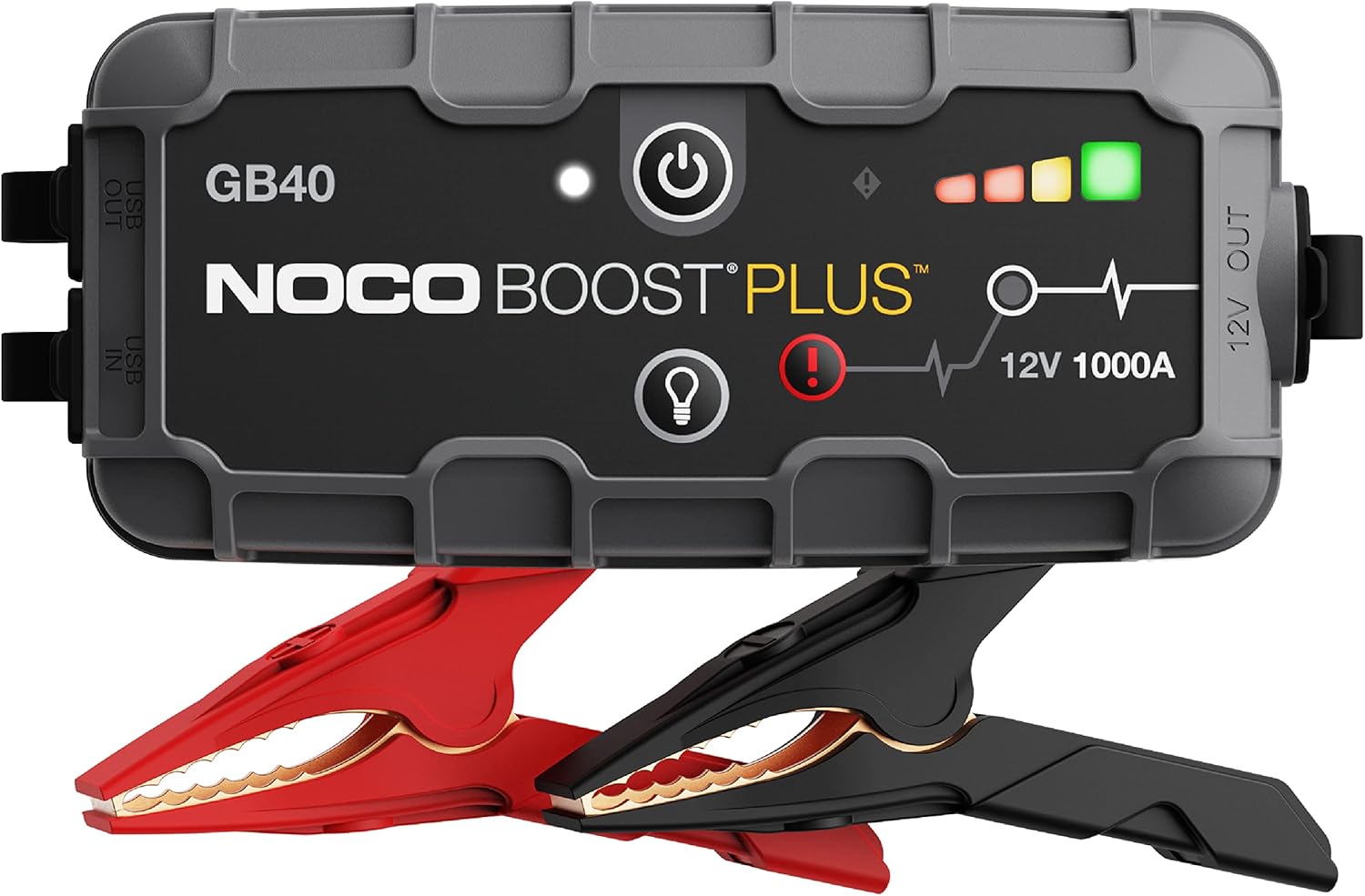
NOCO Boost Plus GB40 Jump Starter
A 1000A lithium jump starter that fits in your glovebox and works on any 12V battery. Your insurance against a dead 12V in a parking lot.
As an Amazon Associate, ThinkEV earns from qualifying purchases — at no extra cost to you.

Founder & Chief Editor
Vlad Pereira is the founder and chief editor of ThinkEV.ca, the Canadian electric-vehicle publication he writes and edits from Courtenay, British Columbia. He covers EV pricing, federal and provincial rebates, charging costs, and the Chinese manufacturers now entering Canada, from the buyer's side rather than the press-fleet side. ThinkEV is a venture of Vlad Pereira Online; his writing on health, income and the long game lives at vladpereira.com.
Frequently asked questions
When will Chery's kei car launch, and will it ever be built in Japan?
Who is actually behind this joint venture?
Why should Suzuki, the kei-car incumbent, be worried?
Does this say anything about how Chinese brands could enter Canada?
More EV & road-trip finds
Affordable upgrades worth a look — tap any to check the price on Amazon.
 ★ 87
★ 87Car Window Sun Shades for Kids (4-Pack)
View on Amazon ★ 68
★ 68WeatherTech FloorLiner for Tesla Model 3
View on Amazon ★ 4,050
Touchscreen Mist Screen Cleaner Kit
View on Amazon ★ 314
★ 314Mini USB LED Ambient Lamps (4-Pack)
View on Amazon ★ 4,626
HoogaLife Hanging Car Diffuser (2-Pack)
View on Amazon ★ 979
★ 979Leather Headrest Purse Hook
View on Amazon ★ 12,834
P3 Kill A Watt Electricity Usage Monitor
View on Amazon ★ 121
★ 121Foldable Windshield Sun Umbrella
View on AmazonRead, Plan, Then Stay Current
Explore our expert articles to understand incentives and ownership costs, use the map to pressure-test charging reality, then subscribe so new EV coverage comes straight to you.
Continue Reading
BYD Racco: The 20 kWh Kei EV and Tariff Rules
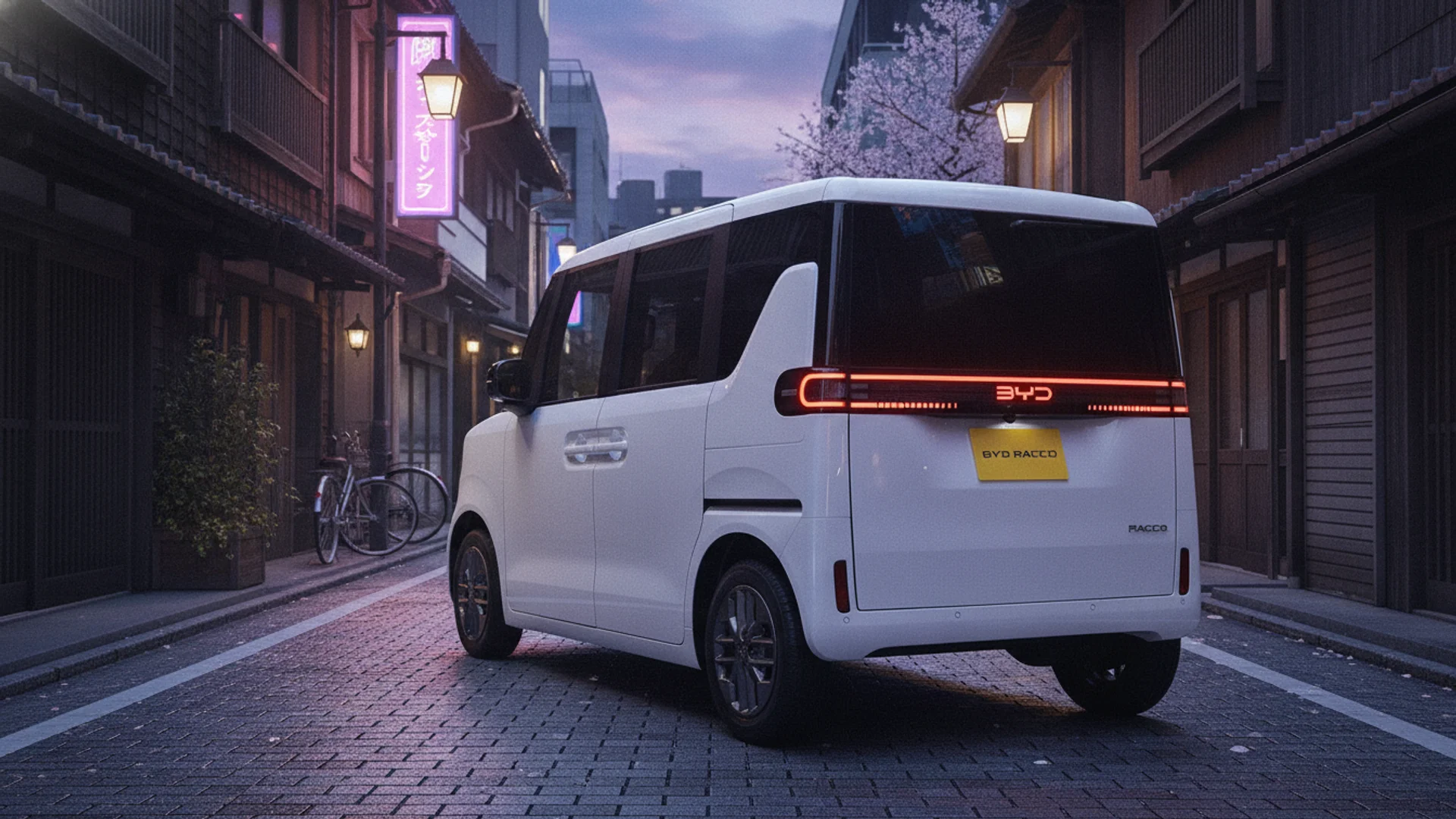
BYD Racco 2026: Kei EV With 320 km Range at ¥2.145M
Tesla Q3 2026 Earnings: Flat Revenue, Falling Profits
BYD Denza B8 Suspension Trick Defeats Traffic Boot in Viral Clip

Zenos E10 Returns at £115,000, A Different Car Entirely